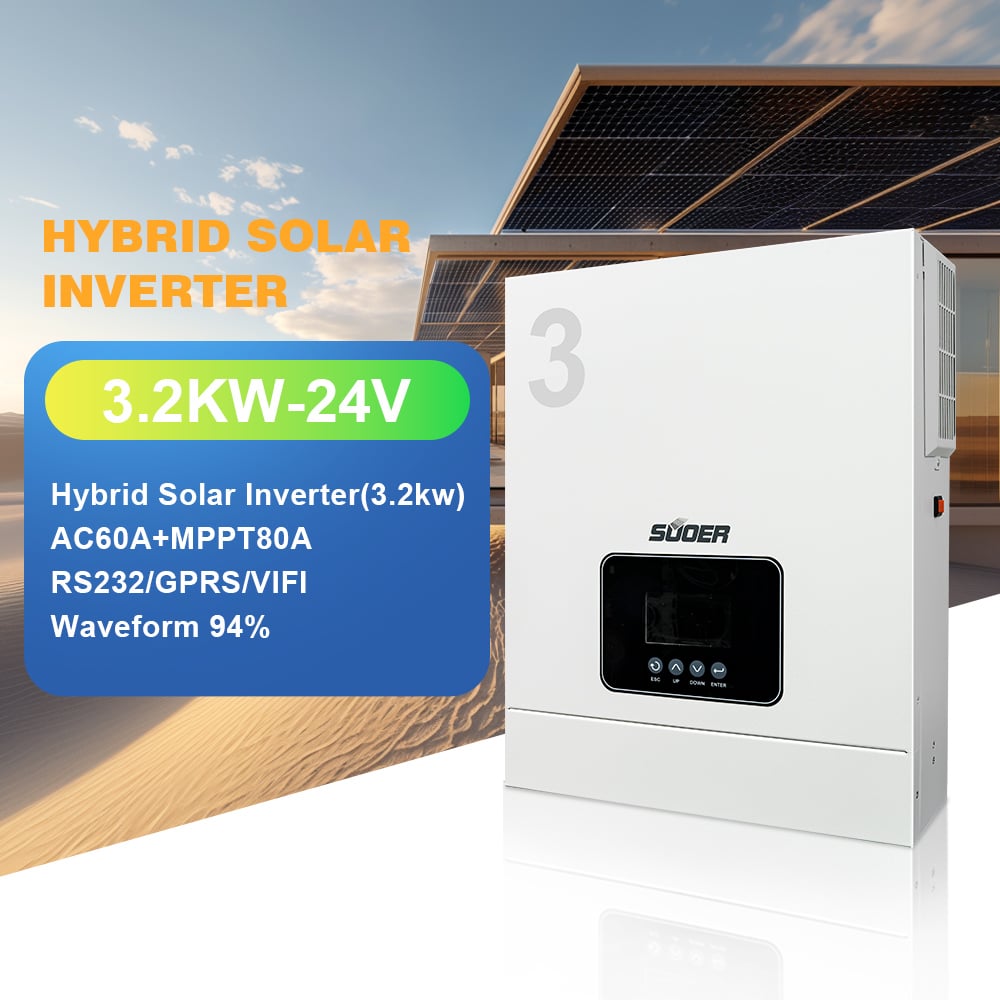
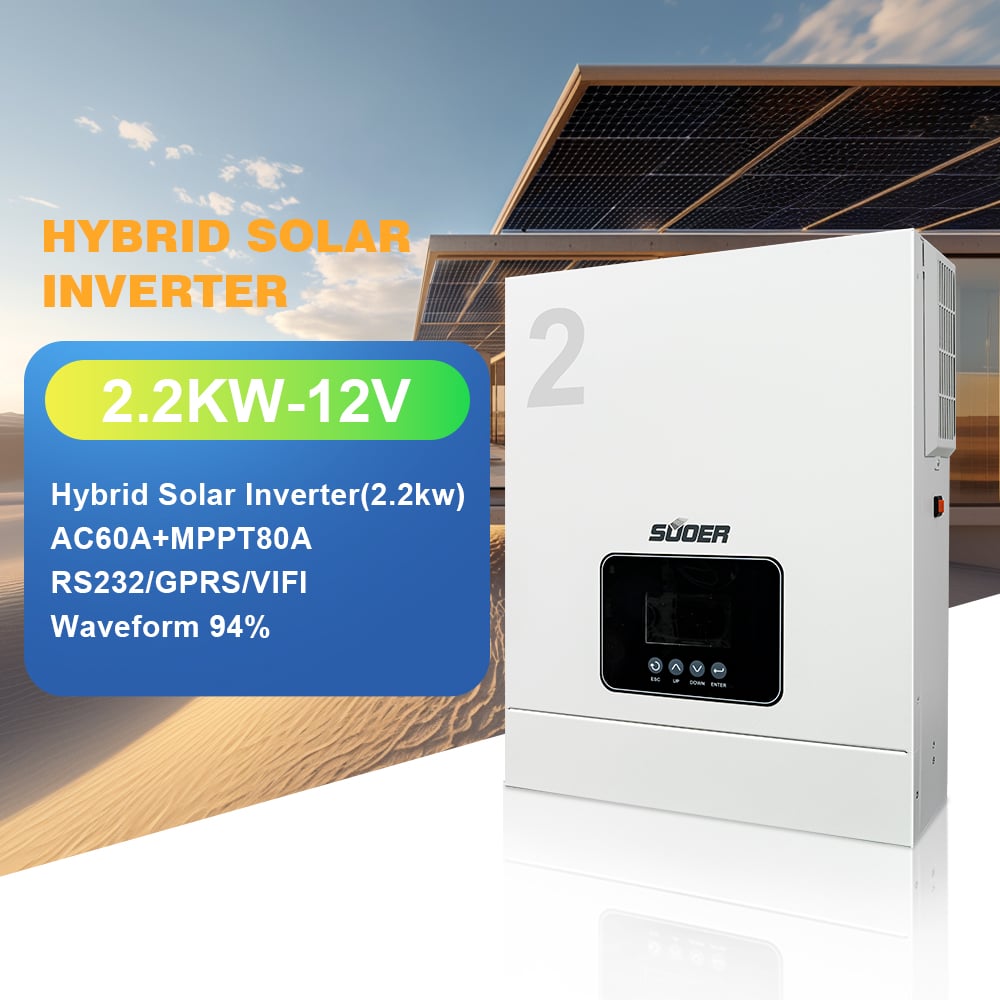
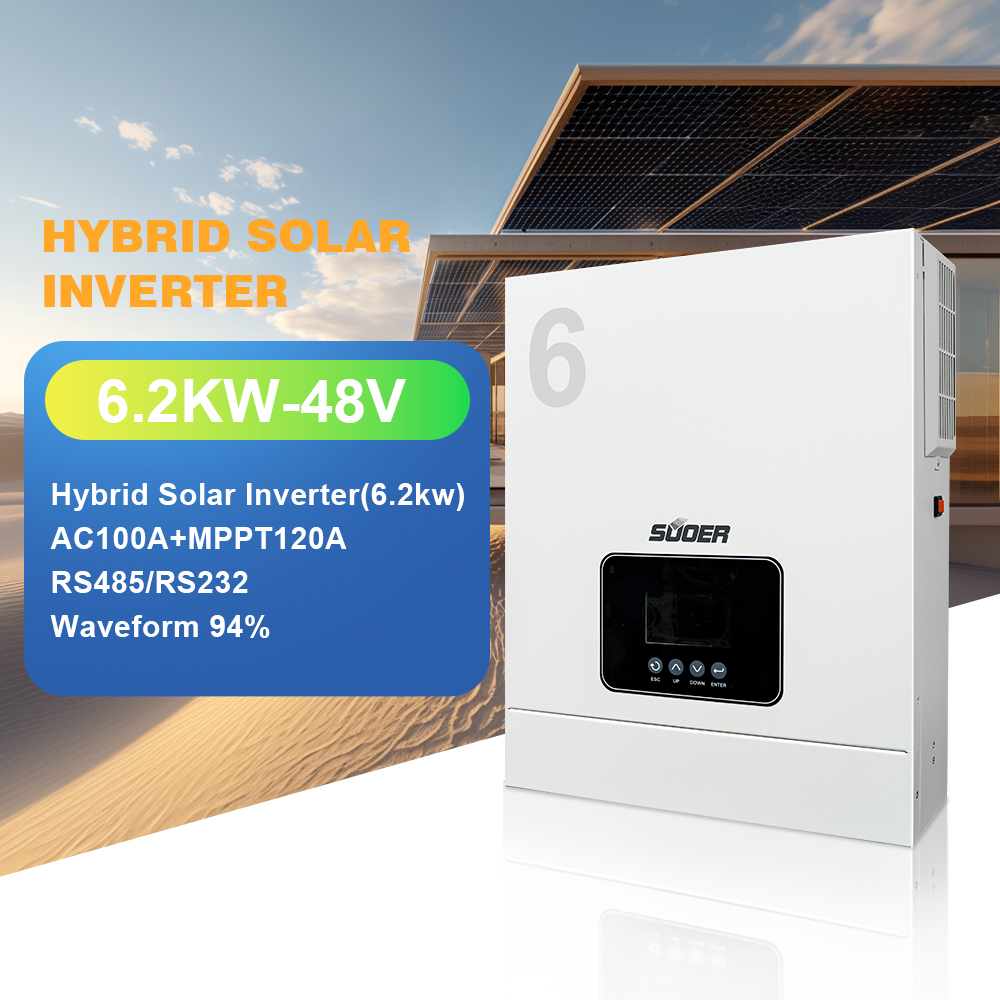
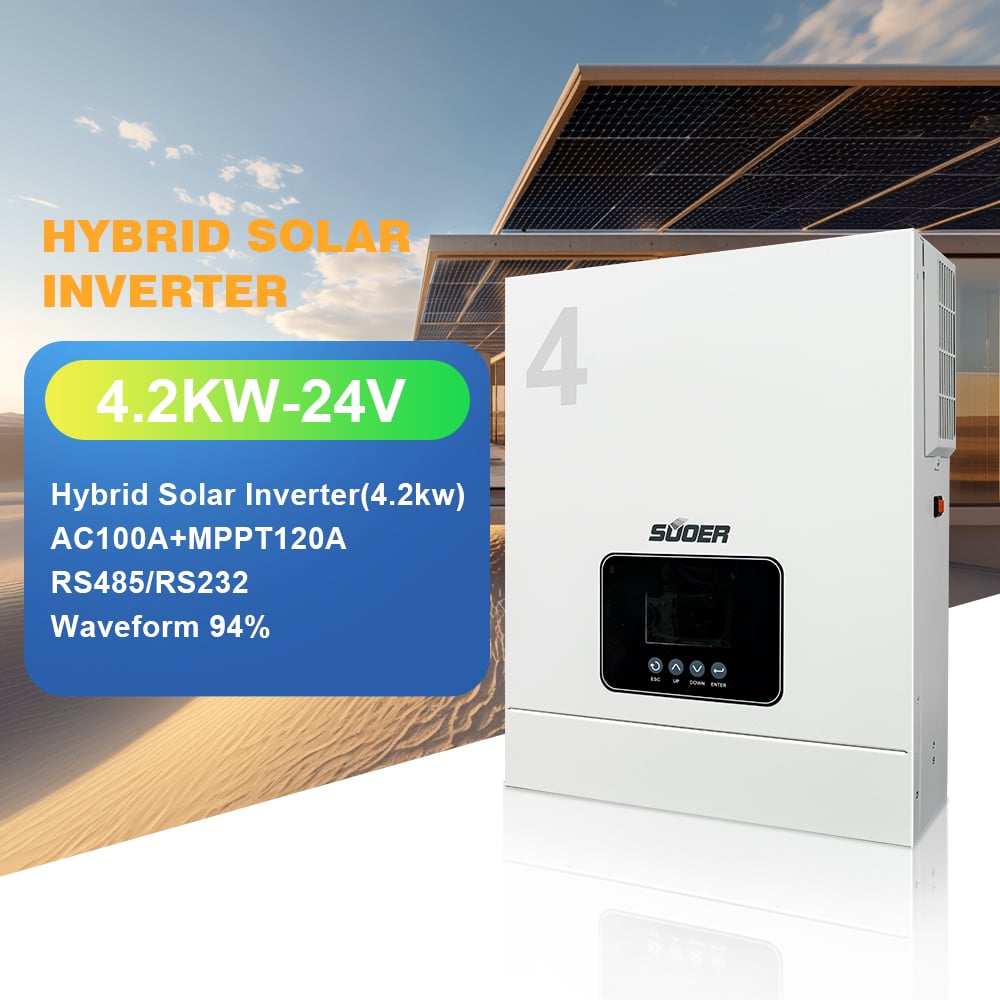
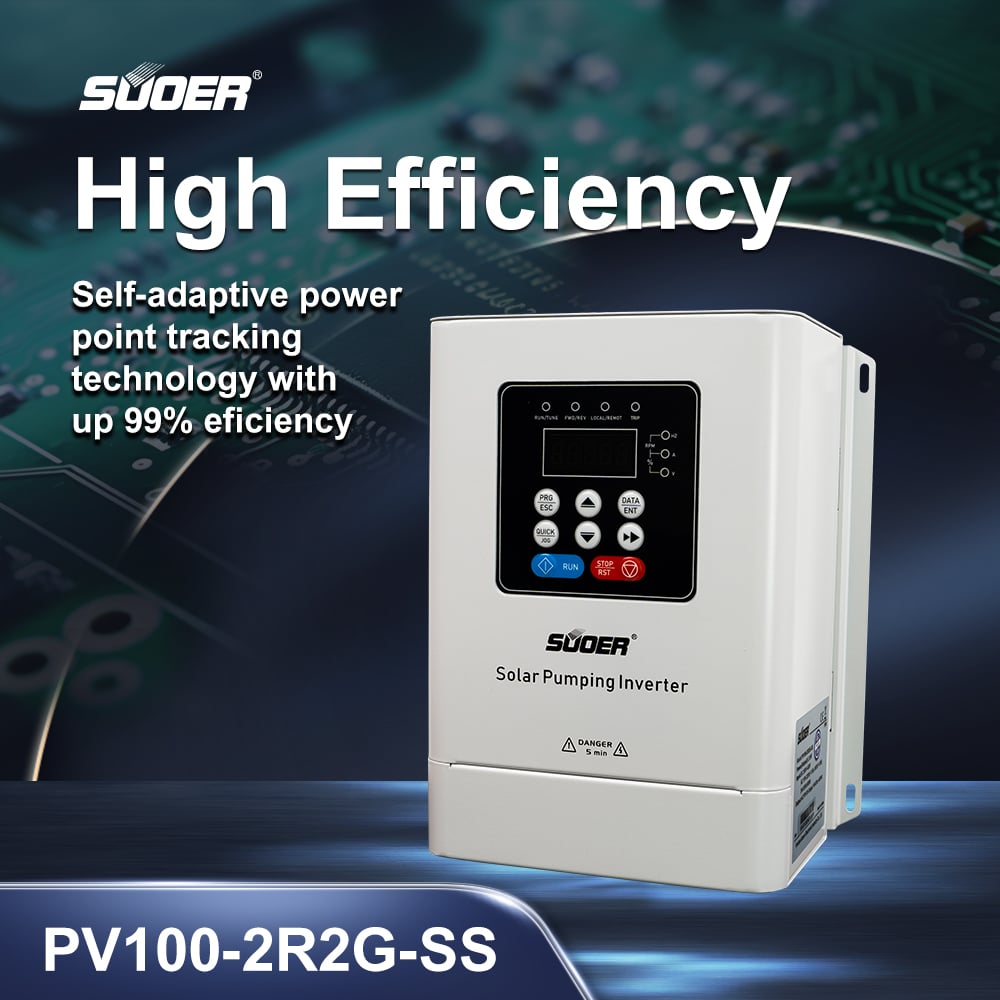
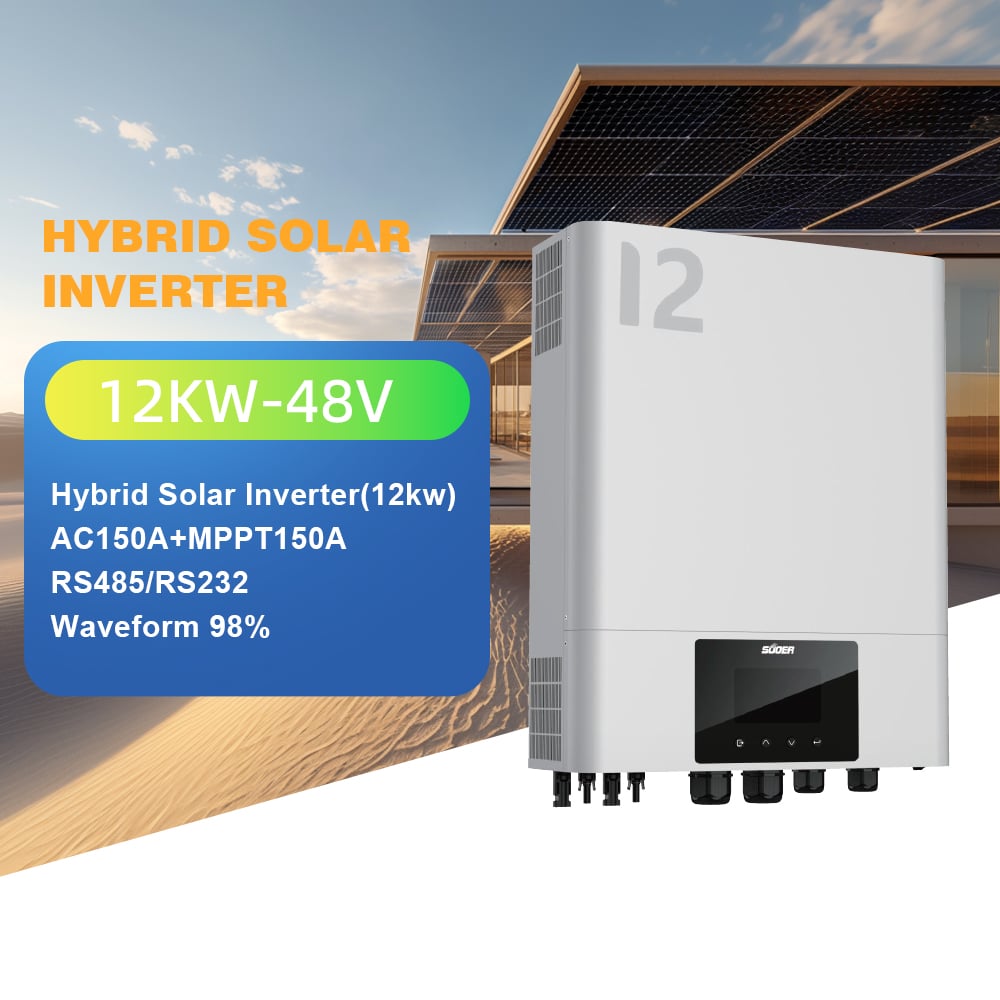
Pure sine inverters are essential components in various applications, including electric vehicles, industrial power systems, and renewable energy setups like photovoltaic systems. As a B2B buyer, understanding how to select high-quality pure sine inverters is crucial for ensuring reliability and performance in your projects. This article will guide you through key considerations, technical specifications, cost factors, common issues, and installation guidance, helping you make informed purchasing decisions.
When selecting pure sine inverters for wholesale purchases, quality should be your top priority. Look for manufacturers with a proven track record in the new energy sector, particularly those who supply major vehicle OEMs and industries such as telecommunications and rail transit. Key indicators of quality include relevant certifications like ROHS, CE, and ISO9001, which demonstrate compliance with international safety and quality standards.
Additionally, evaluate the manufacturer’s production capabilities. Automated production processes can enhance consistency and minimize defects, while a robust research and development team indicates ongoing innovation and reliability. Ensure that the manufacturer can cater to your specific requirements, including customization options, minimum order quantities (MOQs), and lead times that align with your project timelines.
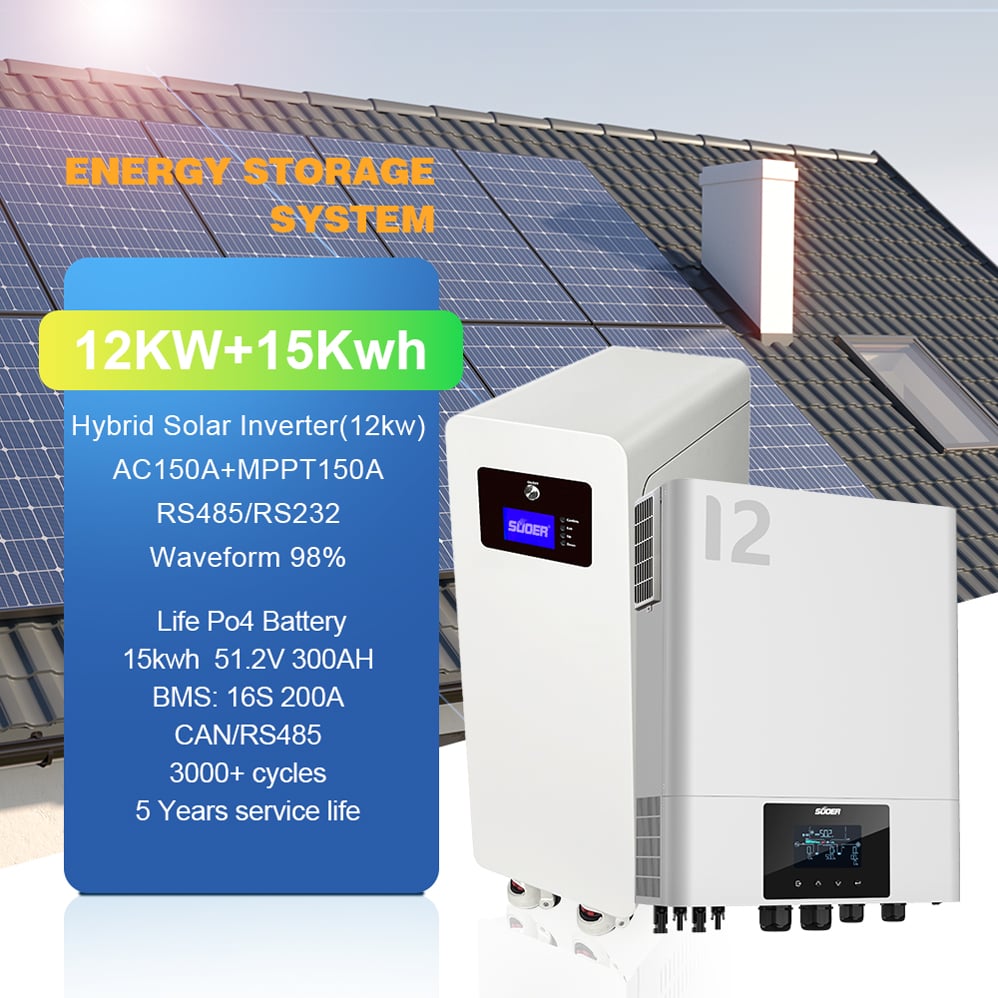
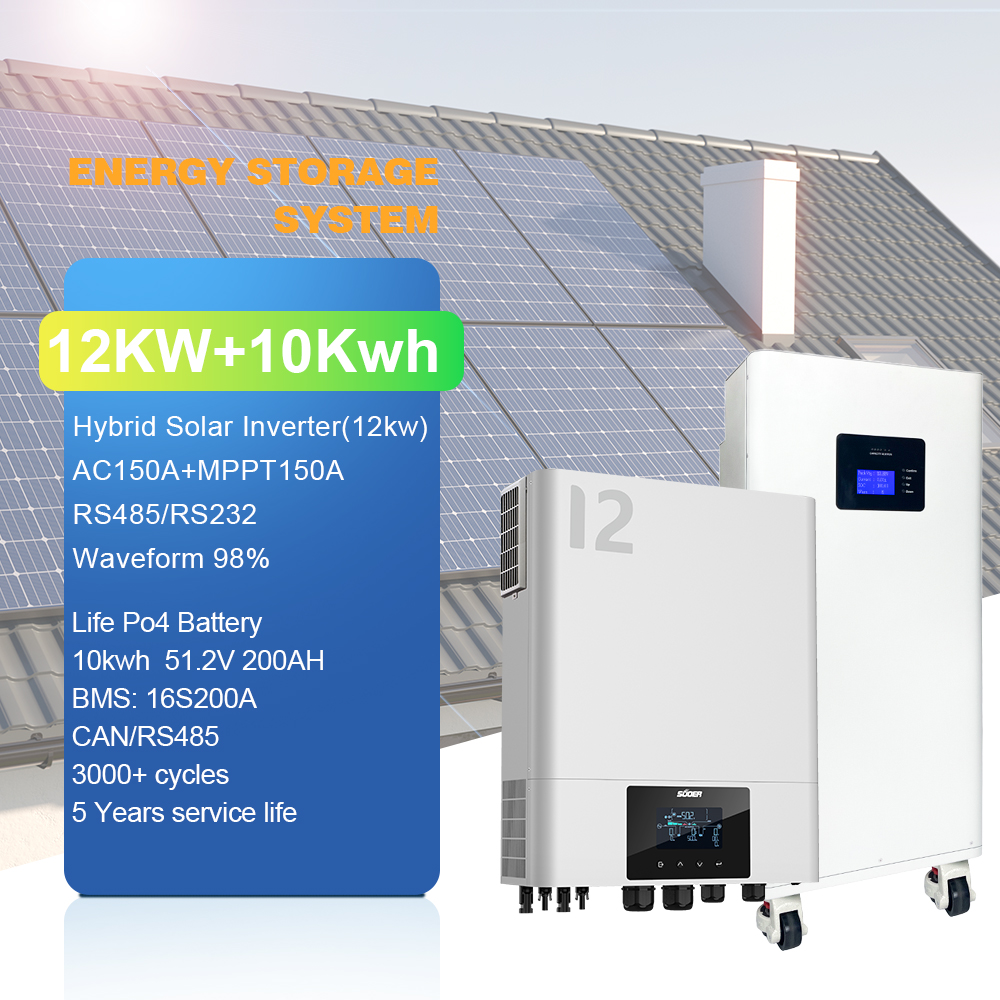
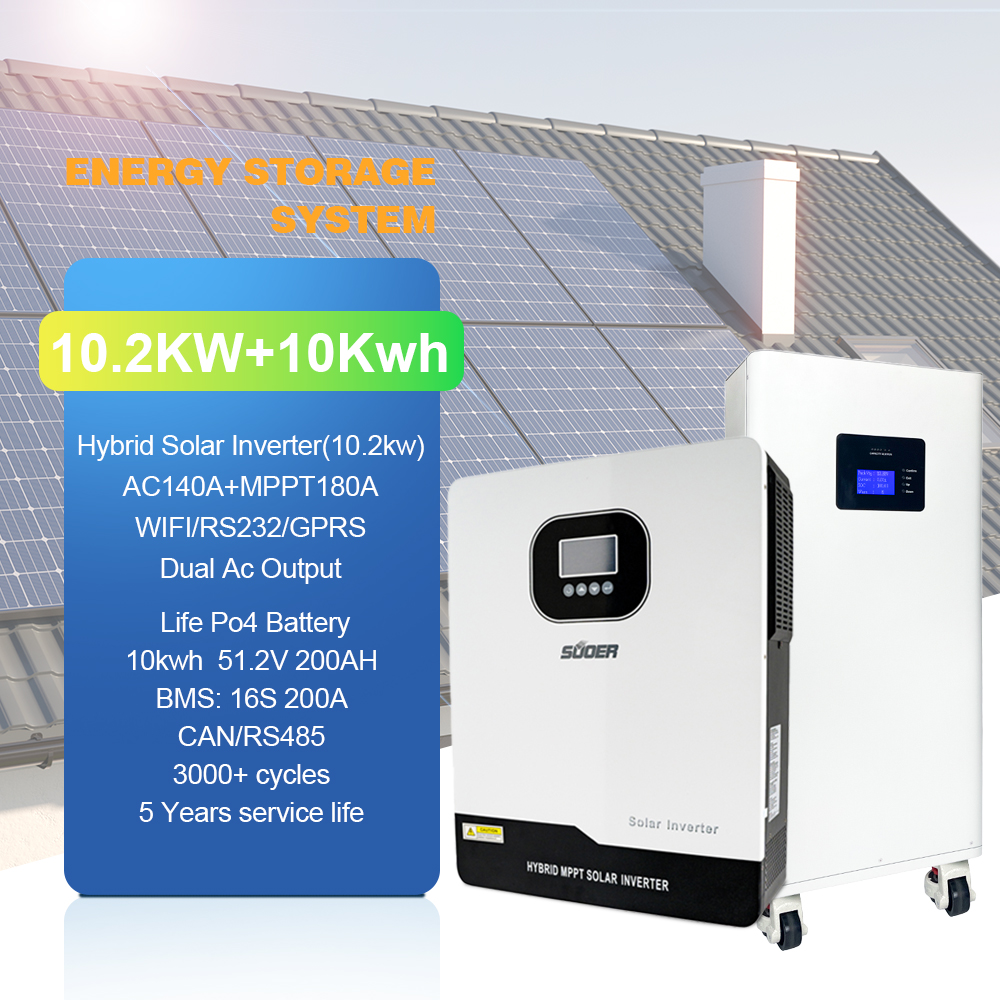
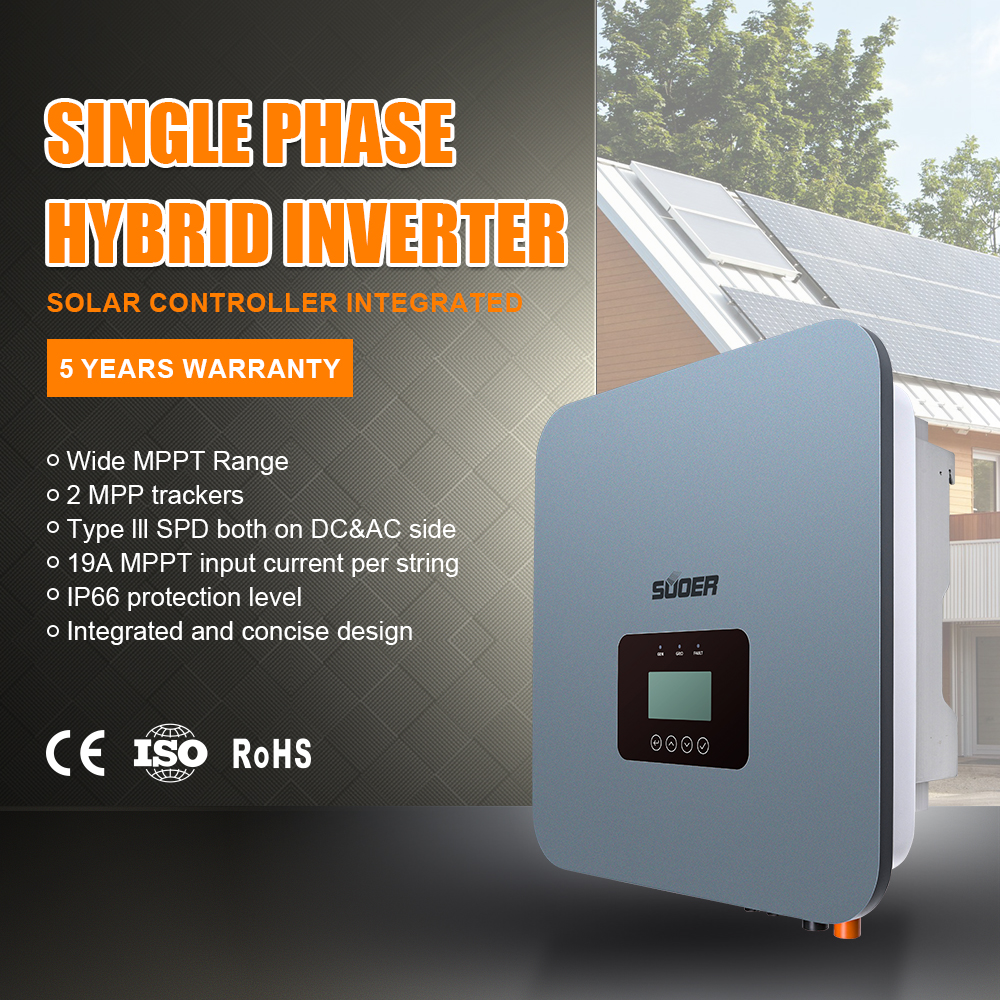
Technical specifications are critical when evaluating Suoer pure sine inverters. Here are some key parameters to consider:
Output Waveform: Pure sine inverters provide a smooth waveform that is essential for sensitive electronics. Ensure the inverter offers a true sine wave output to prevent damage to your devices.
Power Rating: The inverter's power rating should match or exceed the total load it will support. Consider both continuous and peak power ratings, as some devices may require higher power during startup.
Efficiency: Look for inverters with high efficiency ratings, typically above 90%. This reduces energy loss during conversion and can lead to cost savings over time.
Thermal Management: Inverters should have efficient cooling systems to prevent overheating, which can lead to reduced lifespan and performance. Assess features such as built-in fans or heat sinks.
Input Voltage Range: Ensure the inverter can accommodate the voltage range of your application, whether it's for vehicle systems or photovoltaic setups.
Understanding these specifications will enable you to select the appropriate pure sine wave power inverter that meets the operational demands of your projects.
The cost of pure sine inverters can vary significantly based on several factors. When considering bulk purchases, keep the following in mind:
Quantity Discounts: Many manufacturers offer price breaks for larger orders. Be clear about your needs, as higher quantities can substantially reduce unit costs.
Customization Requirements: Custom features, such as unique input/output configurations or specific performance criteria, can increase production costs. Be prepared to discuss these with your supplier.
Material and Component Quality: Inverters made from high-quality components may have a higher upfront cost but can lead to lower maintenance and replacement costs in the long run.
Shipping and Logistics: Factor in shipping costs, which can vary based on the destination and order size. Additionally, consider any tariffs or import duties that may apply.
Lead Time: If your project timeline is tight, expedited production may incur additional costs. Clarify lead times when discussing price to avoid unexpected expenses.
By understanding these cost factors, you can better negotiate pricing and align your budget with your project requirements.
Despite their advantages, Suoer pure sine inverters can encounter several common issues. Here are some problems to watch for, along with potential solutions:
Overheating: If an inverter operates at high temperatures, it may shut down or become damaged. Ensure proper ventilation and consider models with built-in thermal management features.
Inverter Shutdown: Frequent shutdowns can indicate that the inverter is overloaded. Check that your loads do not exceed the inverter's capacity and redistribute them if necessary.
Noise Issues: Some inverters may generate excessive noise. Look for models with quieter operation or sound-dampening features if this is a concern for your application.
Failure to Start Devices: If the inverter struggles to power certain devices, it may not provide sufficient peak power. Verify that the inverter’s specifications align with the startup requirements of your equipment.
Voltage Fluctuations: Inconsistent output voltage can cause device malfunction. Choose grid tie solar inverter with stable output regulation to ensure reliable performance.
By understanding these common issues, you can proactively address challenges, ensuring optimal performance from your pure sine inverters.
Proper installation of Suoer pure sine inverters is essential for maximizing their performance and longevity. Here are some key installation tips:
Location Selection: Install inverters in a well-ventilated area, away from moisture and extreme temperatures. Ensure that the installation site complies with any relevant safety regulations.
Wiring Considerations: Use appropriate gauge wire to connect the inverter to the power source and load. Undersized wiring can lead to voltage drops and overheating.
Grounding: Proper grounding is crucial for safety and performance. Ensure that the photovoltaic inverter is correctly grounded to prevent electrical shocks and interference.
Testing Before Full Operation: After installation, conduct thorough testing before fully deploying the system. Check voltage outputs, load handling, and overall functionality to identify any issues early.
Regular Maintenance: Establish a routine maintenance schedule to inspect connections, clean components, and ensure that the inverter operates within specified parameters.
By following these installation guidelines, you can enhance the reliability and efficiency of pure sine inverters in your industrial applications.

Discover Suoer’s premium range of solar inverters and power inverters designed for reliable renewable energy solutions.Trusted by customers worldwide for exceptional performance and durability.
Suoer Industrial Zone, Ercun Road Section, Yanfeng Avenue, Shishan Town,Foshan city,Guangdong Province,China
Copyright © 2024 Foshan Suoer Electronic Industry Co., Ltd. Privacy Policy - Blog

 EN
 AR
 NL
 FR
 DE
 EL
 IT
 JA
 KO
 PT
 RU
 ES
 VI
 TH
 TR
 BG
 HR
 CS
 NO
 PL
 TL
 ID
 SR
 UK
 SQ
 HU
 MT
 AF
 MS
 IS
 HY
 AZ
 BN
 BS
 GU
 LO
 LA
 MN
 NE
 TA