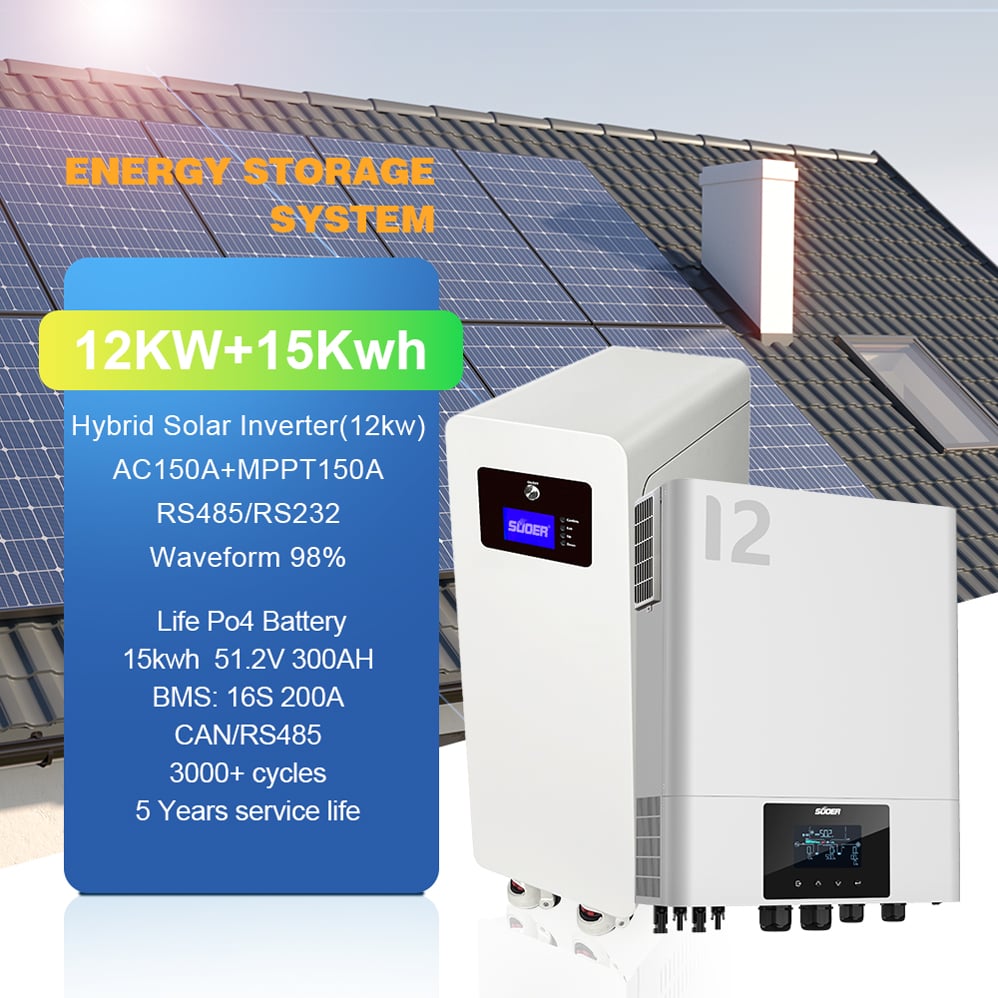
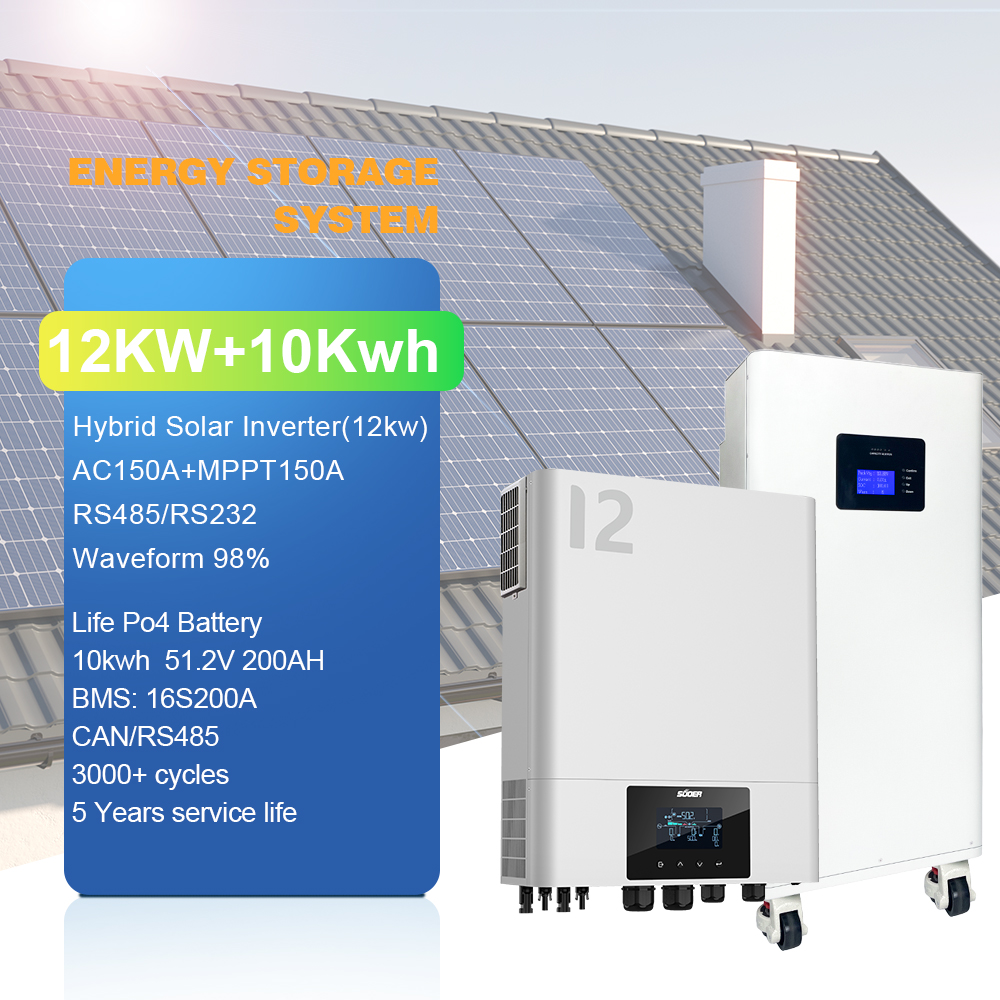
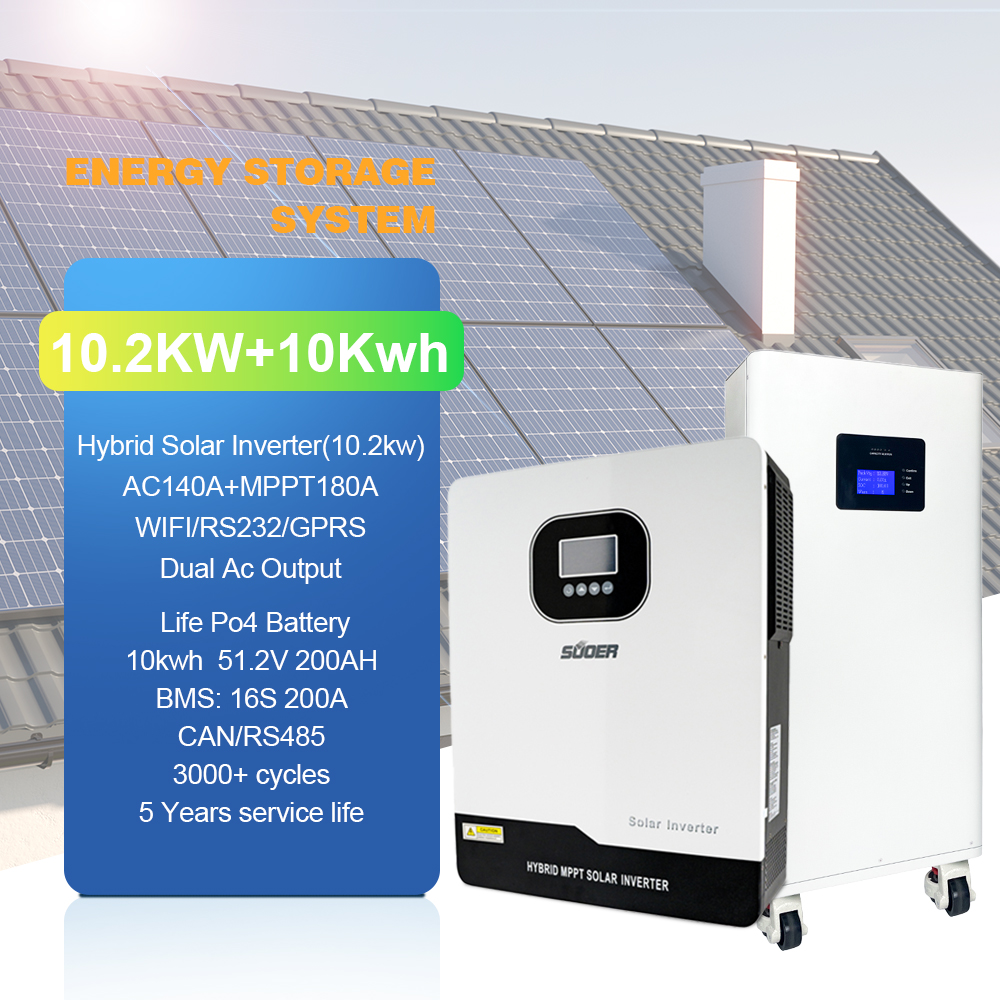
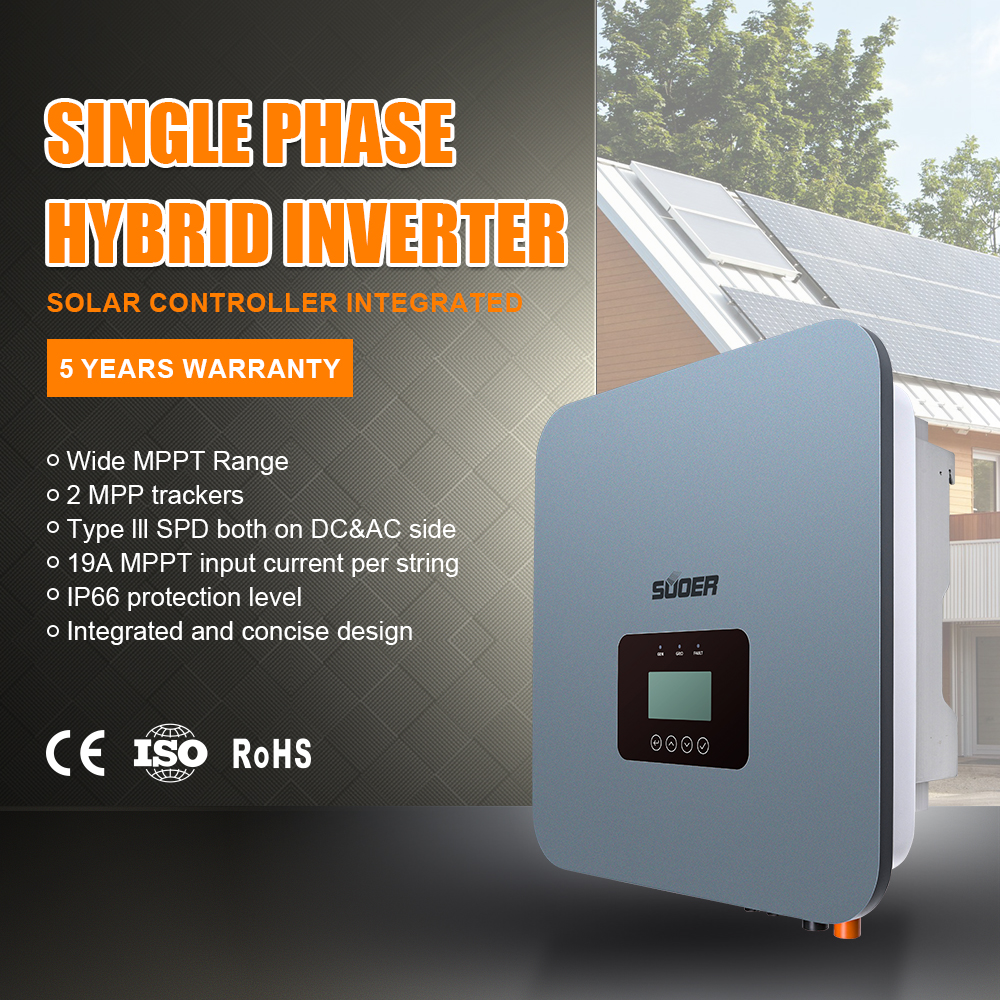
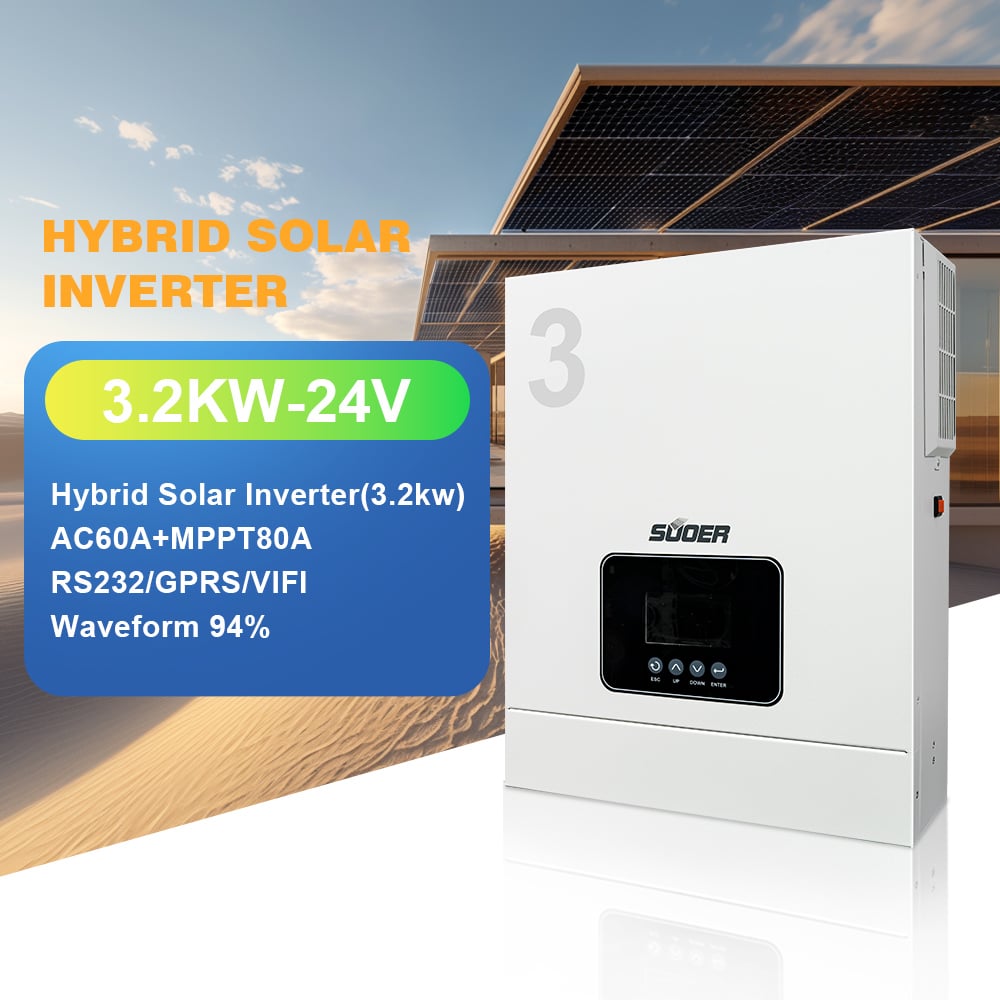
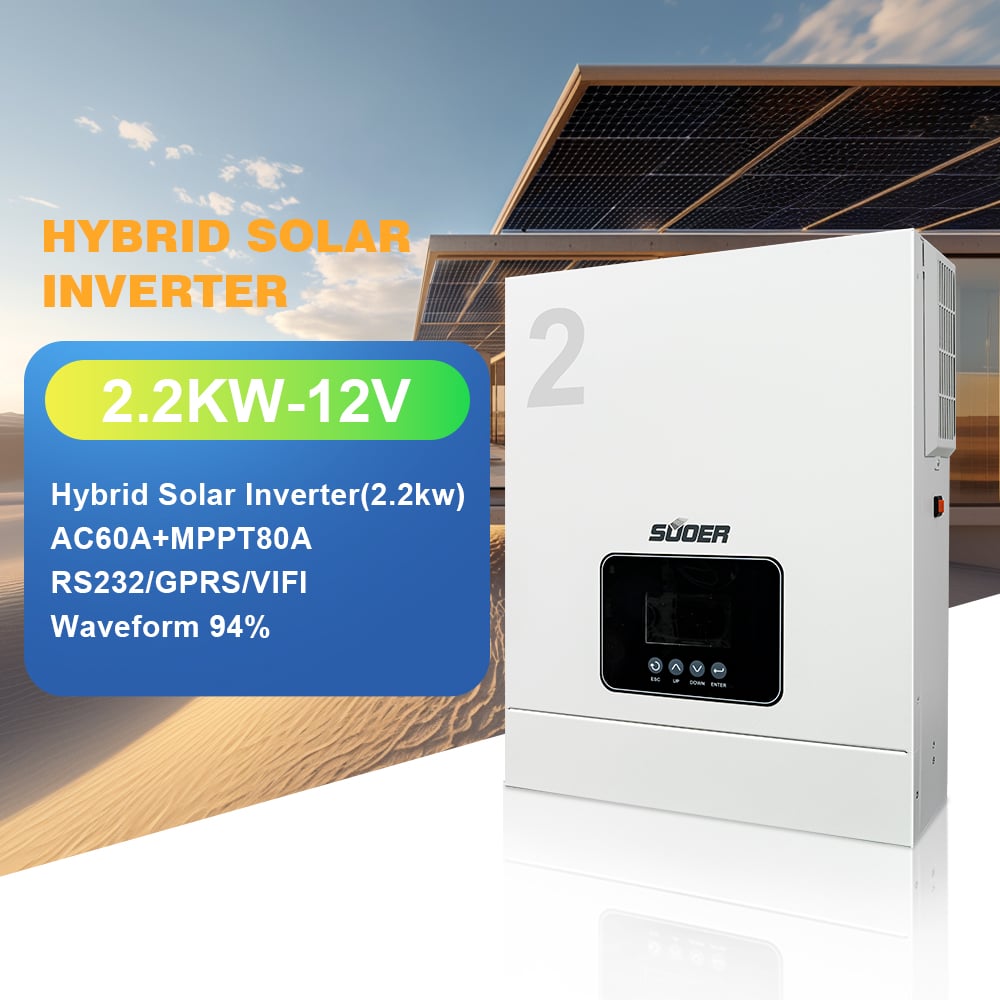
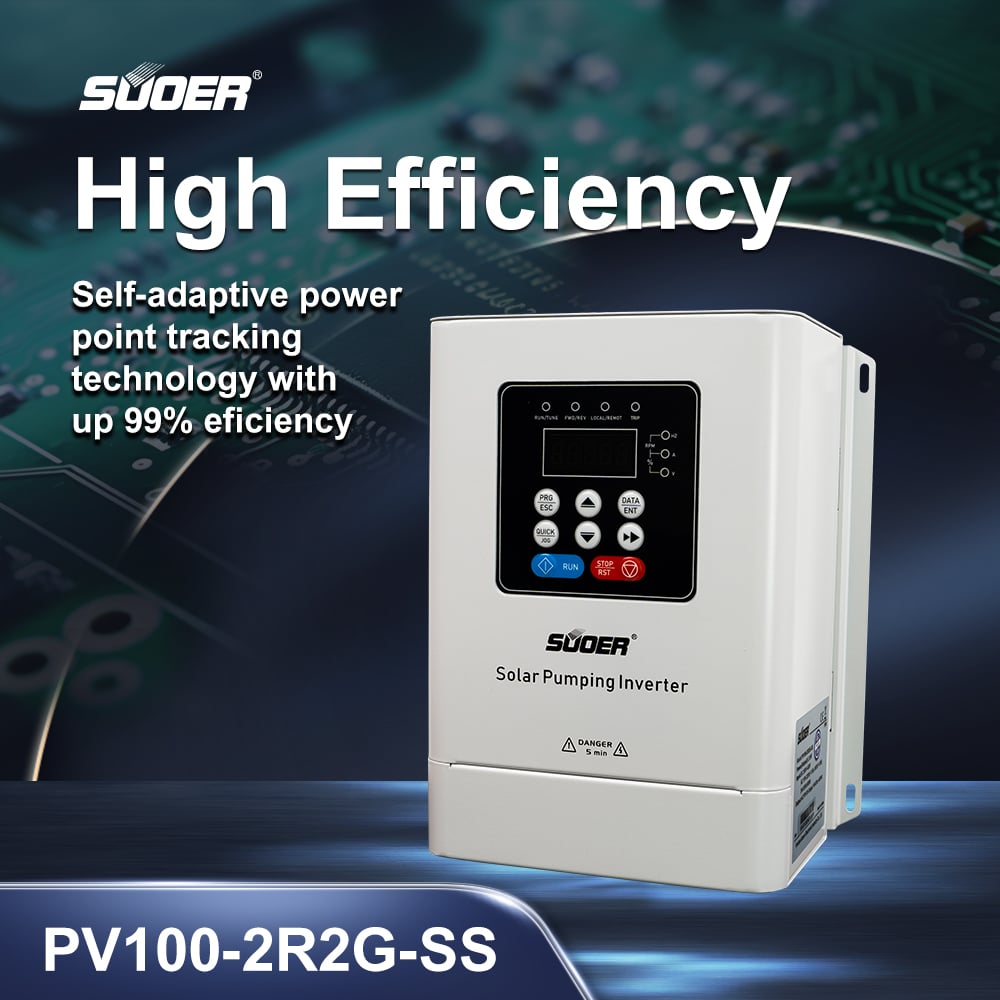
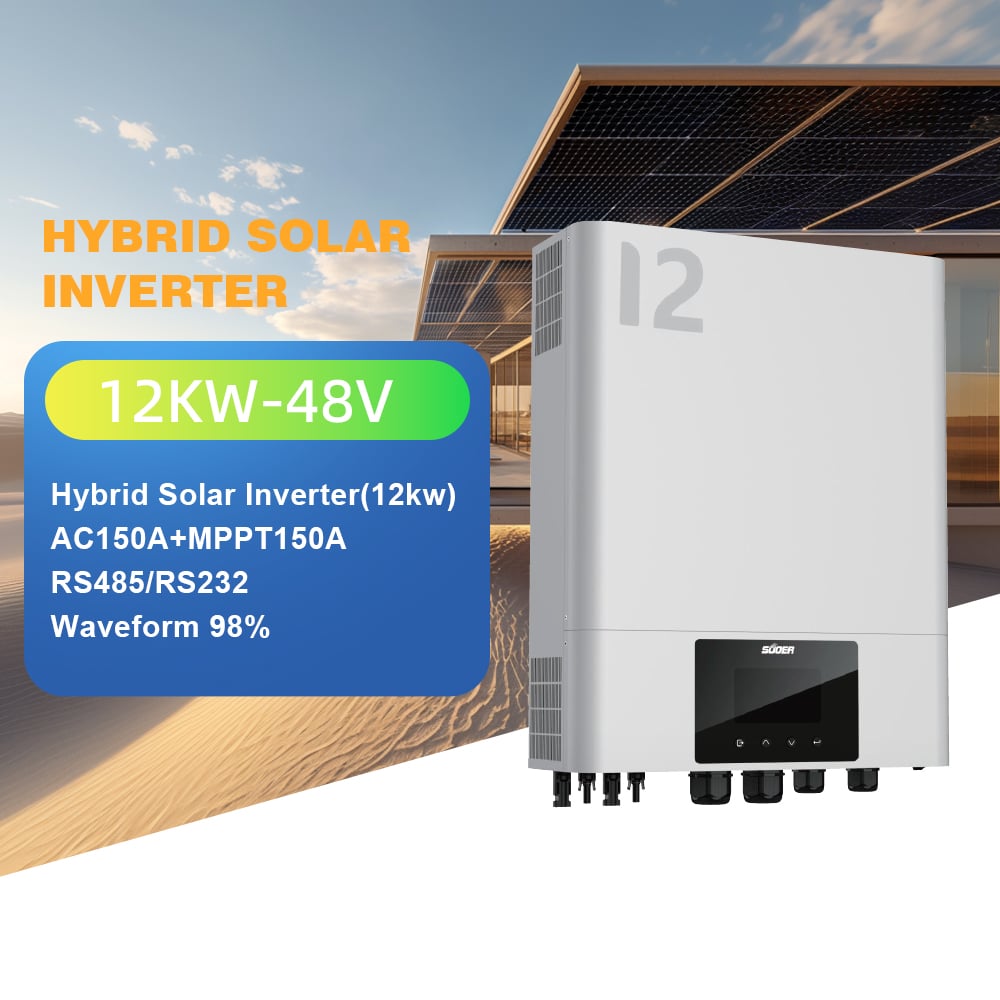
A 1500W pure sine inverter is a critical component for various applications, providing clean and stable power for sensitive electronics. B2B buyers, such as purchasing managers and engineers, often have specific concerns about compatibility, quality, and performance when selecting inverters for their projects. This article will guide you through the essential considerations, specifications, and sourcing options for Suoer dc power inverter, ensuring you make informed decisions that meet your operational needs.
When selecting a 1500W pure sine inverter, consider the following key factors:
Power Requirements: Determine the total wattage of the devices you plan to power. Ensure that the inverter's continuous output meets or exceeds this total, allowing for any startup surges from appliances.
Voltage Compatibility: Check the input and output voltage ratings of the inverter. Most applications require inverters that can convert DC power (from batteries or solar panels) to AC power suitable for home or industrial use.
Waveform Quality: Pure sine wave inverters are ideal for sensitive electronics as they produce a clean and stable output. This is crucial for applications in medical devices, telecommunications, and high-end audio equipment.
Efficiency Ratings: Look for inverters with high efficiency ratings to minimize energy loss during conversion. An inverter with an efficiency above 90% is generally preferred.
Cooling Mechanisms: Inverters generate heat during operation. Ensure the model you choose has adequate cooling mechanisms, such as fans or heat sinks, to maintain optimal performance.
Safety Features: Consider inverters with built-in safety features like overload protection, short circuit protection, and thermal shutdown to protect both the inverter and the connected devices.
Certifications: Ensure the product meets relevant industry standards or certifications, such as CE, ROHS, and ISO9001, which are indicative of quality and safety.
When procuring 1500W pure sine inverters in bulk, it’s essential to focus on the following specifications:
Input Voltage Range: Common ranges include 12V, 24V, or 48V DC. Make sure to match the inverter with your power source.
Output Voltage: Typically, inverters will output 110V or 220V AC. Confirm which voltage is required for your applications.
Surge Capacity: This indicates the maximum power the inverter can handle for a short period, essential for devices with high startup currents.
Dimensions and Weight: Consider space constraints and portability needs in your application.
Cooling Type: Specify whether you need a fan-cooled or passive cooling design based on your operating environment.
Communication Options: Some inverters offer remote monitoring or control features, which can be beneficial for large installations.
For bulk orders, understanding the minimum order quantity (MOQ) and lead times is crucial. Discussing your specific needs with manufacturers can also lead to customization options that better fit your applications.
Quality evaluation of Suoer 1500W pure sine inverters is vital for resellers to ensure customer satisfaction. Here are some practical steps:
Sample Approval: Before committing to a bulk purchase, request samples to test under actual operating conditions. Evaluate performance, heat generation, and how well the best off grid solar inverter handles surge loads.
Material and Build Quality: Inspect the materials used in the inverter's construction. High-quality components typically lead to better durability and performance.
Functional Testing: Conduct tests to check for waveform quality using an oscilloscope. Ensure the output is a true sine wave without significant distortion, as this affects electronic device performance.
Customer Feedback: Research reviews and testimonials from other customers. Understanding real-world performance can highlight potential issues.
Manufacturer Reputation: Assess the manufacturer’s track record in the market. Companies with established reputations often provide superior products and customer support.
Warranty and Support: Review the warranty terms and post-sale support offered by the manufacturer. A robust warranty can be indicative of product confidence and reliability.
Finding dependable suppliers for 1500W pure sine inverters involves thorough research and evaluation:
Industry Directories: Utilize industry-specific directories and trade platforms to find manufacturers and distributors. Websites like Alibaba or ThomasNet can provide a wide range of options.
Trade Shows and Expos: Attend industry trade shows to meet suppliers, see products firsthand, and discuss your needs directly with manufacturers.
Referrals and Recommendations: Seek recommendations from industry peers or professional networks. Trusted sources can often lead you to reliable suppliers.
Certifications and Compliance: Verify that potential suppliers have the necessary certifications, such as CE and ISO9001, to ensure product quality and compliance with industry standards.
Supplier Audits: If possible, conduct factory audits to assess manufacturing capabilities, quality control processes, and overall production environment.
Initial Orders: Begin with smaller orders to evaluate supplier reliability, product quality, and service before making larger commitments.
Suoer 1500W pure sine inverters have diverse applications across several sectors:
Telecommunications: Used to power communication equipment where clean power is essential to maintain signal integrity and device longevity.
Electric Vehicles: Inverters are critical for converting DC power from the vehicle’s battery to AC power for various onboard systems.
Rail Transit: Employed in rail systems to ensure reliable power for signaling, control systems, and auxiliary services.
Backup Power Systems: Ideal for homes and commercial facilities as backup power solutions, providing reliable energy during outages.
Renewable Energy: In photovoltaic systems, these inverters convert DC power generated by solar panels into AC power for household or grid use, ensuring optimal efficiency.
Medical Equipment: Essential in healthcare applications, powering sensitive medical devices that require stable and clean electricity to function properly.
Understanding the specific applications of hybrid inverter allows buyers to tailor their purchasing decisions to their industry requirements, maximizing the utility and performance of their investments.

Discover Suoer’s premium range of solar inverters and power inverters designed for reliable renewable energy solutions.Trusted by customers worldwide for exceptional performance and durability.
Suoer Industrial Zone, Ercun Road Section, Yanfeng Avenue, Shishan Town,Foshan city,Guangdong Province,China
Copyright © 2024 Foshan Suoer Electronic Industry Co., Ltd. Privacy Policy - Blog

 EN
 AR
 NL
 FR
 DE
 EL
 IT
 JA
 KO
 PT
 RU
 ES
 VI
 TH
 TR
 BG
 HR
 CS
 NO
 PL
 TL
 ID
 SR
 UK
 SQ
 HU
 MT
 AF
 MS
 IS
 HY
 AZ
 BN
 BS
 GU
 LO
 LA
 MN
 NE
 TA