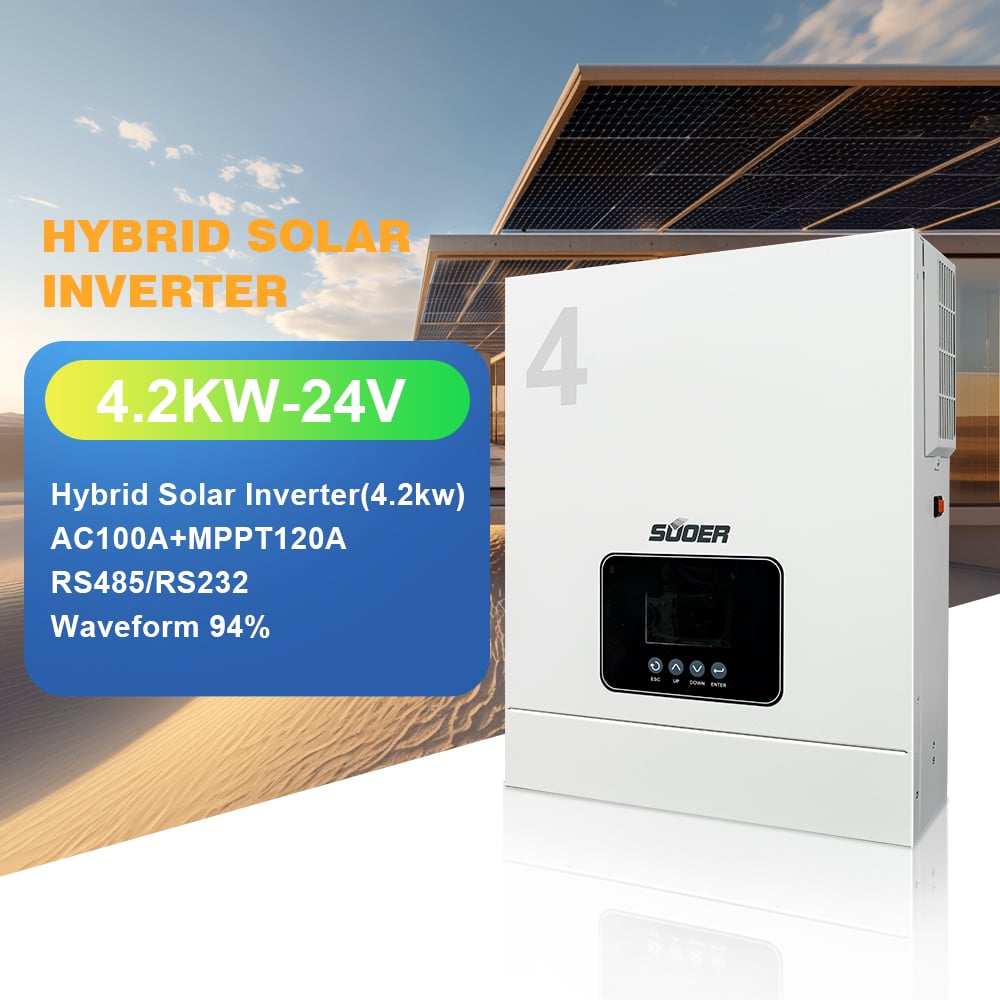
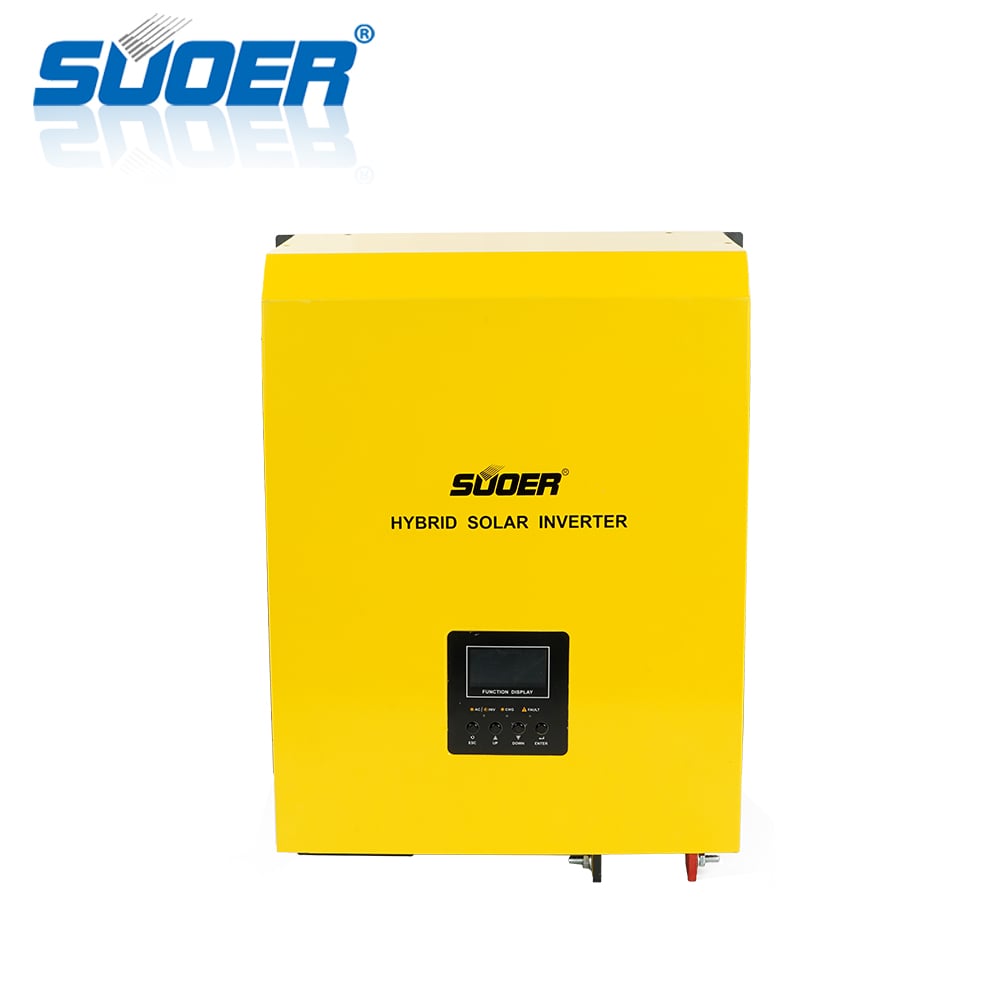
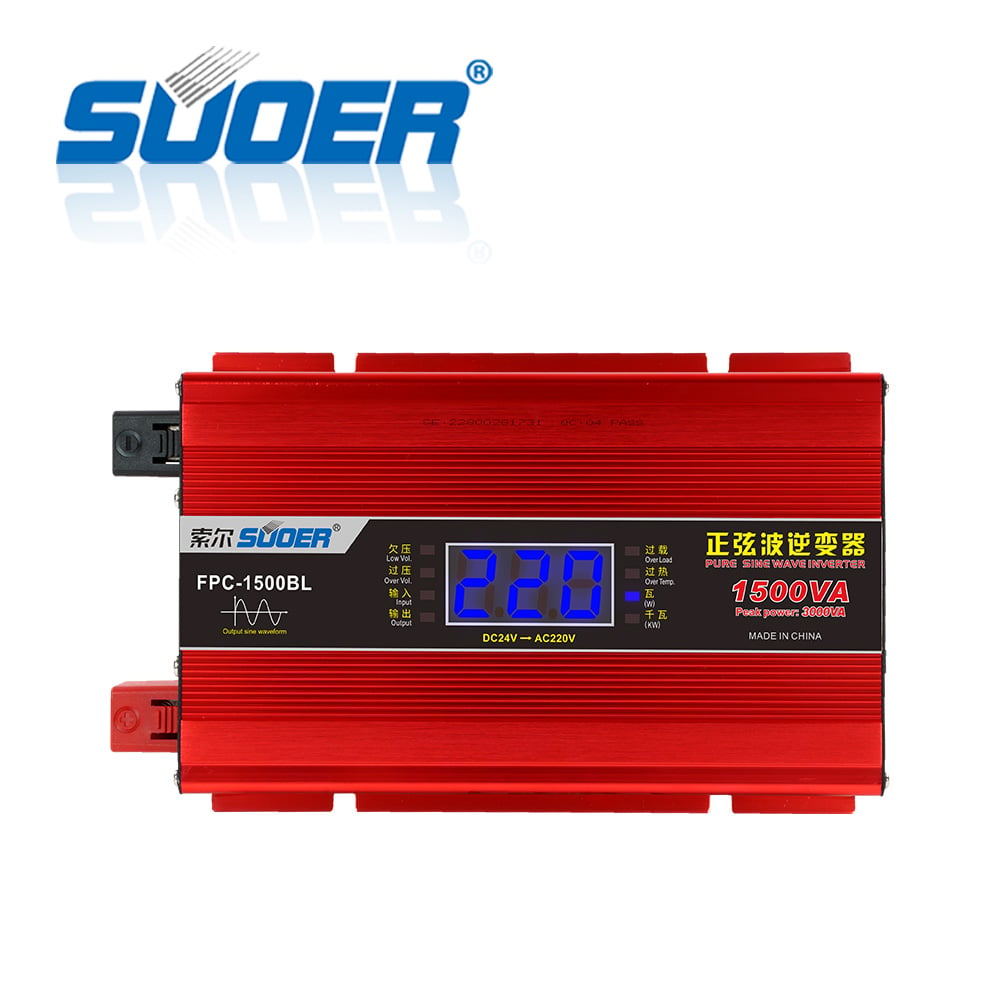
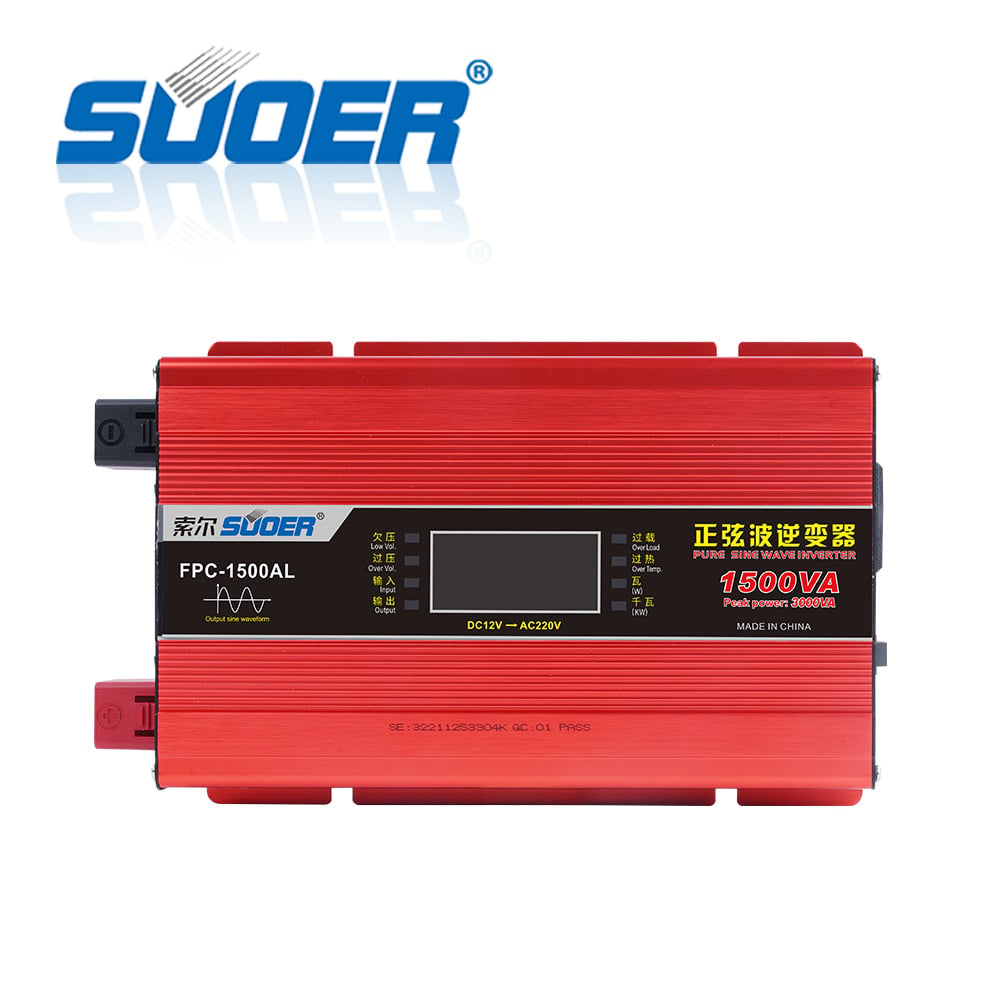
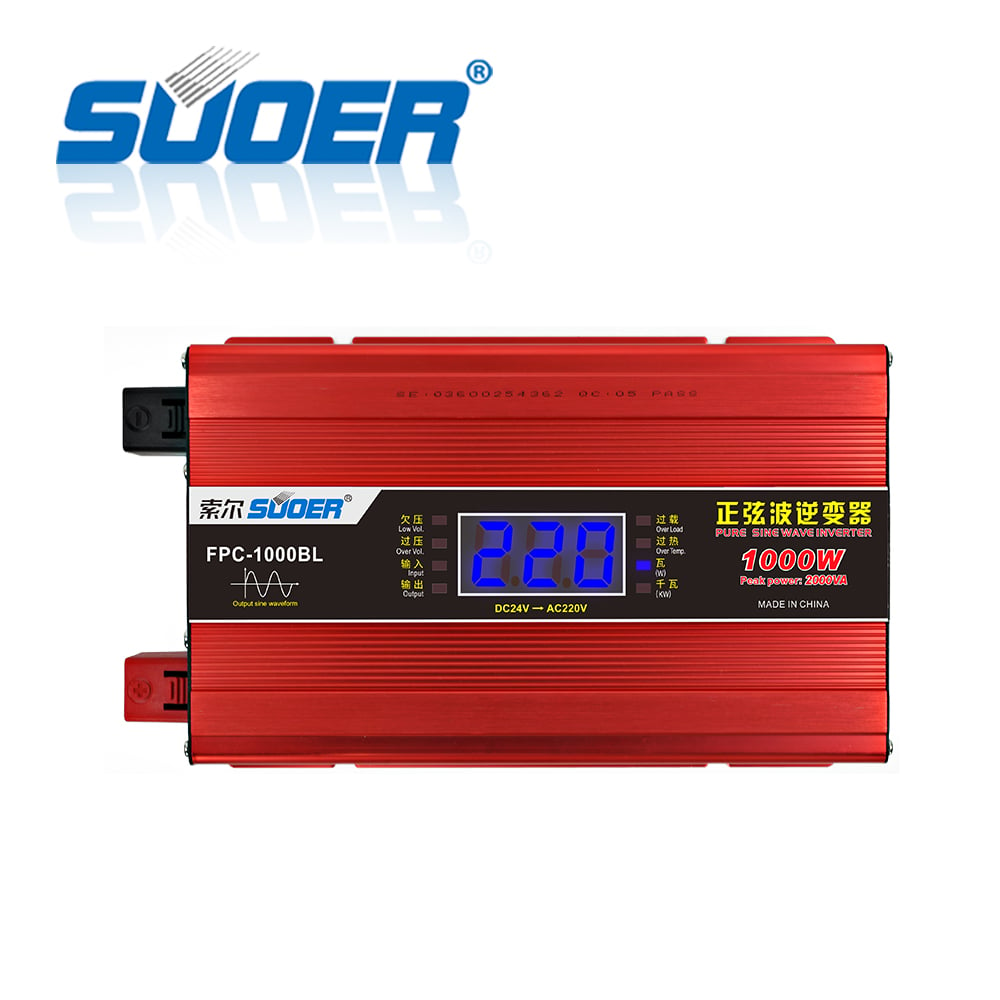
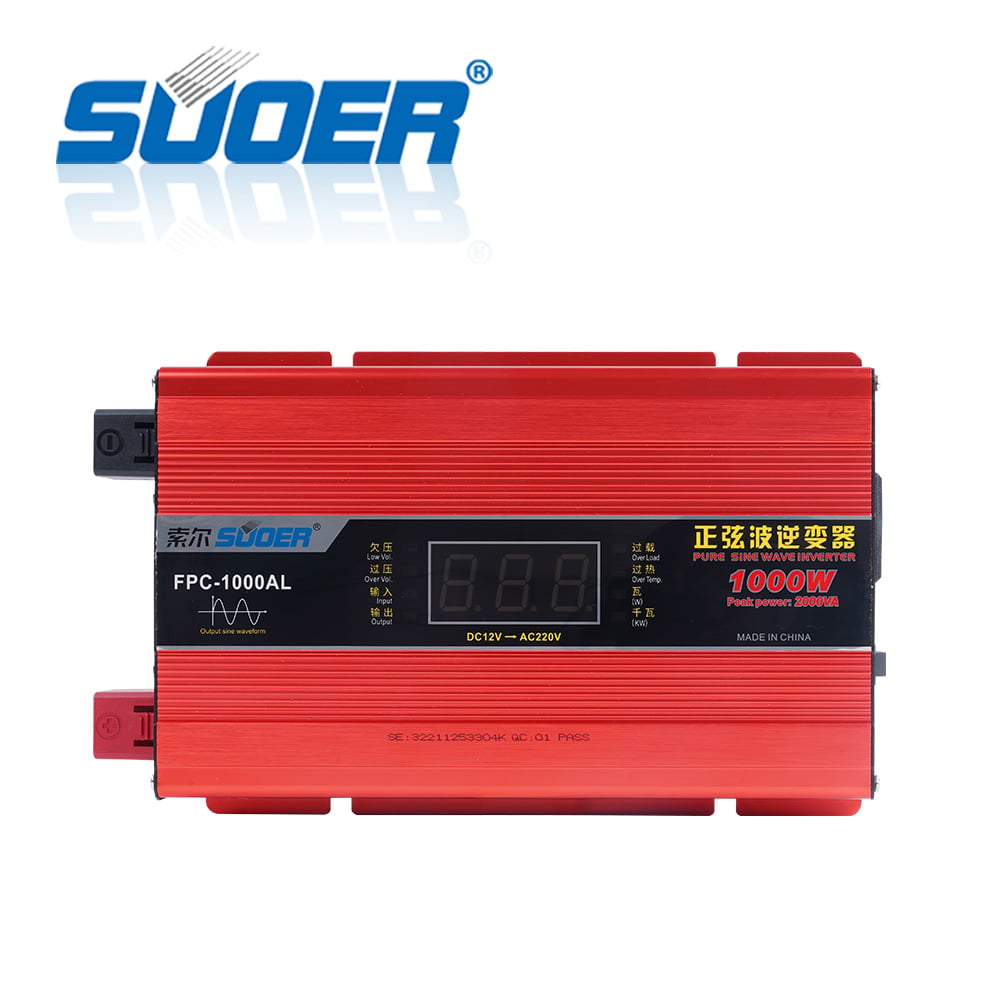
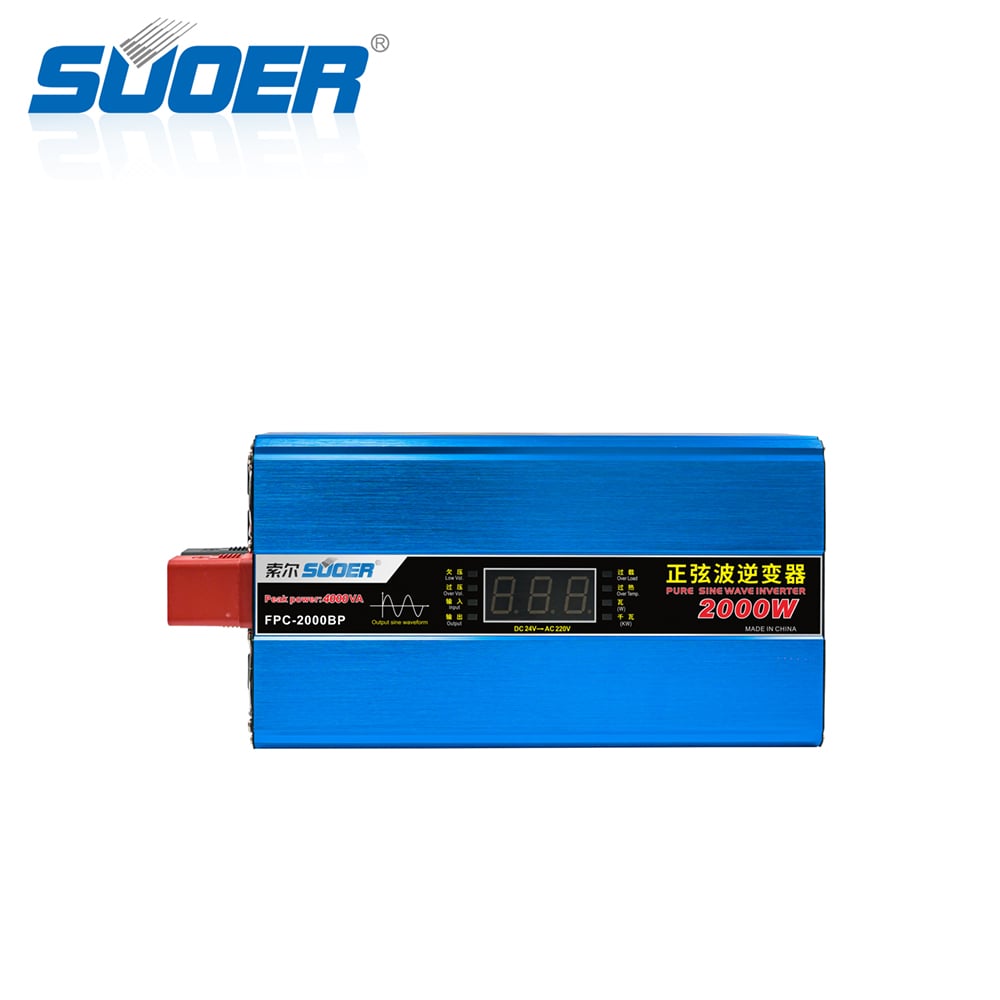
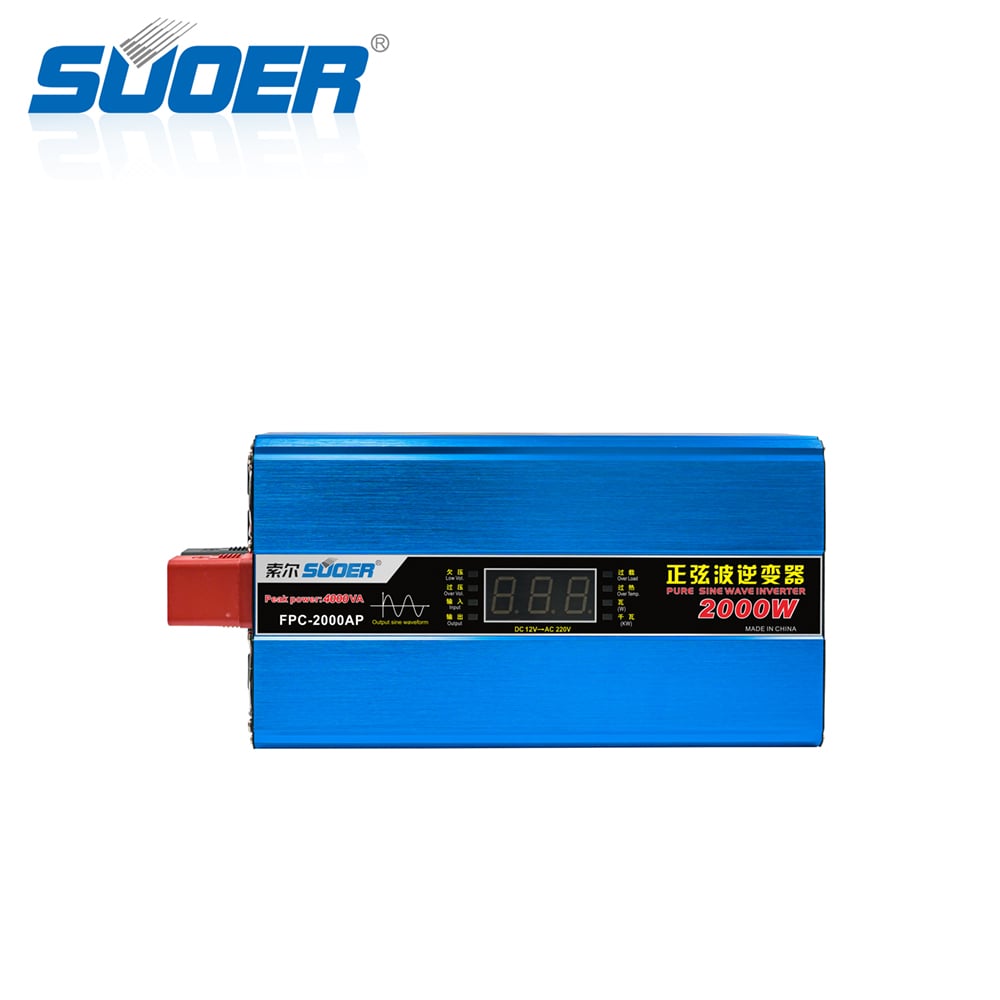
In the evolving landscape of energy solutions, the 24V pure sine inverter stands out as a critical component for a variety of applications, including electric vehicles, industrial machinery, and renewable energy systems. These inverters convert DC power to AC power, providing a reliable and clean energy source essential for sensitive electronics and equipment. For B2B buyers, understanding the right specifications, sourcing reliable suppliers, and recognizing installation challenges are paramount to making informed purchasing decisions. This article aims to equip purchasing managers, engineers, and product managers with the knowledge needed to select and implement 24V pure sine inverters effectively.
Selecting the appropriate 24V pure sine inverter involves understanding your specific application requirements. Key considerations include the inverter's output capacity, efficiency ratings, and compatibility with your existing systems.
Output Capacity: Determine the total load that the inverter needs to support. This involves calculating the wattage of all devices that will be connected to the inverter. Overloading the inverter can lead to performance issues or damage.
Efficiency Ratings: Look for inverters with high efficiency ratings (above 90%). Higher efficiency translates to less energy loss during conversion, which can significantly reduce operational costs over time.
Compatibility: Ensure that the inverter is compatible with your DC source and the AC devices you intend to power. It’s also important to verify that the inverter can handle the surge power requirements of your equipment, particularly for devices with high startup currents.
Quality and Certifications: Opt for inverters that comply with industry standards and certifications such as ROHS and CE. These certifications indicate that the product meets quality and safety standards, which is crucial for reliability in demanding applications. For instance, consider the New 10.2kw Hybrid Solar Off-Grid Inverter System 10kwh 200ah Lithium Iron Lifepo4 Battery Split Stackable CAN Communication Port as a reliable choice.
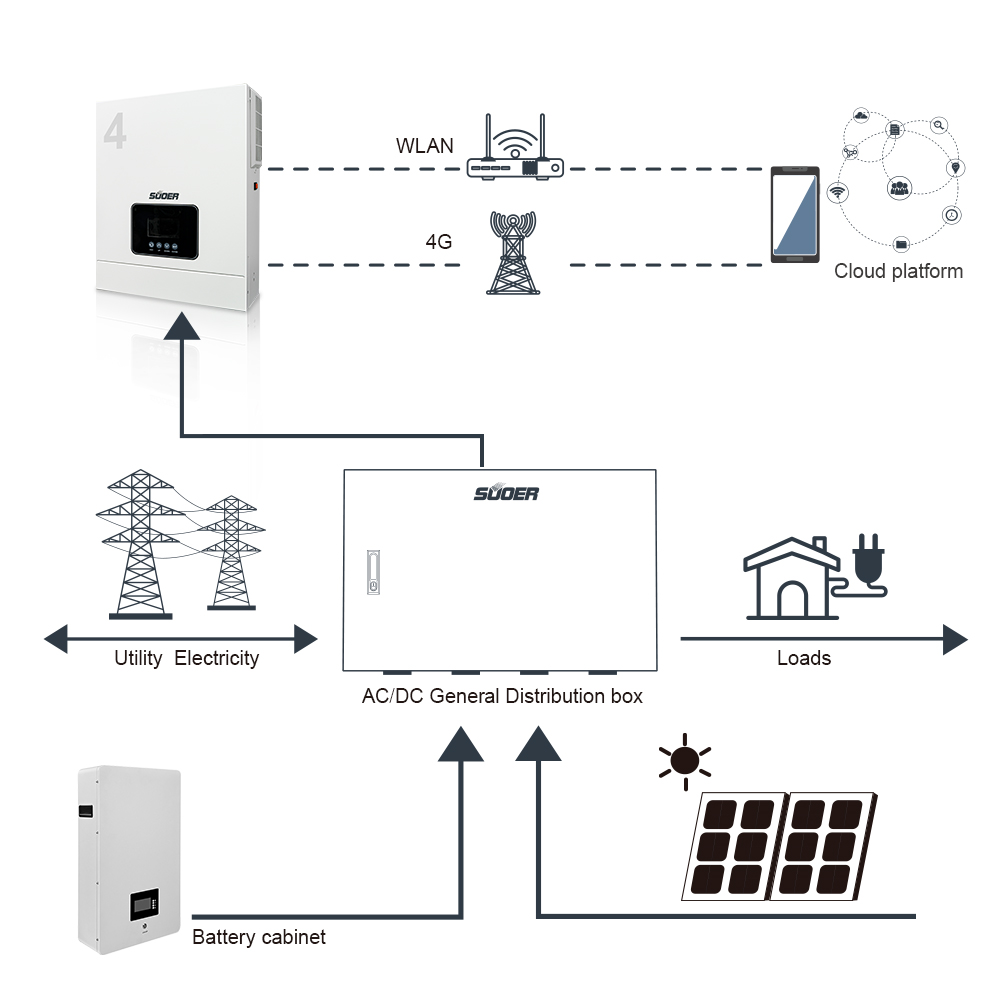
When evaluating 24V pure sine inverters, several key specifications warrant careful consideration to ensure optimal performance and longevity:
Waveform Quality: The quality of the sine wave produced by the inverter directly affects the performance of AC devices. Pure sine wave inverters produce a smooth wave, suitable for sensitive electronics, while modified sine wave inverters may cause issues with some devices.
Input and Output Voltage: Confirm that the inverter’s input voltage matches your power source (24V in this case) and that the output voltage aligns with your devices' requirements (typically 120V or 230V AC).
Peak Power Rating: This specification indicates the maximum load the inverter can handle for a short duration, which is particularly important for starting motor-driven appliances.
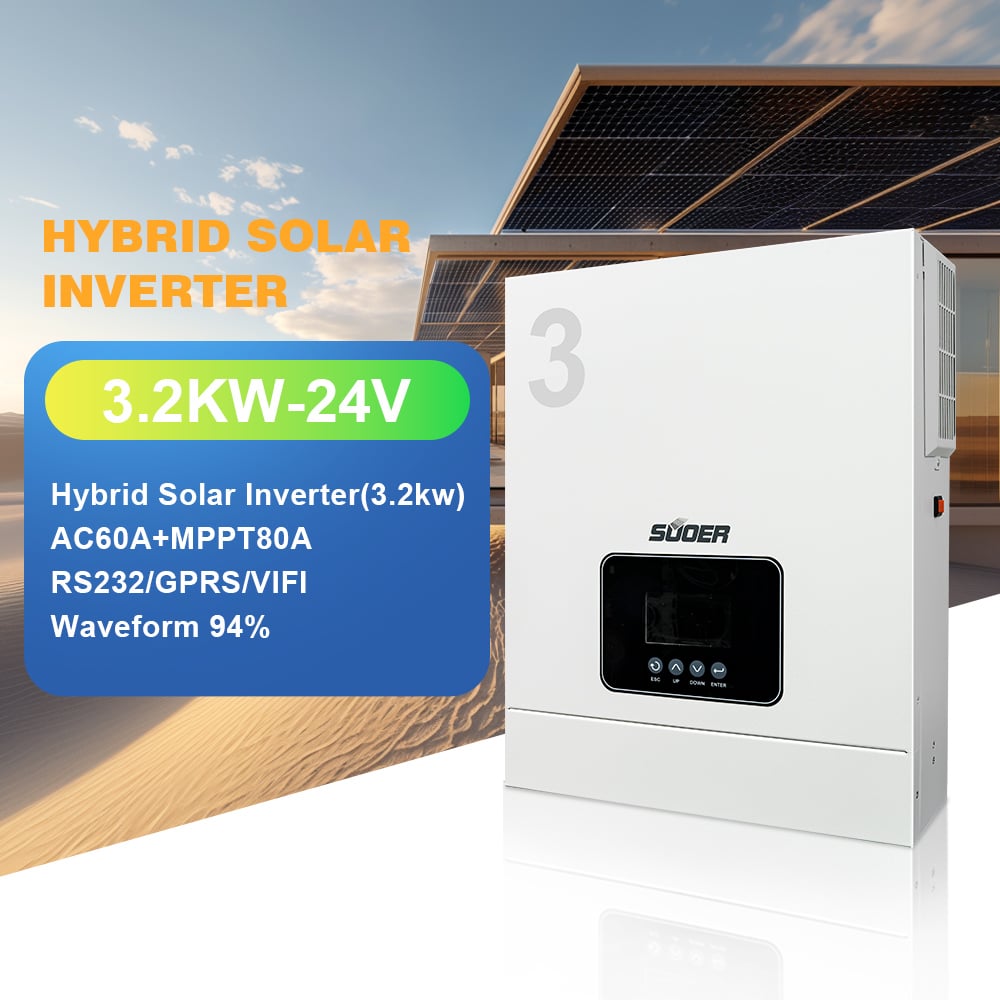
Operating Temperature Range: Ensure that the inverter is rated for the environmental conditions it will be exposed to. Inverters with a wider operating temperature range are typically more robust and reliable.
Protection Features: Look for inverters equipped with protections against over-voltage, under-voltage, short circuits, and overheating. These features can prevent damage to both the inverter and the connected devices.
Finding a reliable supplier for 24V pure sine inverters is crucial for ensuring product quality and support. Here are steps to identify trustworthy manufacturers:
Industry Reputation: Research suppliers with a solid reputation in the industry. Look for manufacturers that have a proven track record with other businesses in your sector.
Certifications and Compliance: Verify that potential suppliers hold the necessary certifications (like ISO9001) that demonstrate their commitment to quality management systems.
Customer Reviews and Case Studies: Seek out reviews or case studies from existing customers. Understanding their experiences can provide insights into the supplier’s reliability and product performance.
Technical Support and Warranty: Evaluate the level of technical support offered and the warranty terms. Suppliers who provide comprehensive support can help troubleshoot issues that may arise during installation or operation.
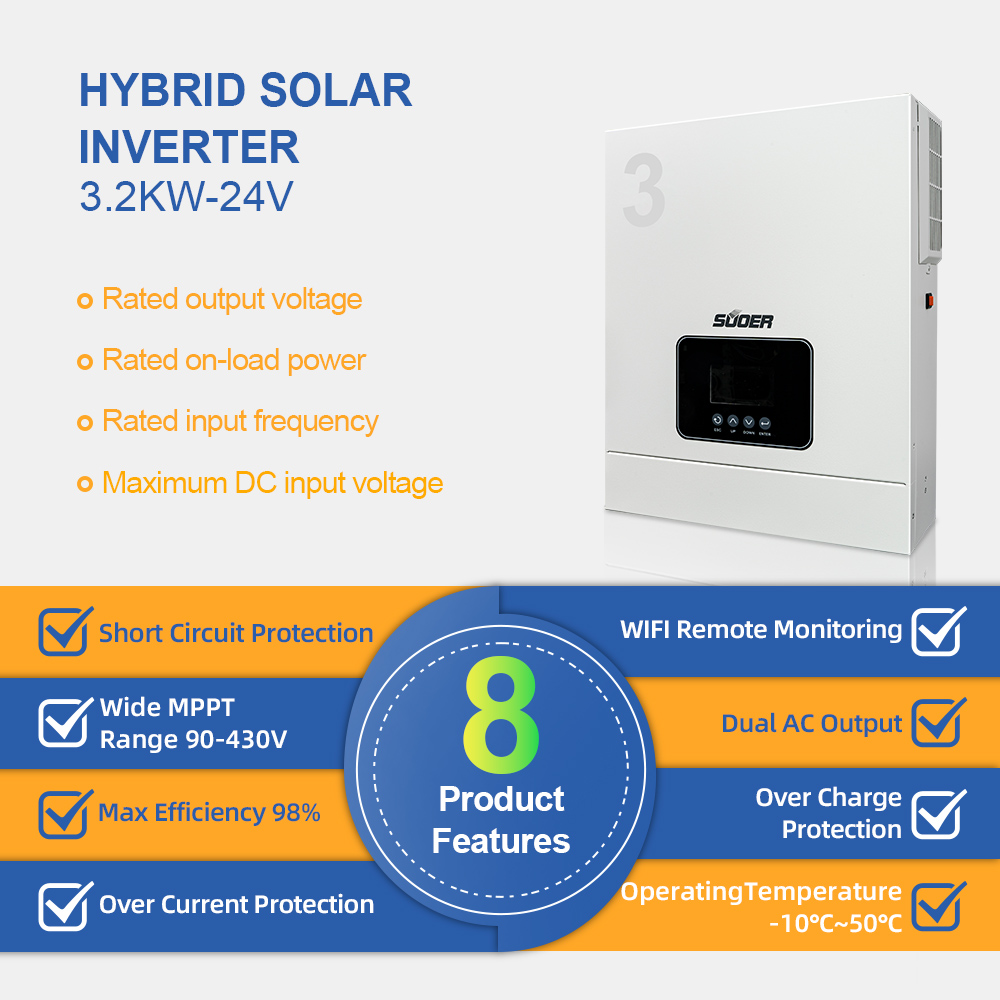
Customization Capabilities: If your application has specific requirements, check whether the supplier can offer customization options, such as tailored specifications or packaging solutions. For example, the VMS-12kw energy system sales 12kw smart hybrid solar Inverter with MPPT solar charger is an adaptable solution.
While installing a 24V pure sine inverter is generally straightforward, various challenges can arise. Awareness of these potential issues can help ensure a successful installation:
Proper Wiring: Ensuring that all wiring is correctly configured is vital. Inadequate wire sizing can lead to voltage drops and overheating, impacting performance.
Ventilation: Inverters generate heat during operation. Proper ventilation is necessary to prevent overheating, which could lead to thermal shutdowns or damage.
Grounding Issues: Proper grounding is essential for safety and performance. Inadequate grounding can result in noise interference or even equipment damage.
Load Management: Balancing the load across multiple inverters or circuits can be challenging. Ensure that the total load does not exceed the inverter’s capacity to avoid failures.
Environmental Conditions: Consider the installation environment. Factors such as humidity, dust, and temperature extremes can affect inverter performance and longevity.
When considering bulk orders of 24V pure sine inverters, several cost factors come into play that can influence your overall budget:
Unit Cost: The price per unit typically decreases with larger orders due to economies of scale. Request quotes from multiple suppliers to find competitive pricing.
Shipping and Handling: Evaluate shipping costs, which can vary significantly based on distance, shipping method, and the weight of the order. Factor in any additional handling fees.
Custom Duties and Taxes: Be aware of any import duties or taxes that may apply when sourcing inverters from international suppliers. These can add significant costs to your purchase.
Payment Terms: Negotiate payment terms with suppliers. Some may offer discounts for upfront payments or flexible payment options that can ease cash flow concerns.
Quality Assurance Costs: Consider the costs associated with quality inspections, especially for bulk orders. Ensuring that each unit meets your specifications is crucial for preventing issues down the line.
In summary, selecting and sourcing 24V pure sine inverters requires a combination of technical knowledge and awareness of market dynamics. By understanding the key specifications, installation challenges, and cost factors, B2B buyers can make informed decisions that align with their operational needs and budget constraints.

Discover Suoer’s premium range of solar inverters and power inverters designed for reliable renewable energy solutions.Trusted by customers worldwide for exceptional performance and durability.
Suoer Industrial Zone, Ercun Road Section, Yanfeng Avenue, Shishan Town,Foshan city,Guangdong Province,China
Copyright © 2024 Foshan Suoer Electronic Industry Co., Ltd. Privacy Policy - Blog

 EN
 AR
 NL
 FR
 DE
 EL
 IT
 JA
 KO
 PT
 RU
 ES
 VI
 TH
 TR
 BG
 HR
 CS
 NO
 PL
 TL
 ID
 SR
 UK
 SQ
 HU
 MT
 AF
 MS
 IS
 HY
 AZ
 BN
 BS
 GU
 LO
 LA
 MN
 NE
 TA