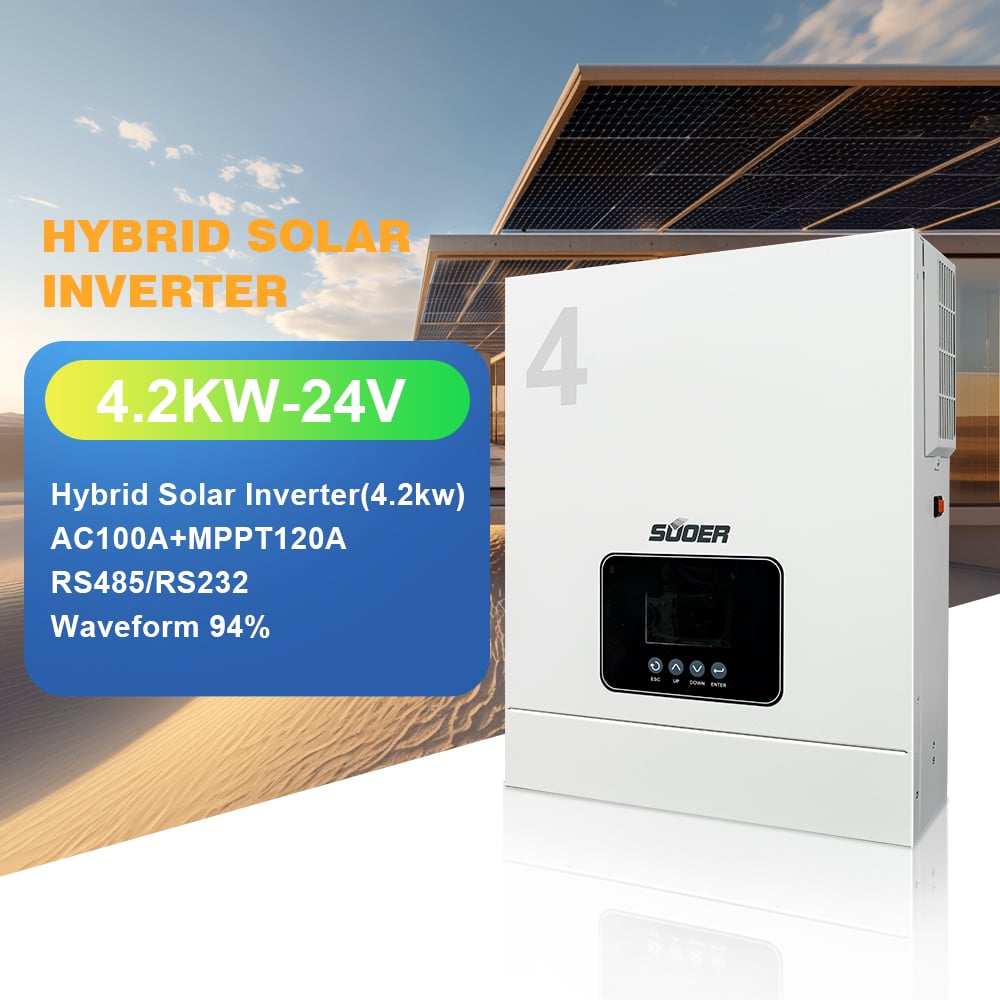
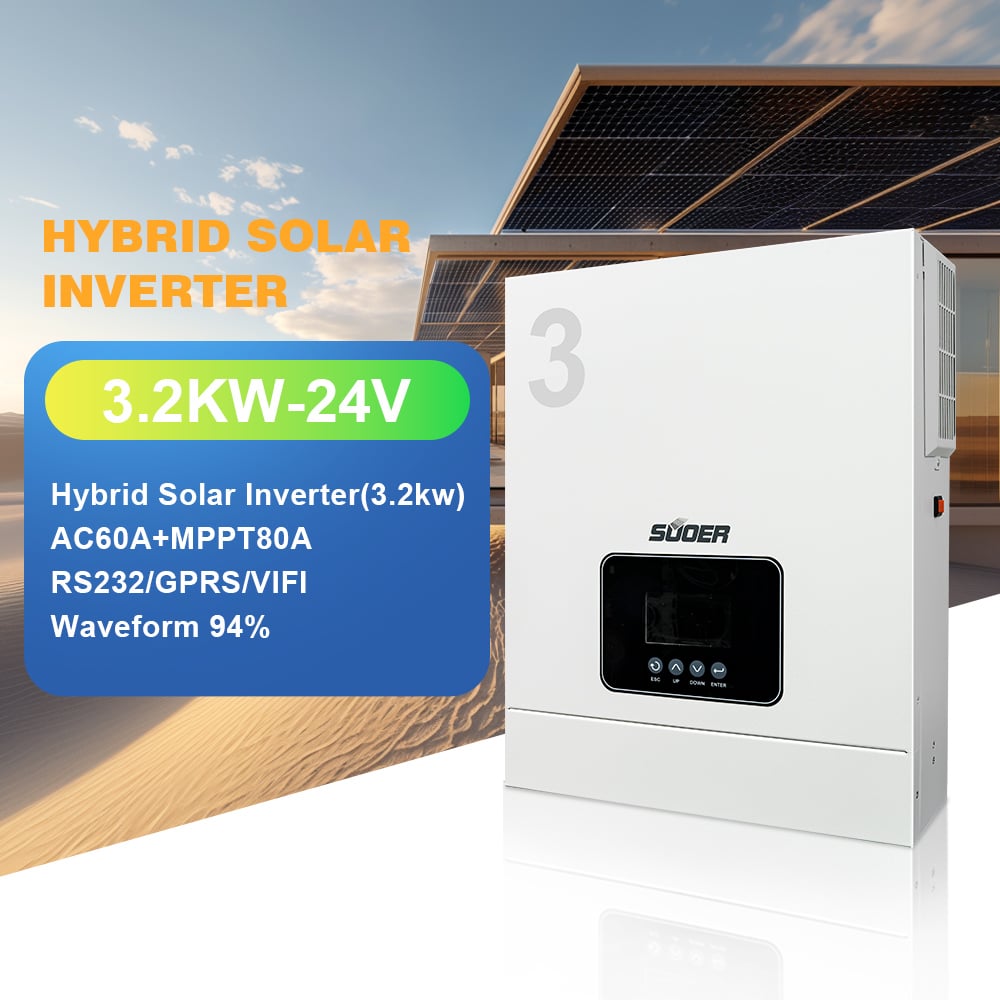
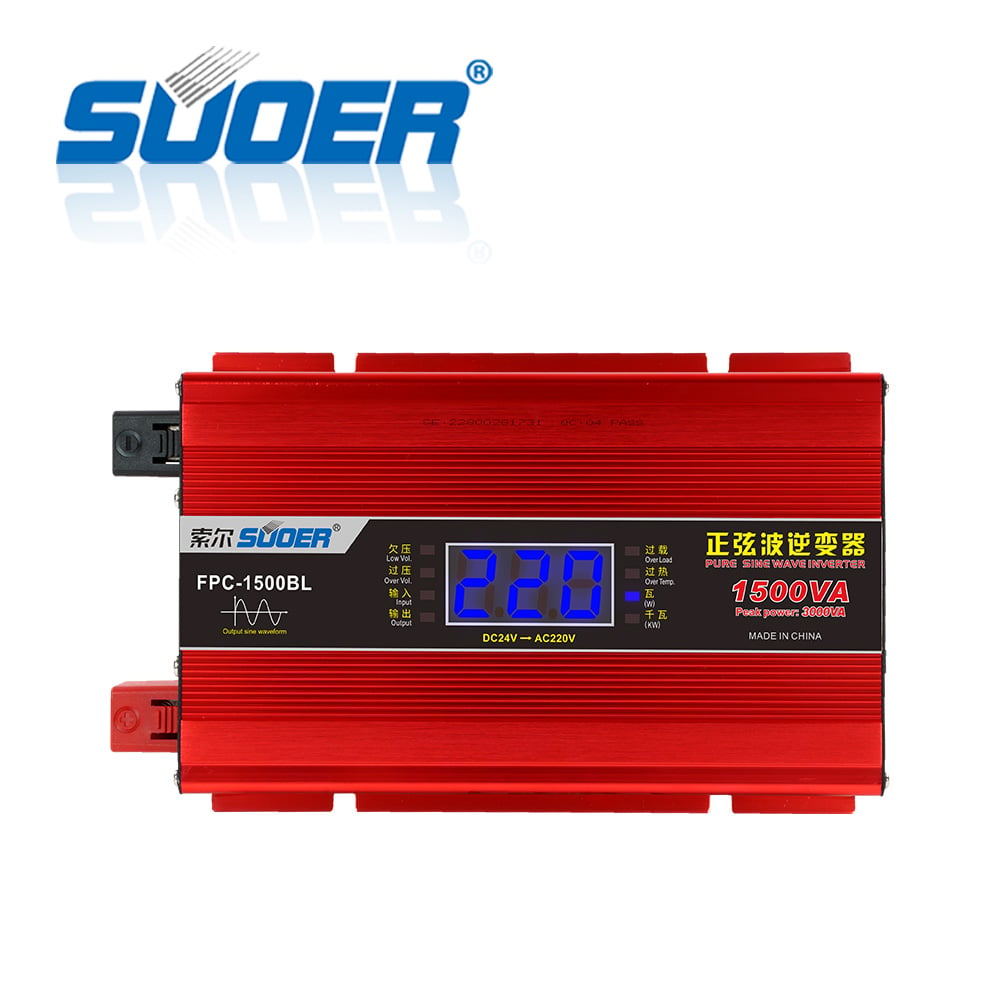
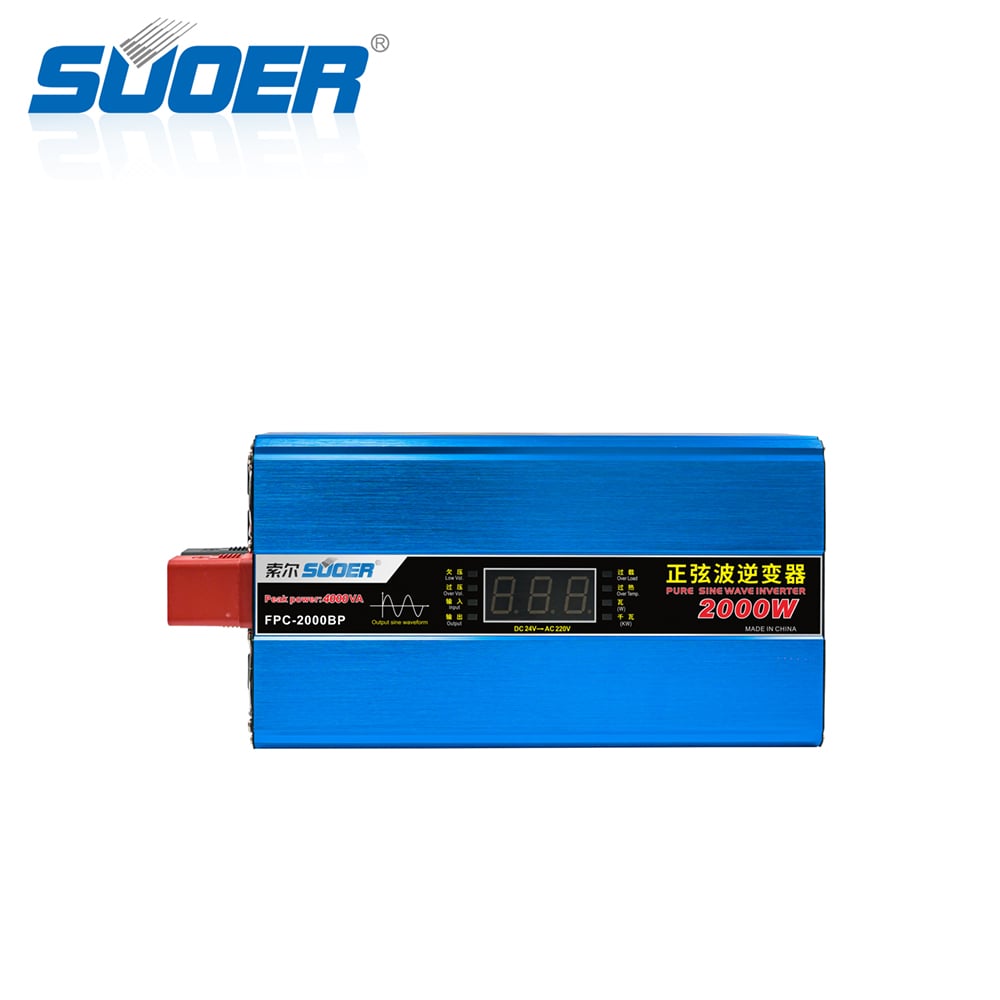
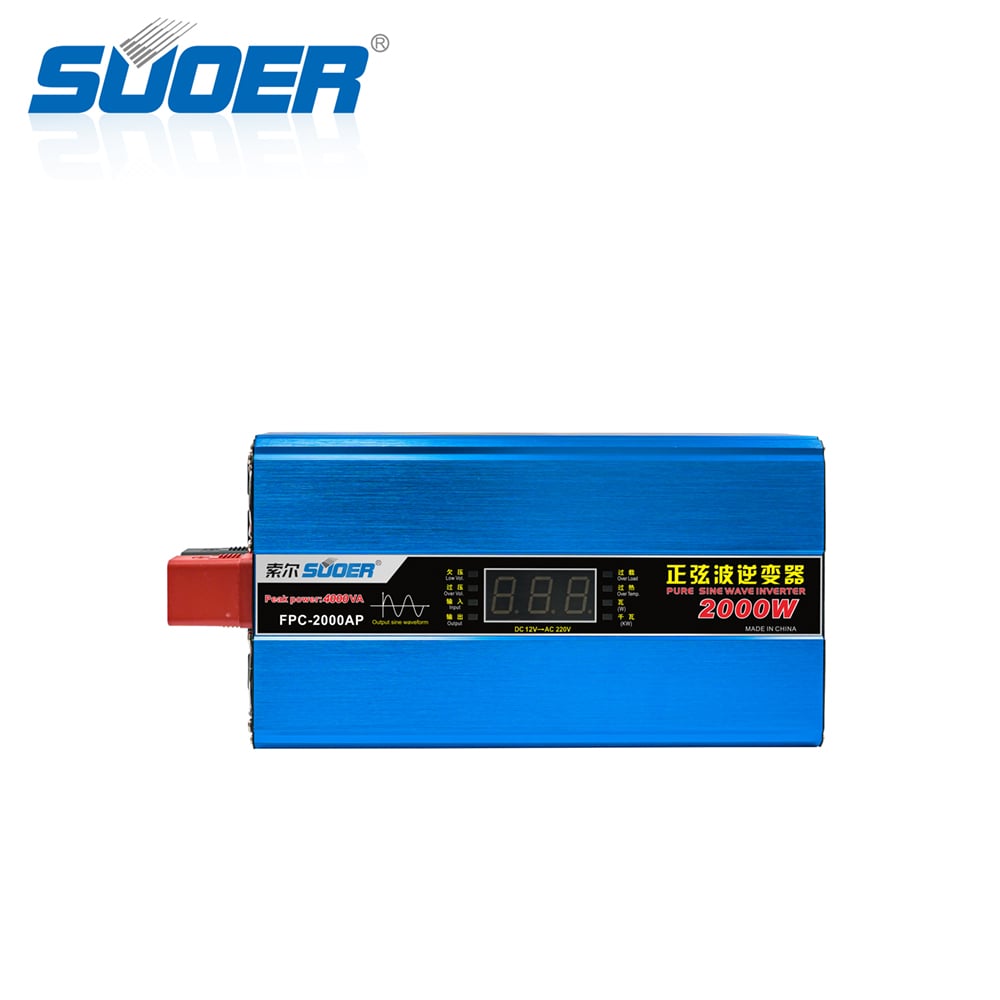
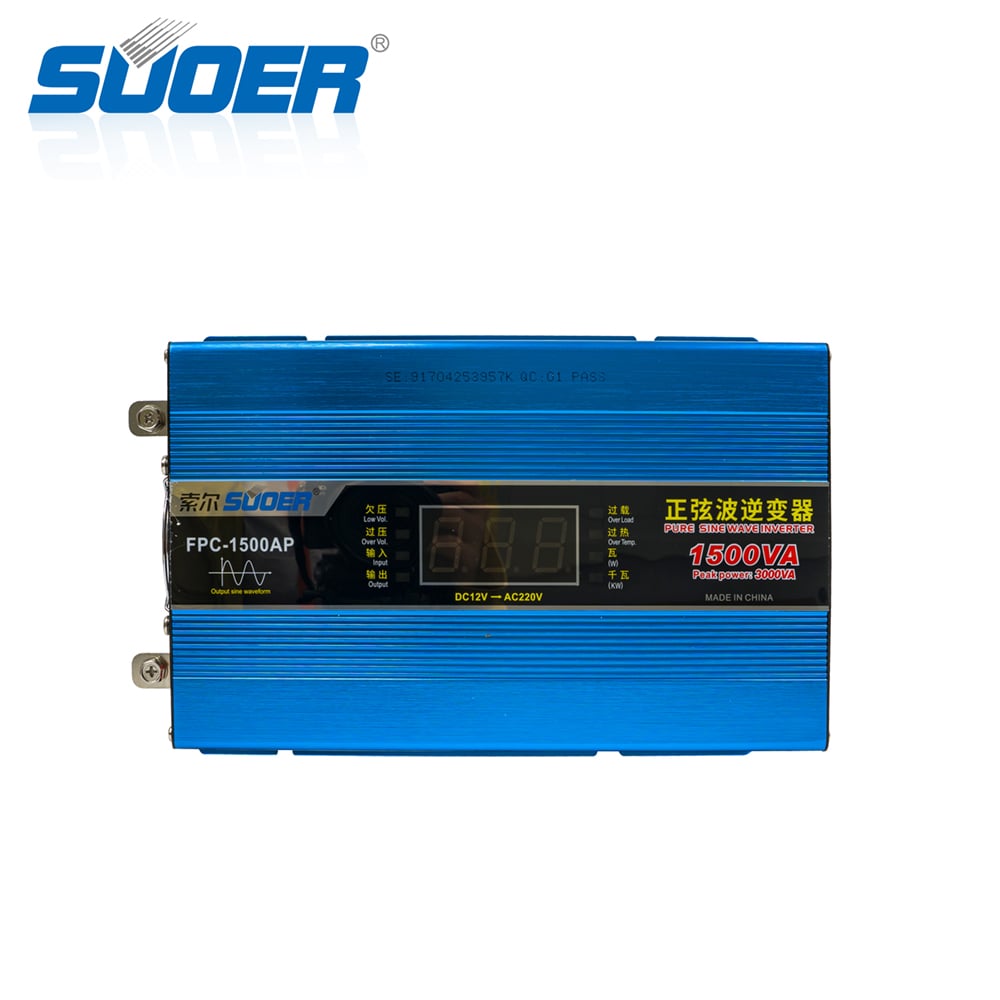
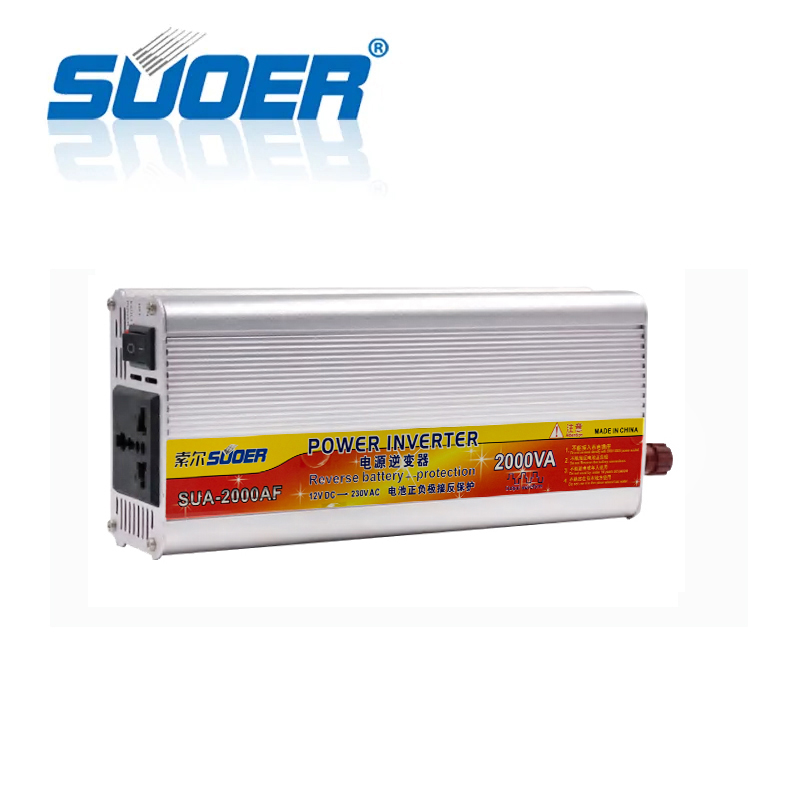
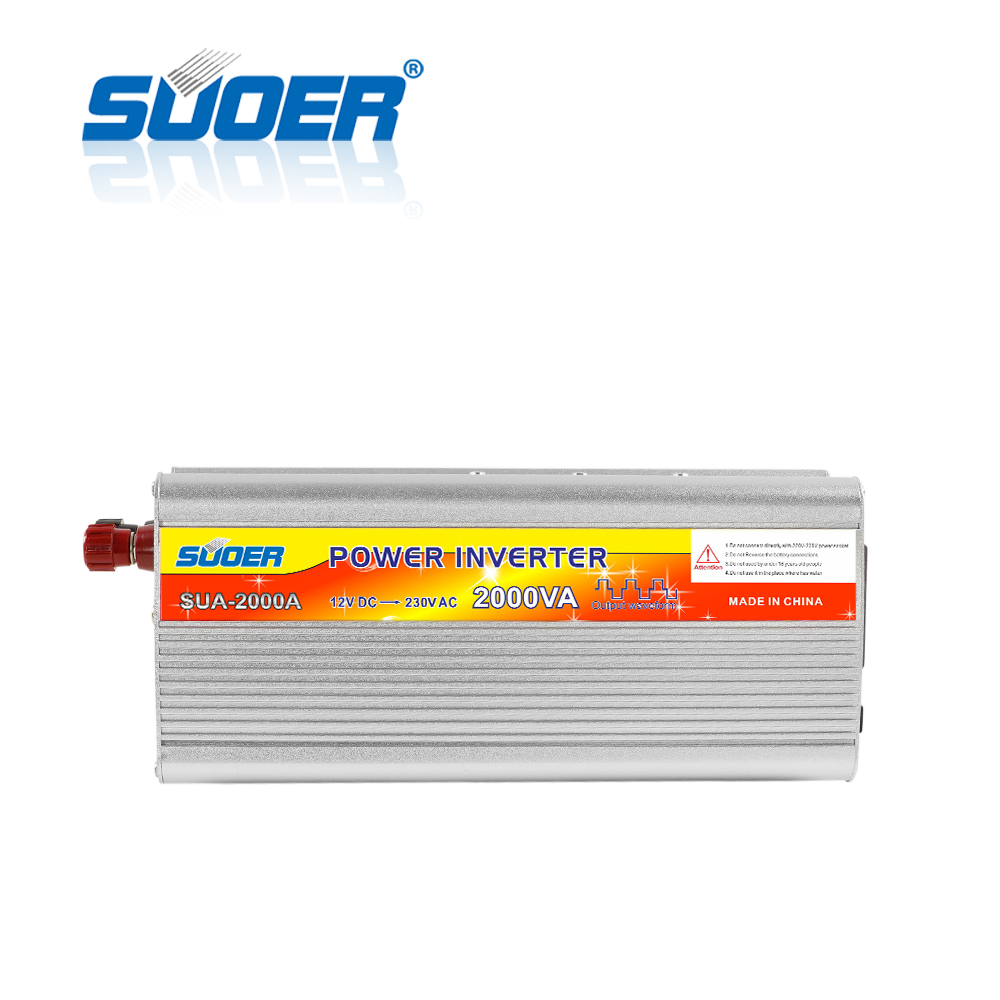
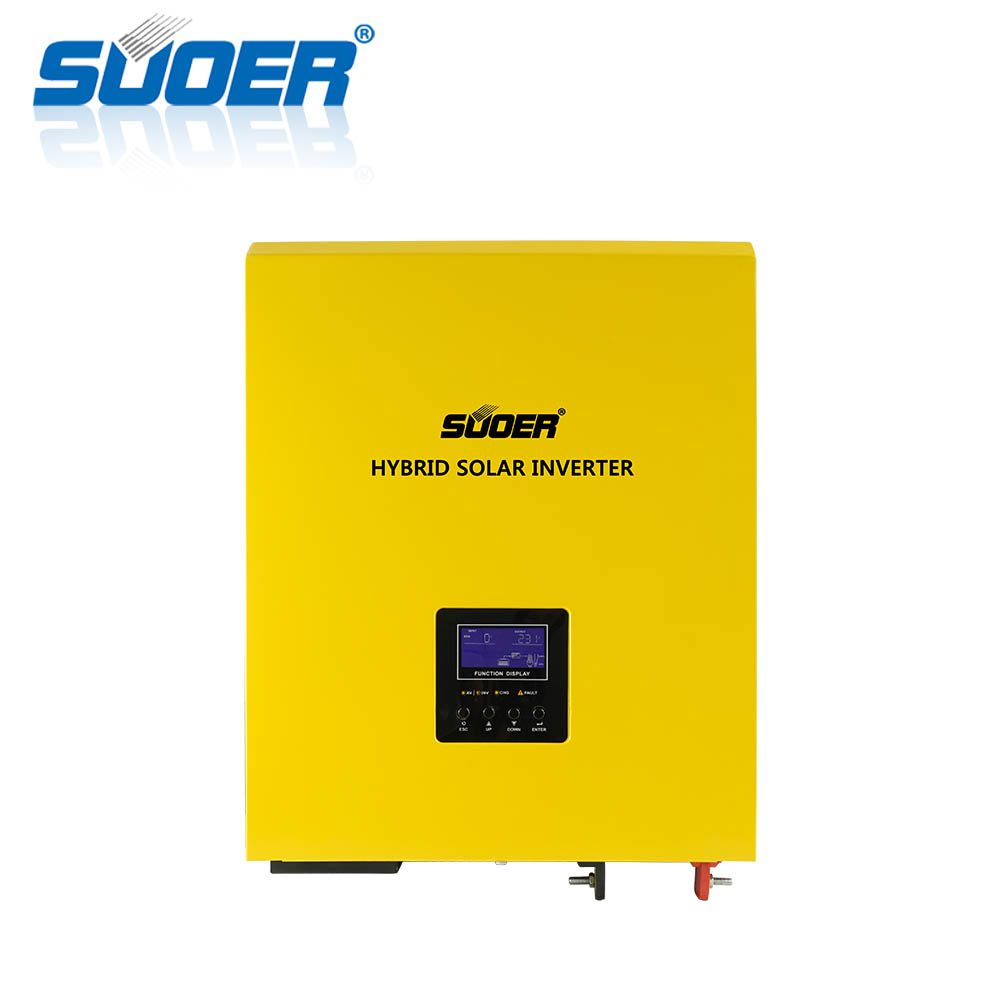
In the realm of electrical power solutions, a 24V pure sine wave power inverter is essential for converting direct current (DC) to alternating current (AC) with high efficiency and reliability. These inverters are critical for various applications, including electric vehicles, telecommunications, and industrial systems. B2B buyers, such as purchasing managers and engineers, often seek insights on technical specifications, quality evaluation, and reliable sourcing to ensure they make informed decisions. This article will guide you through essential aspects of 24V pure sine wave power inverters, addressing key specifications and offering practical purchasing tips.
When selecting a 24V pure sine wave power inverter, several key specifications should be prioritized:
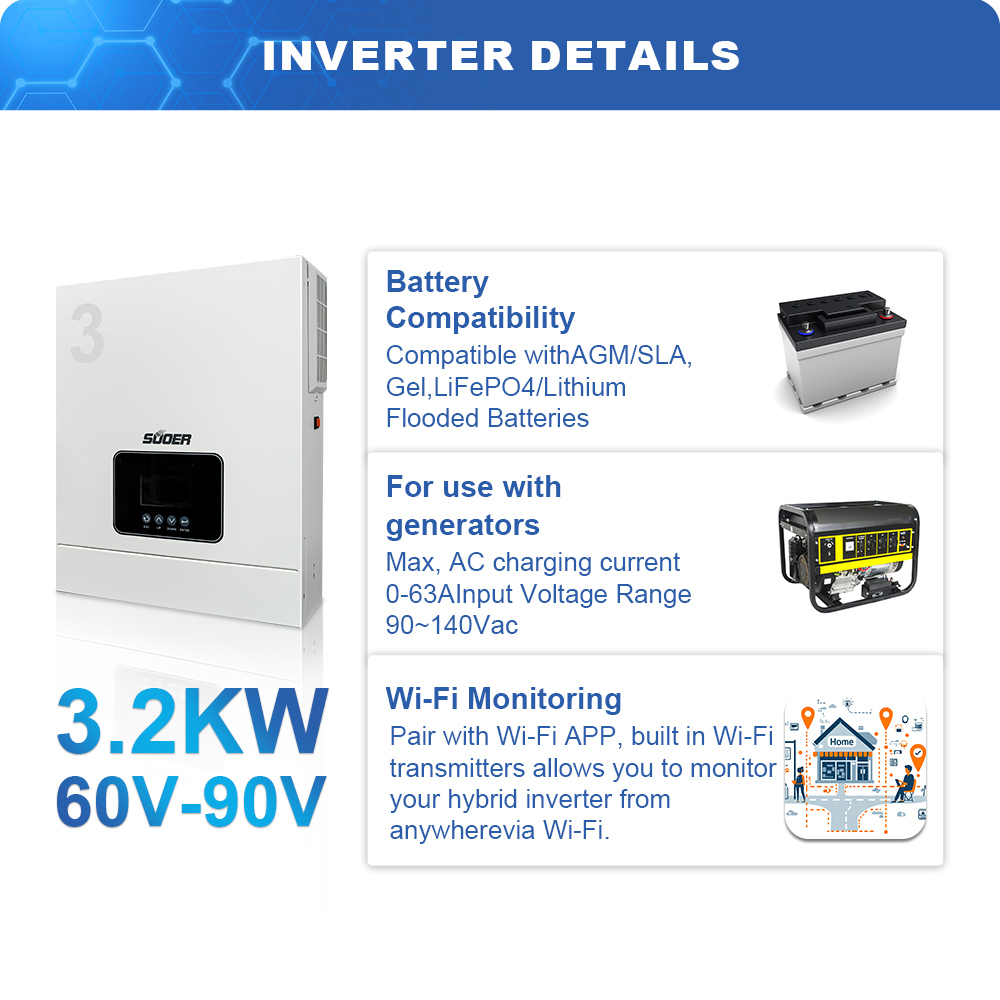
Output Waveform: Pure sine wave output is crucial for sensitive electronics, ensuring compatibility with devices like medical equipment, audio systems, and appliances. This specification guarantees that the inverter delivers a smooth and stable output, reducing the risk of damage to connected devices.
Power Rating: Measured in watts, the inverter's power rating indicates the maximum load it can handle. It’s essential to choose an inverter with a power rating that exceeds your anticipated maximum load to avoid performance issues.
Input Voltage Range: The inverter should accept a range of input voltages to ensure compatibility with various battery types. A wider input voltage range can accommodate fluctuations in battery performance.
Efficiency: Look for inverters with high efficiency ratings (above 90%), as this translates to less energy loss during conversion, resulting in cost savings in the long run. For instance, the New 10.2kw Hybrid Solar Off-Grid Inverter System boasts high efficiency.
Protection Features: Key safety features include overload protection, short circuit protection, and thermal shutdown. These features are vital for ensuring the longevity of both the inverter and the connected devices.
Understanding these specifications enables buyers to evaluate different models effectively and choose inverters that meet their operational needs.
Evaluating the quality of 24V pure sine wave inverters requires careful consideration of several factors:
Certifications: Verify that the inverter meets industry standards such as ROHS, CE, and ISO9001. These certifications indicate that the product adheres to safety, health, and environmental protection regulations, ensuring reliability and performance.
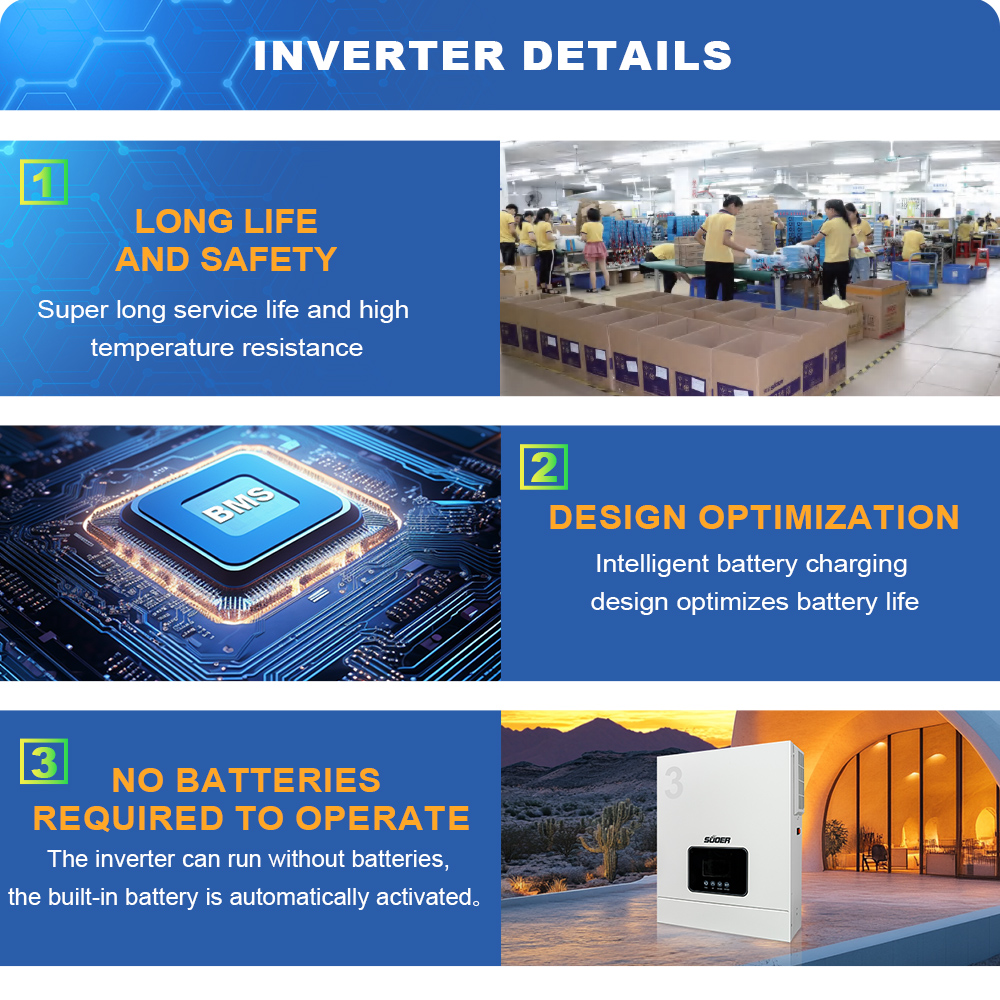
Manufacturing Processes: Inverters should be produced in facilities utilizing automated production techniques to minimize defects and enhance consistency. Understanding the manufacturing process can provide insights into product reliability.
Quality Control: A robust quality control system is essential. Ask potential suppliers about their testing procedures and quality assurance measures. Inverters should undergo rigorous testing for performance and safety before leaving the factory.
Customer Reviews and Feedback: Researching reviews from previous customers can offer valuable insights into the product's performance and reliability in real-world applications. Look for feedback on the inverter's durability, efficiency, and customer support experiences.
By focusing on these aspects, buyers can confidently assess the quality of inverters and choose a supplier that meets their standards.
When considering wholesale purchases of 24V pure sine wave power inverters, keep these tips in mind:
Minimum Order Quantity (MOQ): Determine the supplier’s MOQ, as this can significantly impact your purchasing strategy. Ensure that the MOQ aligns with your needs and budget.
Pricing Structure: Understand the pricing model, including any volume discounts available for larger orders. Request detailed quotations that outline unit costs, shipping, and any additional fees. For example, the VMS-9kw energy system offers competitive pricing structures for bulk buyers.
Lead Time: Inquire about lead times for production and delivery. Effective communication about timelines is essential for planning your projects and avoiding delays.
Customization Options: Some suppliers may offer customization for specific applications. Ask about the ability to modify features such as output voltage, power ratings, or additional functionalities to best suit your requirements.
After-Sales Support: Evaluate the supplier’s after-sales service, including warranty terms and technical support. Reliable support is crucial for addressing any issues that may arise post-purchase.
These considerations will enable you to negotiate effectively and make informed purchasing decisions that align with your operational needs.
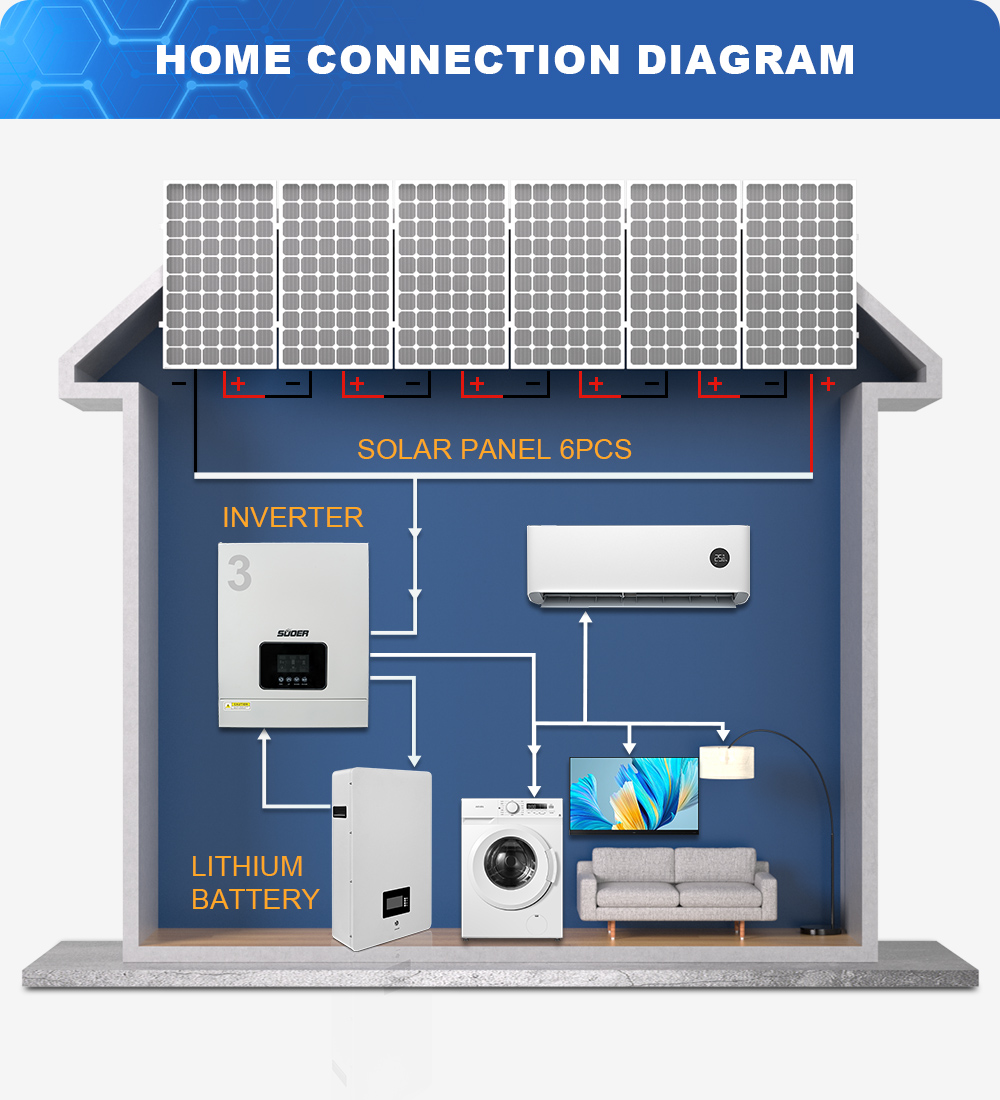
Finding trustworthy sources for 24V pure sine wave power inverters involves several strategies:
Industry Directories: Utilize industry-specific directories and trade platforms to identify reputable manufacturers and suppliers. These platforms often include ratings, reviews, and detailed company profiles.
Trade Shows and Expositions: Attending industry trade shows allows you to meet suppliers in person, observe their products, and discuss customization options. This direct interaction can build trust and facilitate better negotiations.
Referrals and Recommendations: Seek referrals from industry colleagues or professional networks. Personal recommendations often lead to reliable suppliers with proven product quality and service.
Online Research: Conduct thorough online research to compare different suppliers. Look for companies with a strong online presence, detailed product documentation, and positive customer feedback.
Establishing a reliable sourcing strategy will help ensure that you acquire high-quality inverters that meet your operational demands.
While 24V pure sine wave inverters are generally reliable, buyers should be aware of common issues that may arise and their potential solutions:
Overheating: Inverters may overheat due to excessive loads or inadequate ventilation. It's crucial to ensure that the inverter is rated for the intended load and that it is installed in a well-ventilated area. Implementing additional cooling solutions may also be necessary in high-demand applications.
Inconsistent Output: Fluctuations in output voltage can occur if the inverter is not adequately matched to the power requirements of the load. To prevent this, always verify that the inverter's specifications align with your application's demands.
Noise Issues: Some inverters can produce audible noise during operation. This can be addressed by selecting inverter models designed for quieter operation or by ensuring proper installation to minimize vibrations.
Installation Errors: Many issues can stem from improper installation. Ensure that all installation procedures are followed according to the manufacturer's guidelines, and verify that connections are secure to avoid performance issues.
By proactively addressing these common problems, buyers can enhance the reliability and longevity of their inverters, ensuring optimal performance in their applications.

Discover Suoer’s premium range of solar inverters and power inverters designed for reliable renewable energy solutions.Trusted by customers worldwide for exceptional performance and durability.
Suoer Industrial Zone, Ercun Road Section, Yanfeng Avenue, Shishan Town,Foshan city,Guangdong Province,China
Copyright © 2024 Foshan Suoer Electronic Industry Co., Ltd. Privacy Policy - Blog

 EN
 AR
 NL
 FR
 DE
 EL
 IT
 JA
 KO
 PT
 RU
 ES
 VI
 TH
 TR
 BG
 HR
 CS
 NO
 PL
 TL
 ID
 SR
 UK
 SQ
 HU
 MT
 AF
 MS
 IS
 HY
 AZ
 BN
 BS
 GU
 LO
 LA
 MN
 NE
 TA