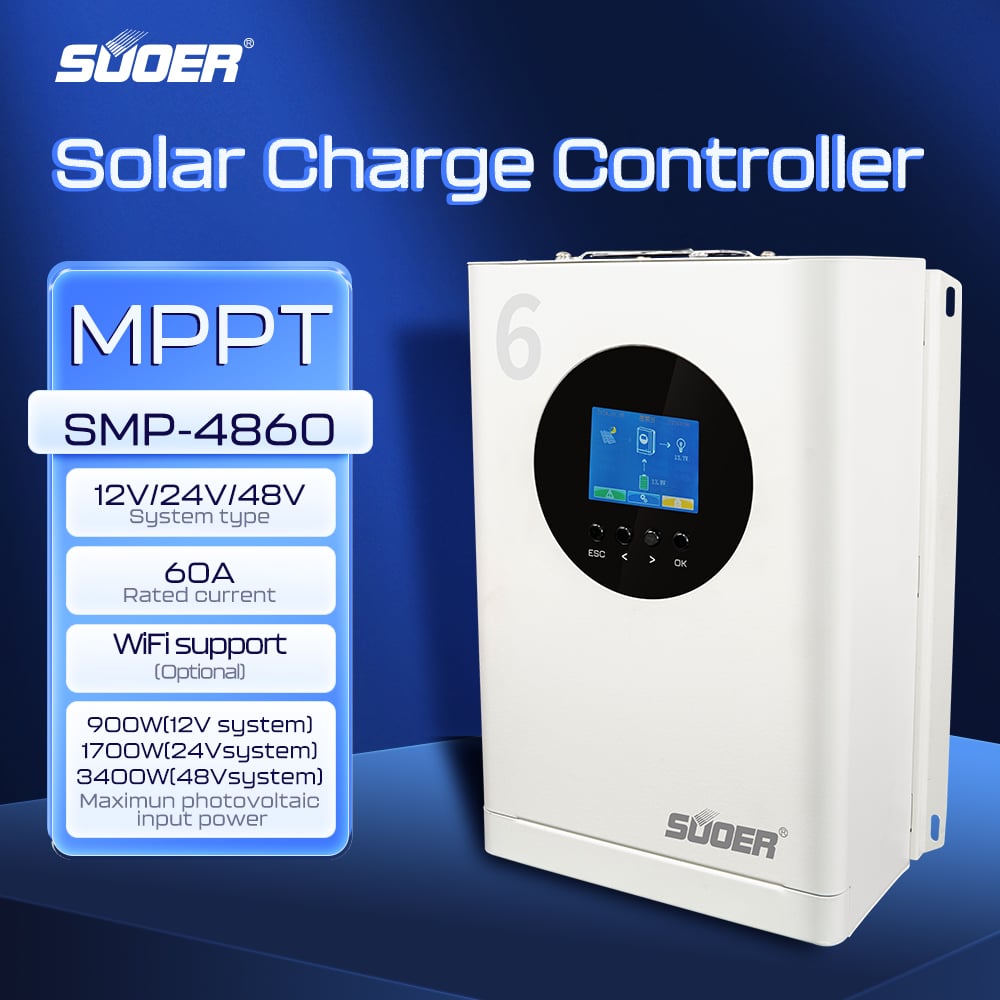
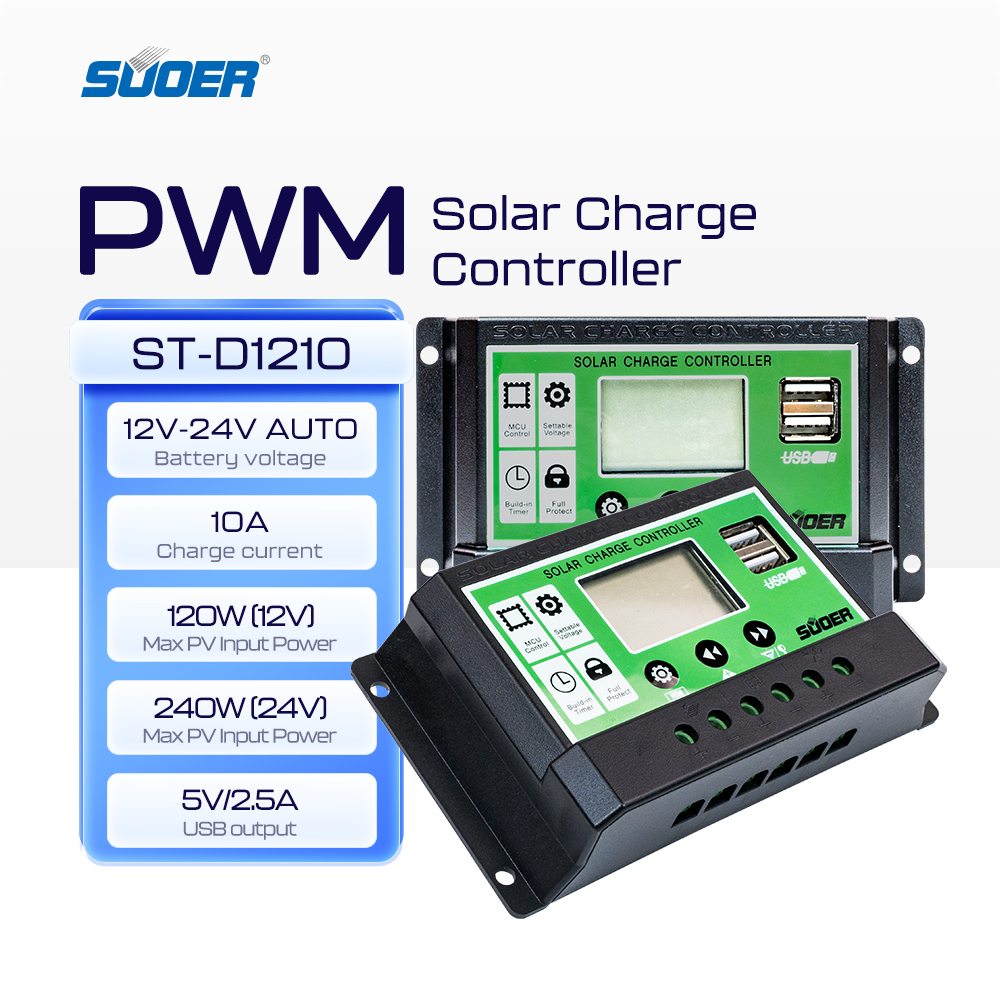
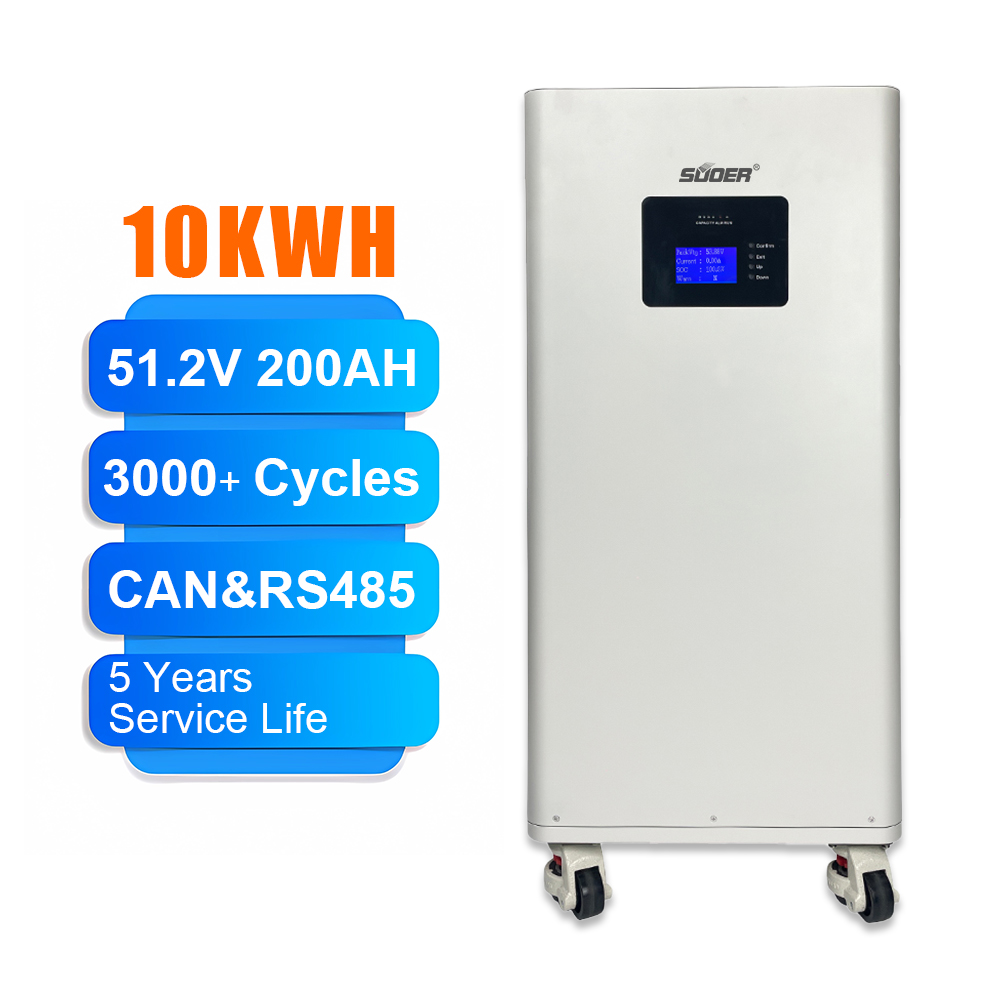
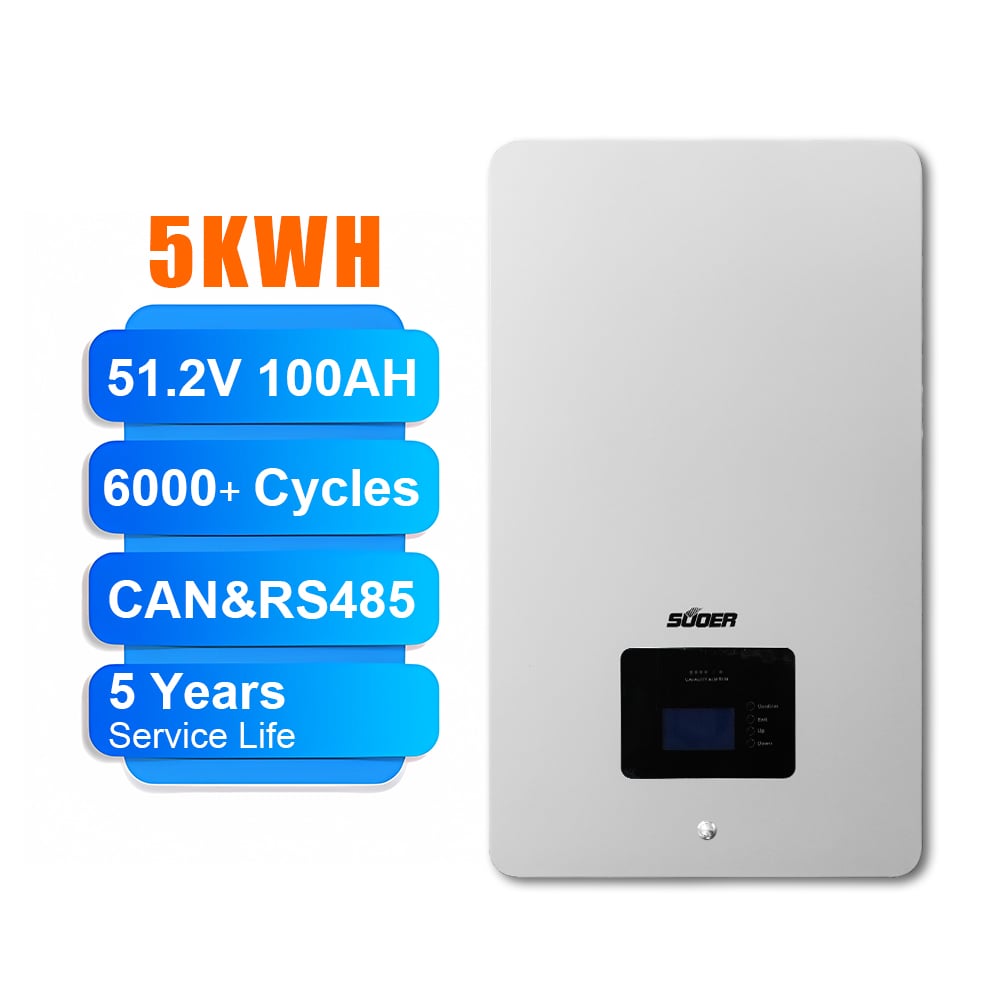
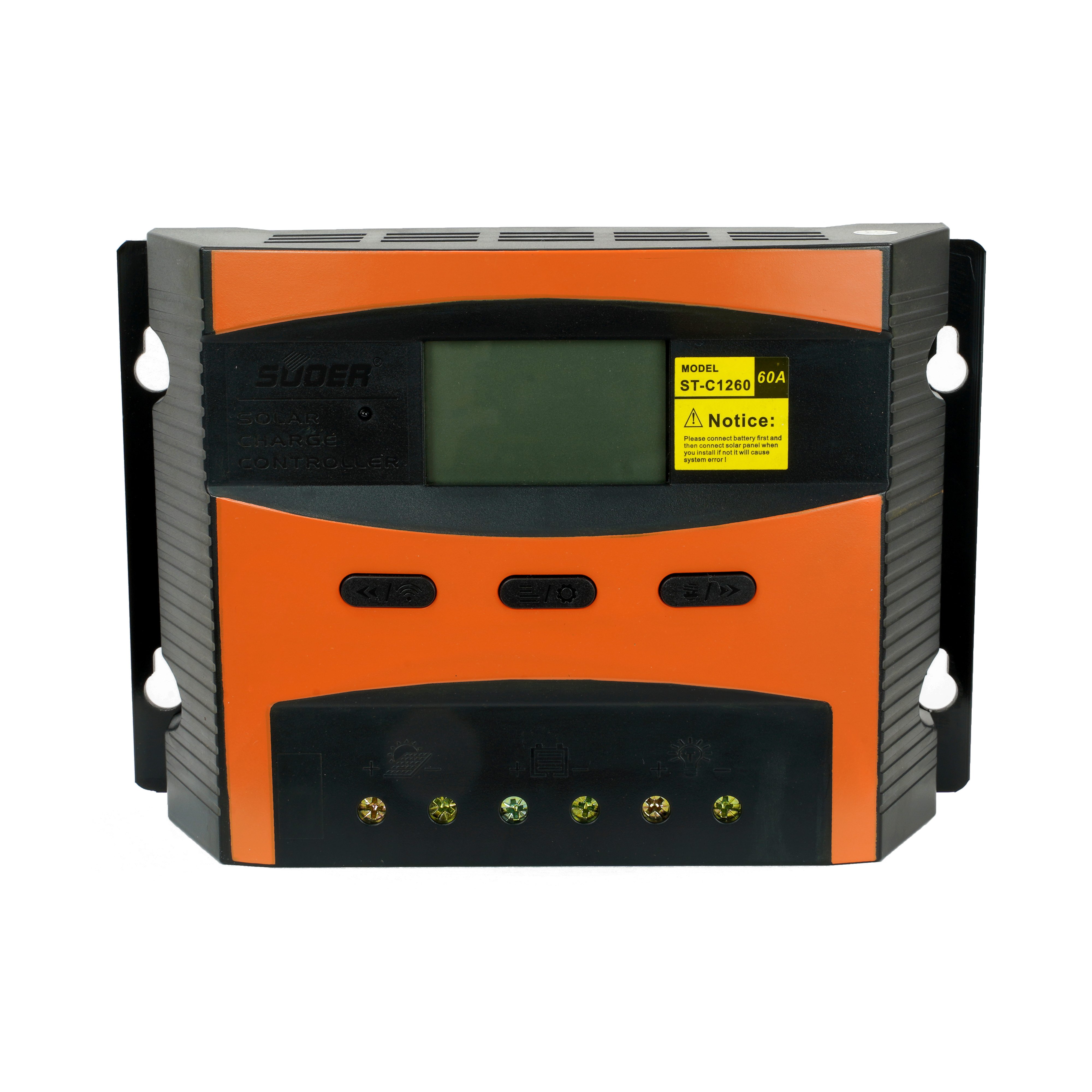
12V charge controllers are essential components in managing the energy flow in various applications, particularly in renewable energy systems, electric vehicles, and industrial setups. For B2B buyers, understanding the features, installation practices, and potential challenges associated with these devices is crucial for making informed purchasing decisions. This article will address key considerations when selecting a 12V charge controller, installation guidance, cost factors for bulk sourcing, common issues and solutions, and the benefits of high-quality materials in manufacturing these controllers. Additionally, exploring options like Home Energy Storage can be beneficial for energy management.
When selecting a 12V charge controller, several factors should guide your decision-making process. First, evaluate the controller's specifications, such as its maximum current rating, which directly impacts the size of the solar panel or battery bank it can support. Typically, higher current ratings allow for more robust systems and increased energy efficiency.
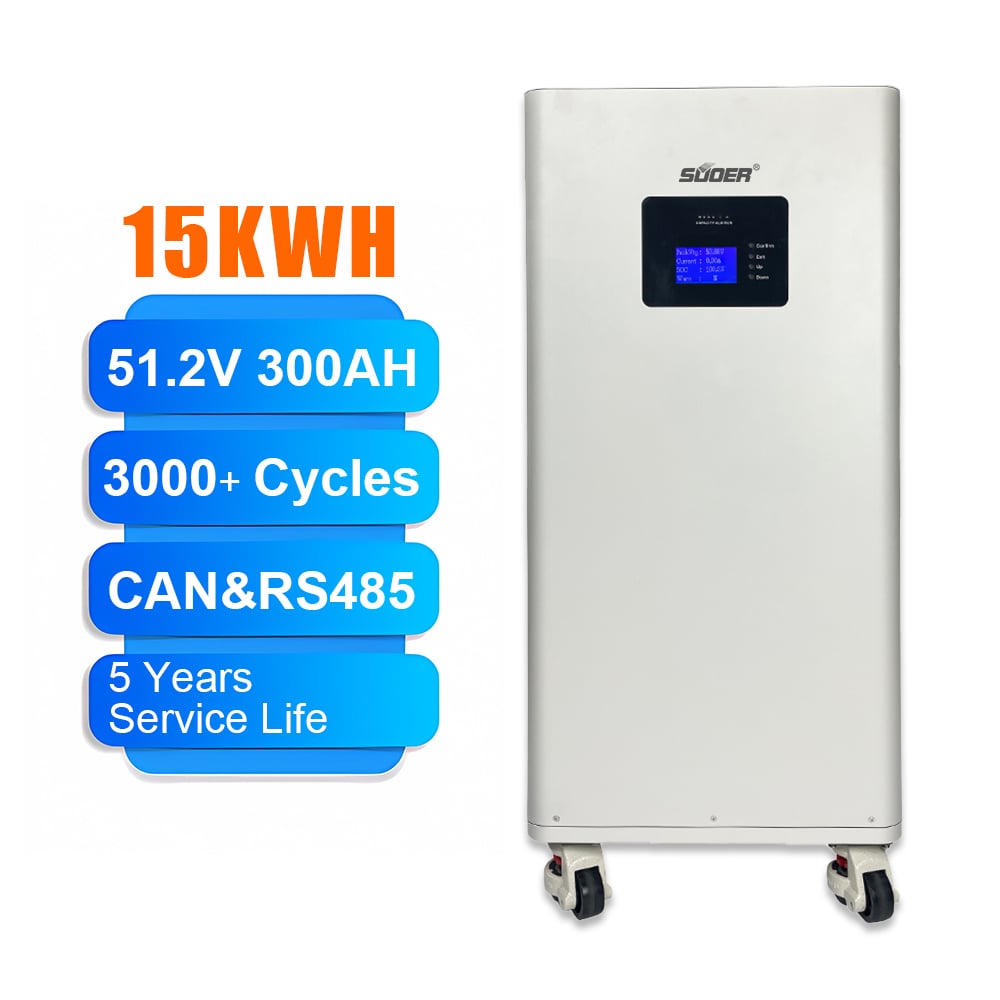
Next, consider the type of charging algorithm the controller uses, such as PWM (Pulse Width Modulation) or MPPT (Maximum Power Point Tracking). MPPT controllers tend to be more efficient, especially in conditions where solar input varies, but they often come at a higher price point. If you are considering different types of batteries, options like Lithium battery systems might offer enhanced performance.
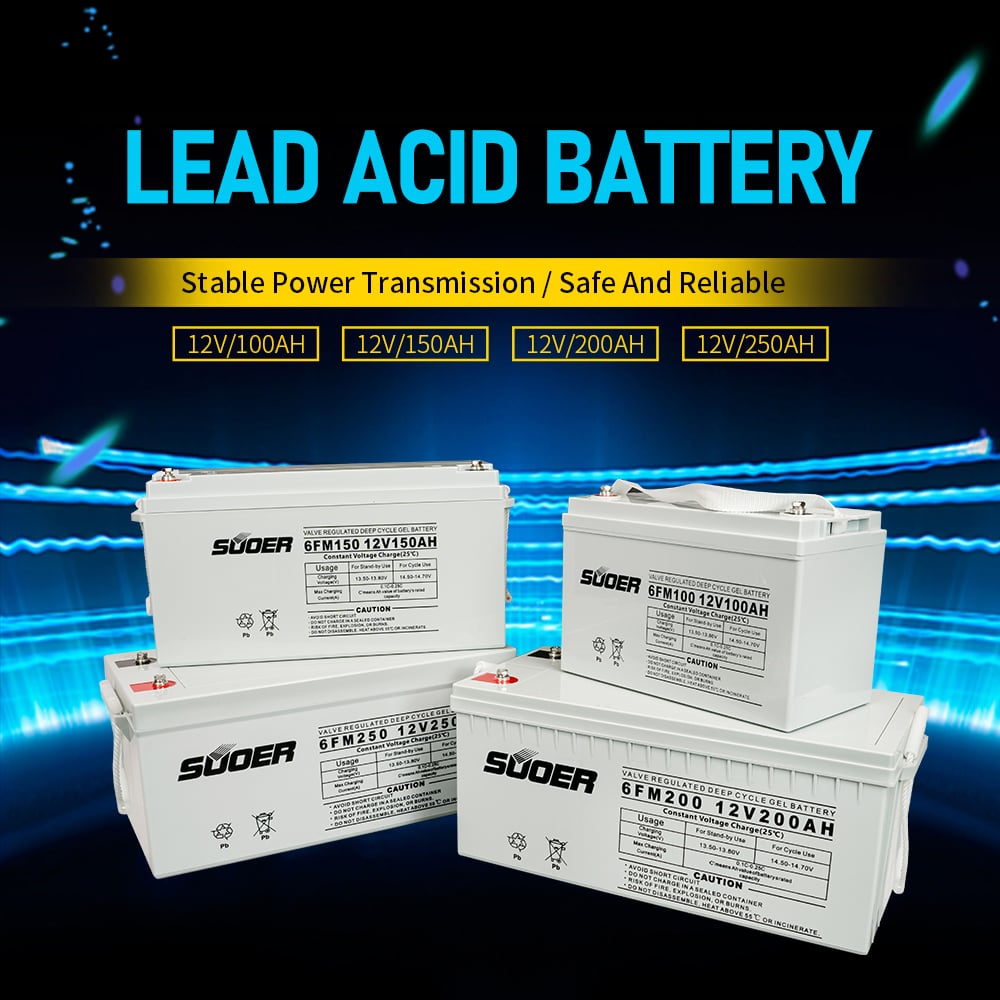
Compatibility with existing systems is another critical consideration. Ensure that the charge controller is suitable for the battery type being used, whether it's lead-acid, lithium-ion, or others. This compatibility affects charging performance, longevity, and overall system reliability.
Lastly, evaluate the controller's environmental ratings, including moisture and dust protection, especially if it will be installed outdoors. Controllers with higher IP ratings will better withstand harsh conditions, reducing maintenance needs and increasing lifespan.
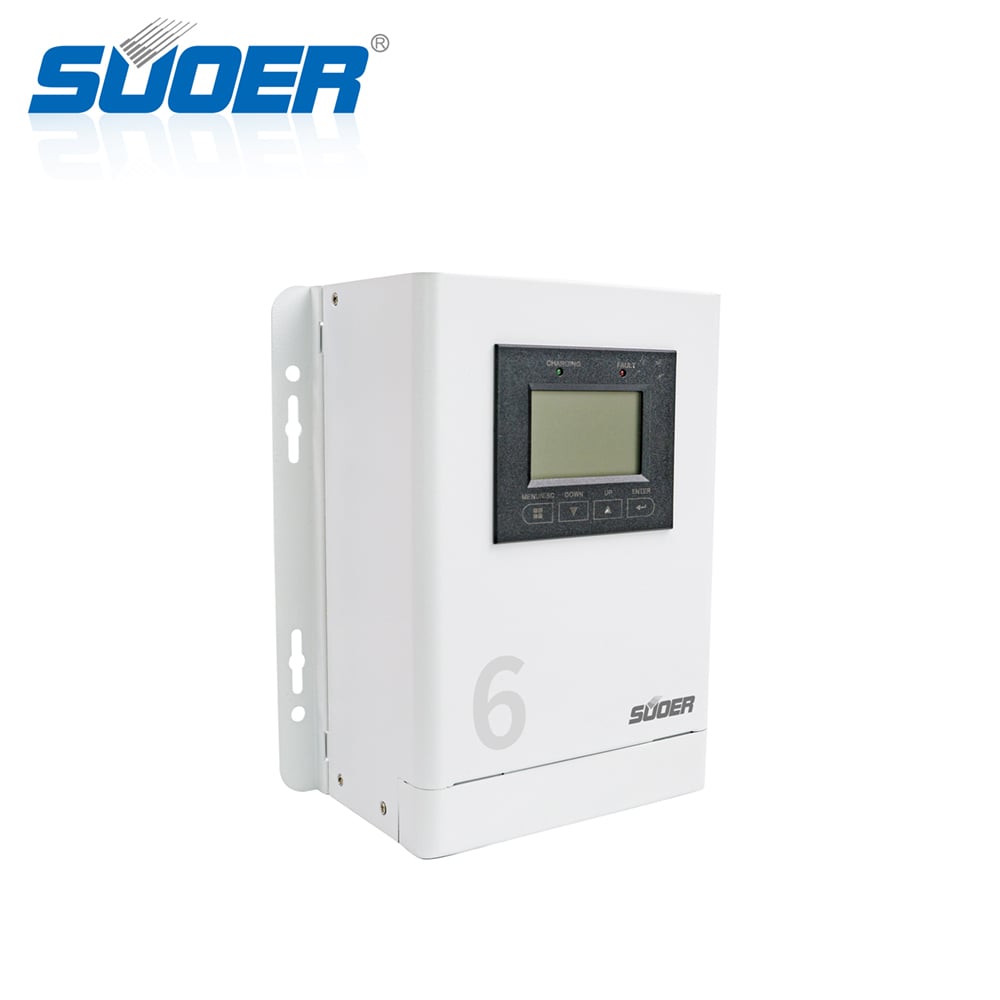
Proper installation of a 12V charge controller is vital for optimal performance and longevity. Begin by selecting an appropriate location that minimizes exposure to extreme temperatures and moisture. Ensure the installation area is easily accessible for future maintenance.
For solar applications, connect the solar panels to the charge controller first, followed by the battery. This sequence helps prevent potential damage to the controller and ensures proper initial setup. Utilize appropriate gauge wiring to handle the maximum current; underestimating wire thickness can lead to overheating and voltage drops.
In electric vehicles, integration of the charge controller should be tailored to the vehicle’s electrical system. Consideration must be given to the vehicle's operational environment, including vibration and temperature fluctuations. Secure all connections and ensure that the controller is mounted firmly to prevent movement during operation.
Lastly, adhere to the manufacturer's installation instructions and guidelines. This includes configuring any settings specific to the battery type and system requirements, as improper settings can lead to inefficient charging or battery damage.
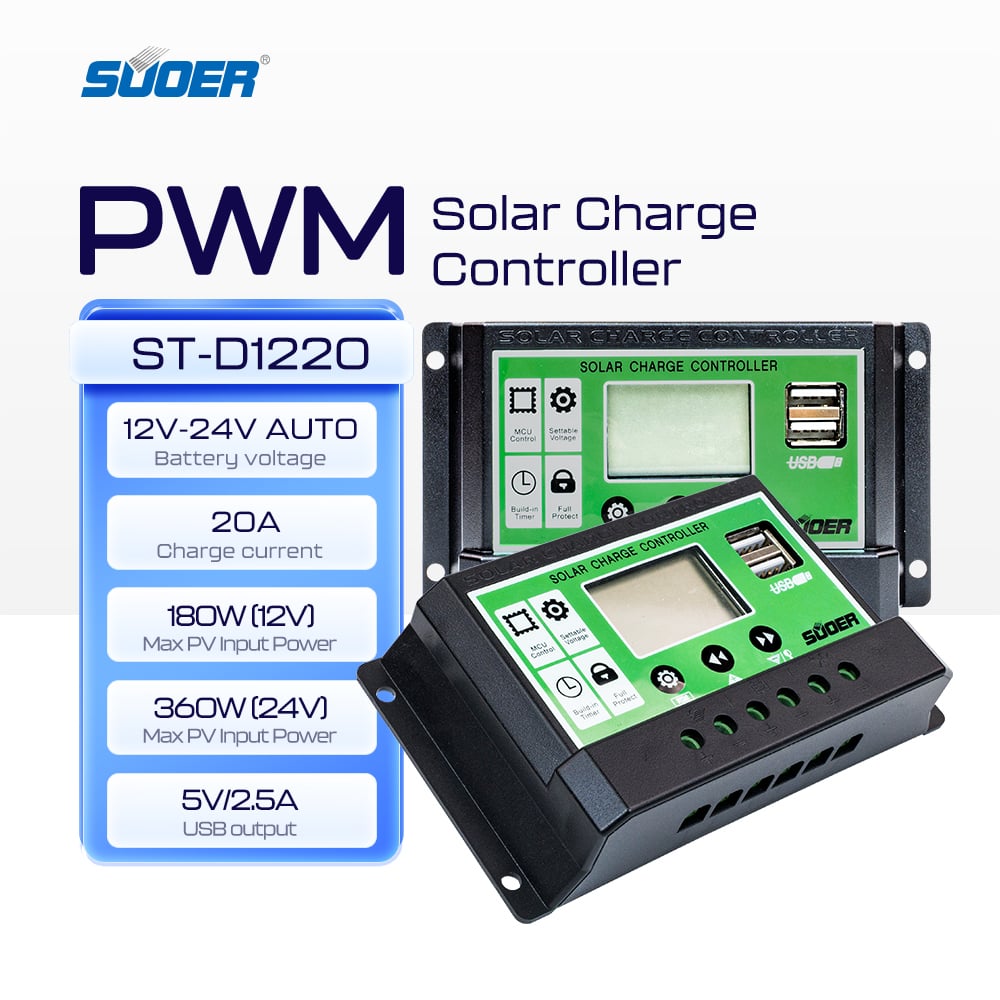
When sourcing 12V charge controllers in bulk, several cost factors should be carefully analyzed. The initial purchase price is significant, but additional costs can arise from shipping, handling, and potential import duties if sourcing internationally.
Consider the controller's efficiency ratings as well. While a higher upfront cost for an MPPT controller may seem daunting, the increased efficiency can lead to lower operational costs over time. Additionally, warranty terms and expected lifespan should be factored into the total cost of ownership.
Customization options can also affect pricing. If specific features or configurations are required, these may increase the per-unit cost. It’s advisable to discuss these needs with the supplier to understand how they affect overall pricing.
Lastly, evaluate the minimum order quantities (MOQs) set by suppliers. Purchasing in larger quantities may provide discounts, but ensure that your projected needs align with these quantities to avoid overstocking or excess inventory costs.
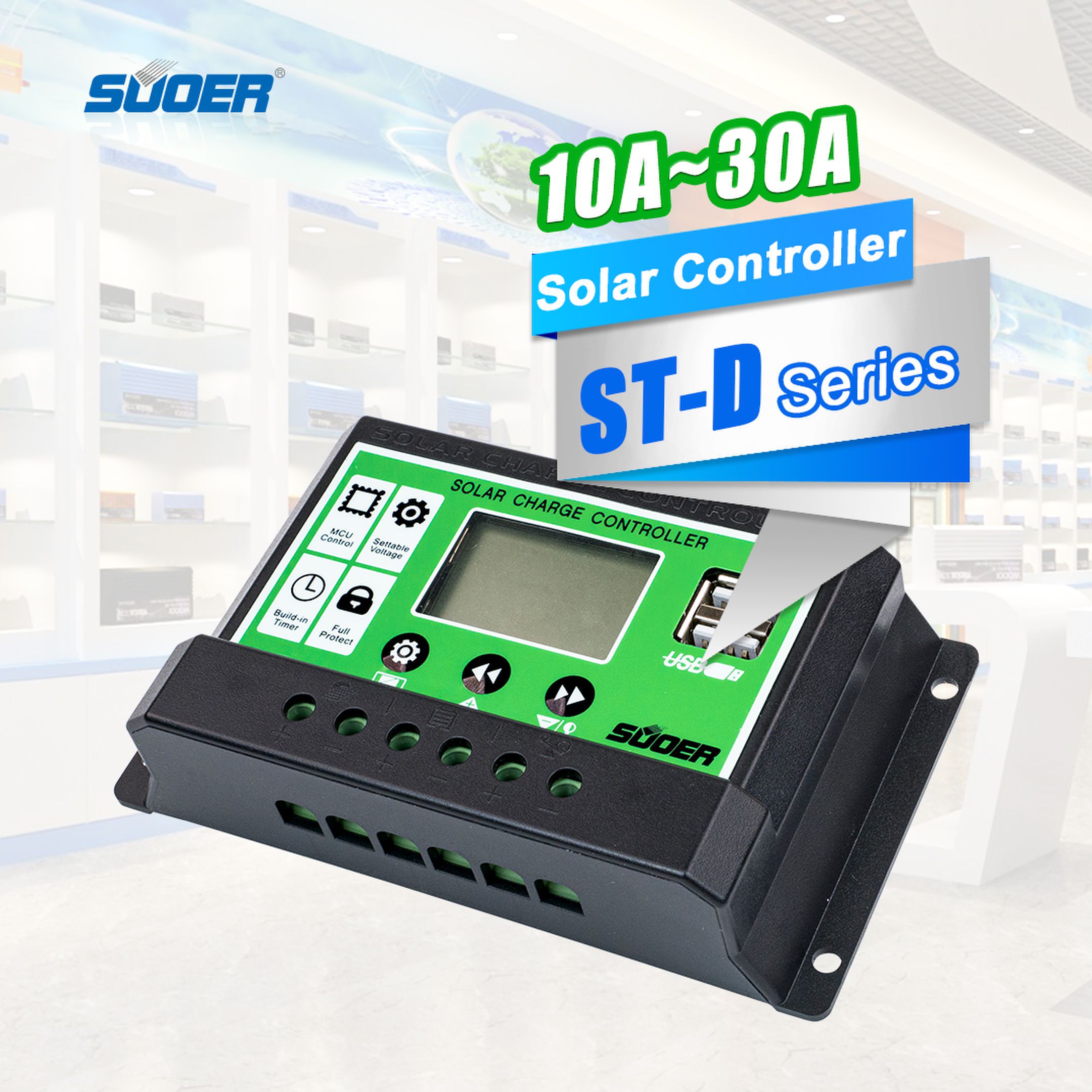
Despite their robustness, 12V charge controllers can encounter several common issues that can affect performance. One frequent problem is overheating, often caused by inadequate ventilation or excessive current loads. To mitigate this, ensure that the installation site allows for proper airflow and select a controller with adequate heat dissipation features.
Another issue is incorrect charging due to misconfiguration. This can lead to battery damage or reduced lifespan. Regularly review the configuration settings, particularly after installation or maintenance.
Additionally, poor connections can lead to voltage drops and erratic performance. Ensuring that all connections are secure and using appropriate connectors can help prevent these problems.
Lastly, corrosion can affect terminals, especially in outdoor applications. Using corrosion-resistant materials and regularly inspecting connections can prolong the life of the charge controller and maintain consistent performance.
The materials used in manufacturing 12V charge controllers significantly influence their performance, durability, and efficiency. High-quality components, such as durable plastics and corrosion-resistant metals, enhance the controller's lifespan, particularly in challenging environments.
For instance, using robust heat sinks and thermal management materials can prevent overheating, ensuring consistent performance and reliability. Additionally, high-quality capacitors and semiconductors improve energy efficiency and reduce energy losses during the charging process.
Moreover, controllers manufactured with advanced materials tend to have better environmental resistance, offering protection against moisture, dust, and other potentially damaging elements. This is crucial for applications in outdoor settings or harsh industrial environments.
Investing in high-quality materials not only reduces the frequency of repairs and replacements but also enhances the overall efficiency of the energy system, ultimately leading to cost savings in the long run. Buyers should inquire about the material specifications and quality assurance processes when evaluating potential suppliers.

Discover Suoer’s premium range of solar inverters and power inverters designed for reliable renewable energy solutions.Trusted by customers worldwide for exceptional performance and durability.
Suoer Industrial Zone, Ercun Road Section, Yanfeng Avenue, Shishan Town,Foshan city,Guangdong Province,China
Copyright © 2024 Foshan Suoer Electronic Industry Co., Ltd. Privacy Policy - Blog

 EN
 AR
 NL
 FR
 DE
 EL
 IT
 JA
 KO
 PT
 RU
 ES
 VI
 TH
 TR
 BG
 HR
 CS
 NO
 PL
 TL
 ID
 SR
 UK
 SQ
 HU
 MT
 AF
 MS
 IS
 HY
 AZ
 BN
 BS
 GU
 LO
 LA
 MN
 NE
 TA