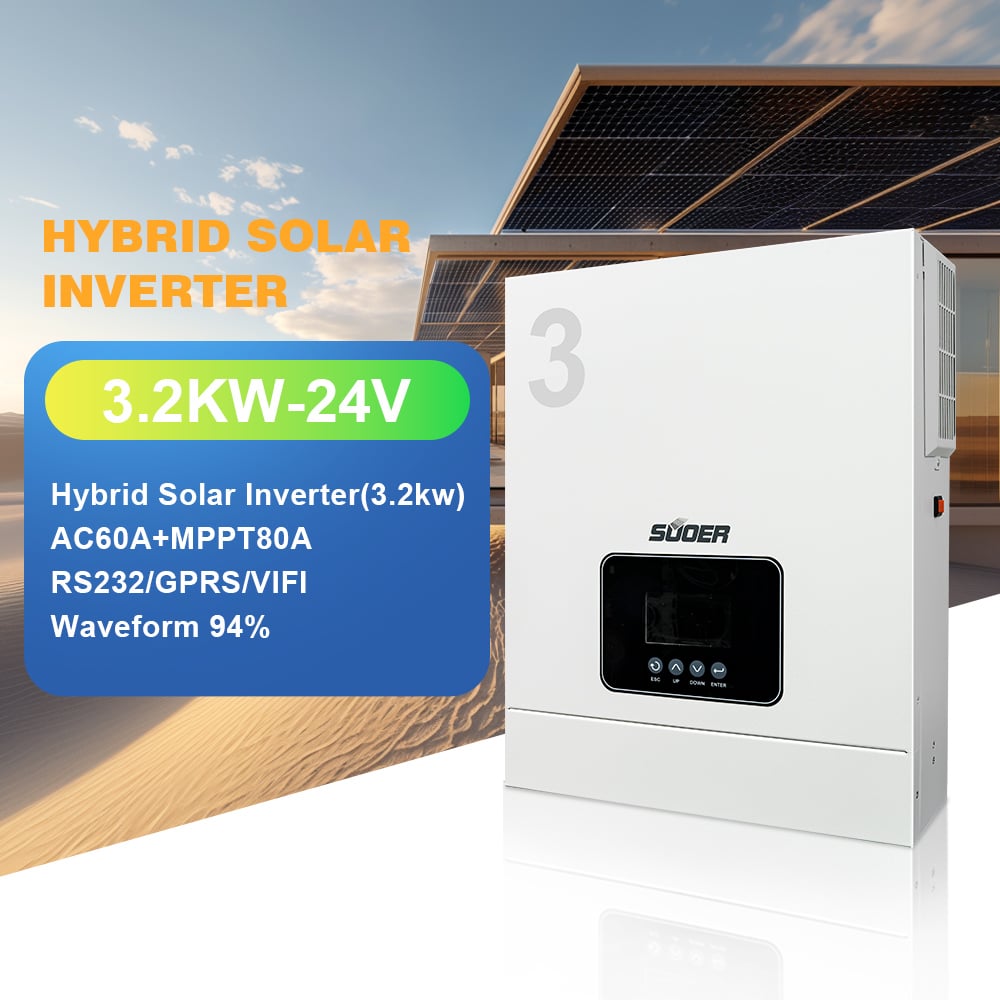
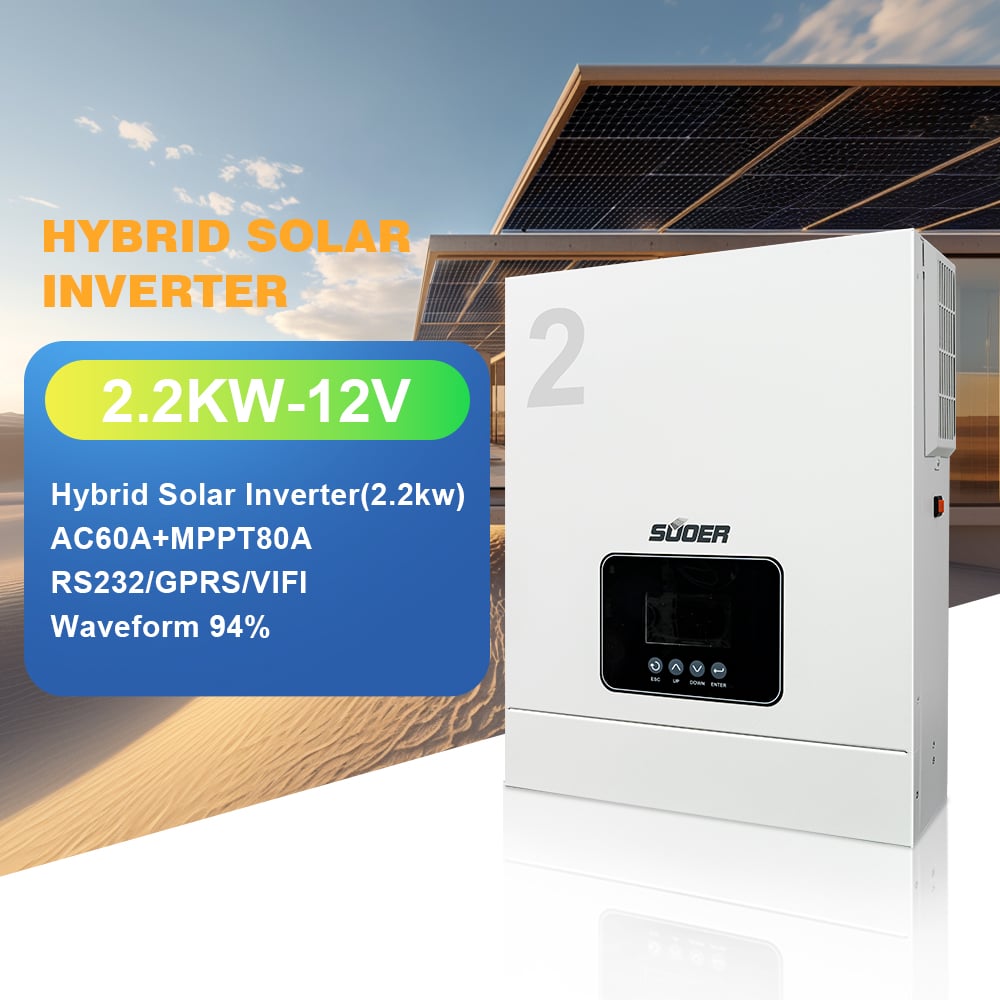
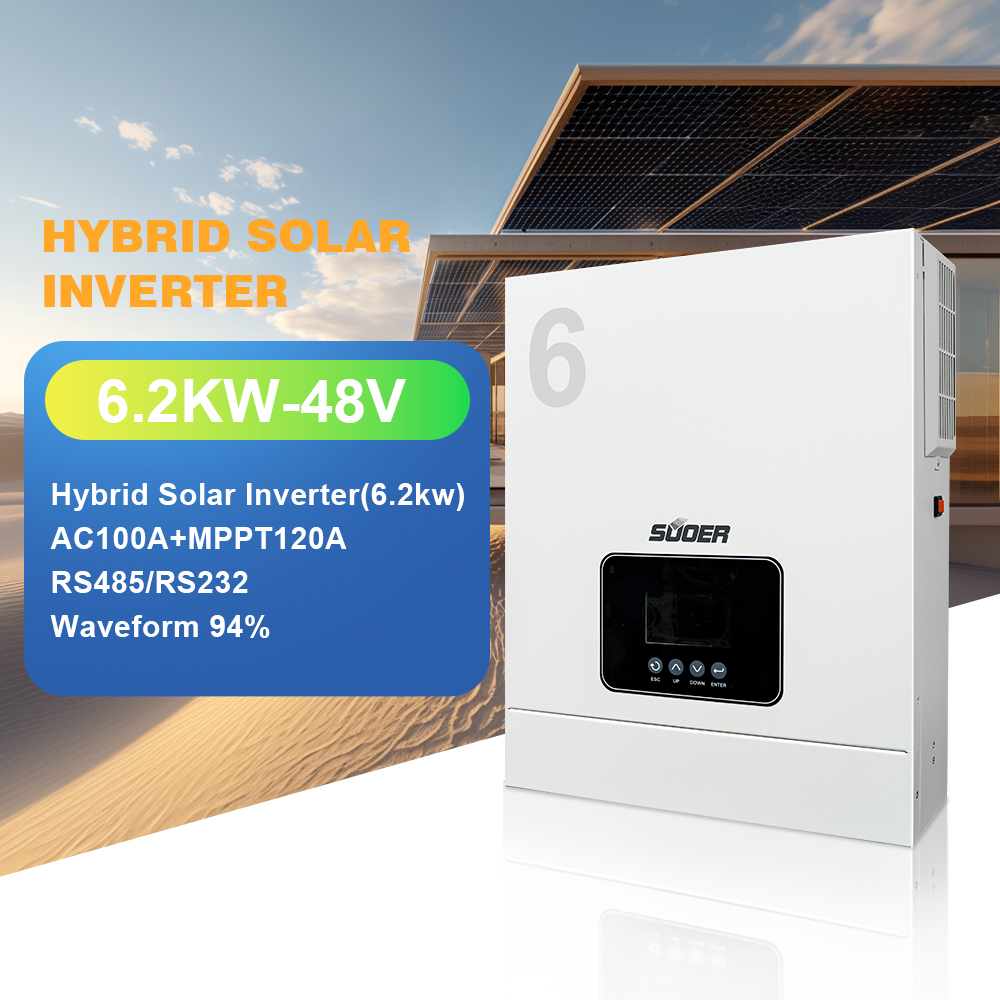
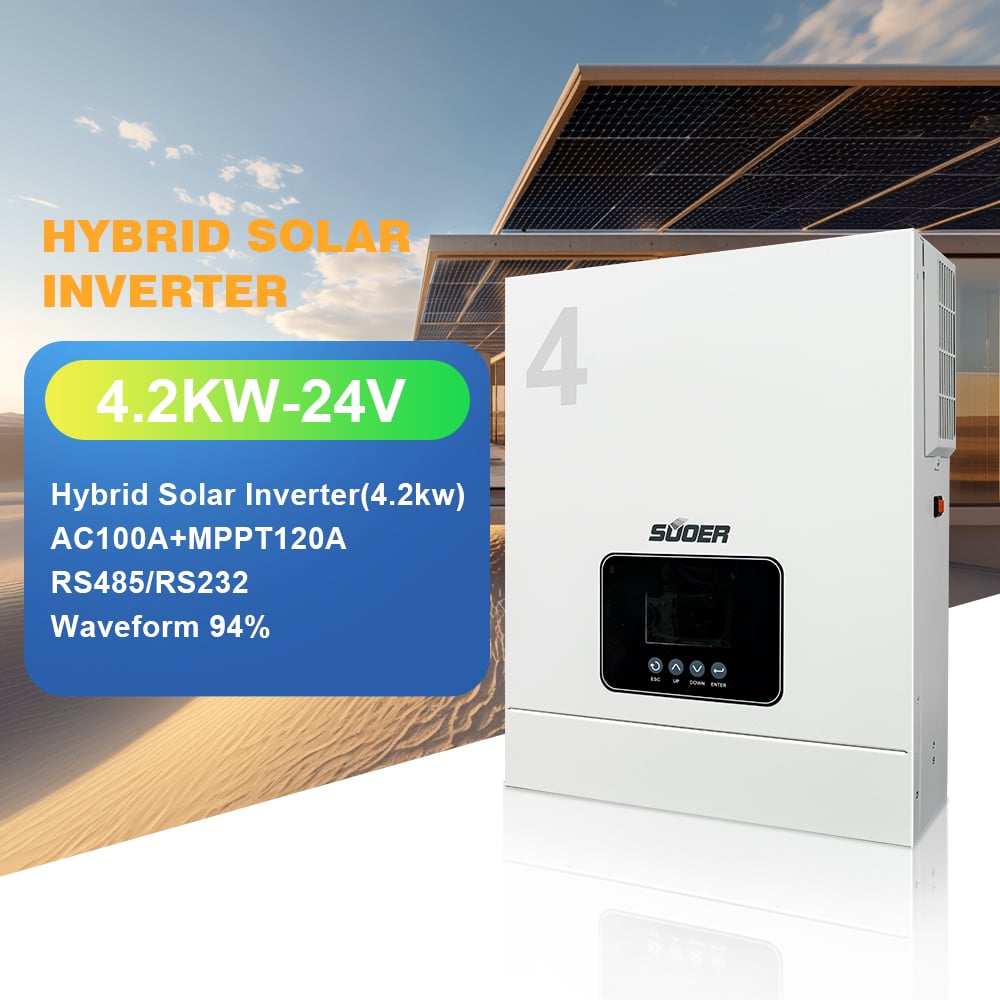
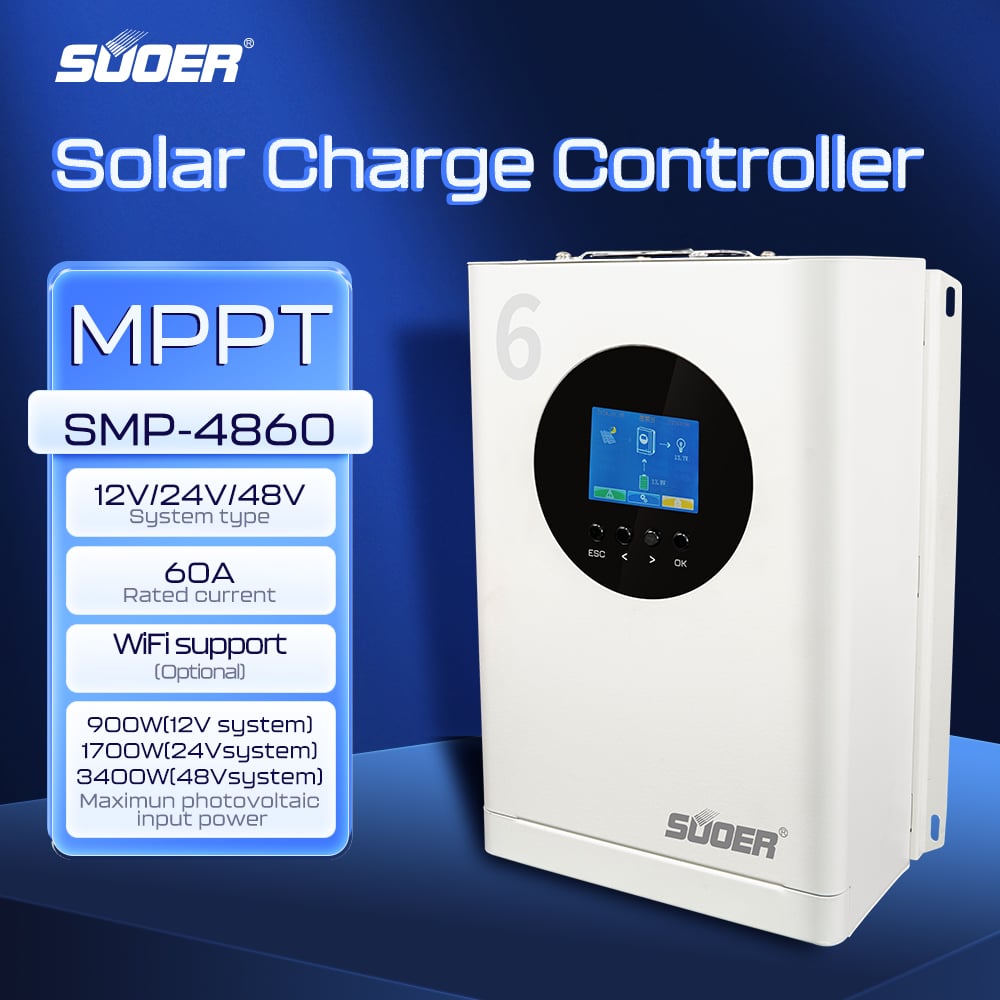
The 12V MPPT solar charge controller is an essential component for optimizing solar power systems, ensuring efficient energy capture and management. As a purchasing manager or engineer, your primary concerns likely revolve around product specifications, reliability, and operational compatibility within your existing systems. This article will delve into the key specifications, sourcing options, installation guidance, and troubleshooting tips for 12V MPPT solar charge controllers, providing you with the knowledge to make informed purchasing decisions
Understanding the key specifications of a 12V MPPT solar charge controller is crucial for its effective application. MPPT, or Maximum Power Point Tracking, is a technology that optimizes the power output from solar panels by adjusting the electrical operating point. Here are the critical specifications to consider
Input Voltage Range: This defines the range of voltages the controller can accept from solar panels. For a 12V system, ensure the controller can handle the peak voltage produced by your panels, typically around 18-22V
Output Current Rating: This specification indicates the maximum current the controller can deliver to the battery. Choose a model with a current rating that matches or exceeds your battery's requirements to ensure efficient charging
Efficiency Rating: Look for controllers with high efficiency, ideally above 95%. Higher efficiency means less energy is lost during conversion, maximizing the power available for charging
Protection Features: Quality charge controllers should include protections against overcharging, short circuits, and reverse polarity. These features are vital for maintaining battery longevity and system safety
Display and Monitoring: Some models come with LCD screens for real-time monitoring of charge status, which can be essential for system troubleshooting and performance evaluation
Choosing a controller with these specifications ensures that it meets the operational demands of your solar application, enhancing overall system performance
When sourcing 12V MPPT solar charge controllers, it is essential to identify reputable manufacturers or suppliers. Here are some strategies to find trusted sources
Industry Certifications: Look for manufacturers that hold certifications like ROHS, CE, and ISO9001. These certifications indicate adherence to quality standards and safety regulations, which is essential for reliability in critical applications
Customer Reviews and Testimonials: Research feedback from other businesses in your industry. Reviews can provide insights into product performance and customer service, helping you gauge the reliability of the supplier
Trade Shows and Industry Events: Attending trade shows can provide firsthand experience with various products and direct interactions with manufacturers. This is an excellent opportunity to ask technical questions and evaluate product quality
Distributor Networks: Partnering with established distributors who specialize in solar energy components can simplify sourcing. They often have established relationships with manufacturers and can provide valuable insights into product performance and reliability
By thoroughly vetting potential suppliers, you can ensure that you are investing in high-quality 12V MPPT solar charge controllers that meet your project requirements
When evaluating 12V MPPT solar charge controllers, consider several factors beyond basic specifications. Here are key aspects to assess
Compatibility: Ensure the controller is compatible with your existing solar panels and battery systems. Check both the voltage and current ratings to avoid mismatches
Customization Options: If your application requires specific configurations, inquire if the manufacturer offers customization capabilities. Custom features can significantly enhance system performance for specialized applications
Support and Warranty: Assess the level of customer support offered by the manufacturer. A robust warranty and responsive support can save significant costs in the long run, especially if issues arise post-installation
Size and Form Factor: Consider the physical dimensions of the controller, as space can be a constraint in installations. Ensure that the unit fits comfortably within your designated area without compromising accessibility
Evaluating these factors will help you choose a 12V MPPT solar charge controller that not only meets technical specifications but also aligns with your operational needs
Proper installation of a 12V MPPT solar charge controller is vital for optimal operation. Here are some key steps and considerations
Location: Install the controller in a shaded area to prevent overheating, as excessive heat can reduce efficiency and lifespan. Ensure it is easily accessible for monitoring and maintenance
Wiring Connections: Follow the manufacturer’s wiring diagram meticulously. Use appropriately sized cables to handle the maximum current, which minimizes voltage drop and heat generation
Battery Connection: Connect the battery to the controller before the solar panel to prevent potential damage. Ensure the battery is fully charged before making connections.
Testing: After installation, conduct a thorough system test. Monitor the voltage and current output to ensure the controller operates within specified parameters
Regular Maintenance: Schedule regular inspections to check connections, monitor performance, and ensure the controller’s display functions correctly. This will help catch any potential issues before they escalate
By following these installation guidelines, you can ensure a successful setup of your 12V MPPT solar charge controller, enhancing the overall efficiency of your solar power system
Despite their advanced technology, 12V MPPT solar charge controllers can encounter issues. Here are some common problems and their solutions
Overheating: If the controller overheats, check for proper ventilation and ensure it is not placed in direct sunlight. If the issue persists, consider a model with higher thermal management capabilities
Undercharging or Overcharging Batteries: This can occur if the controller's settings do not match the battery's specifications. Regularly check and adjust settings according to the manufacturer’s recommendations for the specific battery type
Display Malfunctions: If the display fails to show accurate readings, inspect the wiring connections for loose or damaged wires. Replace the controller if the issue remains unresolved
Incompatibility with Solar Panels: Ensure the voltage output of the solar panels aligns with the controller's input range. If mismatched, it may require a different controller or panel configuration
By being aware of these common issues and their solutions, you can maintain optimal performance for your 12V MPTT solar charge controllers, avoiding costly downtime and ensuring consistent energy supply

Discover Suoer’s premium range of solar inverters and power inverters designed for reliable renewable energy solutions.Trusted by customers worldwide for exceptional performance and durability.
Suoer Industrial Zone, Ercun Road Section, Yanfeng Avenue, Shishan Town,Foshan city,Guangdong Province,China
Copyright © 2024 Foshan Suoer Electronic Industry Co., Ltd. Privacy Policy - Blog

 EN
 AR
 NL
 FR
 DE
 EL
 IT
 JA
 KO
 PT
 RU
 ES
 VI
 TH
 TR
 BG
 HR
 CS
 NO
 PL
 TL
 ID
 SR
 UK
 SQ
 HU
 MT
 AF
 MS
 IS
 HY
 AZ
 BN
 BS
 GU
 LO
 LA
 MN
 NE
 TA