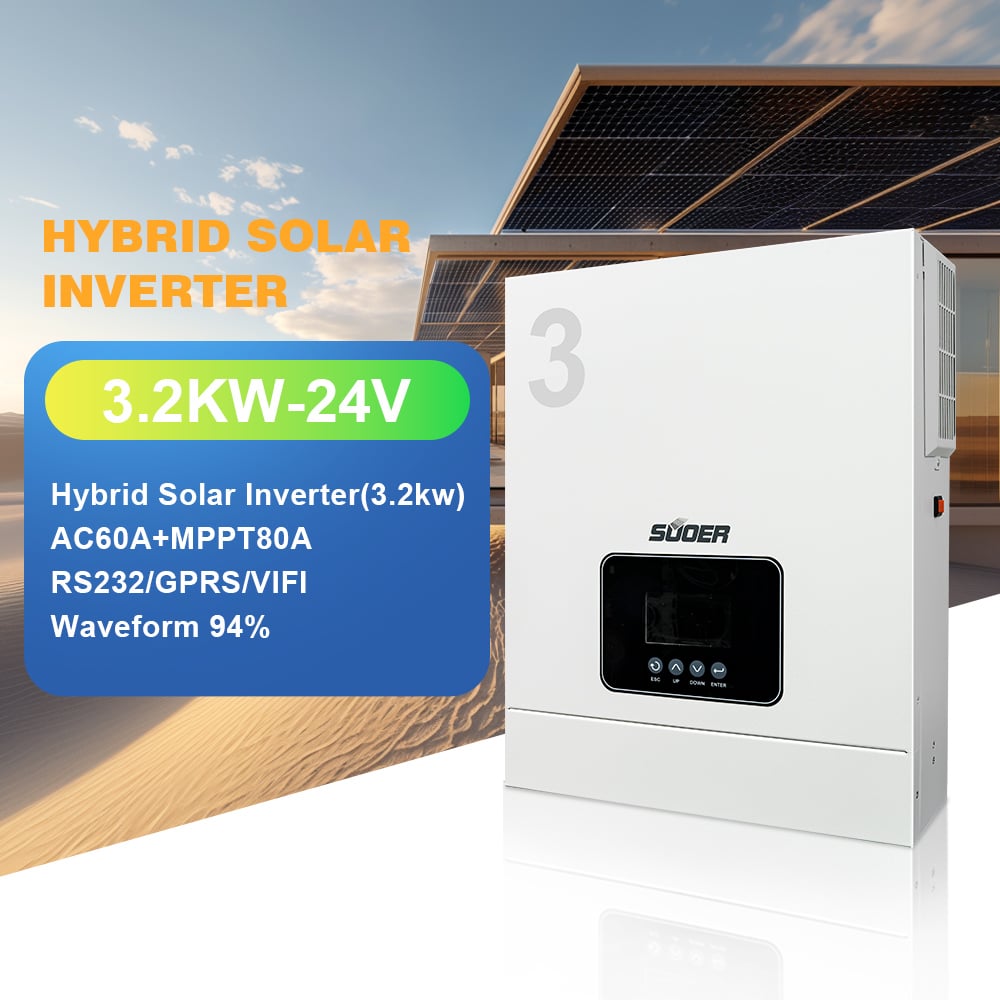
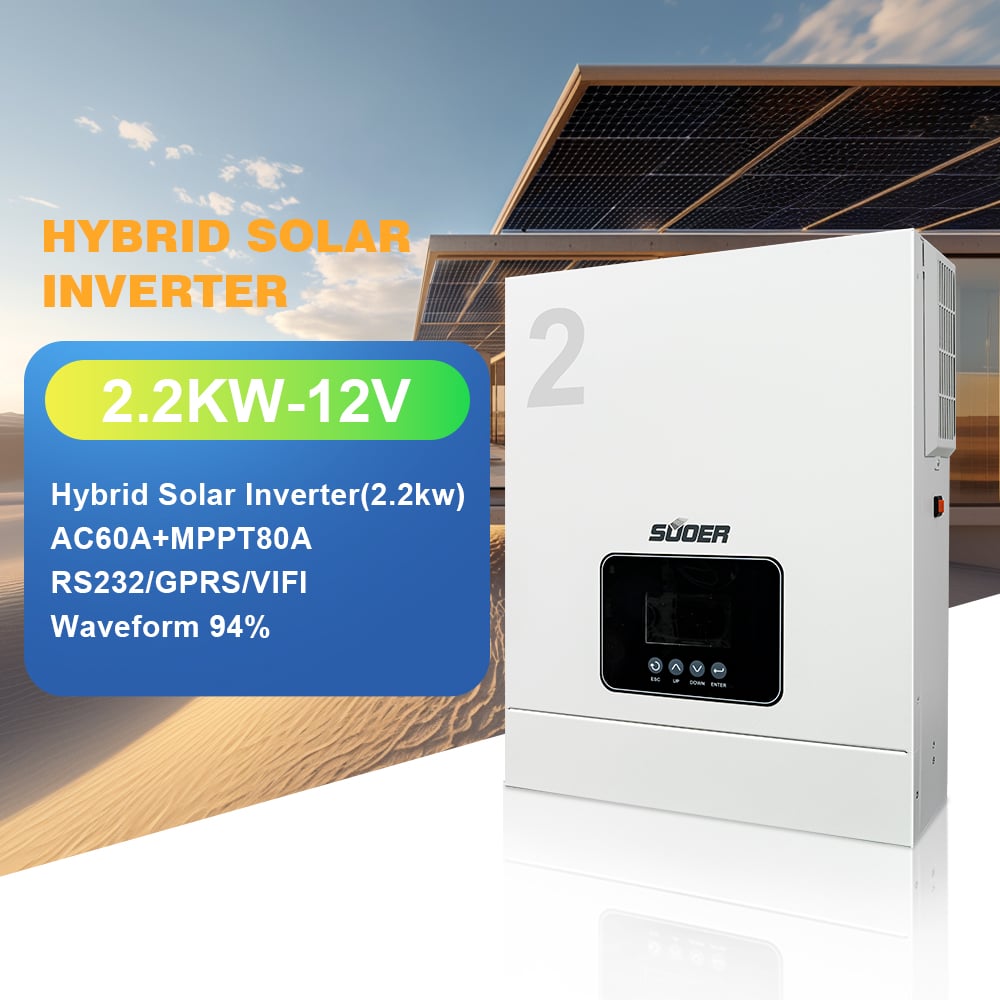
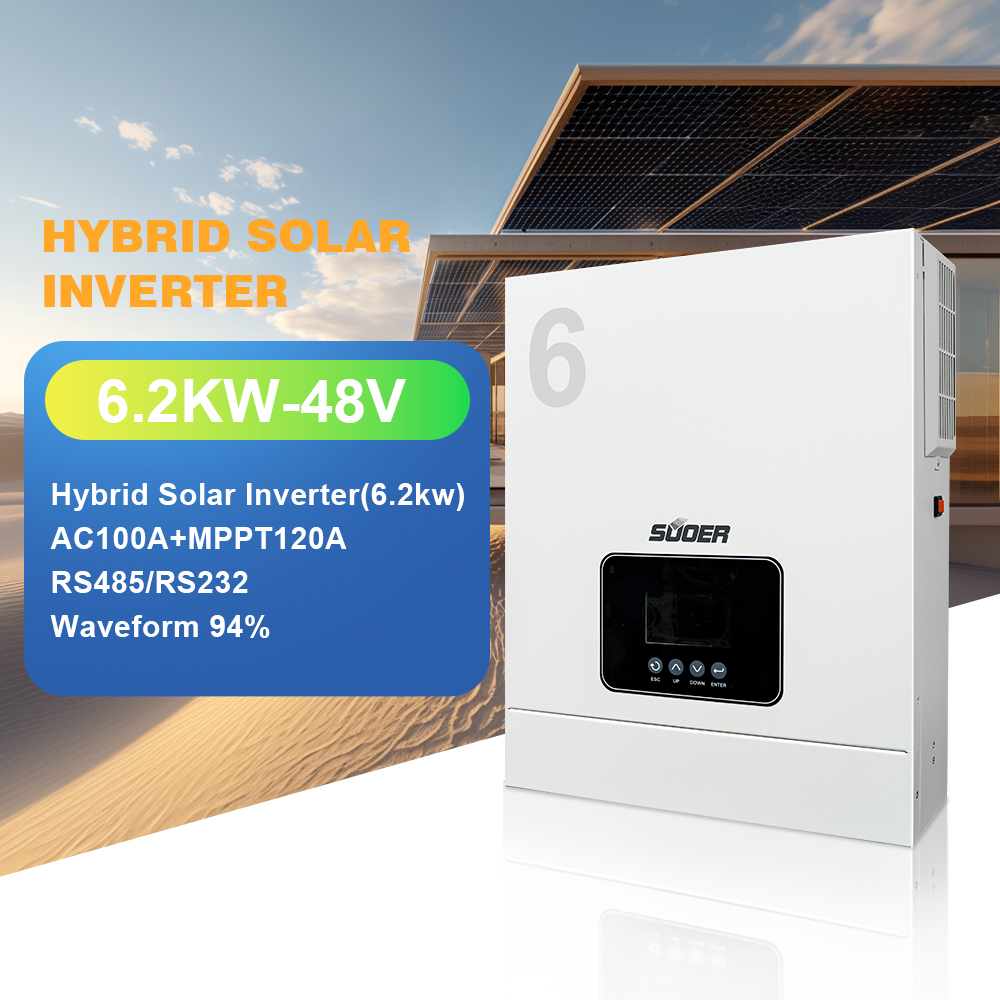
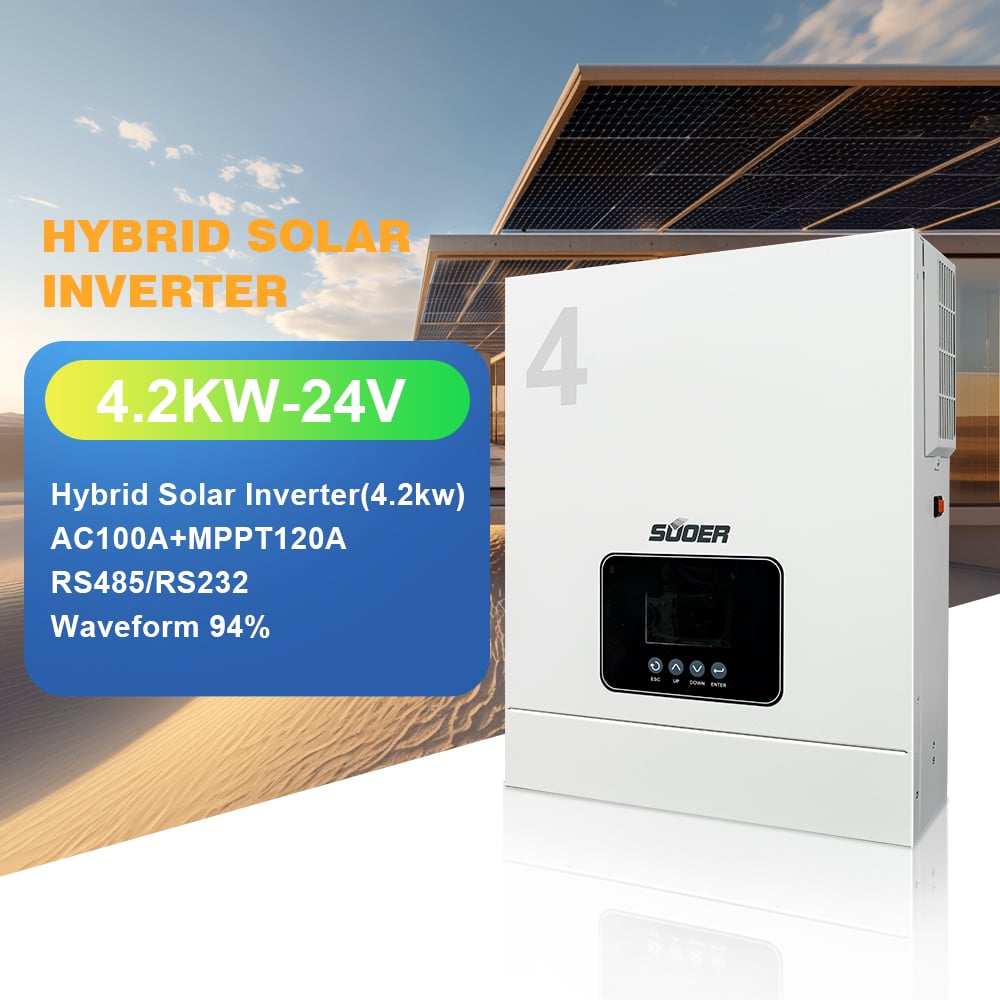
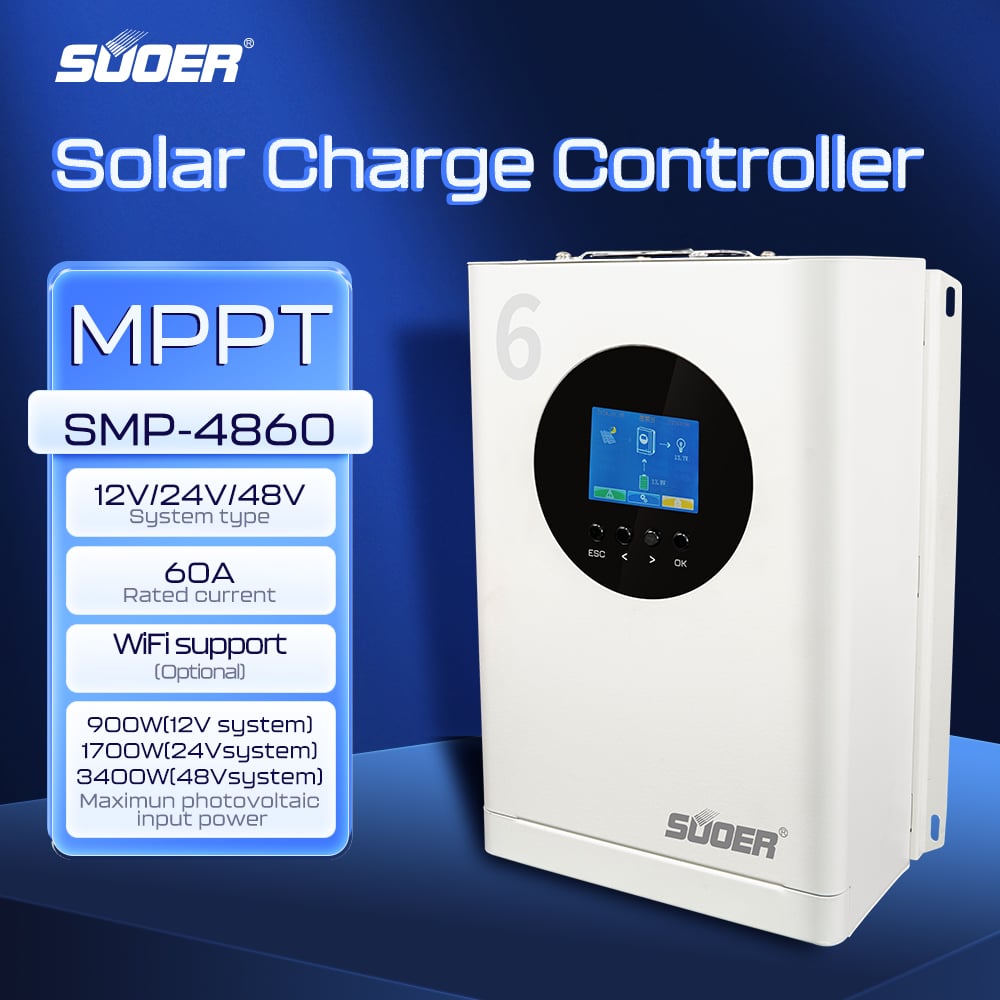
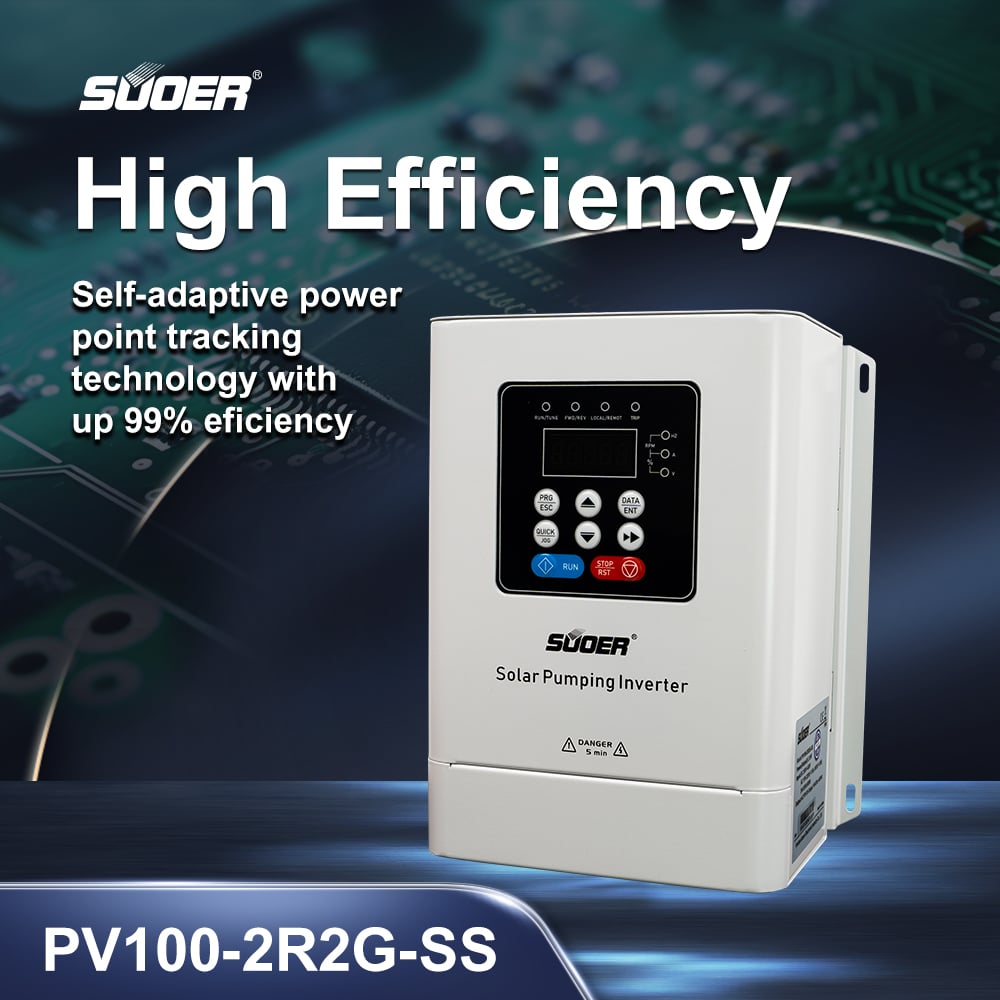
Understanding solar charge controllers, specifically the 12V models, is crucial for B2B buyers involved in the new energy sector. These 24v solar inverter devices regulate the voltage and current from solar panels to batteries, ensuring efficient charging and prolonging battery life. Key concerns for purchasing managers, engineers, and product managers include specifications, installation requirements, pricing, and applications in various industries. This article will provide insights to help you make informed decisions regarding solar charge controllers 12V.
When evaluating 12V solar charge controllers, several key specifications are essential to ensure compatibility and performance.
Voltage and Current Ratings: Ensure that the controller can handle the voltage output from your solar panels. The current rating should match or exceed the expected charging current from the solar array. Insufficient ratings can lead to overheating and damage.
Efficiency: Look for controllers with high efficiency ratings (above 90%). Higher efficiency means less energy loss during the charging process, which directly affects the overall energy output.
Temperature Range: The 3kw solar inverter operational temperature limits of a solar charge controller are critical, especially in industrial applications. Ensure that the controller can function efficiently within the temperature range of your installation environment.
Protection Features: Built-in protection against overcharging, over-discharging, short circuits, and reverse polarity is essential. These features ensure the longevity of both the controller and the connected batteries.
Compatibility: Check if the controller is compatible with different battery types (lead-acid, lithium-ion, etc.). This is particularly important if you plan to switch battery technologies in the future.
When selecting a 12V solar charge controller, consider the following aspects:
Type of Controller: There are two primary types: PWM (Pulse Width Modulation) and MPPT (Maximum Power Point Tracking). MPPT controllers are generally more efficient and can extract more power from solar panels, making them a better choice for larger systems.
Display Features: Many modern controllers come with LCD displays that provide real-time data on battery status, current, voltage, and system performance. This 4.2kw solar inverter information can help in monitoring and maintaining the system.
Size and Mounting Options: Ensure that the physical size of the controller fits your intended installation space. Additionally, check the mounting options available to facilitate easy installation.
Warranty and Support: A longer warranty period can indicate manufacturer confidence in their product. Additionally, reliable customer support can be essential for troubleshooting any installation or operational issues.
Customization Options: Depending on your project requirements, you may need specific features or configurations. Check if the manufacturer offers customization to meet your unique needs.
Proper installation of a 12V solar charge controller is critical to ensure optimal performance and longevity. Here are some practical steps for installation:
Location: Choose a shaded area for mounting the controller, as direct sunlight can affect its performance. Ensure that the installation area is easily accessible for maintenance.
Wiring: Use appropriately sized wires to connect the solar panels to the controller and then to the batteries. Undersized wires can lead to voltage drop and potential overheating.
Connection Sequence: Always connect the battery first before the solar panels. This method prevents the controller from being powered without a battery connected, which can lead to damage.
Secure Mounting: Ensure that the controller is securely mounted to prevent movement that could damage connections. Follow the manufacturer’s guidelines for mounting hardware.
Testing: After installation, test the system by monitoring voltage and current readings to ensure everything is functioning correctly. Address any discrepancies immediately.
Pricing for 12V solar charge controllers can vary significantly based on several factors:
Type of Controller: Generally, MPPT controllers are more expensive than PWM types due to their advanced technology and efficiency.
Features and Specifications: Controllers with advanced features, such as built-in displays, networking capabilities, or enhanced protection features, will typically cost more.
Manufacturing Quality: Controllers from reputable manufacturers that adhere to strict quality standards may come at a higher price but often result in better reliability and performance.
Order Quantity: Many manufacturers offer discounts for bulk purchases. Consider your long-term needs and potential projects when discussing pricing.
Customization: If you require specific features or modifications, expect additional costs. Discuss these requirements with the manufacturer early in your purchasing process.
12V solar charge controllers are versatile devices used across multiple industries. Here are some notable applications:
Electric Vehicles: In electric vehicle systems, these controllers manage the energy from solar panels installed on vehicles, ensuring optimal battery charging during travel or stationary periods.
Telecommunications: Remote communication stations often rely on solar power. 12V charge controllers help maintain battery health in these off-grid locations, ensuring reliable communication.
Rail Transit: Solar power can be used to charge batteries for signaling and other rail transit systems. Controllers ensure that energy is efficiently stored and used, enhancing system reliability.
Home and Commercial Solar Systems: Many residential and small commercial solar installations utilize 12V charge controllers to manage energy flow efficiently, ensuring battery longevity and system performance.
Remote Monitoring Systems: In applications where power sources are limited, such as environmental monitoring stations, 12V solar charge controllers help maintain power supply, allowing for continuous operation.
By understanding these key aspects of 12V solar charge controllers, B2B buyers can make informed decisions that enhance their solar energy systems. Proper evaluation, installation, and application knowledge will lead to optimal performance and return on investment.

Discover Suoer’s premium range of solar inverters and power inverters designed for reliable renewable energy solutions.Trusted by customers worldwide for exceptional performance and durability.
Suoer Industrial Zone, Ercun Road Section, Yanfeng Avenue, Shishan Town,Foshan city,Guangdong Province,China
Copyright © 2024 Foshan Suoer Electronic Industry Co., Ltd. Privacy Policy - Blog

 EN
 AR
 NL
 FR
 DE
 EL
 IT
 JA
 KO
 PT
 RU
 ES
 VI
 TH
 TR
 BG
 HR
 CS
 NO
 PL
 TL
 ID
 SR
 UK
 SQ
 HU
 MT
 AF
 MS
 IS
 HY
 AZ
 BN
 BS
 GU
 LO
 LA
 MN
 NE
 TA