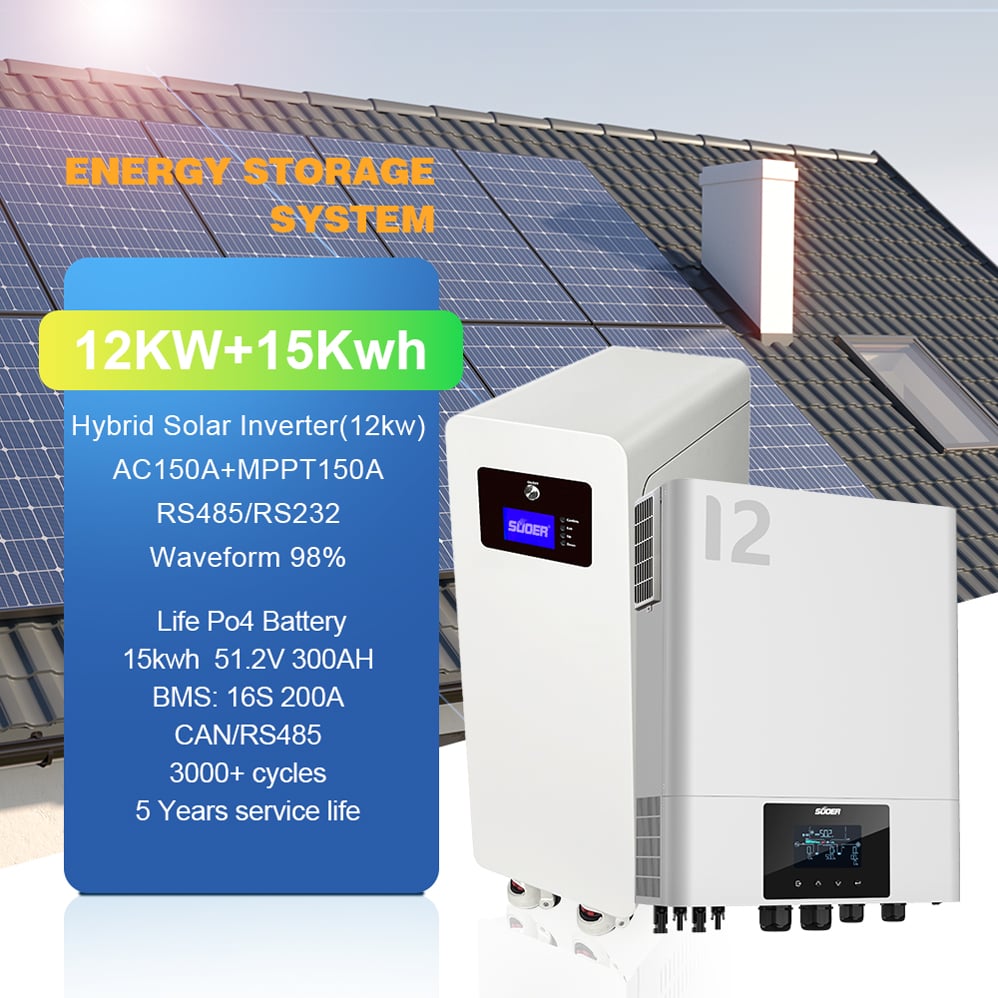
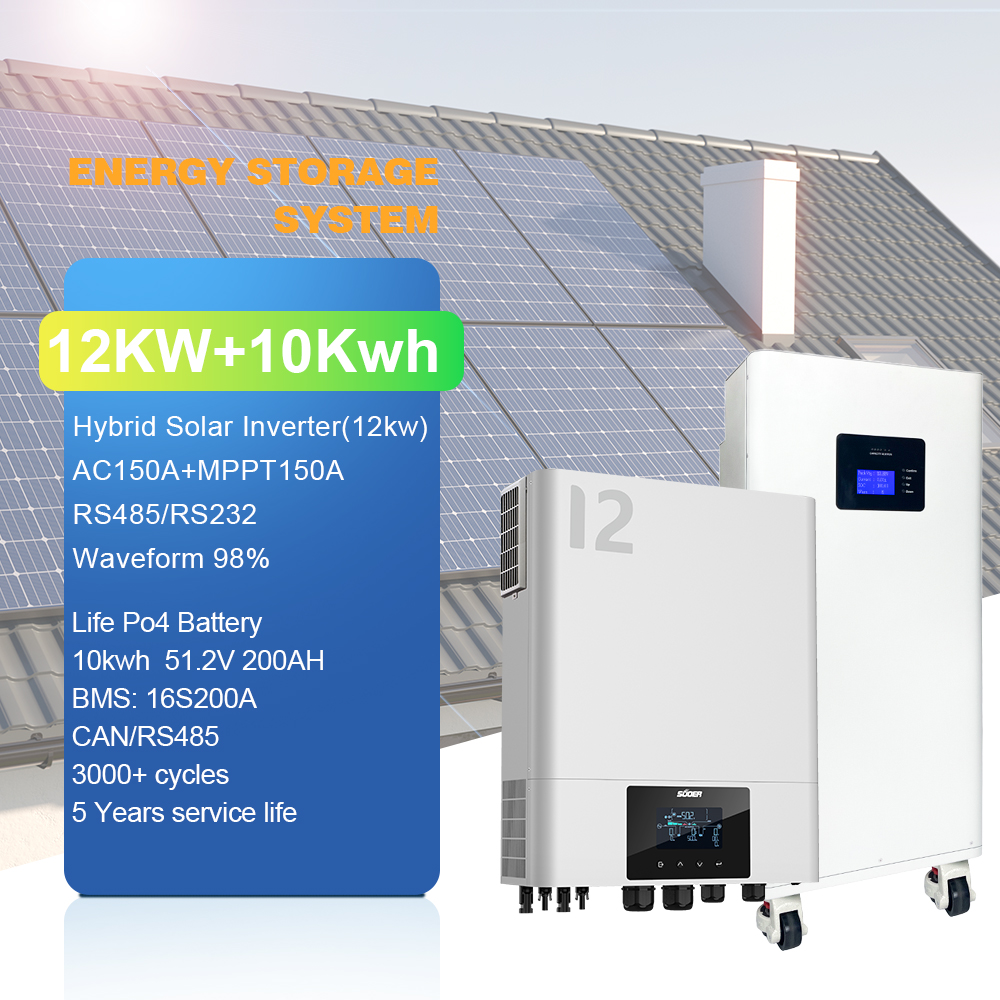
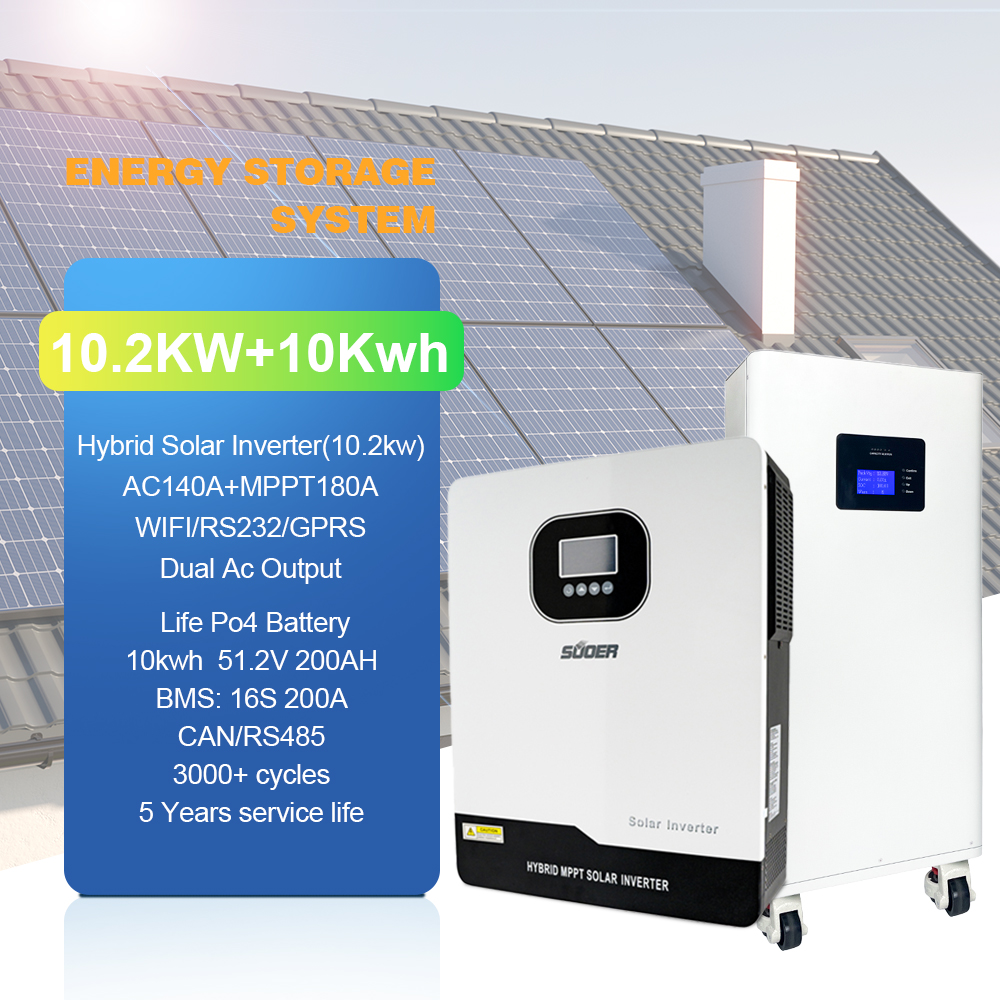
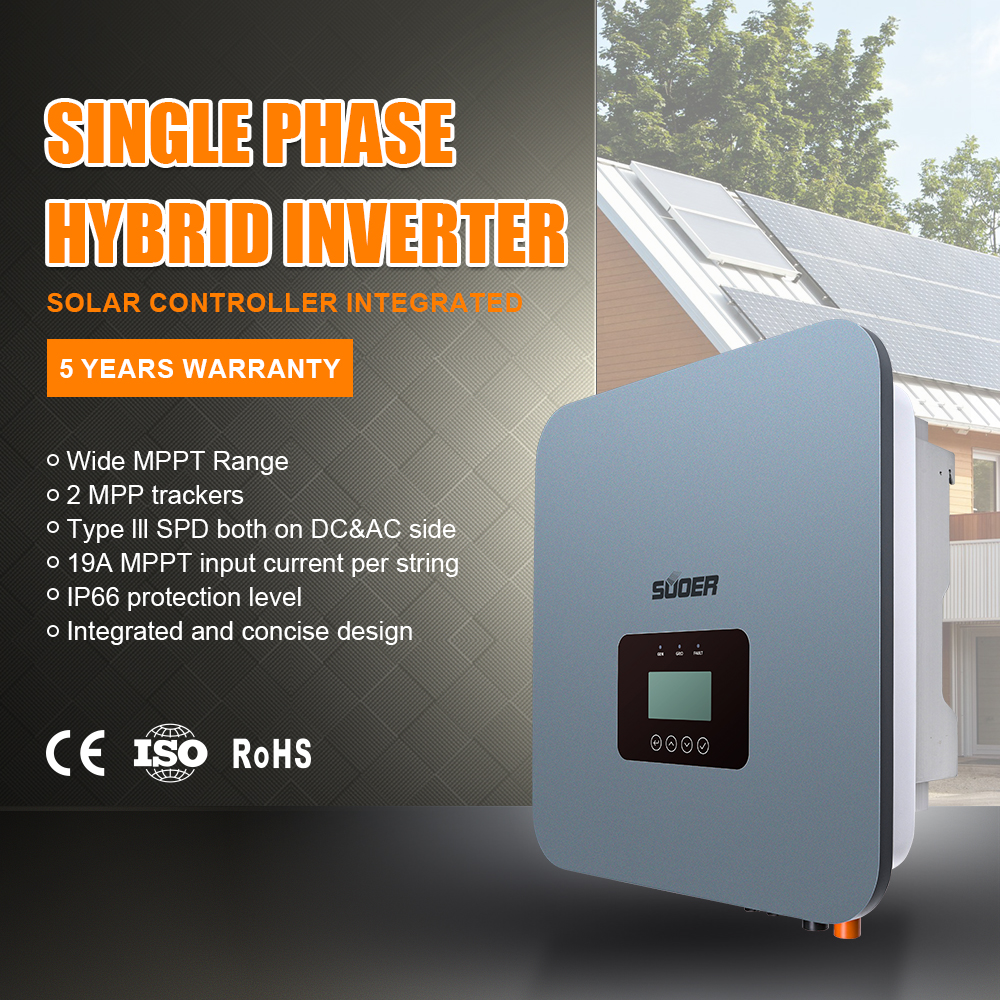
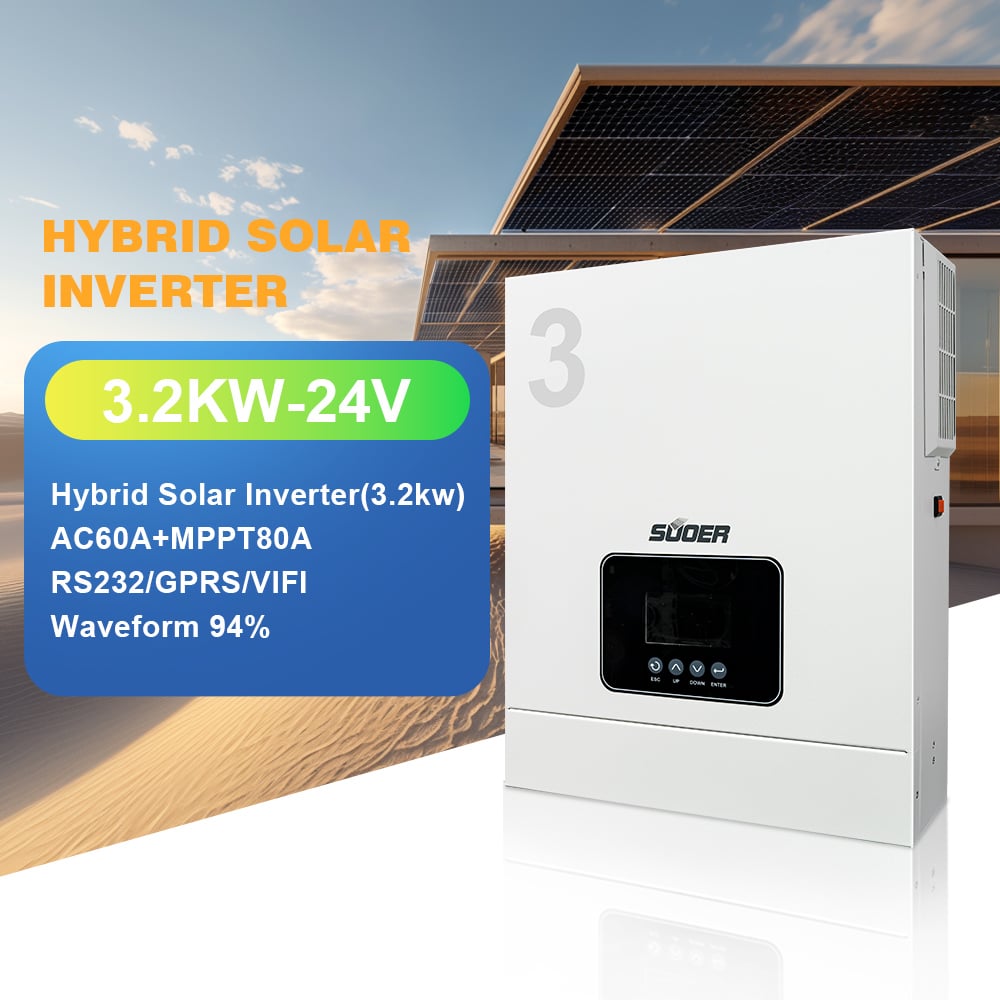
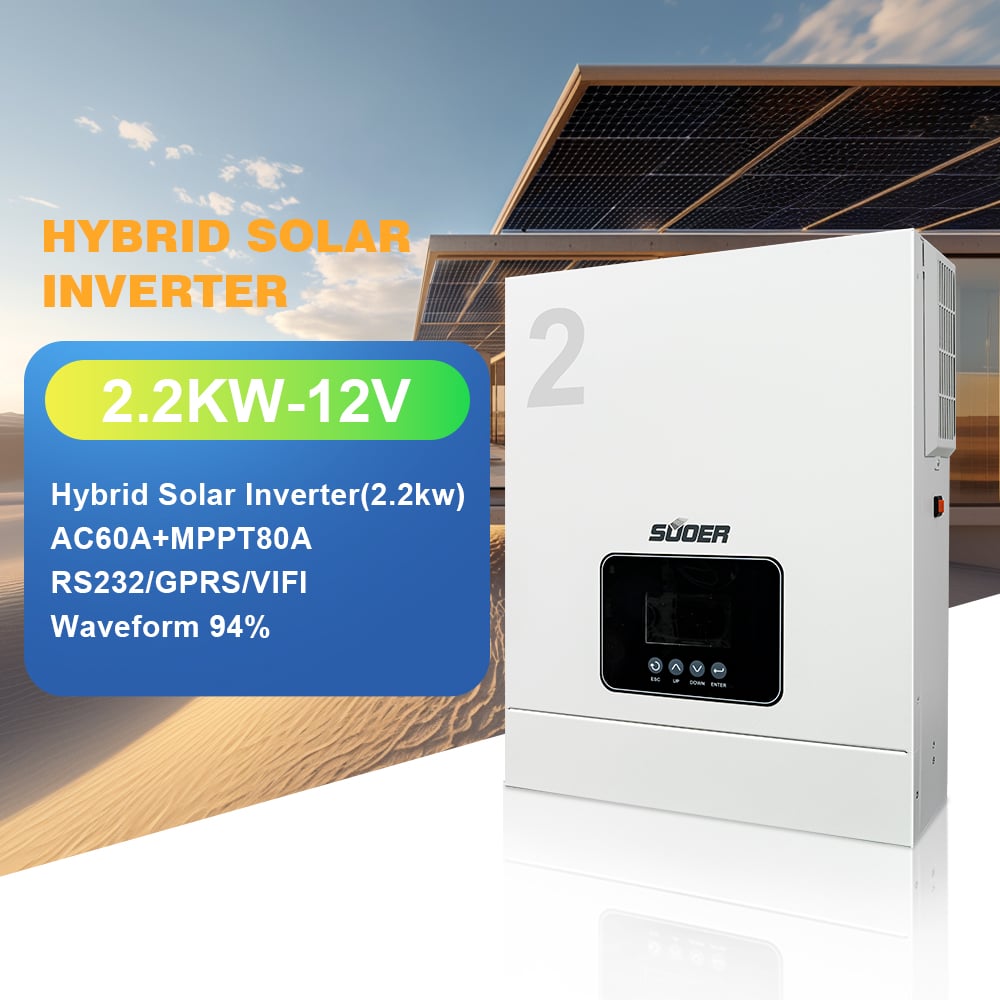
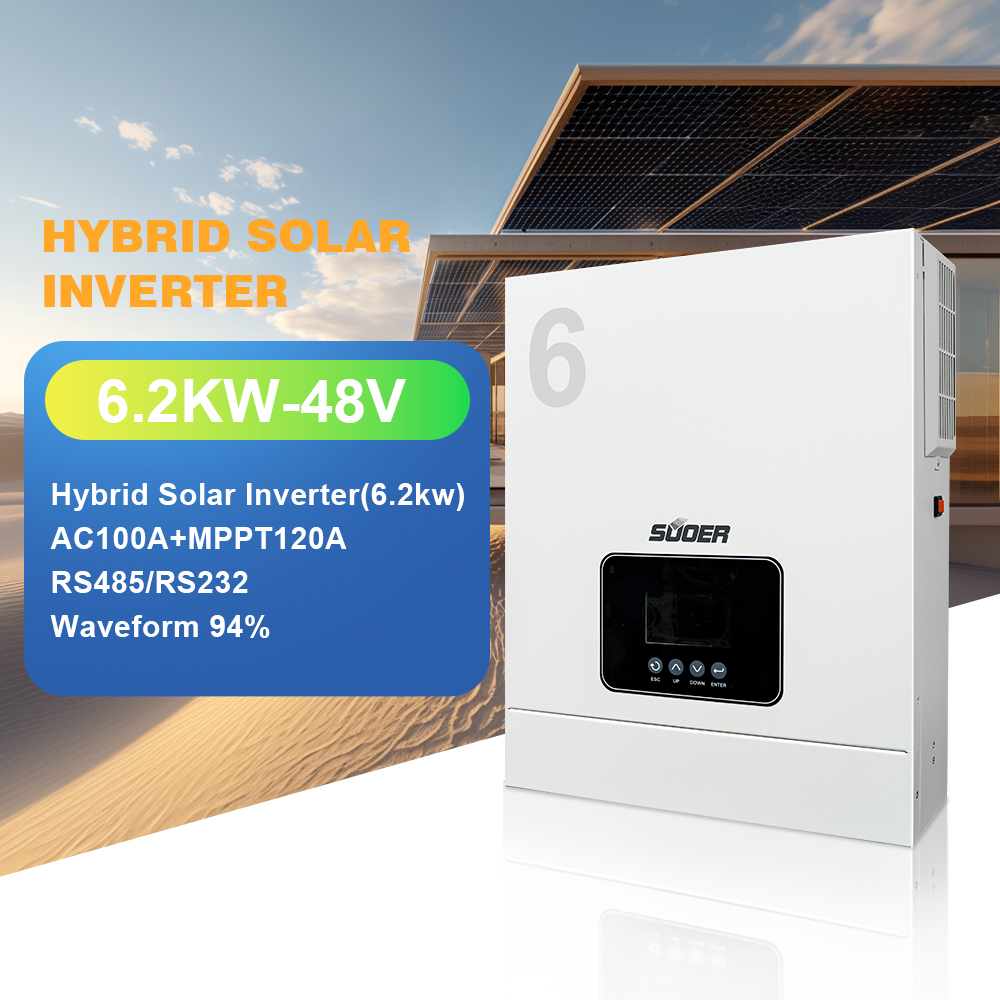
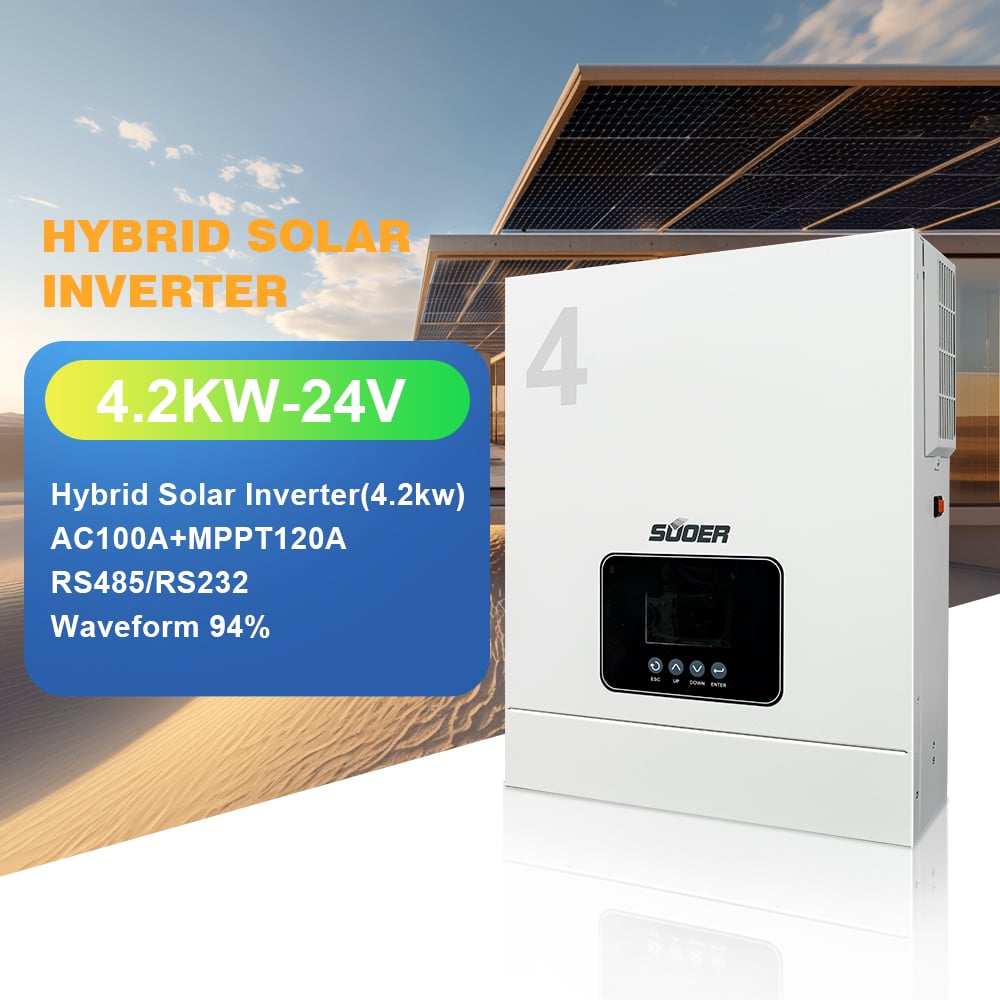
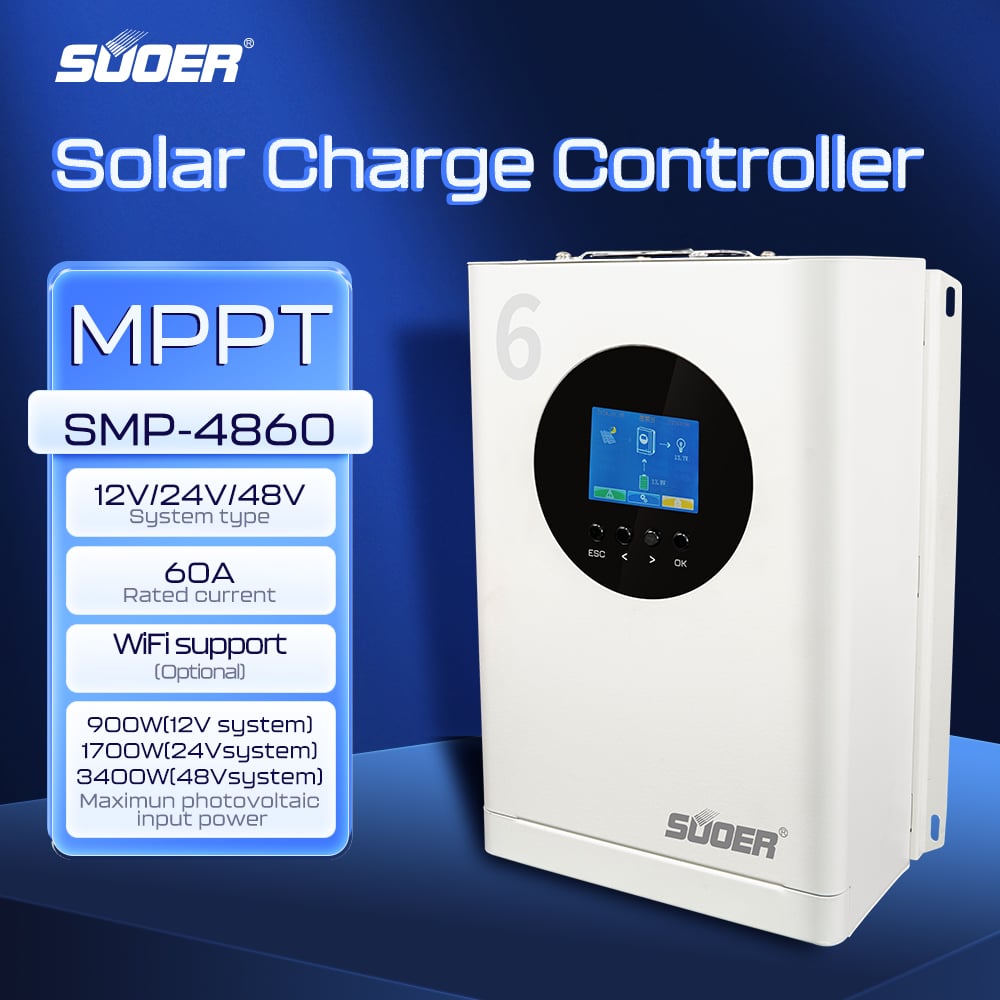
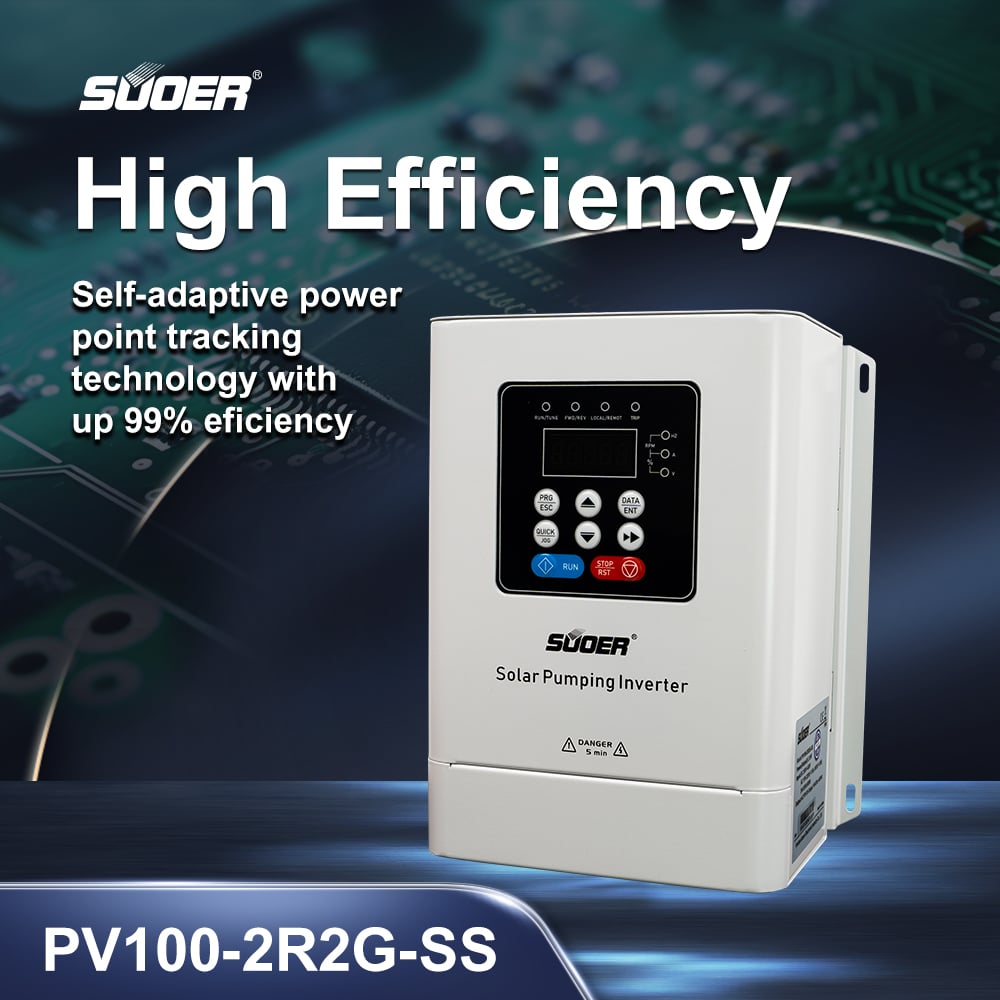
In the evolving landscape of renewable energy, solar charge controllers are critical components that manage power flow from solar panels to batteries, ensuring optimal charging and system longevity. For B2B buyers—such as purchasing managers, engineers, and project managers—understanding the nuances of solar charge controllers is vital for making informed decisions. This 1kw inverter article will explore key considerations for selecting the right solar charge controller, identifying reliable suppliers, evaluating costs, troubleshooting common issues, and recognizing the benefits of quality materials in these essential devices.
Selecting the appropriate solar charge controller is crucial for maximizing the efficiency of a photovoltaic system. Buyers should consider several factors, including system voltage, current rating, and the specific features needed for their application.
System Voltage: Solar charge controllers come in various voltage configurations (e.g., 12V, 24V, 48V). Ensure the controller matches the voltage of your solar panels and batteries to prevent damage and inefficiency.
Current Rating: The 24v solar inverter current rating of the controller should exceed the maximum output of the solar panels. For instance, if your solar array has a peak output of 20A, choose a controller rated for at least 25-30A to allow for safe operation and future expansion.
Type of Controller: There are two main types: PWM (Pulse Width Modulation) and MPPT (Maximum Power Point Tracking). MPPT controllers are typically more efficient, especially in larger systems, as they can extract more power from the solar panels. However, they come at a higher cost. Assess the trade-off between upfront investment and long-term energy savings when making your choice.
Additional Features: Features like temperature compensation, load control, and remote monitoring can enhance system performance and convenience. Determine which features align with your project requirements.
Finding a trustworthy supplier for solar charge controllers involves thorough research and evaluation. Consider the following approaches:
Industry Trade Shows and Expos: Attending renewable energy trade shows provides opportunities to meet manufacturers, view product demonstrations, and gather information on the latest technologies.
Online Marketplaces: Platforms like Alibaba, Global Sources, and ThomasNet can connect buyers with manufacturers. Look for suppliers with verified credentials and positive reviews.
Manufacturer Directories: Utilize directories specific to the solar industry, which list reputable manufacturers and distributors. Ensure they have relevant certifications, such as ROHS, CE, and ISO9001, to confirm product quality and compliance.
Networking: Engage with industry professionals and forums to get recommendations for reliable suppliers. Peer insights can be invaluable in identifying trustworthy partners.
Request Samples: Before finalizing a supplier, request product samples to evaluate quality and performance. This 3kw inverter 24v step can help in making a more informed purchasing decision.
The cost of solar charge controllers can vary widely based on several factors, including technology, features, and supplier pricing strategies. Here’s what to consider:
Type of Technology: As mentioned earlier, PWM controllers are typically less expensive than MPPT controllers. While MPPT controllers may have a higher upfront cost, their efficiency can lead to greater savings in energy over time.
Features and Specifications: Advanced features, such as Bluetooth connectivity for monitoring, can increase the price. Determine which features are essential for your application to avoid unnecessary expenditures.
Quantity and MOQ: Suppliers often have minimum order quantities (MOQs), which can affect pricing. Purchasing in bulk may offer cost savings, but consider your immediate project needs to avoid excess inventory.
Shipping and Import Duties: If sourcing internationally, account for shipping costs and potential customs duties, as these can significantly impact overall costs.
Warranty and Support: Consider the warranty period offered, as longer warranties may indicate greater confidence in product reliability, thus justifying a higher price point.
Understanding potential issues with solar charge controllers can help buyers make informed decisions and prepare for troubleshooting. Here are some common problems and their solutions:
Overcharging: This can occur if the controller malfunctions or is improperly configured. Ensure that the controller is compatible with battery types and has appropriate settings for charging voltage. Regular monitoring can help identify this issue early.
Inadequate Charging: If the charge controller fails to charge the batteries sufficiently, check for issues such as poor connections, shading on solar panels, or a malfunctioning controller. A thorough inspection can often reveal the problem.
Temperature Sensitivity: Extreme temperatures can affect the performance of solar charge controllers. Ensure that the installation site is conducive to the controller’s operational temperature range. Consider models with temperature compensation features for added reliability.
Faulty Components: Controllers may develop faults over time due to wear or manufacturing defects. Regular maintenance checks can help identify issues before they lead to system failure.
Communication Failures: In systems with monitoring capabilities, communication failures can disrupt data transmission. Ensure that all connections are secure and that the firmware is updated.
The materials used in the construction of solar charge controllers play a significant role in their performance, durability, and overall efficiency. Here are some key advantages of using high-quality materials:
Durability: Controllers made from robust materials can withstand environmental factors, such as moisture and temperature fluctuations. This durability is particularly important for outdoor installations.
Thermal Management: High-quality materials can enhance heat dissipation, improving the controller's efficiency and longevity. Poor thermal management can lead to overheating, which may damage internal components.
Corrosion Resistance: Controllers exposed to harsh conditions benefit from materials that resist corrosion, ensuring reliability over time. Look for units with protective coatings to enhance lifespan.
Electrical Conductivity: The use of superior conductive materials can minimize energy losses during the charging process. This efficiency translates into better overall system performance.
Compliance with Standards: Quality materials often mean that the product adheres to industry standards and certifications, which is crucial for B2B buyers concerned about regulatory compliance.
By considering these factors, B2B buyers can make more informed decisions when selecting solar charge controllers, ensuring that their investments yield the best possible returns in terms of performance and durability.

Discover Suoer’s premium range of solar inverters and power inverters designed for reliable renewable energy solutions.Trusted by customers worldwide for exceptional performance and durability.
Suoer Industrial Zone, Ercun Road Section, Yanfeng Avenue, Shishan Town,Foshan city,Guangdong Province,China
Copyright © 2024 Foshan Suoer Electronic Industry Co., Ltd. Privacy Policy - Blog

 EN
 AR
 NL
 FR
 DE
 EL
 IT
 JA
 KO
 PT
 RU
 ES
 VI
 TH
 TR
 BG
 HR
 CS
 NO
 PL
 TL
 ID
 SR
 UK
 SQ
 HU
 MT
 AF
 MS
 IS
 HY
 AZ
 BN
 BS
 GU
 LO
 LA
 MN
 NE
 TA