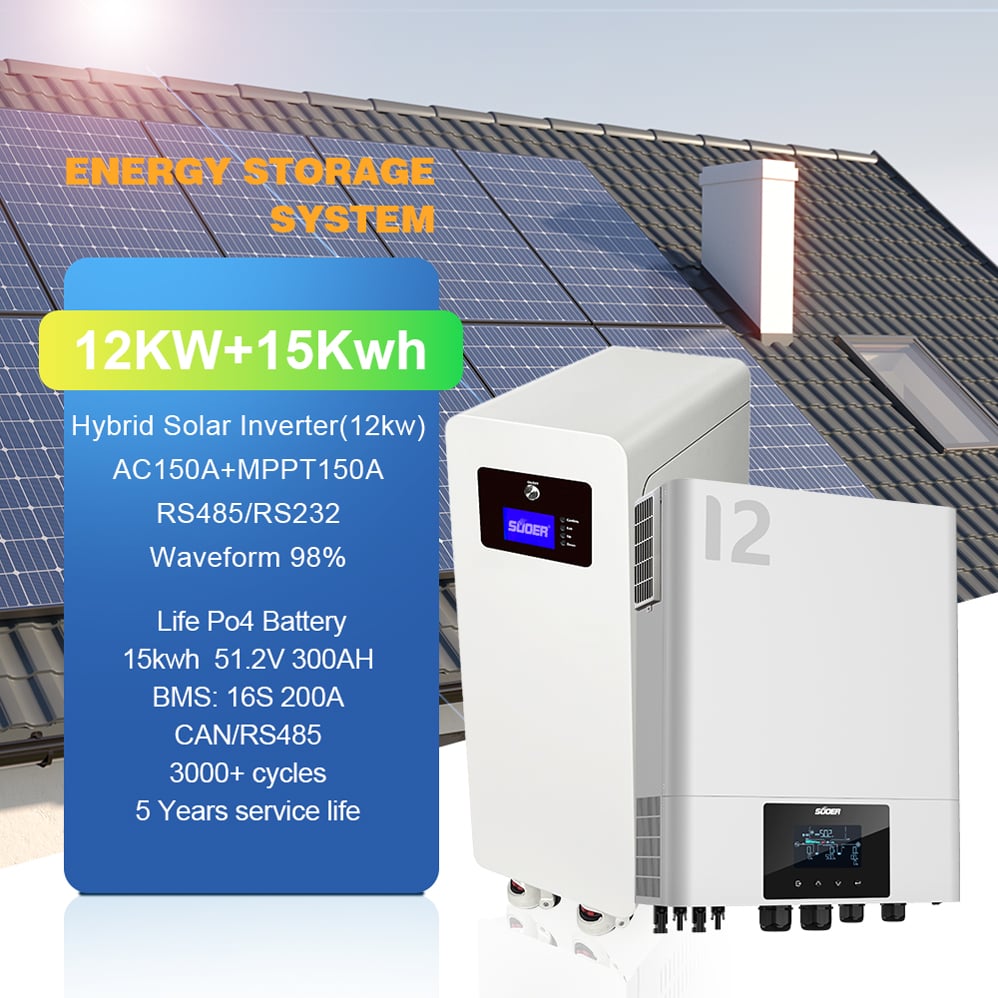
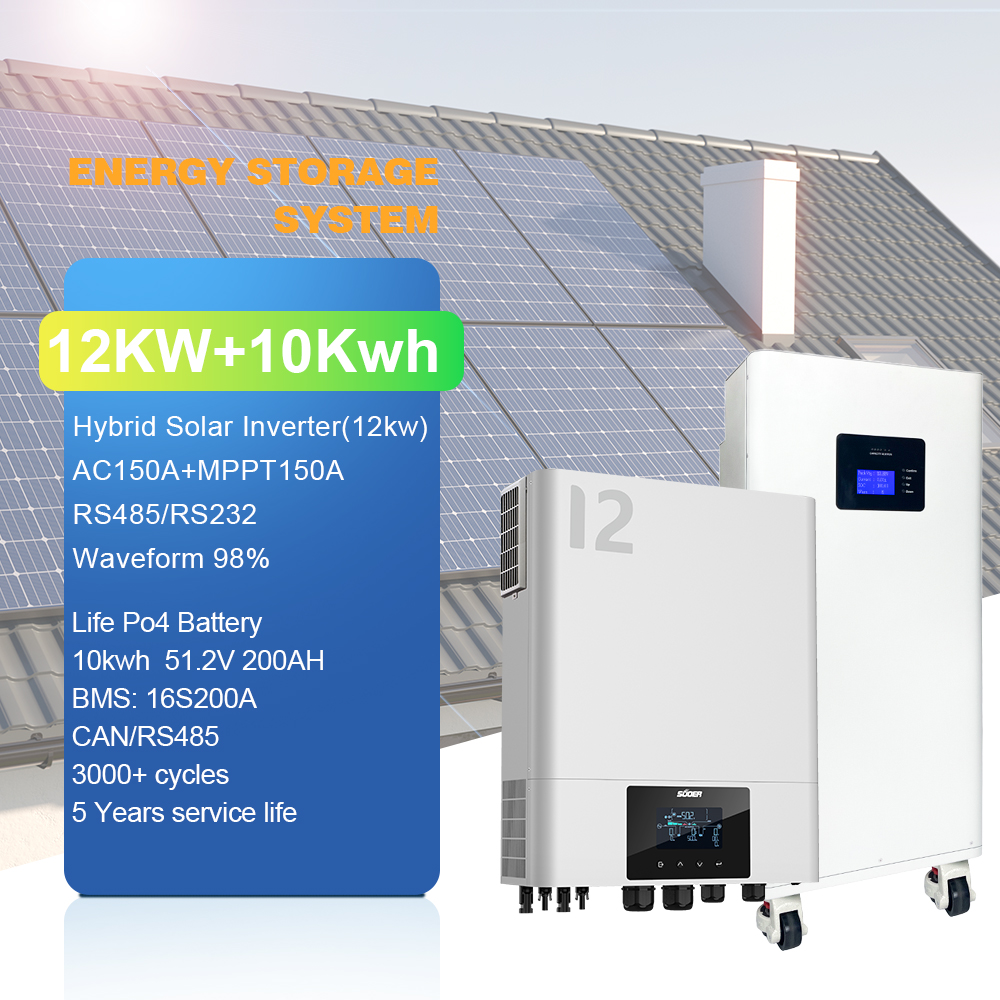
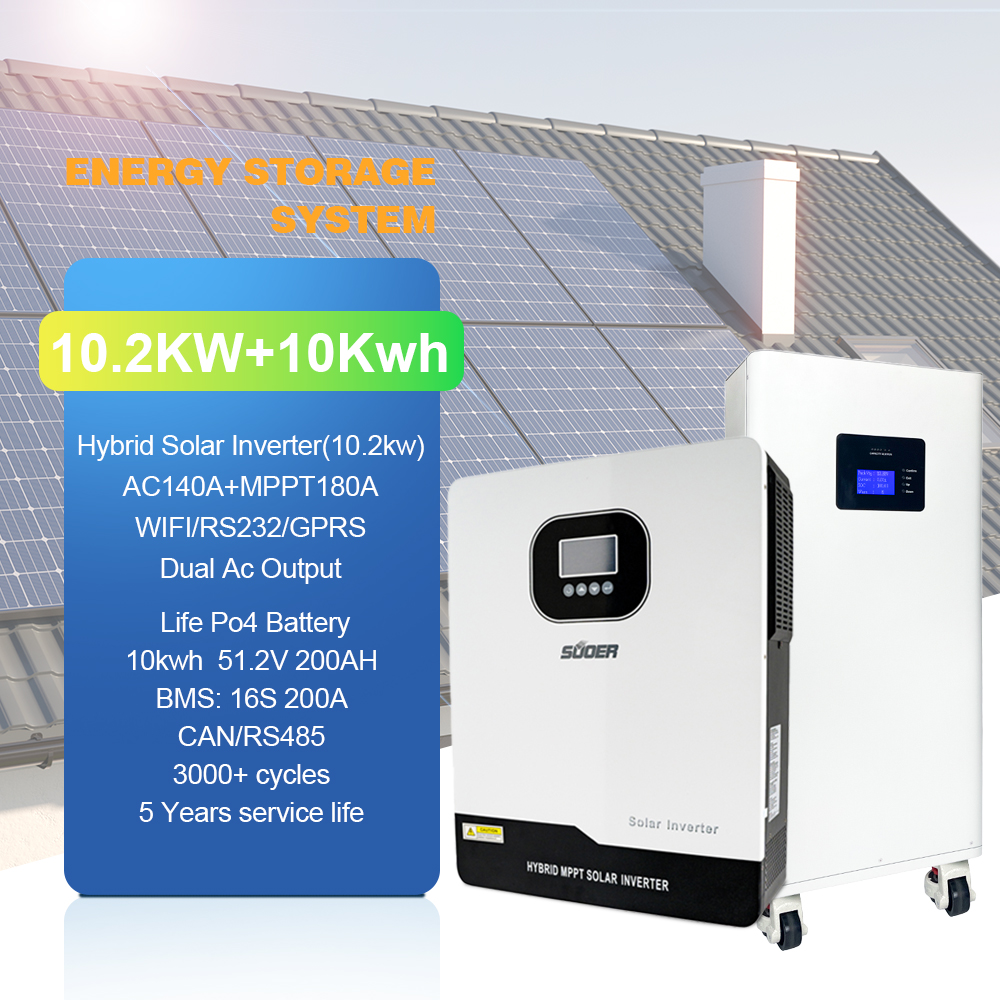
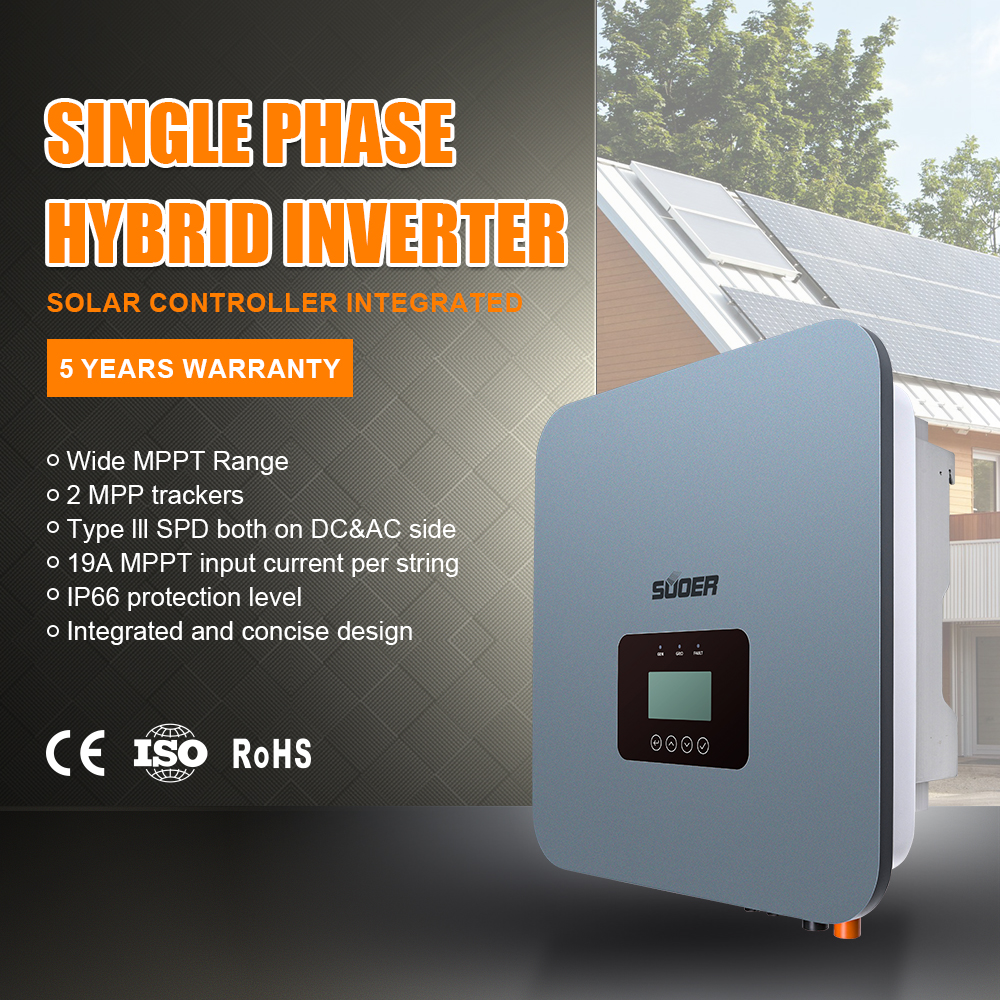
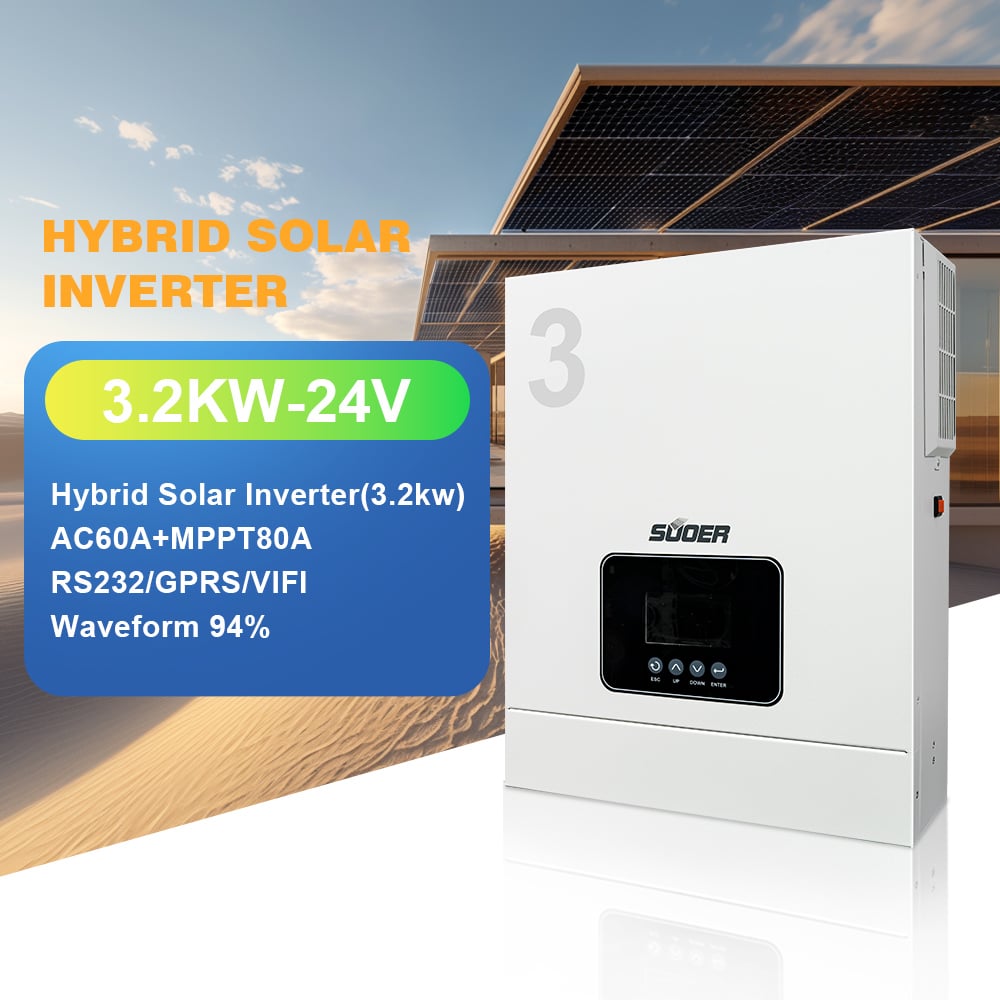
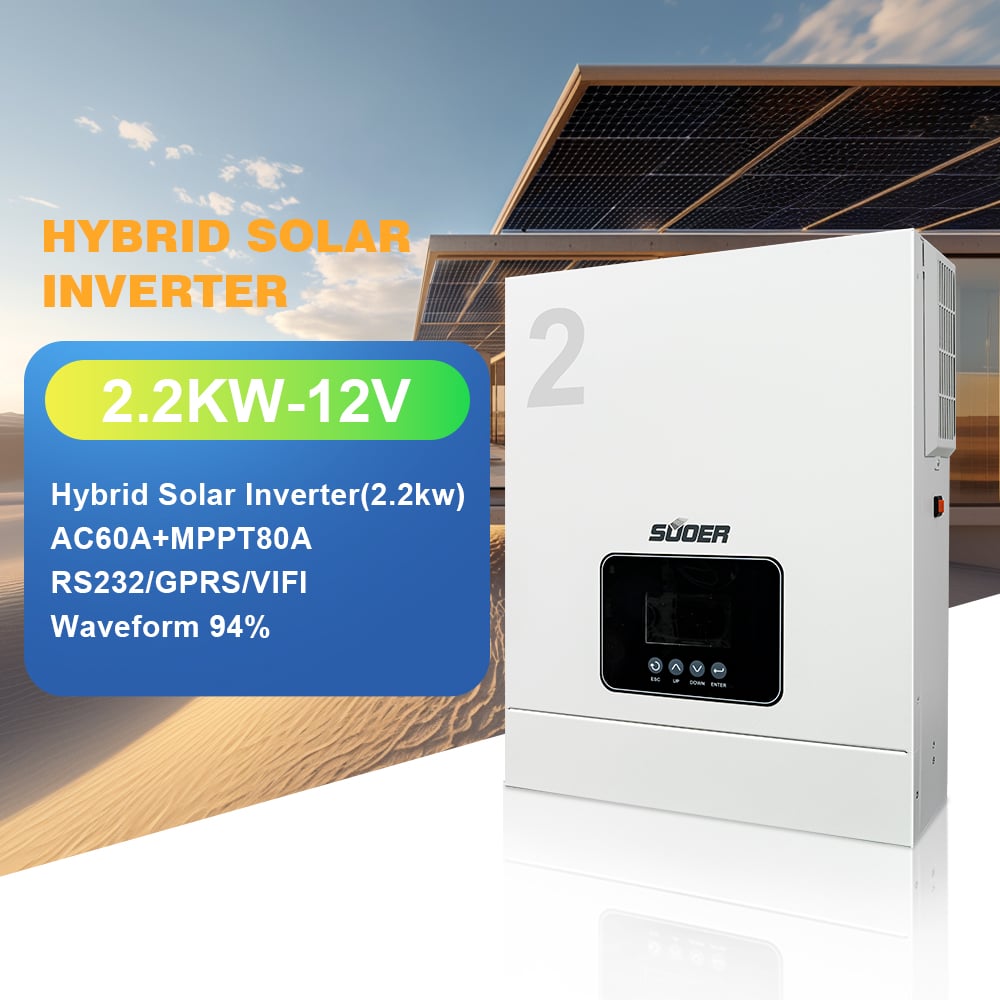
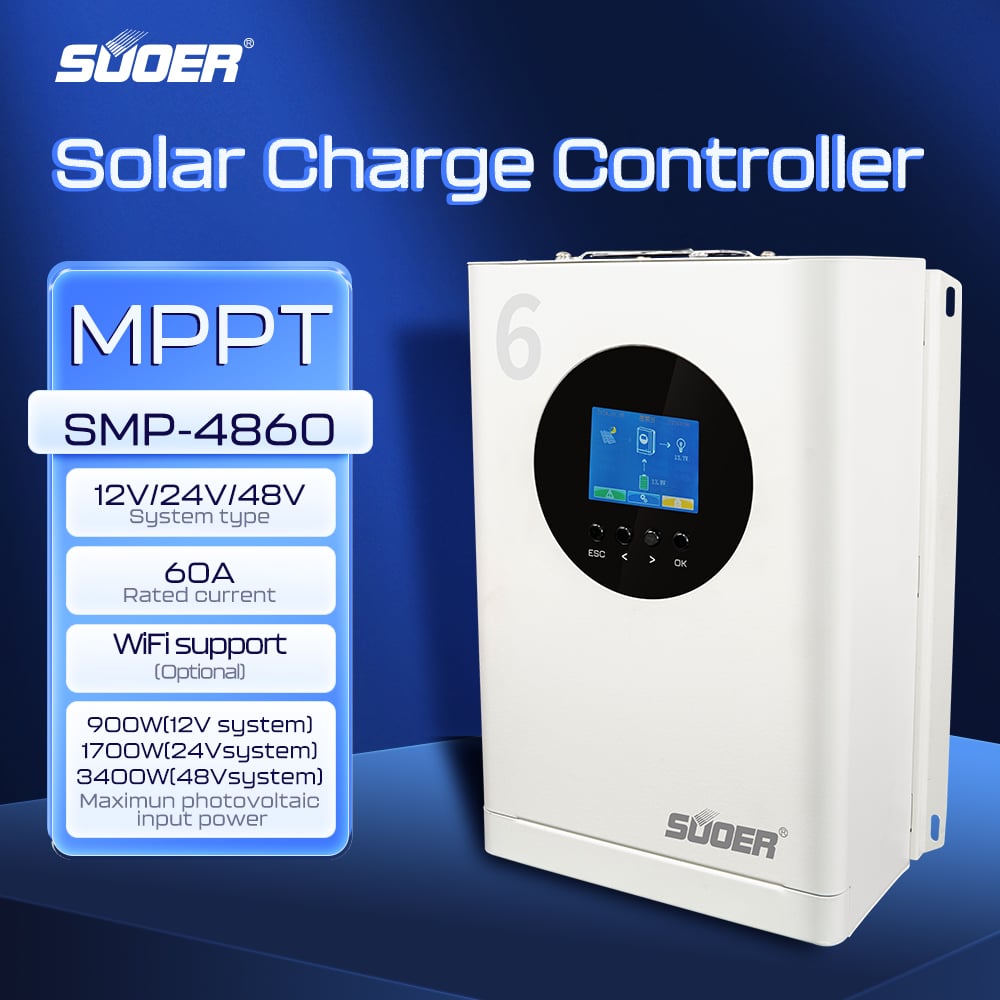
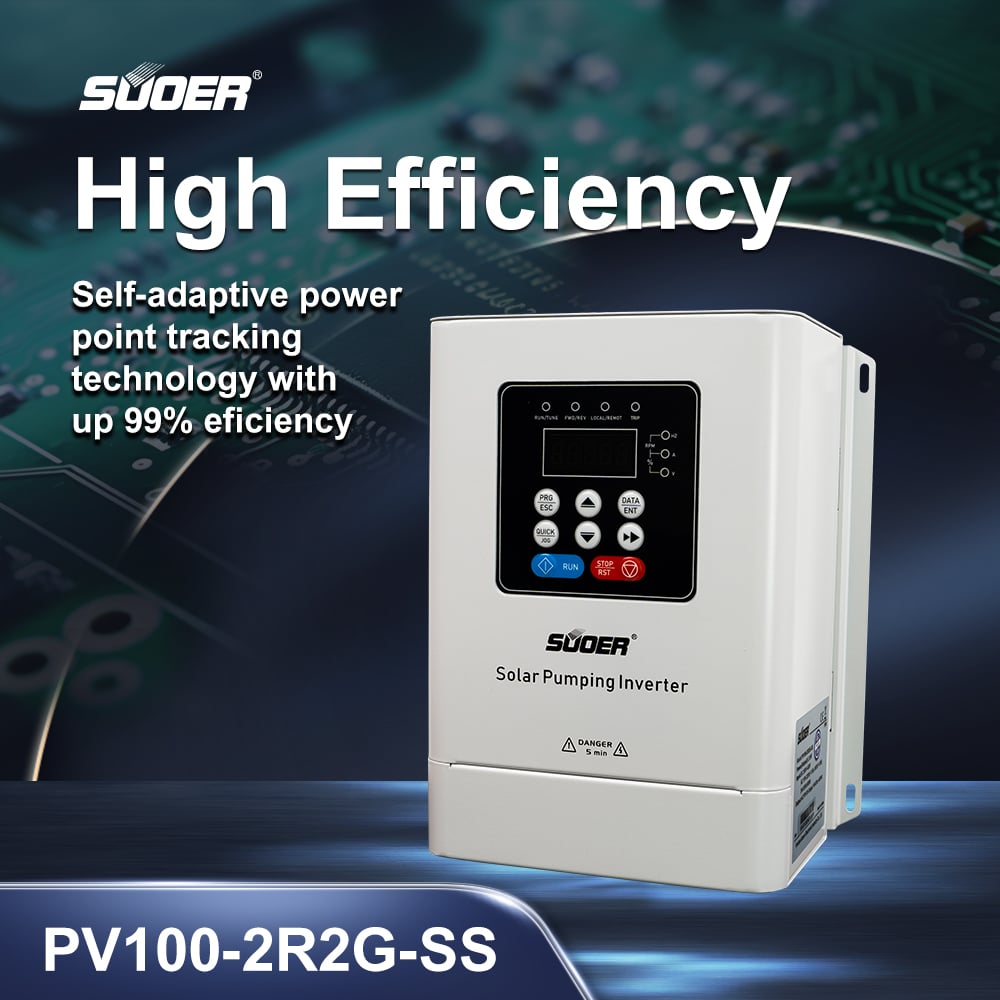
MTTP charge controllers are essential devices that optimize the performance of photovoltaic systems by controlling the charging and discharging of batteries. For B2B buyers—such as purchasing managers, engineers, and product managers—understanding the quality and application of MTTP charge controllers is critical to ensure reliable operation within their renewable energy projects. This 1kw inverter article will guide you through evaluating the quality of MTTP charge controllers, installation tips, applications in electric vehicle charging, selection criteria, and key features and benefits that buyers should consider.
When assessing MTTP charge controllers, buyers should focus on several key specifications that directly impact performance and reliability. First, 4.2kw hybrid solar inverter look for certifications such as ROHS, CE, and ISO9001, which indicate adherence to international safety and quality standards. These certifications not only reflect a manufacturer’s commitment to quality management but also reassure that the product has undergone rigorous testing.
Next, consider the technical specifications like input voltage, output current, and efficiency ratings. Higher efficiency ratings minimize energy loss during the charging process, which is essential for maximizing the performance of solar panels. Additionally, examine the controller's compatibility with various battery types, as this affects overall system performance.
Quality control processes are also vital. A manufacturer should have stringent testing protocols in place, including functionality tests, thermal cycling tests, and environmental testing, to ensure the products meet operational standards under various conditions.
Proper installation of MTTP charge controllers is crucial for optimal performance in renewable energy systems. Begin by selecting a location that minimizes exposure to extreme temperatures and moisture, which can negatively affect the controller’s lifespan.
Ensure that the wiring is appropriately sized to handle the maximum current without overheating. Use high-quality connectors to prevent voltage drops and ensure a secure electrical connection. It is advisable to follow the manufacturer’s installation guidelines meticulously, as improper setups can lead to system failures or inefficiencies.
Moreover, consider the layout of the solar array and battery bank when positioning the charge controller. Adequate ventilation is necessary to dissipate heat generated during operation, and maintaining a logical flow of wiring can simplify troubleshooting and maintenance in the future.
MTTP charge controllers play a significant role in electric vehicle (EV) charging systems, particularly in optimizing the charging process for batteries. In commercial applications, such as charging stations, these controllers ensure that batteries are charged efficiently, reducing the time needed for a full charge while maintaining battery health.
The ability to adjust charging parameters based on battery type and state of charge is particularly important. For example, lithium-ion batteries require specific charging profiles compared to lead-acid batteries. MTTP charge controllers equipped with smart algorithms can automatically adapt to these needs, enhancing the longevity of the battery and improving the overall efficiency of the charging station.
Additionally, integrating MTTP charge controllers with renewable energy sources, like solar panels, allows for sustainable energy use in EV charging. This not only reduces operational costs but also aligns with global initiatives toward greener energy solutions.
Selecting the appropriate MTTP charge controller involves several considerations tailored to your specific project requirements. Start by assessing the system's voltage and current requirements. Ensure that the controller can handle the maximum input voltage from your solar panels and the output current needed for your batteries.
Compatibility with different battery types is another critical factor. Depending on whether you're using lithium-ion, lead-acid, or other battery technologies, the controller must support the specific charging profiles associated with each.
Customization capabilities are also worth exploring. Some manufacturers offer programmable settings to cater to unique operational needs, which can be a significant advantage for specialized applications. When asking for quotes, provide detailed specifications, including battery types, expected load, and any customization requirements, to receive the most accurate recommendations.
Lastly, evaluate the manufacturer's production capacity and lead time. A reliable supplier should be able to meet your demand without compromising quality, ensuring timely delivery for your projects.
Buyers should look for several key features in MTTP charge controllers that enhance their value. Firstly, advanced Maximum Power Point Tracking (MPPT) technology allows for optimized energy harvesting from solar panels, significantly improving charging efficiency. This feature is particularly beneficial in variable weather conditions, where solar input can fluctuate.
In addition to efficiency, consider controllers with integrated monitoring capabilities. Real-time data tracking and diagnostics can help detect issues early, facilitating maintenance and reducing downtime. Some models also offer remote monitoring options, allowing users to manage systems from anywhere using mobile applications or web interfaces.
Moreover, built-in protection features such as over-voltage, over-current, and short-circuit protection are essential for safeguarding both the controller and the connected batteries. These features enhance reliability and reduce the likelihood of costly failures.
The overall build quality, including materials used in construction, also matters. Controllers made from durable materials can withstand harsh environmental conditions, ensuring longevity and consistent performance across various applications.
When evaluating and selecting MTTP charge controllers, buyers should consider key specifications, installation practices, application suitability, and essential features that align with their energy goals. By making informed decisions, you can optimize your renewable energy systems and enhance the reliability and efficiency of your projects.

Discover Suoer’s premium range of solar inverters and power inverters designed for reliable renewable energy solutions.Trusted by customers worldwide for exceptional performance and durability.
Suoer Industrial Zone, Ercun Road Section, Yanfeng Avenue, Shishan Town,Foshan city,Guangdong Province,China
Copyright © 2024 Foshan Suoer Electronic Industry Co., Ltd. Privacy Policy - Blog

 EN
 AR
 NL
 FR
 DE
 EL
 IT
 JA
 KO
 PT
 RU
 ES
 VI
 TH
 TR
 BG
 HR
 CS
 NO
 PL
 TL
 ID
 SR
 UK
 SQ
 HU
 MT
 AF
 MS
 IS
 HY
 AZ
 BN
 BS
 GU
 LO
 LA
 MN
 NE
 TA