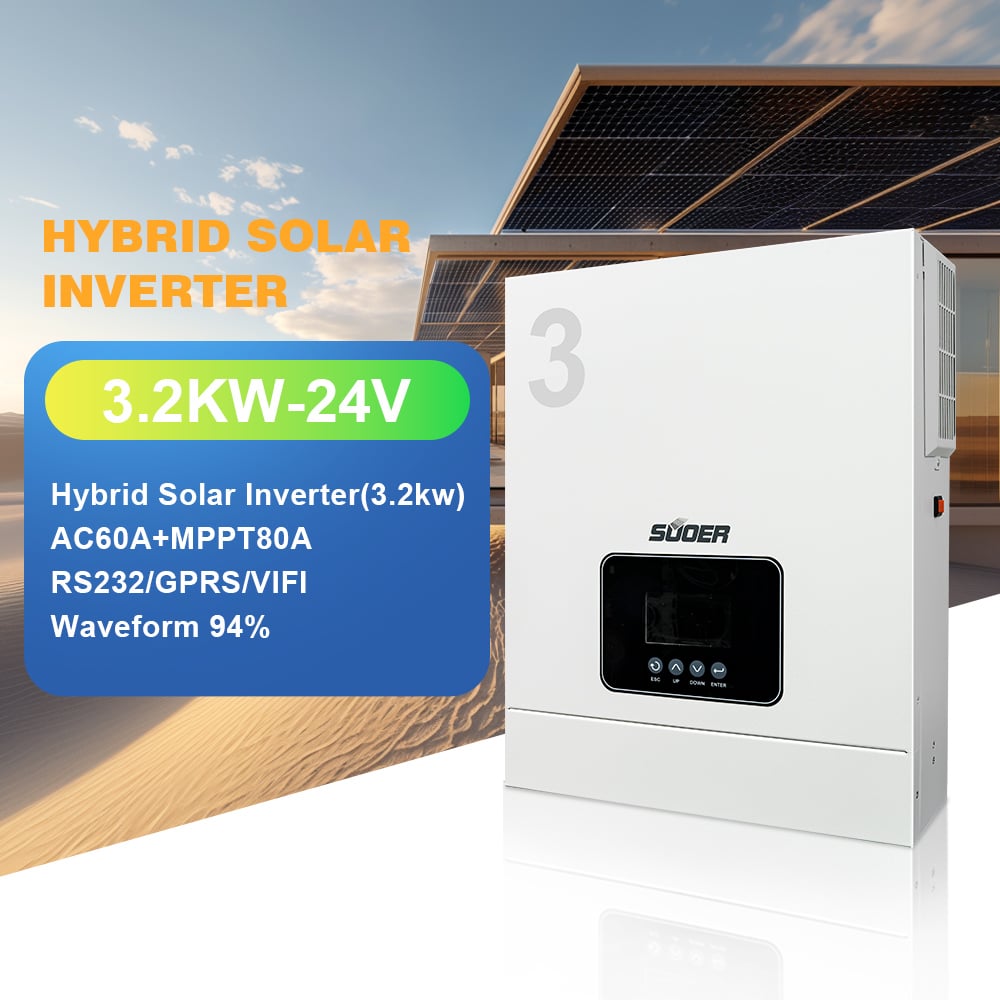
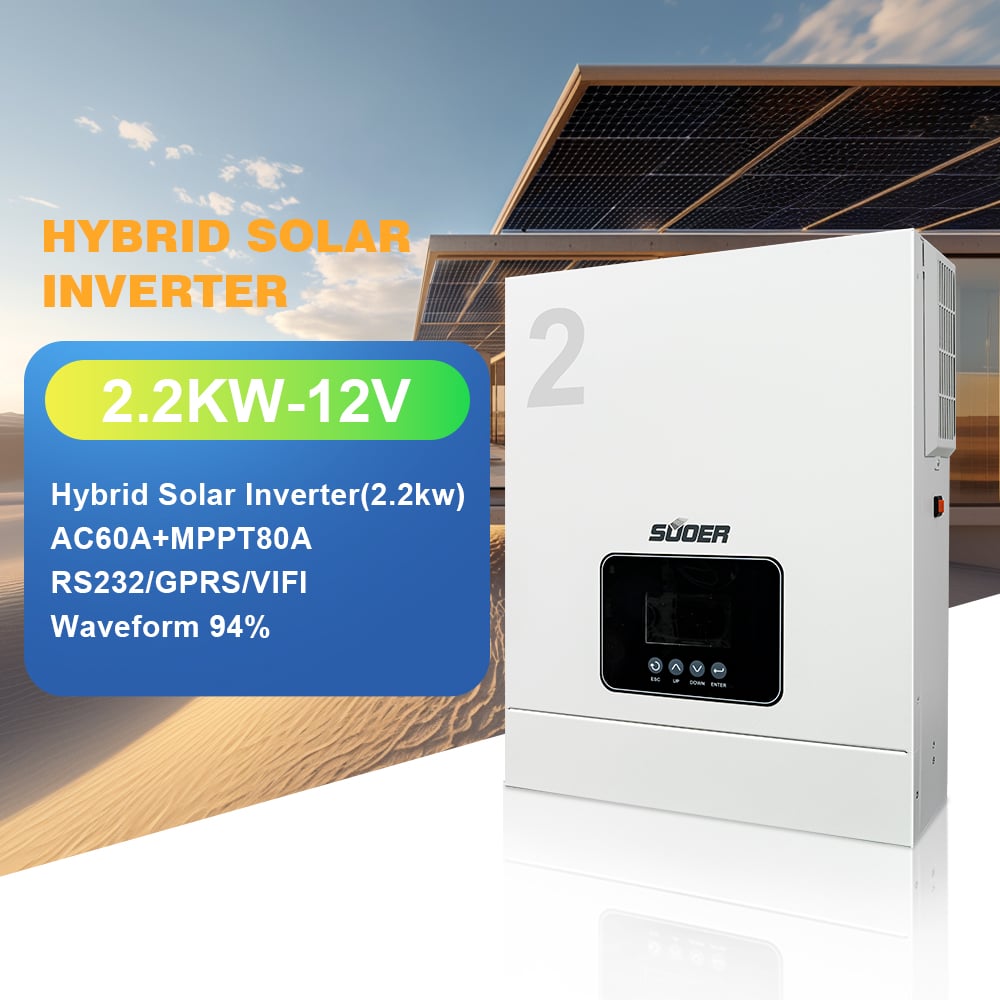
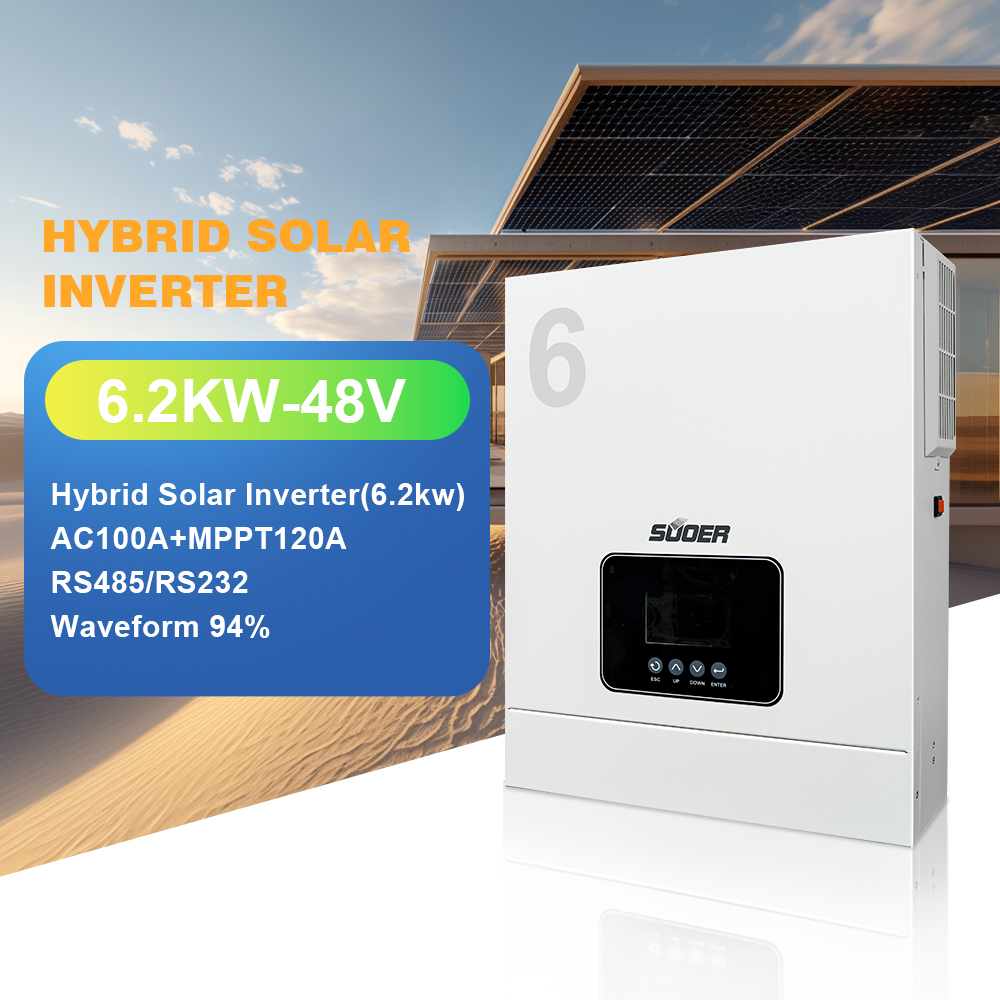
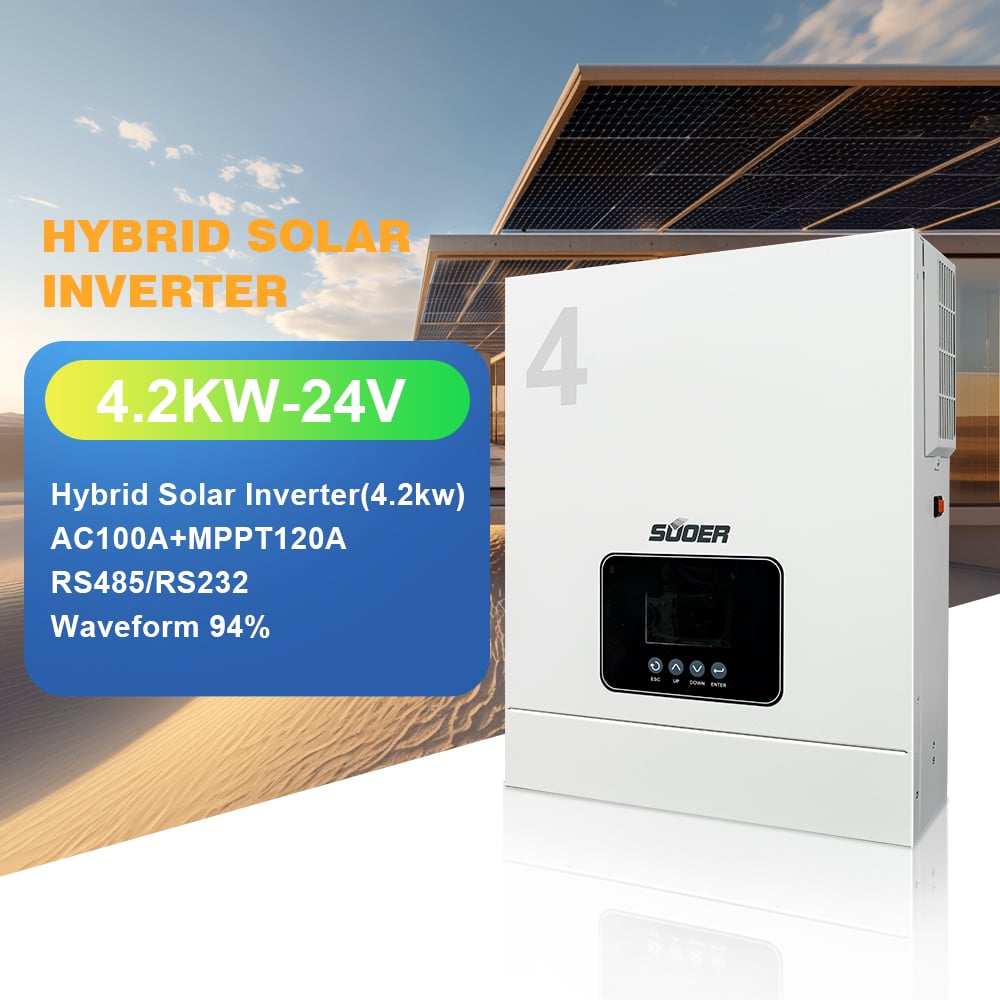
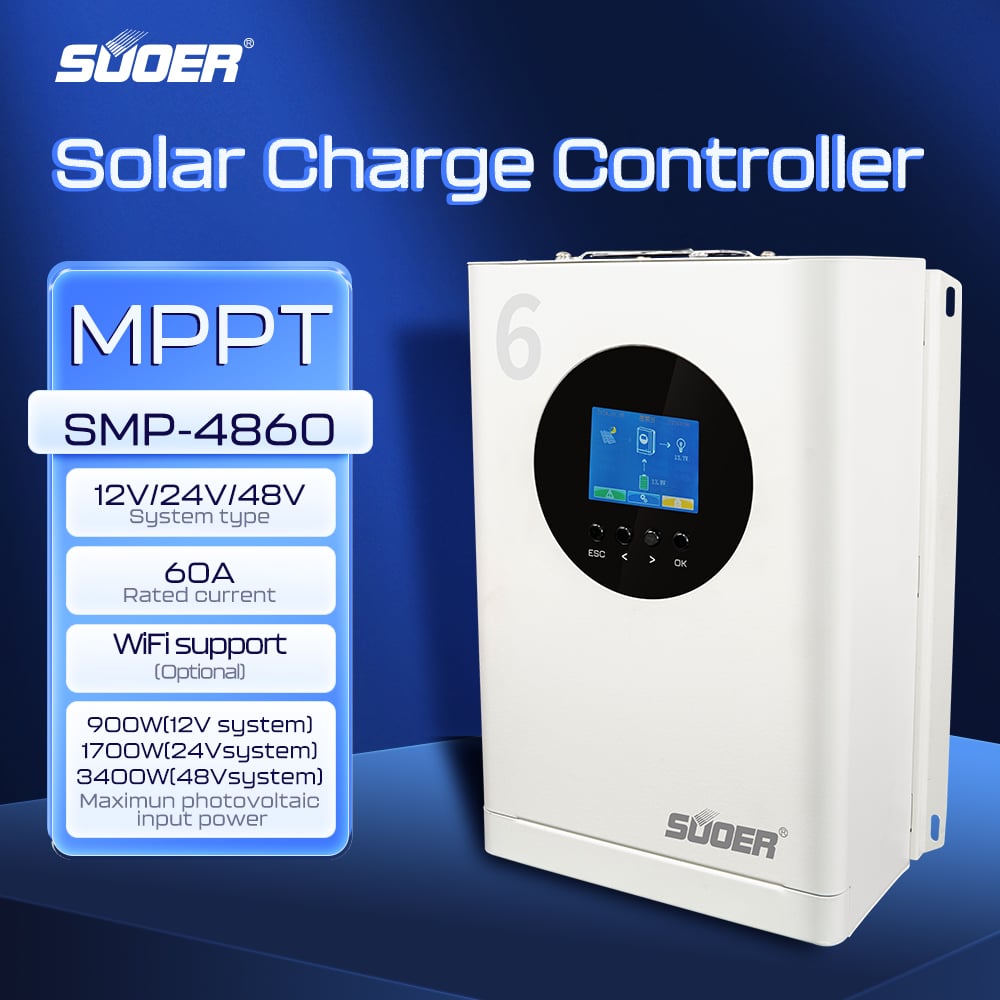
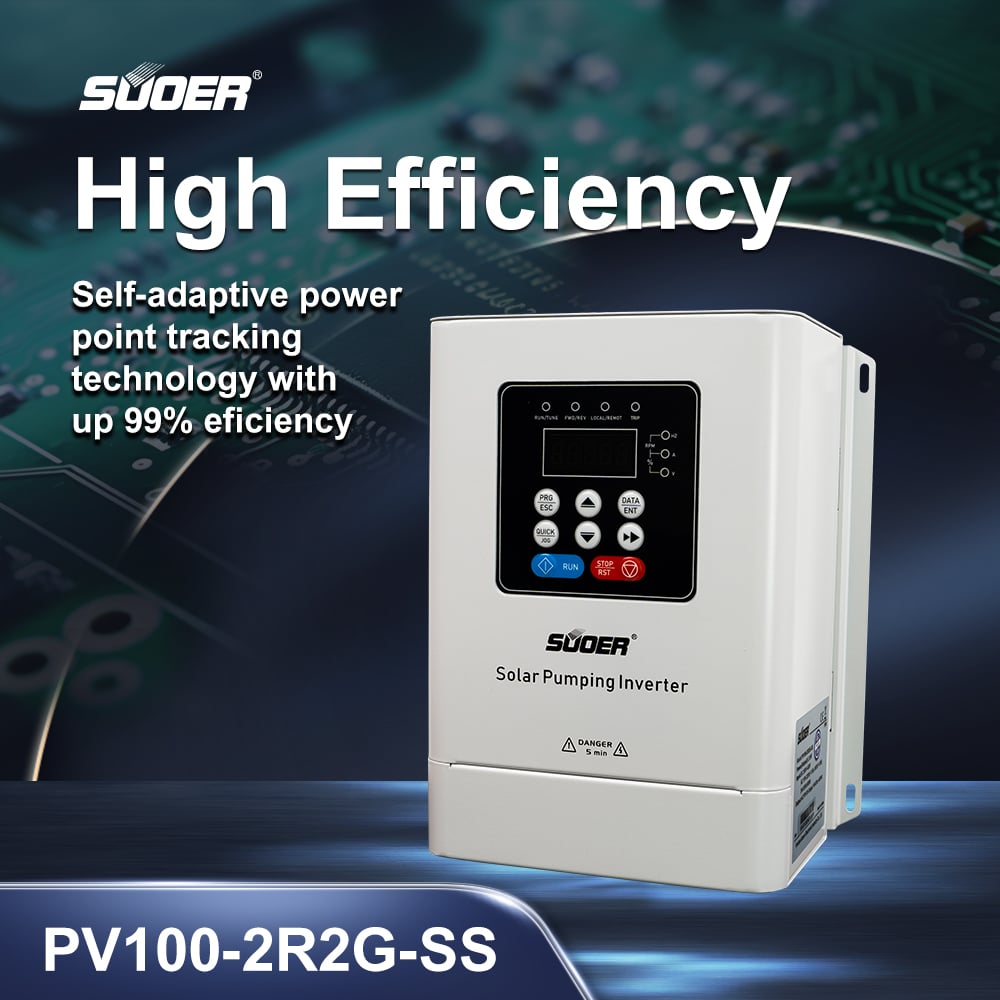
Controller solar charges are essential components in photovoltaic systems, responsible for regulating the energy flow from solar panels to batteries. For B2B buyers, particularly those in manufacturing, engineering, and procurement, understanding the intricacies of these devices is crucial. Key concerns often include product reliability, supplier credibility, and installation requirements. This 3kw solar inverter article aims to equip you with the knowledge needed to make informed purchasing decisions regarding controller solar charges, ensuring optimal performance for your applications.
When sourcing controller solar charges wholesale, several critical factors must be considered to ensure product suitability and supplier reliability.
Specifications and Compatibility: Confirm the exact specifications of the controller solar charge, including voltage ratings, current capacities, and compatibility with your existing solar panel and battery systems. This ensures that the controller can efficiently manage energy flow, prolonging battery life and optimizing solar energy usage.
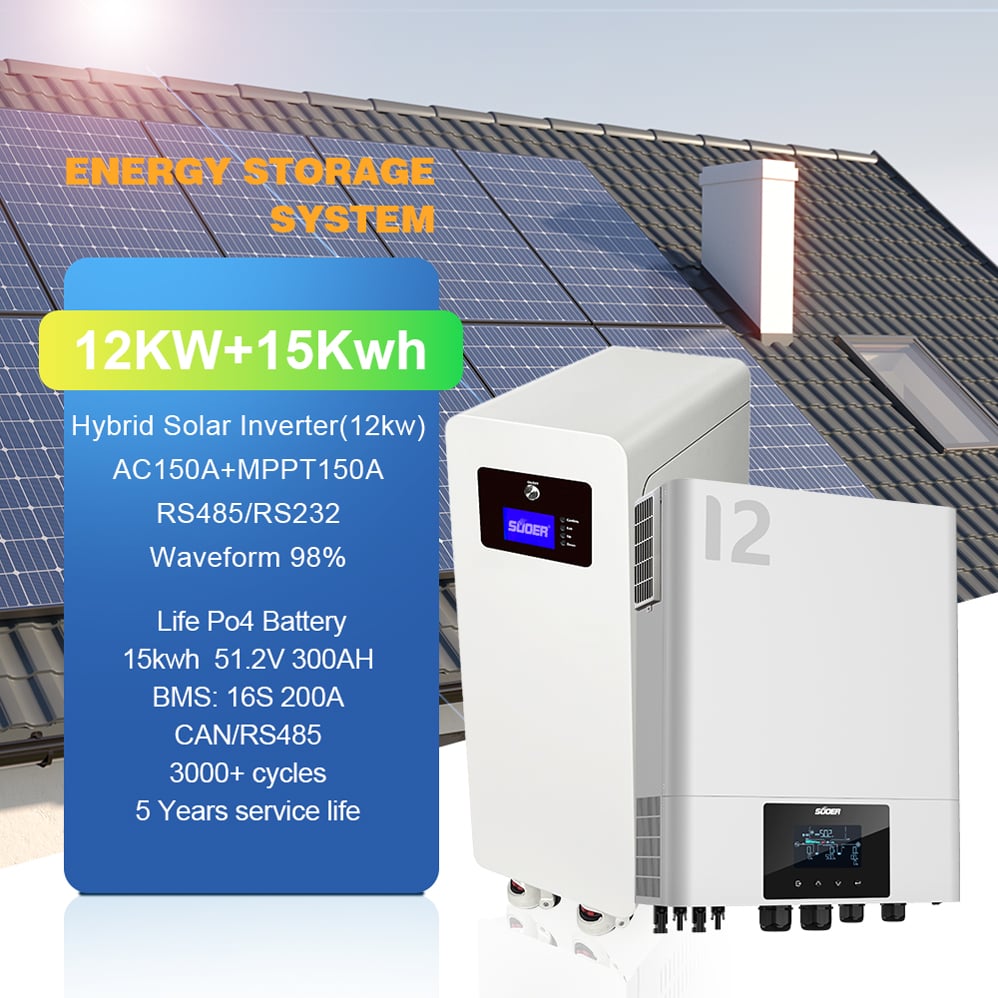
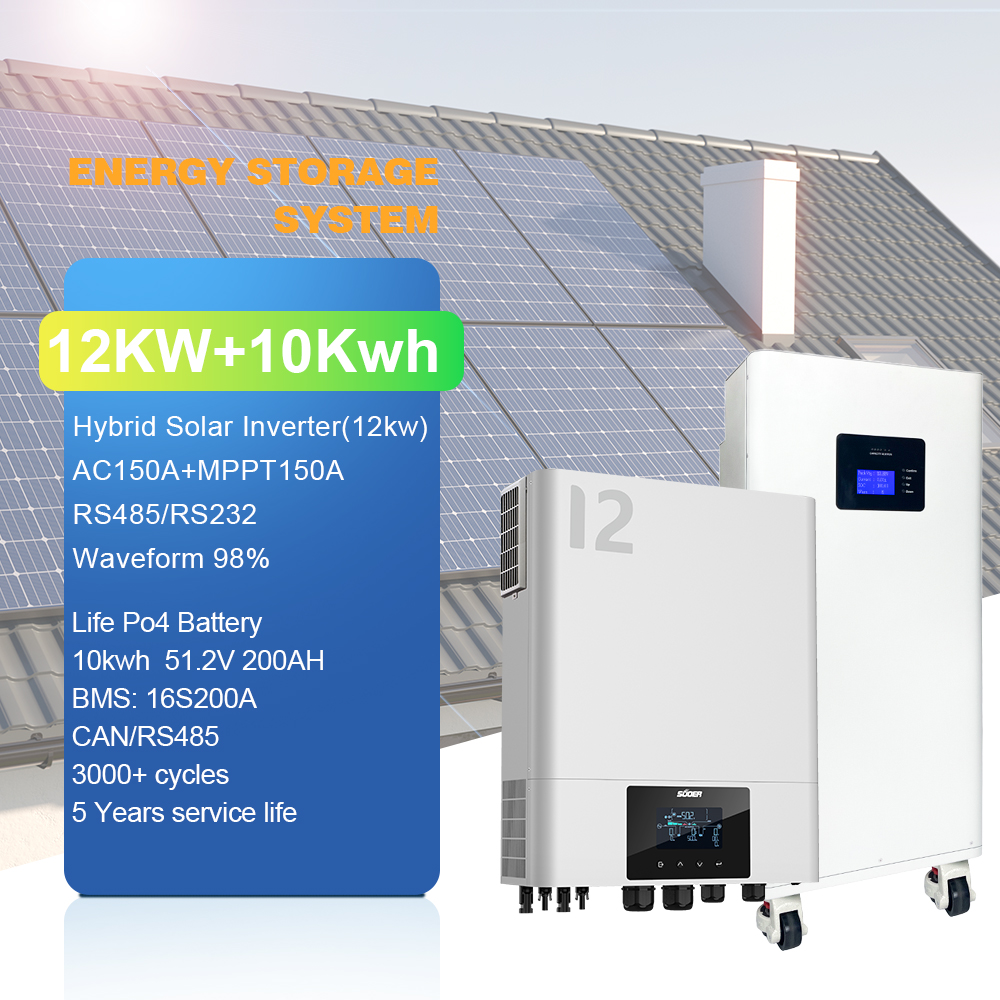
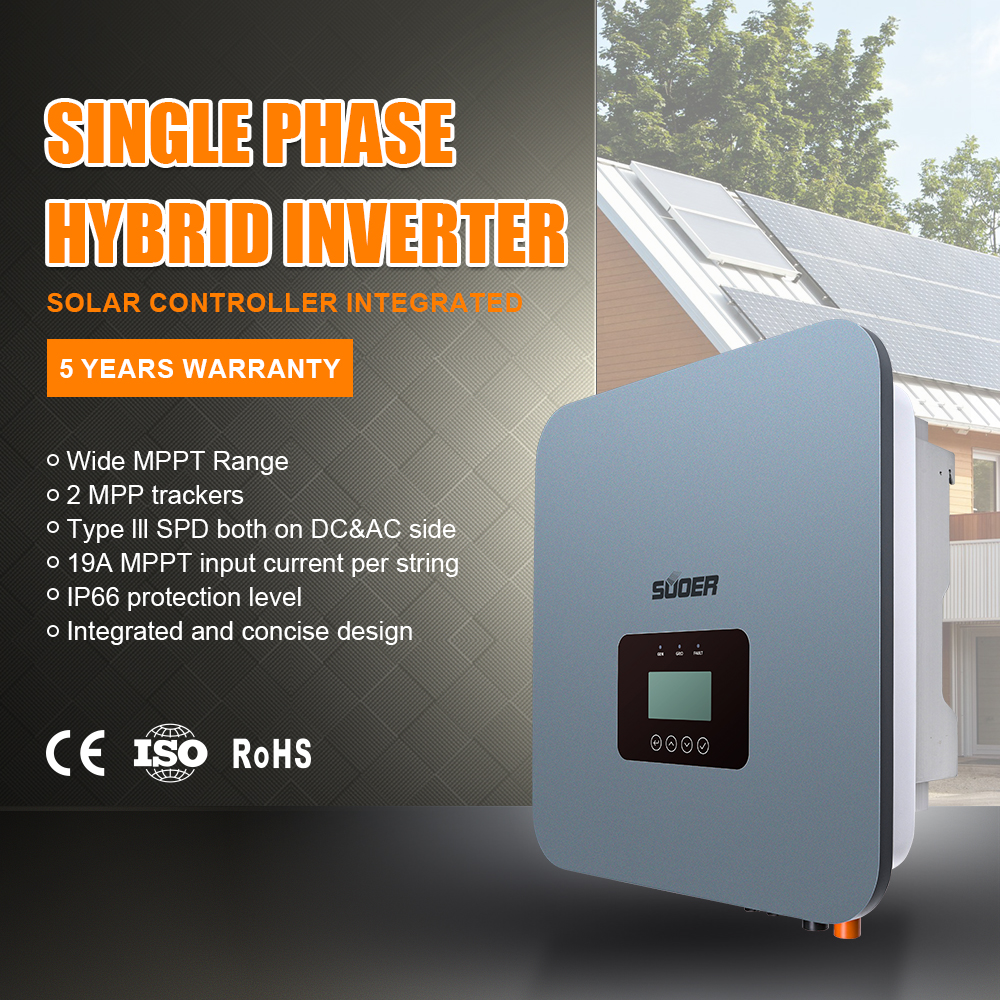
Quality Certifications: Look for certifications such as ROHS, CE, and ISO9001, which indicate adherence to international safety and quality standards. These hybrid inverter 12kw certifications not only reflect product reliability but also demonstrate the manufacturer's commitment to quality control processes.
Production Capacity and Lead Time: Understand the manufacturer's production capabilities to assess their ability to meet your order quantities and timelines. Factors such as minimum order quantities (MOQ) and lead time are essential for project planning, especially in industries where timely delivery is critical, such as in electric vehicles and telecommunications.
Customization Options: Depending on your application, you may require specific features or configurations. Discuss customization capabilities with potential suppliers to ensure that the controller solar charges align with your unique operational needs.
Pricing Structure: Evaluate the pricing structure, including bulk discounts and any additional costs associated with customization or expedited shipping. A transparent pricing model will help you assess the overall value and budget appropriately.
Evaluating the reliability of suppliers for solar charge controllers is paramount for B2B buyers. Here are several strategies to determine supplier reliability:
Track Record and Experience: Research the supplier's history in the industry. A supplier with extensive experience in manufacturing controller solar charges for various applications is likely to offer higher quality and more reliable products.
Client References and Reviews: Request references from existing clients or seek out online reviews. Feedback from other businesses can provide insights into the supplier's performance, quality of products, and customer service.
Factory Visits: If possible, hybrid inverter conduct a factory visit to assess manufacturing capabilities and quality control processes. Observing production methods and equipment can offer a deeper understanding of the supplier's operational standards.
Technical Support and Customer Service: Ensure that the supplier provides robust technical support and customer service. Effective communication and assistance can greatly enhance the purchasing experience and resolve any potential issues during installation or operation.
Warranty and After-Sales Support: Inquire about warranty terms and after-sales support. A reliable supplier should offer a comprehensive warranty and be willing to assist with product inquiries or issues post-purchase.
Proper installation of controller solar charges is crucial for maximizing solar energy efficiency and prolonging the lifespan of connected batteries. Here are key installation considerations:
Location and Mounting: Install the controller in a location that is easily accessible for maintenance yet protected from harsh environmental conditions. Ensure it is mounted securely and positioned to allow for adequate airflow to prevent overheating.
Wiring and Connections: Use appropriately rated wiring for the voltage and current specifications of the controller. Ensure all connections are tight and secure to prevent energy loss and potential hazards.
System Configuration: Follow the manufacturer's guidelines for system configuration, including correct settings for battery types and charging parameters. Misconfiguring the controller can lead to inefficiencies or damage to the battery.
Regular Maintenance: Schedule regular maintenance checks to ensure the controller is functioning correctly. Monitor system performance and check for any signs of wear or malfunction that may require attention.
Different models of controller solar charges are designed for various applications, and understanding these distinctions is vital for selecting the right product for your project:
PWM vs. MPPT Controllers: Pulse Width Modulation (PWM) controllers are generally less expensive and suitable for smaller systems, while Maximum Power Point Tracking (MPPT) controllers are more efficient, maximizing energy capture in larger installations. Assess your energy needs to choose the appropriate type.
Voltage and Current Ratings: Different applications may require controllers with varying voltage and current ratings. Ensure the model you select meets the specific voltage requirements of your solar panels and batteries to enhance system performance.
Environmental Considerations: Some models are designed for specific environmental conditions, such as high humidity or extreme temperatures. Evaluate the operational environment of your application to ensure the controller can withstand local conditions.
Integration with Other Systems: If your setup includes communication systems or smart technologies, choose a controller that offers compatibility with these systems for seamless integration and improved functionality.
Selecting the right controller solar charge involves a careful assessment of your project’s specific requirements:
Application Requirements: Identify the primary application for the solar charge controller, whether it is for electric vehicles, industrial applications, or telecommunications. Each application may have distinct power management needs.
Performance Specifications: Consider the performance specifications necessary for your project, including efficiency ratings, load capacity, and thermal management capabilities. These specifications will directly impact the system's overall efficiency and reliability.
Future Scalability: If you anticipate expanding your system in the future, consider selecting a controller that can accommodate increased capacity or additional features without requiring a complete replacement.
Supplier Consultation: Engage with suppliers to discuss your specific needs. A knowledgeable supplier can provide valuable insights into the most suitable models and configurations for your project, based on their experience and product range.
By understanding these key aspects of controller solar charges, B2B buyers can make informed decisions that enhance the performance and reliability of their solar energy systems.

Discover Suoer’s premium range of solar inverters and power inverters designed for reliable renewable energy solutions.Trusted by customers worldwide for exceptional performance and durability.
Suoer Industrial Zone, Ercun Road Section, Yanfeng Avenue, Shishan Town,Foshan city,Guangdong Province,China
Copyright © 2024 Foshan Suoer Electronic Industry Co., Ltd. Privacy Policy - Blog

 EN
 AR
 NL
 FR
 DE
 EL
 IT
 JA
 KO
 PT
 RU
 ES
 VI
 TH
 TR
 BG
 HR
 CS
 NO
 PL
 TL
 ID
 SR
 UK
 SQ
 HU
 MT
 AF
 MS
 IS
 HY
 AZ
 BN
 BS
 GU
 LO
 LA
 MN
 NE
 TA