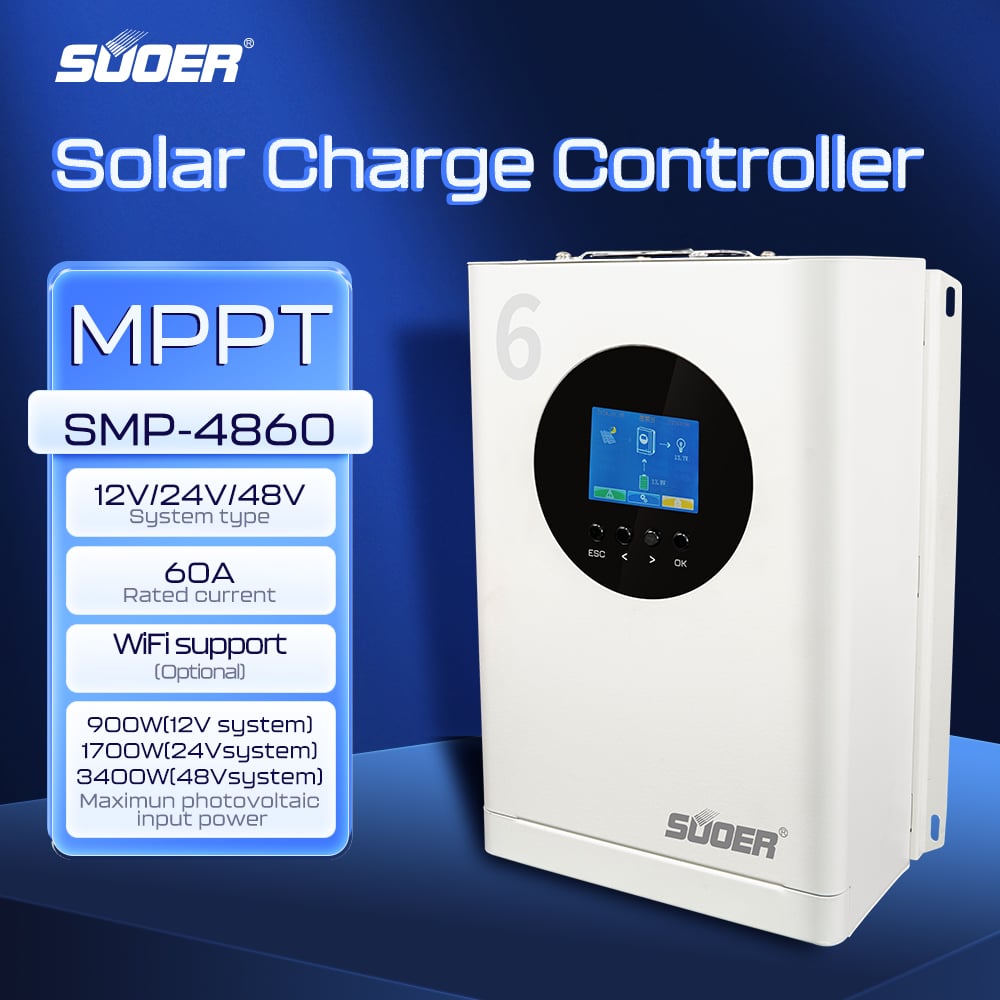
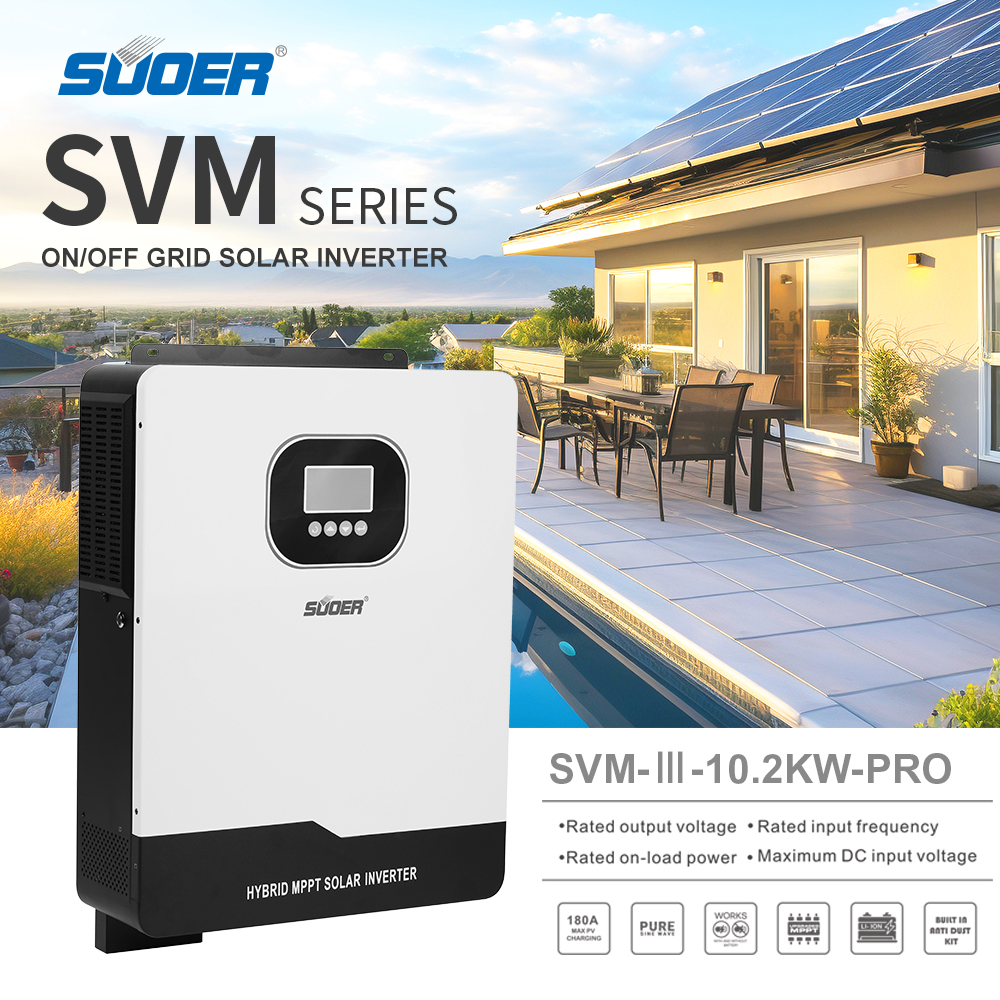
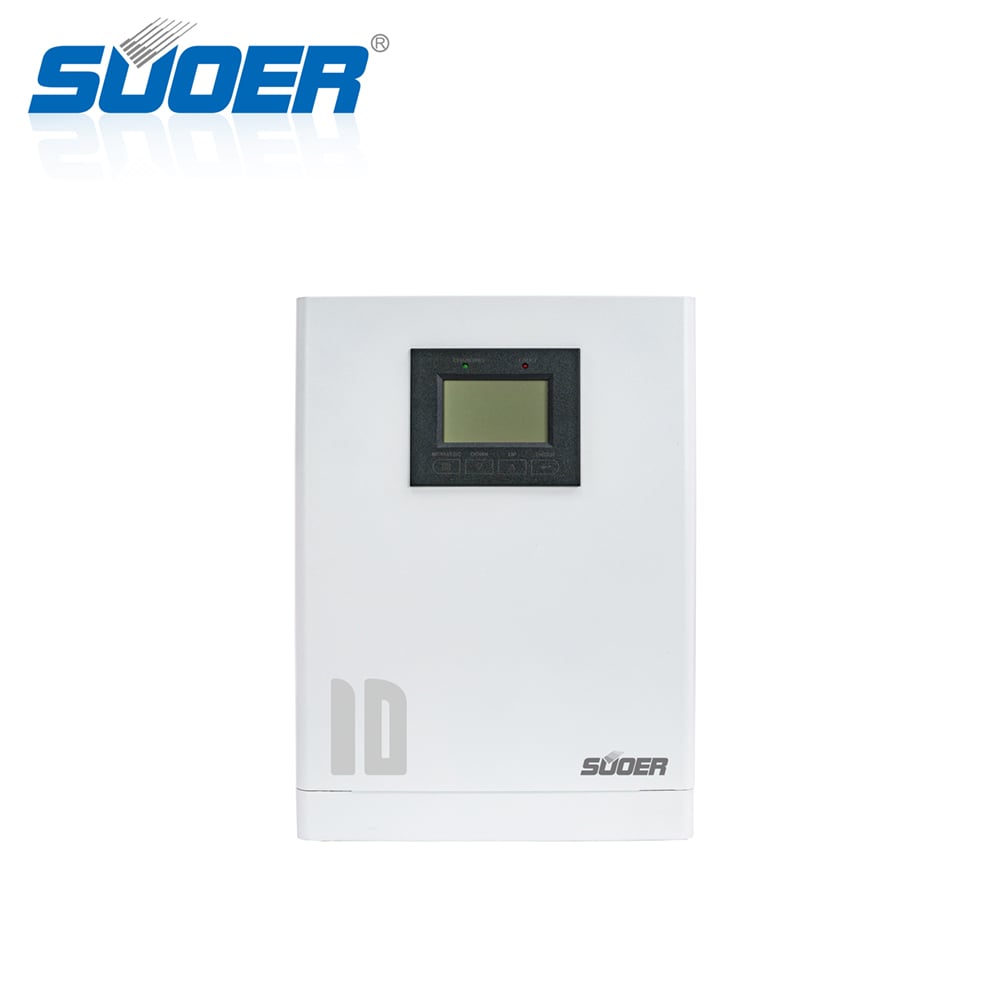
A solar charge MPPT controller is an essential component in photovoltaic systems, optimizing the energy harvested from solar panels for efficient battery charging. For B2B buyers, particularly purchasing managers and engineers, understanding the specifications and capabilities of these controllers is crucial to ensure compatibility with their power supply requirements. This article will explore the key specifications to consider, the features and benefits of solar charge MPPT controllers, quality control standards, installation guidelines, and cost factors that may affect sourcing decisions.
When selecting a solar charge MPPT controller, buyers should focus on several critical specifications:
Input Voltage Range: This defines the range of voltages that the controller can handle from the solar panels. Ensure it aligns with your solar panel output to avoid damage or inefficiency.
Maximum Charging Current: This specification indicates the highest current the controller can manage. Matching this with your battery's charging requirements is essential for optimal performance.
Efficiency Rating: Higher efficiency ratings mean better energy conversion from solar energy to battery storage. Look for solar controller with efficiency rates above 95% for maximum output.
Battery Compatibility: Different controllers support various battery types, such as lithium-ion, lead-acid, or gel batteries. Confirm that the controller is compatible with the specific battery technology used in your application.
Communication Protocols: Consider whether the controller supports protocols like RS485 or CAN bus for monitoring and integration with other system components. This can streamline communication and data management.
Temperature Range: The operational temperature range can impact performance and reliability. Ensure the controller can function effectively in the expected environmental conditions.
Understanding these specifications will help buyers select a solar charge MPPT controller that meets their operational needs and enhances system efficiency.
Solar charge MPPT controllers come with a variety of features that provide significant advantages:
Maximum Power Point Tracking (MPPT): This technology optimizes the power output from solar panels by continually adjusting the electrical load and ensuring that the maximum energy is harvested, especially in varying sunlight conditions.
Battery Management: Many controllers include advanced battery management features, such as overcharge protection and temperature compensation, which prolong the lifespan of batteries and ensure safe operation.
User-Friendly Displays: Integrated displays provide real-time information on system performance, battery status, and energy production, aiding in maintenance and operational decisions.
Remote Monitoring Capabilities: Some models offer Wi-Fi or Bluetooth connectivity, enabling remote monitoring and control through smartphones or computers. This feature is particularly valuable for large installations or off-grid applications.
Durability and Protection: Quality solar charge MPPT controllers are built with robust materials to withstand harsh environmental conditions, including moisture and dust. Look for models with IP67 ratings for water and dust resistance.
These features enhance the overall functionality of solar energy systems, making solar charge MPPT controllers a worthwhile investment for B2B applications.
Quality control is paramount in manufacturing solar charge MPPT solar charge controller to ensure reliability and performance. Key standards to look for include:
ISO 9001 Certification: This indicates that the manufacturer adheres to international quality management principles, ensuring a consistent approach to quality in production.
CE Marking: This certification signals compliance with European safety standards, which can be crucial for products intended for the European market.
ROHS Compliance: Ensures that the product is free from hazardous substances, promoting safety for users and the environment.
Testing Procedures: Ask about the manufacturer's testing processes, such as thermal cycling, humidity testing, and electrical load tests, to verify that controllers can withstand operational stresses.
Traceability: A robust quality control system should include traceability of components used in production. This practice can help identify issues quickly and support warranty claims effectively.
By selecting manufacturers who adhere to these quality standards, buyers can reduce the risk of product failure and ensure long-term reliability in their solar energy systems.
Proper installation is crucial to maximize the performance of solar charge MPPT controllers. Here are essential guidelines to follow:
Site Assessment: Before installation, assess the site for optimal solar exposure. Position panels to minimize shading and ensure maximum sunlight exposure throughout the day.
Wiring Considerations: Use appropriately sized wiring to minimize voltage drop between the solar panels and the controller. Follow the manufacturer’s guidelines on wire gauge to ensure safe operation.
Mounting Location: Install the controller in a location that is protected from direct sunlight and moisture. Ensure adequate ventilation to prevent overheating.
Grounding: Properly ground the solar panel system and the controller to enhance safety and reduce the risk of electrical faults.
System Testing: After installation, perform a system test to confirm that all components are functioning correctly. Check the display for error codes and verify that the system is charging the batteries as expected.
Following these installation guidelines will help ensure the solar charge MPPT controller operates efficiently and reliably in your solar energy system.
When sourcing solar charge MPPT controllers, several cost factors should be evaluated:
Initial Purchase Price: While it’s tempting to focus solely on the initial cost, consider the value of features and efficiency. A slightly higher upfront cost may lead to reduced operational costs and longer lifespan.
Volume Discounts: If sourcing large quantities, inquire about volume discounts or bulk purchasing options. Many manufacturers offer significant savings for larger orders.
Shipping Costs: Factor in shipping expenses, especially for international orders. Ensure that shipping methods and times align with your project timelines.
Installation Expenses: Include potential installation costs in your budget. Some controllers might require specialized knowledge for installation, which could add to overall project expenses.
Warranty and Support: Evaluate the warranty terms and post-purchase support. A solar controller MPPT with a robust warranty might incur higher upfront costs but can save money in the long run through reduced replacement needs.
By understanding these cost factors, buyers can make informed decisions that align with their budgets and project requirements, ensuring they select the best solar charge MPPT controller for their needs.

Discover Suoer’s premium range of solar inverters and power inverters designed for reliable renewable energy solutions.Trusted by customers worldwide for exceptional performance and durability.
Suoer Industrial Zone, Ercun Road Section, Yanfeng Avenue, Shishan Town,Foshan city,Guangdong Province,China
Copyright © 2024 Foshan Suoer Electronic Industry Co., Ltd. Privacy Policy - Blog

 EN
 AR
 NL
 FR
 DE
 EL
 IT
 JA
 KO
 PT
 RU
 ES
 VI
 TH
 TR
 BG
 HR
 CS
 NO
 PL
 TL
 ID
 SR
 UK
 SQ
 HU
 MT
 AF
 MS
 IS
 HY
 AZ
 BN
 BS
 GU
 LO
 LA
 MN
 NE
 TA