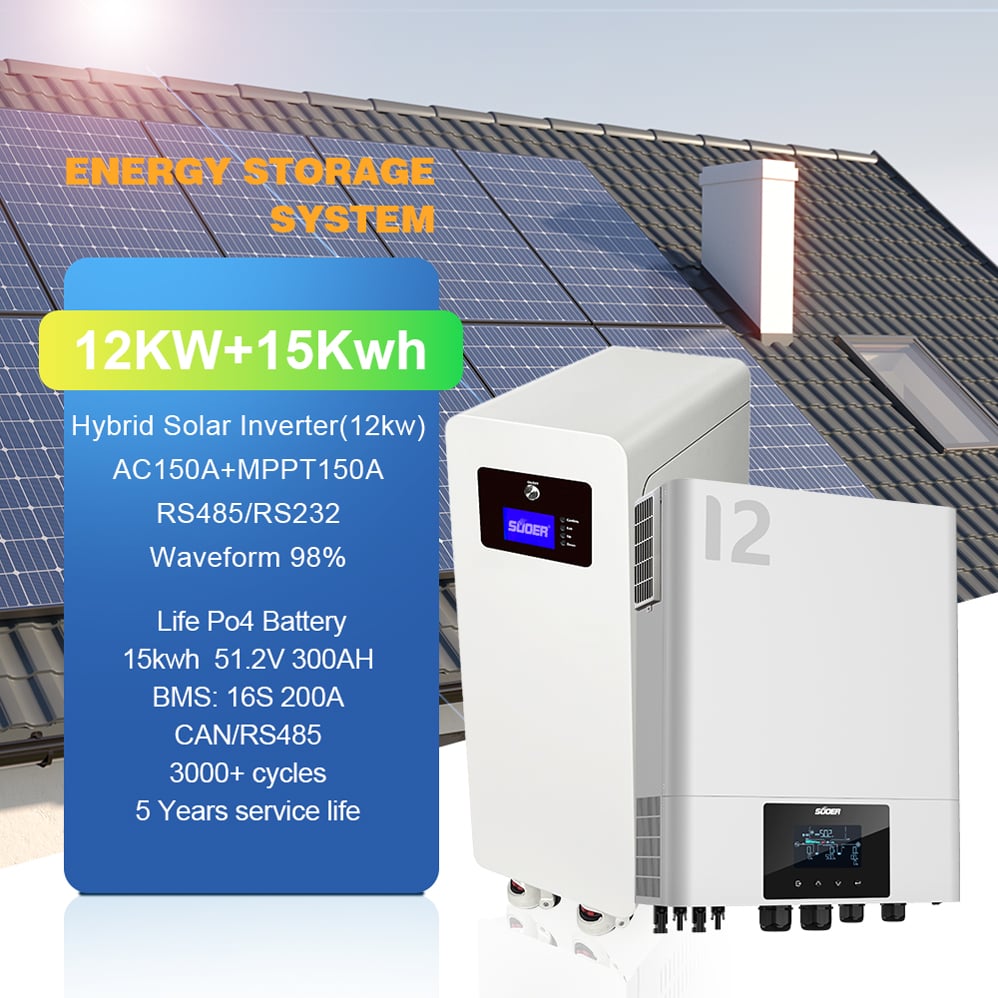
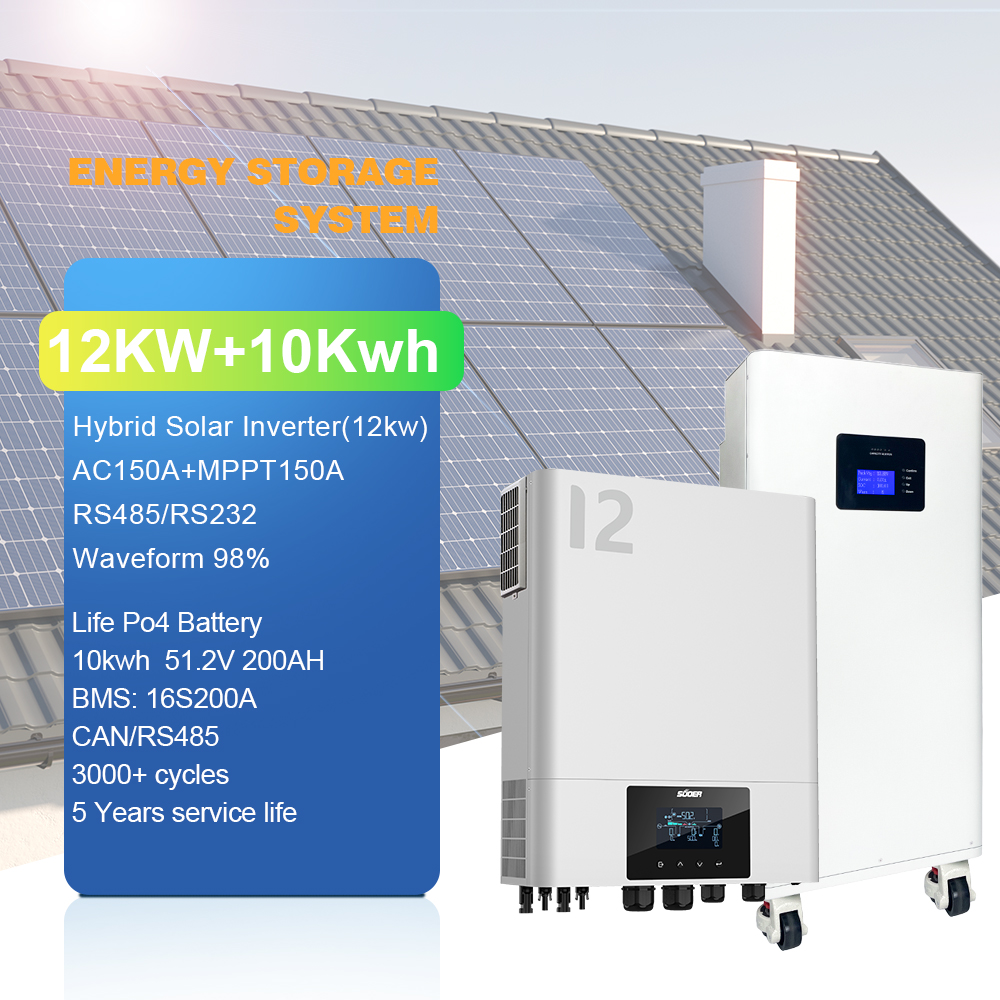
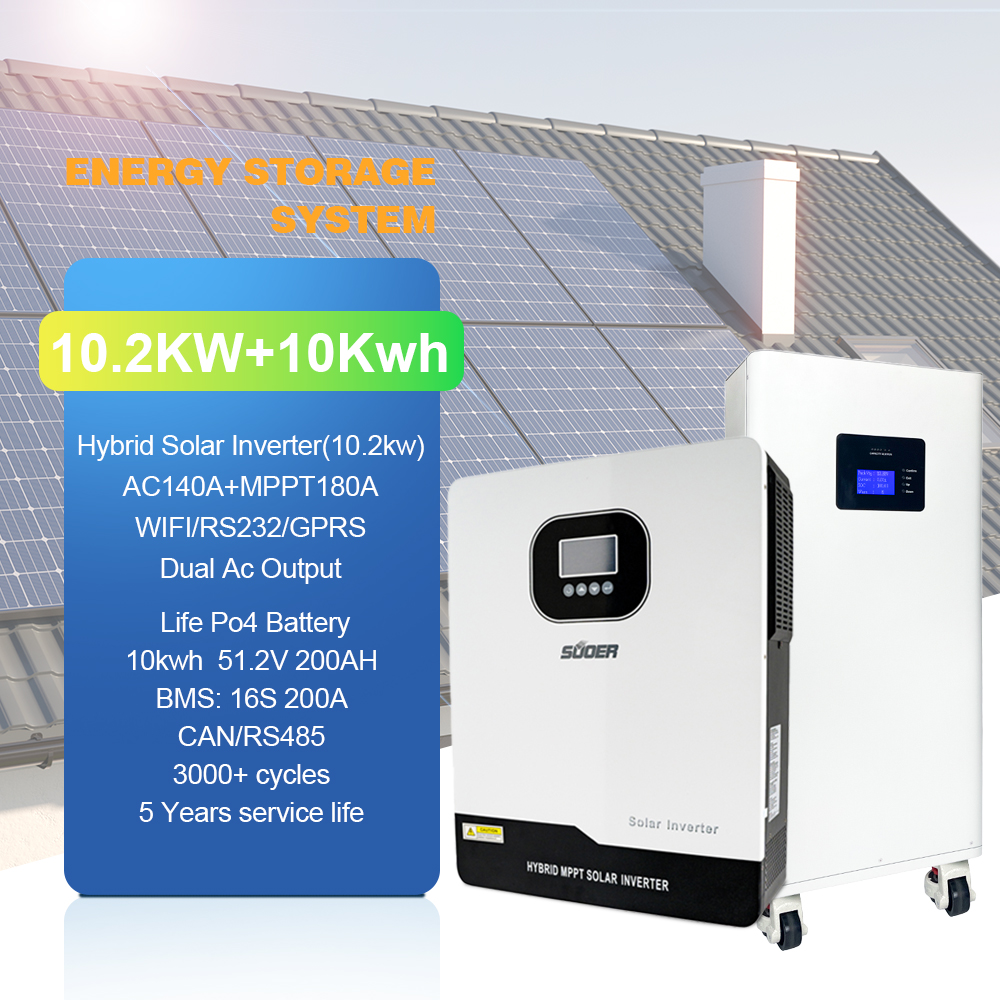
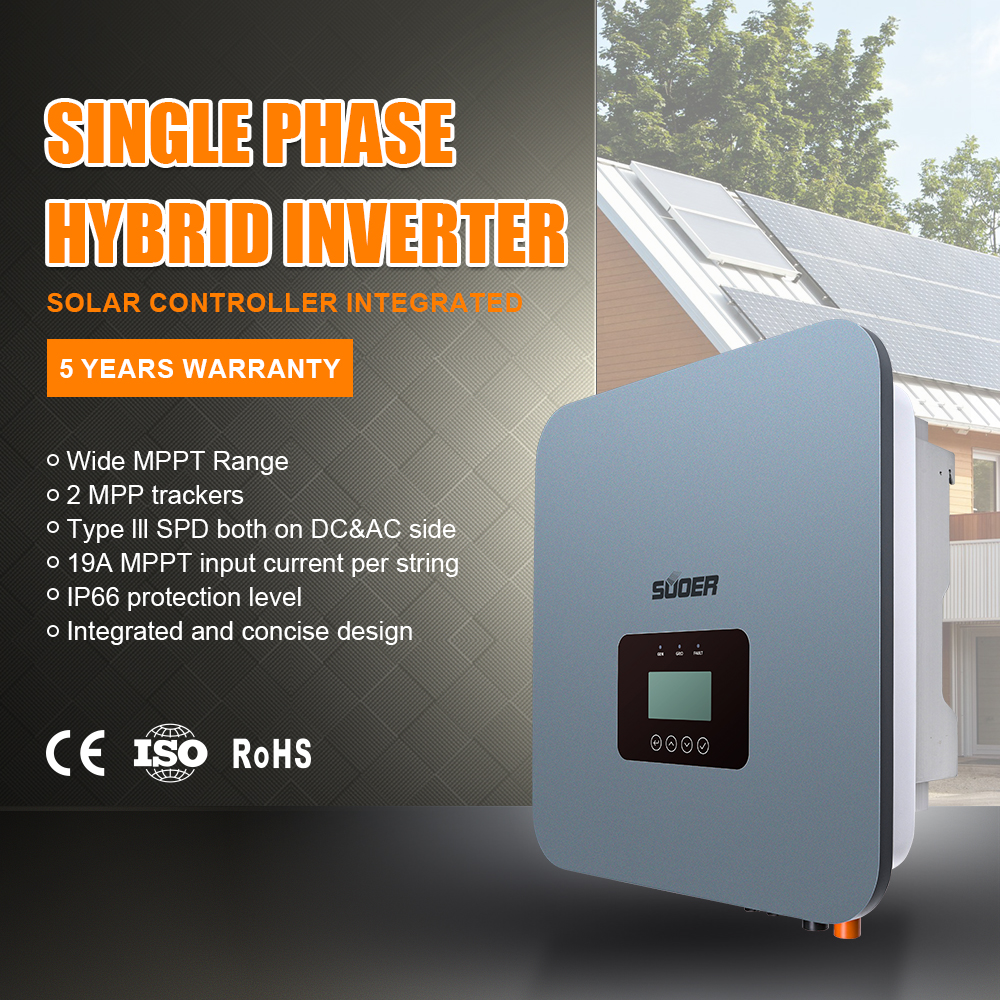
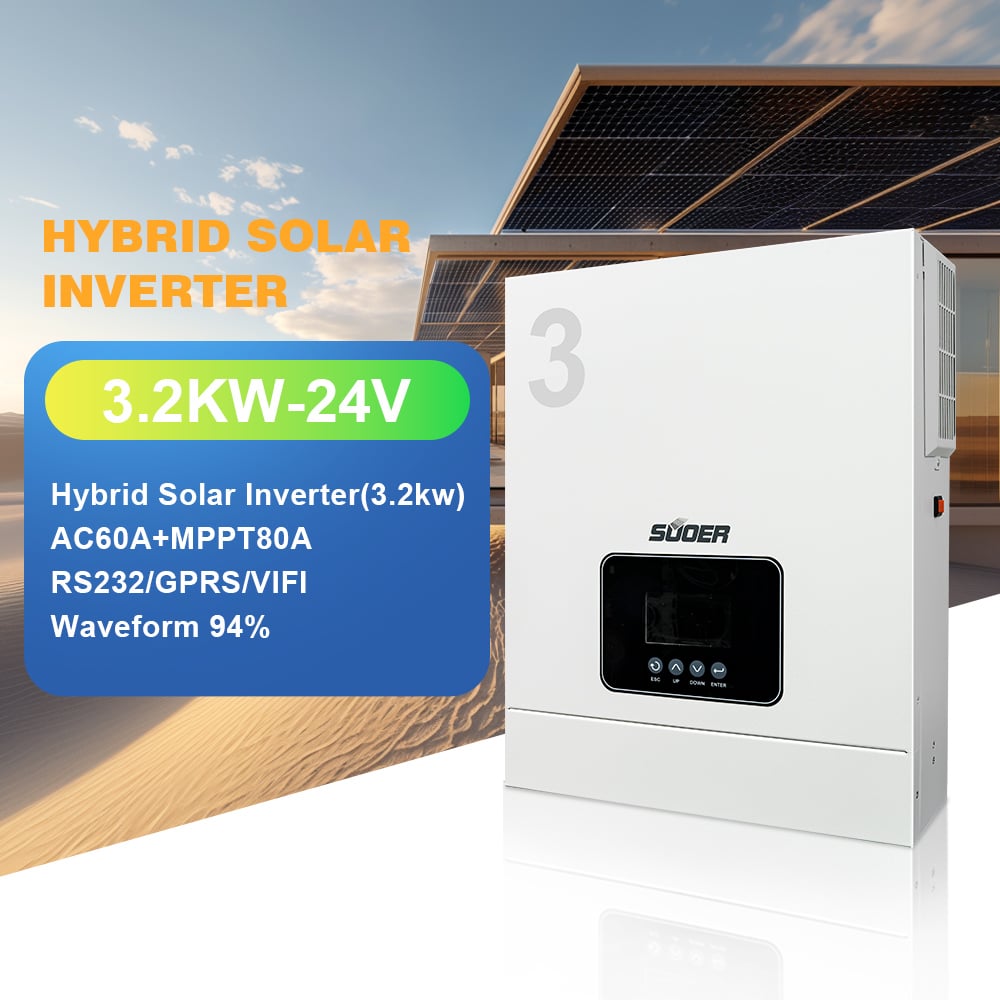
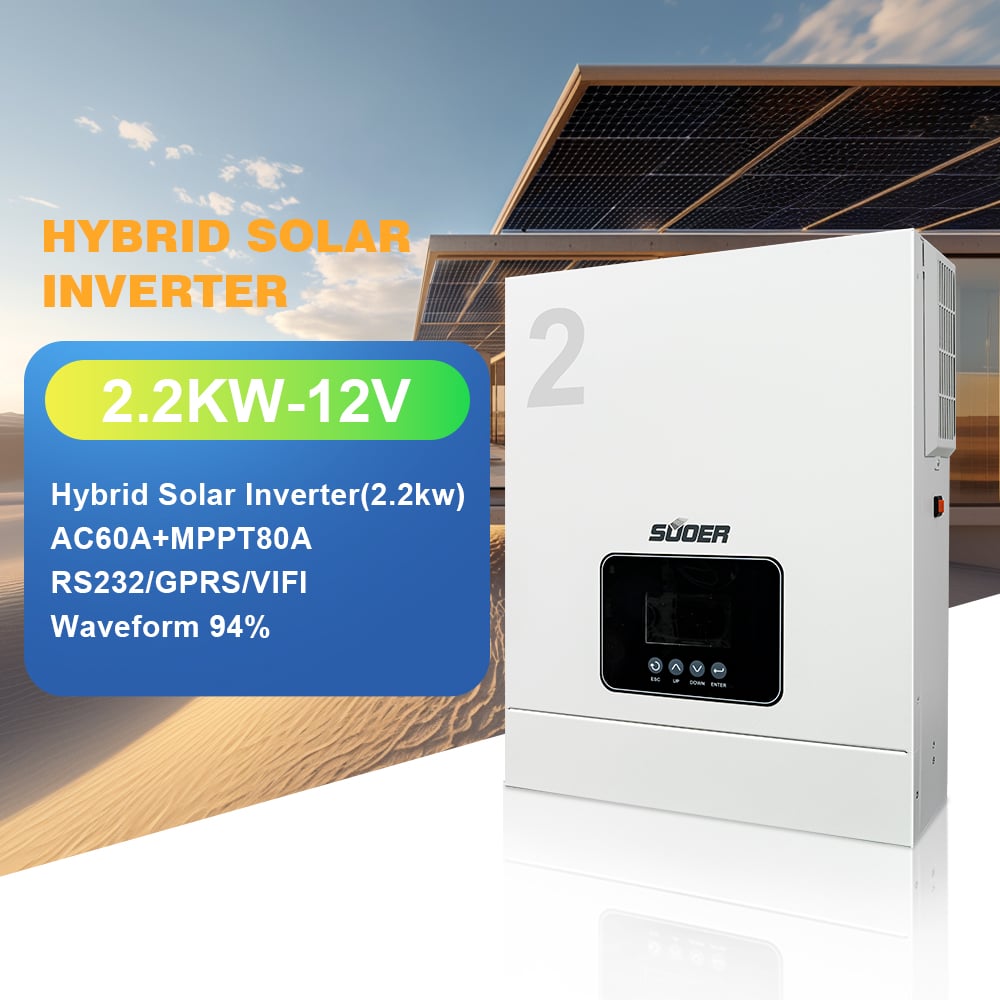
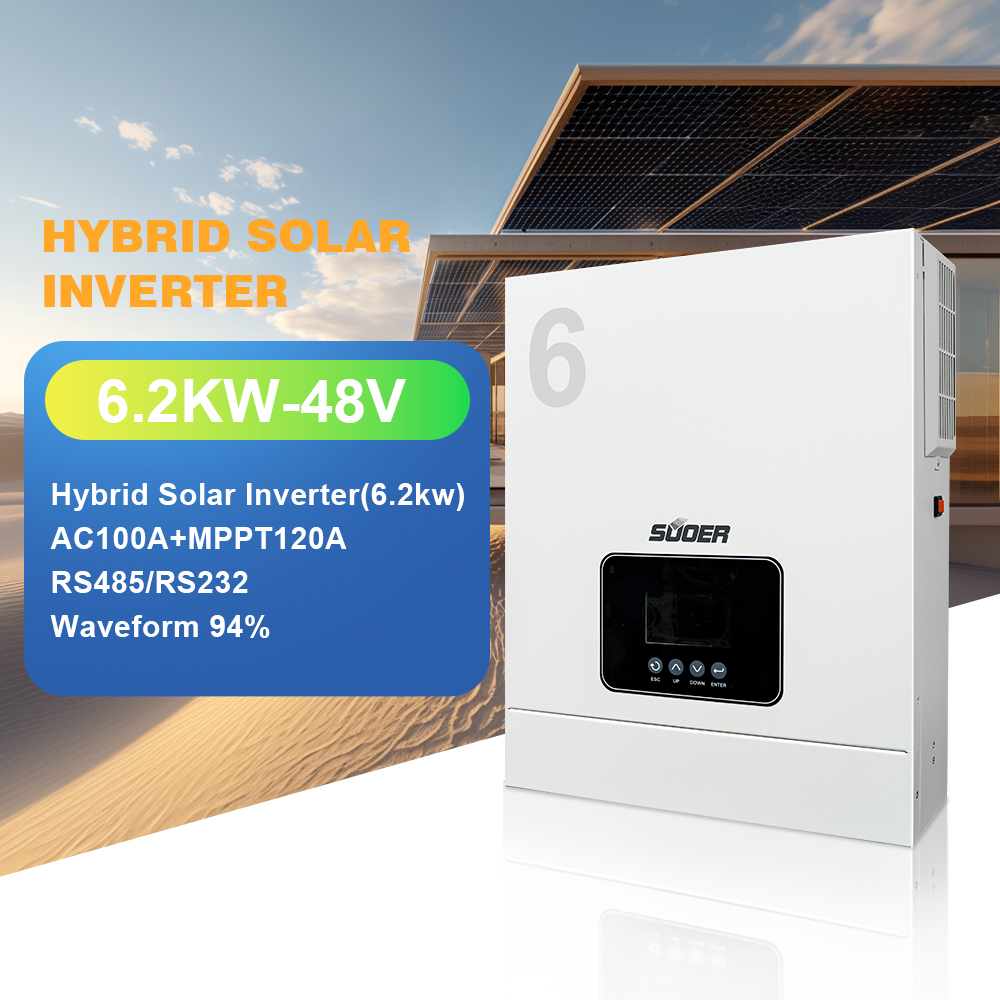
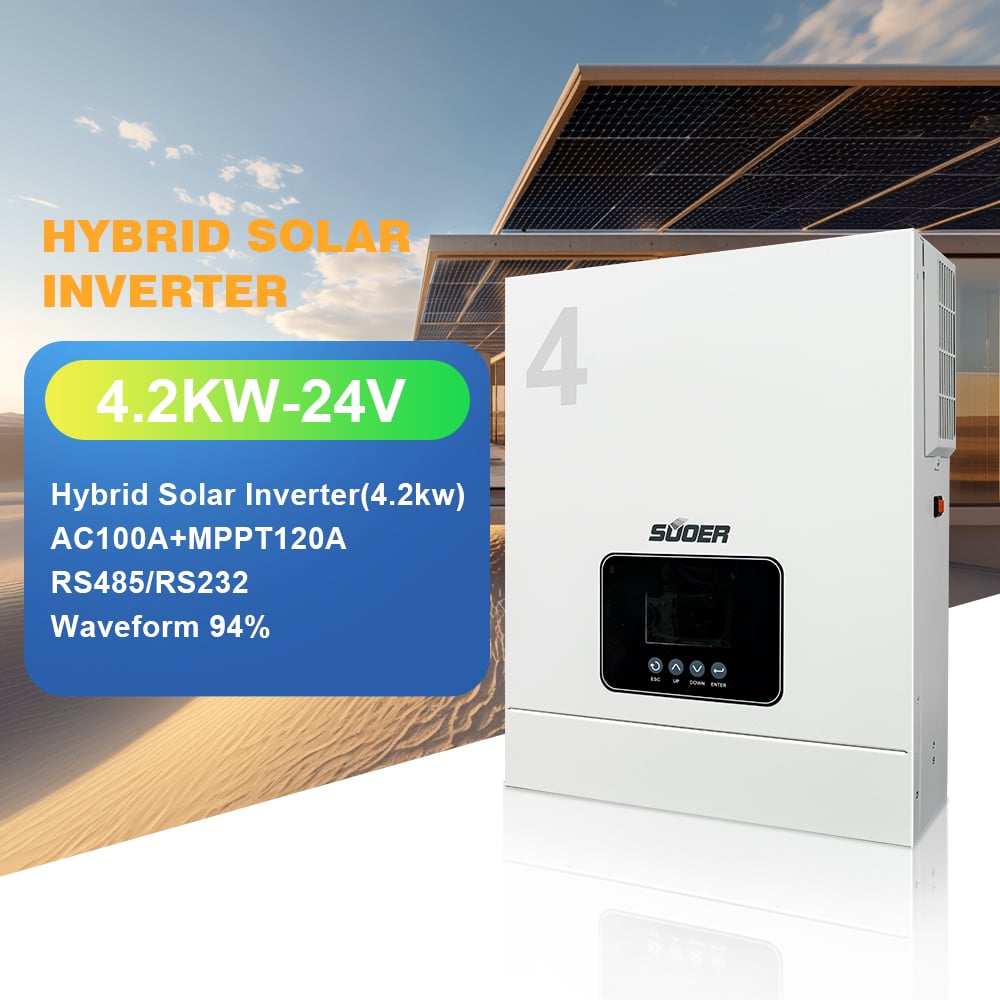
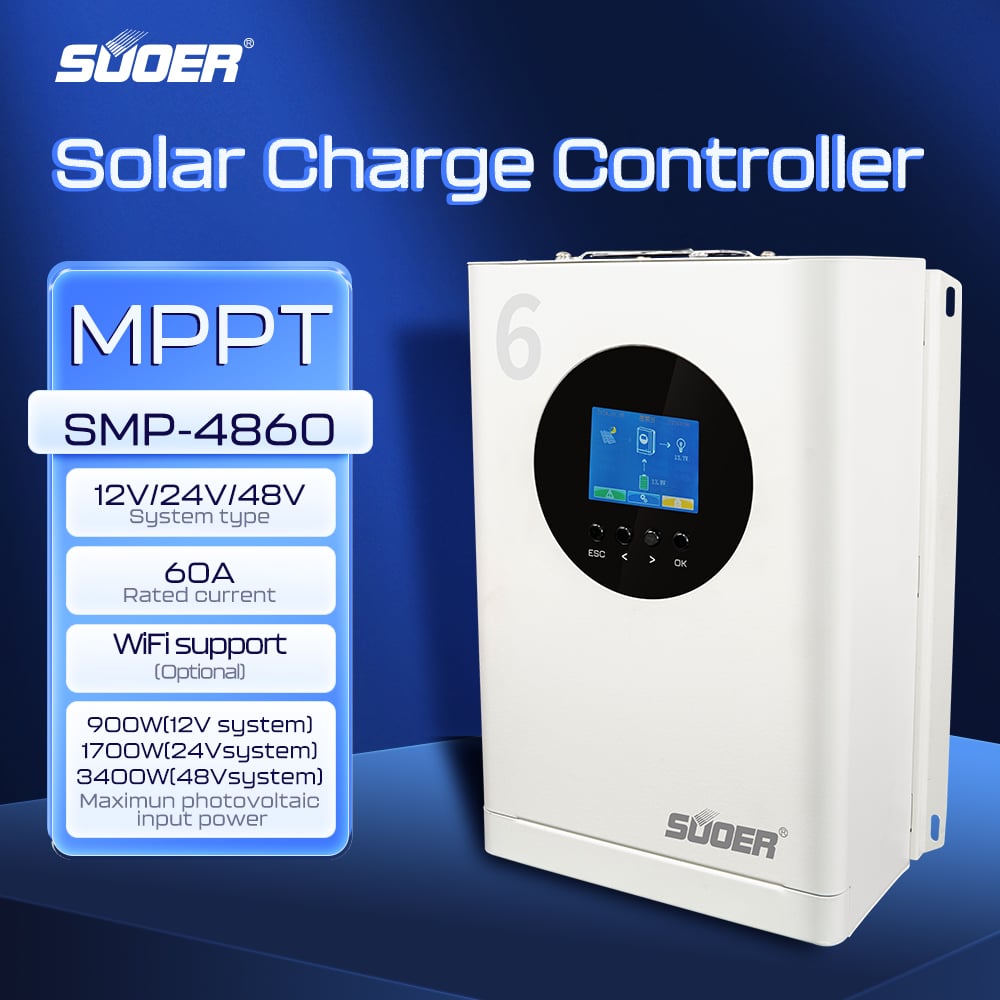
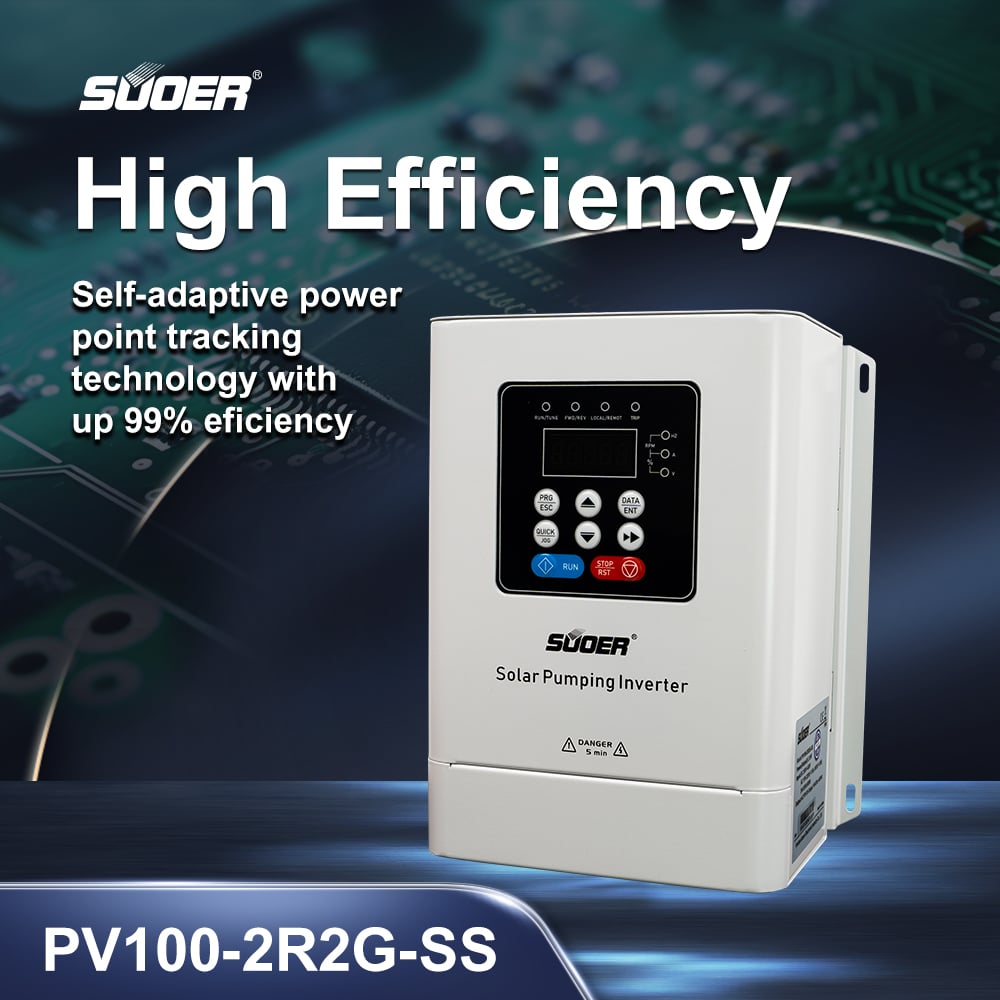
In the realm of Renewable Energy, MPPT (Maximum Power Point Tracking) solar power controllers are pivotal in optimizing the efficiency of photovoltaic systems. These devices play a crucial role in maximizing energy harvest from solar panels, which is essential for various applications, including electric vehicles, industrial power, and telecommunications. As a B2B buyer, understanding how to select the right MPPT solar power controller is paramount, given the myriad of options available, the technical specifications to consider, and the reliability of suppliers. This article will guide you through the essential factors to consider when purchasing MPPT solar power controllers, ensuring you make an informed decision.
Selecting the appropriate MPPT solar power controller hinges on a few key factors that align with your project requirements. First, assess the voltage and current ratings of the photovoltaic system. The MPPT controller must match or exceed these ratings to ensure optimal performance. Additionally, consider the environmental conditions in which the controller will operate; factors like temperature range and humidity can impact the performance and longevity of the device.
Next, think about the size and scale of your application. For smaller installations, a compact controller may suffice, while larger systems might require more robust controllers with advanced features. Lastly, evaluate the compatibility of the MPPT controller with your existing solar panels and battery systems. This compatibility ensures seamless integration and maximizes energy capture.
When sourcing MPPT solar power controllers, reliability in suppliers is critical. Look for manufacturers with a solid track record in the Power Supplies energy sector, particularly those who specialize in photovoltaic systems and have experience working with major OEMs. Established suppliers often provide a range of products that comply with international standards and certifications, such as ROHS, CE, and ISO9001.
It is advisable to request references and case studies that demonstrate the supplier's ability to deliver high-quality products consistently. Additionally, inquire about their customer support and warranty policies, as these can significantly affect the overall value and reliability of your investment. A supplier that offers technical support can also assist during the installation and troubleshooting phases, providing peace of mind.
Understanding the key specifications of MPPT solar power controllers is vital for making an informed purchase. Key specifications to evaluate include:
Input Voltage Range: Ensure the controller’s input voltage range can accommodate the maximum voltage output from your solar panels.Maximum Input Current: This specification should meet or exceed the current output of your solar array to prevent performance bottlenecks.Efficiency Rating: Look for controllers with high efficiency ratings (typically above 95%) as they enhance energy conversion.Temperature Coefficient: A lower temperature coefficient indicates better performance in high-temperature environments, which is essential for maintaining energy efficiency.Communication Protocols: Some controllers offer advanced communication features, such as Bluetooth or Wi-Fi connectivity, which facilitate monitoring and control through mobile applications.
Each of these specifications can directly impact the performance and effectiveness of your solar power system, making it essential to evaluate them carefully before making a decision.
While technical specifications are crucial, several features can enhance the functionality and usability of MPPT solar power controllers. Key features to consider include:
Overload and Short Circuit Protection: These safety features protect both the controller and connected equipment from potential damage caused by electrical anomalies.Display and Monitoring Options: Integrated displays or connectivity options for remote monitoring allow real-time tracking of performance metrics, helping to optimize efficiency.Programmable Settings: Some MPPT controllers offer programmable settings for battery types and charging profiles, which can improve compatibility and efficiency based on specific applications.Durability and Build Quality: Given that these controllers often operate in harsh environments, ensure that they are constructed from high-quality materials that can withstand exposure to the elements.
Assessing these features can help you choose a controller that not only meets your performance needs but also enhances the overall user experience.
Implementing best practices when purchasing and installing MPPT solar power controllers can significantly improve the success of your project. Here are some actionable tips:
Conduct Thorough Research: Before making a purchase, research different models and brands to compare performance, customer reviews, and technical support options.Request Samples: If possible, request samples or demonstrations of the controller to evaluate its performance under your specific conditions.Engage with Technical Support: Don’t hesitate to reach out to the supplier’s technical support team for clarification on specifications or installation procedures.Test in Real Conditions: Once installed, monitor the system’s performance closely to ensure it operates as expected. This can help identify any issues early on.Schedule Regular Maintenance: Regular maintenance checks can help extend the lifespan of your MPPT controllers and ensure they continue to operate efficiently.
By following these best practices, you can effectively mitigate common purchasing and operational challenges associated with MPPT solar power controllers.
selecting the right MPPT solar power controller requires careful consideration of specifications, supplier reliability, and relevant features. By applying the insights shared , B2B buyers can navigate the complexities of purchasing these critical components, ensuring their solar energy systems operate at peak efficiency.

Discover Suoer’s premium range of solar inverters and power inverters designed for reliable renewable energy solutions.Trusted by customers worldwide for exceptional performance and durability.
Suoer Industrial Zone, Ercun Road Section, Yanfeng Avenue, Shishan Town,Foshan city,Guangdong Province,China
Copyright © 2024 Foshan Suoer Electronic Industry Co., Ltd. Privacy Policy - Blog

 EN
 AR
 NL
 FR
 DE
 EL
 IT
 JA
 KO
 PT
 RU
 ES
 VI
 TH
 TR
 BG
 HR
 CS
 NO
 PL
 TL
 ID
 SR
 UK
 SQ
 HU
 MT
 AF
 MS
 IS
 HY
 AZ
 BN
 BS
 GU
 LO
 LA
 MN
 NE
 TA