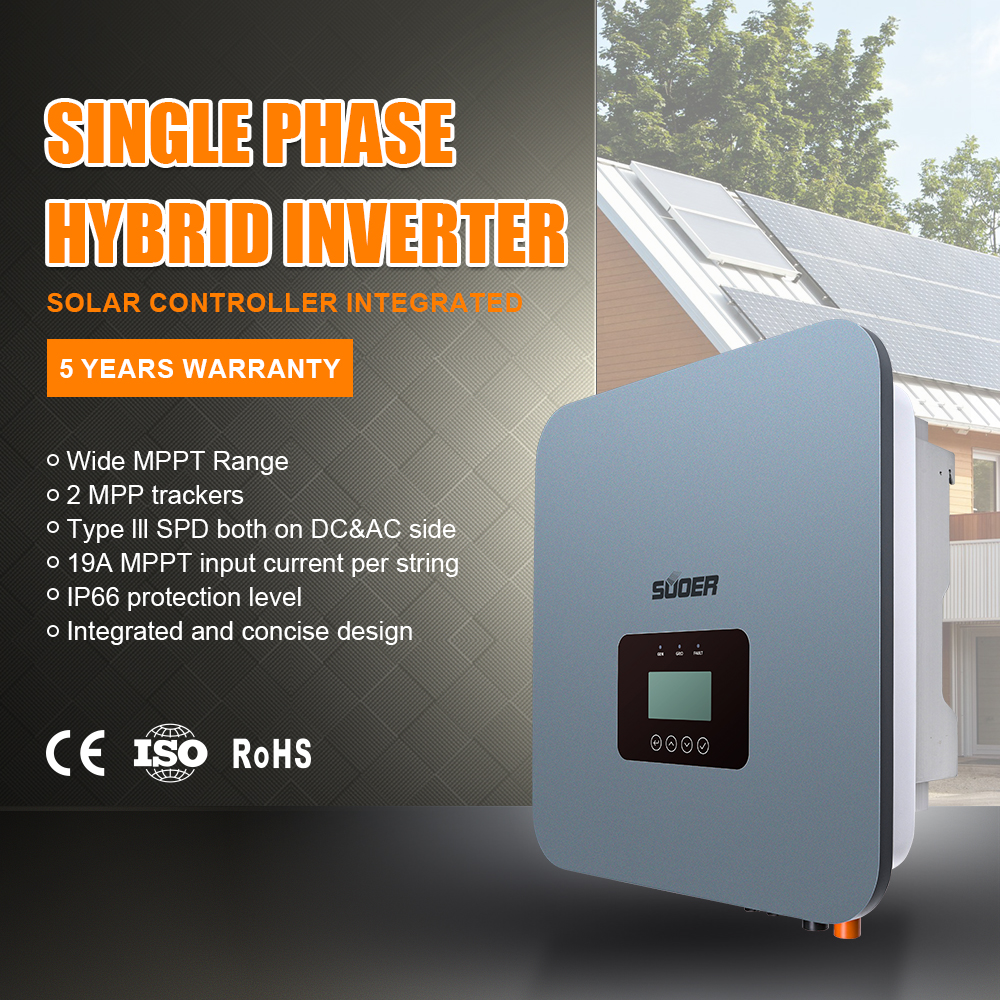
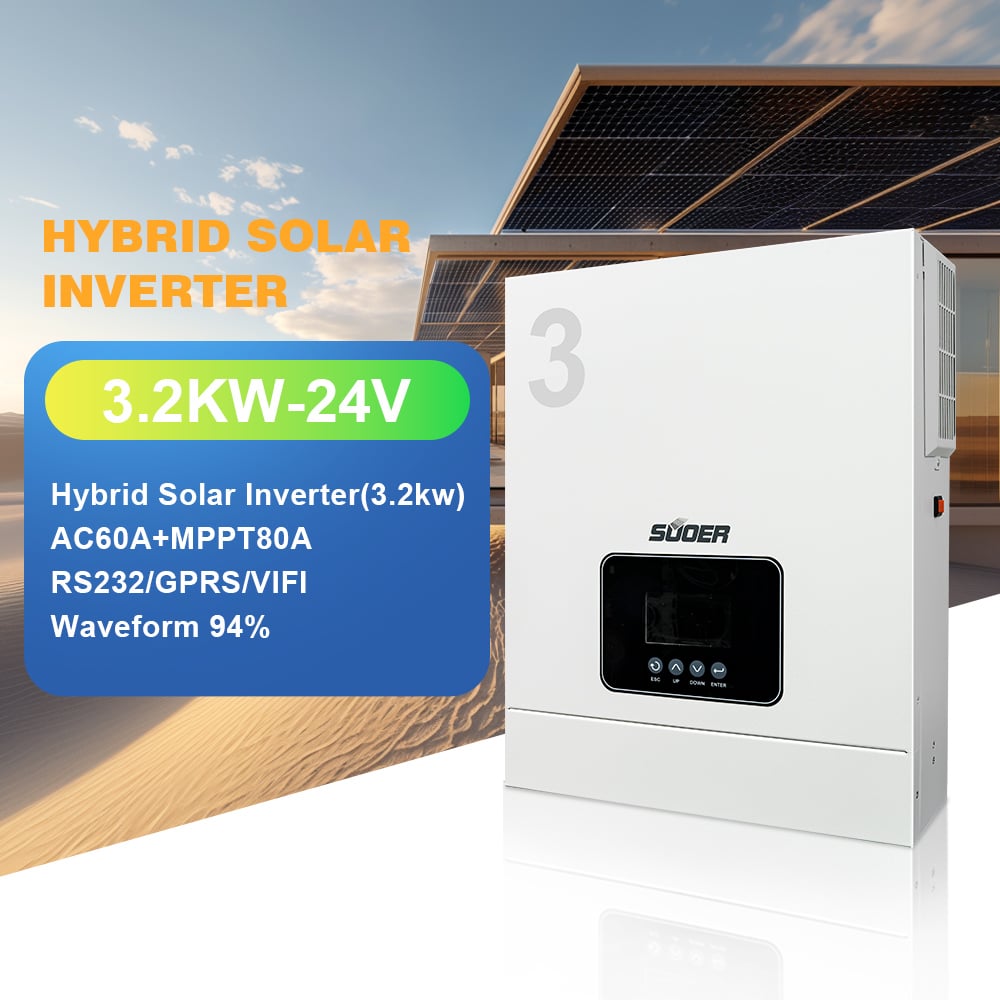
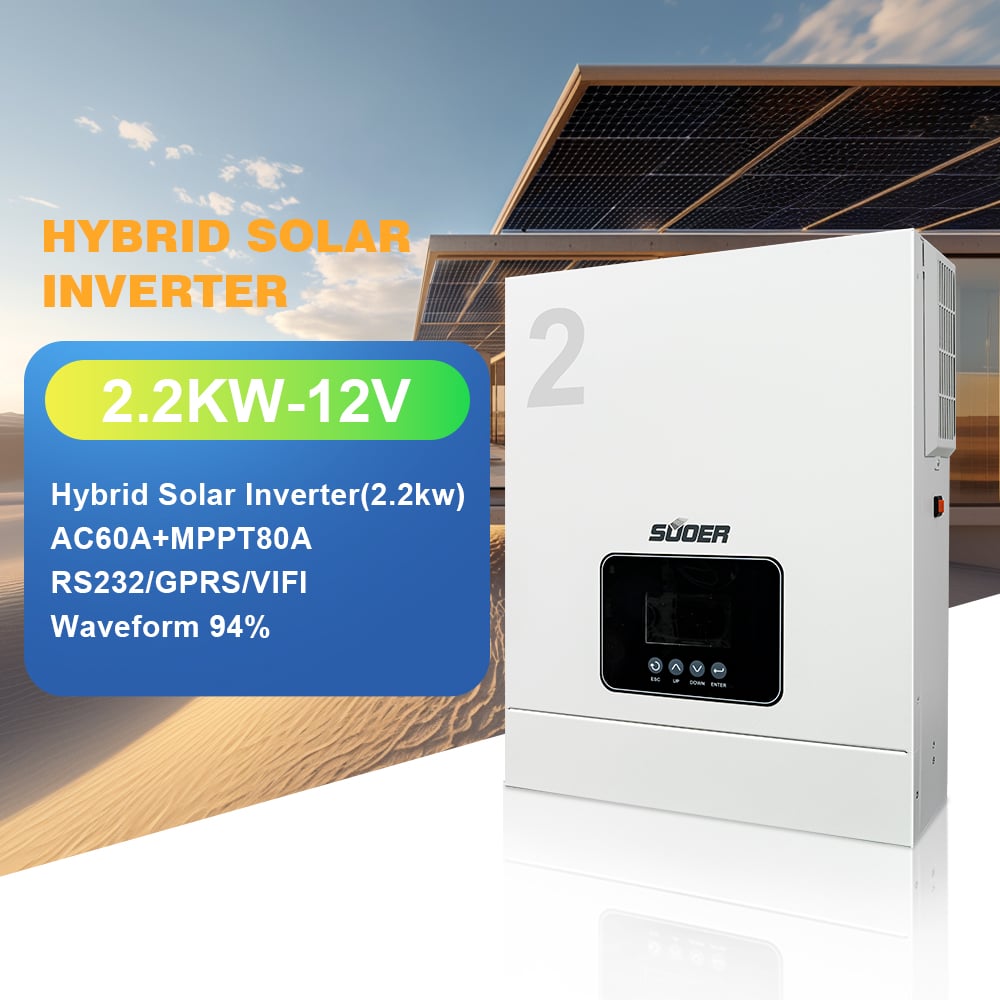
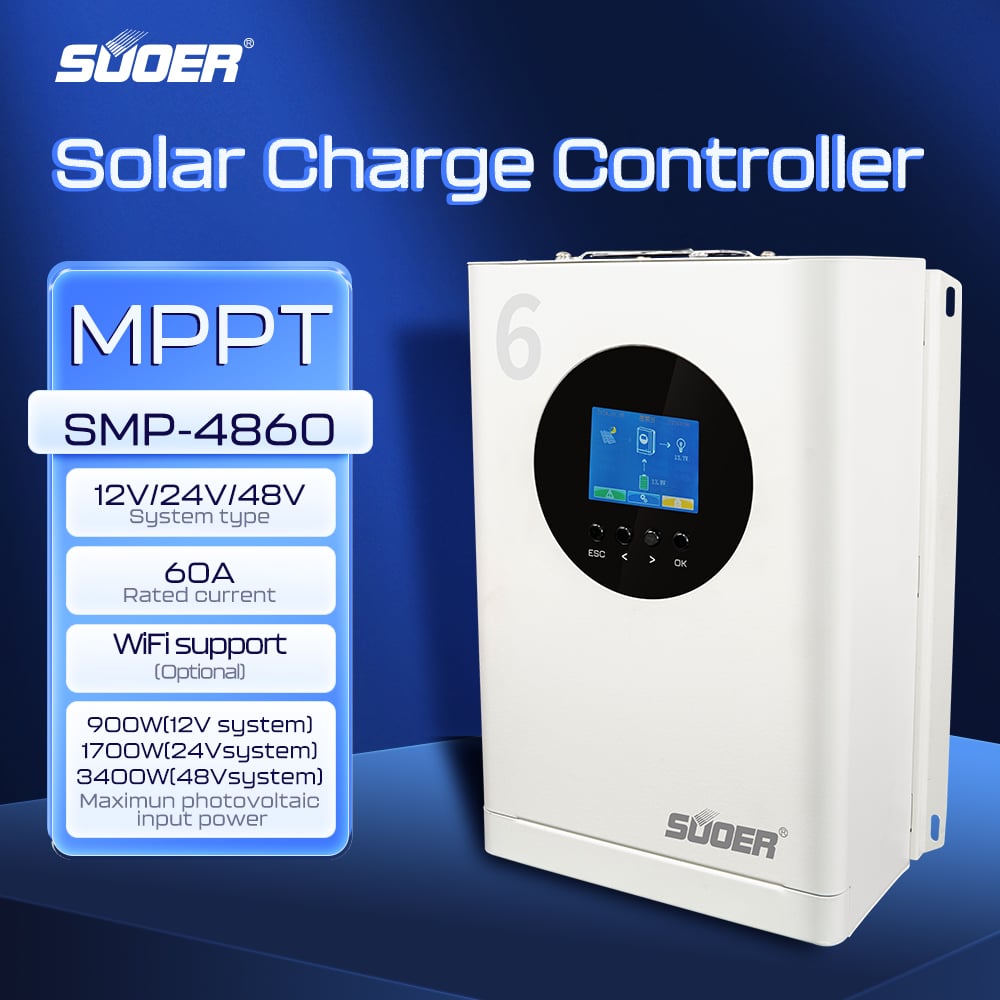
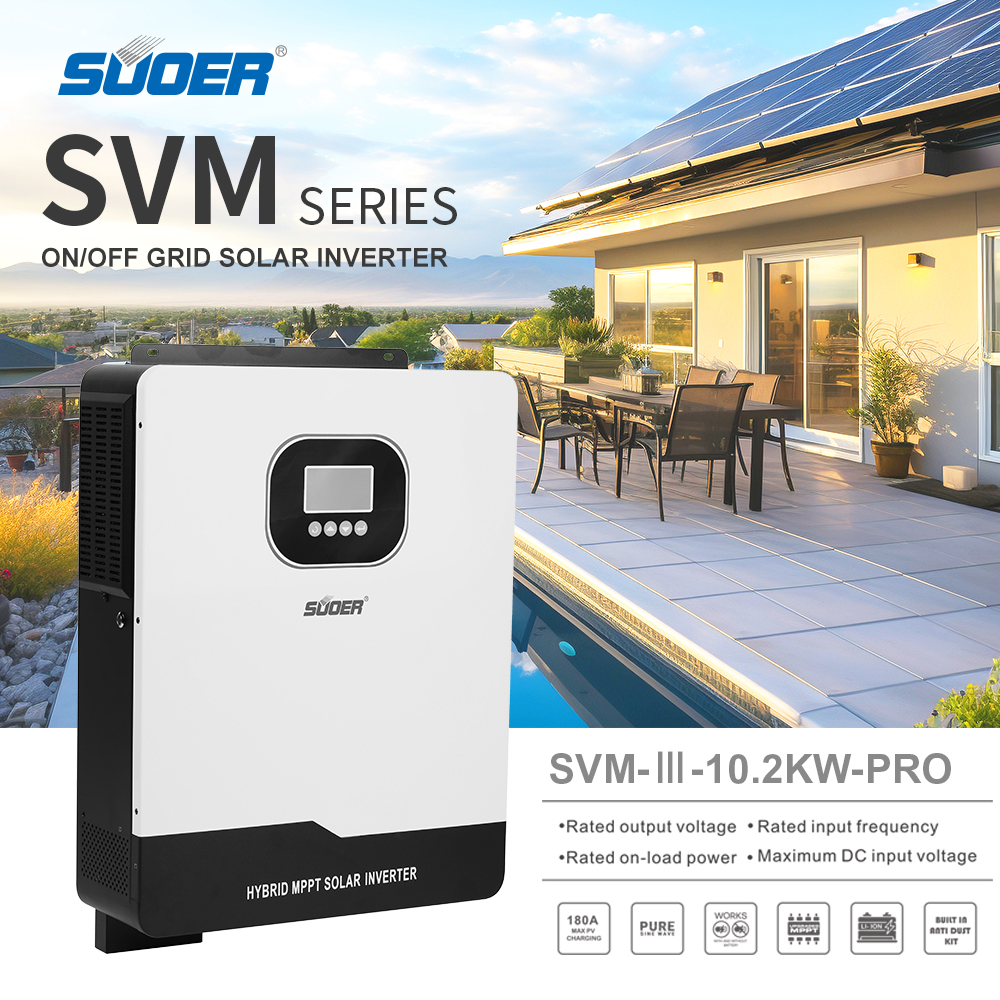
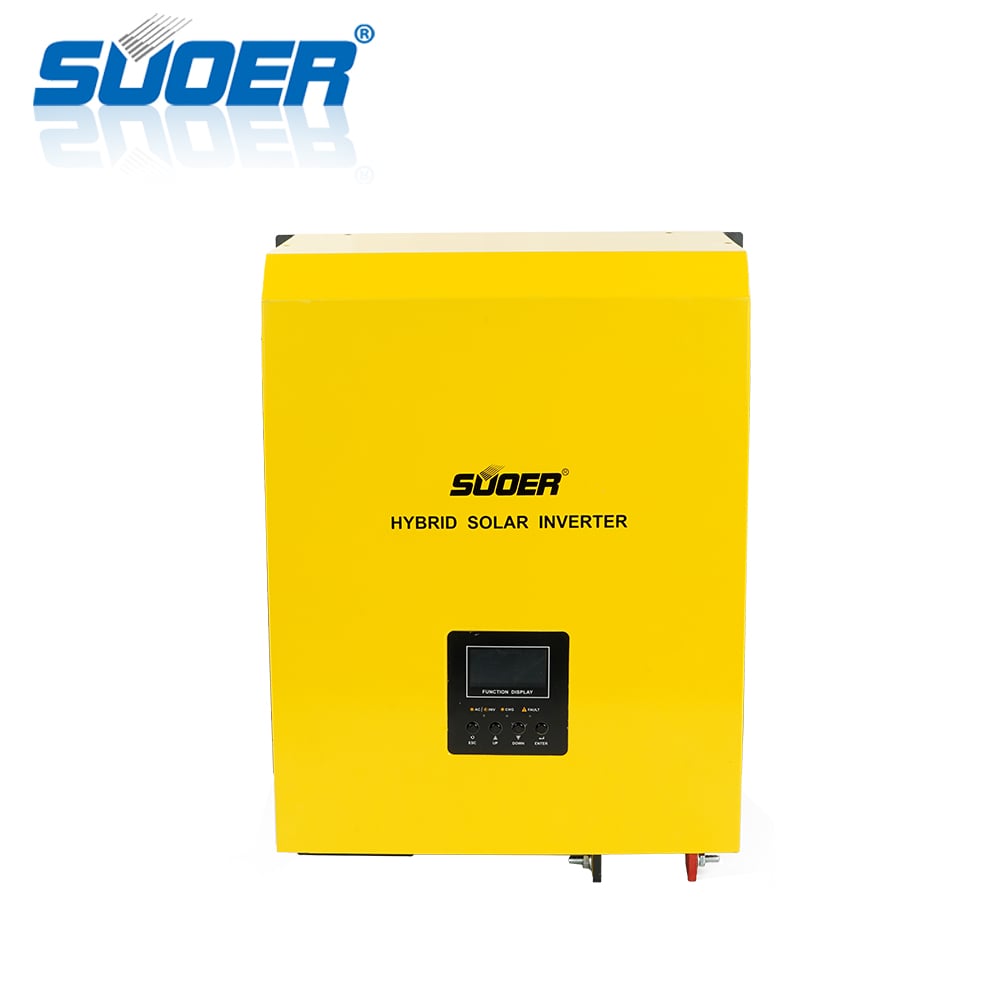
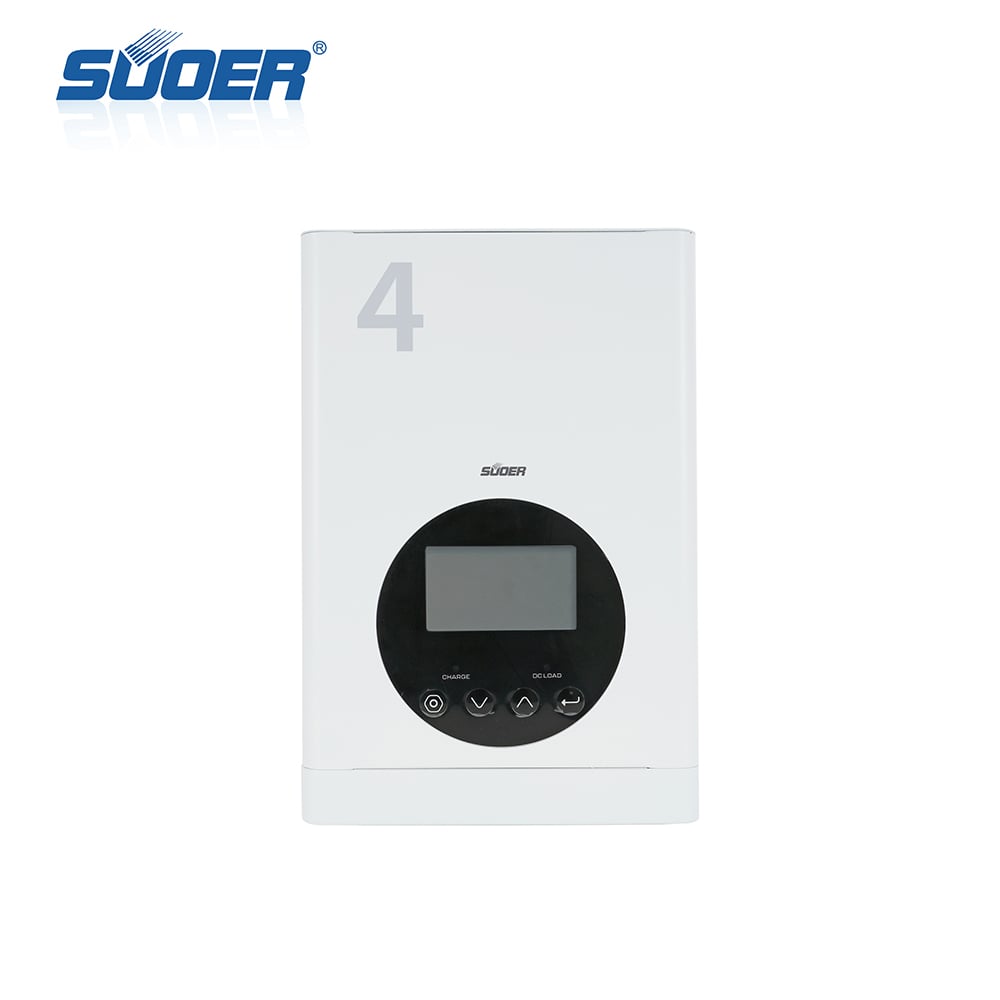
A Maximum Power Point Tracking (MPPT) controller for lithium batteries is essential for optimizing the energy harvested from solar panels, ensuring efficient charging and prolonging battery life. As a B2B buyer, you may be concerned about product quality, installation challenges, application versatility, pricing, and performance metrics. This article aims to provide you with insights into evaluating MPPT controllers, common installation issues, various applications, cost factors, and performance metrics, empowering you to make informed purchasing decisions.
When evaluating the quality of MPPT controllers for wholesale purchase, consider several critical specifications. Firstly, the efficiency rating is paramount; high-quality controllers typically have an efficiency of over 95%. This metric indicates how well the controller converts solar energy into usable power. Buyers should also check for compliance with industry certifications such as ROHS and CE, which ensure adherence to safety and environmental standards.
Another important aspect is the temperature coefficient, which measures how performance varies with temperature. High-quality controllers will maintain performance across a wider temperature range, critical for outdoor applications. Additionally, inquire about the controller's build quality and materials used. For instance, durable enclosures that resist moisture and dust can significantly extend the product's lifespan in harsh environments. Moreover, it is advisable to consider options like Lead acid battery systems in conjunction with MPPT technology for enhanced performance.
Lastly, consider the manufacturer’s reputation and after-sales support. A reliable supplier should provide technical support and warranty options, ensuring that you receive assistance if any issues arise post-purchase.
Installing MPPT controllers can present several challenges, but understanding common problems can help mitigate these issues. One prevalent problem is improper cable sizing. Using cables that are too thin can lead to voltage drops, reducing the overall efficiency of the system. Ensure that you calculate the appropriate cable size based on the maximum current and length of the run to avoid this issue.
Another challenge is selecting the correct mounting location. MPPT controllers should be installed in a shaded area to prevent overheating, yet accessible for maintenance. If the controller is too close to heat-generating components or in direct sunlight, it may not operate efficiently.
Wiring errors are also common. Double-check all connections, ensuring that they align with manufacturer specifications. Incorrect wiring can lead to short circuits or controller failure. Using labeled diagrams during installation can minimize these mistakes.
Finally, ensure that your installation complies with local electrical codes. Non-compliance can result in safety hazards and potential legal issues.
MPPT controllers for lithium battery systems are versatile and can be deployed across various applications. In residential solar energy systems, they play a crucial role in maximizing energy capture, ensuring that batteries are charged efficiently. This is particularly important for systems relying on solar energy, where optimally managing energy input can significantly affect overall system performance.
In commercial settings, MPPT controllers are essential for electric vehicle charging stations. They ensure that the charging process is efficient, extending battery life and reducing charging time. Furthermore, in telecommunications, where reliable power is critical, MPPT controllers help manage energy sources, ensuring uninterrupted service.
Rail transit systems also benefit from MPPT technology. The controllers manage the energy harvested from onboard solar panels, ensuring that auxiliary systems remain powered, which is vital for operational efficiency and safety.
When purchasing MPPT controllers for lithium batteries in bulk, several cost factors come into play. The purchase price per unit is an obvious factor; however, it’s essential to look beyond initial costs. Consider the total cost of ownership, which includes installation expenses, maintenance, and the longevity of the product.
Volume discounts can significantly affect the per-unit price, so discussing minimum order quantities (MOQ) with suppliers is vital. Understandably, larger orders may yield better pricing and terms.
Additionally, factor in shipping costs and lead times. If you require expedited delivery, this may increase the overall cost.
Warranty terms and potential return policies should also be considered; a robust warranty can save costs in the long run in case of product failures.
Lastly, evaluate the expected energy savings and return on investment (ROI) from using high-quality MPPT controllers. Understanding how these products can lower energy costs will help justify the initial expenditure.
Understanding the performance metrics of MPPT controllers is crucial for making informed purchasing decisions. Key metrics include maximum power point tracking efficiency, which indicates how effectively the controller can harvest power from solar panels. A higher efficiency rating translates to more energy being directed into the battery.
Another important metric is the input voltage range. This range indicates the compatibility of the controller with various solar panel configurations. Buyers should ensure that the controller can handle the maximum voltage output of the solar panels being used in the system.
Temperature performance is another critical metric. The ability of the MPPT controller to operate efficiently at high temperatures can affect its lifespan and reliability. Look for controllers with a wide operational temperature range to ensure performance in varying environmental conditions.
Finally, consider the communication protocols supported by the controller. Many modern MPPT controllers offer connectivity options, such as Bluetooth or Wi-Fi, allowing for remote monitoring and adjustments. This feature can greatly enhance usability and operational efficiency.
By understanding these performance metrics, buyers can select controllers that not only meet their current needs but can also adapt to future requirements.

Discover Suoer’s premium range of solar inverters and power inverters designed for reliable renewable energy solutions.Trusted by customers worldwide for exceptional performance and durability.
Suoer Industrial Zone, Ercun Road Section, Yanfeng Avenue, Shishan Town,Foshan city,Guangdong Province,China
Copyright © 2024 Foshan Suoer Electronic Industry Co., Ltd. Privacy Policy - Blog

 EN
 AR
 NL
 FR
 DE
 EL
 IT
 JA
 KO
 PT
 RU
 ES
 VI
 TH
 TR
 BG
 HR
 CS
 NO
 PL
 TL
 ID
 SR
 UK
 SQ
 HU
 MT
 AF
 MS
 IS
 HY
 AZ
 BN
 BS
 GU
 LO
 LA
 MN
 NE
 TA