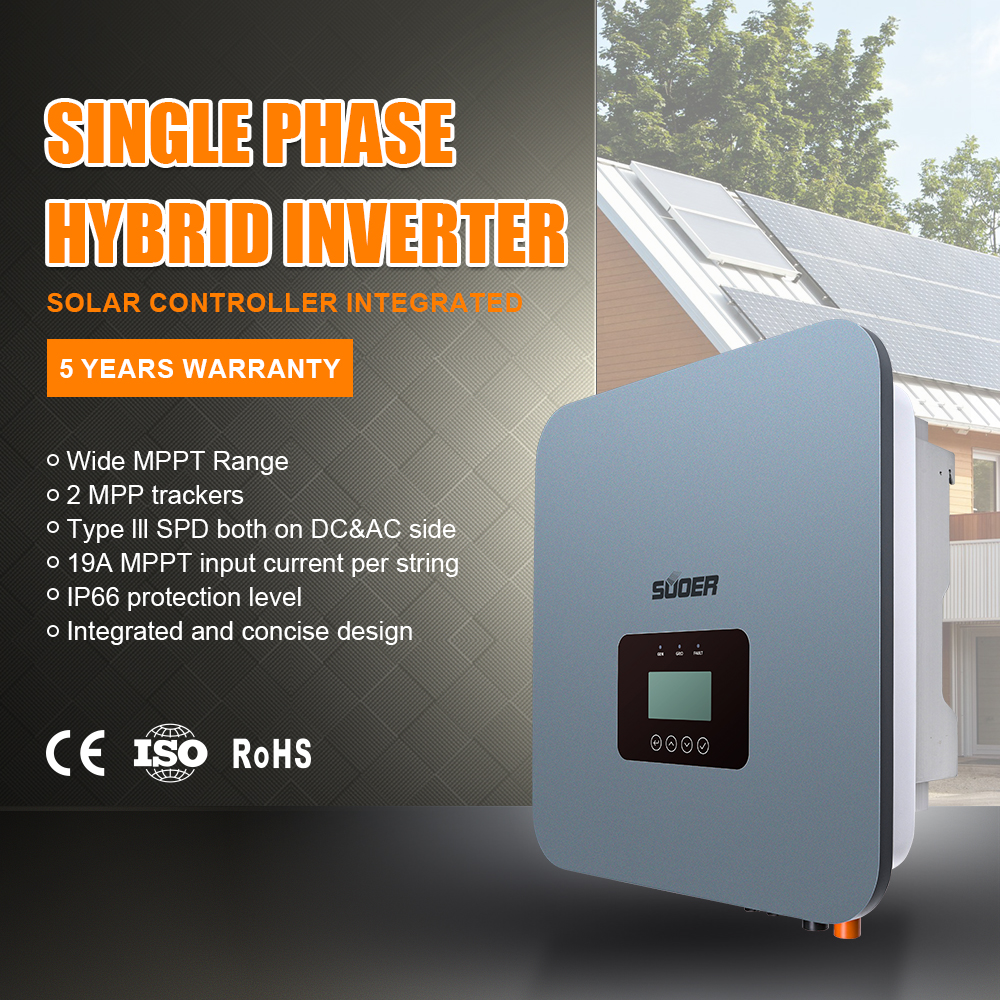
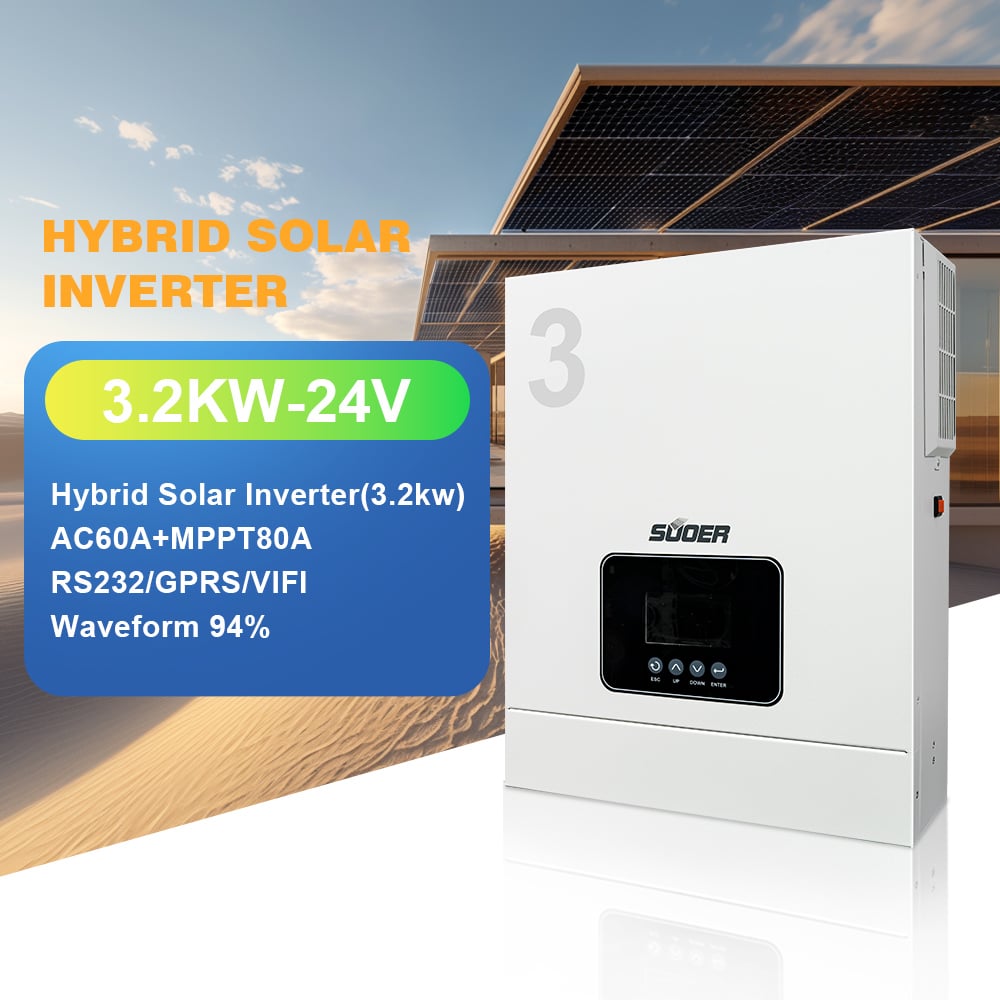
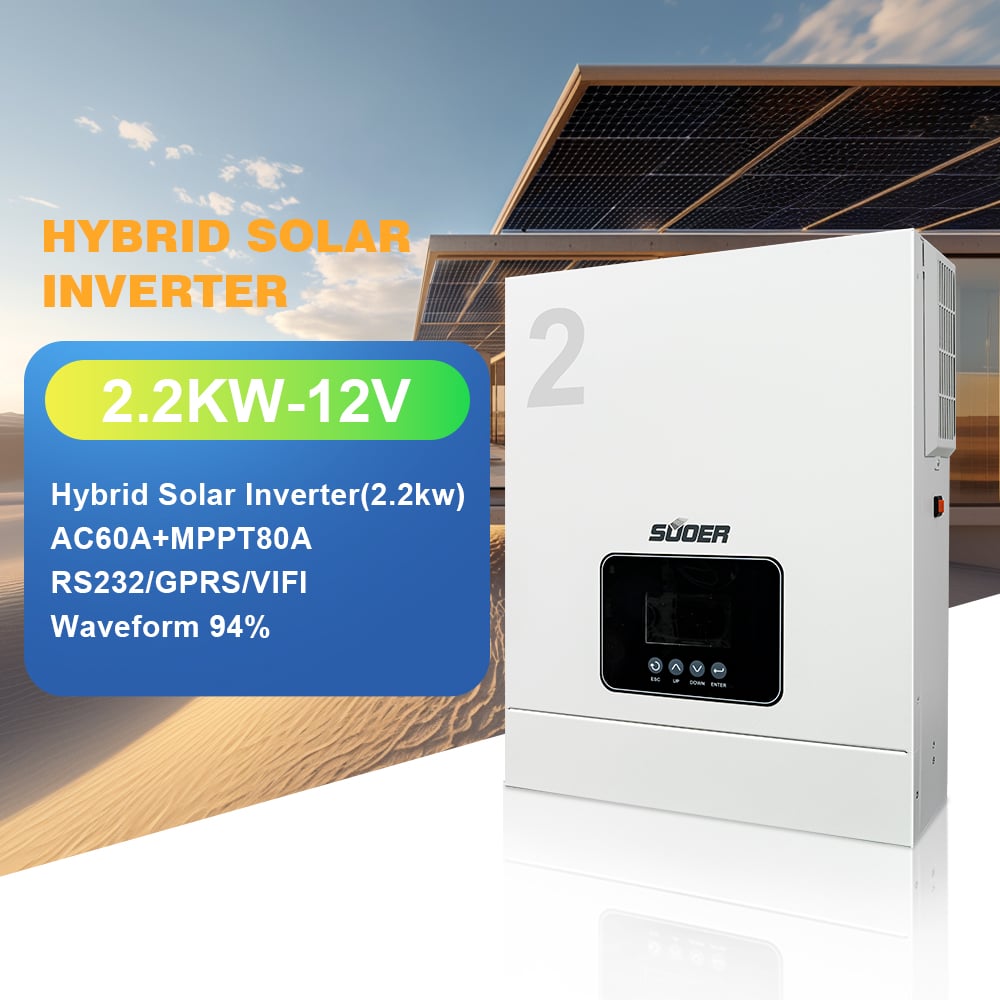
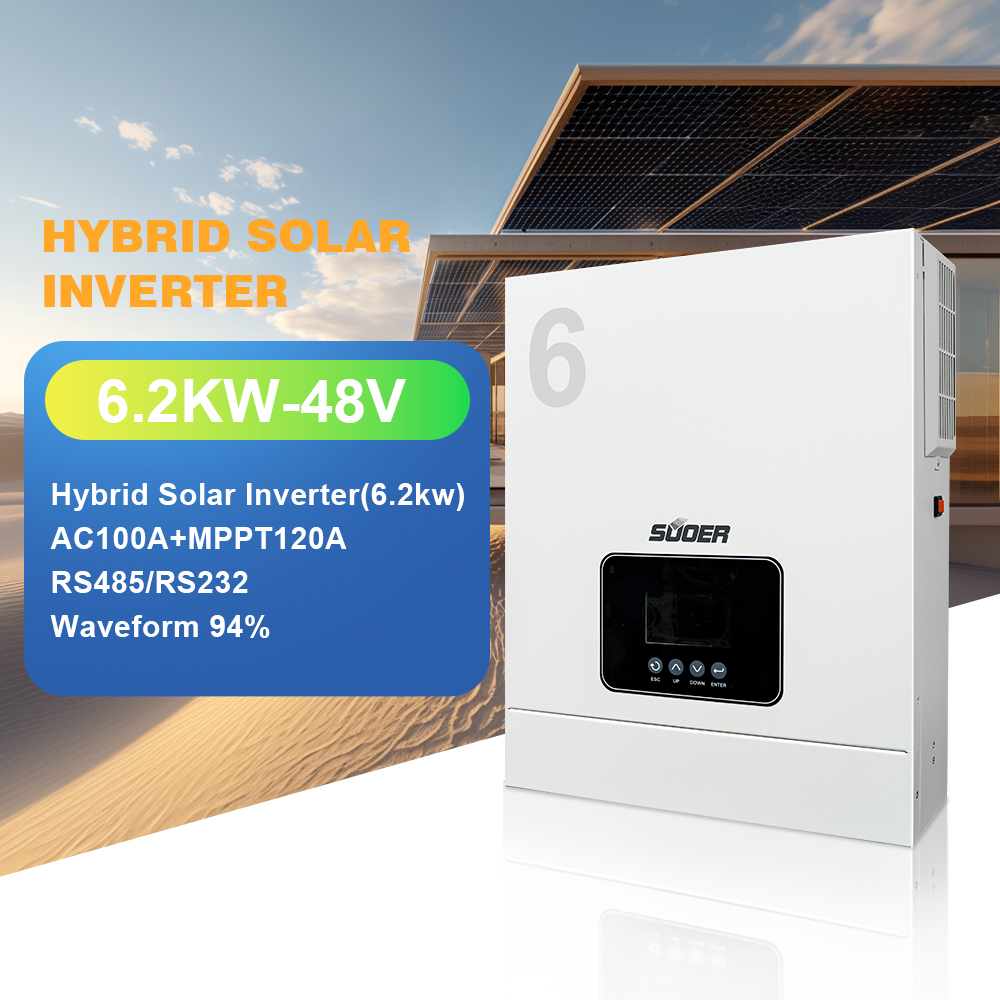
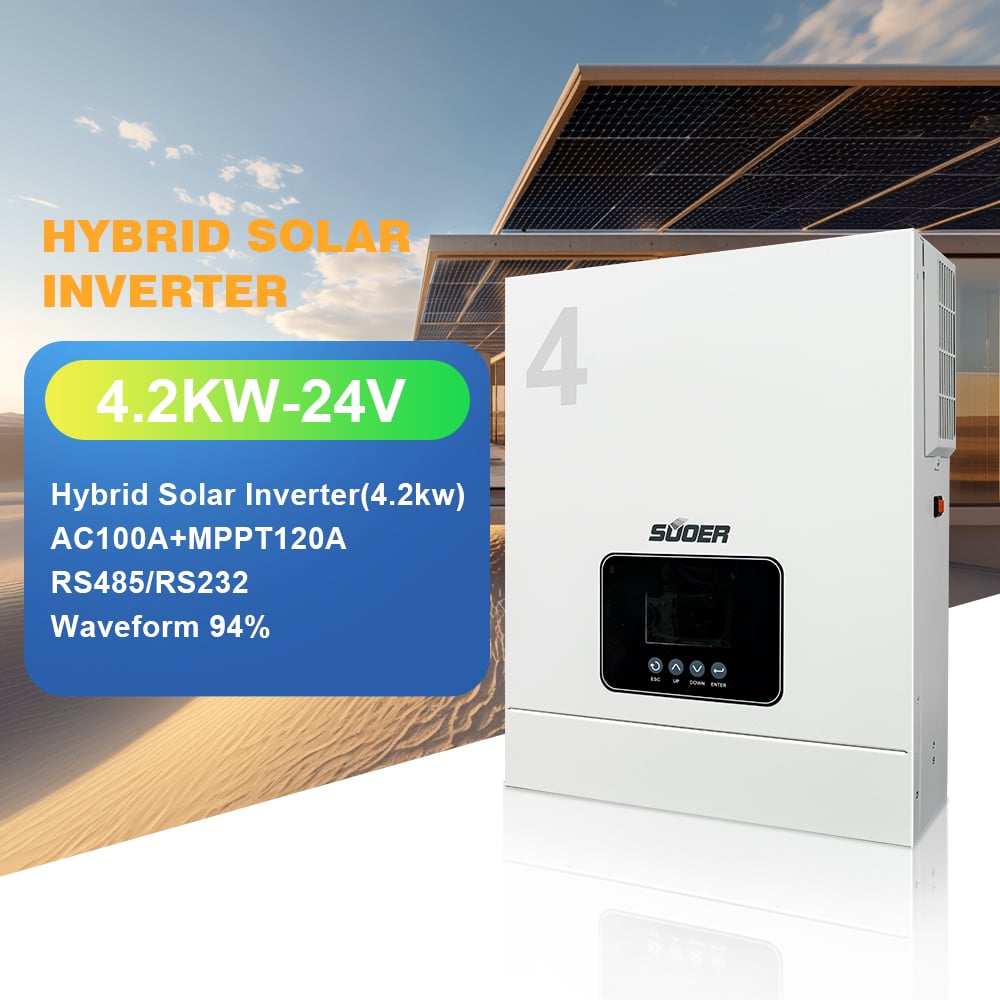
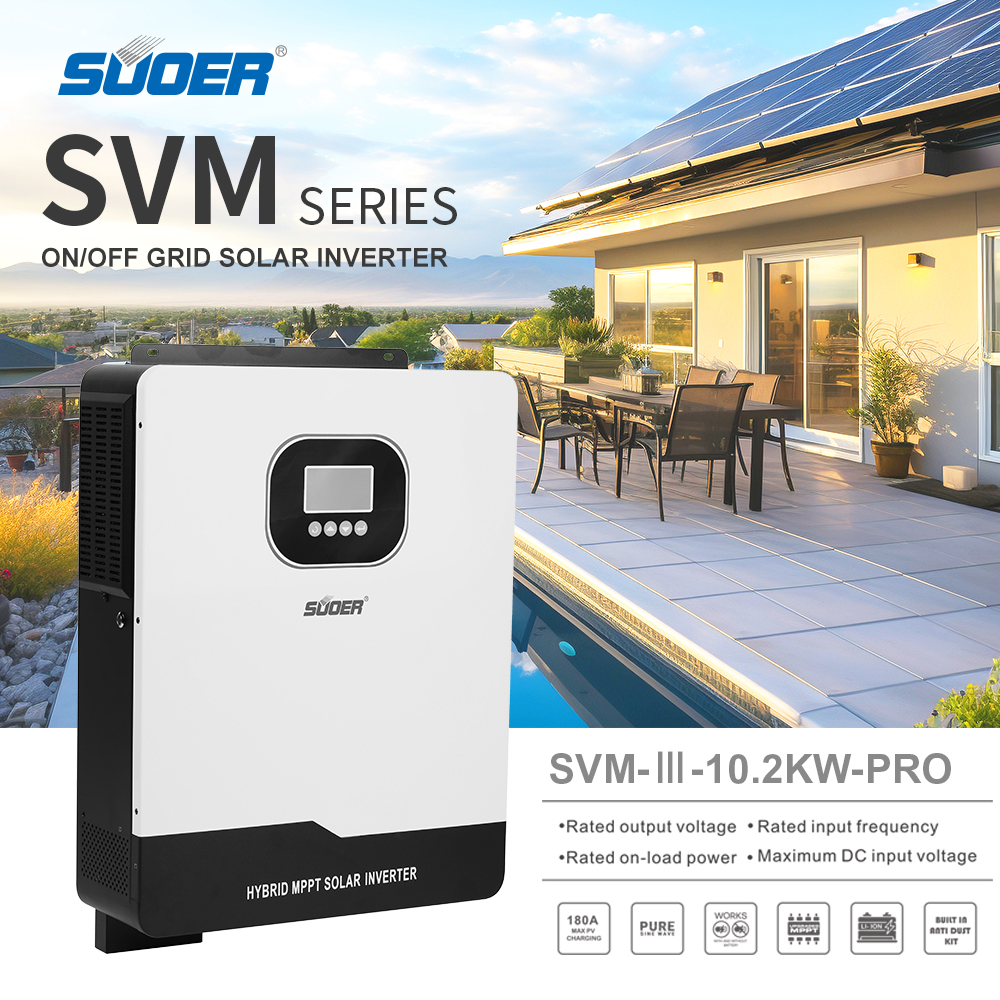
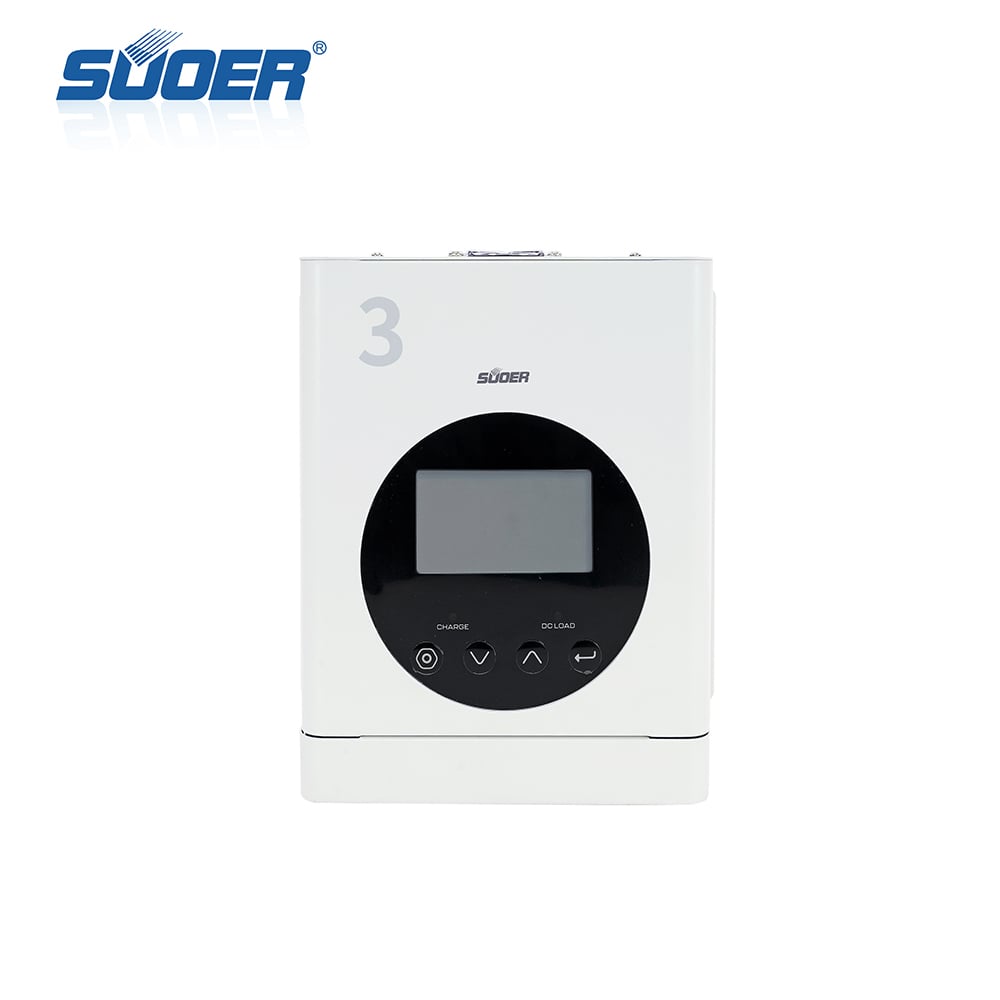
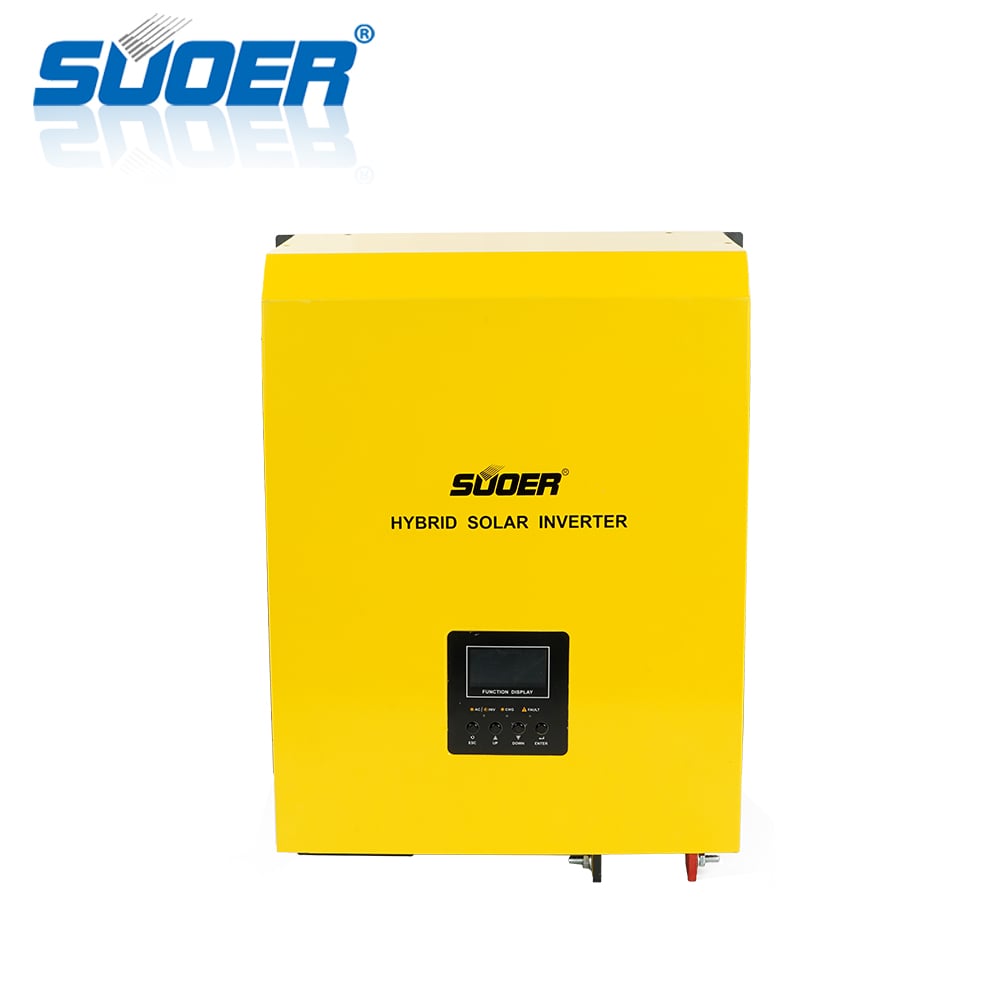
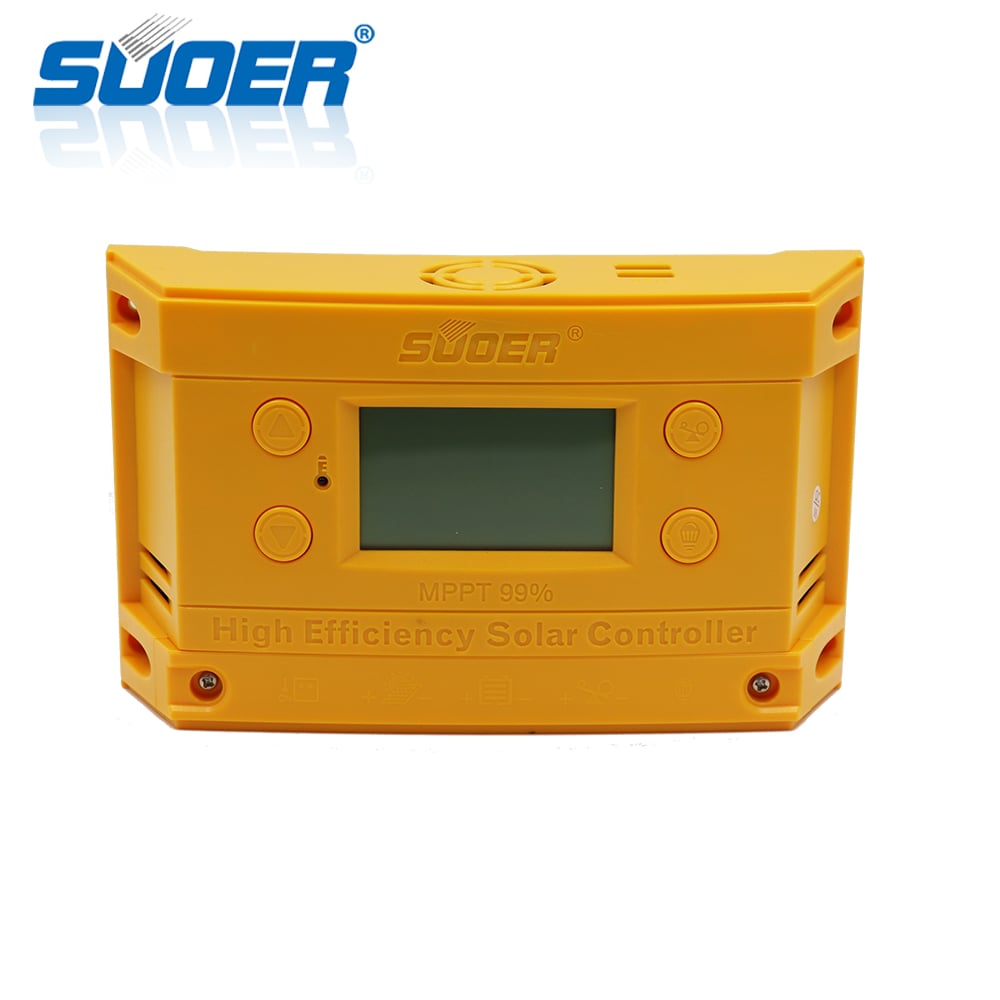
MPPT solar battery chargers are essential components in photovoltaic systems, facilitating efficient energy transfer from solar panels to battery storage. For B2B buyers, understanding the specifications and applications of these chargers is critical for optimizing energy management in various industrial settings. This article will guide you through the key specifications, comparison techniques, sourcing tips, cost considerations, and primary applications of MPPT solar battery chargers, addressing the main concerns of purchasing managers and engineers in the energy sector.
When evaluating MPPT (Maximum Power Point Tracking) solar battery chargers, several specifications are crucial. Key features to consider include:
Input Voltage Range: This specifies the range of voltages that the charger can handle from solar panels. It is essential to ensure compatibility with your solar array's output.
Output Current: The maximum output current indicates how much current the charger can deliver to the battery. This value should align with the battery's charging requirements for optimal performance.
Efficiency Rating: A higher efficiency rating means more energy from the solar panels is converted for use, minimizing losses during the charging process. Look for ratings above 95% for industrial applications.
Operating Temperature Range: Understanding the temperature tolerance of the charger is vital, especially for installations in extreme climates. Ensure that the charger can operate effectively in the expected environmental conditions.
Protection Features: Chargers should include built-in protections against overcharging, overcurrent, and short circuits to ensure battery longevity and safety.
Communication Protocols: Some chargers offer communication interfaces for monitoring and control, which can be beneficial for integrating into larger energy management systems.
These specifications directly impact the performance and reliability of the MPPT solar battery charger, making them essential for informed purchasing decisions.
When comparing MPPT solar battery chargers, prioritize the following factors to make an informed choice:
Technical Specifications: Start with the specifications discussed above. Ensure that the chargers meet the specific requirements of your solar installation and battery systems.
Manufacturer Reputation: Research the manufacturer’s background, including their experience in the solar industry and any relevant certifications (like ROHS, CE, and ISO9001). A reputable manufacturer is likely to provide reliable products.
Warranty and Support: Consider the warranty period offered and the availability of technical support. A longer warranty can indicate confidence in product durability, while responsive support can assist with any post-purchase issues.
Customization Options: Depending on your project’s needs, customization capabilities may be beneficial. Assess whether the manufacturer can tailor the charger’s specifications to better suit your application.
Cost Efficiency: Compare the total cost of ownership, including purchase price, installation, and maintenance costs. Sometimes, a higher upfront cost may lead to greater savings in efficiency and longevity. Additionally, exploring Home Energy Storage solutions can help optimize costs further.
User Reviews and Case Studies: Look for feedback from other users in similar industries. Case studies can provide insights into how the charger performs in real-world applications.
By focusing on these comparison factors, you ensure that the selected MPPT solar battery charger aligns well with your project requirements and delivers reliable performance.
Sourcing MPPT solar battery chargers as a wholesaler involves several strategic considerations:
Establish Clear Specifications: Before reaching out to suppliers, develop a detailed specification list based on your project needs. This includes preferred input/output parameters, environmental conditions, and any specific features required.
Request Samples: Always request samples before committing to a bulk order. Testing a sample under actual operating conditions allows for a better understanding of product performance and compatibility.
Evaluate Supplier Capabilities: Assess the manufacturer’s production capabilities, including their quality control processes and certifications. A supplier with robust quality systems is crucial for ensuring product reliability.
Negotiate Minimum Order Quantities (MOQ): Understand the MOQ requirements and negotiate terms that align with your purchasing strategy. This can impact your cash flow and inventory management.
Shipping and Lead Times: Inquire about shipping options and lead times. Efficient logistics can significantly impact project timelines, so ensure that your supplier can meet your delivery requirements.
Explore Payment Terms: Discuss payment terms that work for both parties. Flexible payment options can help manage cash flow effectively during large-scale purchases.
By following these sourcing tips, you can streamline the procurement process and select the best MPPT solar battery chargers for your projects.
The costs associated with MPPT solar battery chargers can vary widely based on several factors:
Specifications and Features: Higher efficiency ratings, advanced features, and robust protection mechanisms usually increase the price. Be aware that while cheaper options exist, they may compromise on performance and durability.
Volume Discounts: Suppliers often provide discounts for larger orders. Understanding your project's scale can help you negotiate better pricing.
Customization Requirements: If you need custom specifications, be prepared for potential cost increases. Customization may involve additional engineering and testing, which can affect the overall price.
Shipping Costs: Factor in shipping costs, especially if sourcing internationally. These can add significantly to the total cost, depending on distance and logistics.
Long-term Savings: While initial costs are important, consider long-term savings on energy efficiency and maintenance. A more efficient charger may cost more upfront but can save on energy bills and reduce replacement frequency. Exploring Pure Sine Wave chargers can also lead to enhanced savings.
By analyzing these cost factors, you can make a more informed budgeting decision for your MPPT solar battery charger purchases.
MPPT solar battery chargers find applications in various industrial sectors, including:
Electric Vehicle Charging Stations: These chargers are vital in electric vehicle infrastructure, ensuring efficient energy transfer from solar sources to vehicle batteries, thus supporting sustainable transportation solutions.
Telecommunications: In remote locations, MPPT solar battery chargers are used to power communication towers and equipment, enhancing connectivity without relying on traditional power grids.
Rail Transit Systems: Many rail systems utilize MPPT solar technology for auxiliary power, helping to reduce dependency on fossil fuels and improve energy efficiency.
Off-Grid Power Systems: These chargers are integral to off-grid solar systems, providing reliable energy storage solutions for homes and businesses in isolated areas.
Renewable Energy Projects: As part of larger renewable energy systems, MPPT solar battery chargers optimize energy capture and storage, contributing to more sustainable energy generation strategies. Understanding Renewable Energy projects can also enhance your project's value.
Understanding these applications will help you identify how MPPT solar battery chargers can benefit your specific projects and contribute to your organization's energy goals.

Discover Suoer’s premium range of solar inverters and power inverters designed for reliable renewable energy solutions.Trusted by customers worldwide for exceptional performance and durability.
Suoer Industrial Zone, Ercun Road Section, Yanfeng Avenue, Shishan Town,Foshan city,Guangdong Province,China
Copyright © 2024 Foshan Suoer Electronic Industry Co., Ltd. Privacy Policy - Blog

 EN
 AR
 NL
 FR
 DE
 EL
 IT
 JA
 KO
 PT
 RU
 ES
 VI
 TH
 TR
 BG
 HR
 CS
 NO
 PL
 TL
 ID
 SR
 UK
 SQ
 HU
 MT
 AF
 MS
 IS
 HY
 AZ
 BN
 BS
 GU
 LO
 LA
 MN
 NE
 TA