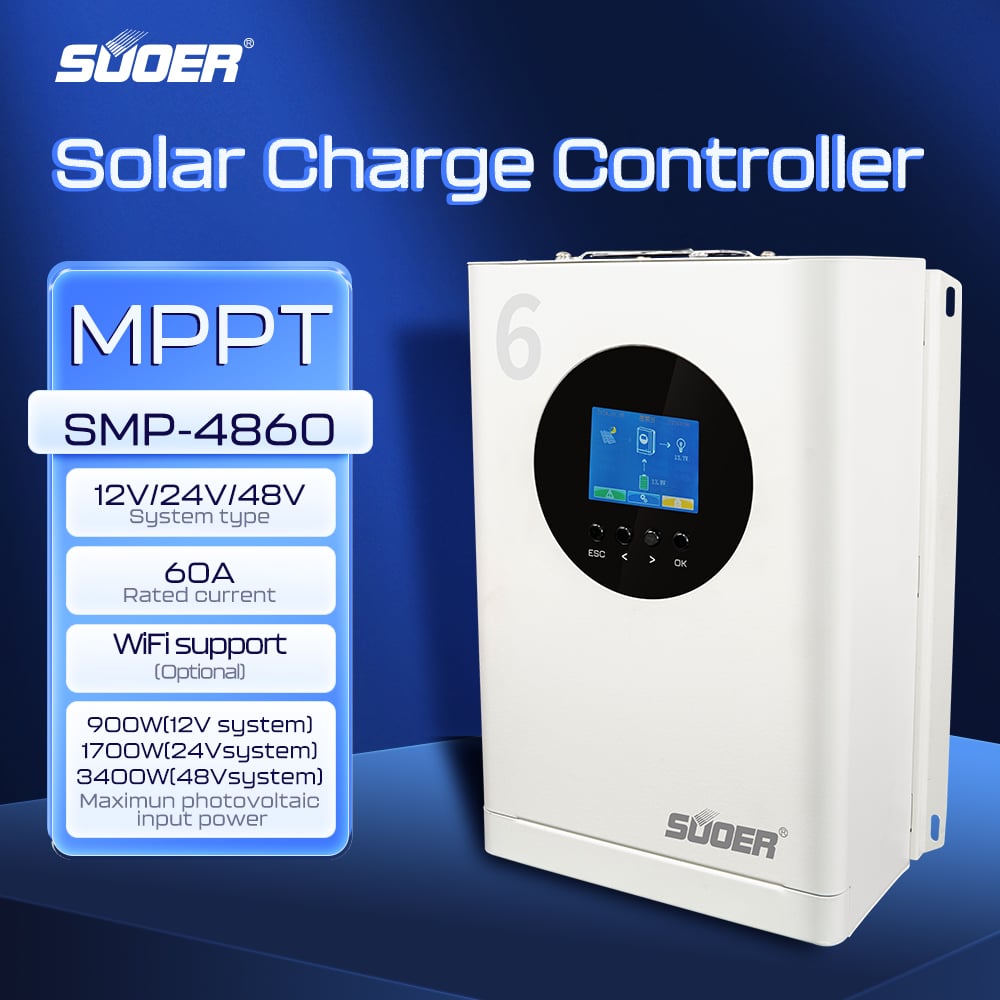
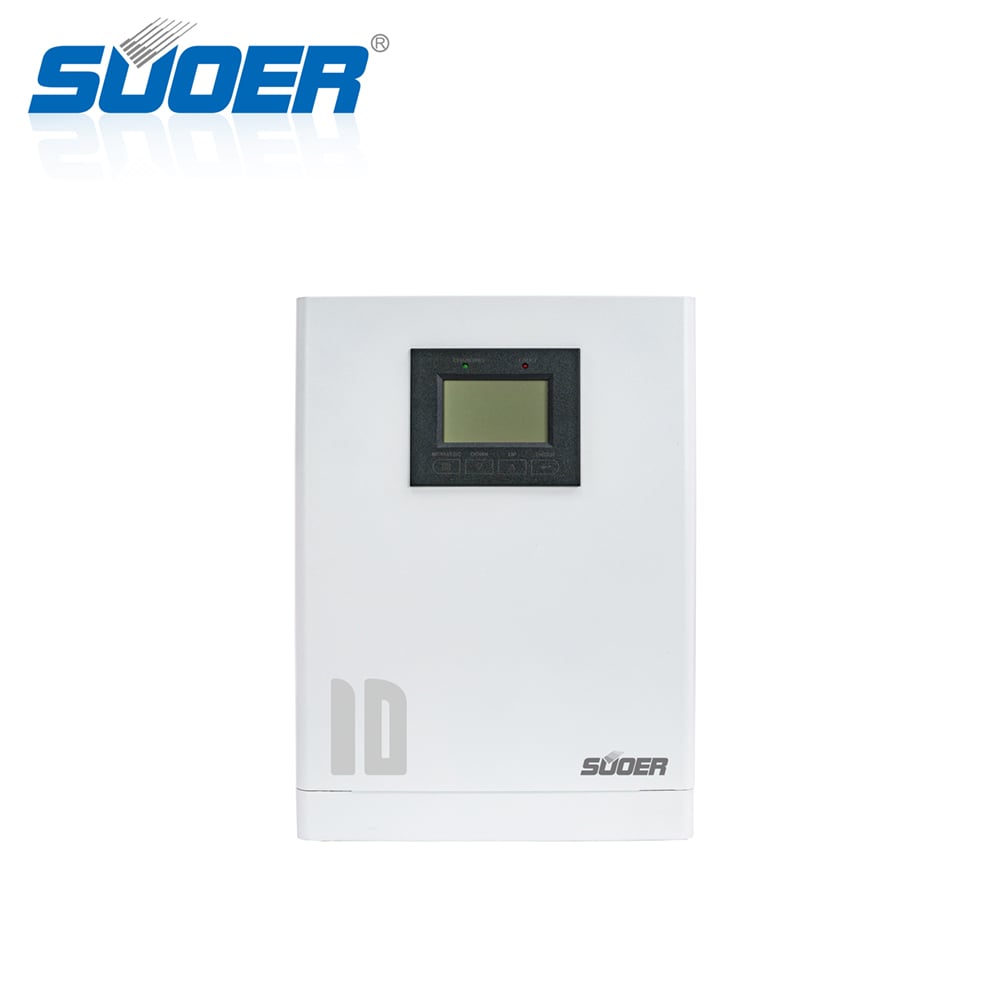
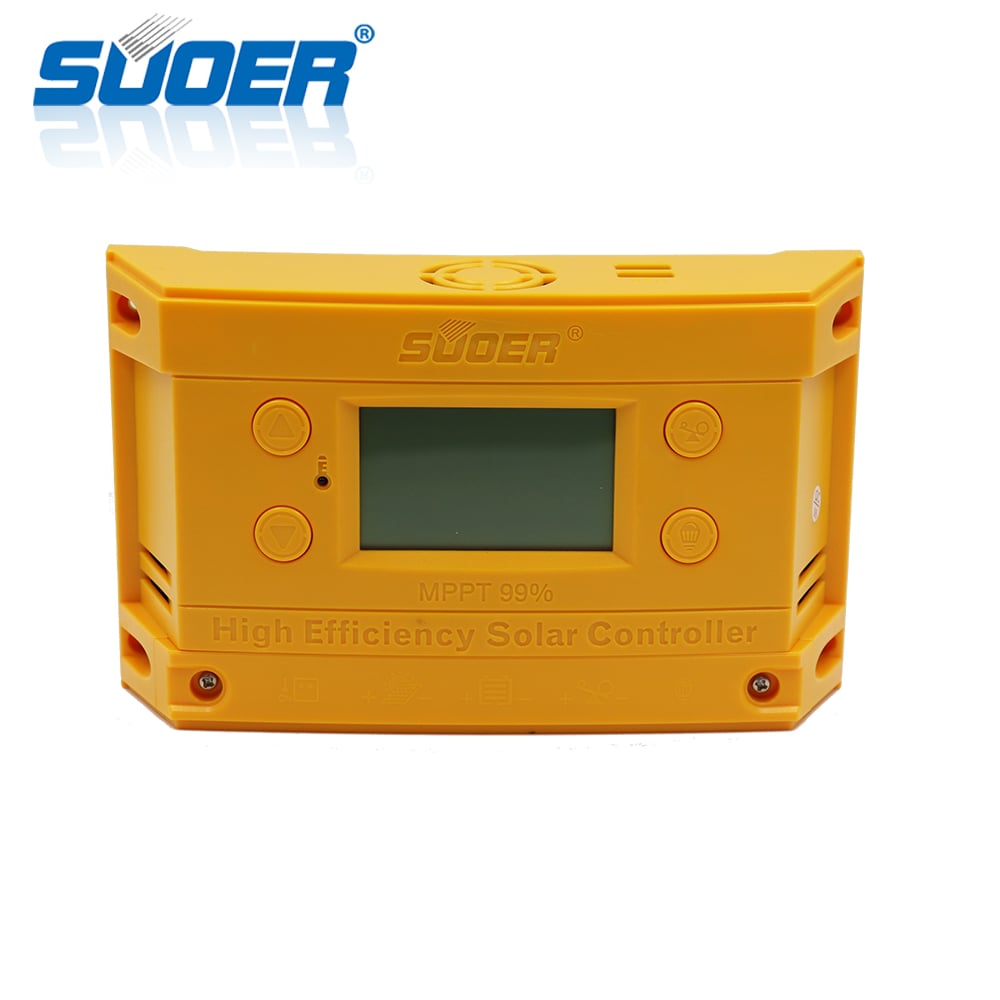
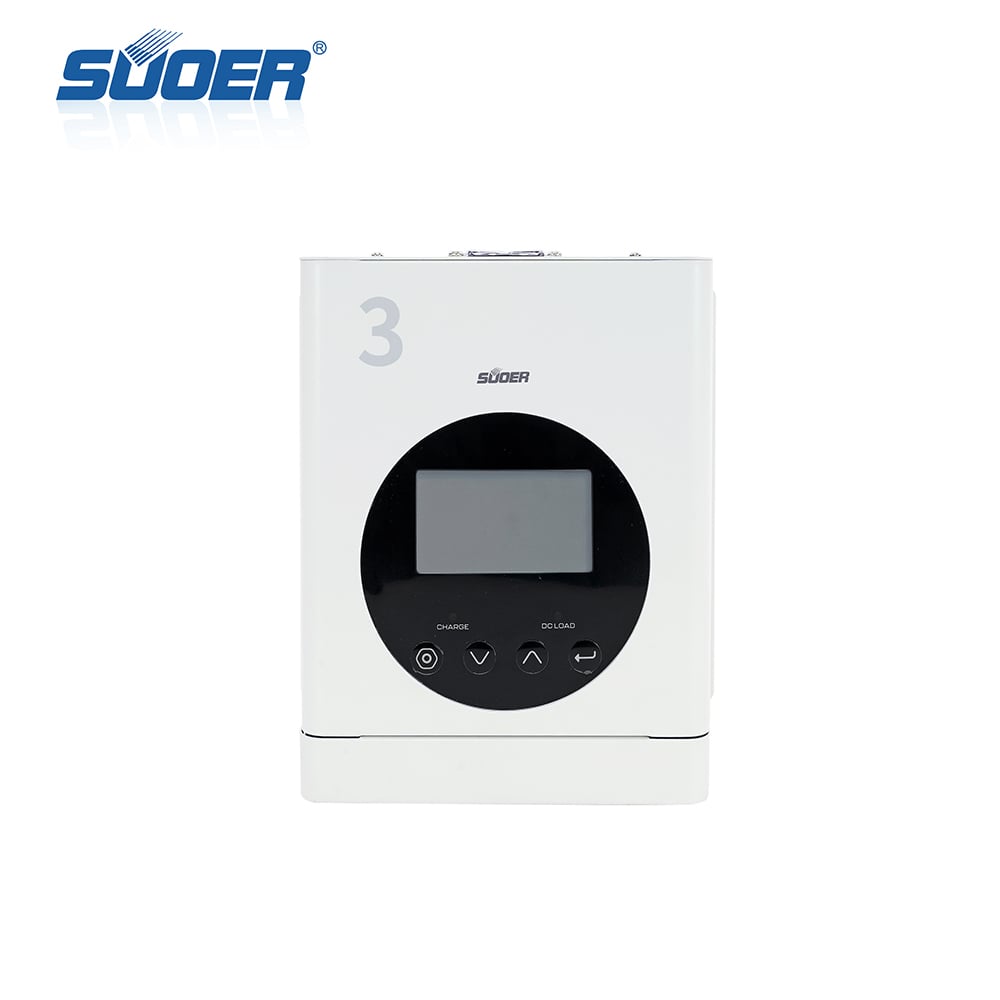
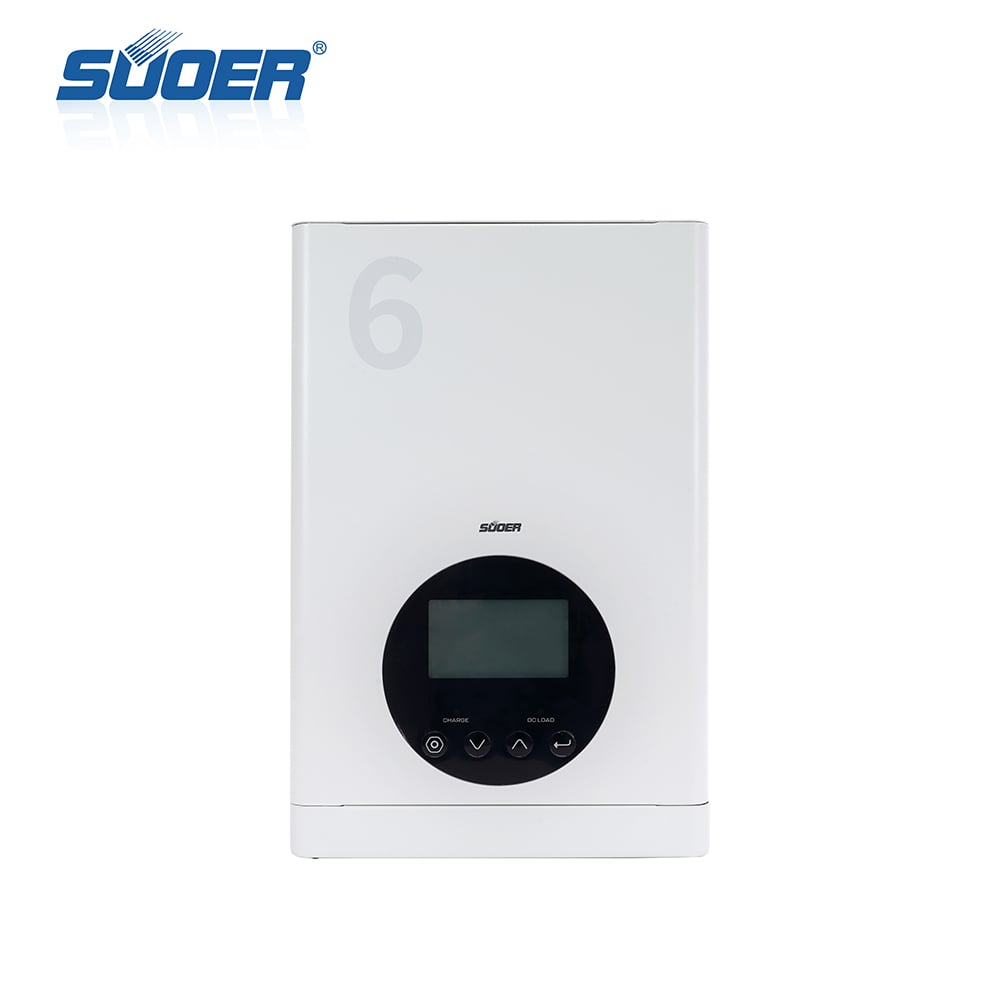
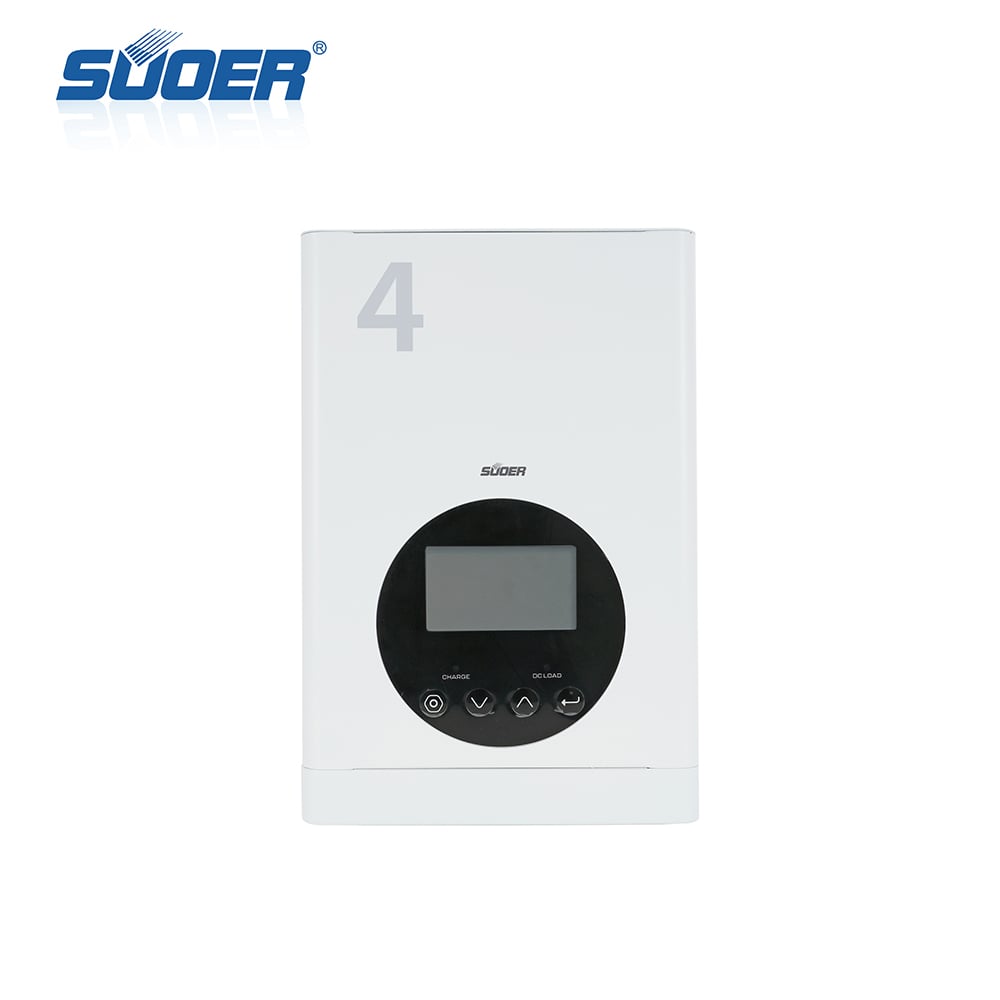
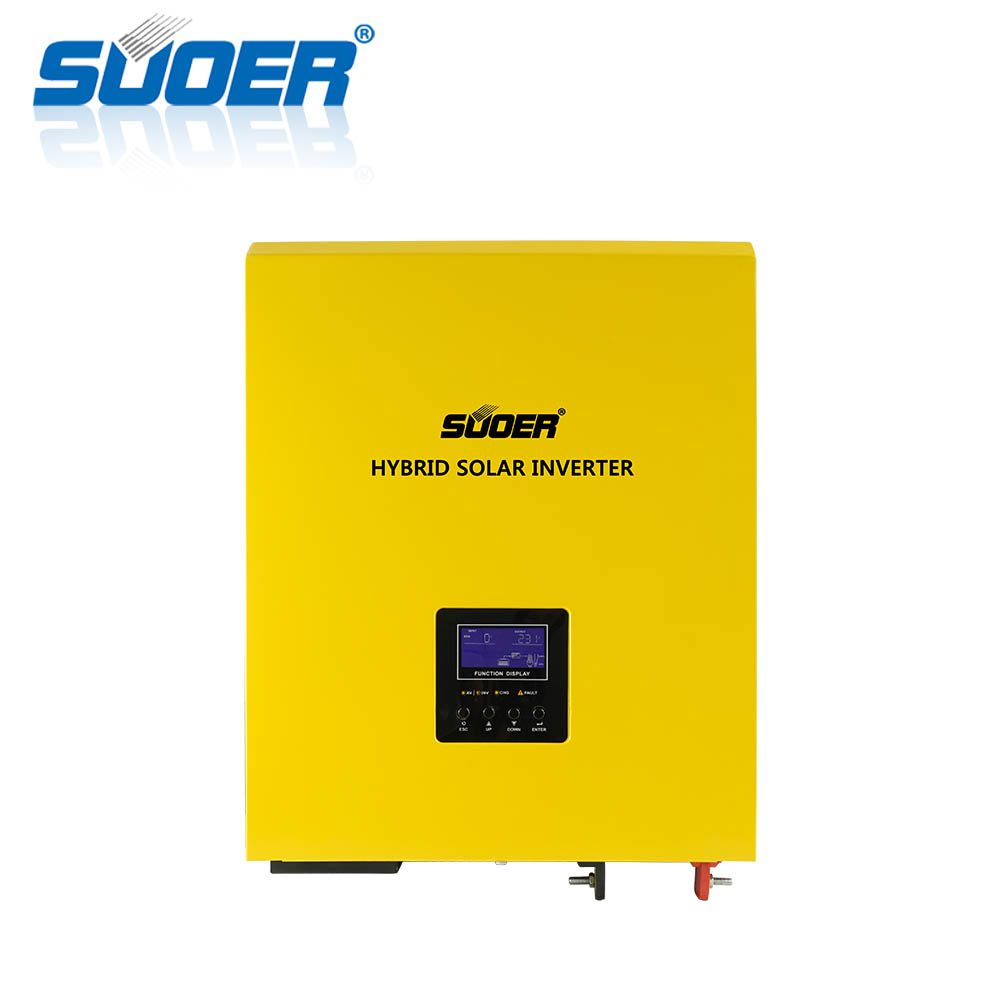
Small MPPT solar charge controllers are vital components in photovoltaic systems, enabling efficient energy management for various applications. As a B2B buyer, you may have concerns about product specifications, quality assurance, and supplier reliability. This article will provide insights into how to choose the right small MPPT solar charge controller for bulk orders, find reliable suppliers, understand quality control measures, explore applications across industries, and highlight key features and benefits.
Selecting the right small MPPT solar charge controller requires careful consideration of several factors. Start by determining the specific requirements of your application, including voltage ratings, current capacity, and efficiency levels. An MPPT (Maximum Power Point Tracking) controller should be chosen based on its capability to optimize solar panel output under varying environmental conditions. For example, consider the New 10.2kw Hybrid Solar Off-Grid Inverter System 10kwh 200ah Lithium Iron Lifepo4 Battery Split Stackable CAN Communication Port for enhanced efficiency.
When evaluating suppliers for bulk orders, ensure they can provide detailed technical specifications, including maximum input voltage, output current, and conversion efficiency. It's also crucial to confirm whether the controllers are compatible with the types of solar panels you plan to use. Look for features like over-voltage protection, short-circuit protection, and temperature compensation, which enhance the controller's reliability in real-world applications.
Buyers should also consider customization options that align with their specific project needs. For instance, if your application requires a unique communication interface or specific housing dimensions, inquire about the manufacturer's ability to accommodate these requests. Lastly, assess the minimum order quantity (MOQ) and lead times to ensure they align with your project timeline.
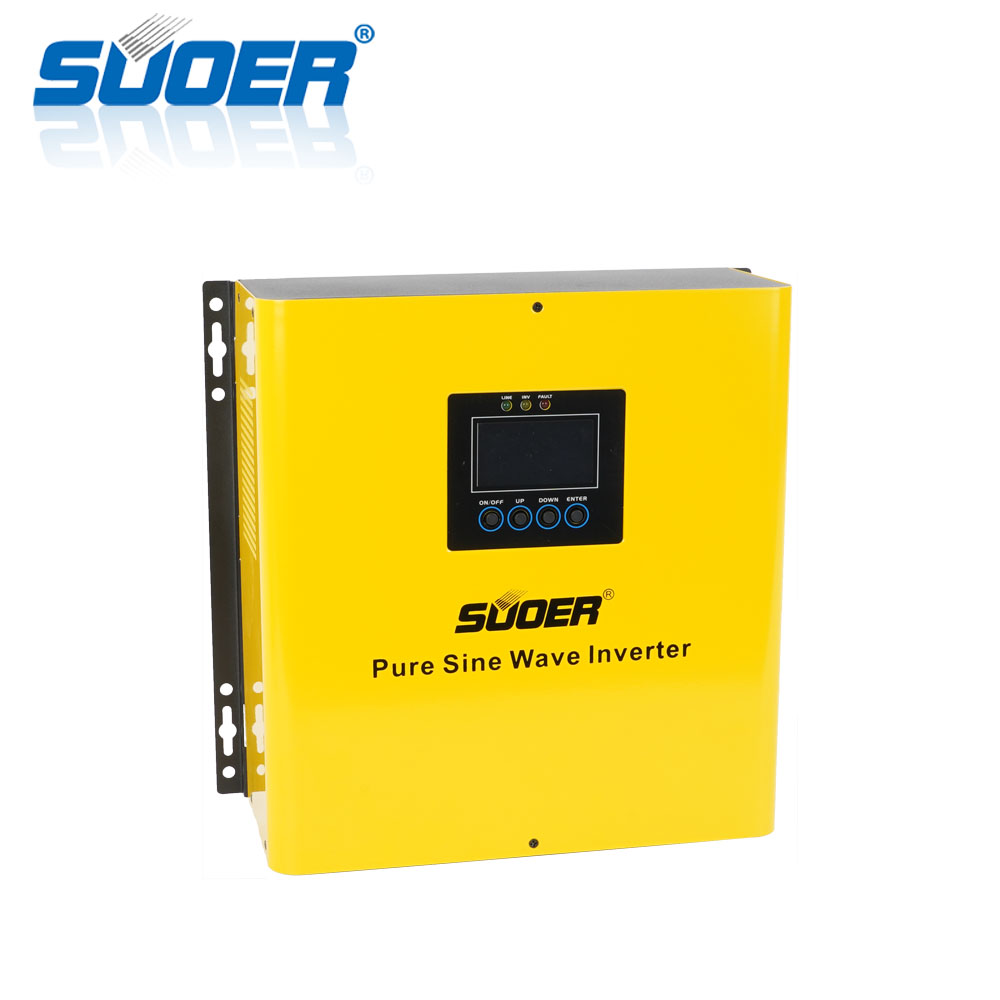
Identifying trustworthy suppliers of small MPPT solar charge controllers involves thorough research and evaluation. Start by exploring industry directories and trade shows, which can connect you with reputable manufacturers and distributors. Online platforms like Alibaba and ThomasNet also provide listings of established suppliers with verified customer reviews.
When assessing potential suppliers, prioritize those with a solid reputation in the new energy sector. Look for certifications such as ROHS, CE, and ISO9001, which indicate compliance with international standards and quality assurance practices. Engaging with suppliers who have experience in the electric vehicle and telecommunications sectors can also provide assurance of their expertise and product reliability.
Requesting samples before placing a bulk order is essential. This allows you to evaluate the controller's performance in real-life conditions and ensures that it meets your specifications. Additionally, open communication regarding technical support and after-sales service is vital; a responsive supplier can help resolve any issues that may arise during installation or operation.
Quality control is paramount in the manufacturing of small MPPT solar charge controllers, as it directly impacts performance and reliability. A robust quality assurance process typically begins with the selection of high-grade materials that meet industry standards. Manufacturers should employ automated production techniques to ensure consistency and reduce human error.
During the production process, various inspections should be conducted, including incoming material checks, in-process inspections, and final performance tests. These measures help identify defects early, preventing issues from arising in the field. It’s advisable to inquire about the manufacturer’s quality control protocols, including testing procedures for efficiency, safety, and durability under various operating conditions.
Furthermore, buyers should confirm that the manufacturer maintains thorough documentation of quality control processes. This includes records of certifications, testing results, and compliance with regulatory standards. A supplier's commitment to quality can significantly impact your project's success and the longevity of the products used.
Small MPPT solar charge controllers find applications across multiple industries due to their efficiency in energy management. In the electric vehicle sector, they are used to optimize charging systems, ensuring that batteries receive the maximum possible charge from solar energy, thus enhancing overall vehicle performance.
In the telecommunications industry, these controllers are critical for powering remote communication stations where grid access may be limited. By efficiently managing solar energy, they help maintain uninterrupted service and reduce operational costs. For instance, consider the 6200W Hybrid Solar Off-Grid Inverter System 10kwh Lithium Iron Lifepo4 Battery Split Stackable CAN Communication for such applications.
Additionally, small MPPT solar charge controllers are increasingly used in residential and commercial solar installations. They contribute to maximizing energy harvest, which is particularly important in regions with variable sunlight. Their versatility makes them suitable for a wide range of applications, from off-grid solar systems to integrated renewable energy solutions in smart buildings.
When selecting small MPPT solar charge controllers, it’s essential to understand the features and benefits they offer. Key features include high conversion efficiency, typically above 95%, which ensures that the maximum amount of solar energy is converted into usable power. This efficiency translates into better performance and reduced energy costs over time.
Other valuable features include advanced monitoring capabilities, allowing users to track performance metrics in real-time. This can be particularly beneficial for maintenance and troubleshooting, as it provides insights into system efficiency and potential issues.
Moreover, built-in protections against overcharging, over-discharging, and short circuits enhance the longevity and safety of the connected battery systems. The compact size and lightweight design of many small MPPT solar charge controllers also facilitate easy installation, making them ideal for various applications.
In summary, the right small MPPT solar charge controller can significantly enhance the efficiency and reliability of solar power systems across different industries. By understanding the selection criteria, sourcing reliable suppliers, ensuring quality control, and recognizing the applications and benefits, B2B buyers can make informed purchasing decisions that align with their project requirements.

Discover Suoer’s premium range of solar inverters and power inverters designed for reliable renewable energy solutions.Trusted by customers worldwide for exceptional performance and durability.
Suoer Industrial Zone, Ercun Road Section, Yanfeng Avenue, Shishan Town,Foshan city,Guangdong Province,China
Copyright © 2024 Foshan Suoer Electronic Industry Co., Ltd. Privacy Policy - Blog

 EN
 AR
 NL
 FR
 DE
 EL
 IT
 JA
 KO
 PT
 RU
 ES
 VI
 TH
 TR
 BG
 HR
 CS
 NO
 PL
 TL
 ID
 SR
 UK
 SQ
 HU
 MT
 AF
 MS
 IS
 HY
 AZ
 BN
 BS
 GU
 LO
 LA
 MN
 NE
 TA