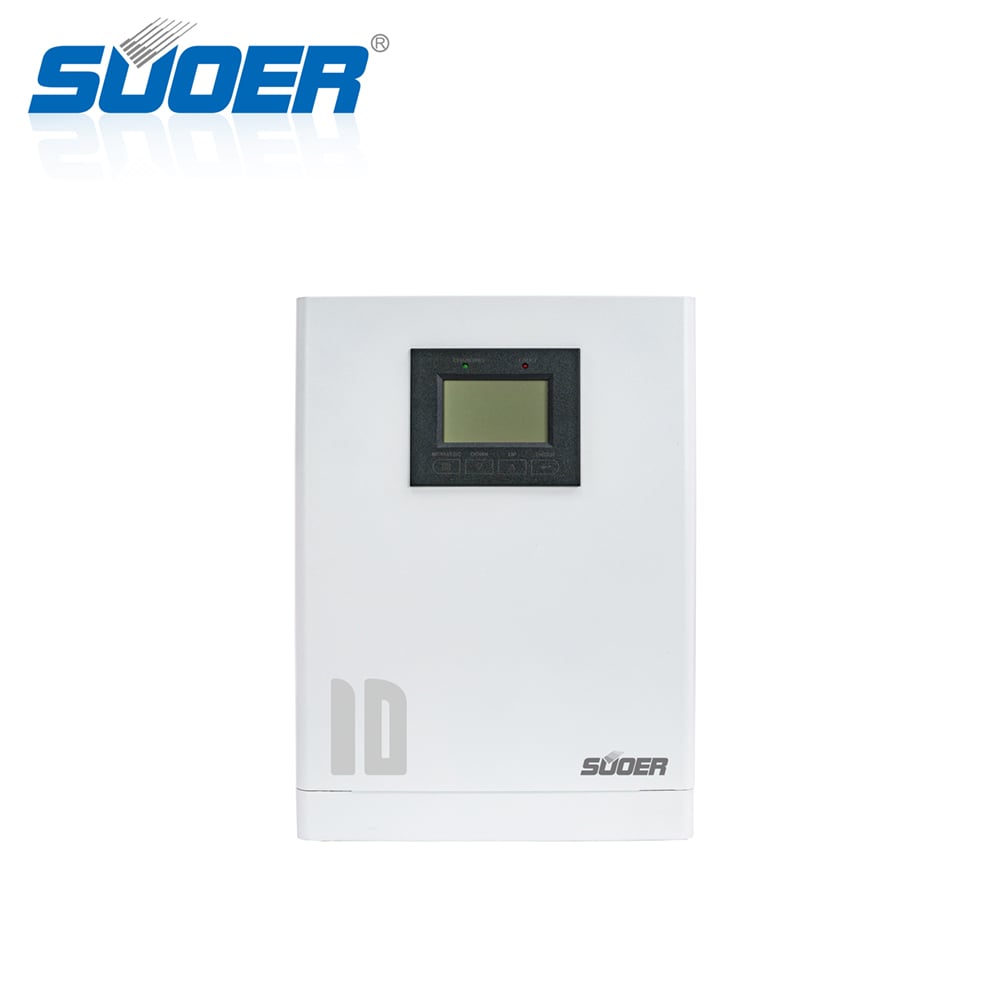
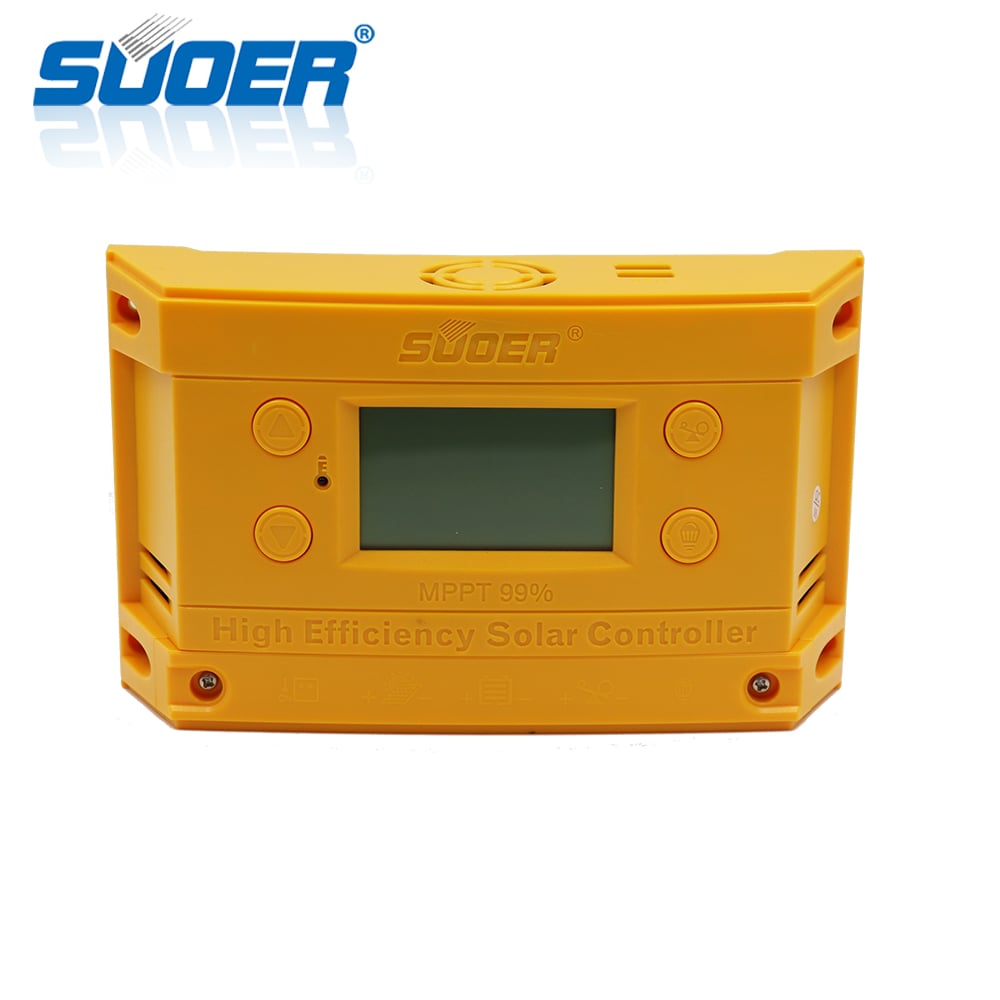
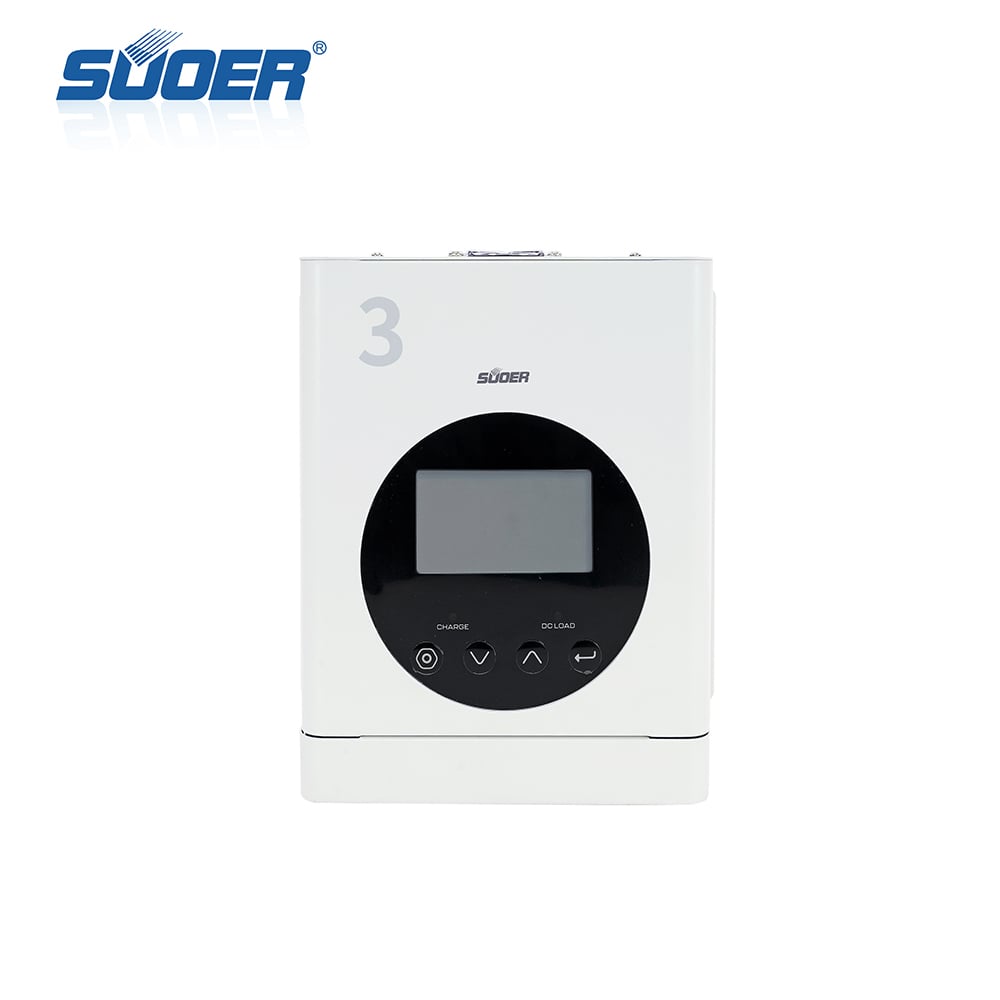
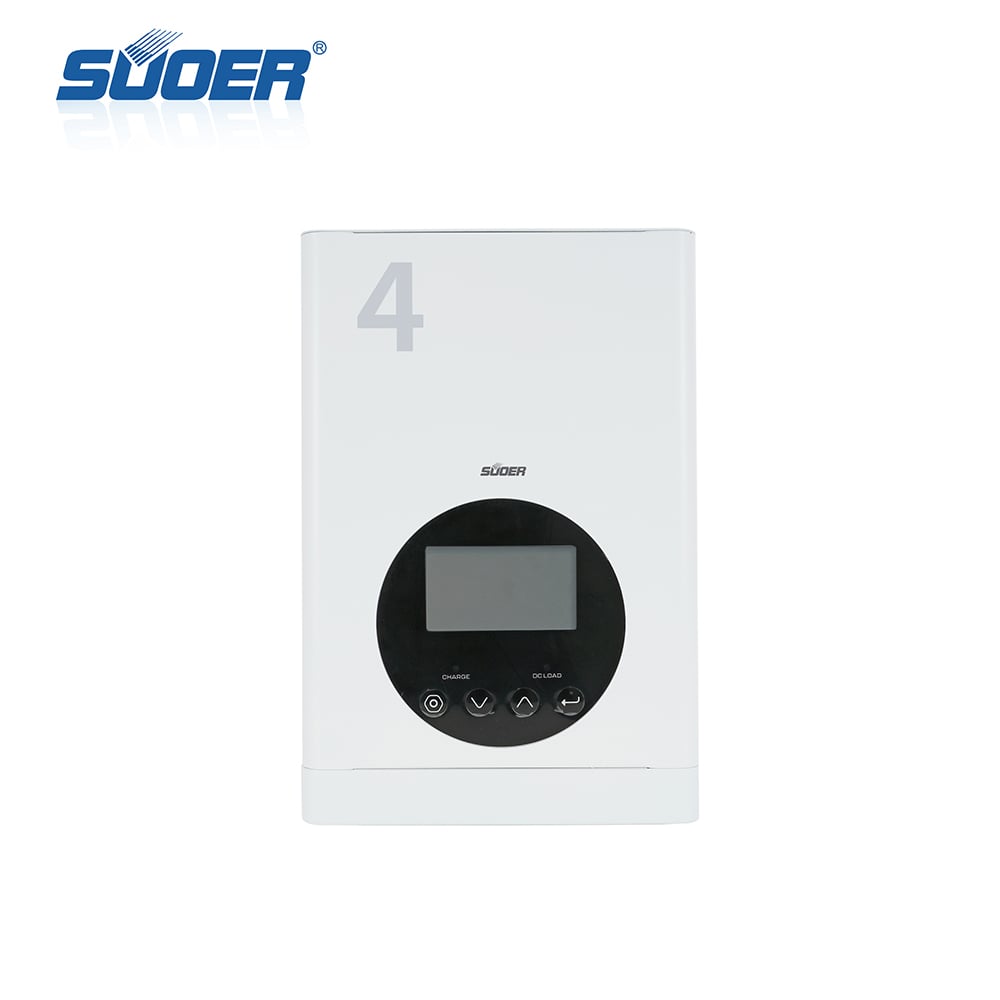
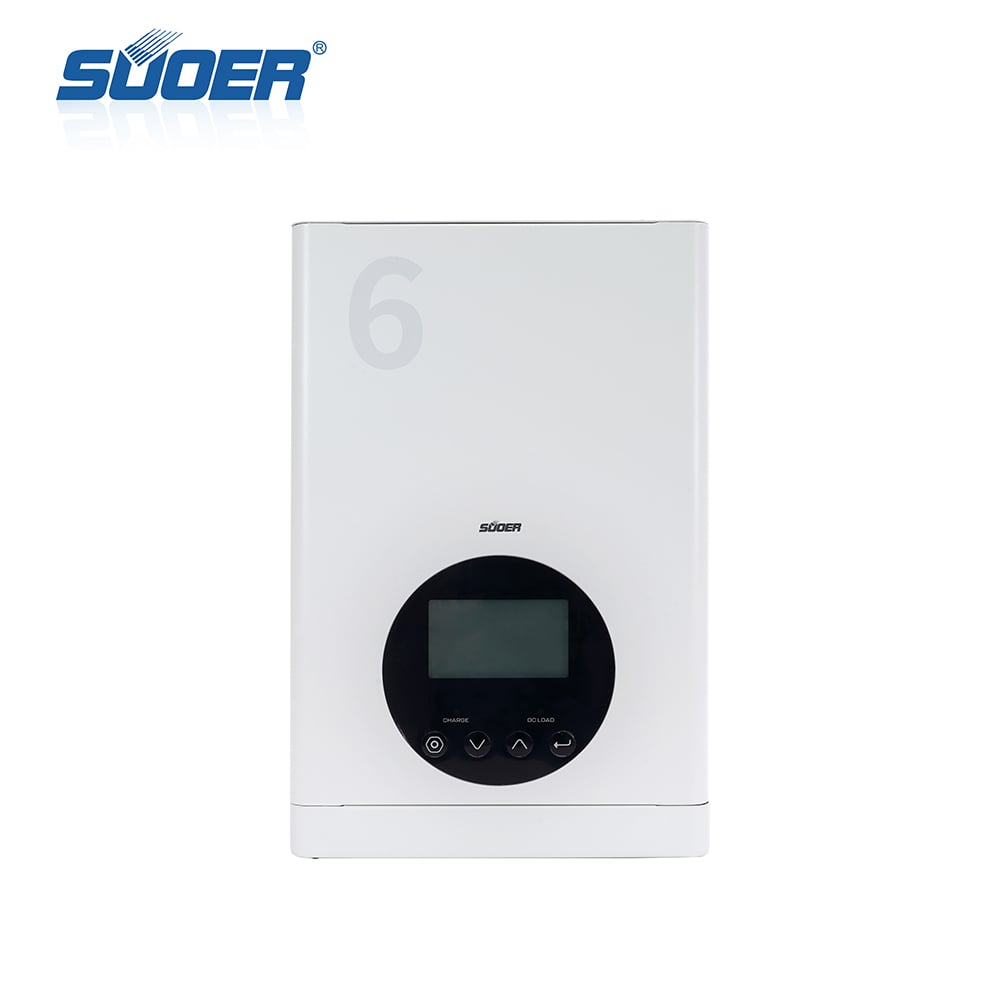
Small MPPT charge controllers are vital components in optimizing the performance of photovoltaic (PV) systems, particularly in electric vehicles and various industrial applications. These devices ensure that solar panels operate efficiently by regulating the charging of batteries, maximizing energy harvest, and protecting against overcharging. For purchasing managers and engineers, understanding the quality, sourcing, installation, and applications of small MPPT charge controllers is critical. This article will provide insights into evaluating these controllers for wholesale, sourcing reliable options, addressing common installation issues, exploring their applications, and comparing different models for specific projects.
When assessing small MPPT charge controllers for wholesale, several quality indicators should be prioritized. First, certifications such as ROHS, CE, and ISO9001 are essential as they ensure compliance with international safety and quality standards, which is particularly crucial when integrating these components into larger systems, such as electric vehicles or photovoltaic setups. Additionally, it is important to consider reliable options like the New 12kw Hybrid Solar Off-Grid Inverter System 15kwh 300ah Lithium Iron Lifepo4 Battery for enhanced performance.
Next, examine the technical specifications. Key specifications include the maximum input voltage and current, efficiency ratings, and thermal management capabilities. A high-efficiency rating (above 95%) is vital for maximizing energy conversion from solar panels, directly impacting the performance of the entire system. Additionally, consider the materials used in manufacturing—durable components can withstand varying environmental conditions and contribute to the longevity of the controller.
Quality control processes during production are also critical. A reputable manufacturer will have a stringent quality assurance system in place, including regular testing of samples and adherence to production protocols to minimize defects. It’s advisable to request data sheets and quality reports to verify the manufacturing standards.
Sourcing reliable small MPPT charge controllers in bulk involves evaluating potential suppliers based on their manufacturing capabilities and product range. Start by identifying manufacturers who specialize in the new energy sector and have experience supplying to major vehicle OEMs or sectors like telecommunications and rail transit. This experience often correlates with product reliability and performance.
Trade shows and industry exhibitions are excellent venues for meeting manufacturers face-to-face, allowing buyers to assess product quality firsthand and discuss custom requirements. Online platforms, including B2B marketplaces, can also provide access to multiple suppliers, enabling side-by-side comparisons of specifications and pricing.
When reaching out for quotes, provide detailed requirements, including desired specifications, estimated volumes, and any customization needs. This information will help suppliers tailor their proposals and ensure you receive products that meet your exact needs.
Installing small MPPT charge controllers can pose challenges that, if not addressed, may lead to suboptimal system performance. One common issue is incorrect wiring connections. This can cause operational failures, so it's crucial to follow the manufacturer's installation guidelines strictly. Utilizing labeled diagrams can help ensure that connections are made correctly.
Another frequent problem is thermal management. Small MPPT charge controllers can generate heat during operation, and insufficient ventilation can lead to overheating, which may damage the unit. To mitigate this, ensure that the installation location allows for adequate airflow, or consider using heat sinks or fans if necessary. Furthermore, the VMS-V-4.2k-24-H Suoer New mppt pure sine wave inverter is an excellent option for better thermal management.
Additionally, check for compatibility with the battery and solar panel specifications. Mismatched voltage or current ratings can lead to inefficient charging or even equipment failure. Always confirm that the charge controller's specifications align with the components of your system.
Small MPPT charge controllers have diverse applications across multiple industries. In the electric vehicle sector, they manage battery charging from solar panels, enhancing the vehicle's energy efficiency and extending battery life. This is particularly beneficial in applications where vehicles are often parked in sunny locations, allowing them to harness solar energy effectively.
In telecommunications, these controllers ensure uninterrupted power supply to remote communication stations that rely on solar energy, improving reliability in areas without grid access. The rail transit sector also utilizes MPPT charge controllers to optimize energy use in trains and associated infrastructure, contributing to sustainable operations.
Additionally, in residential and commercial solar PV systems, small MPPT charge controllers improve overall energy yield, making solar installations more economically viable. Their versatility makes them suitable for both small-scale residential setups and large-scale commercial applications.
When comparing different models of small MPPT charge controllers for specific projects, several factors should be considered to make an informed decision. Begin with the controller's input voltage range and current handling capabilities. Ensure that these specifications align with your solar panel system to avoid performance issues.
Efficiency ratings are another critical comparison point. Controllers with higher efficiency will convert more solar energy into usable power, which is especially important for projects requiring maximum energy output. Look for models with efficiency ratings exceeding 95% to ensure optimal performance.
Additionally, consider the controller's size and form factor, especially if space is limited in your project. Some models offer compact designs without sacrificing performance, which can be advantageous in tight installations.
Lastly, evaluate the support and documentation provided by the manufacturer. Comprehensive user manuals, installation guides, and responsive customer service can significantly ease the integration process and provide essential troubleshooting assistance.
By taking these factors into account, you can select the most suitable small MPPT charge controller model to meet your project's specific needs and ensure long-term operational efficiency.

Discover Suoer’s premium range of solar inverters and power inverters designed for reliable renewable energy solutions.Trusted by customers worldwide for exceptional performance and durability.
Suoer Industrial Zone, Ercun Road Section, Yanfeng Avenue, Shishan Town,Foshan city,Guangdong Province,China
Copyright © 2024 Foshan Suoer Electronic Industry Co., Ltd. Privacy Policy - Blog

 EN
 AR
 NL
 FR
 DE
 EL
 IT
 JA
 KO
 PT
 RU
 ES
 VI
 TH
 TR
 BG
 HR
 CS
 NO
 PL
 TL
 ID
 SR
 UK
 SQ
 HU
 MT
 AF
 MS
 IS
 HY
 AZ
 BN
 BS
 GU
 LO
 LA
 MN
 NE
 TA