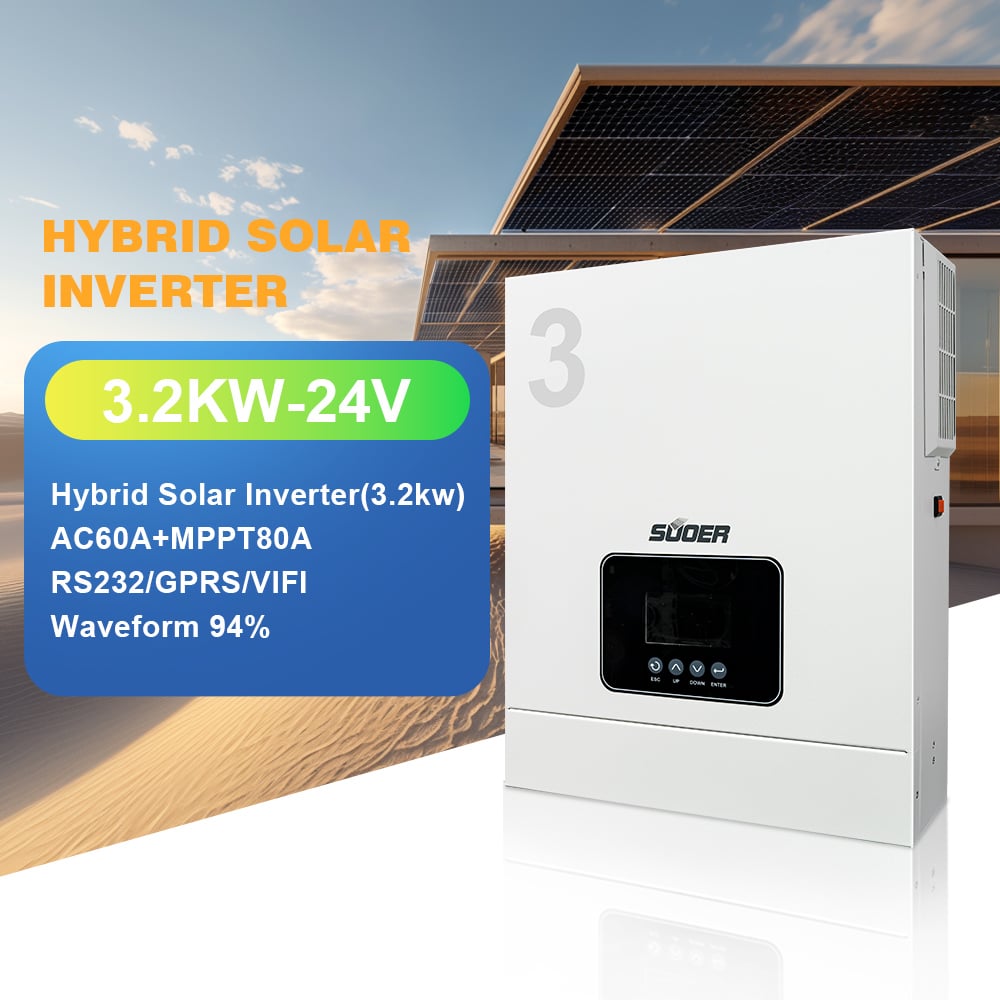
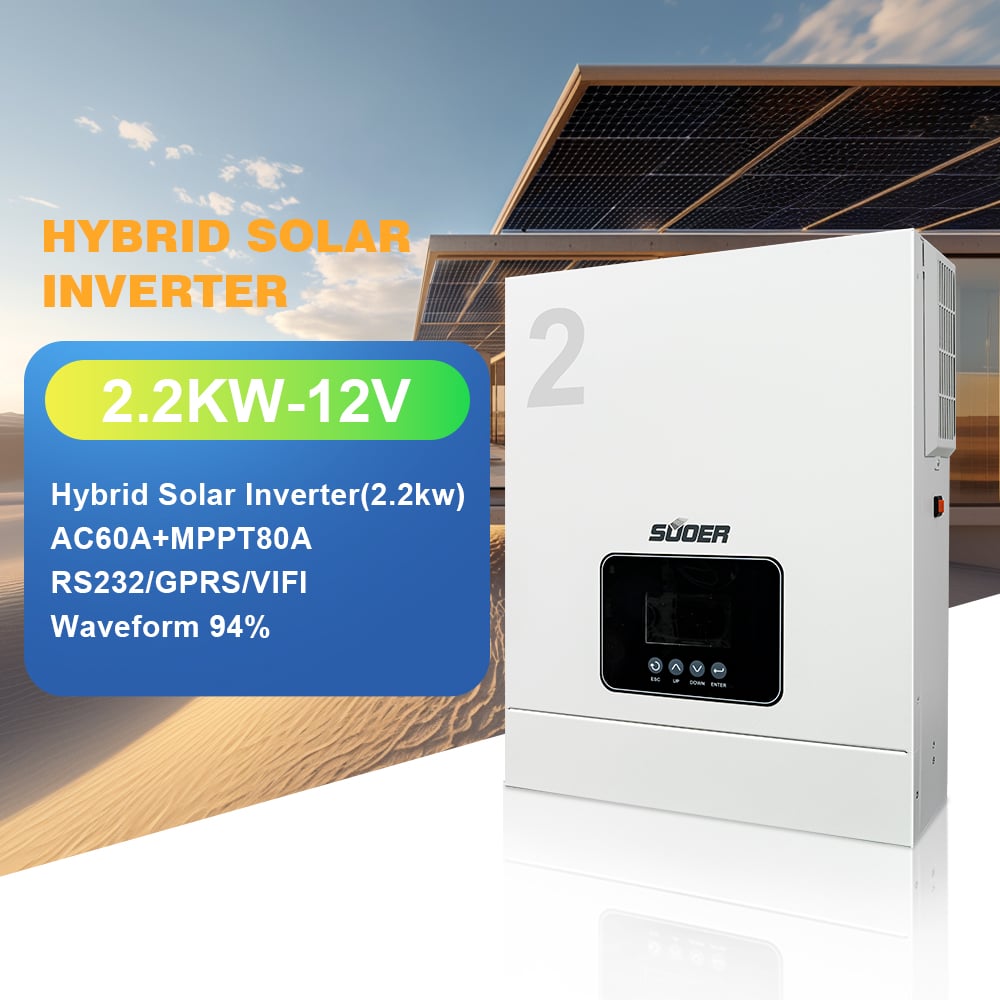
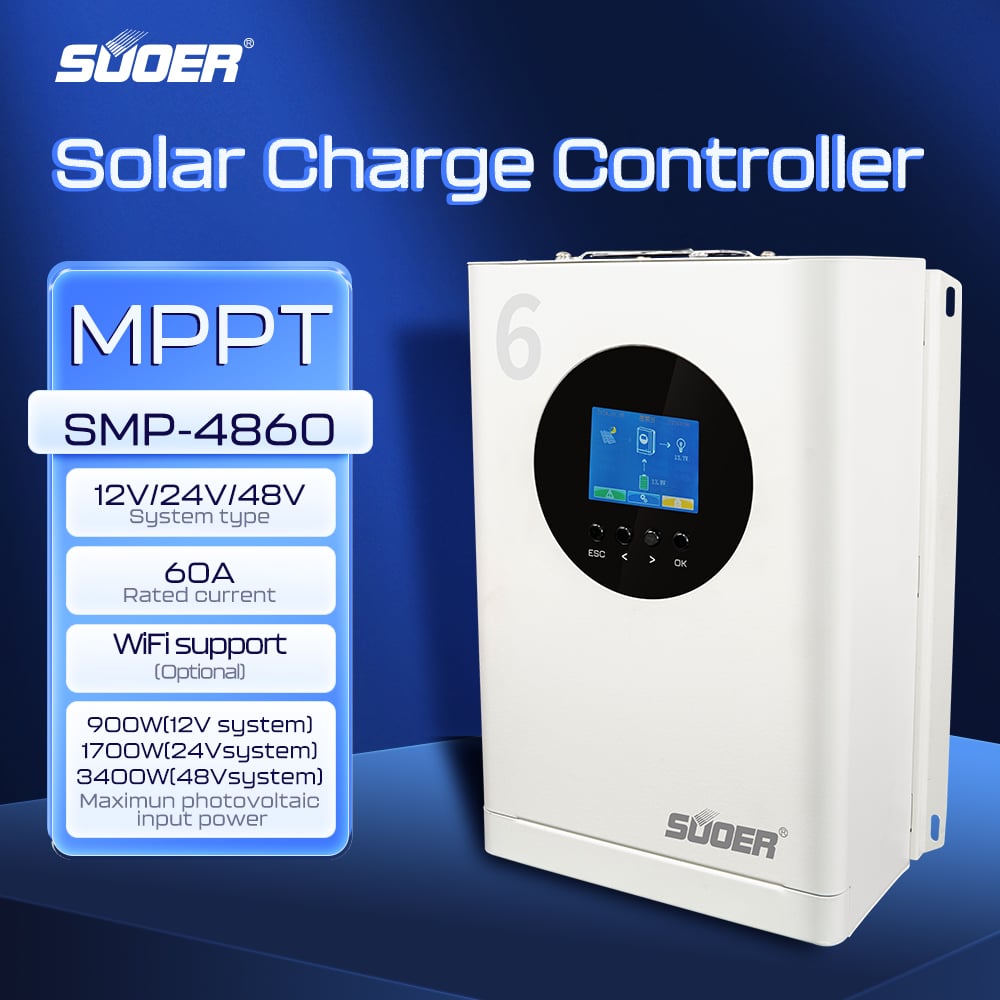
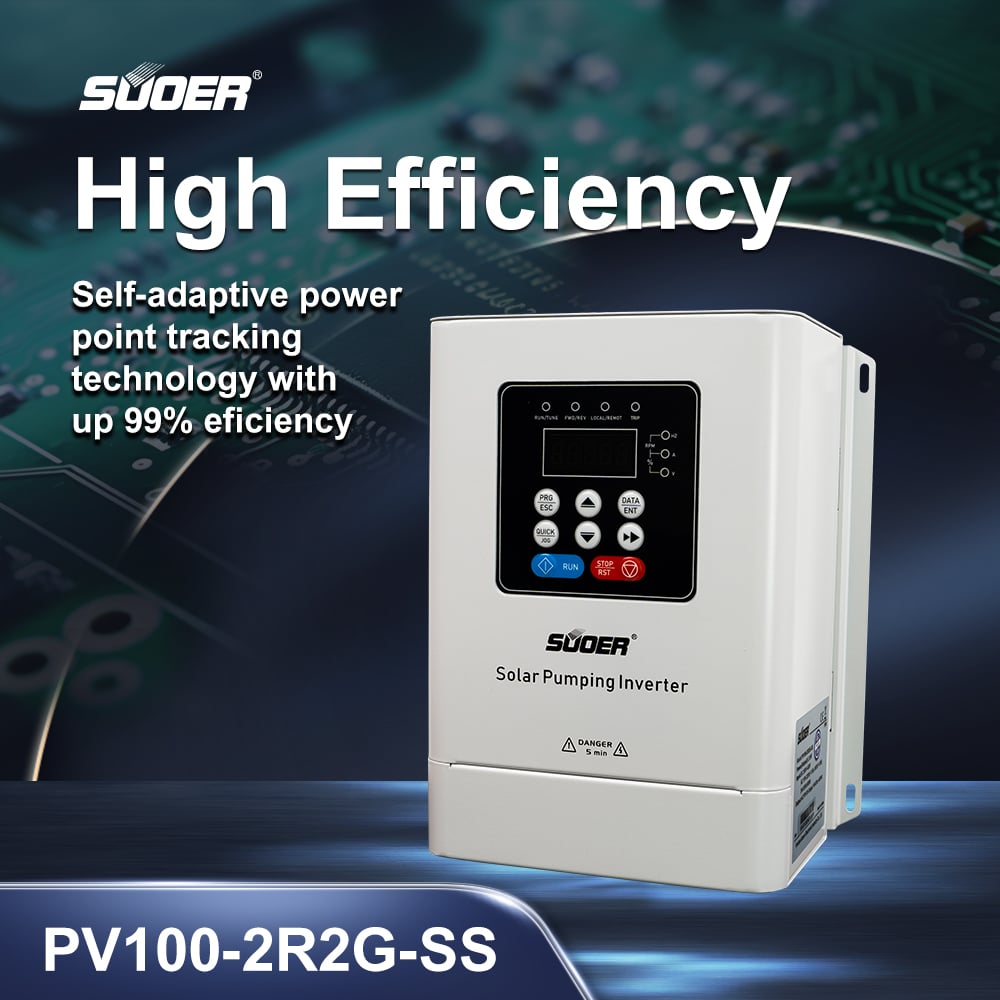
The MPPT 12V solar charge controller is an essential component for optimizing solar energy systems, ensuring that the maximum amount of energy generated by solar panels is effectively captured and utilized. For B2B buyers, particularly purchasing managers and engineers, understanding the specifications, installation challenges, and application suitability of these controllers is crucial. This article will address key specifications, provide a buyer's guide, highlight common installation problems, outline cost factors, and discuss ideal applications in various industrial sectors
When evaluating 12V MPPT solar charge controllers, several critical specifications should be considered
Input Voltage Range: This indicates the range of voltages the controller can accept from the solar panels. A wider range allows for more flexibility in system design. Ensure that the selected controller can handle the maximum open-circuit voltage of your solar panels
Maximum Output Current: This specification defines the maximum current the controller can deliver to the battery. It's essential to select a controller that matches or exceeds the current requirements of your battery system to prevent overloading
Efficiency Rating: MPPT controllers are designed to maximize energy harvest from solar panels. Look for controllers with efficiency ratings above 95% to ensure optimal performance. Higher efficiency means less energy loss during the conversion process
Protection Features: Robust controllers come equipped with various protective measures, including over-voltage protection, over-current protection, and reverse polarity protection. These features are vital for maintaining system integrity and prolonging equipment lifespan
Communication Interfaces: Many modern controllers feature communication ports such as RS-232, USB, or Bluetooth, allowing for easy monitoring and configuration. This can be particularly useful for remote installations or for integrating with energy management systems
Certifications: Ensure that the controller has relevant certifications such as ROHS, CE, and ISO9001, which indicate compliance with safety and quality standards
When sourcing a 12V MPPT solar charge controller, buyers should follow a structured approach
Define Application Requirements: Clearly outline the specific needs of your solar power system, including the type of solar panels, battery specifications, and the load requirements. This will help in selecting the right controller model
Request Detailed Specifications: When contacting suppliers, provide comprehensive details about your system, including expected voltage, current, and environmental conditions. This enables manufacturers to recommend the most suitable controllers
Evaluate Customization Options: Discuss potential customization needs based on your specific application. Some manufacturers may offer tailored solutions that can enhance performance or integrate with existing systems
Compare Pricing: Request quotations from multiple suppliers, ensuring that you compare similar models and specifications. Consider not only the unit price but also the total cost of ownership, including installation and maintenance
Check References and Reviews: Investigate the reputation of the manufacturer by looking for client testimonials or case studies. This can provide insight into product performance and customer service
Sample Testing: Before finalizing a large order, request samples for testing under actual operating conditions. This helps validate the controller's suitability for your specific requirements
Installation of 12V MPPT solar charge controllers can present several challenges
Wiring Errors: Incorrect wiring can lead to system failures or damage. It is crucial to follow wiring diagrams closely and double-check connections to avoid reverse polarity or short circuits
Inadequate Ventilation: MPPT controllers can generate heat during operation. Ensure that the installation environment allows for proper ventilation to prevent overheating, which can lead to reduced efficiency or failure
Improper Sizing: Choosing a controller that is not adequately sized for your system can result in underperformance or overload issues. Always calculate the necessary specifications based on the entire system’s requirements
Environmental Factors: Extreme temperatures, humidity, or exposure to dust can affect performance. Select controllers designed for specific environmental conditions, and consider protective enclosures if necessary
Firmware Updates: Some controllers may require firmware updates to function optimally or to fix bugs. Ensure that the installation process includes steps for checking and updating firmware
The cost of 12V MPPT solar charge controllers can vary significantly based on several factors
Specifications and Features: Higher efficiency ratings, advanced communication features, and additional protection mechanisms typically increase the cost. Assess whether these features align with your application needs
Production Volume: Bulk purchasing can reduce the unit price. However, consider your actual requirements and the minimum order quantities (MOQ) set by manufacturers
Customization Needs: Custom designs or specific features tailored to your application may incur additional costs. Discuss customization options early in the sourcing process to understand the implications on pricing
Supplier Reputation: Established manufacturers with a proven track record may charge more due to higher quality assurance and reliability. Consider long-term benefits when evaluating costs
Shipping and Import Fees: Depending on the supplier's location, shipping costs and potential import duties can impact the overall price. Factor these into your total cost when comparing suppliers
12V MPPT solar charge controllers are versatile and can be effectively used in various industrial applications
Electric Vehicles: In electric vehicle charging stations, MPPT controllers optimize solar power usage, reducing dependency on the grid and enhancing sustainability
Telecommunications: For remote telecom installations, solar systems equipped with MPPT controllers ensure reliable power supply, even in off-grid locations where traditional energy sources are unavailable
Rail Transit: Solar panels paired with MPPT controllers can provide auxiliary power for signaling and communication systems in rail networks, ensuring uninterrupted service
Industrial Automation: In manufacturing settings, these controllers can support solar-powered machinery, improving energy efficiency and reducing operational costs
Remote Monitoring Systems: Solar charge controllers are ideal for powering remote sensors and monitoring devices, making them essential in applications like environmental monitoring or smart agriculture
By understanding the specifications, installation challenges, cost factors, and applications of 12V MPTT solar charge controllers, B2B buyers can make informed decisions that align with their operational needs and strategic goals

Discover Suoer’s premium range of solar inverters and power inverters designed for reliable renewable energy solutions.Trusted by customers worldwide for exceptional performance and durability.
Suoer Industrial Zone, Ercun Road Section, Yanfeng Avenue, Shishan Town,Foshan city,Guangdong Province,China
Copyright © 2024 Foshan Suoer Electronic Industry Co., Ltd. Privacy Policy - Blog

 EN
 AR
 NL
 FR
 DE
 EL
 IT
 JA
 KO
 PT
 RU
 ES
 VI
 TH
 TR
 BG
 HR
 CS
 NO
 PL
 TL
 ID
 SR
 UK
 SQ
 HU
 MT
 AF
 MS
 IS
 HY
 AZ
 BN
 BS
 GU
 LO
 LA
 MN
 NE
 TA