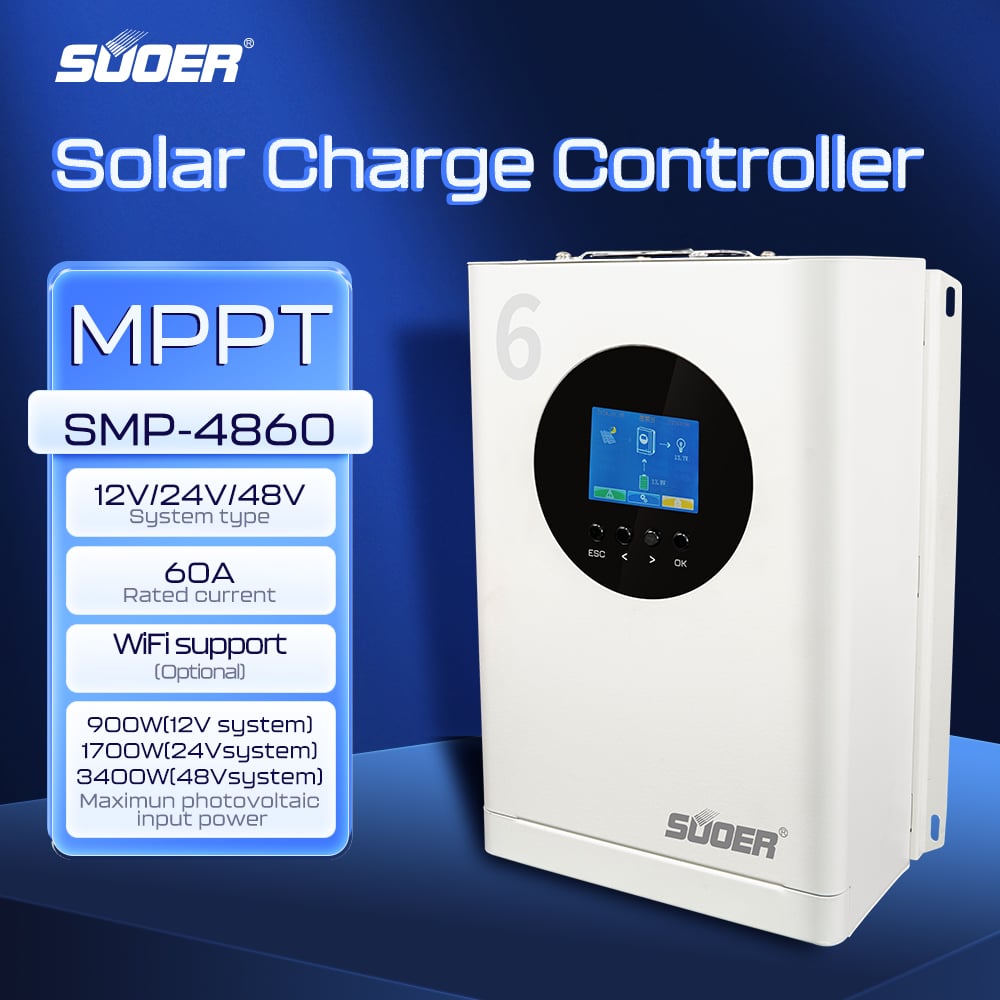
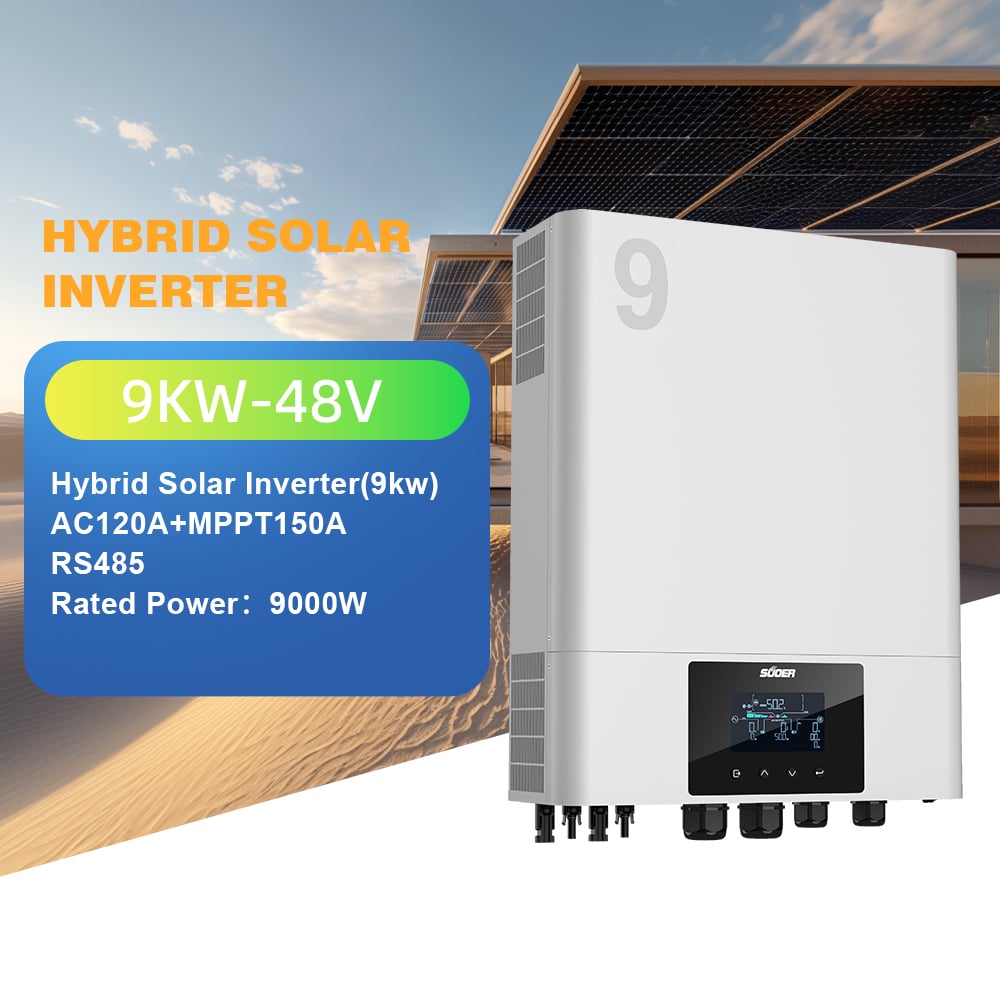
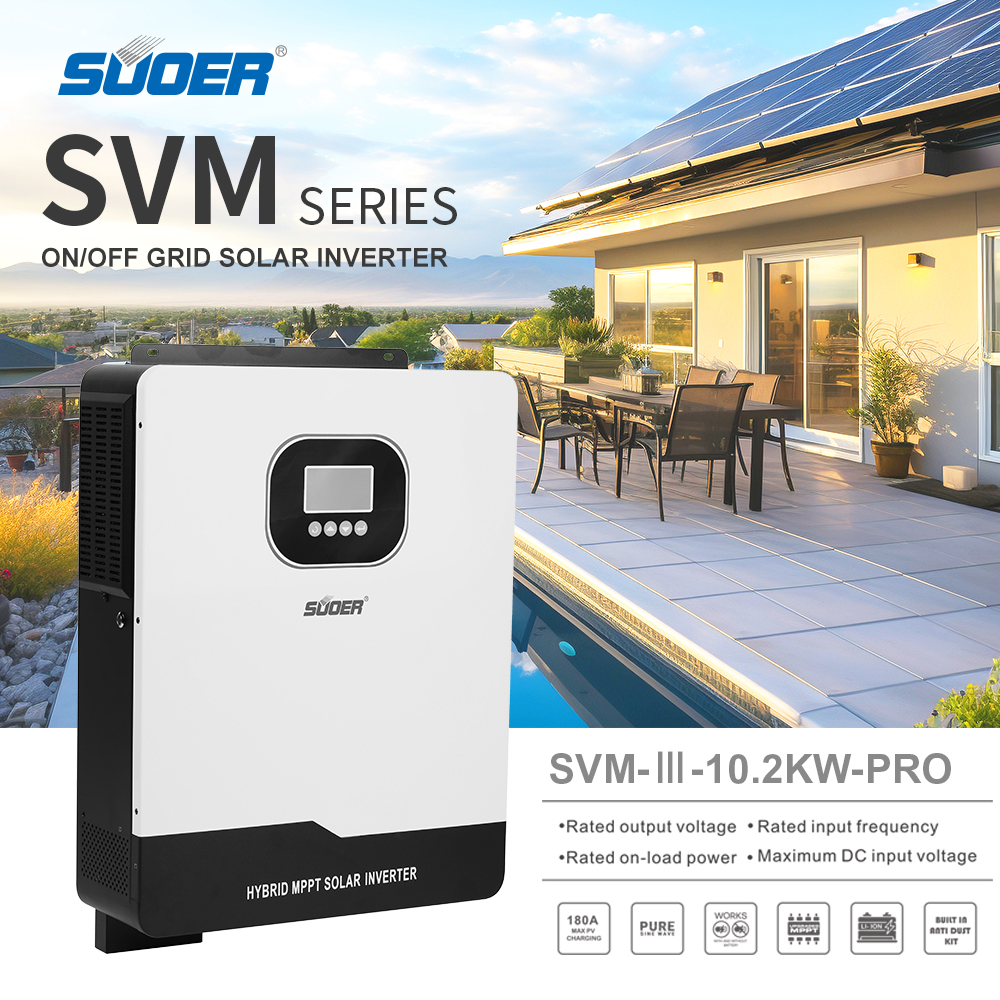
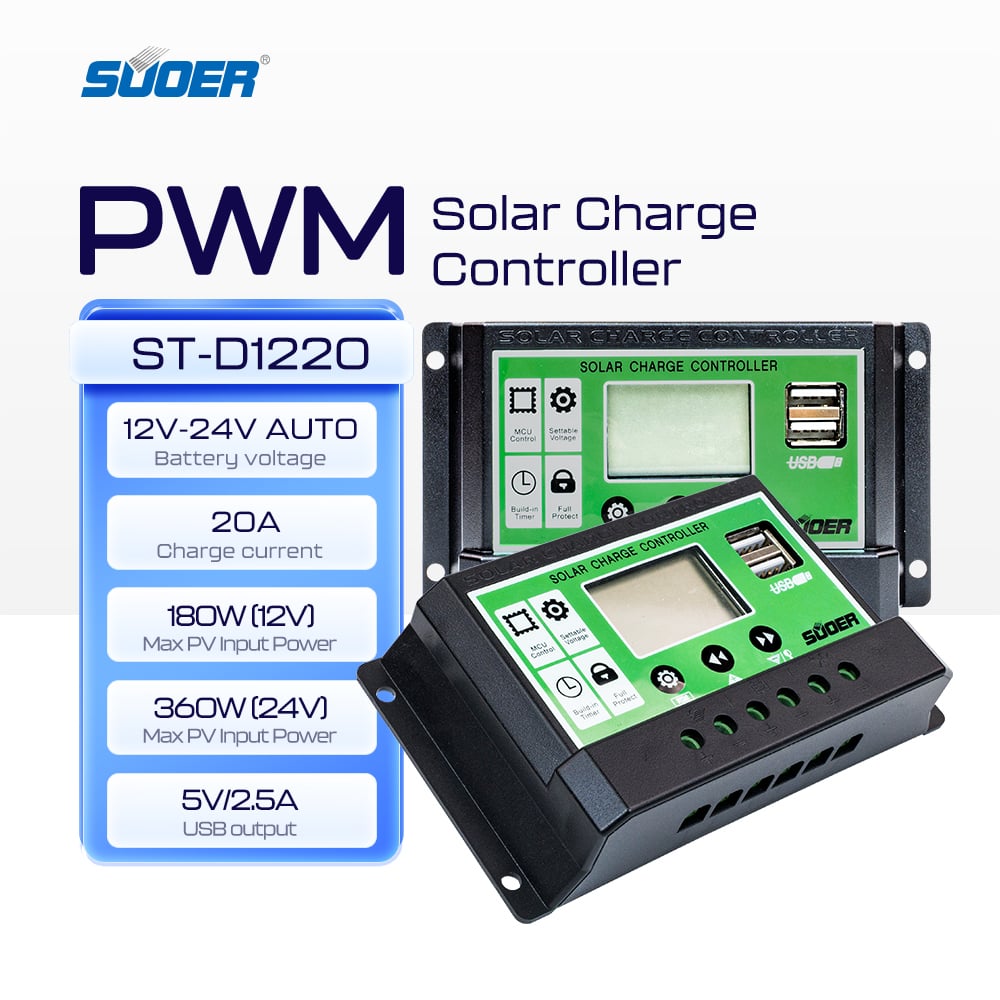
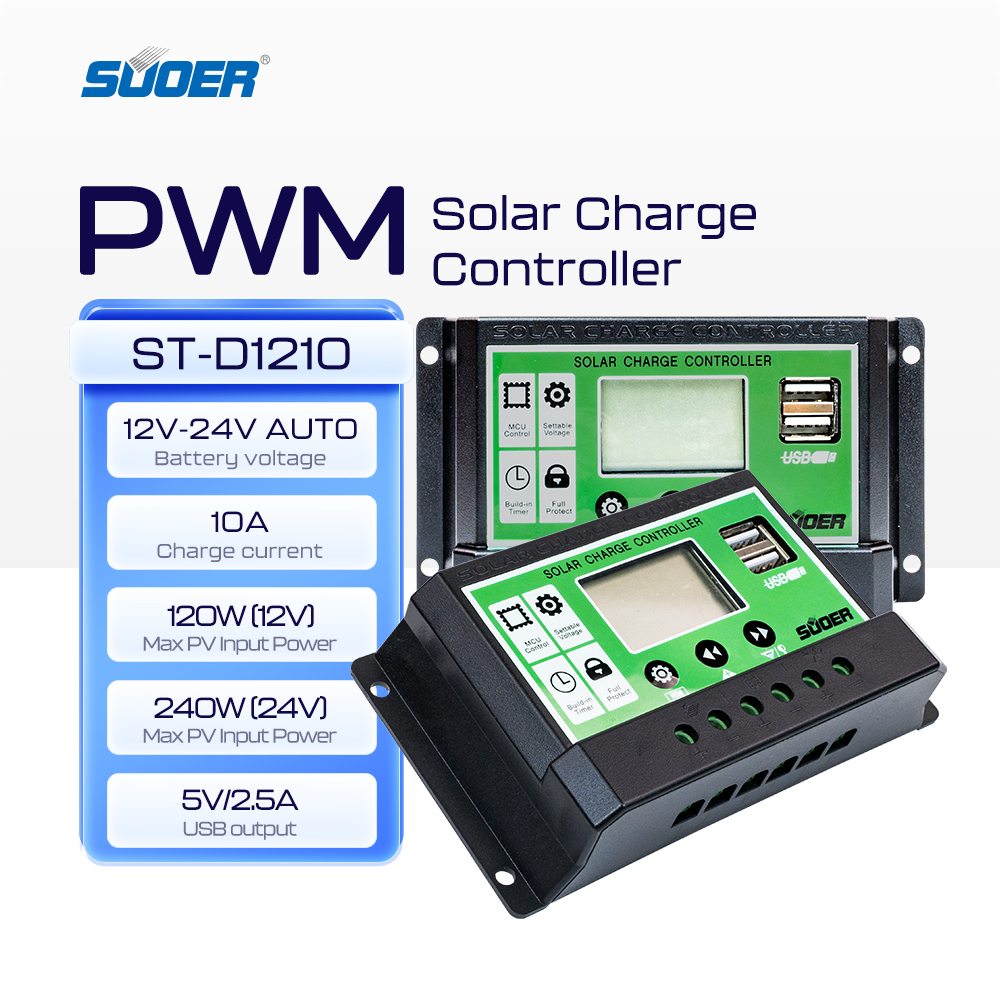
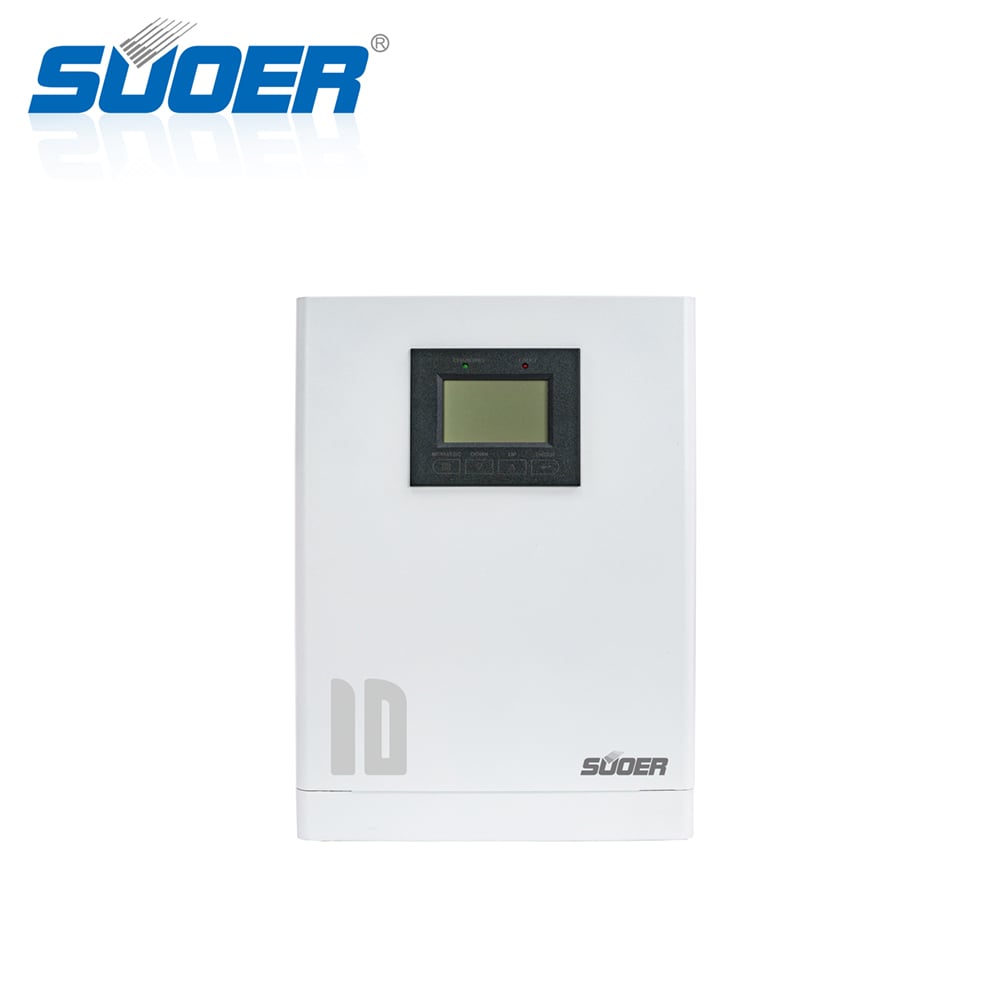
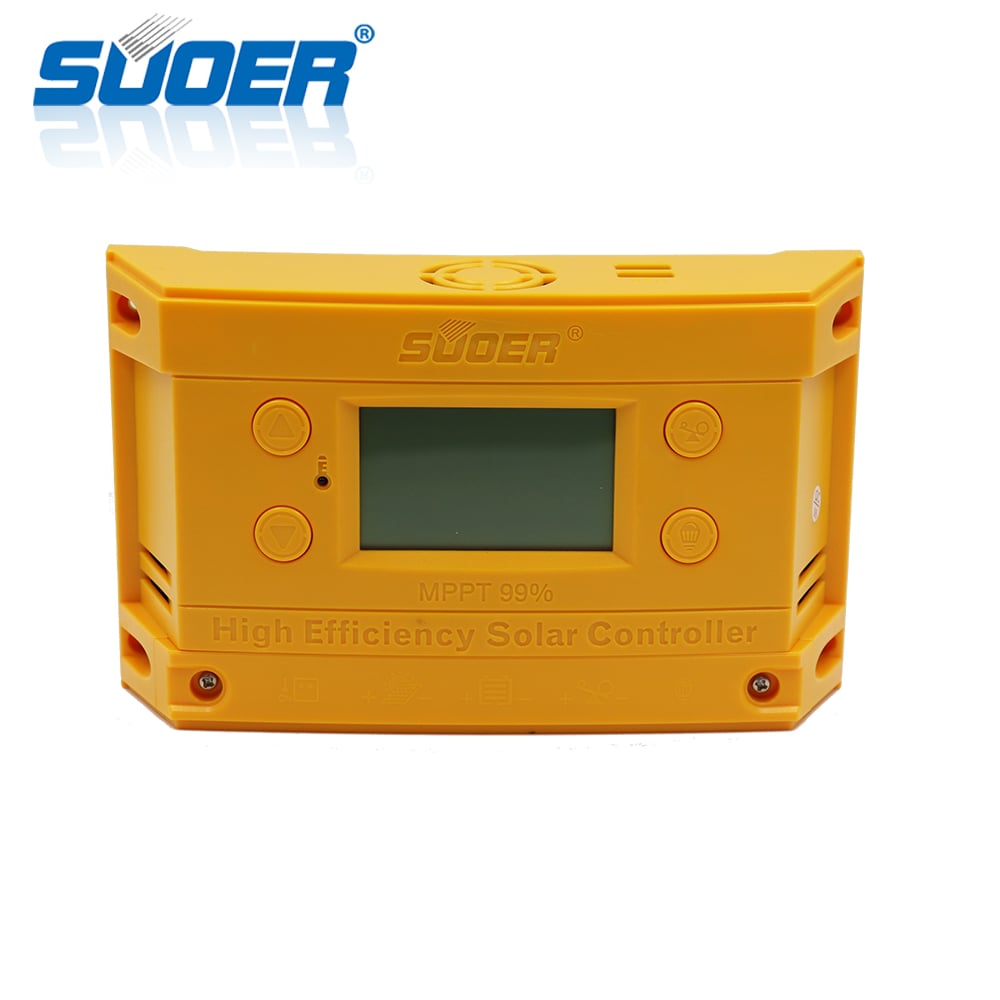
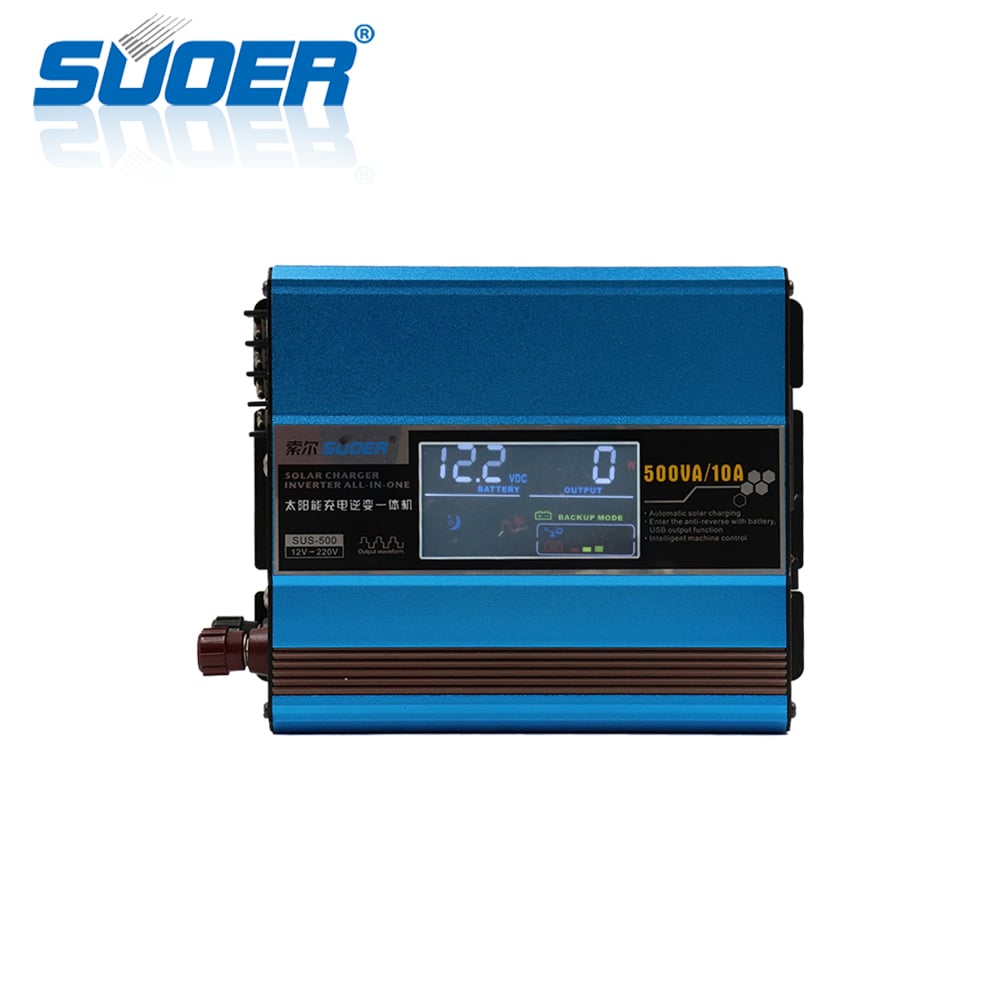
MPPT solar chargers are vital devices that optimize the energy harvested from solar panels, ensuring that maximum power is delivered to batteries or electrical systems. As a purchasing manager or decision-maker in the energy sector, you may have concerns regarding the quality, compatibility, problem-solving capabilities, and cost-effectiveness of these products. This article will provide you with the insights needed to evaluate MPPT solar charger controller effectively, helping you make informed purchasing decisions.
When assessing the quality of MPPT solar chargers, several critical specifications should be considered. First, look for the conversion efficiency, which indicates how effectively the charger can convert solar energy into usable power. A higher percentage means more energy is harnessed, leading to better performance in real- world applications.
Next, examine the operating voltage range; this should match the requirements of your photovoltaic system. A charger with a wide voltage range offers flexibility in integration with various solar panel configurations. Additionally, consider the maximum power point tracking (MPPT) algorithm used. Advanced algorithms can significantly enhance energy capture, especially under varying light conditions.
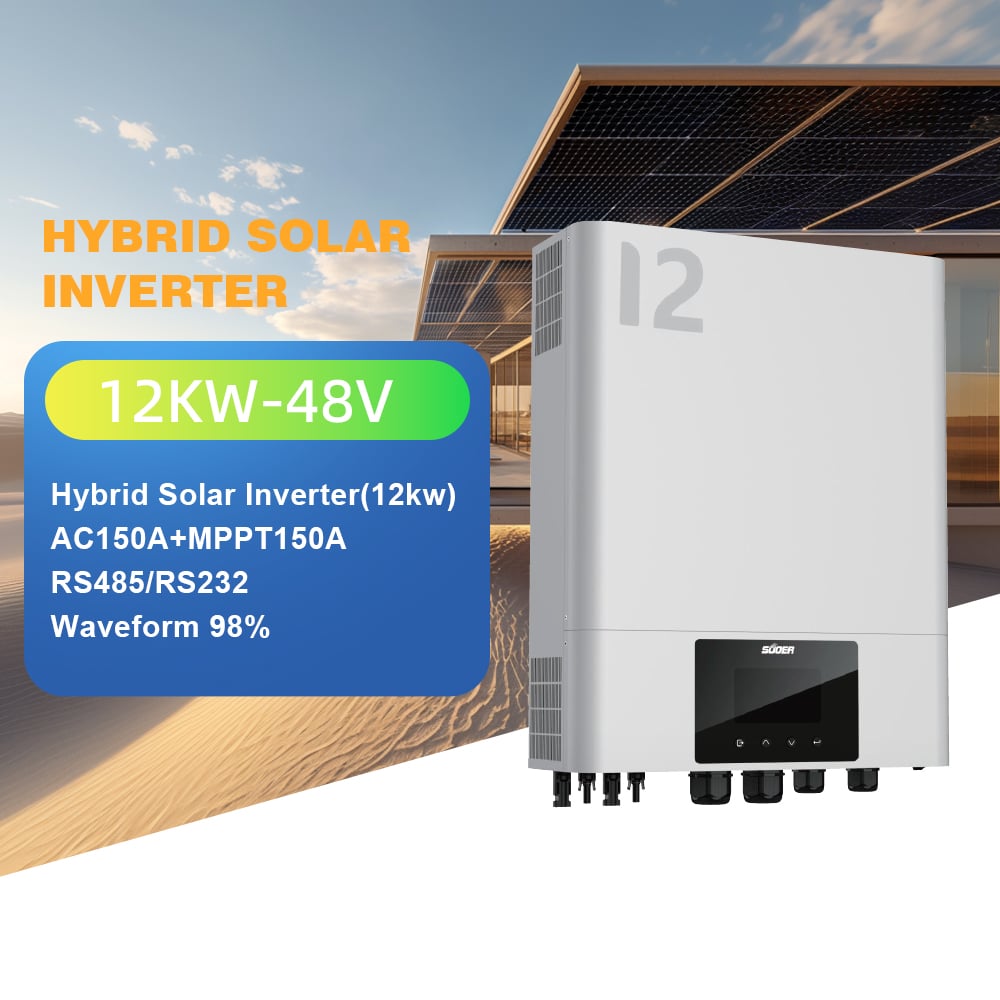
Certifications such as ROHS, CE, and ISO9001, which your supplier may possess, reflect a commitment to quality and safety standards. These certifications provide confidence that the 12kw solar inverter product has undergone rigorous testing and adheres to industry regulations.
Lastly, it's crucial to assess the durability of the charger, particularly if it will be installed in harsh environmental conditions. Look for products with robust enclosures and weatherproof ratings to ensure longevity and reliability.
To find the right MPPT solar charger, start by clearly defining your application requirements. What is the voltage and capacity of the batteries you intend to charge? Understanding the specifics of your energy system will guide you in selecting a compatible charger.
Next, consider the power output needed for your project. If you are working with larger systems, high-capacity chargers with output ratings of 30A or more may be necessary. Conversely, smaller systems may only require chargers rated below 20A.
Customization options are also essential. Some manufacturers offer tailored solutions that meet specific project requirements, such as unique power ratings or additional features like Bluetooth connectivity for 12kw inverter solar hybrid 48v monitoring performance. Engage with potential suppliers to explore these options.
Finally, assess the after-sales support offered by manufacturers. A reputable supplier should provide technical assistance, warranty services, and spare parts availability, ensuring that you can maintain your system effectively over its lifecycle.
Finding a reliable supplier for bulk orders of MPPT solar chargers involves several steps. Start by conducting market research to identify established manufacturers within the renewable energy sector. Look for companies that specialize in solar power solutions and have a proven track record with reputable OEM partnerships.
Online directories and industry expos can be valuable resources for discovering potential suppliers. Attending renewable energy trade shows not only allows you to view products in person but also provides opportunities to engage directly with manufacturer representatives.
When evaluating suppliers, consider their production capabilities and quality control processes. A supplier's ability to produce at scale while maintaining quality is crucial for meeting your project timelines and specifications. Request information on their production equipment, quality assurance protocols, and any existing partnerships with well-known brands in the industry.
Lastly, don’t overlook reviews and testimonials from previous clients. Feedback from other businesses can provide insights into the supplier's reliability, product performance, and customer service quality.
Despite their advantages, MPPT solar chargers can encounter various issues. One common problem is overheating, which can lead to reduced efficiency or even damage. Ensure that the charger is installed in a well-ventilated area and consider models with built-in thermal protection features to mitigate this risk.
Another frequent issue is incompatibility with certain battery types. MPPT chargers must be matched to the battery's chemistry, whether lithium-ion, lead-acid, or others. Before purchasing, verify that the charger supports the specific battery type you intend to use to avoid performance issues.
Voltage fluctuations from solar panels can also pose a challenge. High-quality MPPT chargers are designed to handle these variations, but if you notice erratic performance, it may indicate a need for a charger with better voltage regulation capabilities.
Regular maintenance checks can also prevent many common issues. Monitoring the charger’s performance and inspecting connections can help identify potential problems before they escalate.
When considering the cost of MPPT solar chargers, several factors come into play. Initial pricing is often influenced by the charger’s specifications, including its power rating, efficiency, and additional features. High-efficiency models with advanced MPPT algorithms tend to be more expensive but offer better long-term returns on investment.
Another vital factor is the minimum order quantity (MOQ). Suppliers may offer discounts for larger orders, so determining your project needs can help you negotiate better pricing. Always inquire about bulk pricing options to optimize your purchase.
Shipping and handling costs should also be factored into the total expenditure. Depending on the supplier’s location and your delivery requirements, freight charges can significantly affect the overall cost. Discuss potential shipping arrangements early in the negotiation process.
Lastly, consider the lifetime operational costs of the chargers, including energy savings and maintenance requirements. A higher upfront cost can often be justified by lower operational costs and increased efficiency over time.
In summary, understanding the intricacies of MPPT solar chargers from evaluating quality and finding the right supplier to recognizing common issues and cost factorswill empower you to make informed purchasing decisions that align with your business needs. By leveraging this knowledge, you can navigate the complexities of solar technology effectively.

Discover Suoer’s premium range of solar inverters and power inverters designed for reliable renewable energy solutions.Trusted by customers worldwide for exceptional performance and durability.
Suoer Industrial Zone, Ercun Road Section, Yanfeng Avenue, Shishan Town,Foshan city,Guangdong Province,China
Copyright © 2024 Foshan Suoer Electronic Industry Co., Ltd. Privacy Policy - Blog

 EN
 AR
 NL
 FR
 DE
 EL
 IT
 JA
 KO
 PT
 RU
 ES
 VI
 TH
 TR
 BG
 HR
 CS
 NO
 PL
 TL
 ID
 SR
 UK
 SQ
 HU
 MT
 AF
 MS
 IS
 HY
 AZ
 BN
 BS
 GU
 LO
 LA
 MN
 NE
 TA