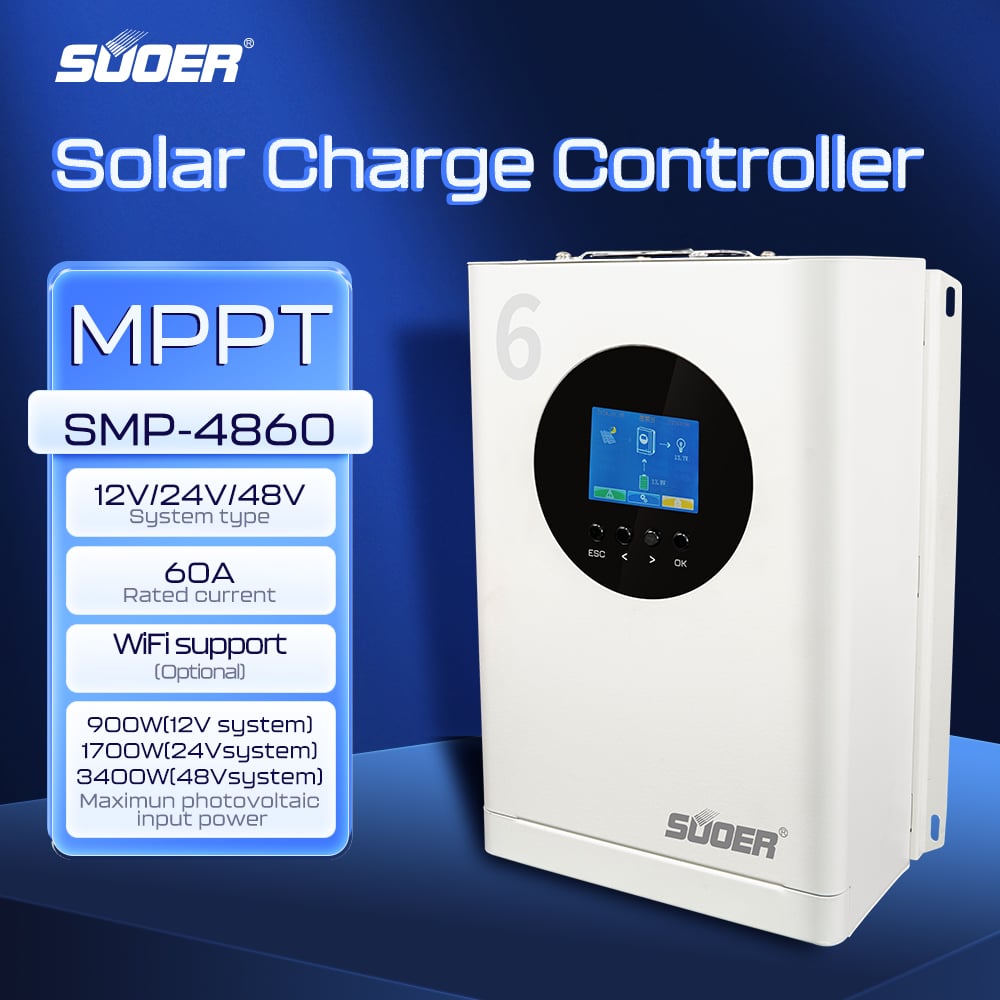
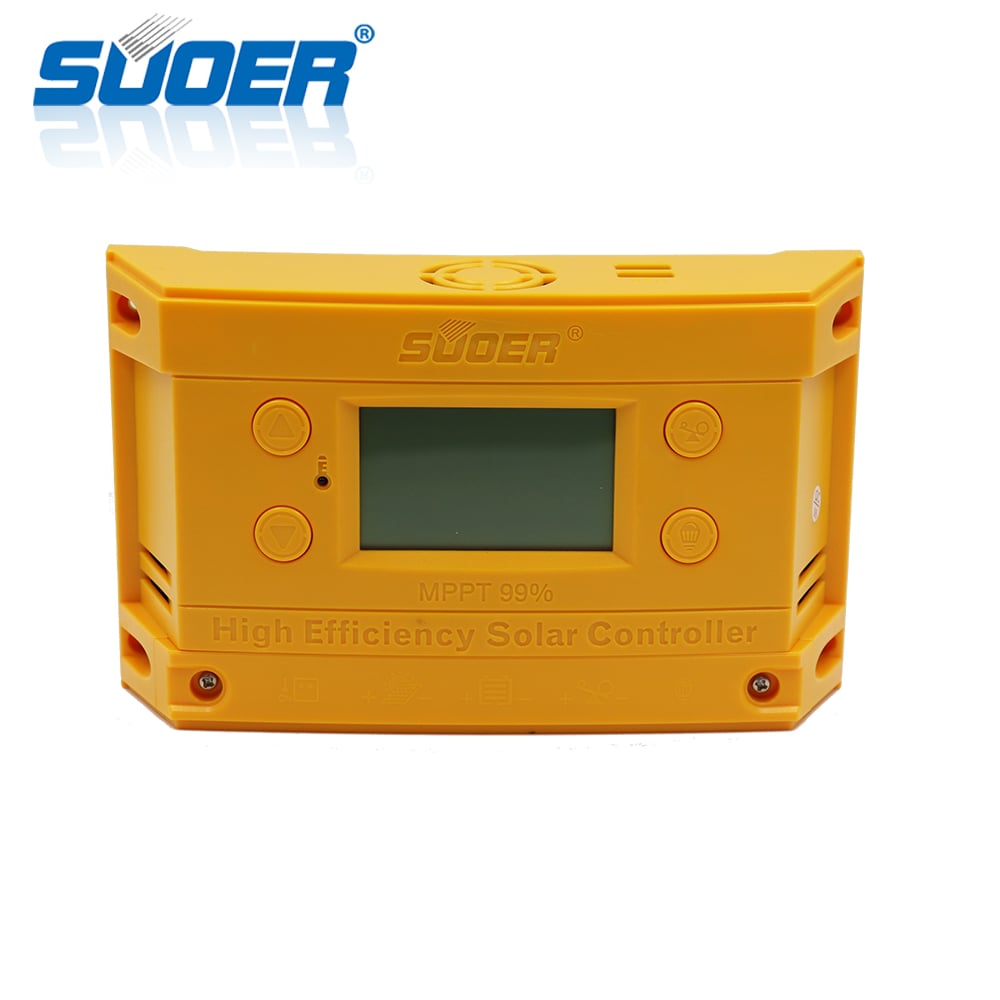
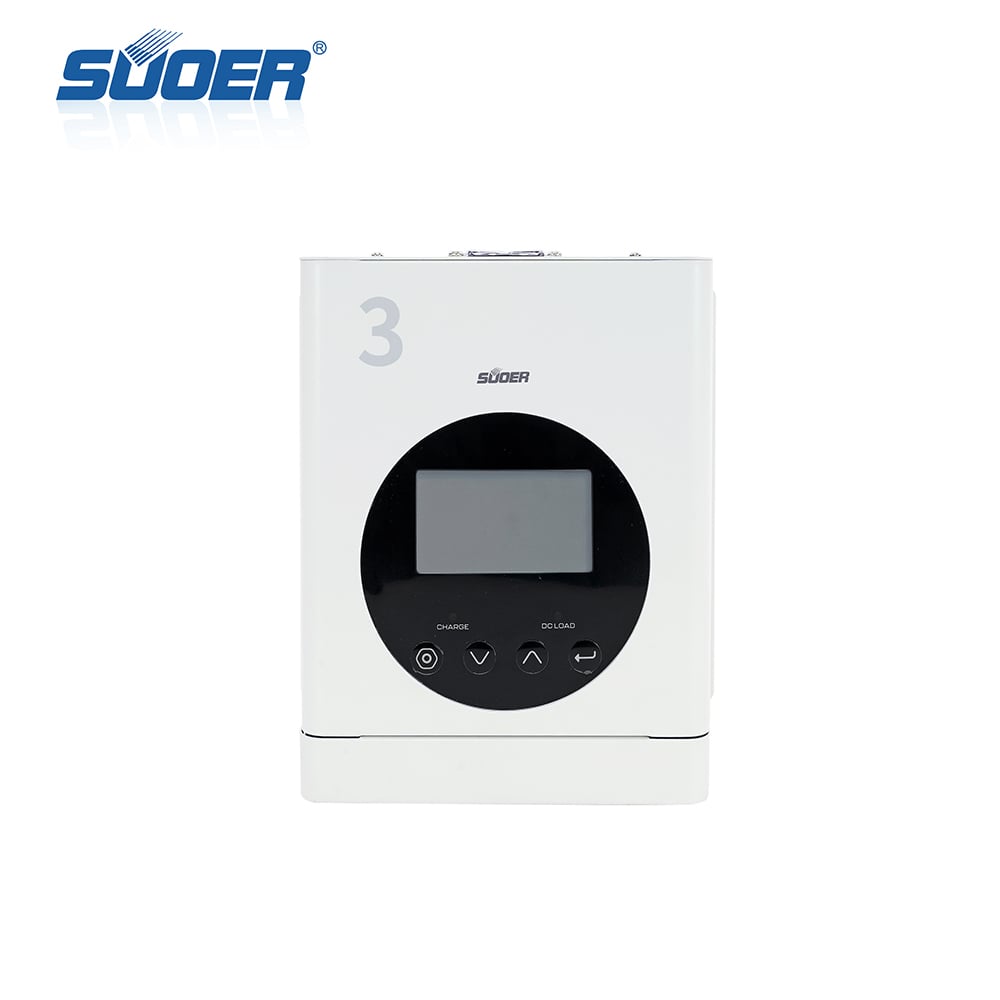
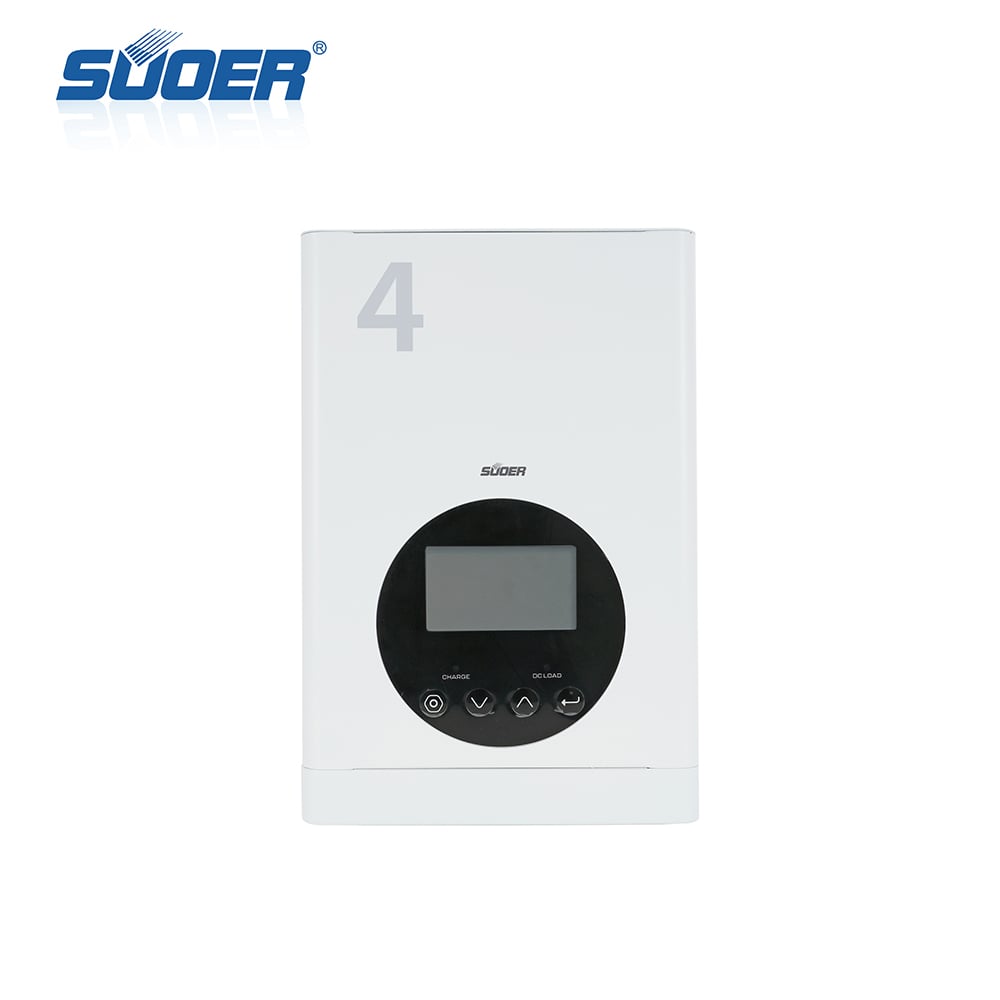
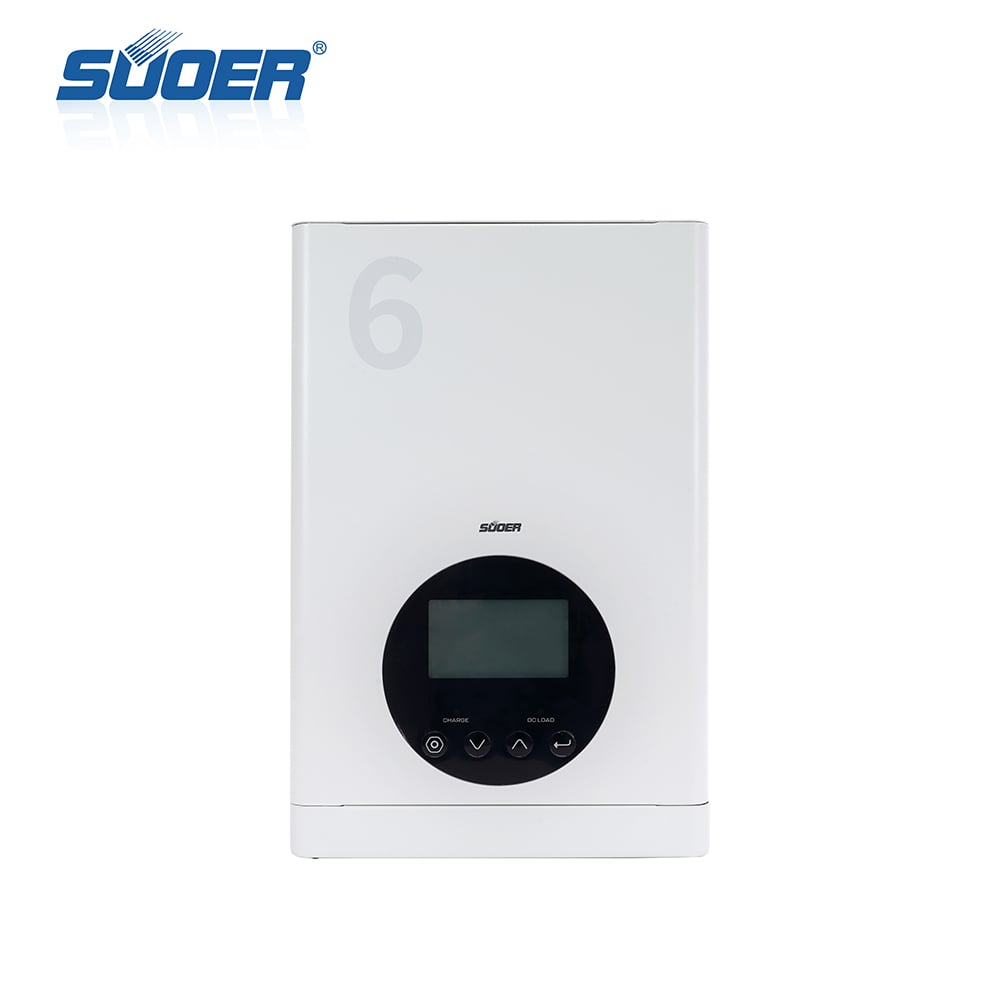
Choosing the right MPPT solar charger controller is crucial for optimizing solar energy systems. These devices manage the power flow from solar panels to batteries, maximizing energy capture and ensuring efficient charging. As a purchasing manager, engineer, or product manager, you may have concerns about specifications, compatibility, installation, and overall value. This article will guide you through essential considerations when selecting an MPPT solar charger controller, helping you make informed decisions for your applications.
When selecting an MPPT solar charger controller, several key specifications and features should be evaluated. First, consider the input voltage and current ratings, which should match your solar panel output and battery specifications. The controller’s maximum power point tracking efficiency is also critical; higher efficiency translates to more energy harvested from your solar array. For instance, systems like the New 12kw Hybrid Solar Off-Grid Inverter System 15kwh 300ah Lithium Iron Lifepo4 Battery can optimize energy capture.
Another important aspect is the controller's compatibility with various battery types, such as lithium-ion, lead-acid, or gel batteries. Ensure that the controller supports the charging profiles required for your specific battery chemistry. Additionally, look for features like built-in protections against over-voltage, over-current, and over-temperature, which enhance system reliability and longevity.
Finally, assess the communication capabilities of the controller. Many modern MPPT controllers include Bluetooth or Wi-Fi connectivity, allowing for real-time monitoring and adjustments via mobile apps or software. This feature can significantly ease troubleshooting and performance analysis, making it a valuable addition to your solar energy system.
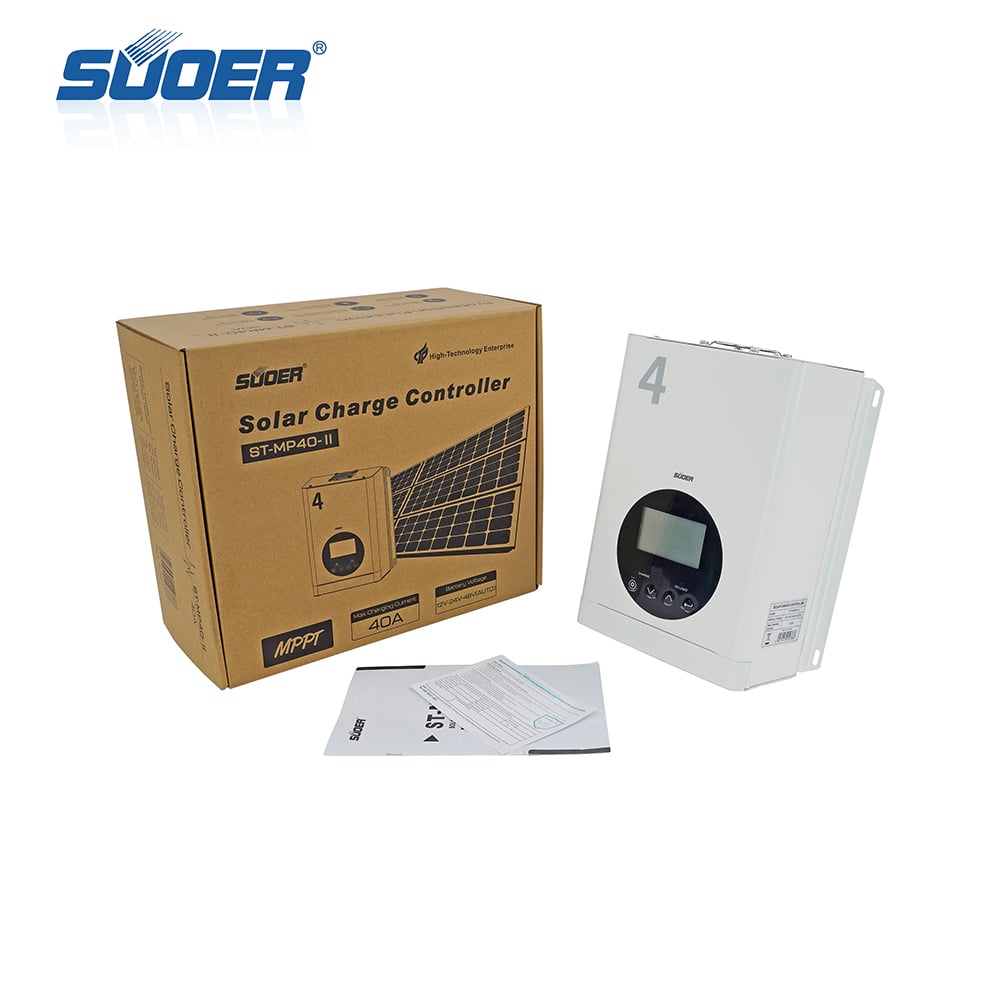
When comparing MPPT solar charger controllers for bulk orders, start by evaluating the technical specifications of each option. Create a comparison chart that includes parameters such as input voltage range, maximum output current, efficiency ratings, and protection features. This will help you identify which models align best with your project requirements.
Next, consider the manufacturer’s quality control processes. Look for certifications such as ROHS, CE, and ISO9001 that indicate adherence to international quality standards. A reputable manufacturer will provide transparent information about their production capabilities, testing protocols, and any warranties offered. For example, the VMS-12kw energy system sales 12kw smart hybrid solar Inverter with MPPT solar charger is a product known for its quality.
Pricing is another critical factor; however, it should not be the sole determinant. Examine the total cost of ownership by considering factors such as the expected lifespan of the controllers, potential maintenance requirements, and the availability of support or replacement parts. A lower upfront price may result in higher long-term costs if the product is less reliable or requires frequent replacements.
Lastly, inquire about the minimum order quantity (MOQ) and lead times for bulk orders. This information will help you plan your procurement strategy effectively and avoid delays in project timelines.
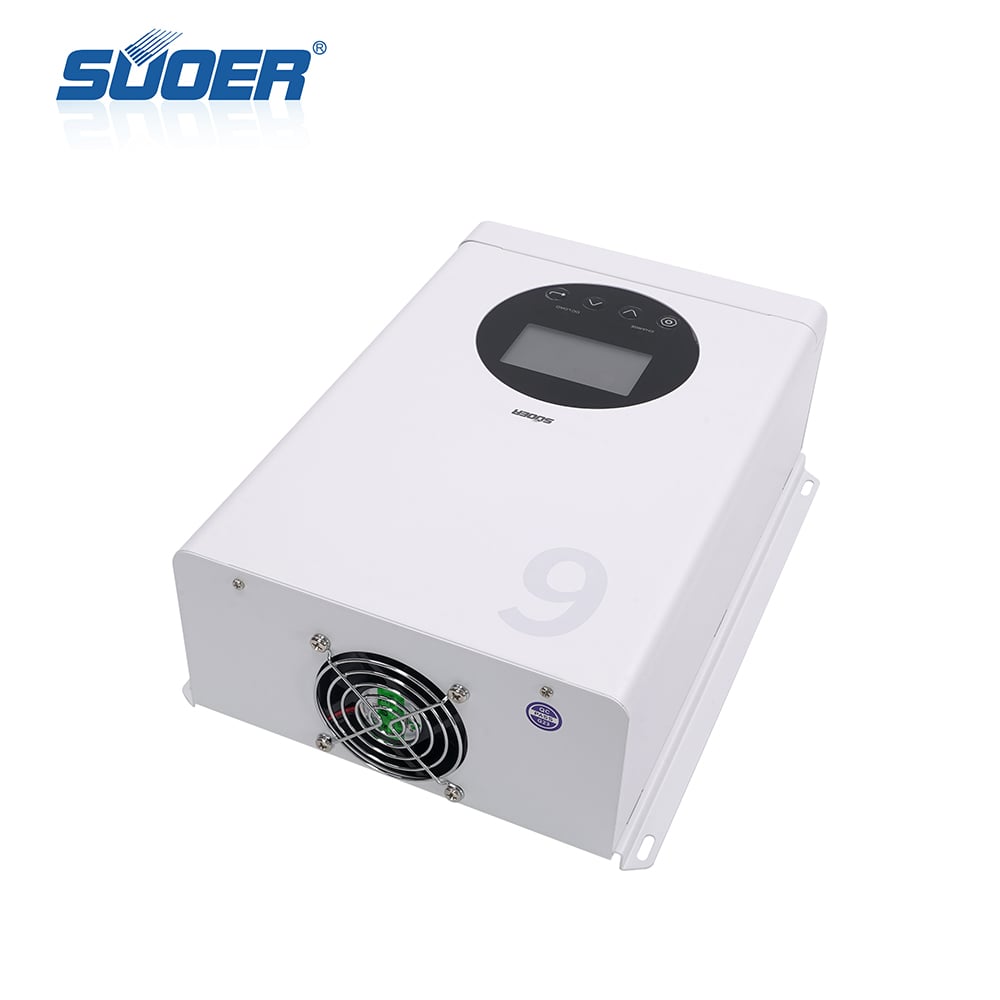
Sourcing reliable MPPT solar charger controllers wholesale involves identifying qualified manufacturers and distributors. Start by researching companies with a strong reputation in the new energy industry, particularly those specializing in solar technology. Utilize industry trade shows, online marketplaces, and professional networks to find potential suppliers.
Once you have a list of candidates, request product samples to assess their quality firsthand. This step is crucial; a sample can reveal performance issues that specifications alone may not disclose. Ensure that the manufacturers provide detailed product documentation, including datasheets and installation manuals, as this will help you evaluate their offerings more thoroughly.
In addition, pay attention to the manufacturer’s experience and track record in the industry. A company that has been in the market for several years and has served major OEMs is likely to have the expertise and resources necessary to deliver high-quality products consistently.
Finally, consider the supplier’s customer service and support capabilities. A reliable supplier will offer comprehensive technical support, warranty options, and responsive communication, which are vital for addressing any issues that may arise during installation or operation.
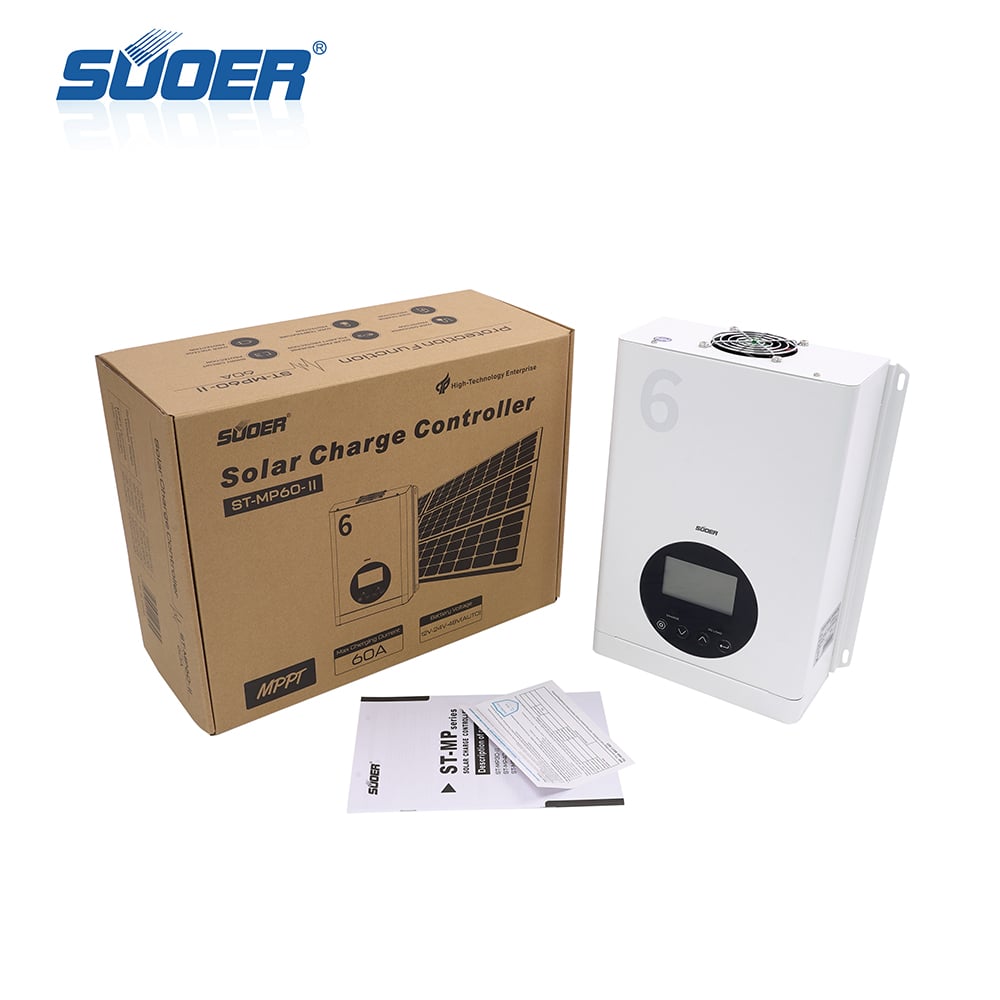
Proper installation of MPPT solar charger controllers is critical to ensure optimal performance and longevity. Begin by following the manufacturer’s installation guidelines closely. Ensure that the controller is mounted in a location that allows for adequate ventilation and is protected from environmental factors such as moisture and extreme temperatures.
Before installation, double-check all electrical connections for compatibility with the solar panels and battery system. Use the appropriate gauge wiring to handle the expected current load and reduce voltage drop. Additionally, implement proper fusing to protect your system from overcurrent conditions.
Once installed, perform a thorough system check to ensure all components are functioning correctly. This includes verifying the controller’s settings, confirming that it is properly communicating with the solar panels and battery, and running a test cycle to monitor performance. Regular maintenance checks, including inspecting connections and cleaning the controller’s surface, can help prevent issues and maintain efficiency over time.
The cost of MPPT solar charger controllers can vary significantly based on several factors. First, the complexity of the device influences its price; models with advanced features such as smart monitoring, multiple battery compatibility, and enhanced safety protections typically come at a higher cost.
Material quality also plays a role in pricing. Controllers made with durable, high-grade components may carry a premium but can offer improved reliability and longer service life. As a purchasing manager, factor in the expected lifespan and warranty coverage when evaluating costs. A higher initial investment may lead to lower replacement and maintenance costs over the product’s lifespan.
Additionally, consider the economies of scale when ordering in bulk. Many manufacturers offer reduced pricing based on order volume, which can significantly impact your overall budget. Don’t hesitate to negotiate terms with your supplier, as they may provide discounts or payment terms that can further enhance your purchasing strategy.
Lastly, keep in mind the potential costs associated with installation and maintenance. Selecting a controller that is easy to install and requires minimal ongoing maintenance can lead to cost savings in the long run. Make sure to weigh these factors against the initial purchase price to arrive at a comprehensive understanding of the total cost involved.

Discover Suoer’s premium range of solar inverters and power inverters designed for reliable renewable energy solutions.Trusted by customers worldwide for exceptional performance and durability.
Suoer Industrial Zone, Ercun Road Section, Yanfeng Avenue, Shishan Town,Foshan city,Guangdong Province,China
Copyright © 2024 Foshan Suoer Electronic Industry Co., Ltd. Privacy Policy - Blog

 EN
 AR
 NL
 FR
 DE
 EL
 IT
 JA
 KO
 PT
 RU
 ES
 VI
 TH
 TR
 BG
 HR
 CS
 NO
 PL
 TL
 ID
 SR
 UK
 SQ
 HU
 MT
 AF
 MS
 IS
 HY
 AZ
 BN
 BS
 GU
 LO
 LA
 MN
 NE
 TA