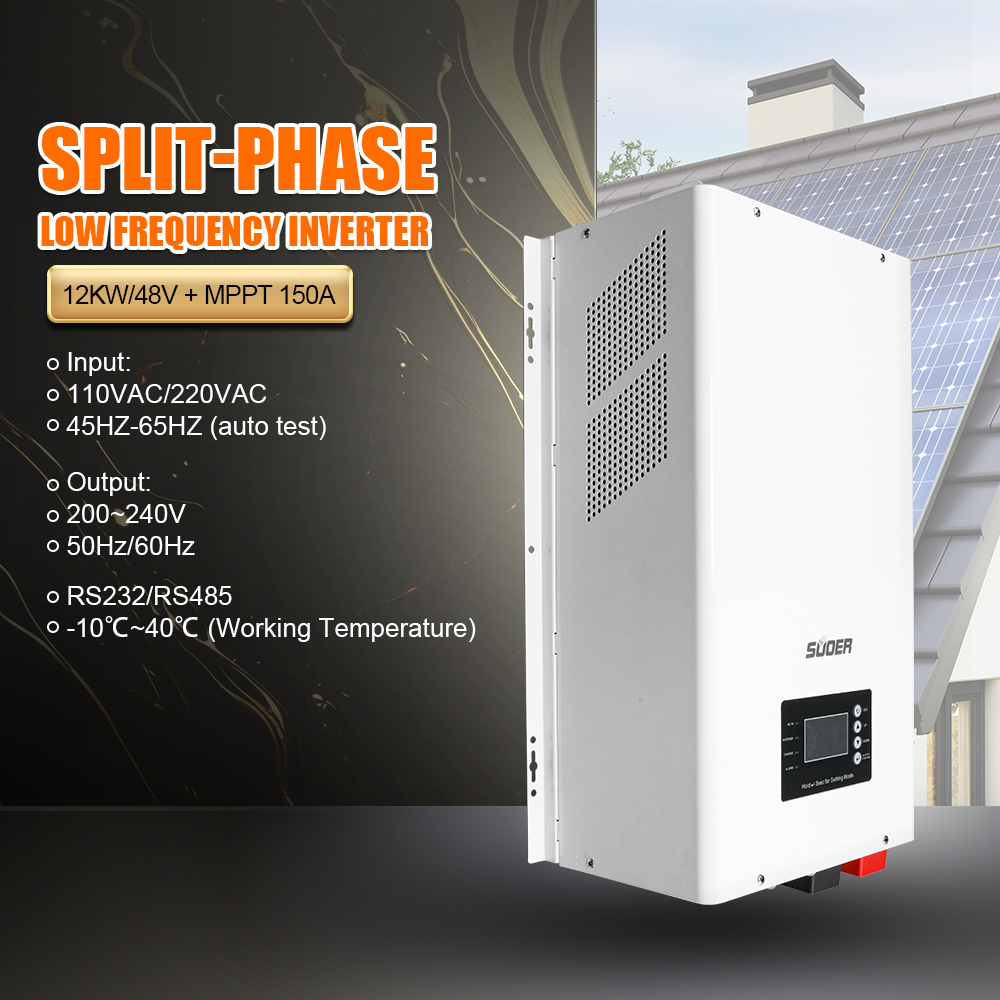
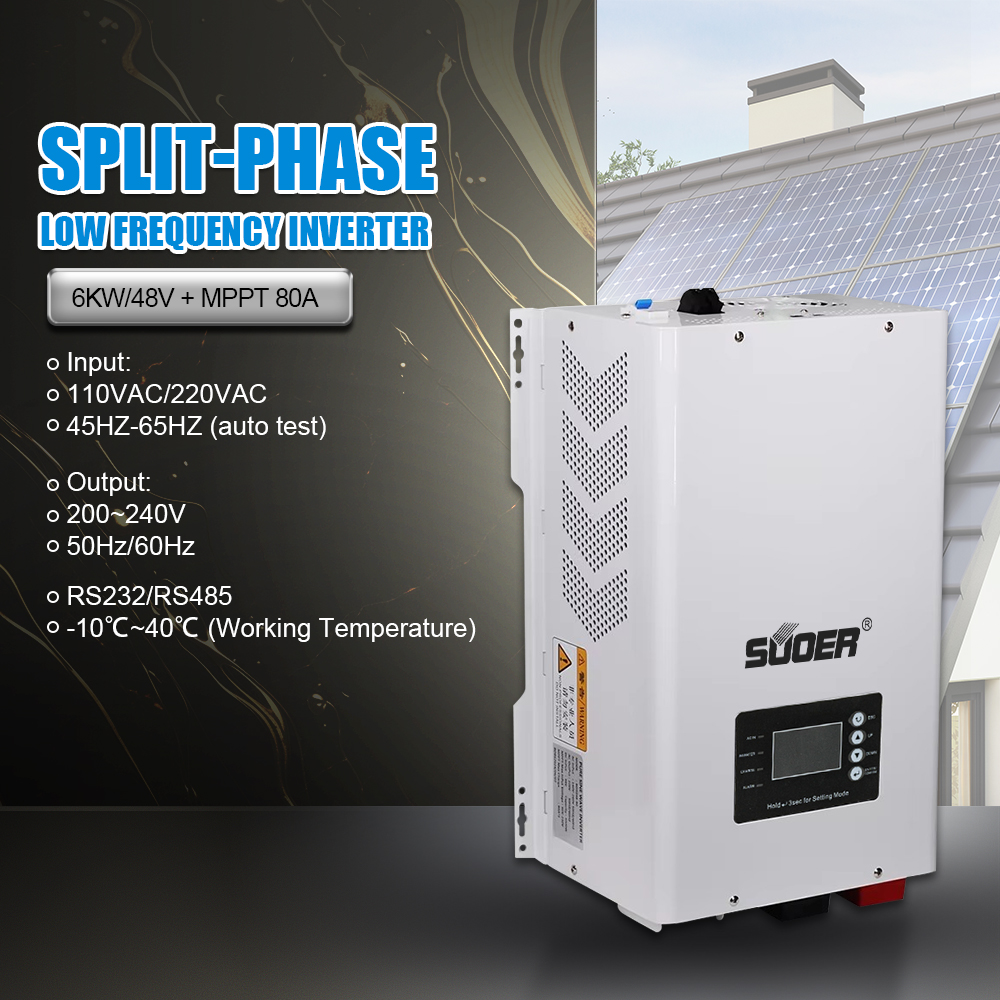
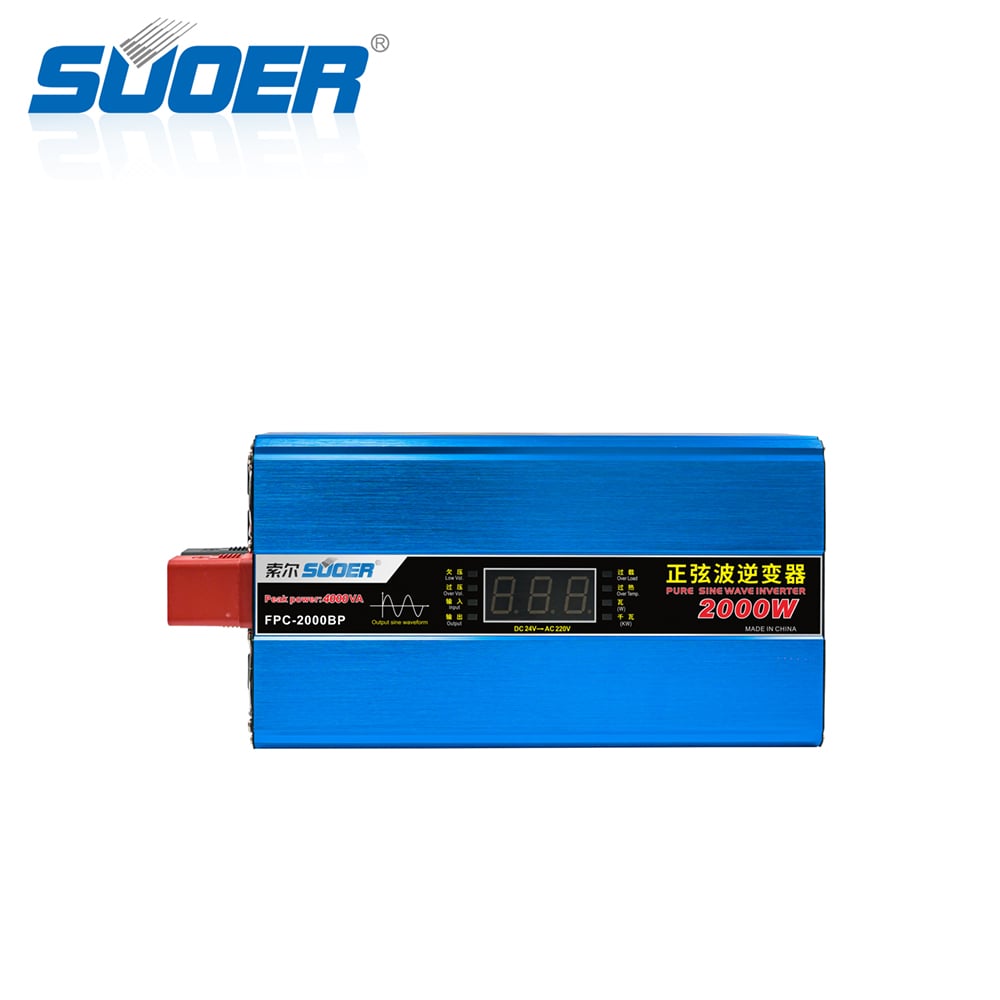
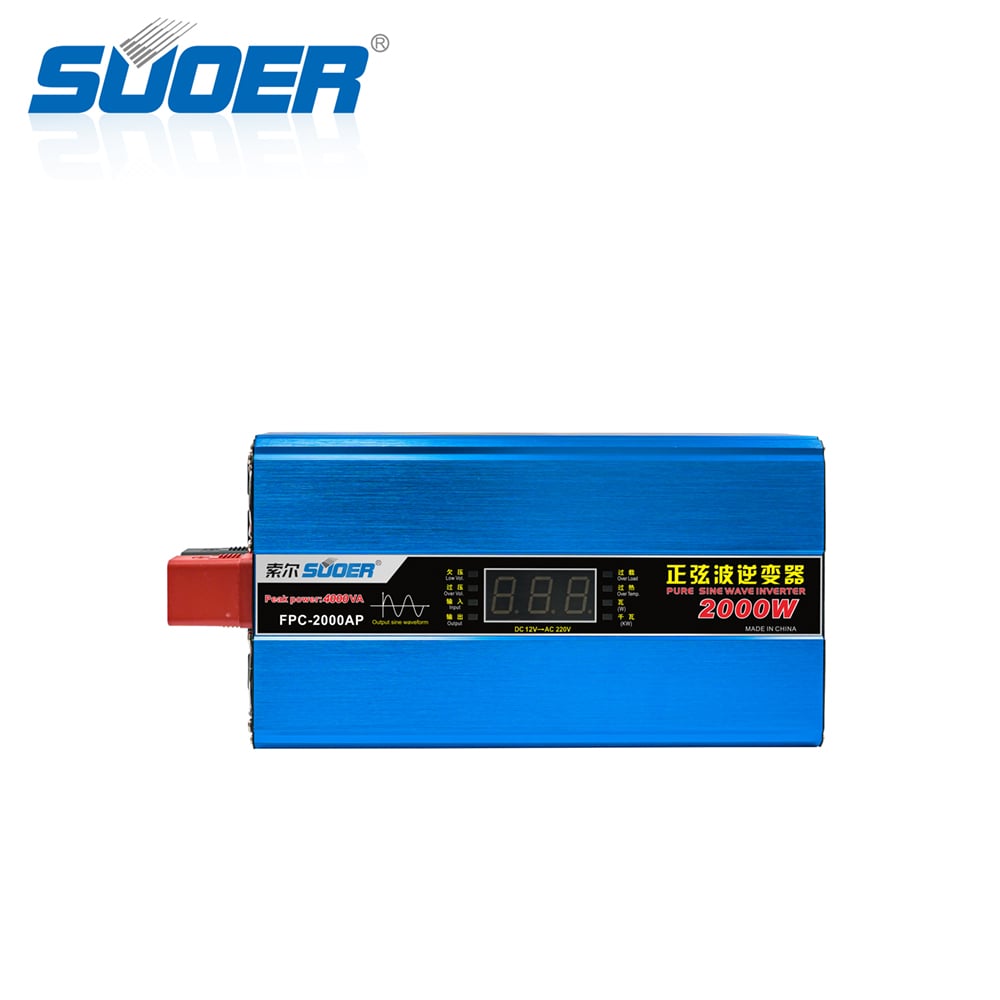
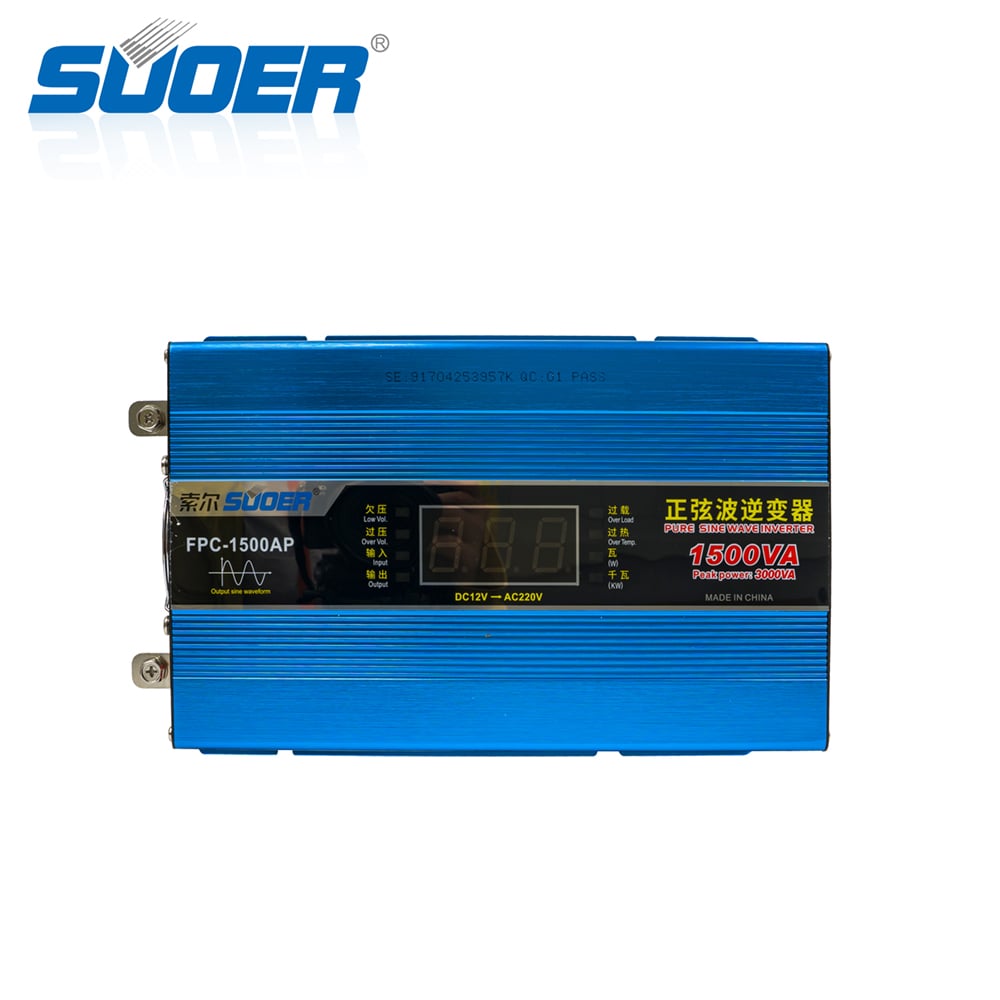
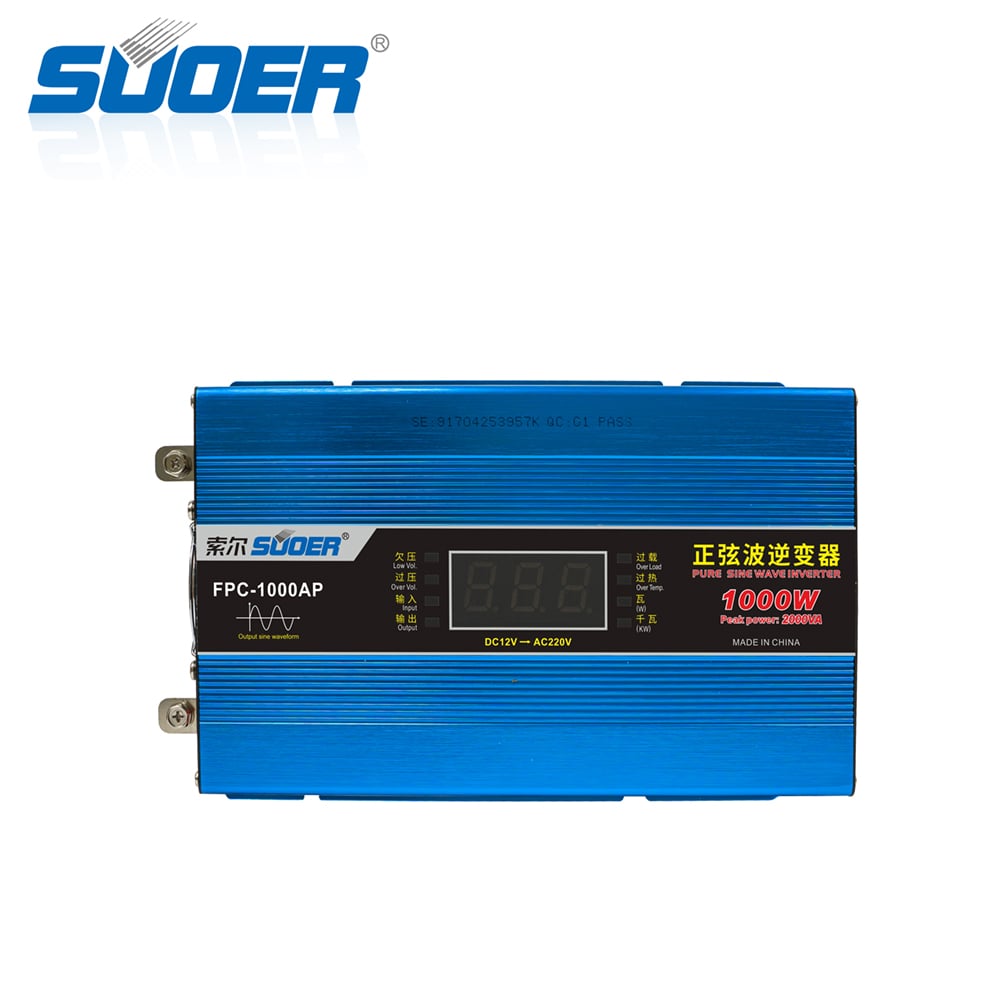
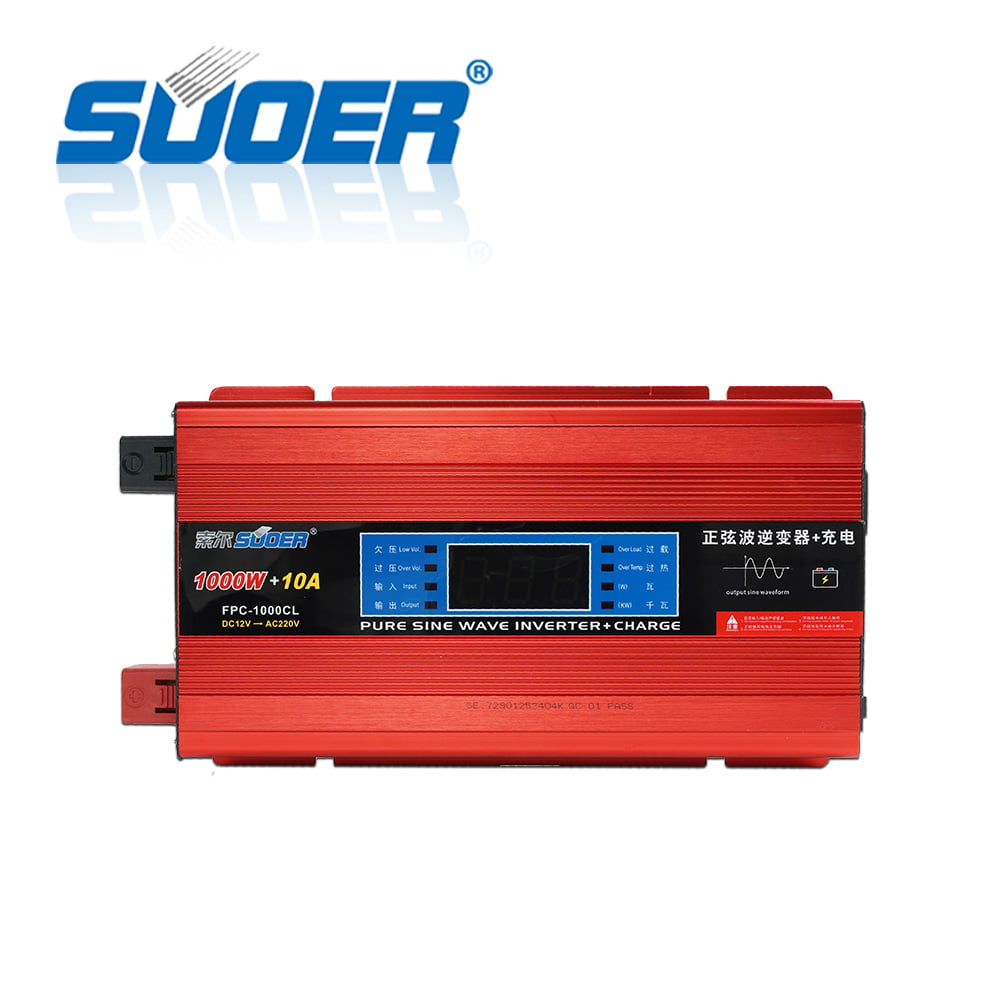
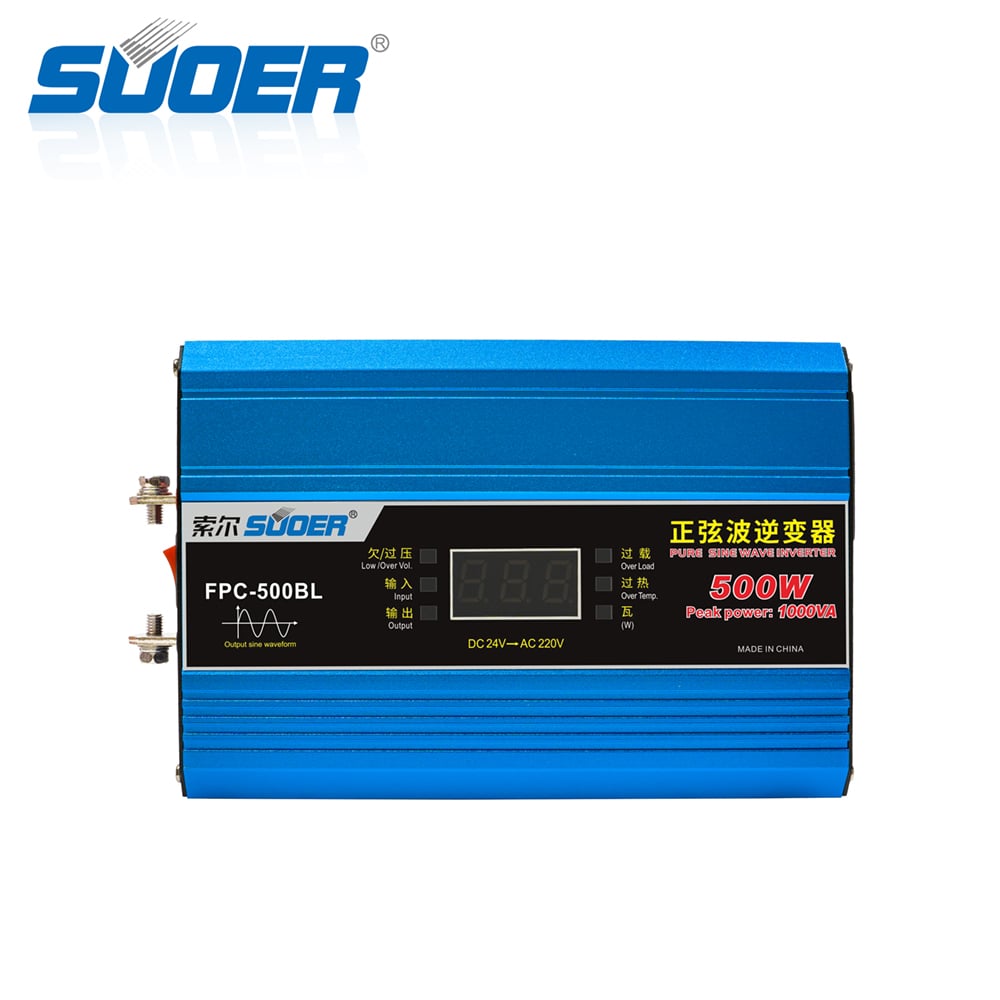
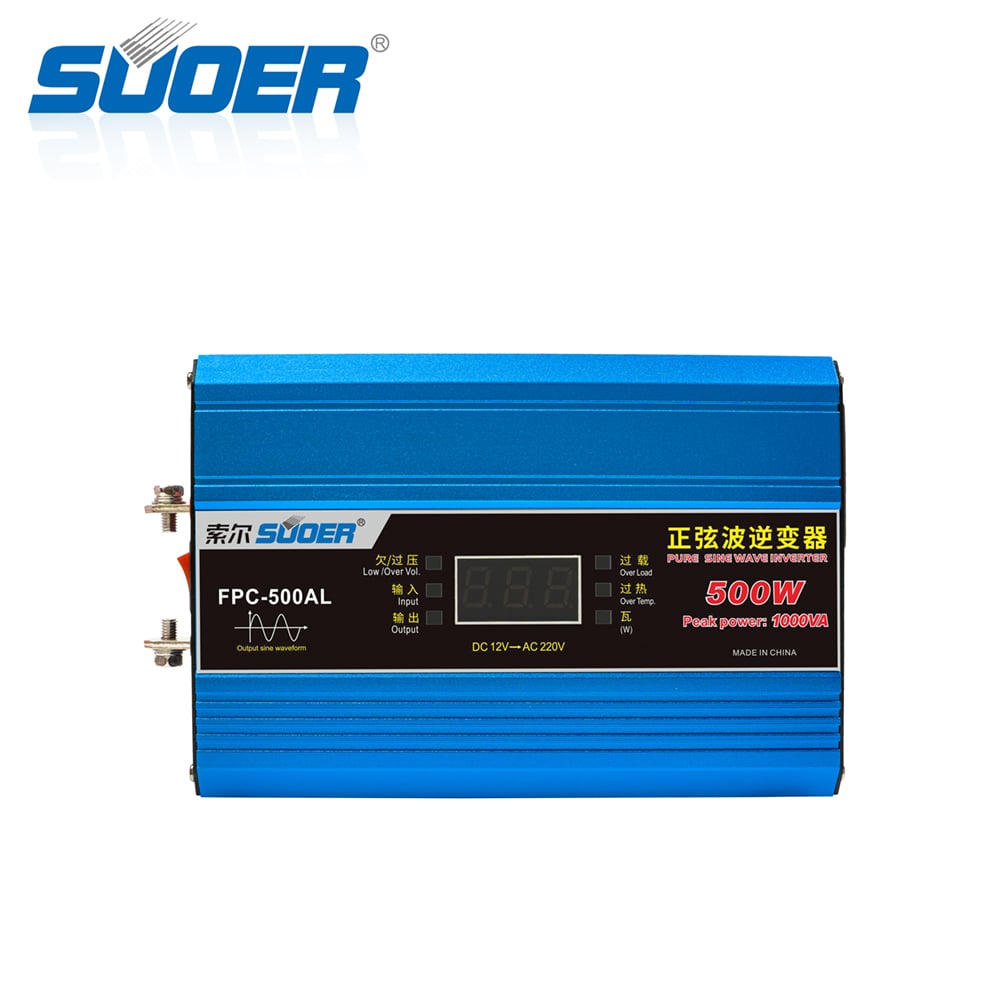
In the world of renewable energy and electric vehicle power solutions, a 12V pure sine inverter plays a crucial role in providing efficient and stable power. These inverters are designed to convert DC (direct current) from batteries into AC (alternating current) for various applications, ensuring that sensitive electronic devices operate smoothly. For B2B buyers, understanding the key features, specifications, and sourcing options for these inverters is essential for making informed purchasing decisions. This article will guide you through the critical factors to consider when selecting a 12V pure sine inverter for wholesale, helping you navigate the complexities of this product category.
When selecting a 12V pure sine inverter for wholesale, several factors can significantly impact your purchasing decision. First and foremost, consider the inverter's power output, typically measured in watts. This determines the types of appliances and devices that can be powered simultaneously. Additionally, assess the inverter's efficiency rating; higher efficiency translates into less energy loss during the conversion process, which is particularly important for applications where power conservation is a priority. In this context, choosing between options like pure sine wave and modified sine wave inverters becomes essential.
Another critical aspect to evaluate is the inverter's form factor and size, especially if space is limited in the application environment. Look for features such as short-circuit protection, over-temperature protection, and low battery shutdown, which enhance the safety and reliability of the inverter. Lastly, consider the manufacturer's reputation and support services, as reliable after-sales service can be invaluable in addressing any issues that may arise post-purchase.
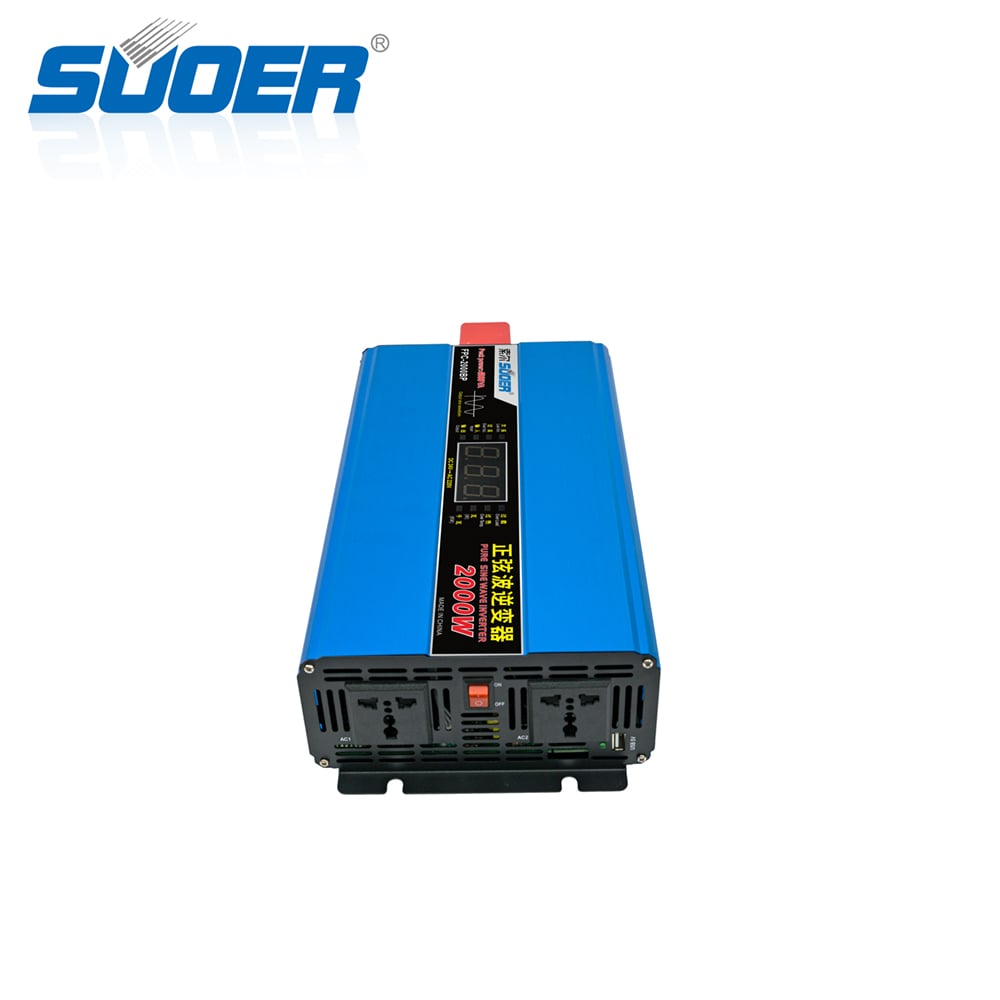
Understanding the technical specifications of 12V pure sine inverters is vital for ensuring they meet your specific application requirements. Key specifications to focus on include:
Power Rating: This indicates the maximum load the inverter can handle. Ensure that the inverter's wattage meets or exceeds the requirements of the devices you'll be powering.
Input Voltage Range: Most 12V inverters operate within a specific voltage range; confirming compatibility with your battery system is essential to prevent operational issues.
Output Waveform: Pure sine wave inverters provide a clean output that is suitable for sensitive electronics. This is particularly important for applications in telecommunications and medical devices, which may be adversely affected by modified sine waves.
Efficiency Rating: Look for inverters with efficiency ratings above 85% to minimize energy waste. This can lead to significant cost savings over time, especially in larger installations.
Peak Surge Capability: This specification indicates the inverter's ability to handle short bursts of power demand, which can be crucial for starting high-draw appliances.
Understanding these specifications will aid in selecting the right inverter that aligns with your operational needs and energy management strategies.
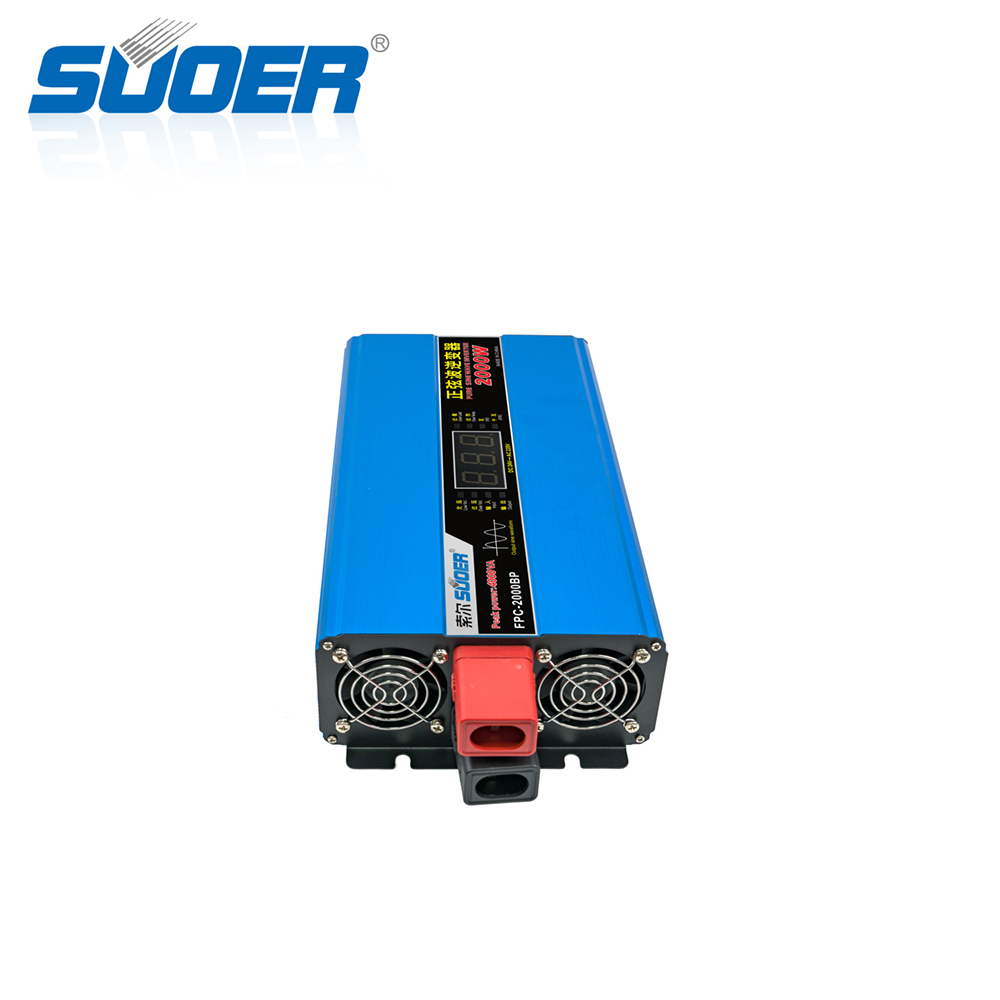
Sourcing reliable 12V pure sine inverters involves evaluating potential suppliers based on several criteria. Start by identifying manufacturers with a solid track record in the renewable energy sector, particularly those who have experience supplying to major vehicle OEMs and industrial applications. This experience often translates into better quality control processes and more robust product offerings.
You can also consider attending industry trade shows and exhibitions, where manufacturers showcase their latest products. These events provide an excellent opportunity to engage with suppliers directly, ask questions, and obtain samples for evaluation. Online B2B marketplaces can also be a valuable resource, but ensure to verify supplier credentials and request references from previous clients.
Lastly, consider suppliers who offer customization options to meet specific project requirements, such as unique power outputs or additional features. A supplier willing to adapt their offerings can be a significant advantage in competitive markets, particularly when it comes to specific applications like home energy storage.
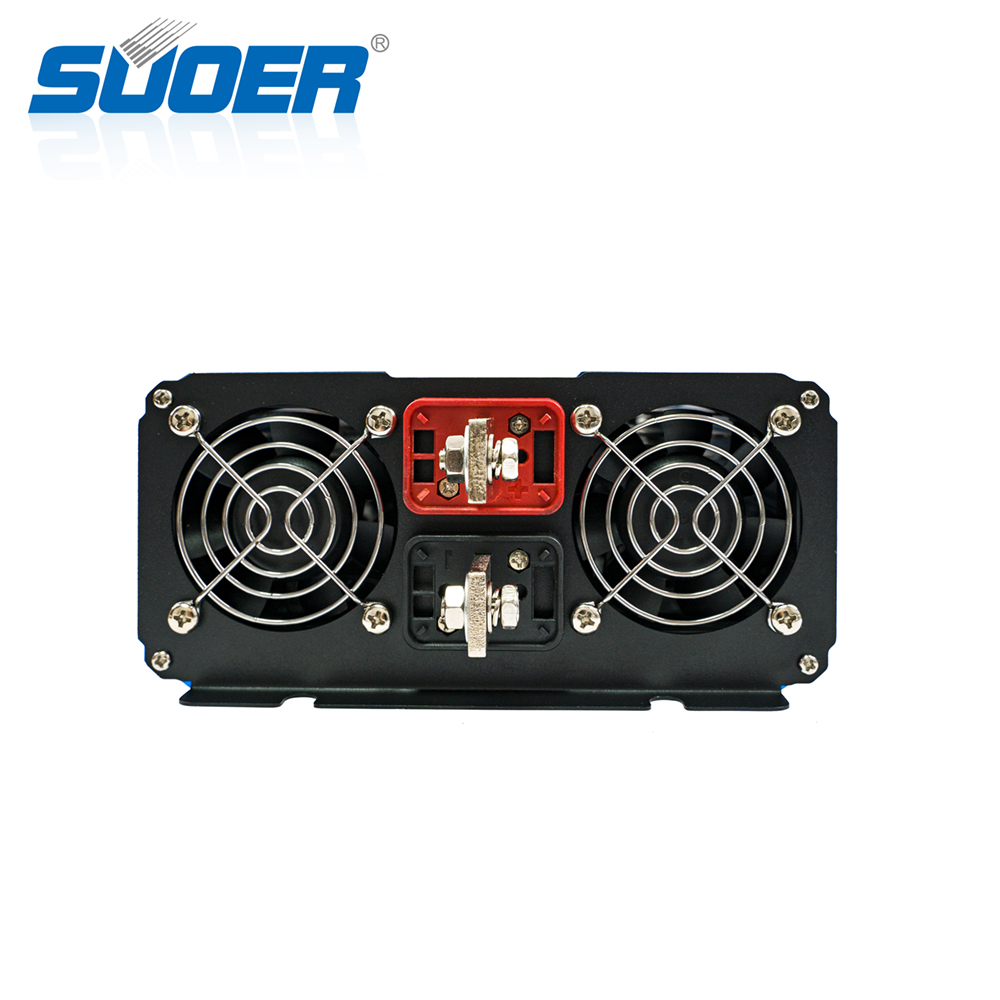
When it comes to pricing, several factors can impact the total cost of acquiring 12V pure sine inverters. First, evaluate the unit price, which can vary among suppliers based on their production capabilities and market positioning. However, the unit price is just one component; consider the following additional cost factors:
Minimum Order Quantity (MOQ): Suppliers often have MOQs that dictate the least number of units you must purchase. Be sure to factor this into your budget, especially if you are working with a tight financial plan.
Shipping Costs: Depending on the supplier's location and your delivery destination, shipping can add significantly to the overall cost. Always request detailed shipping quotes and consider logistics when planning your order.
Warranty and Support: While a lower initial price may be attractive, ensure that the inverter comes with a reliable warranty and customer support. Investing in quality products with strong support can save costs in the long run by reducing maintenance and replacement needs.
Customization Costs: If your project requires specific modifications, inquire about any additional charges associated with these customizations.
Balancing these cost factors will help you identify the best value for your investment in 12V pure sine inverters.
The materials used in the construction of 12V pure sine inverters can significantly influence their performance, durability, and efficiency. One of the primary materials to consider is the casing, typically made from aluminum or robust plastic. Aluminum offers excellent heat dissipation, which is crucial for maintaining operational efficiency during prolonged use. Conversely, high-quality plastics may provide weight advantages and resistance to environmental factors.
Inside the inverter, components such as capacitors and transformers are pivotal to ensuring optimal performance. High-grade capacitors can enhance the inverter's efficiency and lifespan, while quality transformers are essential for maintaining voltage stability and output quality.
Furthermore, look for certifications like ROHS and CE, which indicate compliance with safety and environmental standards. These certifications are essential for ensuring that the materials used in manufacturing meet industry regulations, providing an added layer of assurance for buyers.
By understanding the material advantages and their implications on performance, buyers can make informed decisions that align with their operational needs and sustainability goals.

Discover Suoer’s premium range of solar inverters and power inverters designed for reliable renewable energy solutions.Trusted by customers worldwide for exceptional performance and durability.
Suoer Industrial Zone, Ercun Road Section, Yanfeng Avenue, Shishan Town,Foshan city,Guangdong Province,China
Copyright © 2024 Foshan Suoer Electronic Industry Co., Ltd. Privacy Policy - Blog

 EN
 AR
 NL
 FR
 DE
 EL
 IT
 JA
 KO
 PT
 RU
 ES
 VI
 TH
 TR
 BG
 HR
 CS
 NO
 PL
 TL
 ID
 SR
 UK
 SQ
 HU
 MT
 AF
 MS
 IS
 HY
 AZ
 BN
 BS
 GU
 LO
 LA
 MN
 NE
 TA