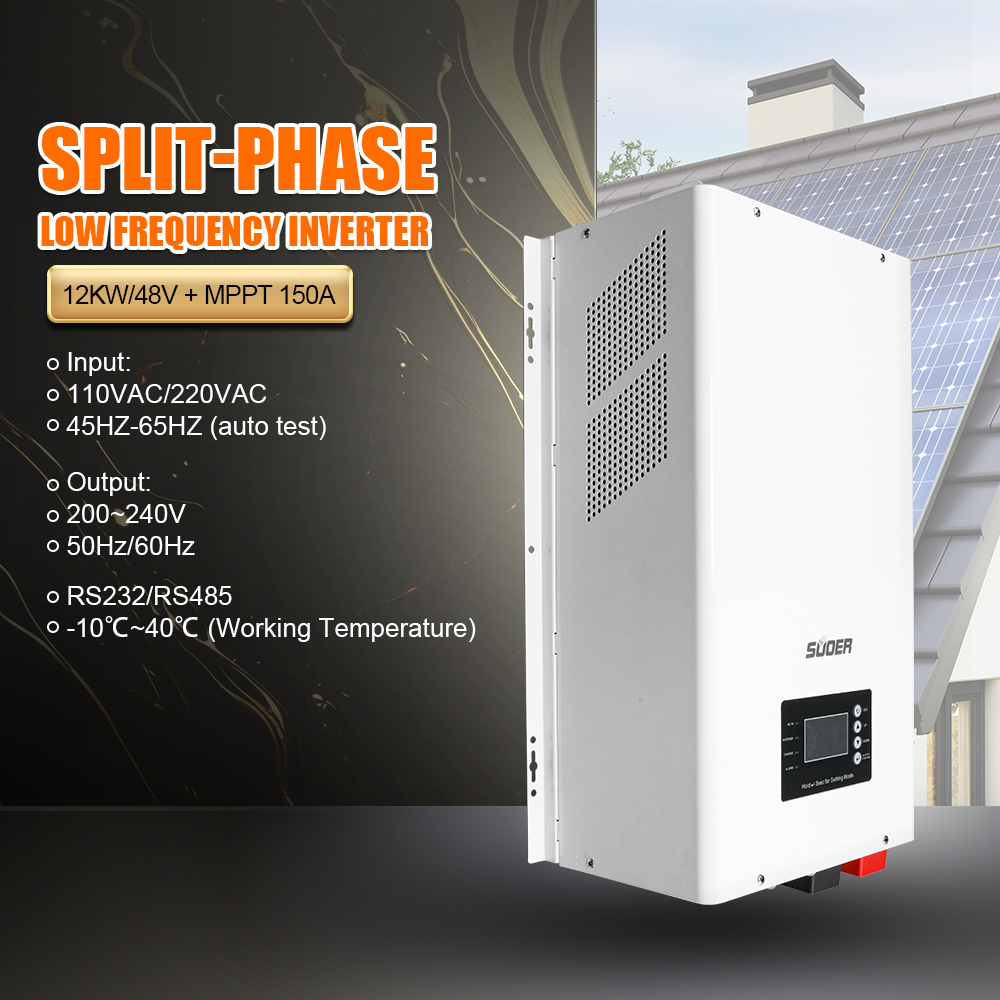
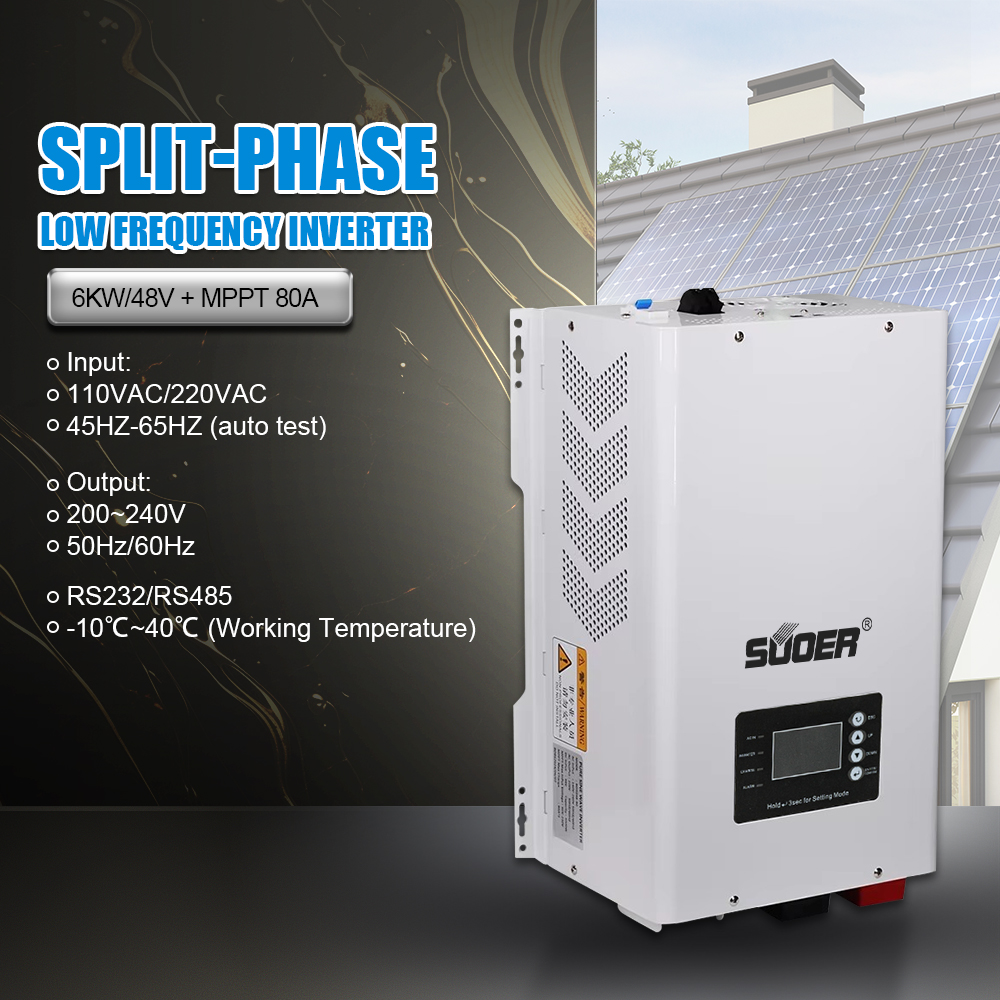
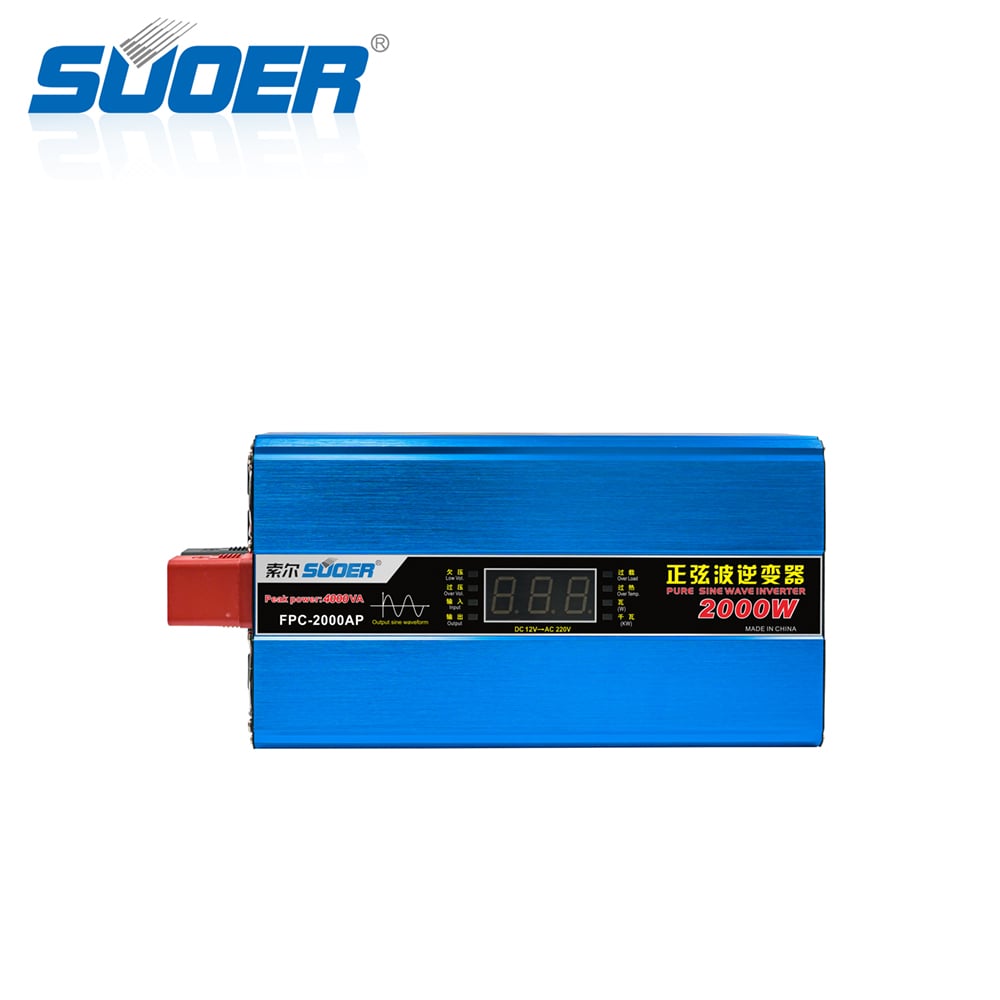
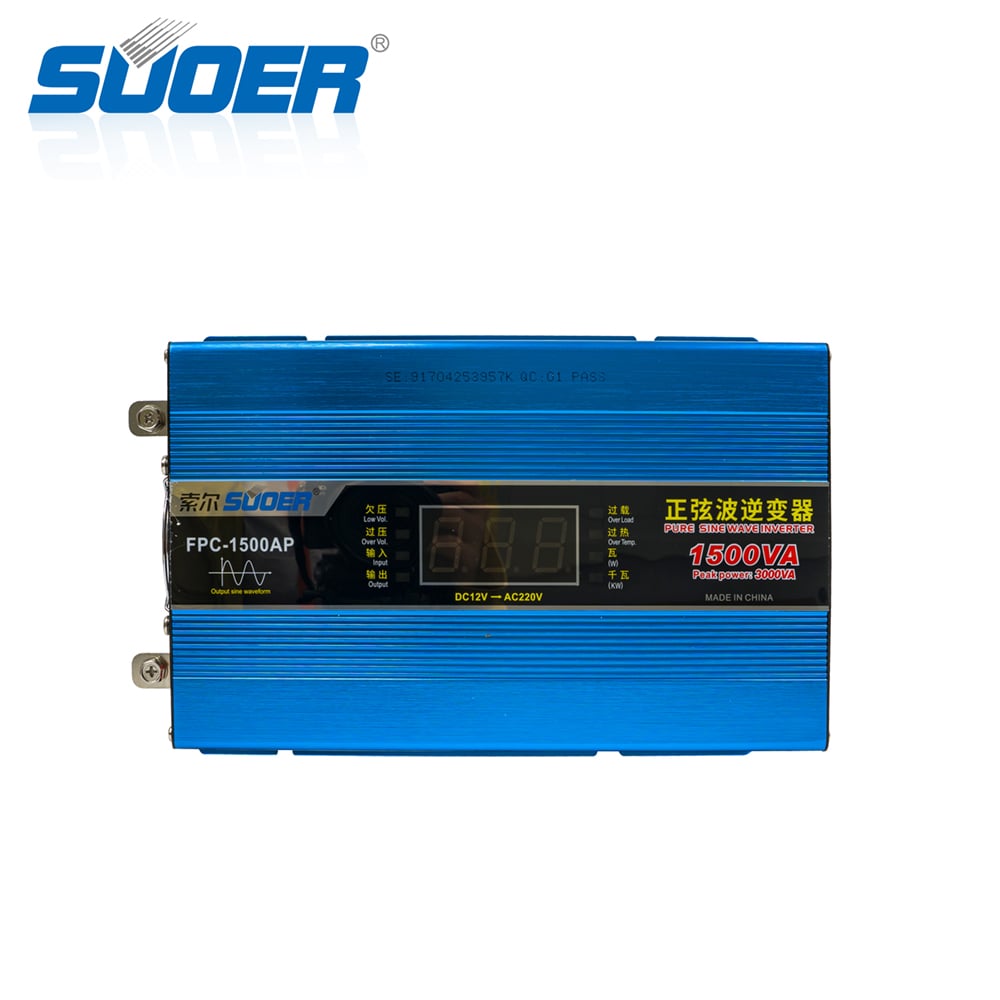
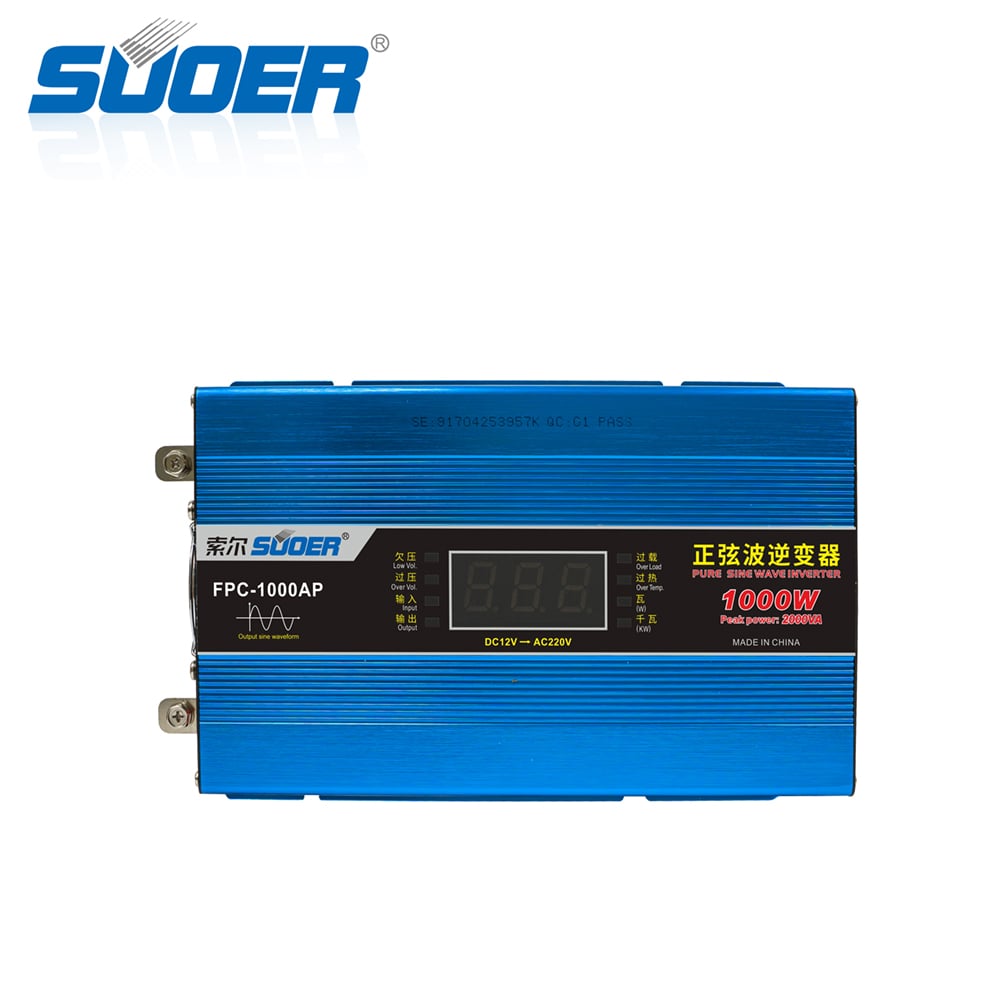
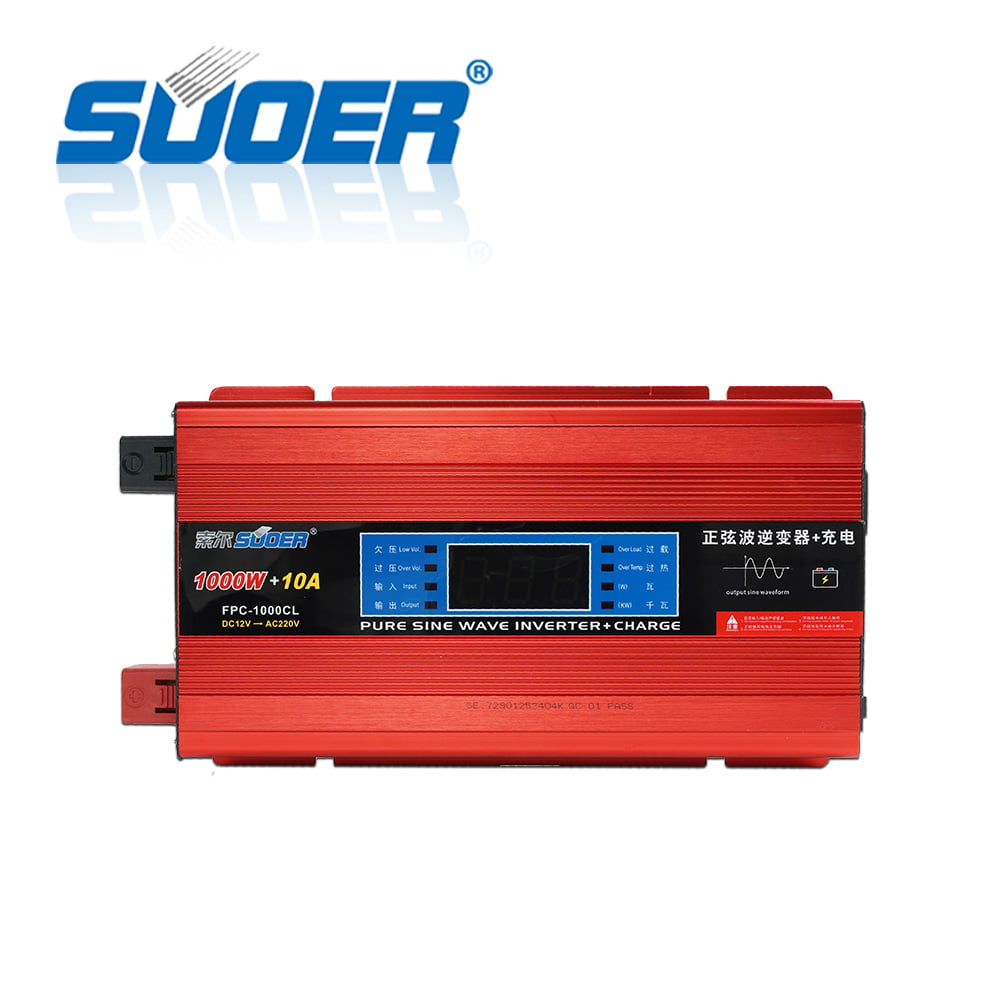
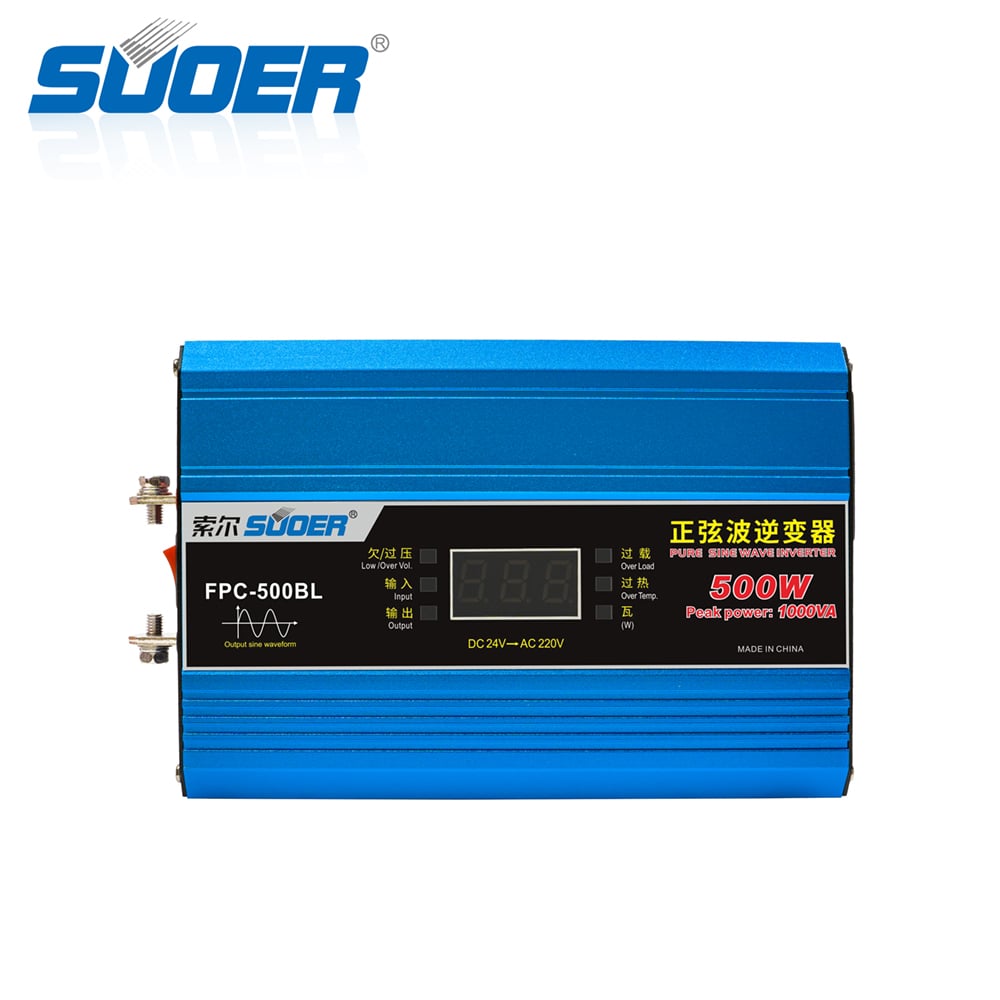
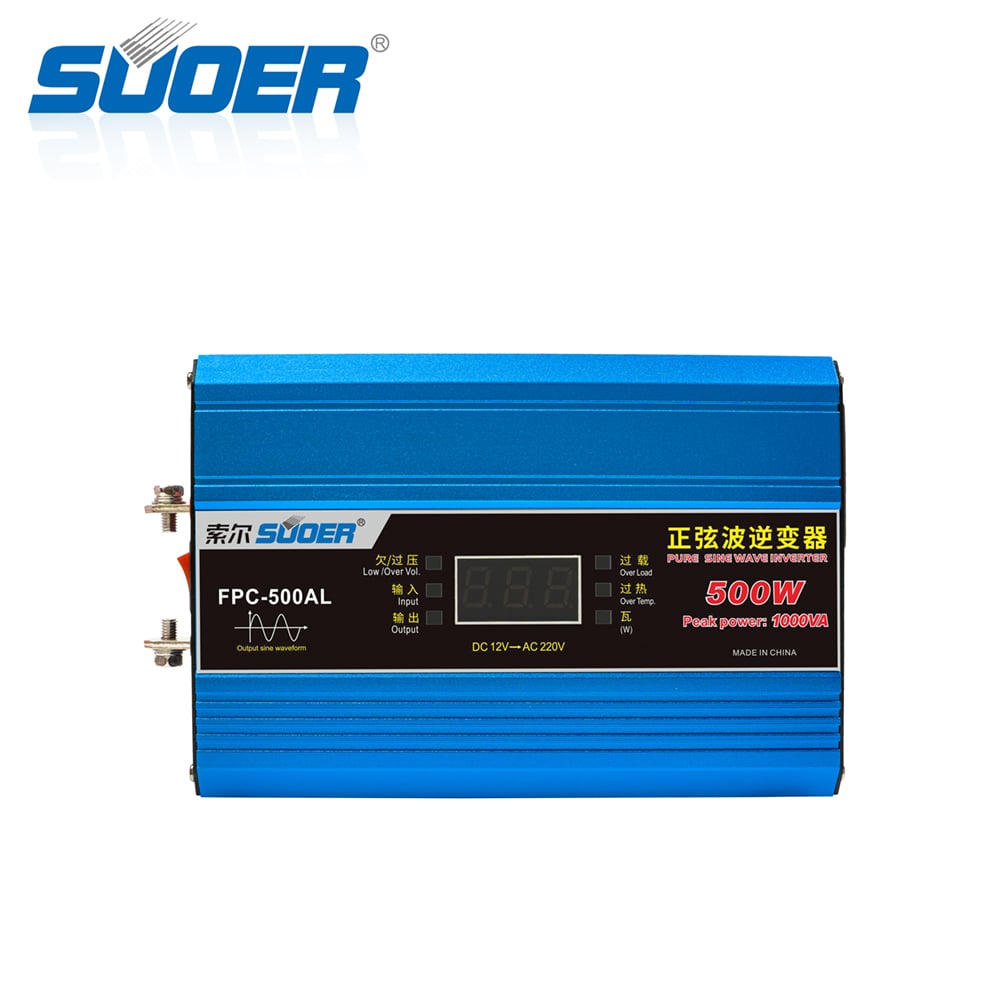
In the realm of power solutions, a 12 volt pure sine wave inverter is a critical component that converts direct current (DC) electricity into alternating current (AC) electricity, maintaining a smooth and consistent waveform. This functionality is essential for various applications, including electric vehicles, industrial operations, and telecommunications. Buyers often seek quality, efficiency, and compatibility when considering these inverters. This article aims to clarify the key specifications, common issues, cost factors, industry applications, and how to compare options for bulk orders, enabling informed purchasing decisions.
When evaluating 12 volt pure sine wave inverters, several specifications are crucial to ensure optimal performance for your application. Key specifications include:
Output Waveform: The pure sine wave output is essential for running sensitive electronics, ensuring minimal distortion and a reliable power supply. In contrast, modified sine wave outputs can lead to inefficiencies and potential damage to sensitive devices.
Power Rating: Measured in watts, this rating indicates the maximum power the inverter can supply. Buyers should assess their application's total power requirements to select an inverter that can handle peak and continuous loads effectively.
Input Voltage Range: Understanding the operating voltage range is critical. A 12 volt inverter typically operates with a range of 10.5 to 15 volts, accommodating fluctuations in battery voltage while preventing damage to the inverter.
Efficiency: Look for inverters with high efficiency ratings, ideally above 90%. Higher efficiency means less energy loss during conversion, which is particularly important in battery-powered applications to extend battery life. For instance, using a Lithium battery can enhance the overall efficiency of your power system.
Safety Features: Important safety features include overload protection, short circuit protection, and thermal shutdown. These features are vital for preventing damage to both the inverter and connected devices.
Understanding these specifications allows buyers to select an inverter that not only meets their power needs but also operates safely and efficiently.
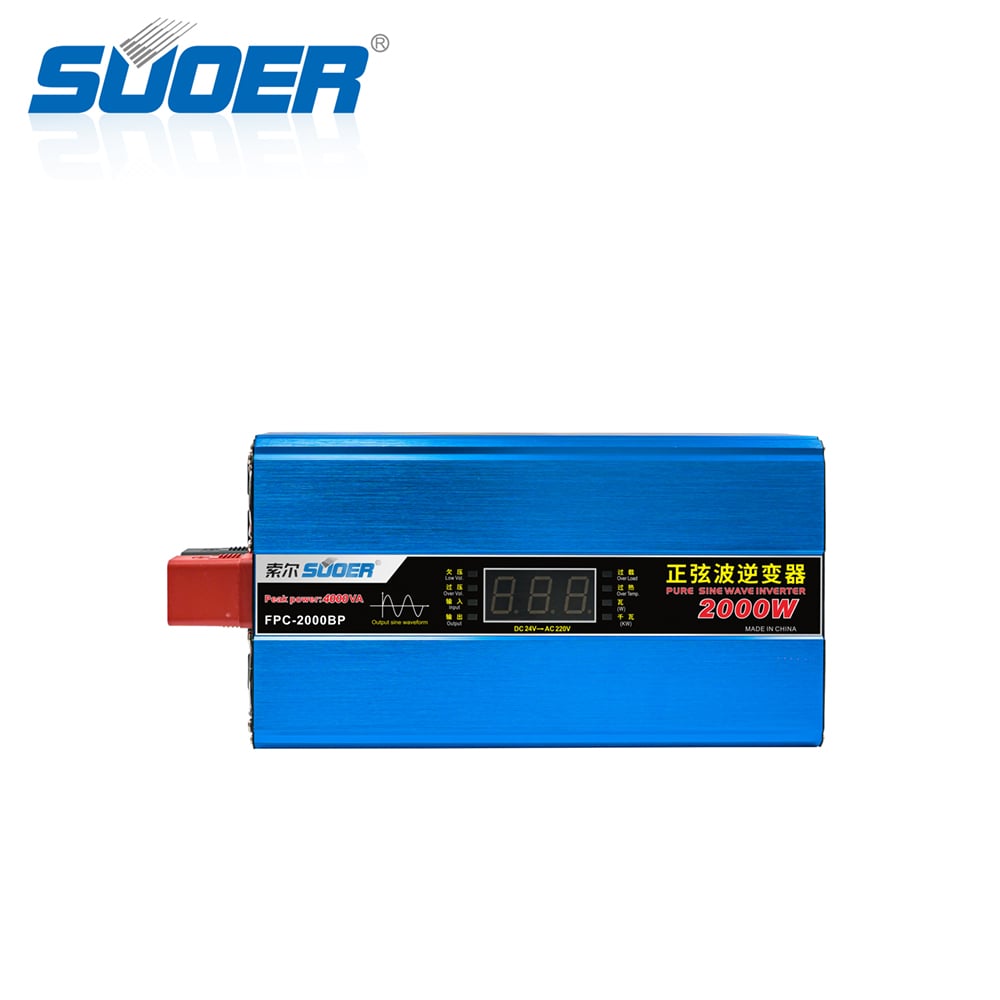
Despite their advantages, 12 volt pure sine wave inverters can encounter several common issues. Recognizing these problems and their solutions can enhance reliability and performance:
Overheating: Inverters can overheat if they operate at or near their maximum capacity for extended periods. To mitigate this, ensure the inverter is adequately ventilated and consider selecting a model with thermal protection features.
Low Battery Voltage: If the inverter fails to operate properly, it may be due to insufficient battery voltage. Always monitor battery levels and use inverters designed to work within the specified input voltage range.
Compatibility Issues: Some devices may not function correctly with modified sine wave inverters. It’s essential to confirm that your devices are compatible with pure sine wave inverters to avoid operational disruptions. Using a Lead acid battery in conjunction with your inverter can sometimes lead to compatibility issues, so be sure to check specifications.
Inverter Failure: Sudden failures can occur due to manufacturing defects or improper installation. To counter this, always conduct thorough quality checks and opt for reputable manufacturers with reliable warranties and customer support.
By being aware of these potential issues, buyers can take proactive measures to ensure the longevity and effectiveness of their inverters.
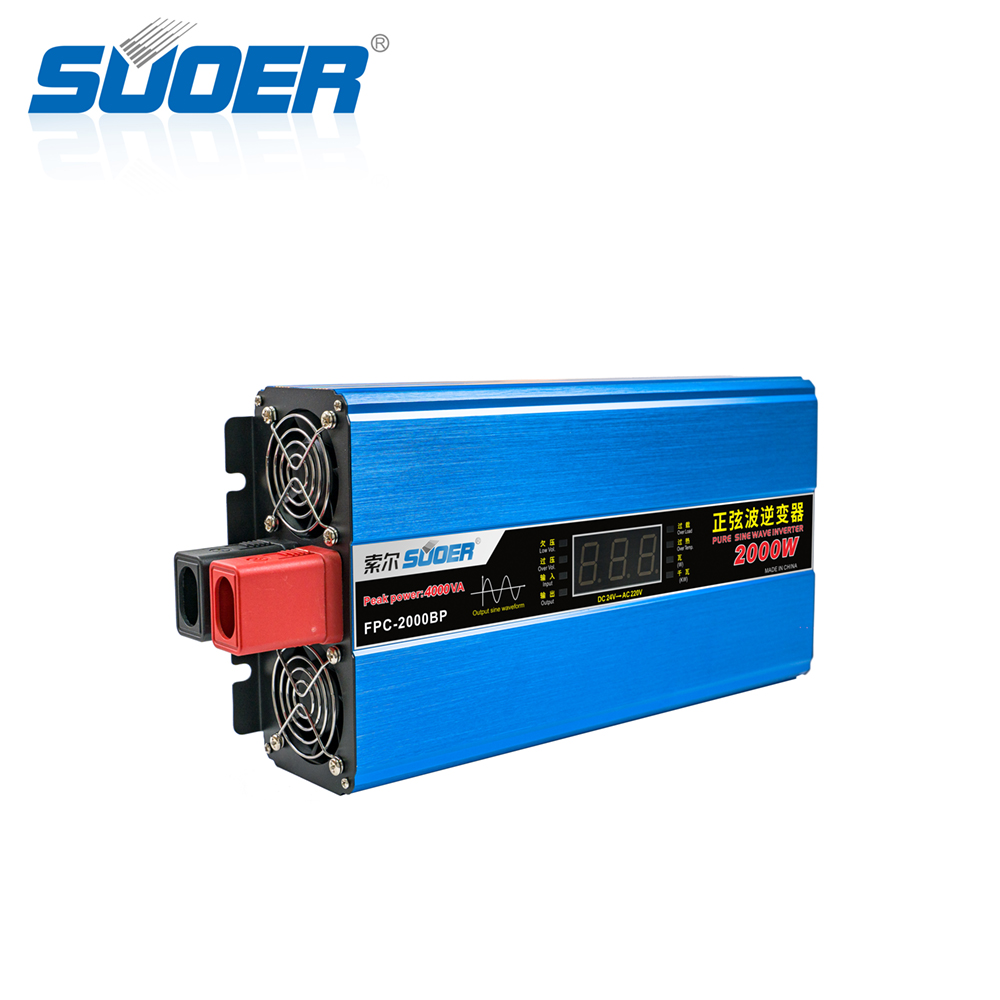
The cost of 12 volt pure sine wave inverters can vary significantly based on several factors. Understanding these can aid buyers in making informed purchasing decisions:
Power Rating: Higher wattage inverters typically come with a higher price tag. Assessing the correct wattage needed for your application is crucial to avoid overspending on unnecessary capacity.
Brand Reputation: Established brands often charge premiums for their products due to their reliability and customer service. However, investing in a reputable brand can reduce long-term costs associated with repairs and replacements.
Features and Specifications: Additional features like remote control, LCD displays, and advanced safety systems can increase costs. Buyers should weigh these benefits against their specific needs.
Quantity and MOQ: Purchasing in bulk may lead to discounts, but buyers should also consider minimum order quantities (MOQs) imposed by manufacturers. Evaluating the total cost against potential savings is essential.
Shipping and Handling: Depending on your location, shipping costs can significantly affect the overall price. It’s prudent to obtain shipping quotes when budgeting for your purchase.
By considering these cost factors, buyers can budget effectively and ensure they receive the best value for their investment.
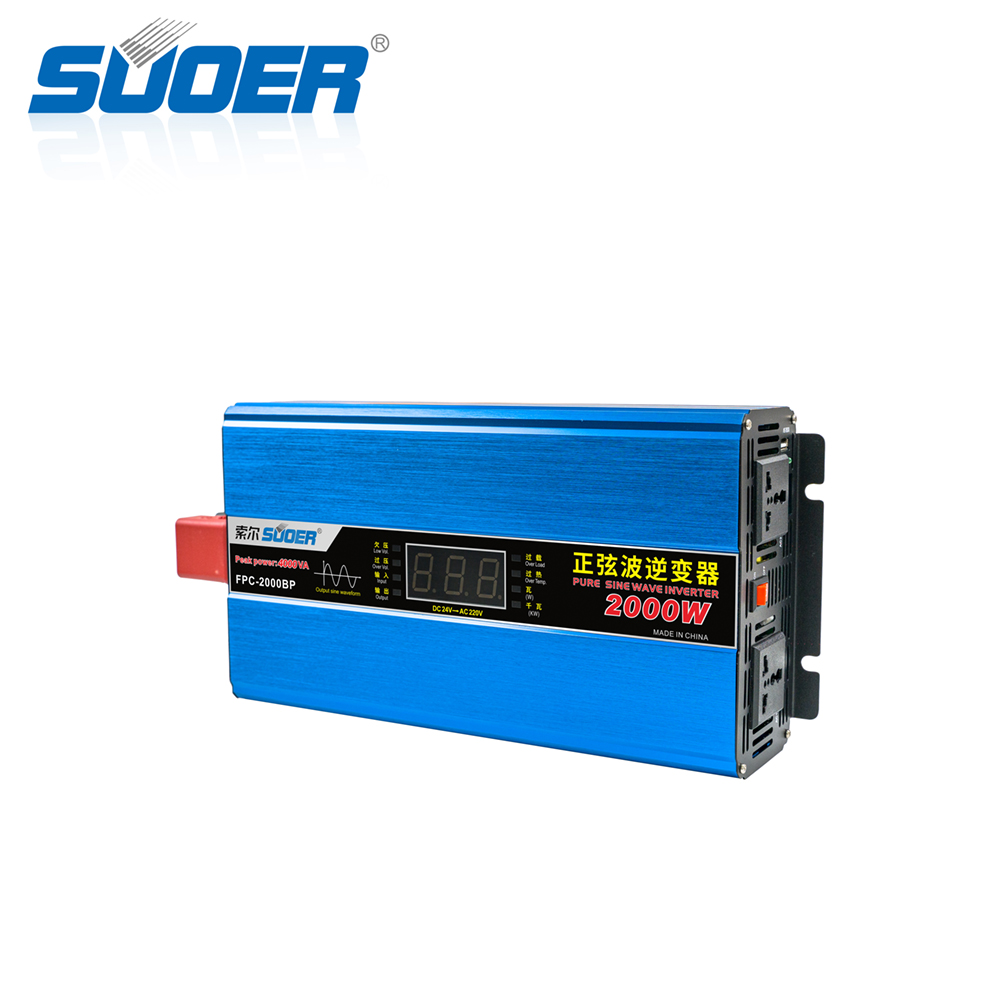
12 volt pure sine wave inverters are versatile components used across multiple industries, each requiring specific characteristics for optimal functionality:
Electric Vehicles (EVs): In the EV sector, these inverters convert battery power to supply onboard electronics, ensuring efficient operation of systems ranging from navigation to climate control.
Telecommunications: In the telecommunications industry, inverters are crucial for powering remote equipment and backup systems, maintaining operational continuity during power outages.
Industrial Applications: Factories and manufacturing plants utilize these inverters to support machinery and equipment, providing reliable power for production processes.
Photovoltaic Systems: In solar energy setups, pure sine wave inverters convert solar panel output into usable AC power, enhancing system efficiency and compatibility with the grid. Integrating Home Energy Storage solutions can further optimize these systems.
Understanding the diverse applications of these inverters helps buyers appreciate their importance and select models suitable for their specific industry needs.
When considering bulk orders of 12 volt pure sine wave inverters, a systematic comparison process can streamline decision-making:
Specification Matching: Ensure that the inverter specifications meet the demands of your intended application. Create a checklist of essential features such as power rating, efficiency, and safety features.
Supplier Evaluation: Research potential suppliers, focusing on their manufacturing capabilities, certifications (such as ROHS, CE, and ISO9001), and customer feedback. A reliable supplier should demonstrate quality consistency and strong customer service.
Pricing and Terms: Request quotes from multiple suppliers, comparing not only the unit price but also shipping costs, payment terms, and any warranties offered. This comprehensive approach ensures you obtain the best overall deal.
Sample Approval: Before finalizing bulk orders, request samples to evaluate quality. Testing samples under actual operating conditions can reveal performance issues that may not be apparent from specifications alone.
Lead Time and Availability: Confirm lead times for production and shipping. Understanding the supplier's capacity to meet your demand ensures timely delivery of your bulk order.
By following these steps, buyers can make informed decisions that align with their operational needs and budget constraints, ensuring a successful procurement process.

Discover Suoer’s premium range of solar inverters and power inverters designed for reliable renewable energy solutions.Trusted by customers worldwide for exceptional performance and durability.
Suoer Industrial Zone, Ercun Road Section, Yanfeng Avenue, Shishan Town,Foshan city,Guangdong Province,China
Copyright © 2024 Foshan Suoer Electronic Industry Co., Ltd. Privacy Policy - Blog

 EN
 AR
 NL
 FR
 DE
 EL
 IT
 JA
 KO
 PT
 RU
 ES
 VI
 TH
 TR
 BG
 HR
 CS
 NO
 PL
 TL
 ID
 SR
 UK
 SQ
 HU
 MT
 AF
 MS
 IS
 HY
 AZ
 BN
 BS
 GU
 LO
 LA
 MN
 NE
 TA