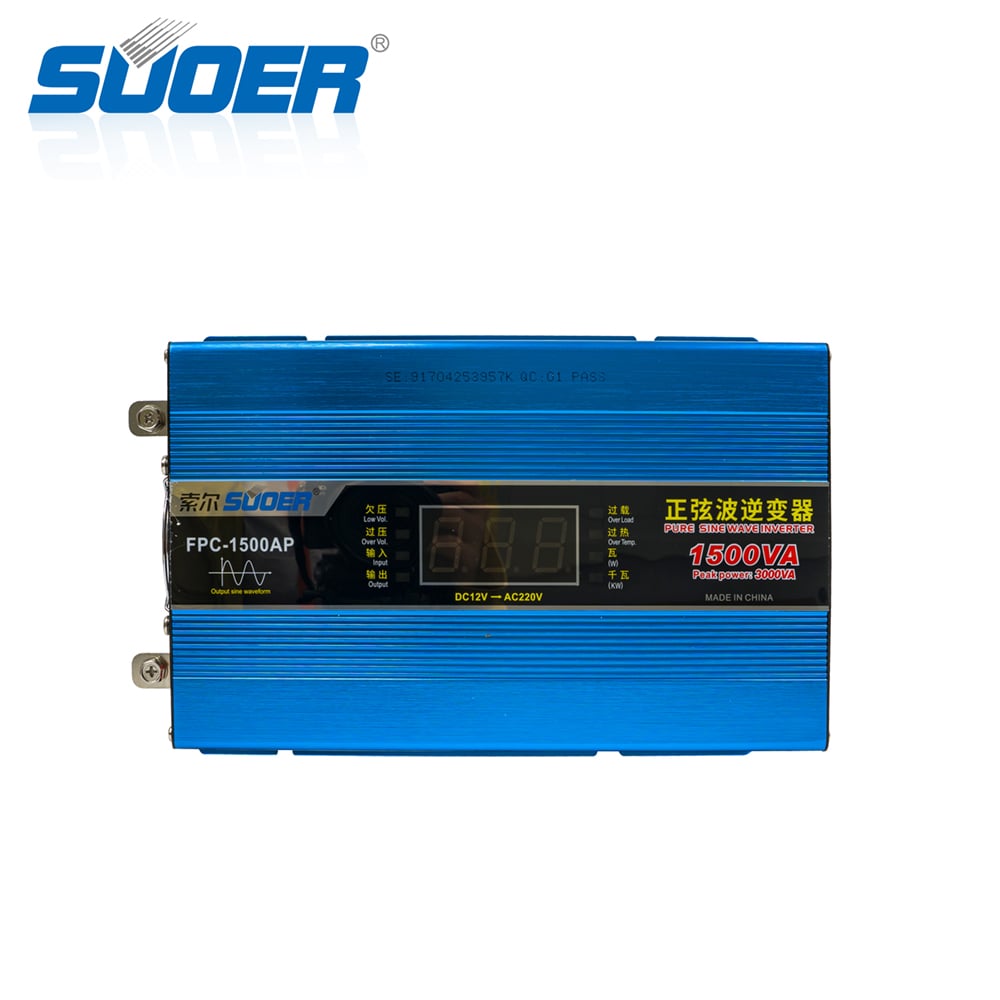
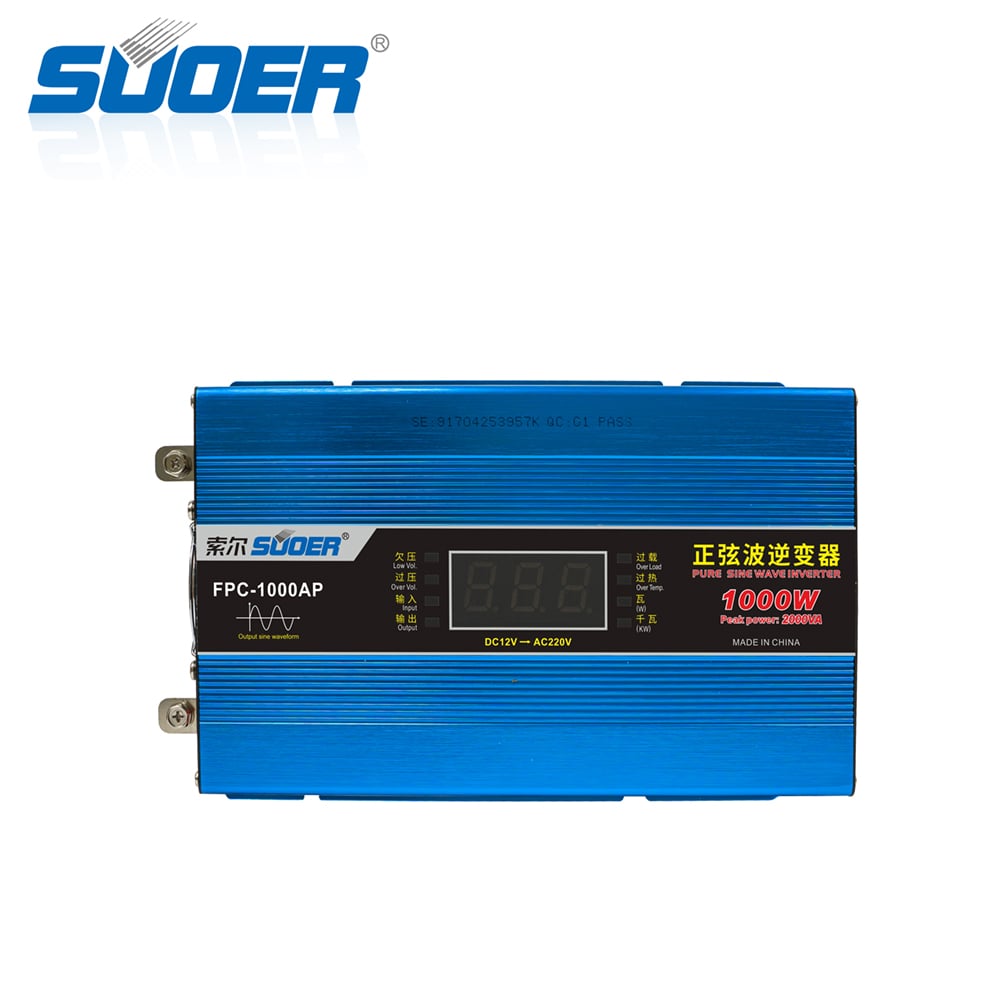
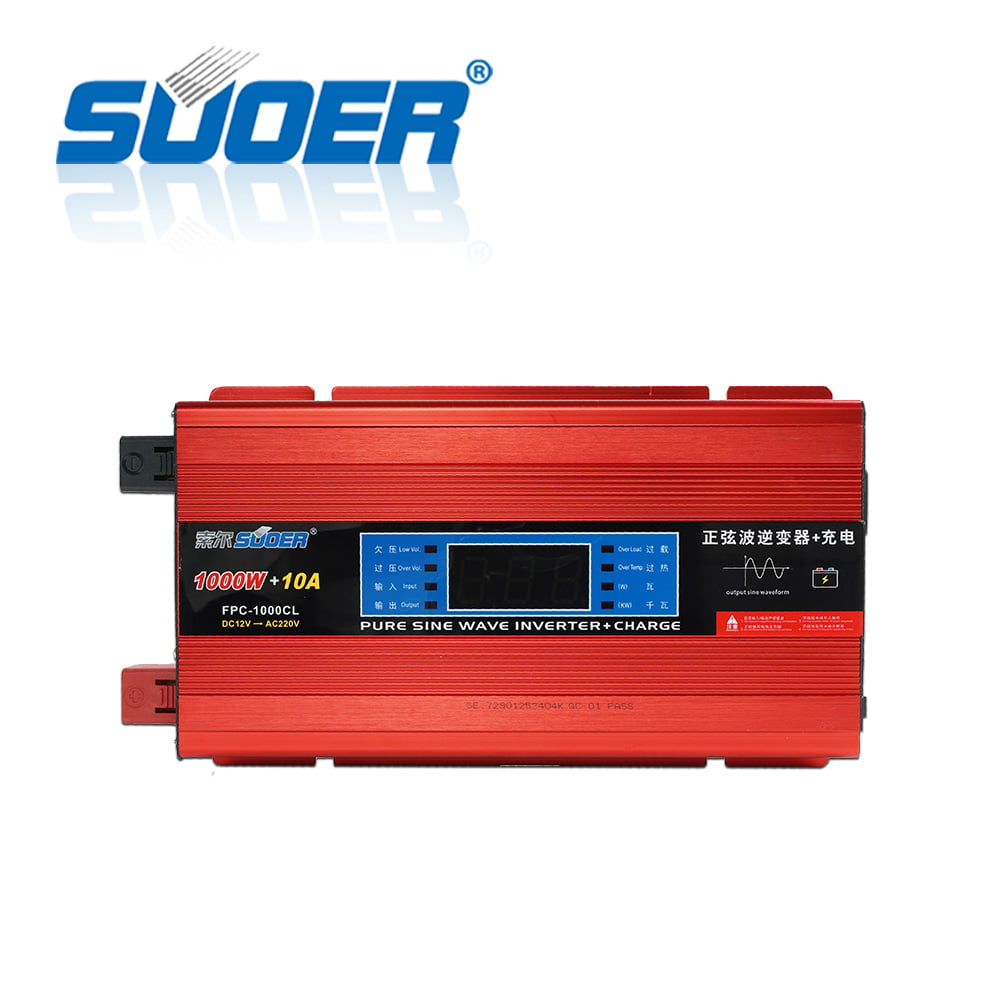
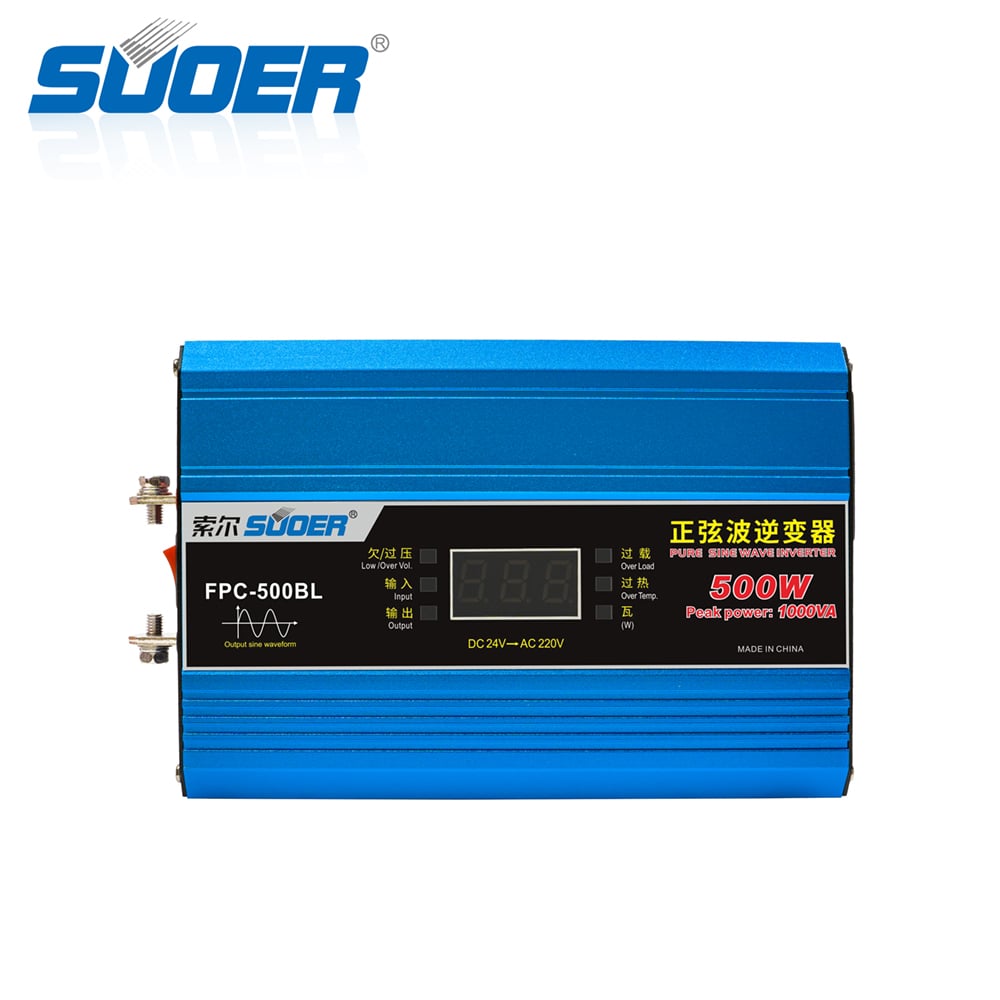
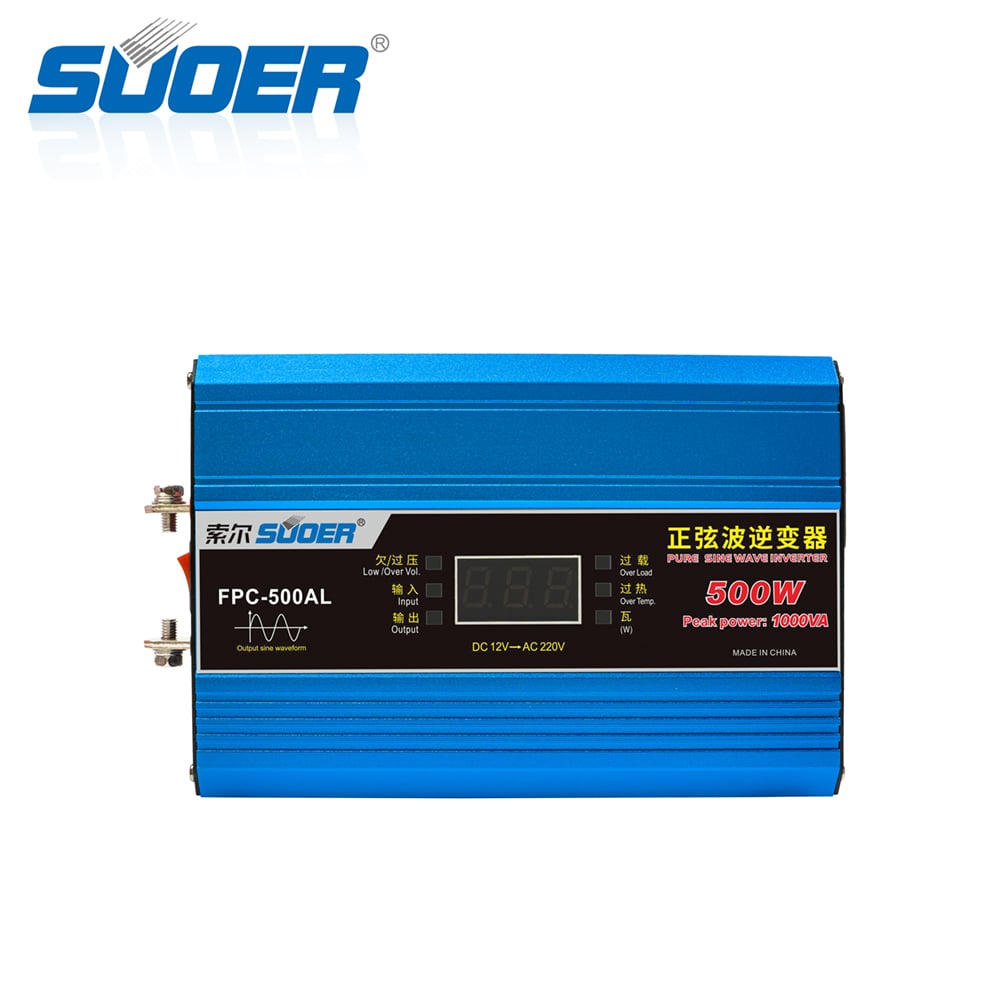
A 600W pure sine inverter is a critical component for converting DC power to high-quality AC power, suitable for various applications such as electric vehicles, telecommunications, and industrial equipment. When considering bulk orders, B2B buyers often focus on reliability, performance specifications, and supplier credibility. This article will guide you through essential considerations when selecting a 600W pure sine inverter, identifying reliable suppliers, common installation issues, its applications across industries, and how to effectively compare options for your projects.
When selecting a 600W pure sine inverter for bulk orders, several key factors should be evaluated to ensure compatibility and performance.
Specifications: Look for inverters that provide detailed specifications, including voltage output, frequency stability, and total harmonic distortion (THD). A low THD is crucial for sensitive electronic equipment, as it ensures cleaner power delivery.
Material and Build Quality: The materials used in the inverter should be durable and capable of withstanding various operational environments. High-quality components often lead to better efficiency and longevity, reducing the need for frequent replacements.
Certifications: Ensure that the inverter meets relevant industry certifications such as ROHS, CE, and ISO9001. These certifications indicate adherence to quality standards and safety regulations, which are paramount for bulk purchases.
Customization Options: Depending on your application, you may require specific customization, such as enclosure design or additional features like remote monitoring. Confirm with manufacturers about their capabilities in customizing products to meet unique requirements.
Lead Time and Minimum Order Quantity (MOQ): Consider the lead time for production and shipping, especially if you have tight project deadlines. Understanding the MOQ is also vital for budgeting and planning your procurement strategy. Additionally, exploring options for Lead acid battery could enhance your operational efficiency.
By carefully evaluating these factors, you can make informed decisions that align with your operational needs and project goals.
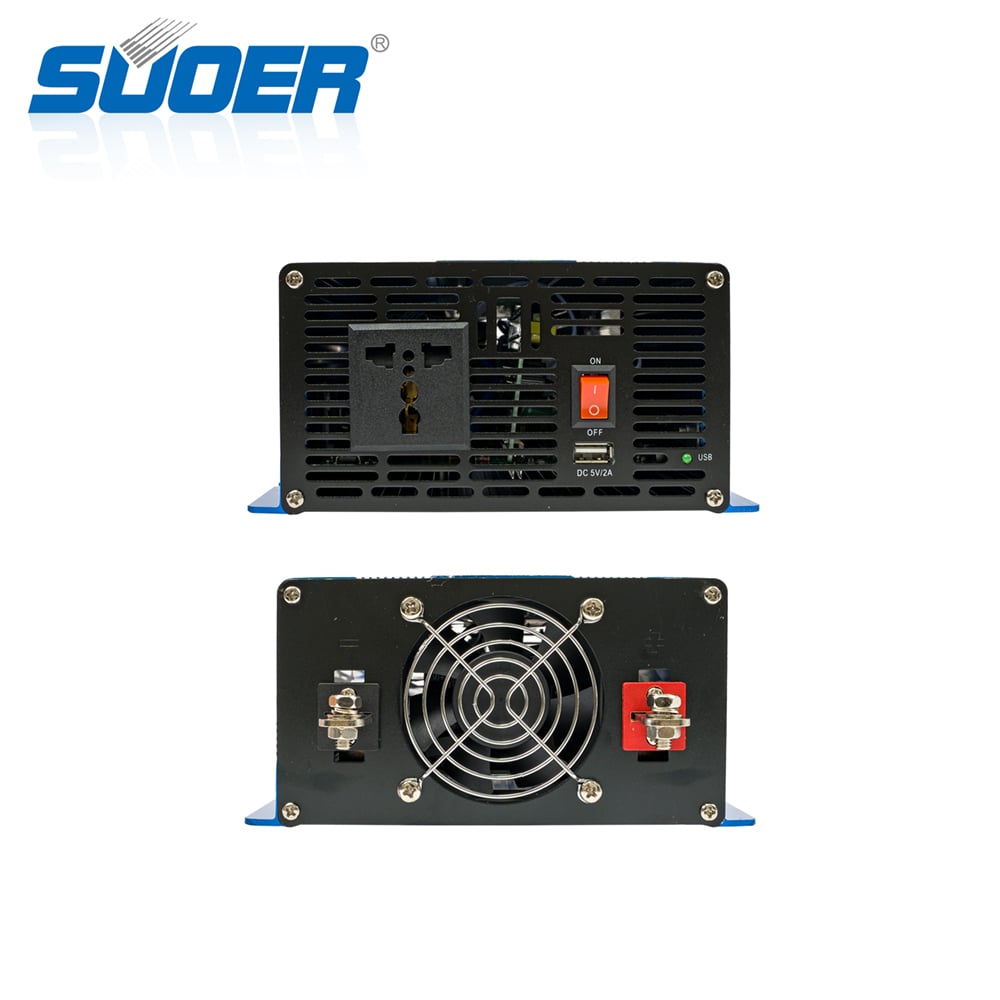
Finding a reliable supplier for 600W pure sine inverters is essential to ensure consistent quality and supply. Start by searching for manufacturers with a strong reputation in the new energy sector, particularly those experienced in supplying major vehicle OEMs and industrial applications.
Industry Experience: Look for suppliers who have a proven track record in the power supply industry. Experience indicates familiarity with common challenges and quality control processes.
Production Capabilities: Evaluate the supplier’s manufacturing capabilities, including automated production lines and quality assurance practices. A supplier with advanced production equipment is more likely to produce consistent and high-quality products.
Customer Support: Effective customer service and technical support can significantly enhance the purchasing experience. Reliable suppliers should be able to assist with queries related to installation, troubleshooting, and after-sales service.
References and Reviews: Request references or search for reviews from other businesses that have previously partnered with the supplier. Positive feedback can provide assurance of the supplier’s reliability and product performance.
Geographical Reach: Consider suppliers who can efficiently ship to your location and have experience in international markets if your operations extend globally. Exploring options for Home Energy Storage could also be beneficial in optimizing your energy solutions.
By vetting potential suppliers through these criteria, you can build long-term relationships that support your business needs.
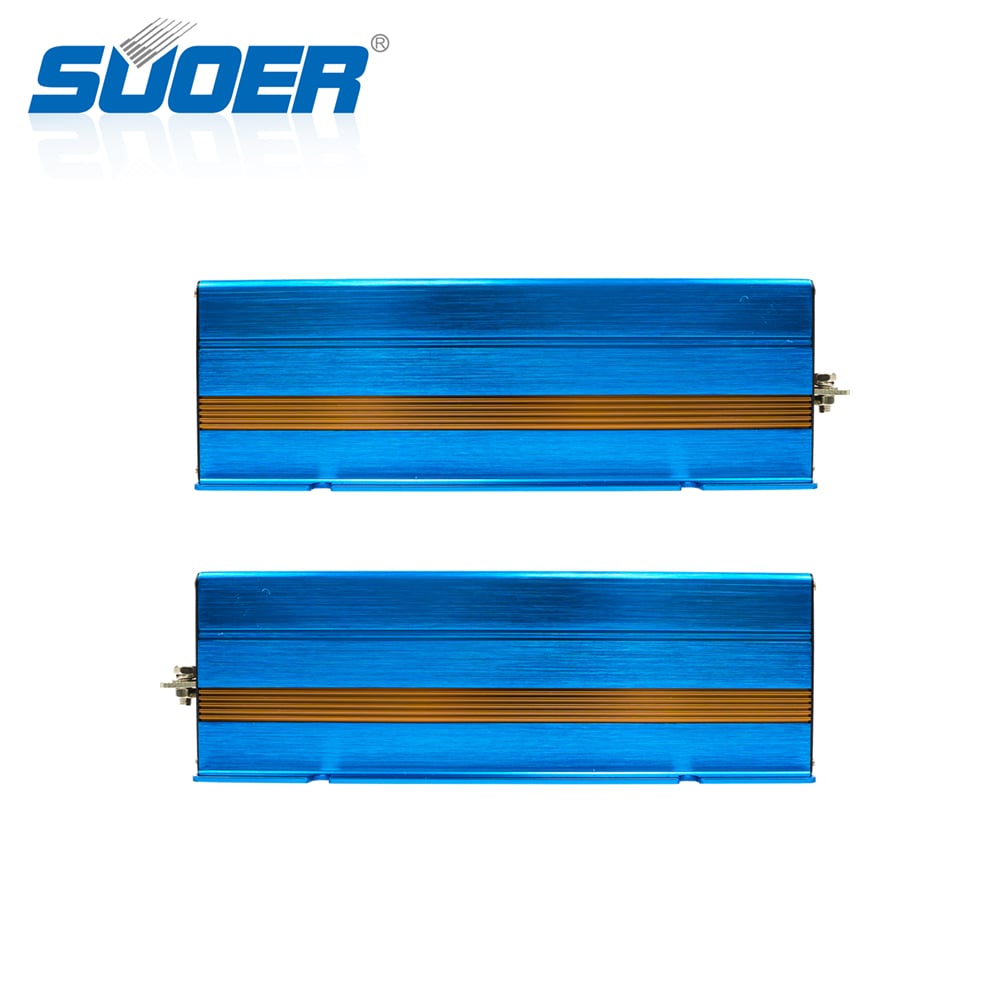
While installing a 600W pure sine inverter, several common issues can arise that may impact performance and reliability. Understanding these challenges can help you prepare and mitigate risks.
Connection Problems: Incorrect wiring or loose connections can lead to inefficiencies or even damage. Ensure that all connections are secure and that the inverter is installed according to the manufacturer's guidelines, particularly regarding polarity.
Overloading: Exceeding the inverter’s rated capacity can cause it to shut down or fail. It’s essential to calculate the total load and ensure it does not exceed 600W. Use a power meter to monitor power consumption and avoid overload situations.
Cooling Requirements: Inverters generate heat during operation, and inadequate ventilation can lead to overheating. Ensure that the inverter is installed in a well-ventilated area and consider additional cooling solutions if necessary.
Incompatible Equipment: Some devices may not be compatible with pure sine wave output. Always verify the compatibility of your equipment with the inverter specifications to avoid unexpected failures.
Grounding Issues: Proper grounding is vital for safety and performance. Ensure that the inverter is grounded according to local electrical codes to prevent electrical hazards.
By addressing these common installation issues proactively, you can enhance the reliability and longevity of your inverter system.
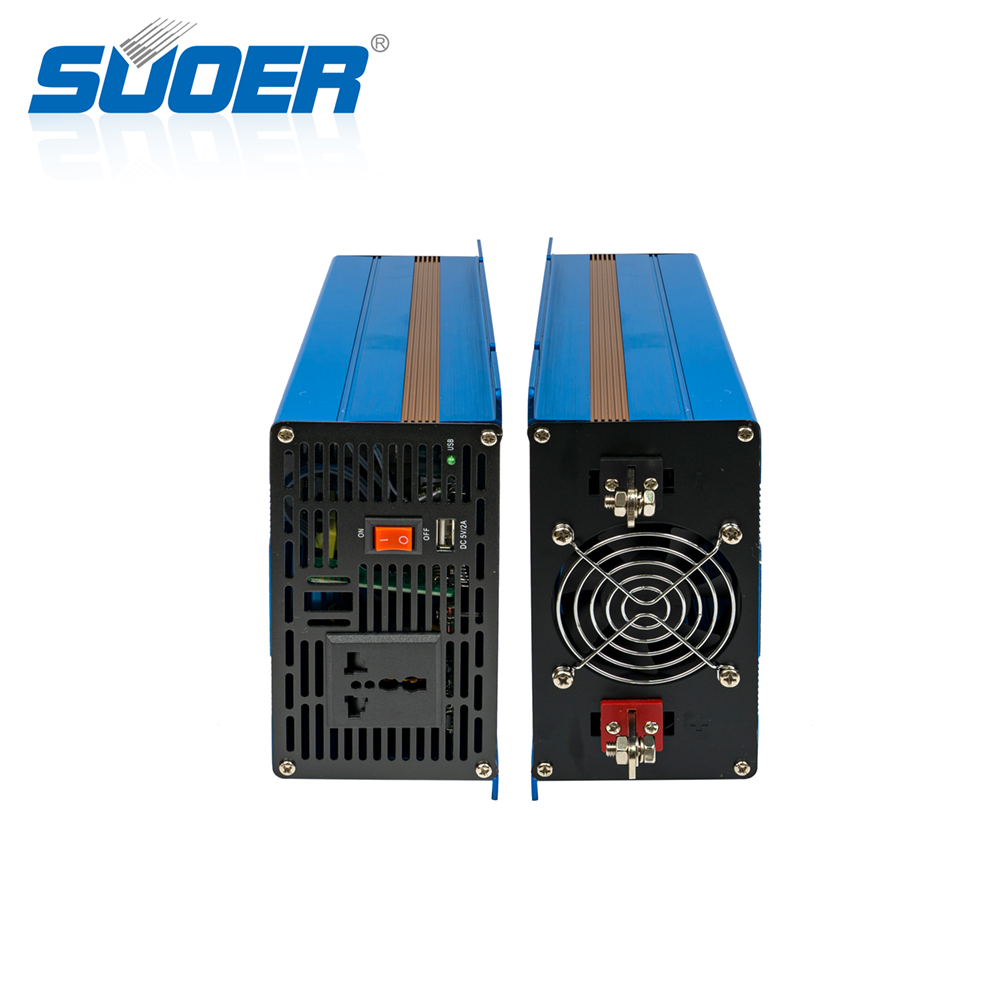
600W pure sine inverters have versatile applications across several industries, thanks to their ability to produce high-quality AC power. Here are some notable applications:
Telecommunications: These inverters serve as a reliable power source for communication equipment, ensuring uninterrupted service during power outages. Their clean output helps maintain the integrity of sensitive telecommunications devices.
Electric Vehicles: In the electric vehicle industry, 600W pure sine inverters are essential for powering onboard electronics and accessories. They provide stable power for navigation systems, entertainment devices, and charging stations.
Rail Transit: In rail systems, these inverters support various electronic systems, including signaling and communication tools. Their robustness and reliability are crucial for maintaining operational efficiency in transit networks.
Photovoltaic Systems: In solar energy installations, a 600W pure sine inverter can convert DC electricity generated by solar panels into AC power for use in homes or businesses. This application enhances energy efficiency and enables the integration of renewable energy sources, including systems utilizing Renewable Energy.
Industrial Equipment: Many industrial tools and machines require a stable power supply to operate effectively. A 600W pure sine inverter can support machinery in manufacturing processes, ensuring consistent performance.
By understanding these applications, buyers can better assess how a 600W pure sine inverter can fit into their specific operational needs.
When comparing 600W pure sine inverters for your projects, consider a systematic approach to ensure that you select the best option for your requirements.
Performance Metrics: Compare the performance specifications, including efficiency ratings, output waveform quality, and load capacity. A higher efficiency rating often translates to lower operating costs over time.
Technical Features: Look for features such as built-in protections against over-voltage, under-voltage, over-temperature, and short circuits. These safety features can prevent damage and enhance the reliability of the inverter.
Warranty and Support: Evaluate the warranty period and after-sales support offered by different suppliers. A longer warranty and comprehensive support can provide peace of mind and reduce total ownership costs.
Cost Considerations: While initial cost is important, consider the total cost of ownership, including installation, maintenance, and energy savings over time. Sometimes a higher upfront cost can lead to greater savings in the long run.
Sample Testing: Before committing to a bulk order, request samples for testing. This allows you to evaluate the inverter's performance in real-world conditions, ensuring it meets your project's specific needs.
By applying these comparison strategies, you can select a 600W pure sine inverter that aligns with your operational goals and budget considerations.

Discover Suoer’s premium range of solar inverters and power inverters designed for reliable renewable energy solutions.Trusted by customers worldwide for exceptional performance and durability.
Suoer Industrial Zone, Ercun Road Section, Yanfeng Avenue, Shishan Town,Foshan city,Guangdong Province,China
Copyright © 2024 Foshan Suoer Electronic Industry Co., Ltd. Privacy Policy - Blog

 EN
 AR
 NL
 FR
 DE
 EL
 IT
 JA
 KO
 PT
 RU
 ES
 VI
 TH
 TR
 BG
 HR
 CS
 NO
 PL
 TL
 ID
 SR
 UK
 SQ
 HU
 MT
 AF
 MS
 IS
 HY
 AZ
 BN
 BS
 GU
 LO
 LA
 MN
 NE
 TA