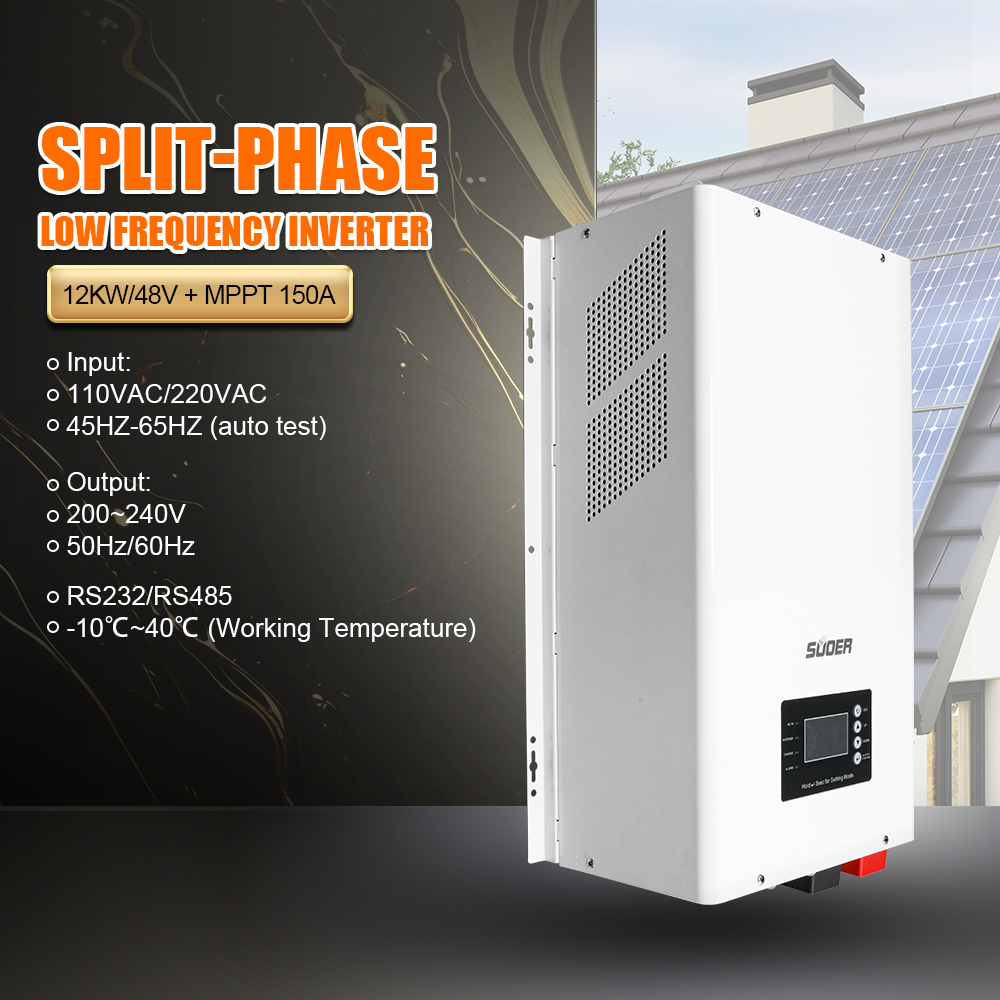
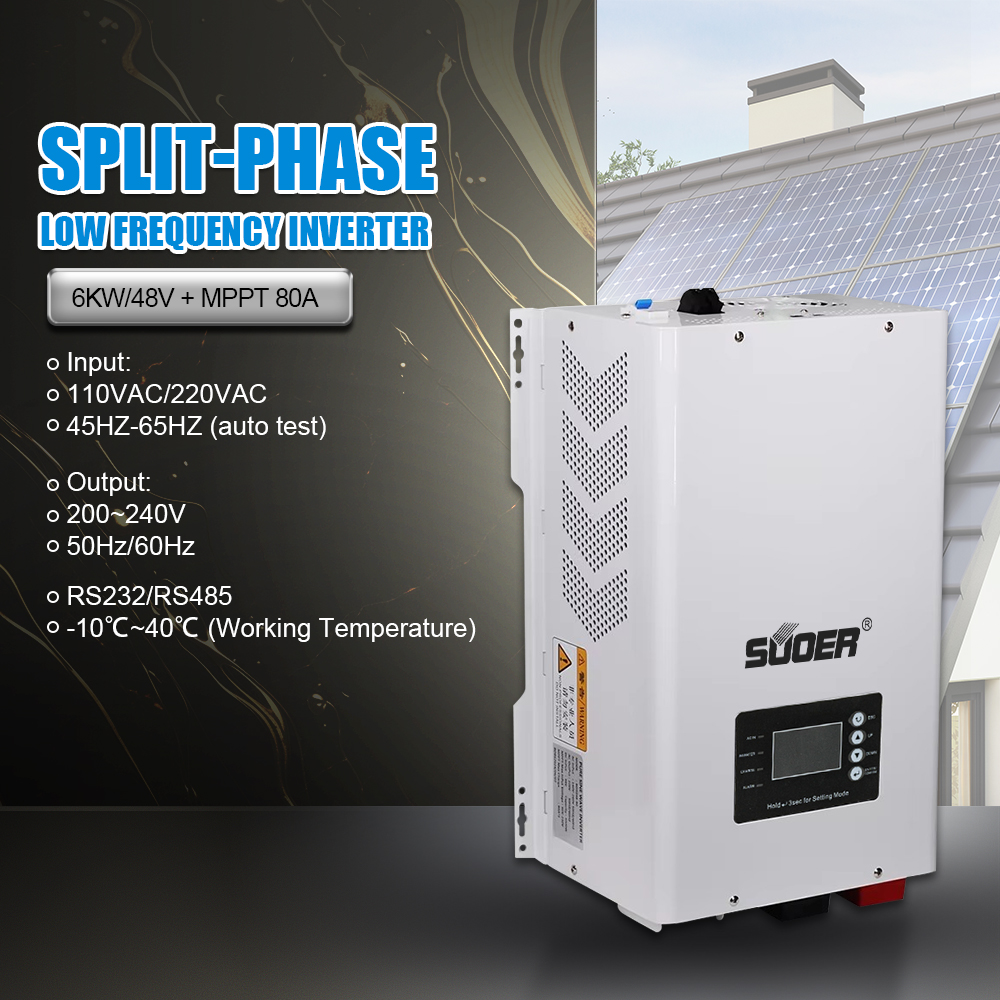
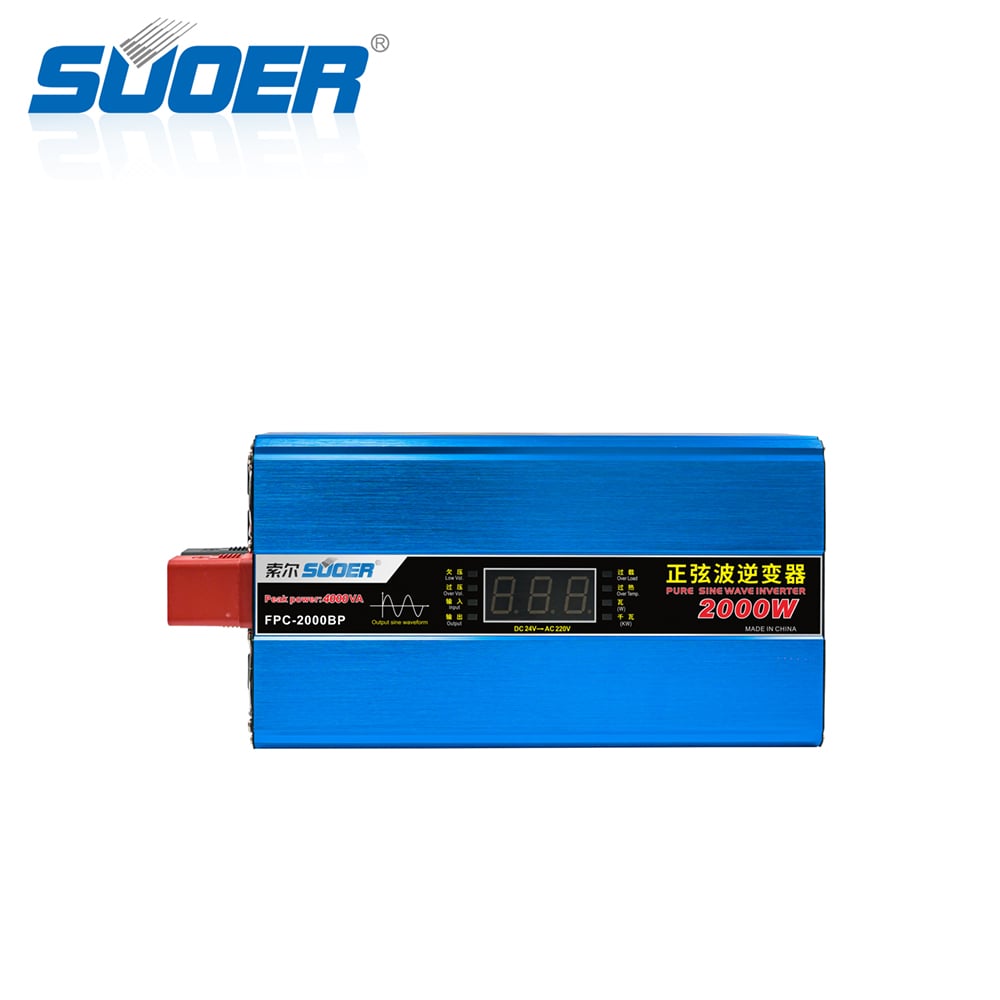
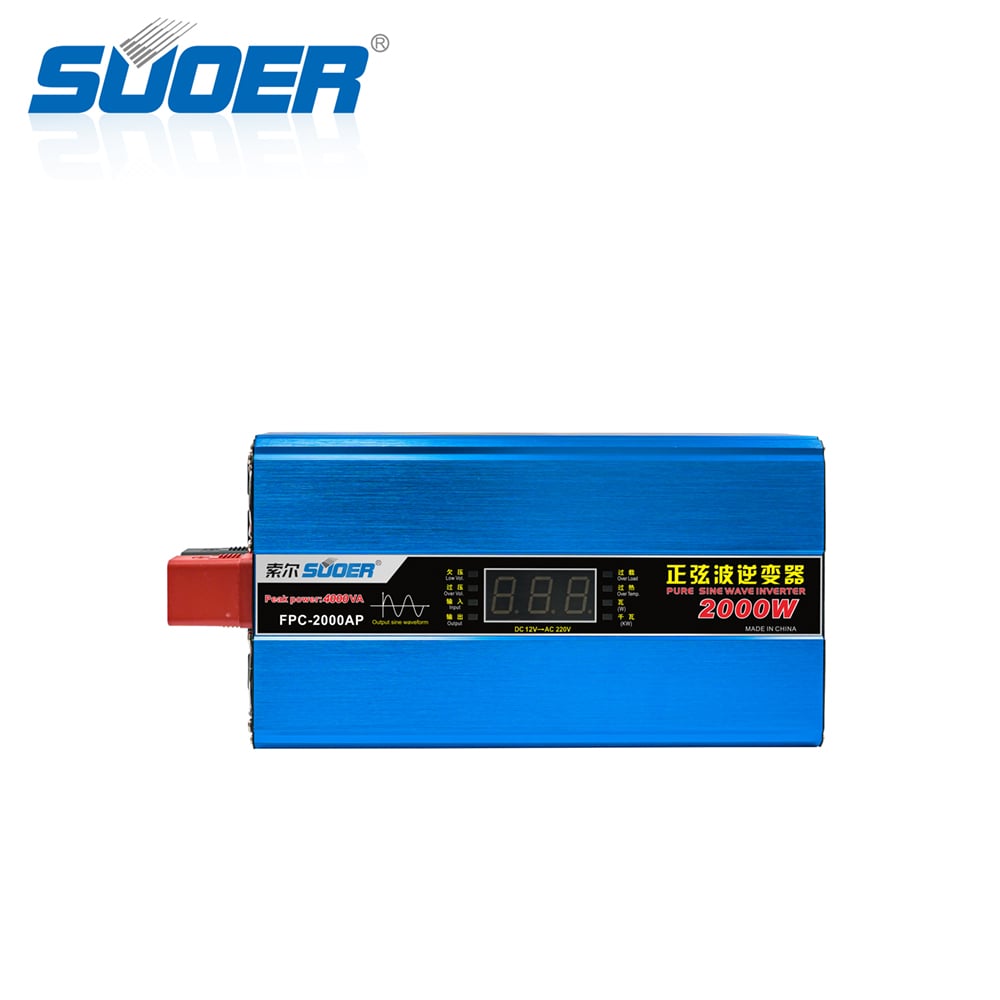
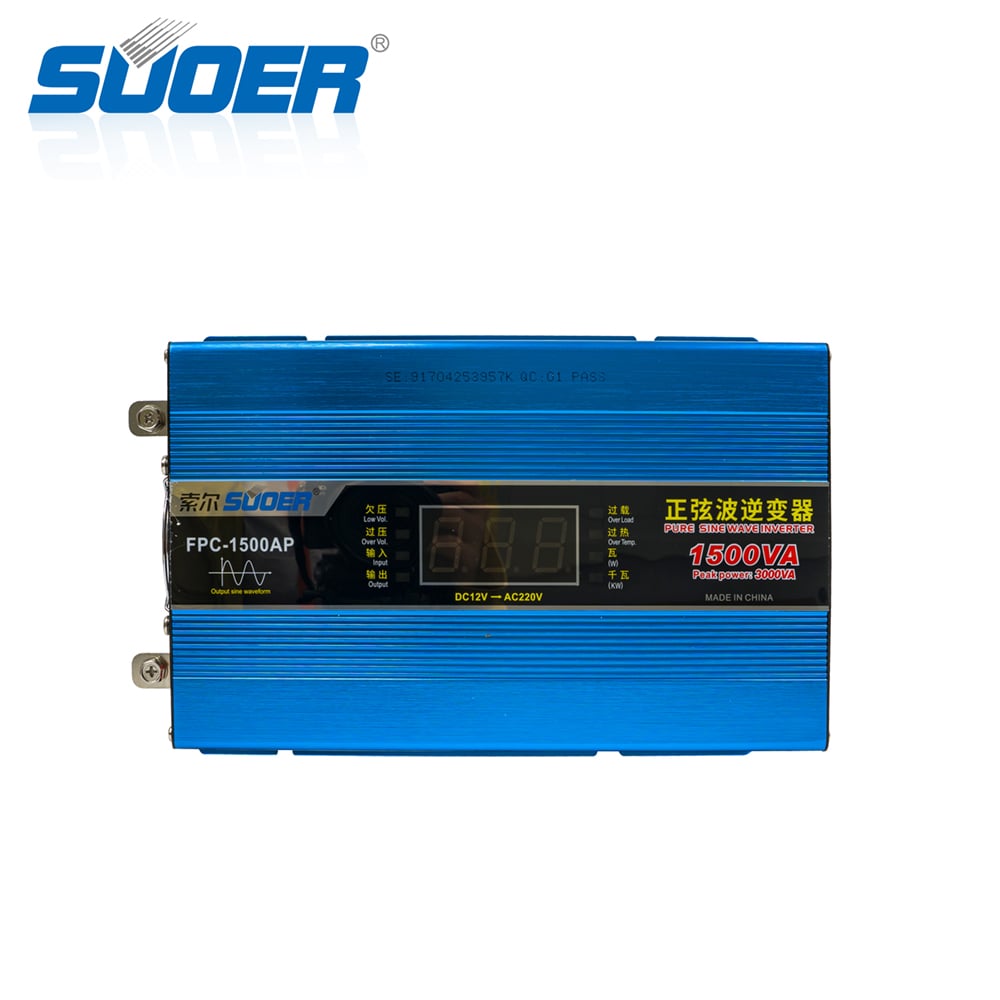
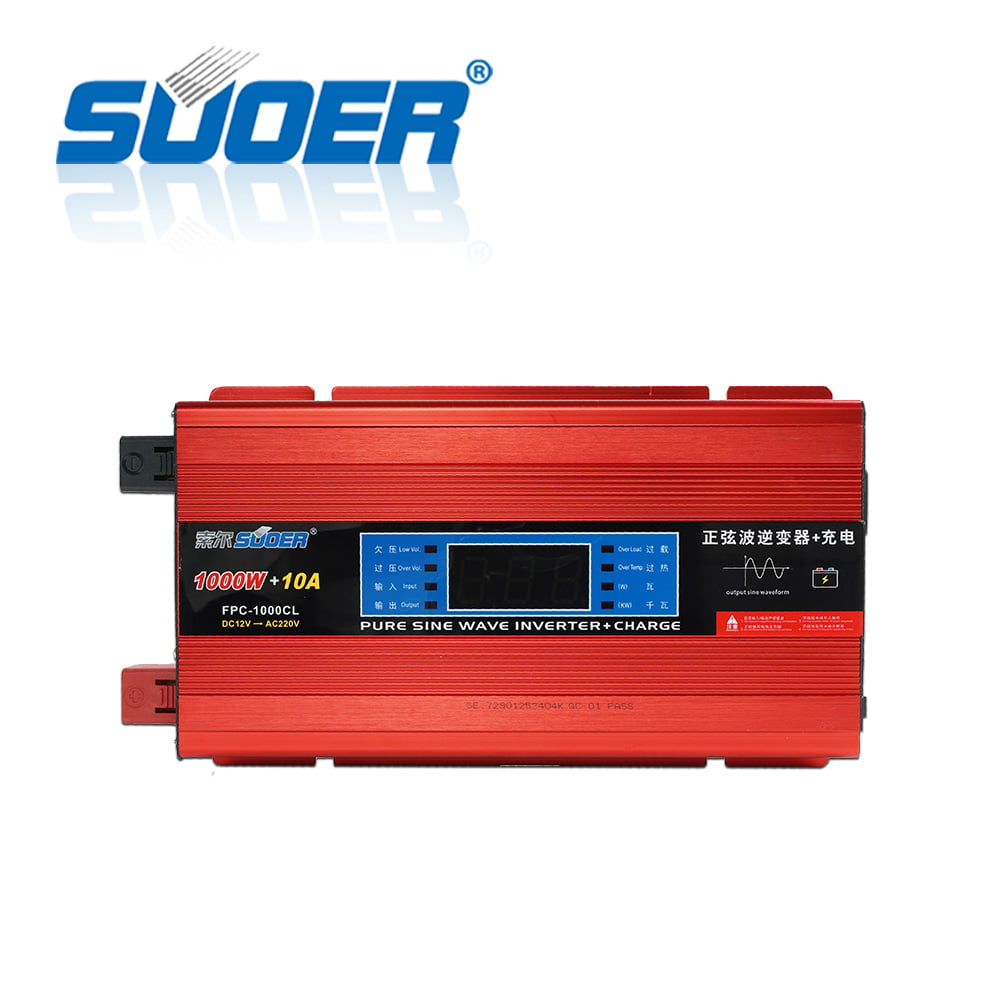
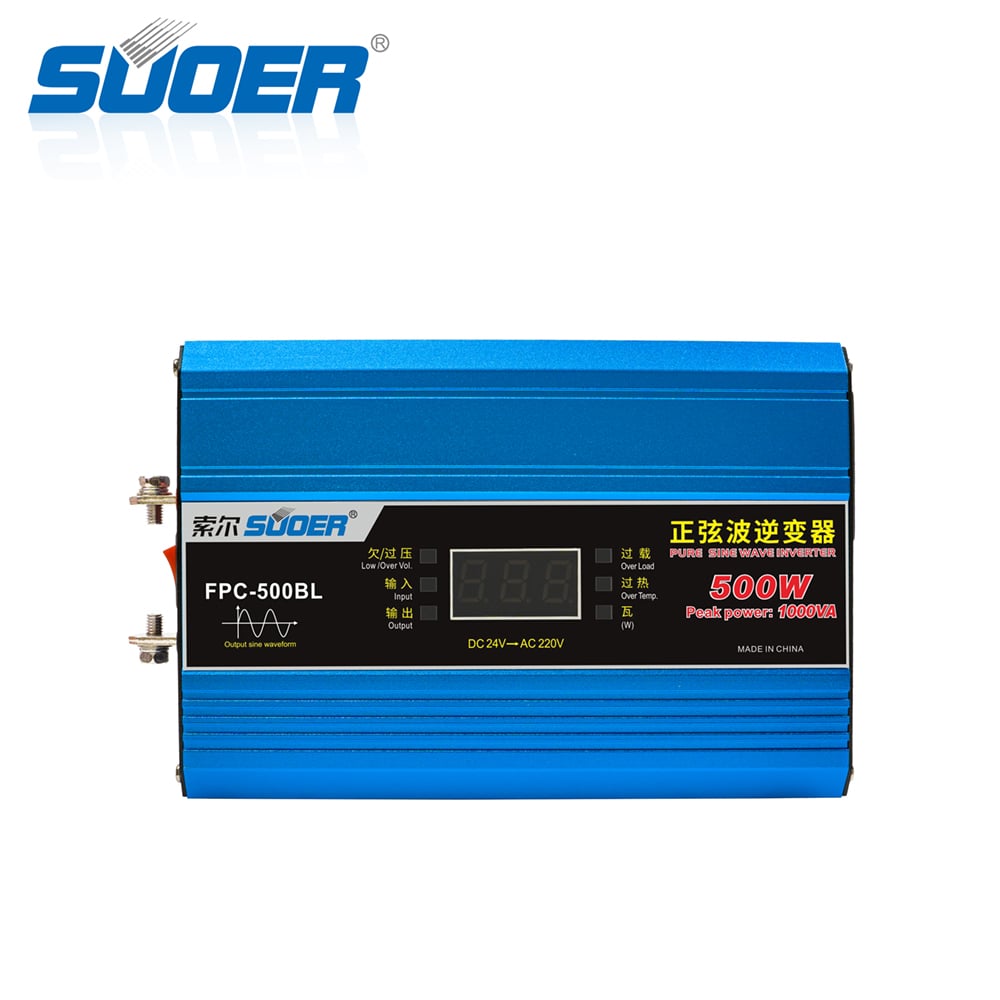
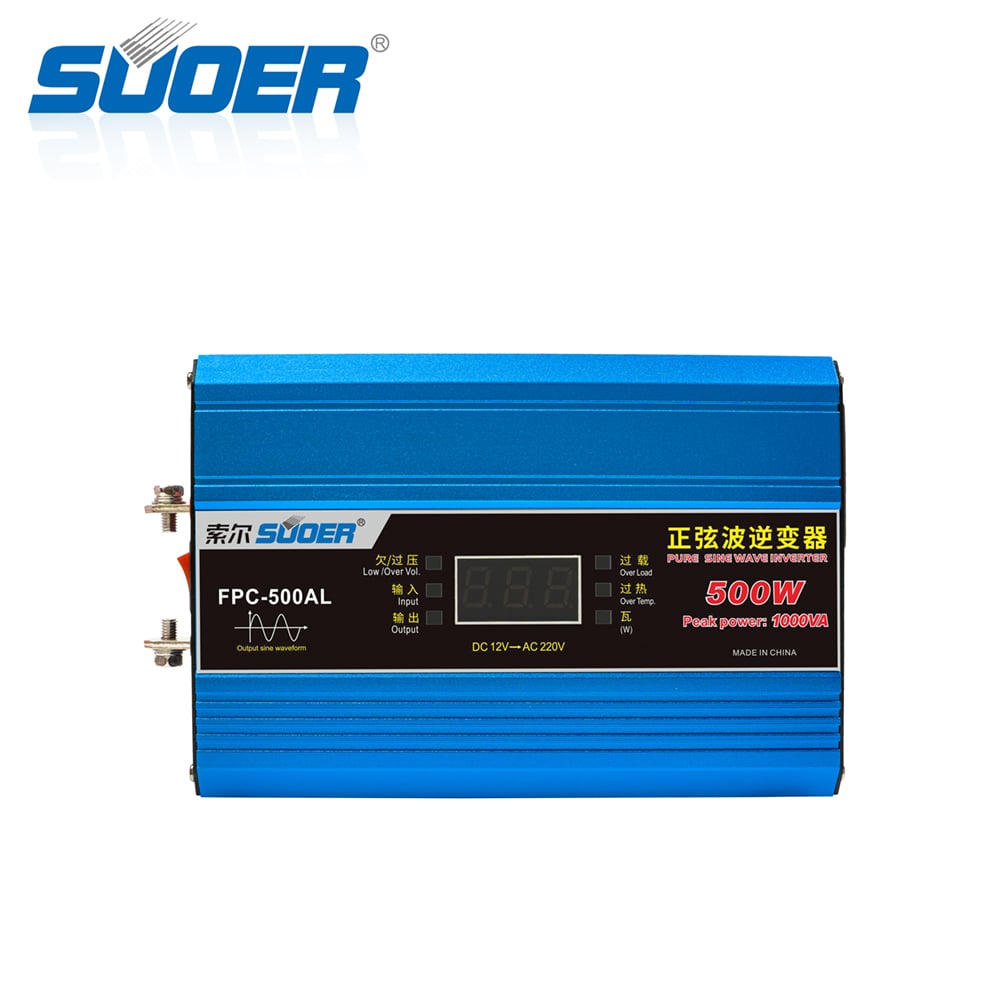
A 600W pure sine wave inverter is a device that converts direct current (DC) into alternating current (AC) with a clean, smooth waveform. This type of inverter is essential for powering sensitive electronics and appliances in various applications, including electric vehicles, telecommunications, and industrial settings. B2B buyers, such as purchasing managers and engineers, often seek high-quality inverters that meet specific performance and reliability standards. This article will guide you through key considerations for selecting a 600W pure sine wave inverter, evaluating costs, addressing common installation issues, comparing different products, and understanding the advantages of bulk orders.
When selecting a 600W pure sine wave inverter, several factors should be carefully evaluated to ensure optimal performance and compatibility with your applications.
Output Waveform: Pure sine wave inverters provide a consistent waveform, which is crucial for sensitive electronics. Ensure the inverter's waveform is compatible with the devices you plan to power. For instance, devices powered by pure sine wave inverters perform better than those powered by modified sine wave alternatives.
Efficiency Ratings: Look for inverters with high efficiency ratings, typically above 90%. Higher efficiency results in less energy loss during the conversion process, which is particularly important for battery-powered applications.
Input Voltage Range: Verify that the inverter supports the input voltage of your power source, whether it’s a battery system or a solar panel array. A broader input voltage range increases versatility.
Load Capacity: Ensure the inverter can handle not only the total wattage of the devices being powered but also any surge requirements during startup. This is particularly relevant for motors or compressors.
Cooling Mechanism: Check the inverter’s cooling system, especially if it will operate in high-temperature environments. Efficient cooling prevents overheating and extends the inverter's life span.
Certifications: Make sure the inverter meets relevant industry certifications, such as ROHS, CE, and ISO9001, which indicate compliance with safety and environmental standards.
Size and Weight: Depending on your installation location, the physical dimensions and weight of the inverter may be important. Make sure it fits into your designated space without compromising performance.
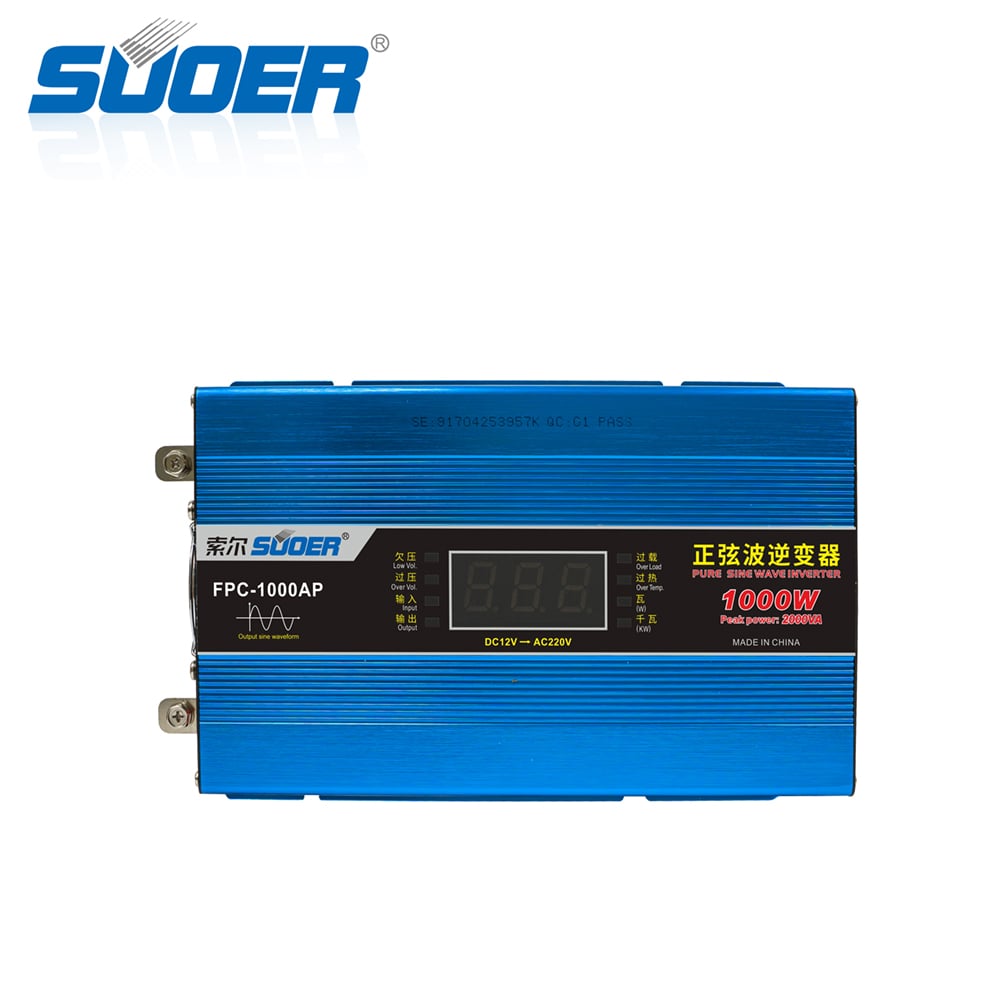
Cost considerations for purchasing a 600W pure sine wave inverter extend beyond the initial purchase price. Here are key factors to keep in mind:
Base Price: The initial cost of the inverter is often a significant factor, but it should not be the only consideration. Compare similar models to find a balance between price and features.
Installation Costs: Factor in any installation expenses, which may include labor, mounting hardware, and any additional electrical components required for proper setup.
Operating Costs: Evaluate the inverter's efficiency, as higher efficiency can lead to lower operating costs over time. Consider the potential savings in energy bills, especially for continuous usage.
Warranty and Support: A longer warranty period may indicate higher quality and reduce long-term costs associated with repairs or replacements. Additionally, reliable customer support can save time and resources.
Shipping and Handling: Depending on the supplier's location, shipping costs can vary. Be sure to consider these when budgeting for your total expenditure.
Bulk Purchase Discounts: If purchasing multiple units, inquire about bulk discounts which can significantly reduce the overall cost per unit.
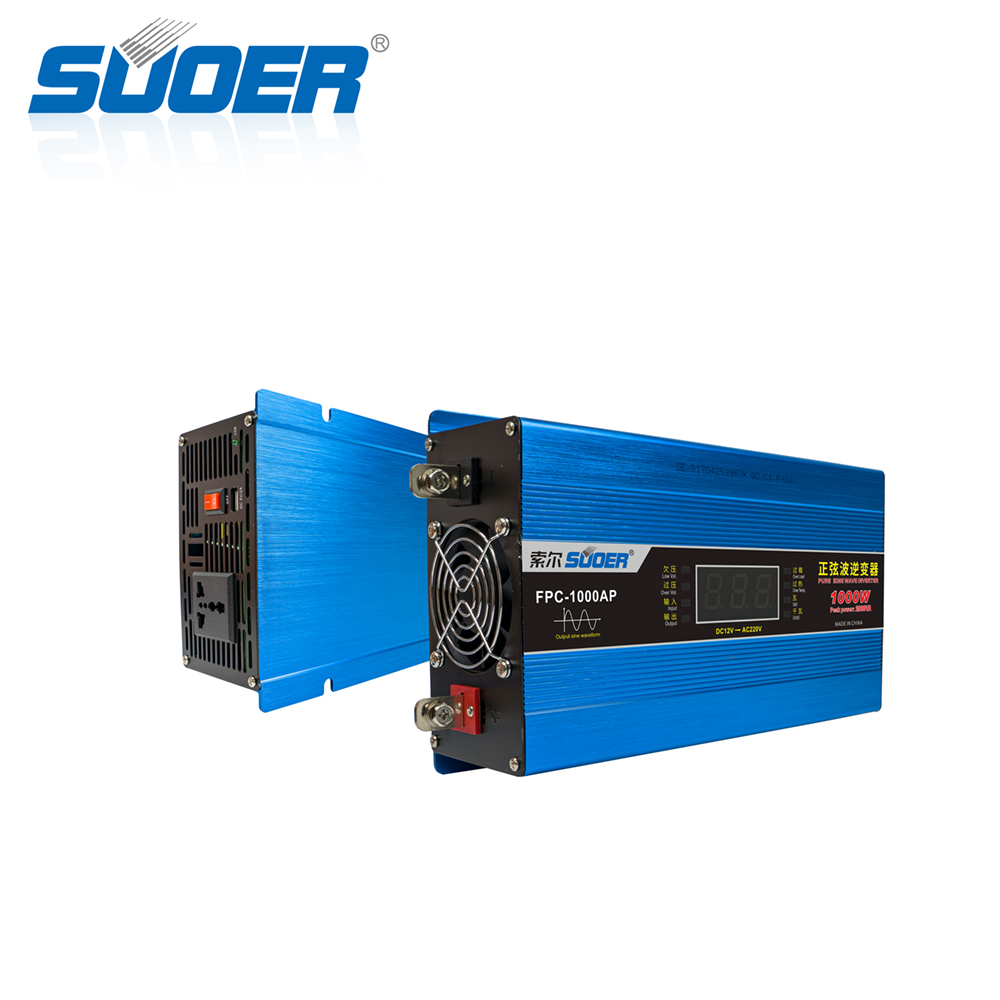
Installing a 600W pure sine wave inverter can present specific challenges. Awareness of these issues can help ensure a successful setup:
Electrical Compatibility: Ensure that the inverter is compatible with the existing electrical system, including voltage and frequency settings. Mismatches can lead to equipment damage or operational failure.
Wiring Requirements: Follow the manufacturer's wiring guidelines carefully. Incorrect wire sizes or inadequate connections can lead to overheating or voltage drops.
Ventilation and Cooling: Inadequate ventilation can cause overheating. Ensure the inverter is installed in a well-ventilated area or consider additional cooling solutions to maintain optimal operating temperatures.
Grounding: Proper grounding is crucial to prevent electrical hazards. Make sure the inverter is grounded according to local electrical codes to ensure safety and compliance.
Fuse Ratings: Check that the fuse ratings are appropriate for the inverter’s output. If the fuses are rated too low, they may blow frequently; if too high, they may not protect the system effectively.
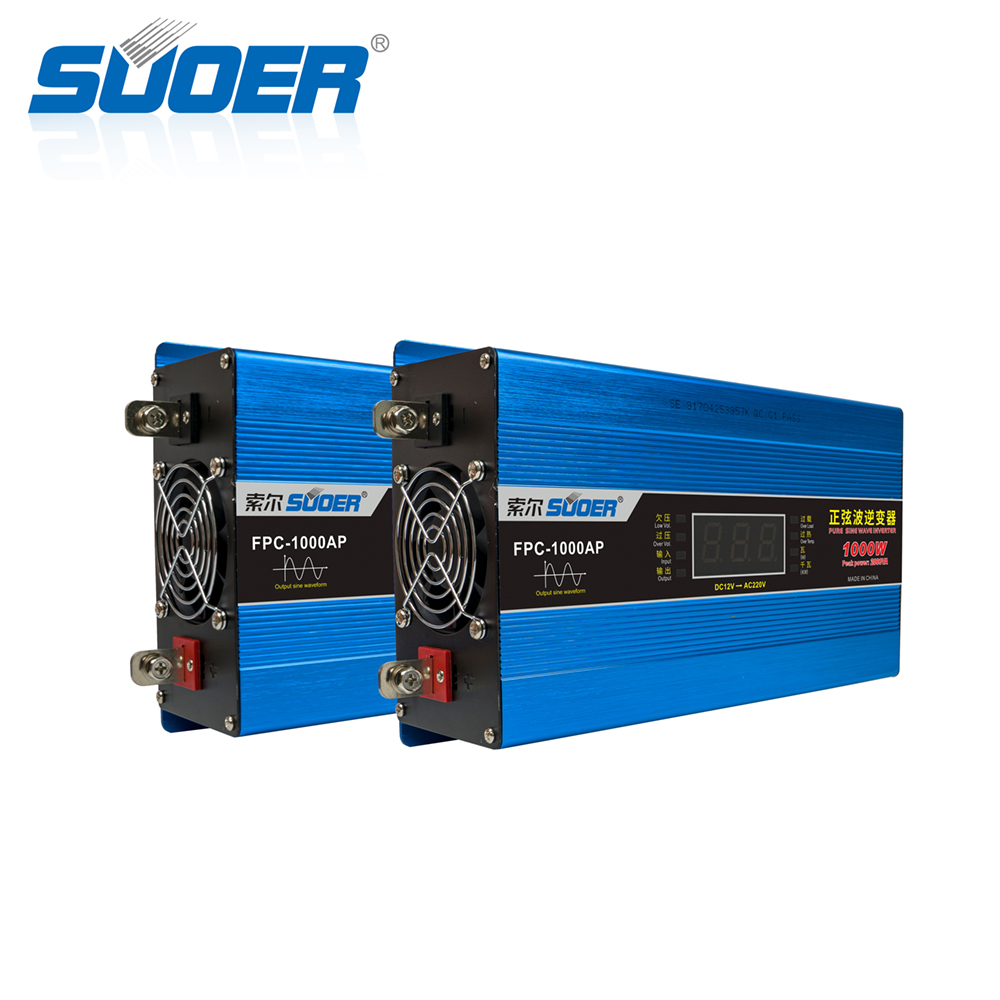
When comparing different 600W pure sine wave inverters, a systematic approach will help you identify the best option for your specific requirements:
Specifications Comparison: Create a comparison chart that includes key specifications such as efficiency rating, input voltage range, and dimensions. This visual representation can simplify decision-making.
Performance Reviews: Research customer reviews and performance ratings. Look for feedback regarding reliability, ease of installation, and customer service experiences.
Brand Reputation: Consider manufacturers with a proven track record in the industry. Companies with robust R&D and production capabilities are often more reliable.
Customization Options: If your application requires specific features, inquire about customization options. Some manufacturers may offer tailored solutions that better fit your needs.
Testing and Certification: Verify the inverter has undergone rigorous testing and holds the necessary certifications. This ensures the product meets safety standards and performs as expected.
Lead Times: Evaluate the lead time for delivery. If you need an inverter quickly due to project timelines, ensure that the supplier can meet your requirements.
Purchasing 600W pure sine wave inverters in bulk can offer several advantages, particularly for businesses and organizations:
Cost Savings: Bulk orders often come with significant discounts, reducing the overall cost per unit. This is particularly beneficial for companies planning to deploy multiple inverters.
Consistency in Supply: Ordering in bulk ensures a consistent supply of inverters, which is crucial for projects requiring multiple units to maintain uniform performance across applications.
Streamlined Logistics: A single bulk order can simplify shipping and handling logistics, reducing the complexity and costs associated with multiple small orders.
Easier Negotiation: Bulk purchases provide leverage for negotiating better terms with suppliers, including payment terms and warranty extensions.
Enhanced Support: Suppliers may offer enhanced support services for bulk orders, such as dedicated customer service representatives and priority handling of inquiries or issues.
Customization Opportunities: Bulk orders may provide more opportunities for customization, allowing you to specify features that align with your operational needs.
Understanding the key aspects of 600W pure sine wave inverters is essential for making an informed purchasing decision. By considering the factors outlined, B2B buyers can ensure they select the right inverter for their specific applications, leading to improved operational efficiency and reliability.

Discover Suoer’s premium range of solar inverters and power inverters designed for reliable renewable energy solutions.Trusted by customers worldwide for exceptional performance and durability.
Suoer Industrial Zone, Ercun Road Section, Yanfeng Avenue, Shishan Town,Foshan city,Guangdong Province,China
Copyright © 2024 Foshan Suoer Electronic Industry Co., Ltd. Privacy Policy - Blog

 EN
 AR
 NL
 FR
 DE
 EL
 IT
 JA
 KO
 PT
 RU
 ES
 VI
 TH
 TR
 BG
 HR
 CS
 NO
 PL
 TL
 ID
 SR
 UK
 SQ
 HU
 MT
 AF
 MS
 IS
 HY
 AZ
 BN
 BS
 GU
 LO
 LA
 MN
 NE
 TA