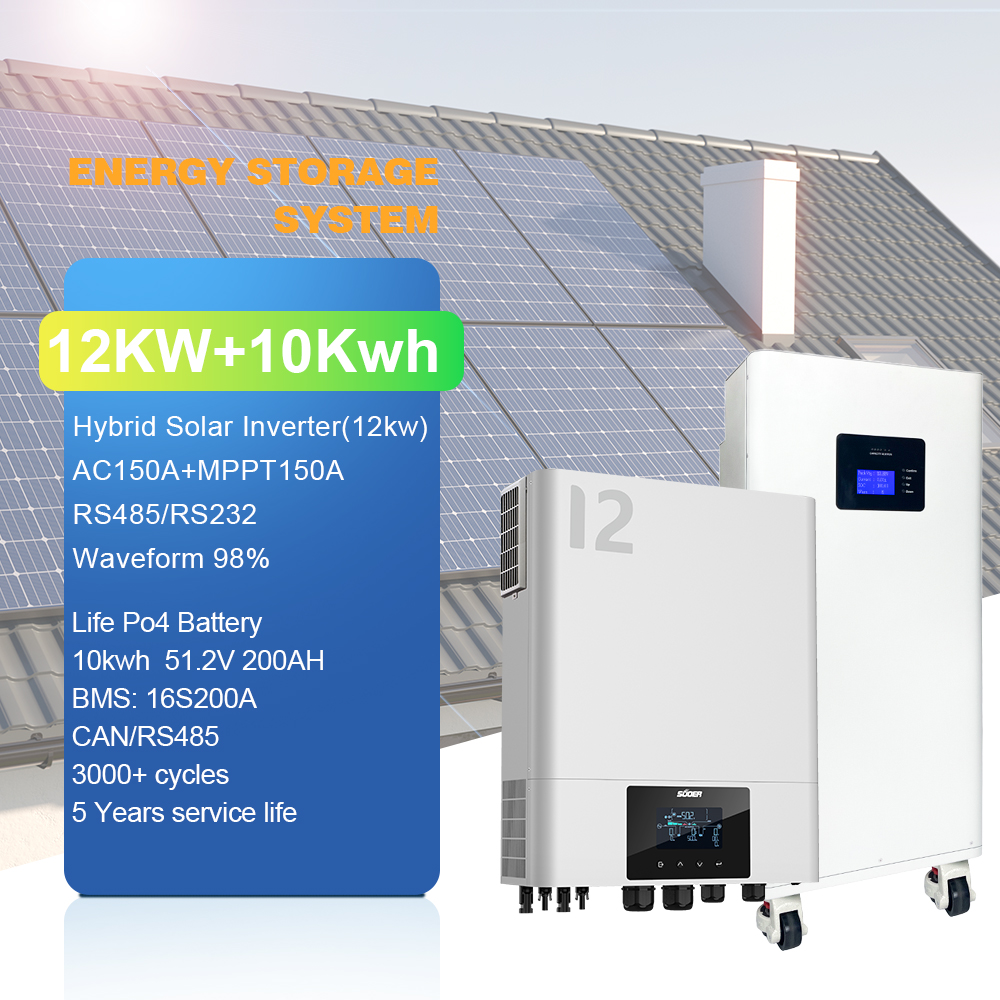
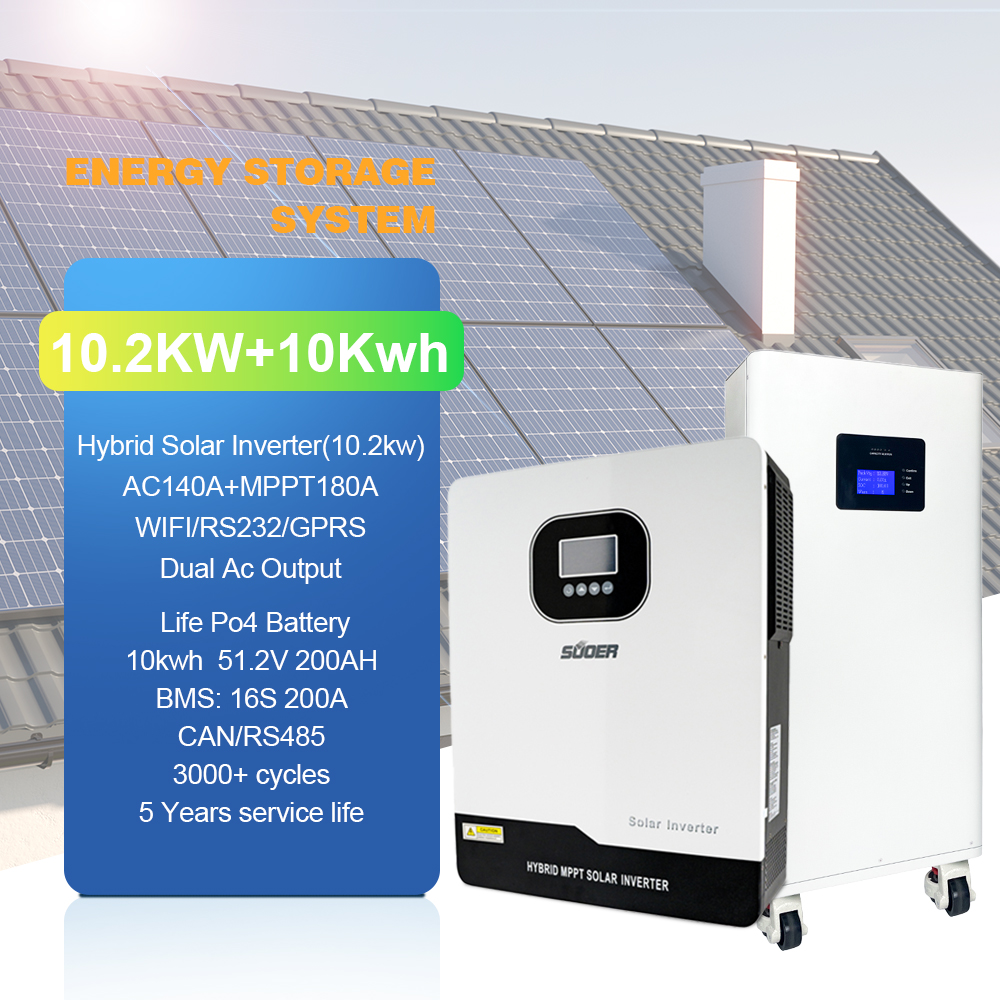
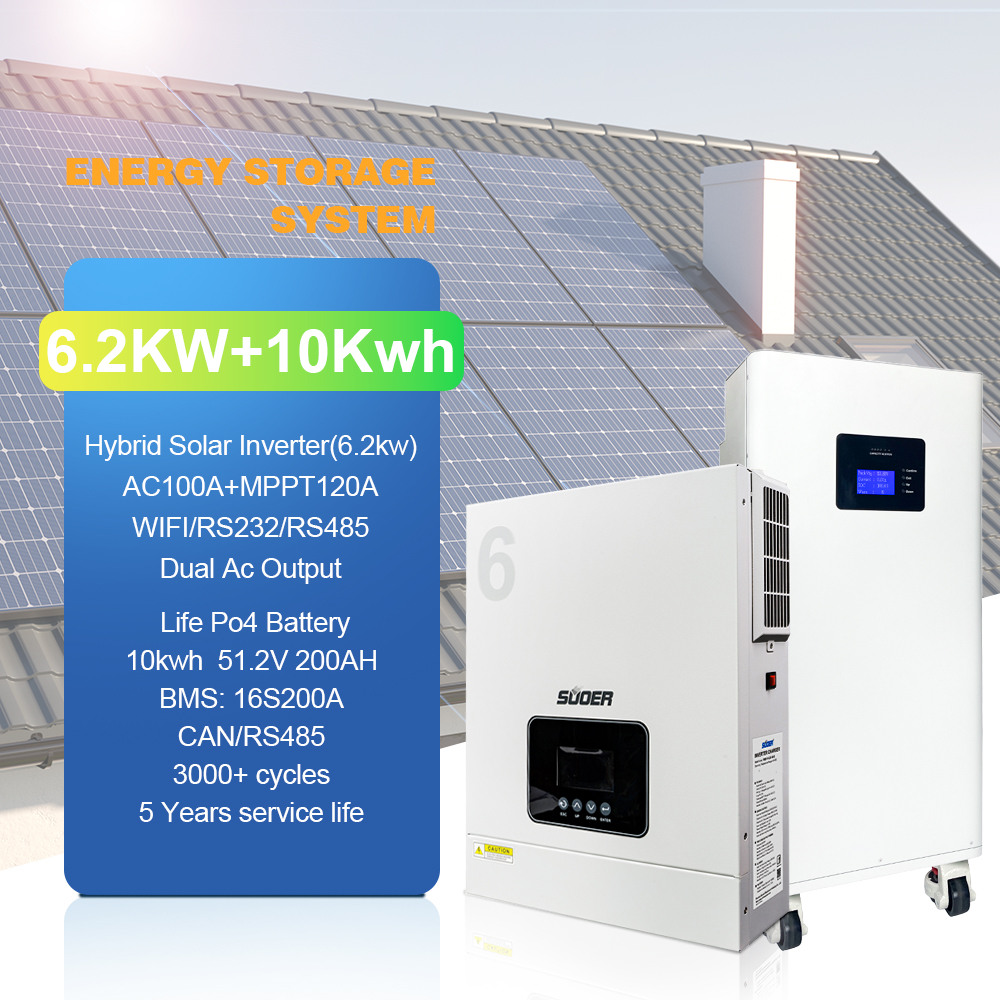
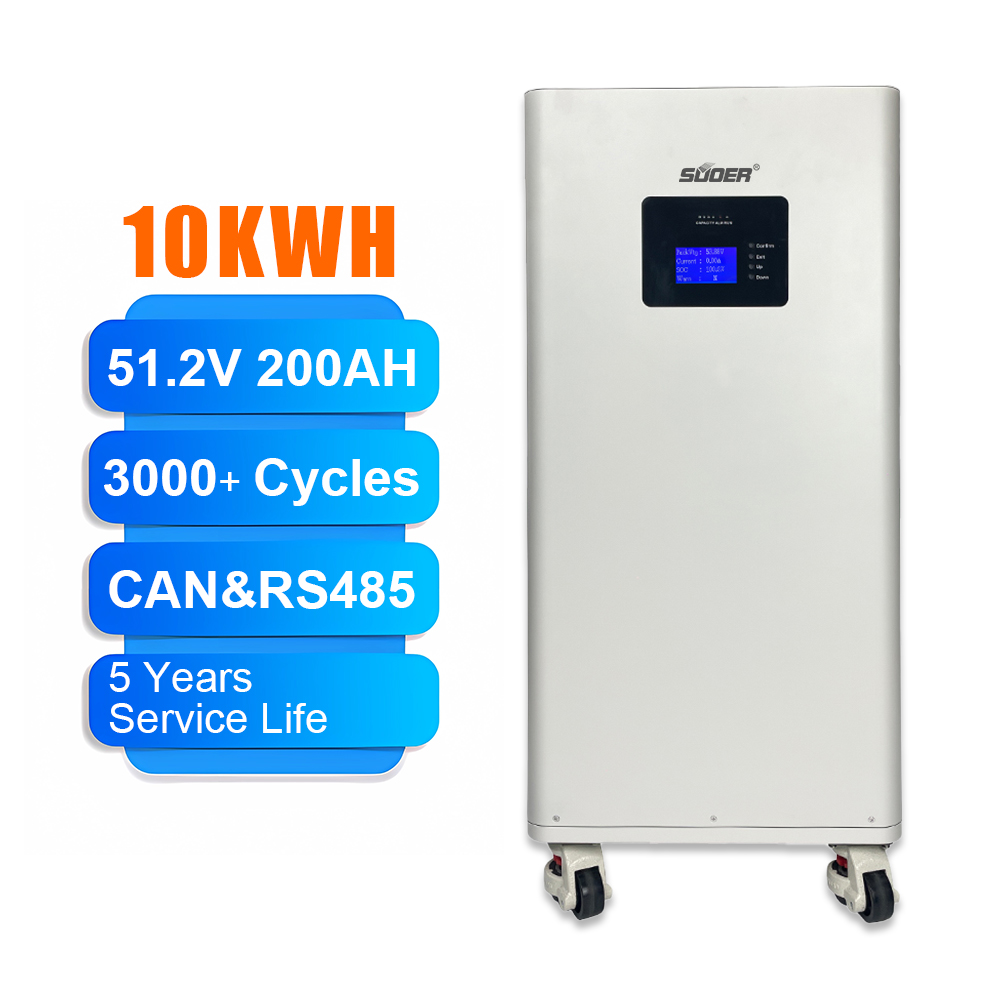
A hybrid 10kW inverter is a crucial component for various applications in the new energy sector, especially for electric vehicles, industrial power systems, and renewable energy installations. It serves to convert DC power from sources like batteries or solar panels into AC power, enabling efficient energy use. B2B buyers often have concerns about efficiency, compatibility, specifications, and overall performance when selecting an inverter for their projects. This article will delve into the key specifications, selection criteria, best practices, and applications of hybrid 10kW inverters, equipping buyers with the necessary knowledge to make informed purchasing decisions.
When evaluating a hybrid 10kW inverter, several key specifications should be considered:
Input Voltage Range: This is crucial as it determines the compatibility of the inverter with various battery systems. A broader input voltage range allows for greater flexibility in system design.
Output Power Rating: At 10kW, this rating indicates the maximum continuous output power the inverter can handle. Buyers should ensure that this output meets their specific application needs.
Efficiency Rating: The efficiency of an hybrid solar inverter significantly affects energy loss during conversion. A high efficiency (typically above 90%) ensures more of the energy generated is usable.
Waveform Type: Hybrid inverters may produce pure sine wave or modified sine wave output. Pure sine wave is generally preferred for sensitive electronics to avoid operational issues.
Cooling Mechanism: Effective cooling is vital for maintaining performance and prolonging the inverter's lifespan. Check whether the inverter uses passive or active cooling methods.
Protection Features: Look for built-in protections against over-voltage, short-circuiting, and overheating, which can prevent damage and enhance safety.
These specifications help buyers gauge whether a hybrid 10kW inverter will meet their operational demands while ensuring reliability and efficiency.
Selecting the right hybrid 10kW inverter involves a systematic approach:
Assess Your Energy Needs: Calculate the total wattage required for your application. Consider peak and continuous power requirements to ensure the inverter can handle load variations.
Understand Compatibility: Ensure the inverter is compatible with your existing power sources and grid requirements. This includes checking the inverter's input voltage range against your battery or solar panel specifications.
Evaluate Environmental Conditions: Consider where the inverter will be installed. Factors like temperature, humidity, and exposure to dust or moisture can affect performance. Ensure the inverter’s IP rating is suitable for the intended environment.
Consider Future Scalability: If future expansion of your energy system is anticipated, choose an inverter that can accommodate additional capacity or features.
Review Manufacturer Support: Look for a manufacturer that provides robust technical support, warranties, and documentation, ensuring you can troubleshoot or upgrade your system as needed.
By carefully considering these factors, buyers can make more informed decisions that align with their project requirements.
When procuring a hybrid 10kW inverter, buyers should keep the following considerations in mind:
Quality Assurance: Verify that the power inverter is certified to international standards like ROHS, CE, and ISO9001. These certifications indicate adherence to quality and safety regulations.
Customization Options: Depending on specific application needs, inquire about customization capabilities. This may include adjustments in output specifications or additional features tailored to unique requirements.
Production Capacity: Understand the manufacturer’s production capacity to ensure timely delivery. Inquiring about minimum order quantities (MOQ) can also help in planning purchases efficiently.
Pricing Structure: Get clarity on pricing, including potential discounts for bulk orders. Understand what factors might influence the final quote, such as customization, shipping, and lead time.
Warranty and After-Sales Support: A comprehensive warranty and reliable after-sales support are essential for ensuring long-term satisfaction and performance of the inverter.
These factors will aid in selecting a hybrid 10kW inverter that not only meets immediate needs but also supports long-term operational goals.
To ensure optimal performance and longevity of your hybrid 10kW inverter, consider these best practices:
Regular Maintenance: Schedule routine checks to monitor operational efficiency, clean any dust accumulation, and inspect cables and connections for signs of wear or damage.
Temperature Management: Install the inverter in a well-ventilated area to avoid overheating. If necessary, use additional cooling systems to maintain optimal operating temperatures.
Load Management: Avoid overloading the inverter by keeping track of the total power consumption. Implementing load management strategies can enhance the inverter’s lifespan and reliability.
Sample Testing: Before committing to mass production, request samples to test under actual operating conditions. This can help identify potential issues that may not be apparent from specifications alone.
Documentation Review: Ensure all technical documentation, including installation manuals and user guides, is thoroughly reviewed and understood by installation teams to prevent operational errors.
Adhering to these best practices will help maximize the performance and reliability of hybrid 10kW inverters in various applications.
Hybrid 10kW inverters find applications across multiple industries, demonstrating their versatility:
Electric Vehicles (EVs): In the automotive sector, hybrid inverters are essential for converting battery power to drive electric motors, ensuring efficient vehicle operation.
Renewable Energy Systems: In solar power setups, these inverters manage the conversion of solar energy into usable AC power, facilitating grid connection or off-grid applications.
Industrial Applications: Factories and manufacturing plants utilize hybrid inverter to manage power supply to machinery, optimizing energy consumption and reducing operational costs.
Telecommunications: In the telecommunications sector, hybrid inverters provide a stable power supply to critical infrastructure, ensuring uninterrupted service.
Rail Transit: These inverters play a role in rail transit systems, converting and managing power for trains and associated infrastructure, enhancing efficiency and reliability.
Understanding the specific applications of hybrid 10kW inverters can guide buyers in identifying the right solutions for their industry needs.
By considering these factors and guidelines, B2B buyers can make informed decisions regarding hybrid 10kW inverters, ensuring they select products that meet their operational requirements and support their business goals.

Discover Suoer’s premium range of solar inverters and power inverters designed for reliable renewable energy solutions.Trusted by customers worldwide for exceptional performance and durability.
Suoer Industrial Zone, Ercun Road Section, Yanfeng Avenue, Shishan Town,Foshan city,Guangdong Province,China
Copyright © 2024 Foshan Suoer Electronic Industry Co., Ltd. Privacy Policy - Blog

 EN
 AR
 NL
 FR
 DE
 EL
 IT
 JA
 KO
 PT
 RU
 ES
 VI
 TH
 TR
 BG
 HR
 CS
 NO
 PL
 TL
 ID
 SR
 UK
 SQ
 HU
 MT
 AF
 MS
 IS
 HY
 AZ
 BN
 BS
 GU
 LO
 LA
 MN
 NE
 TA