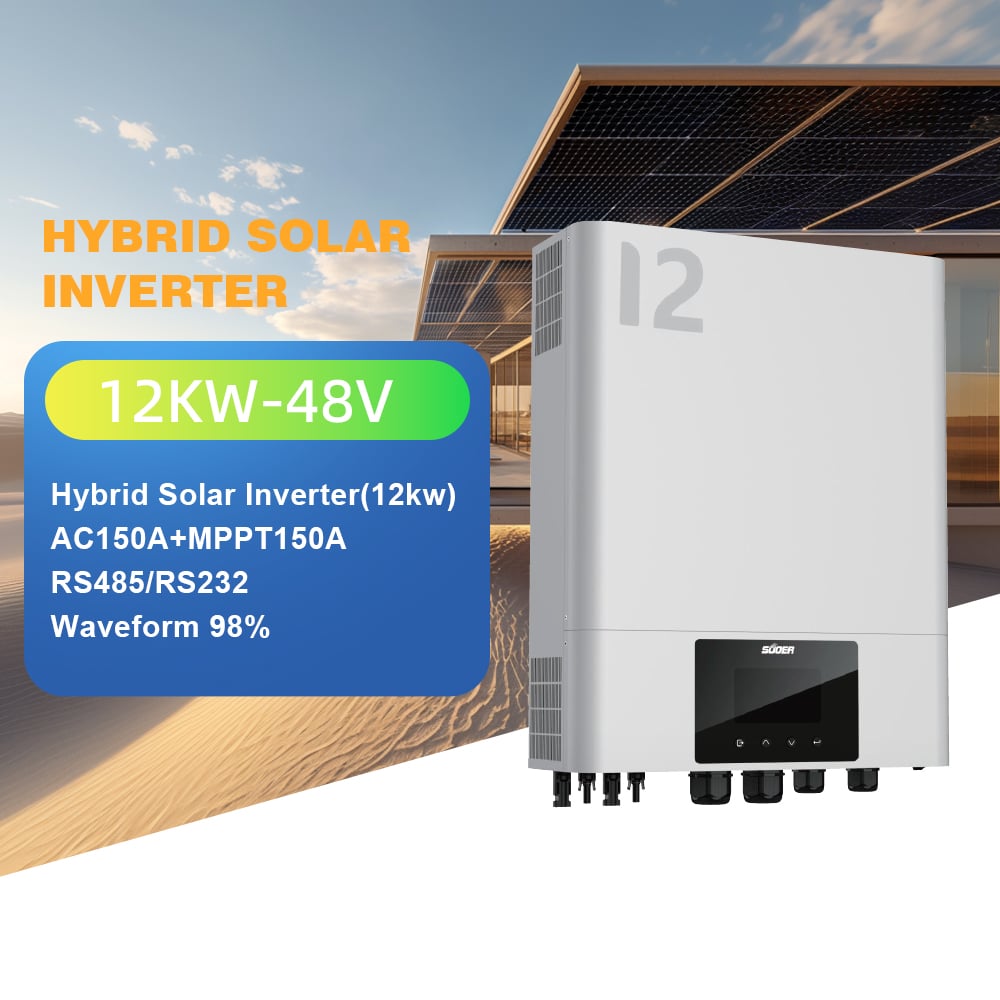
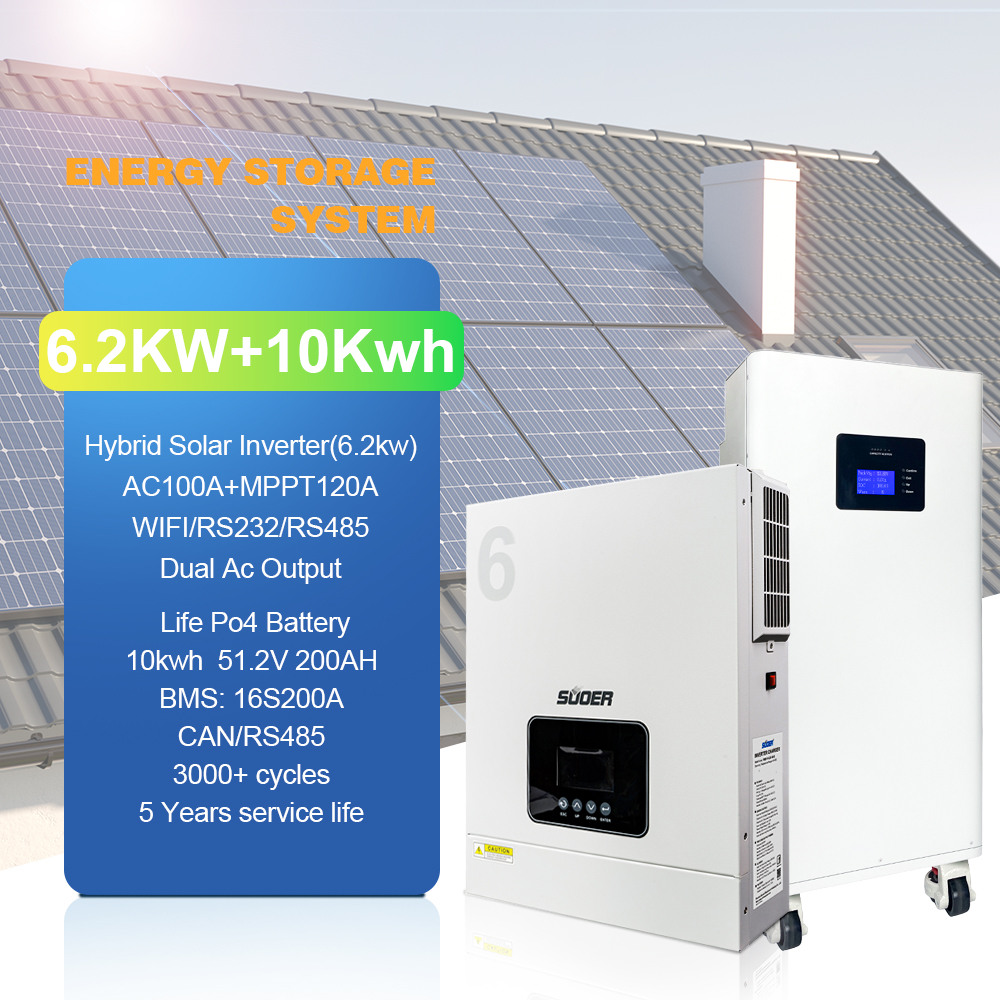
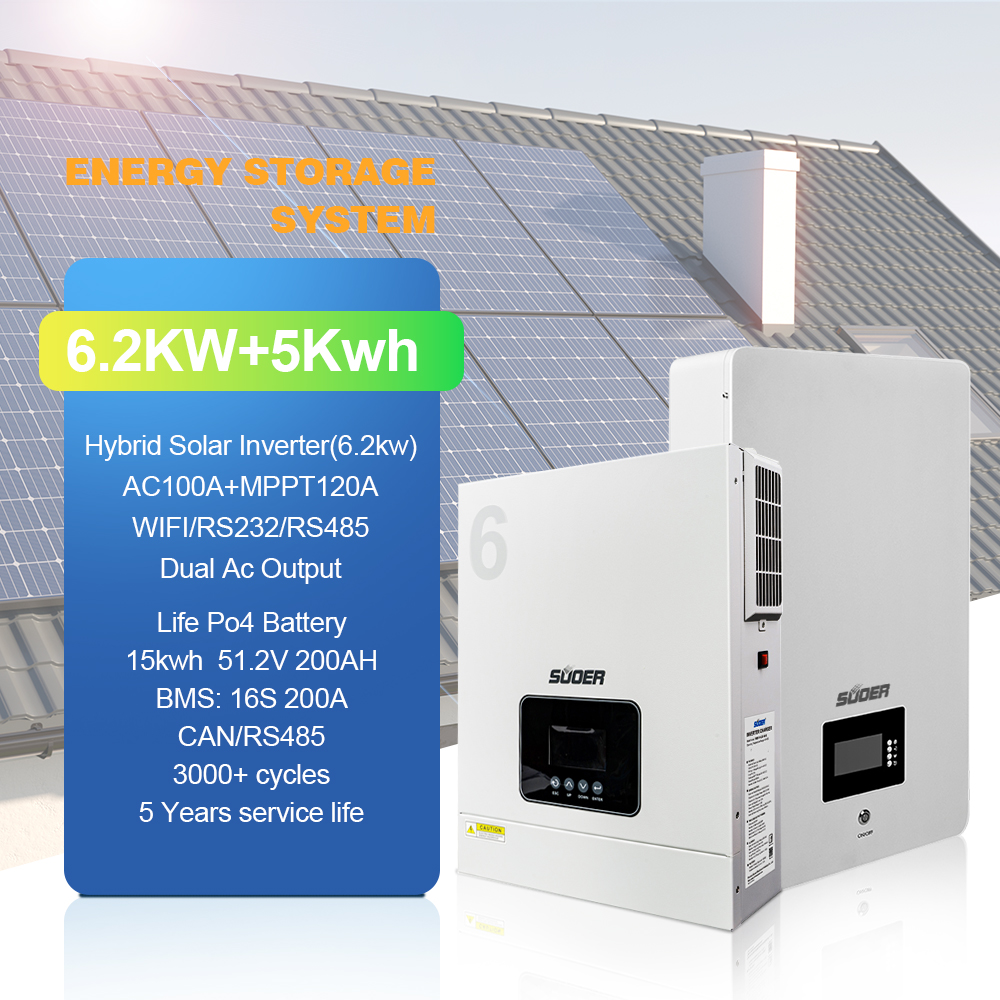
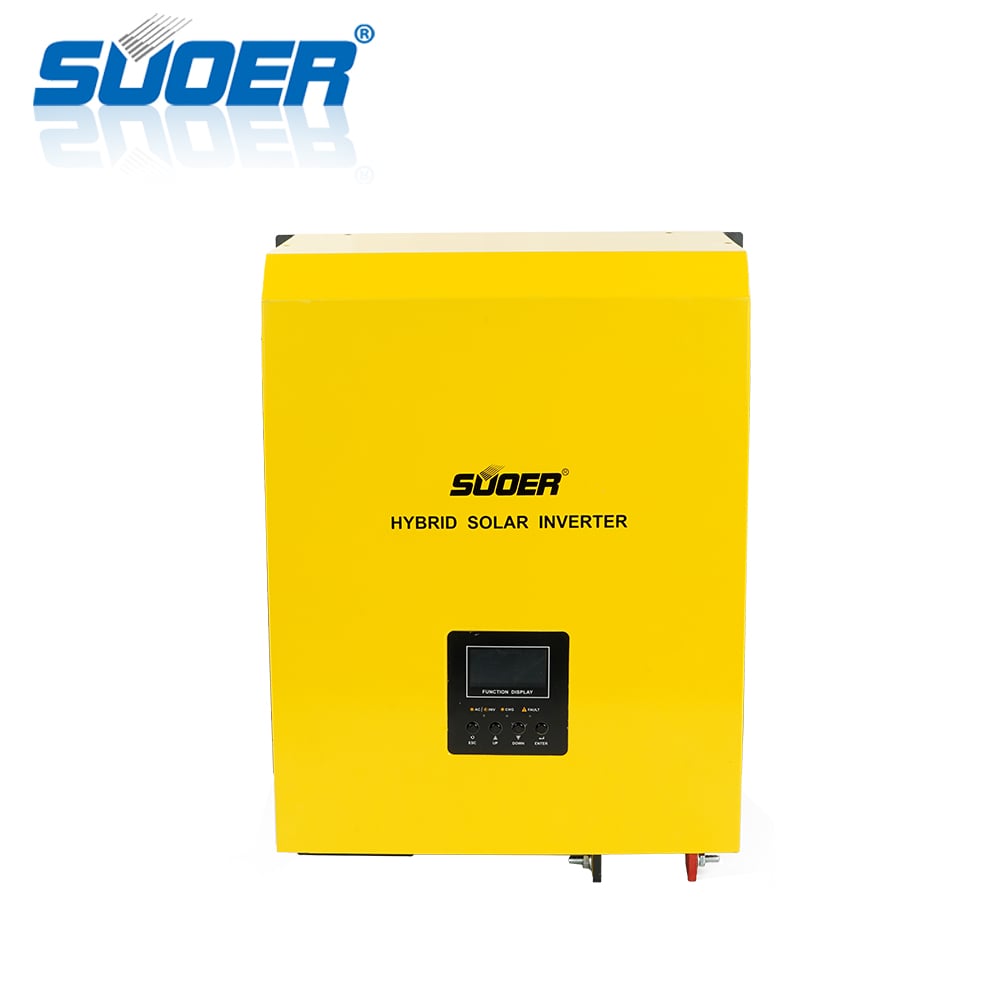
In the rapidly evolving field of renewable energy, a hybrid solar inverter rated at 10kW stands out as a pivotal component for optimizing energy consumption and management. This device not only converts solar energy into usable electricity but also integrates seamlessly with other energy sources, such as the grid or batteries. As purchasing managers and engineers look to invest in reliable energy solutions, understanding the nuances of hybrid solar inverters becomes essential. This article will guide you through the critical factors to consider when selecting a 10kW hybrid solar inverter, ensuring informed purchasing decisions.
When selecting a 10kW hybrid solar inverter, several key specifications must be taken into account. First, efficiency ratings are crucial; they typically range from 90% to 98%. Higher efficiency translates into more usable energy, which is particularly vital for commercial applications where energy costs are a significant concern.
Next, consider the inverter’s compatibility with existing systems. A hybrid inverter should be able to interface with both solar panels and energy storage systems, allowing for optimal energy usage. Pay attention to the input voltage range as well; ensuring compatibility with the solar panel array is essential for system stability. You should also consider investing in a Home Energy Storage system to maximize energy efficiency.
Additionally, look for inverters with built-in monitoring capabilities. These features provide real-time data on energy production and consumption, enabling better energy management practices. Finally, check the manufacturer's certifications. Inverters with ROHS, CE, and ISO9001 certifications indicate adherence to quality and safety standards, which is critical for long-term reliability.
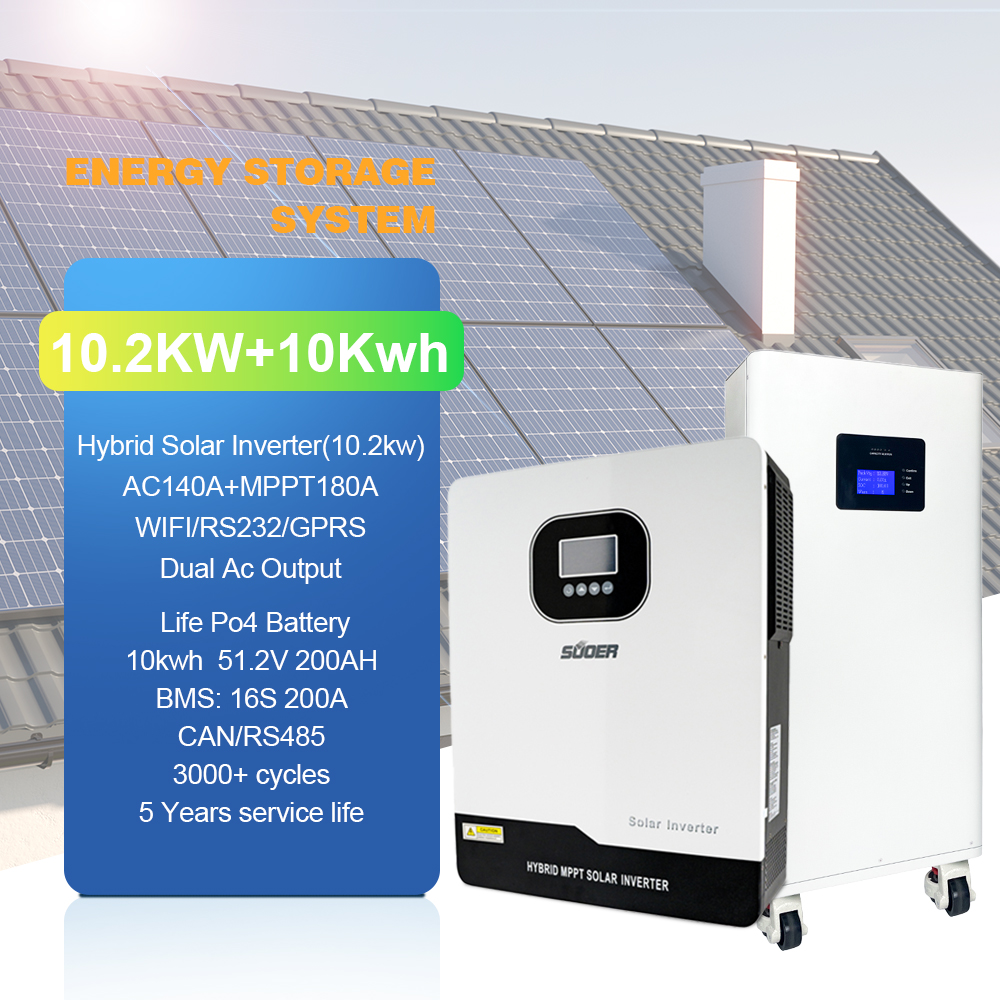
Finding a reliable supplier for 10kW hybrid solar inverters can significantly influence project success. Start by researching manufacturers with a proven track record in the renewable energy sector. Look for companies that specialize in photovoltaic systems and have experience supplying to major vehicle OEMs or telecommunications sectors, as their expertise often translates into high-quality products. Consider suppliers that also offer complementary products like a Battery Charger to enhance your energy storage capabilities.
Industry trade shows and renewable energy expos are excellent venues to meet suppliers face-to-face. These events provide opportunities to discuss product specifications and view samples firsthand. Online platforms, such as B2B marketplaces, can also be useful for comparing different suppliers' offerings, but it's essential to verify their credibility through reviews and testimonials.
Requesting samples is an effective way to evaluate product quality before making bulk purchases. Assessing the durability, operational efficiency, and overall build quality of a sample unit can help ensure that the final product meets your operational needs.
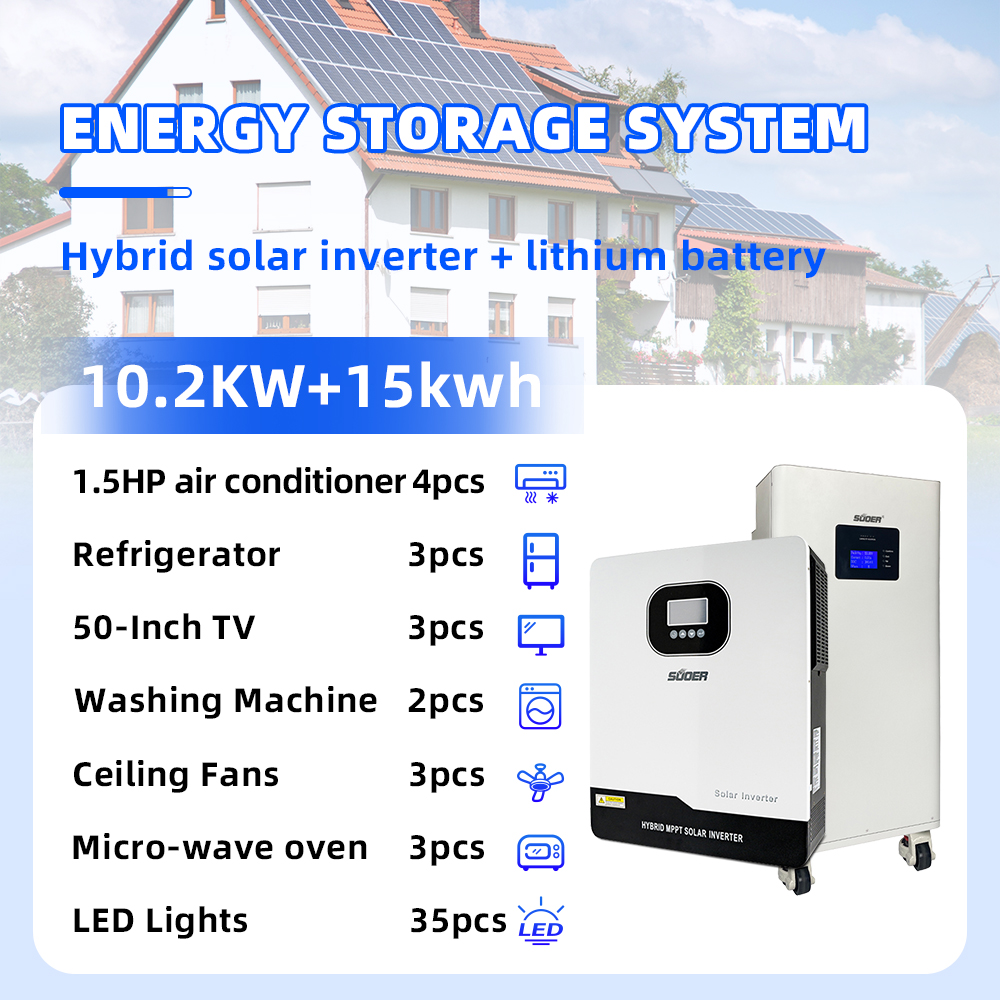
Proper installation of a 10kW hybrid solar inverter is critical for maximizing performance and longevity. First, ensure that the installation site is free from obstructions that could cast shadows on the solar panels. Ideally, the inverter should be installed in a shaded, ventilated location to prevent overheating, which can affect efficiency and lifespan.
It's advisable to work with certified installers familiar with hybrid systems to ensure compliance with local regulations and safety standards. During installation, ensure that all electrical connections are secure and appropriately rated for the load. The inverter's settings should be configured according to the specific energy requirements and system design to optimize functionality.
After installation, conduct a thorough system check to ensure that all components are functioning correctly. This includes verifying the communication between the inverter, solar panels, and any energy storage systems. Regular maintenance checks, including cleaning the inverter and monitoring performance metrics, can help in identifying issues before they lead to system failures.
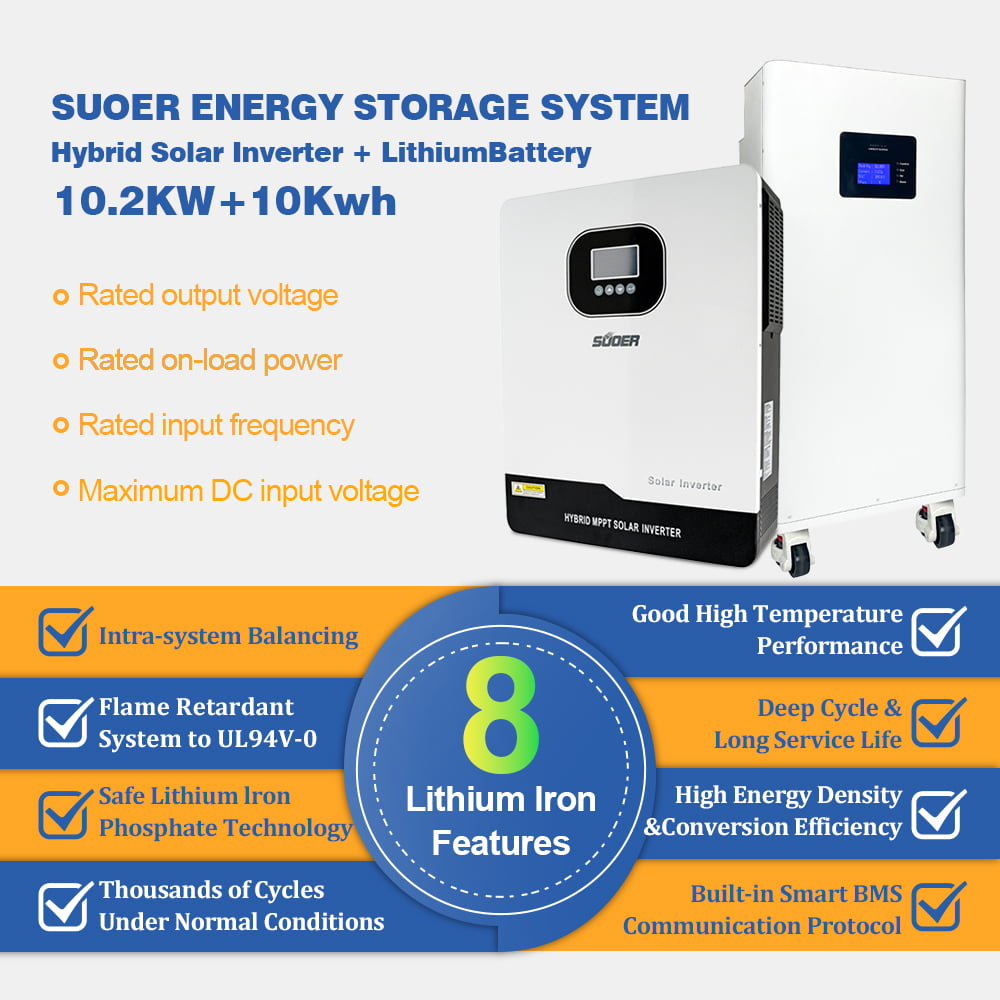
While 10kW hybrid solar inverters are generally reliable, several common issues may arise. One frequent problem is overheating, which can occur if the inverter is installed in a poorly ventilated area. To resolve this, ensure sufficient airflow around the unit and consider relocating it to a cooler location if necessary.
Another common issue is communication failures between the inverter and connected devices, such as solar panels or battery storage. This can often be resolved by checking the wiring and ensuring all connections are secure. If problems persist, updating the inverter's software or firmware may be necessary to fix bugs or improve compatibility.
Additionally, buyers should be aware of potential fluctuations in energy production due to changing environmental conditions. Regular monitoring can help identify these trends, enabling adjustments in energy consumption or storage strategies.
10kW hybrid solar inverters find applications across multiple industries, demonstrating their versatility and efficiency. In the commercial sector, they are utilized in warehouses and manufacturing facilities to reduce energy costs and enhance energy independence. By integrating solar power with the grid, businesses can optimize their energy usage and lower operational expenses.
In the telecommunications industry, hybrid solar inverters provide reliable power to remote cell towers and communication infrastructures. This application is particularly beneficial in areas where grid access is limited or unreliable, ensuring continuous operation.
Furthermore, in the rail transit sector, these inverters support electric vehicle charging stations, contributing to the growing demand for sustainable transportation solutions. By harnessing renewable energy, rail networks can decrease their carbon footprint while providing efficient service.
In summary, a 10kW hybrid solar inverter presents an effective solution for various applications, enabling businesses to harness solar energy while ensuring reliability and efficiency. Understanding the selection criteria, supplier options, installation best practices, common challenges, and industry applications will empower purchasing managers and engineers to make informed decisions that align with their organization’s energy goals.

Discover Suoer’s premium range of solar inverters and power inverters designed for reliable renewable energy solutions.Trusted by customers worldwide for exceptional performance and durability.
Suoer Industrial Zone, Ercun Road Section, Yanfeng Avenue, Shishan Town,Foshan city,Guangdong Province,China
Copyright © 2024 Foshan Suoer Electronic Industry Co., Ltd. Privacy Policy - Blog

 EN
 AR
 NL
 FR
 DE
 EL
 IT
 JA
 KO
 PT
 RU
 ES
 VI
 TH
 TR
 BG
 HR
 CS
 NO
 PL
 TL
 ID
 SR
 UK
 SQ
 HU
 MT
 AF
 MS
 IS
 HY
 AZ
 BN
 BS
 GU
 LO
 LA
 MN
 NE
 TA