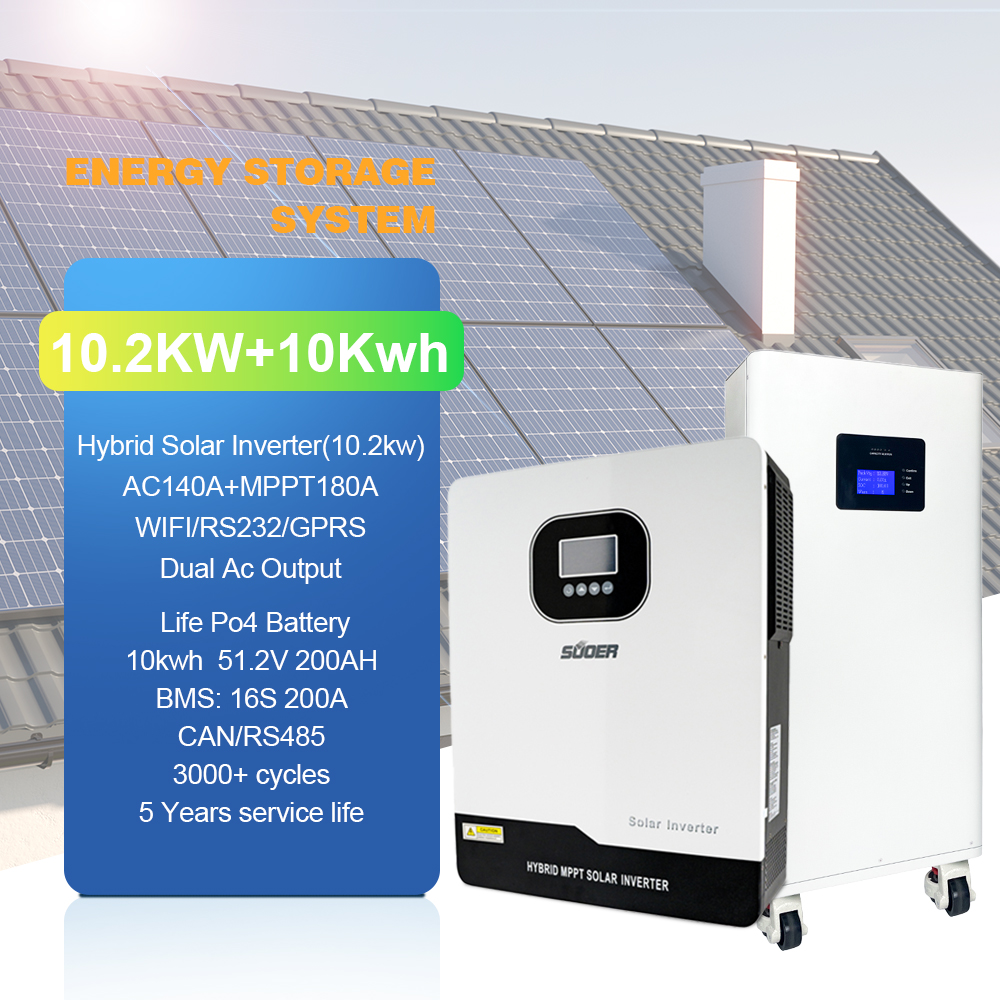
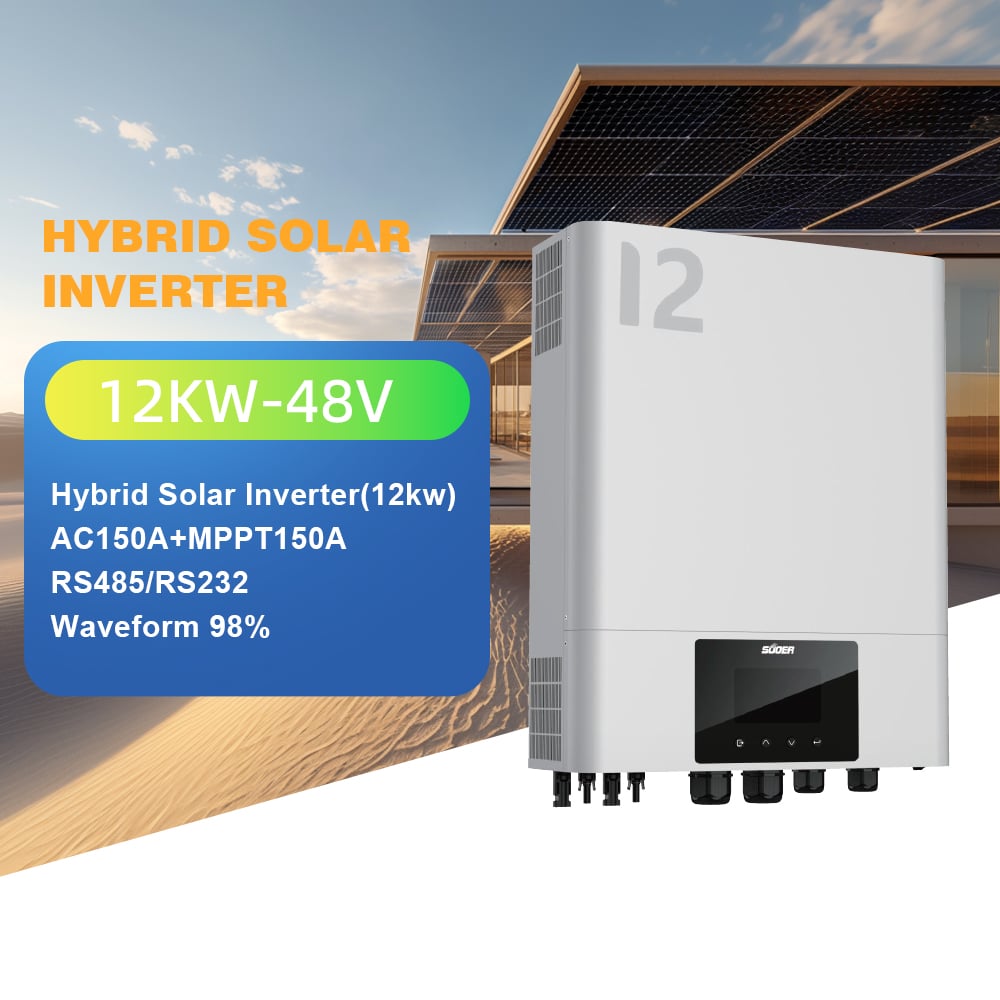
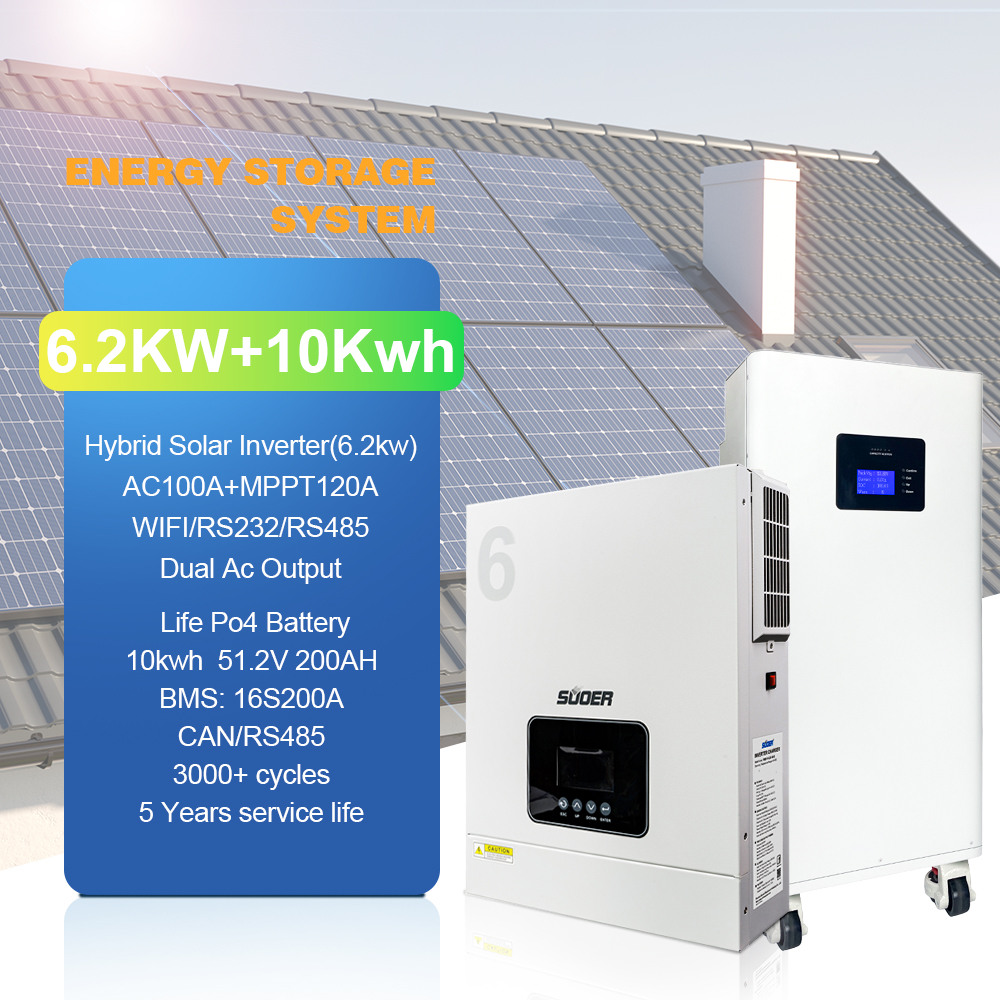
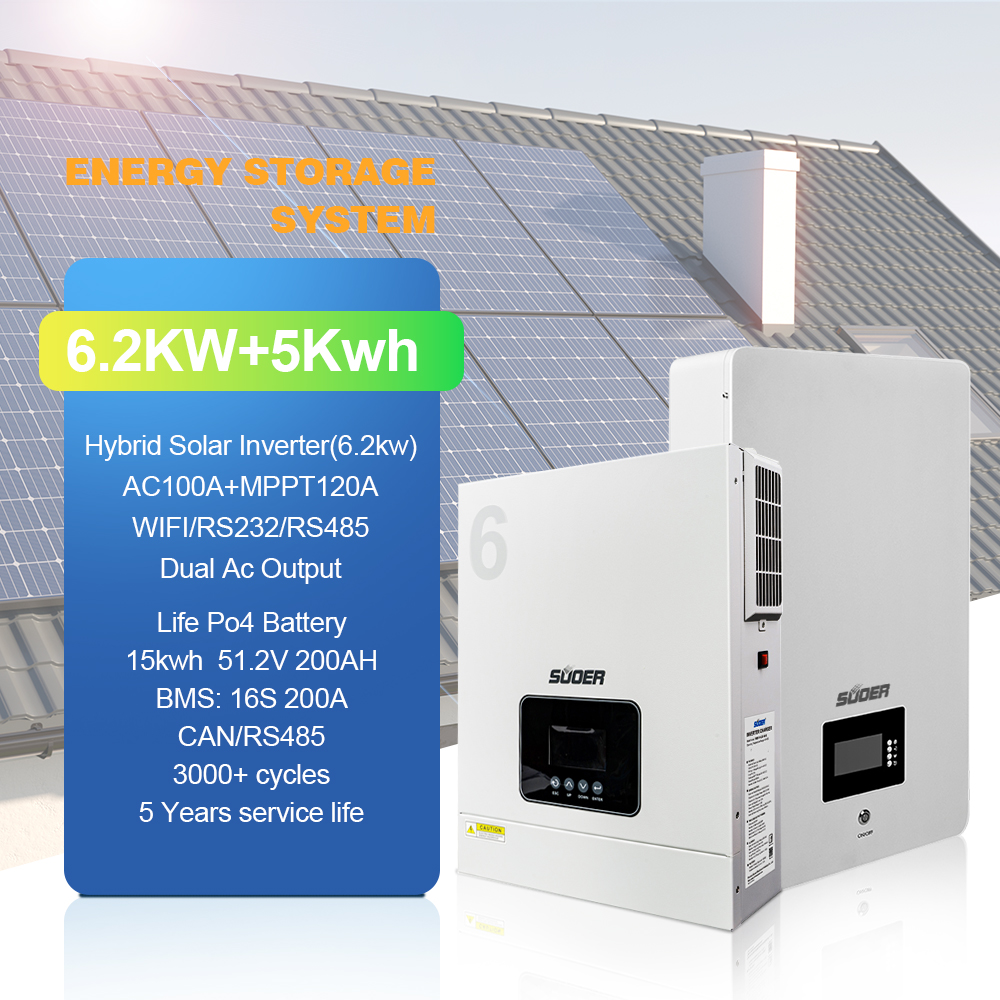
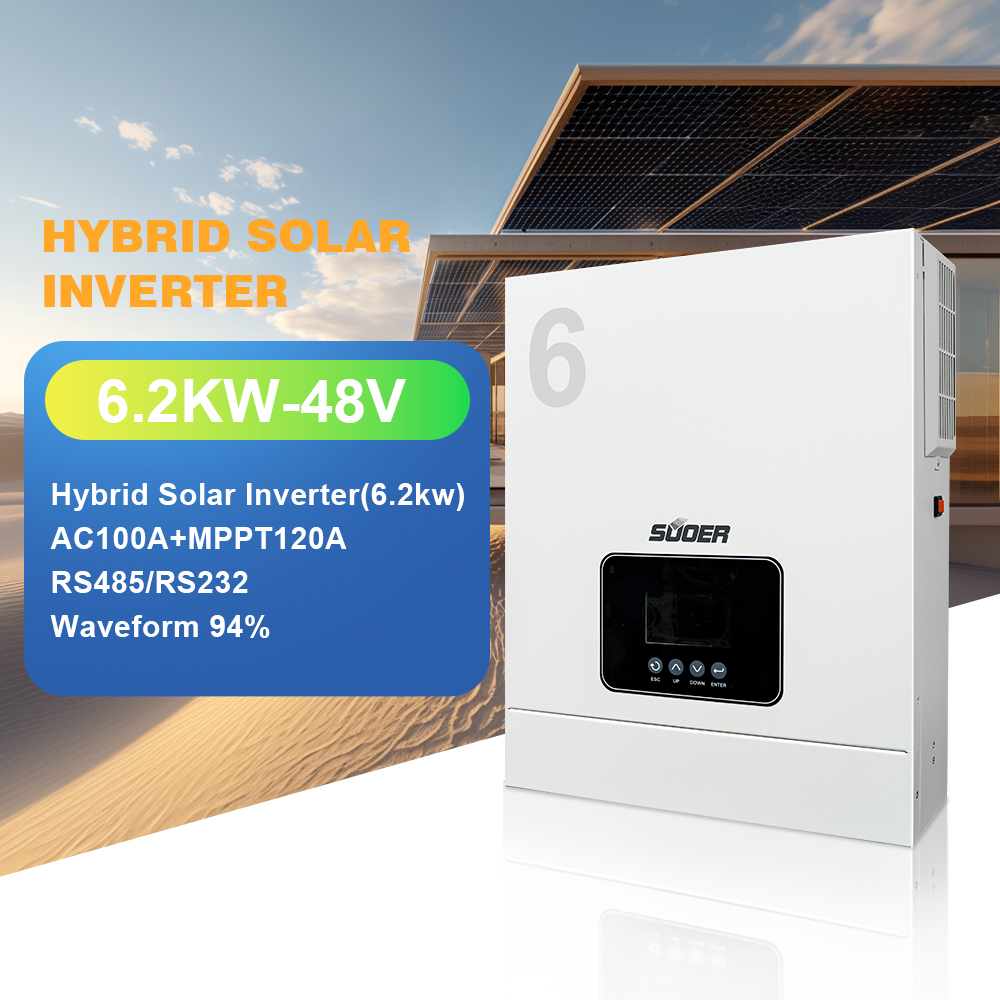
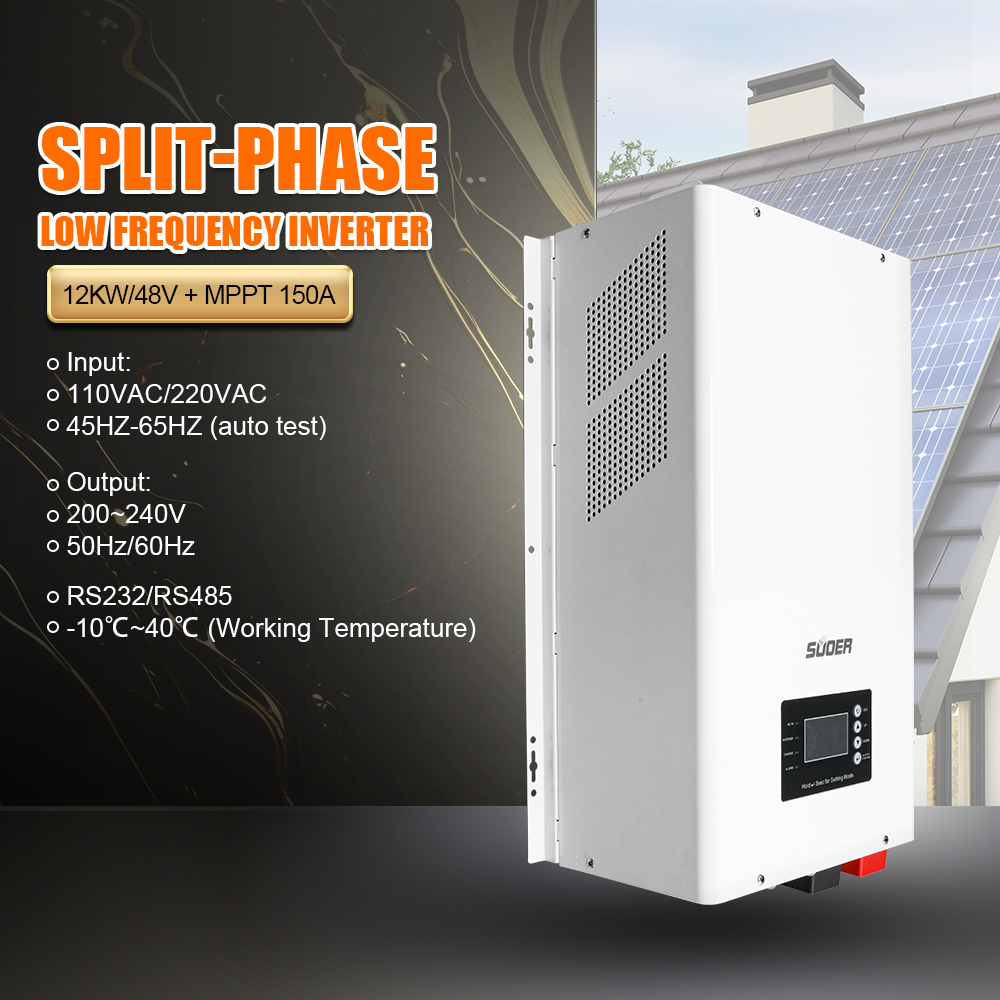
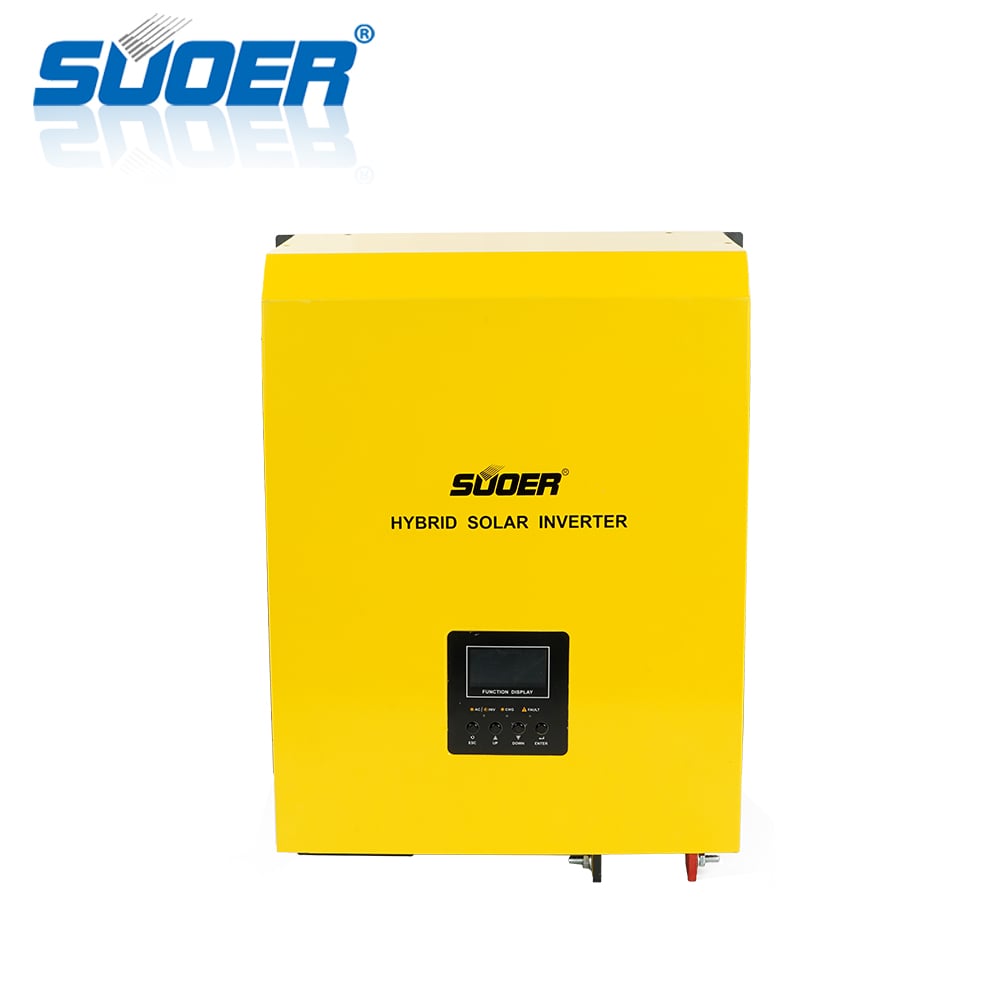
A 10kW hybrid solar inverter is an essential component in photovoltaic systems, enabling efficient energy conversion and management for various applications. B2B buyers such as purchasing managers, distributors, and engineers often seek reliable and high-quality inverters that meet specific project requirements. This article will explore key considerations for selecting a supplier, essential specifications, common installation challenges, sourcing options, and the industrial applications of 10kW hybrid solar inverters.
When selecting a supplier for a 10kW hybrid solar inverter, several factors should be considered to ensure that the product meets your project needs. First, verify the supplier’s experience in the renewable energy sector, specifically regarding inverter technology. Look for companies that demonstrate a strong background in research and development, production methodologies, and quality assurance processes.
Certifications such as ROHS, CE, and ISO9001 are indicators of adherence to international quality standards, which can significantly influence the reliability of the inverter. Additionally, inquire about the supplier’s manufacturing capabilities, including their production equipment and capacity. Automated production lines often lead to greater consistency in quality and performance, which is critical for long-term operational success.
Moreover, consider the supplier’s ability to provide customization options. Depending on specific project requirements, a flexible supplier that can tailor solutions to meet unique challenges will add considerable value. Lastly, assess the supplier's customer service track record; effective communication and support can ease the purchasing process and address concerns quickly.
Understanding the key specifications of 10kW hybrid solar inverters is crucial for making informed purchasing decisions. Important specifications include:
Efficiency: The inverter’s efficiency rating indicates how well it converts DC power from solar panels into usable AC power. Typical efficiencies range from 90% to 98%. A higher efficiency means more energy harvested from the same solar array, which is vital for maximizing return on investment.
Input Voltage Range: This specification defines the range of DC voltage that the inverter can handle. It is essential to ensure that the inverter is compatible with the voltage output of your solar panels.
Output Power Rating: A 10kW inverter should be capable of handling up to 10,000 watts of output power. Buyers should also consider peak power ratings, as this can affect performance during periods of high solar generation.
Battery Compatibility: For hybrid systems, the inverter must be compatible with the type of battery storage being utilized. Check if the inverter can manage different battery chemistries, such as lithium-ion or lead-acid.
Monitoring Capabilities: Many modern inverters come with integrated monitoring systems that allow users to track performance in real-time. This feature can help in identifying issues early and maximizing system efficiency.
By scrutinizing these specifications, buyers can ensure the inverter aligns with their operational and performance requirements.
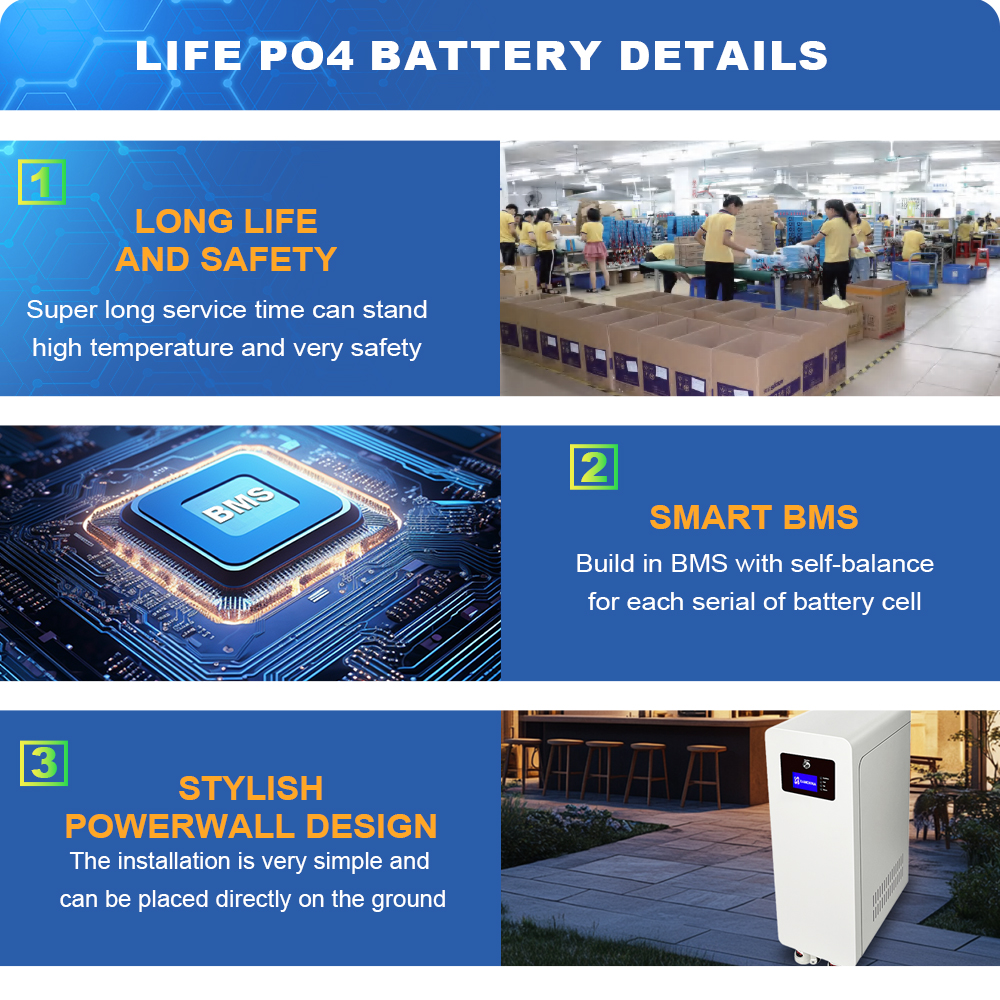
Installation of a 10kW hybrid solar inverter can present various challenges. Understanding these issues can help mitigate potential delays or performance problems:
Incompatible Wiring: One common issue arises from using incorrect wire sizes or types, which can lead to voltage drops or overheating. To prevent this, ensure that the wire gauge meets the inverter's specifications and is suitable for the installation environment.
Inadequate Cooling: Inverters generate heat during operation, and insufficient ventilation can lead to overheating, causing reduced efficiency or failure. Ensure that the installation site allows for proper airflow and consider additional cooling solutions if necessary.
Poor Grounding: Grounding is critical for safety and performance. Inadequate grounding can lead to electrical faults or damage to the inverter. Follow local electrical codes and manufacturer guidelines when establishing grounding systems.
Misconfiguration: Incorrect settings during installation can hinder inverter performance. Always refer to the manufacturer’s installation manual and consider professional installation services if unsure about configuration.
By anticipating these common issues and implementing solutions, buyers can enhance the reliability and longevity of their solar inverter systems.
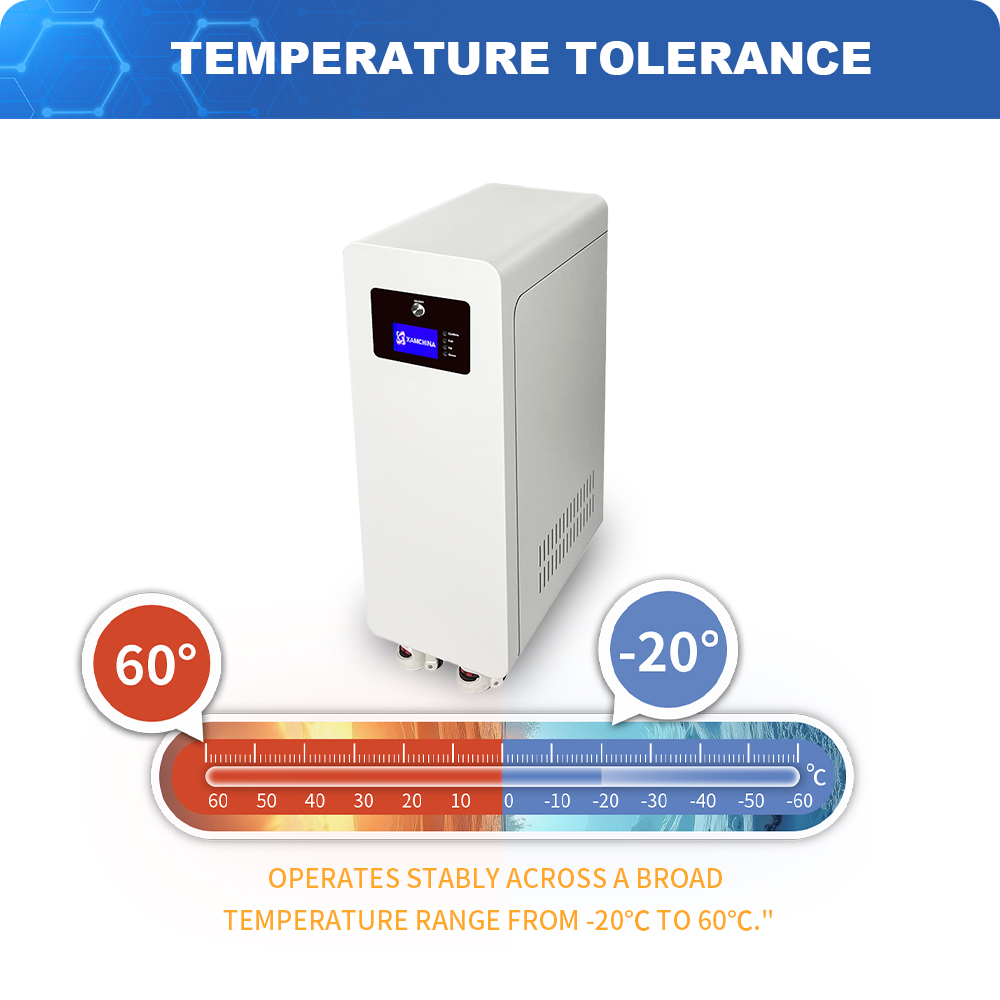
Sourcing reliable 10kW hybrid solar inverters involves exploring various channels. Here are some effective approaches:
Direct Manufacturers: Engaging directly with manufacturers can yield high-quality products at competitive prices. Research manufacturers with a proven track record in the energy sector, such as those with automated production capabilities and robust quality control processes.
Industry Distributors: Established distributors often have a wide range of products and can provide valuable insights into the best options for specific applications. They can also assist with logistics and after-sales support.
Trade Shows and Expos: Attending industry trade shows allows buyers to interact directly with manufacturers and suppliers, compare products, and learn about the latest industry trends and technologies.
Online Marketplaces: Websites specializing in renewable energy products can provide access to a variety of brands and models. However, due diligence is essential to verify the credibility of sellers.
By utilizing these sourcing strategies, buyers can find reliable 10kW hybrid solar inverters that meet their project specifications.
10kW hybrid solar inverters are versatile devices applicable in various industrial settings. These applications include:
Commercial Buildings: Many businesses are adopting solar energy to reduce operational costs. A 10kW inverter can efficiently power commercial buildings, providing a significant return on investment through energy savings.
Electric Vehicle Charging Stations: As electric vehicle adoption increases, hybrid inverters play a crucial role in managing energy supply for charging stations, often integrating battery storage to ensure availability during peak demand.
Telecommunications: In the telecommunications sector, reliable power supply is critical. Hybrid solar inverters can provide backup energy for communication infrastructure, ensuring uninterrupted service during outages.
Rail Transit Systems: Rail systems are increasingly incorporating renewable energy solutions. A 10kW hybrid inverter can support various rail applications, enhancing the sustainability of transport systems.
By understanding these applications, buyers can better assess how a 10kW hybrid solar inverter can meet their specific energy needs and contribute to broader sustainability goals.

Discover Suoer’s premium range of solar inverters and power inverters designed for reliable renewable energy solutions.Trusted by customers worldwide for exceptional performance and durability.
Suoer Industrial Zone, Ercun Road Section, Yanfeng Avenue, Shishan Town,Foshan city,Guangdong Province,China
Copyright © 2024 Foshan Suoer Electronic Industry Co., Ltd. Privacy Policy - Blog

 EN
 AR
 NL
 FR
 DE
 EL
 IT
 JA
 KO
 PT
 RU
 ES
 VI
 TH
 TR
 BG
 HR
 CS
 NO
 PL
 TL
 ID
 SR
 UK
 SQ
 HU
 MT
 AF
 MS
 IS
 HY
 AZ
 BN
 BS
 GU
 LO
 LA
 MN
 NE
 TA