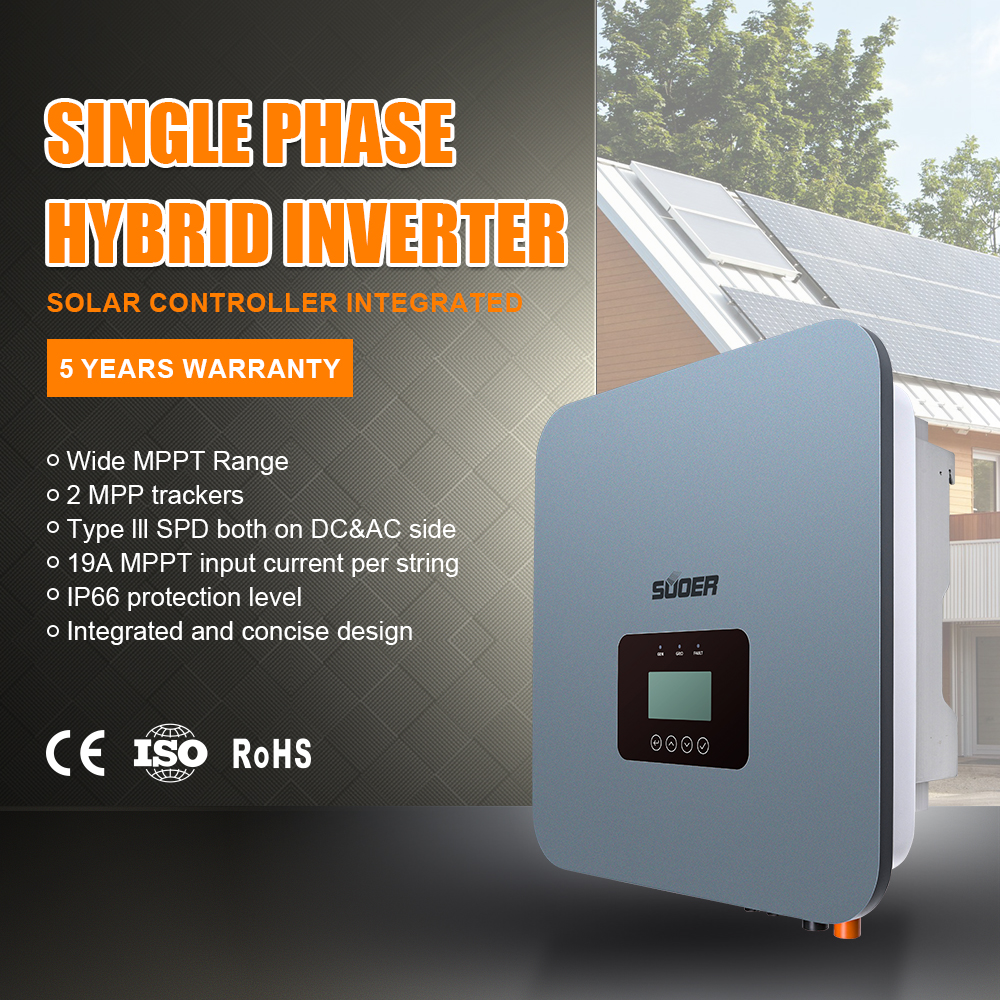
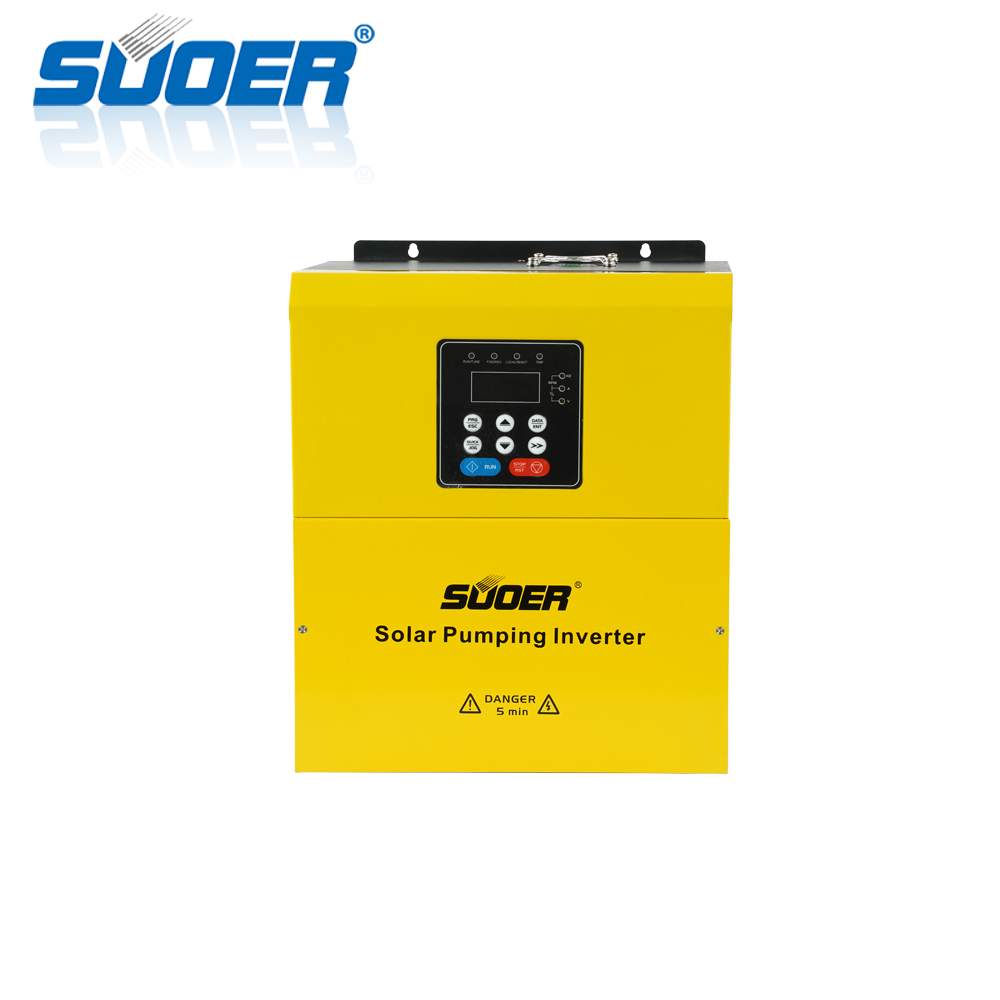
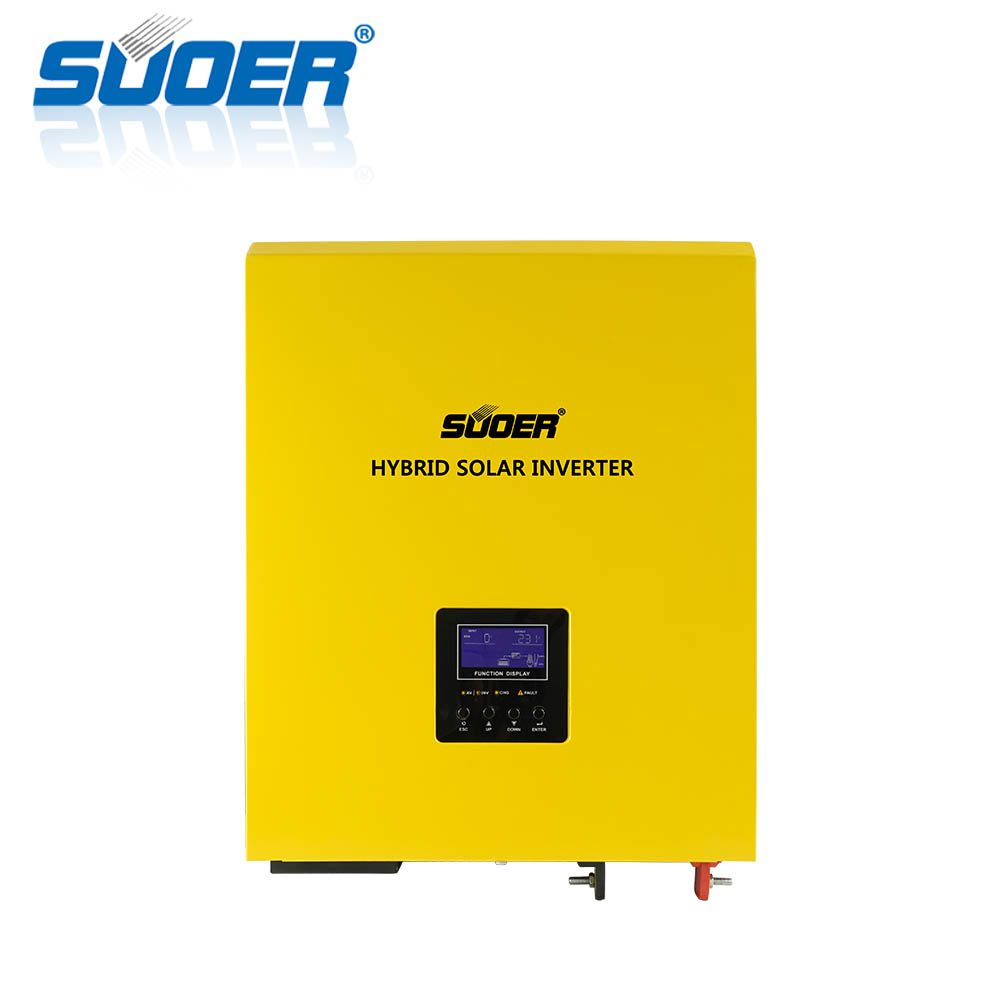
A 10kW hybrid inverter is a crucial component in modern power management systems, allowing for the integration of various energy sources, such as solar energy, with traditional power grids. For B2B buyers, particularly those in manufacturing, telecommunications, and electric vehicle sectors, understanding the specifications and applications of a Suoer 10kW hybrid inverter is essential. This article will guide you through key considerations for selecting a pure sine wave hybrid inverter, evaluating its quality, and ensuring efficient installation and use.
When selecting a 10kW hybrid inverter, several factors should be evaluated to ensure it meets your specific project requirements. Key considerations include:
Power Output and Efficiency: Verify that the inverter can efficiently handle the expected load without compromising performance. The efficiency rating, typically expressed as a percentage, indicates how much of the input power is converted into usable output power.
Input Voltage and Compatibility: Ensure the inverter’s input voltage matches your system's specifications. This usually involves confirming compatibility with existing solar panels or battery systems, as mismatched voltages can lead to inefficiencies or system failures.
Control Features: Look for inverters that offer advanced control features, such as grid support, load management, and smart energy management capabilities. These features enhance flexibility and optimize energy usage.
Environmental Conditions: Consider the operational environment where the inverter will be installed. Factors such as temperature range, humidity, and exposure to dust or moisture can affect performance. Ensure the solar hybrid inverter is rated for the specific conditions of your installation site.
Regulatory Compliance: Verify that the inverter complies with relevant industry standards and certifications, such as ROHS, CE, and ISO9001, to ensure quality and safety.
Evaluating the quality of Suoer 10kW hybrid inverters is paramount for wholesalers and distributors. Here are some practical steps to ensure you're selecting reliable products:
Certification Verification: Check for relevant certifications that indicate adherence to quality standards. Certifications such as CE and ISO9001 indicate that the product has passed rigorous testing and meets international safety and quality standards.
Manufacturer Reputation: Research the manufacturer's background, focusing on their experience in the industry and track record with similar products. A reputable manufacturer should have extensive experience in the new energy sector and a robust research and development team.
Material Quality: Assess the materials used in the inverter's construction. High-quality components contribute to durability and long-term performance. This includes evaluating the heatsinks, circuit boards, and housing materials.
Warranty and Support: A strong warranty policy can be a good indicator of product quality. Ensure the manufacturer provides adequate support and warranty coverage, which reflects confidence in their products.
Customer Reviews and Case Studies: Look for feedback from previous customers and any case studies that demonstrate the inverter's performance in real-world applications. This can provide insights into reliability and user satisfaction.
When preparing to purchase a 10kW hybrid inverter, consider the following crucial aspects to ensure you make an informed decision:
Request for Quotation (RFQ) Preparation: Include specific details in your RFQ such as desired specifications, quantity, required certifications, and any customization needs. This helps suppliers provide accurate pricing and lead time estimates.
Sample Testing: Before committing to a large order, request samples for testing under your specific operating conditions. This allows you to evaluate performance, compatibility, and any potential issues before mass production.
Customization Options: If your project requires unique specifications, inquire about customization capabilities. Many manufacturers can tailor their products to meet specific needs, such as modified input/output configurations or additional features.
Lead Time and Production Capacity: Understanding the supplier's lead time and production capacity is essential for project planning. Ensure they can meet your timeline without sacrificing quality.
Pricing Factors: Be aware of factors that can influence pricing, including order size, customization, and market conditions. Negotiating these aspects can lead to better pricing and terms.
Proper installation is critical to ensuring the efficiency and longevity of a Suoer 10kW hybrid inverter. Here are some essential tips:
Follow Manufacturer Guidelines: Always adhere to the manufacturer's installation instructions and guidelines. This includes proper mounting, wiring, and connection protocols to prevent operational issues.
Professional Installation: Consider hiring a qualified technician for installation. Professionals can navigate the complexities of wiring and ensure that all connections are secure and compliant with local regulations.
Optimal Location: Install the inverter in a location that minimizes exposure to extreme environmental conditions. Adequate ventilation is essential to prevent overheating, which can significantly affect performance.
Regular Maintenance Checks: Schedule routine maintenance checks to ensure the inverter operates efficiently. This includes inspecting connections, cleaning components, and updating any software if applicable.
Monitor Performance: Utilize monitoring tools to track the inverter’s performance. This can help identify issues early and maintain optimal operation.
10kW hybrid inverters are versatile and can be employed across various sectors, including:
Renewable Energy Systems: In solar power installations, these inverters manage energy from photovoltaic (PV) systems, optimizing the use of solar energy while providing grid support.
Electric Vehicle Charging Stations: Inverters are essential for providing power to charging stations, enabling the efficient charging of electric vehicles while integrating renewable sources when available.
Telecommunications: In the telecommunications sector, 10kW hybrid inverters ensure uninterrupted power supply to critical infrastructure, contributing to the reliability of communication networks.
Industrial Applications: Many manufacturing facilities utilize these inverters to manage energy consumption, reduce operational costs, and enhance sustainability through efficient energy use.
Rail Transit Systems: In rail transit applications, hybrid inverters provide reliable power management solutions, integrating renewable sources to lower energy costs and enhance system efficiency.
By understanding these applications, B2B buyers can better assess how a solar power hybrid inverter can meet their specific industry needs.

Discover Suoer’s premium range of solar inverters and power inverters designed for reliable renewable energy solutions.Trusted by customers worldwide for exceptional performance and durability.
Suoer Industrial Zone, Ercun Road Section, Yanfeng Avenue, Shishan Town,Foshan city,Guangdong Province,China
Copyright © 2024 Foshan Suoer Electronic Industry Co., Ltd. Privacy Policy - Blog

 EN
 AR
 NL
 FR
 DE
 EL
 IT
 JA
 KO
 PT
 RU
 ES
 VI
 TH
 TR
 BG
 HR
 CS
 NO
 PL
 TL
 ID
 SR
 UK
 SQ
 HU
 MT
 AF
 MS
 IS
 HY
 AZ
 BN
 BS
 GU
 LO
 LA
 MN
 NE
 TA