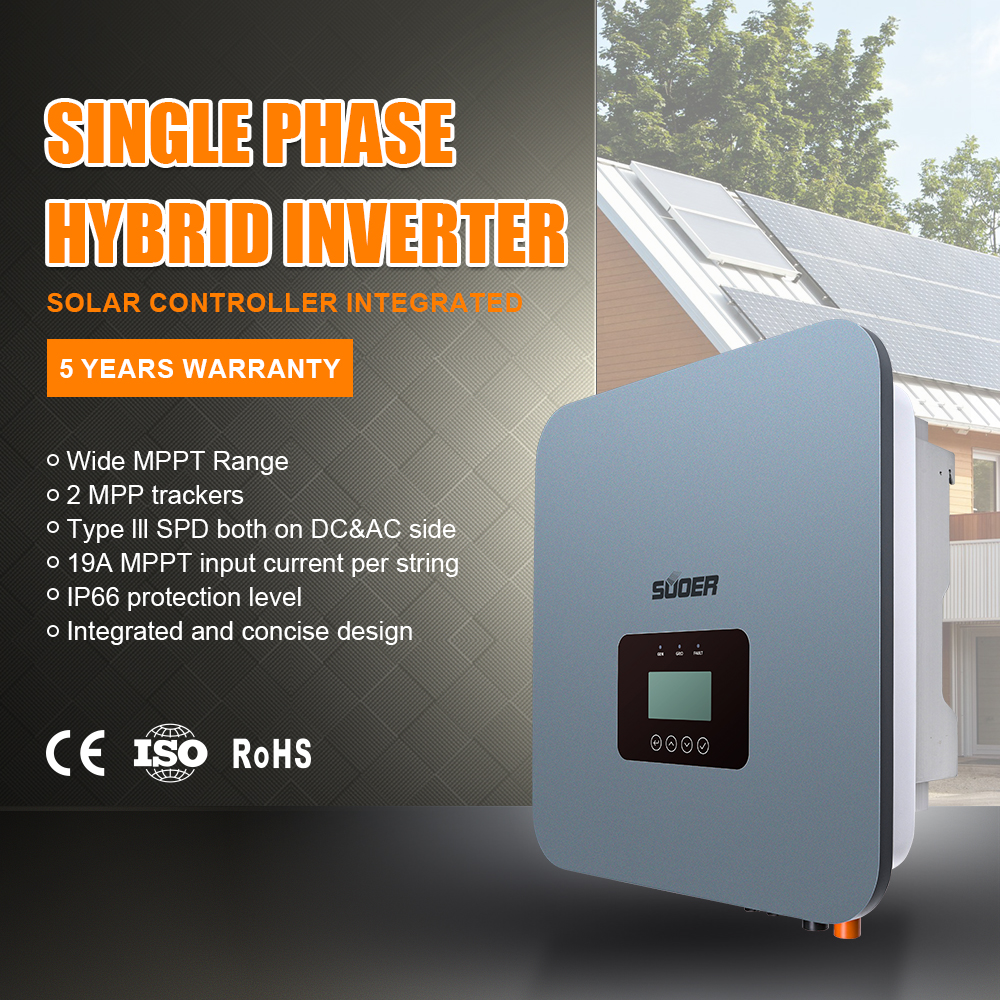
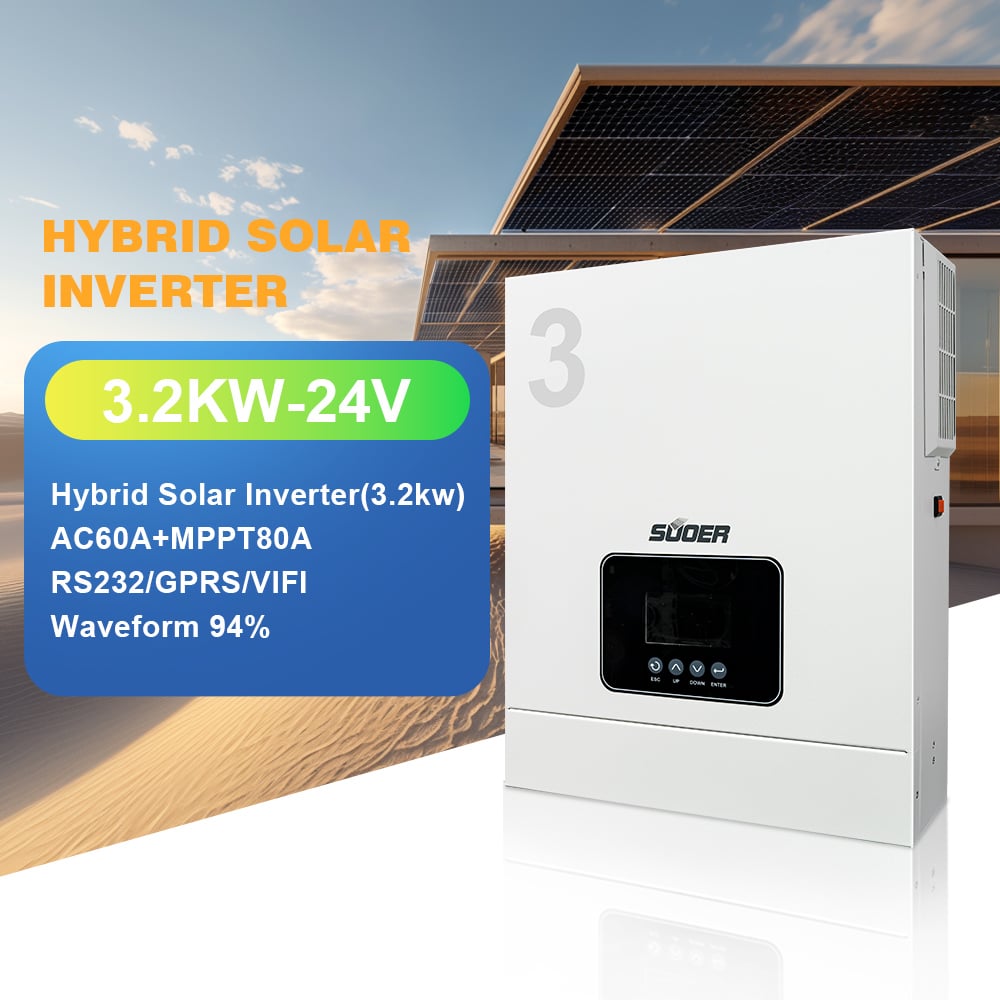
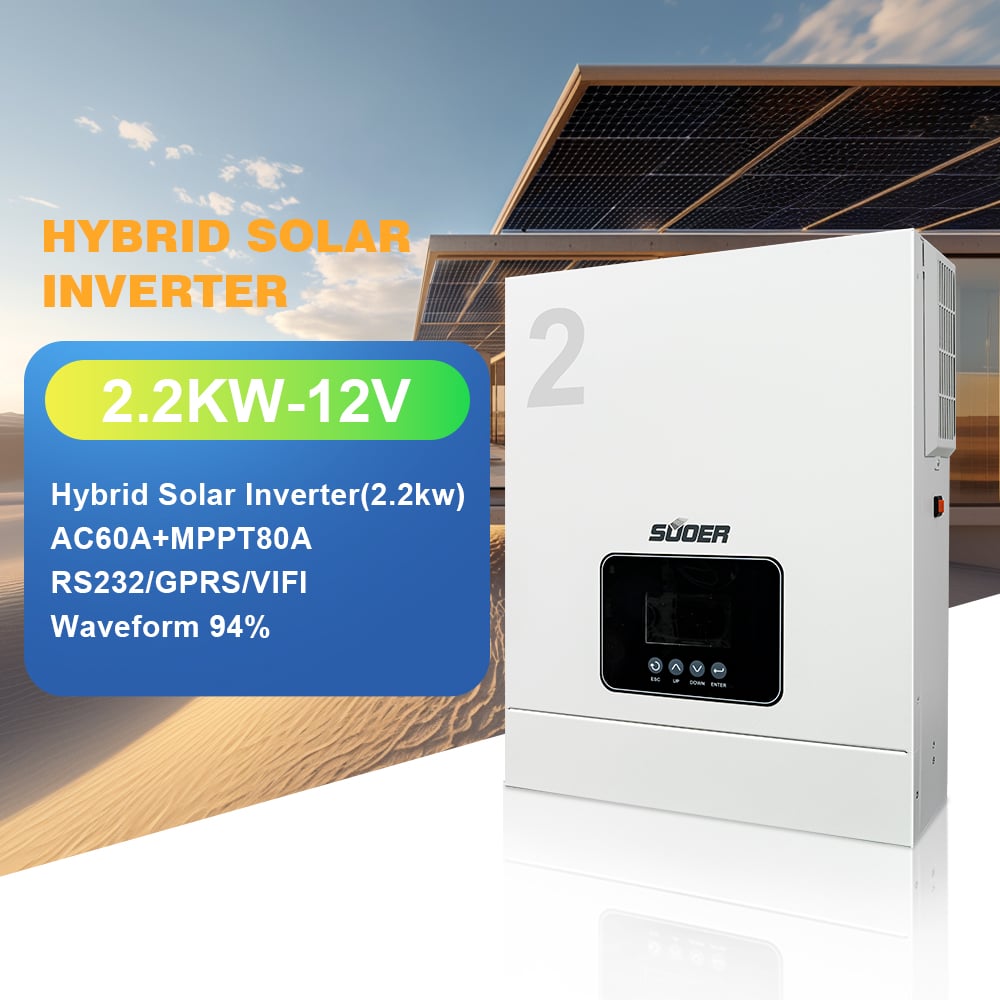
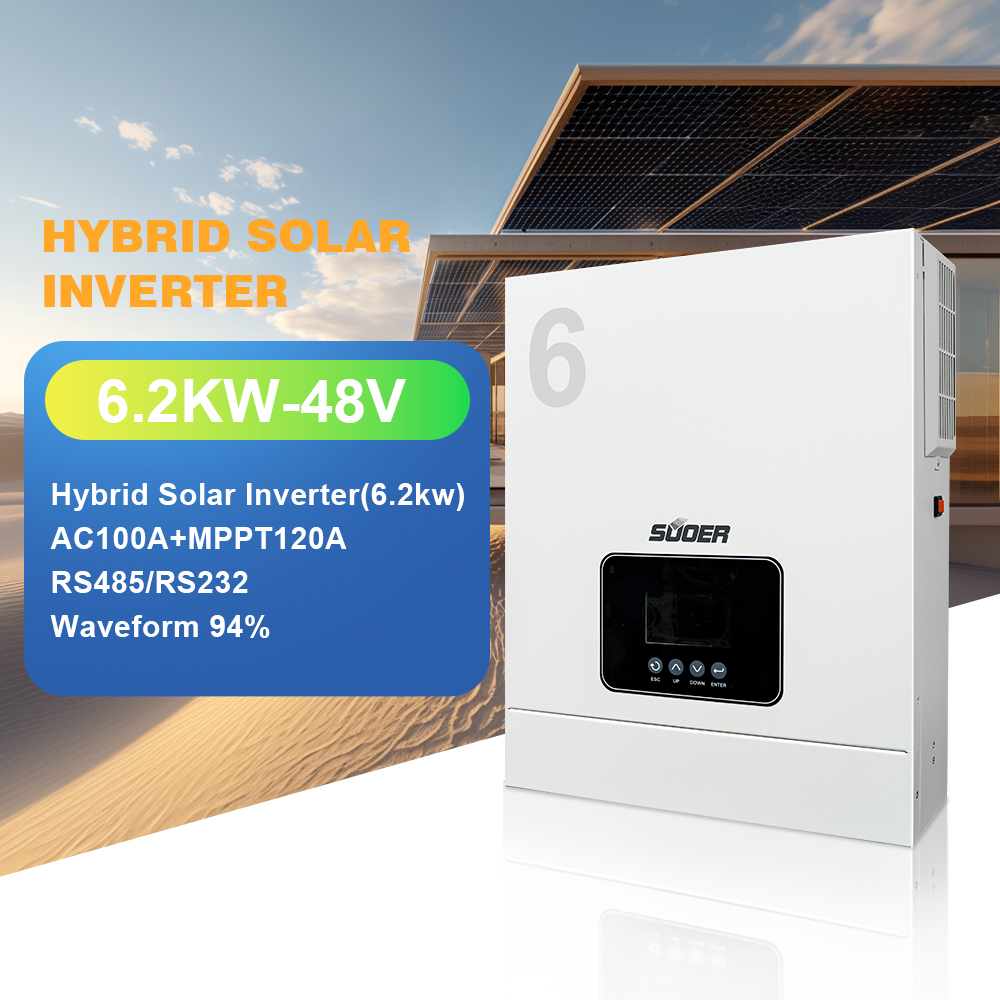
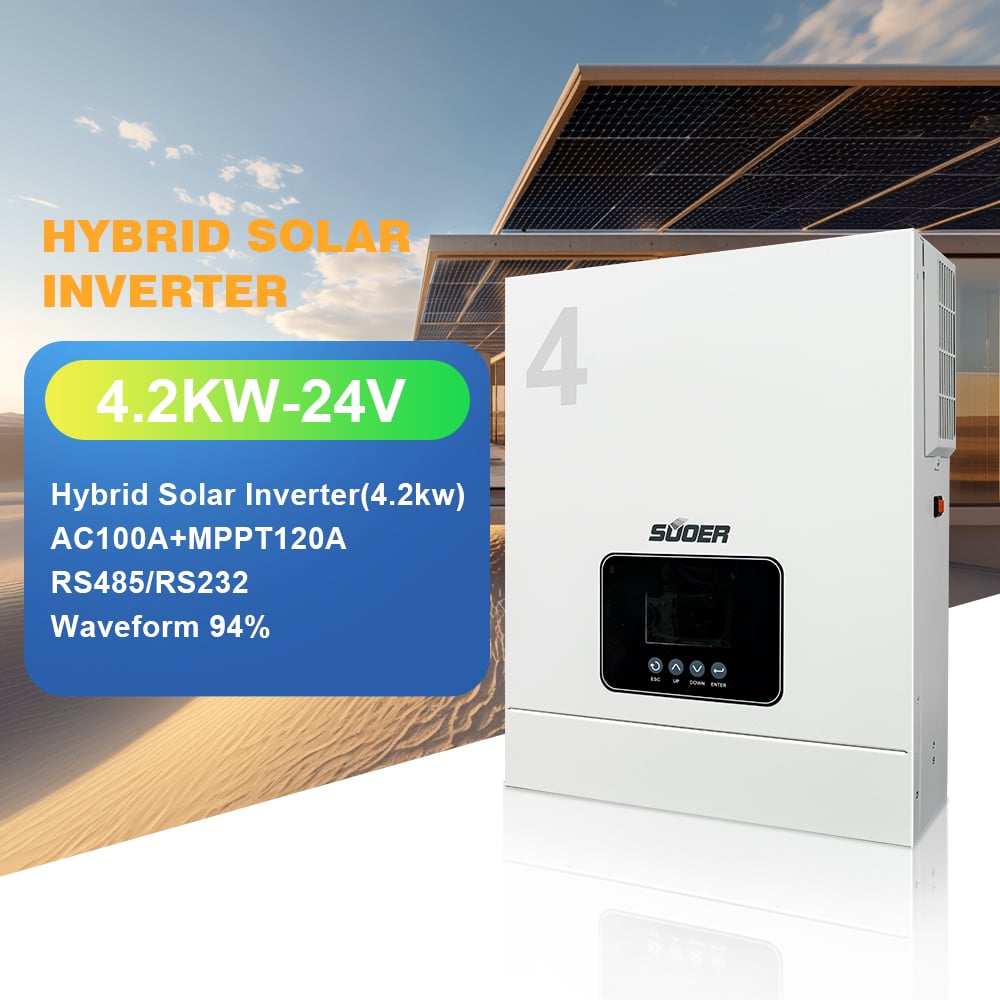
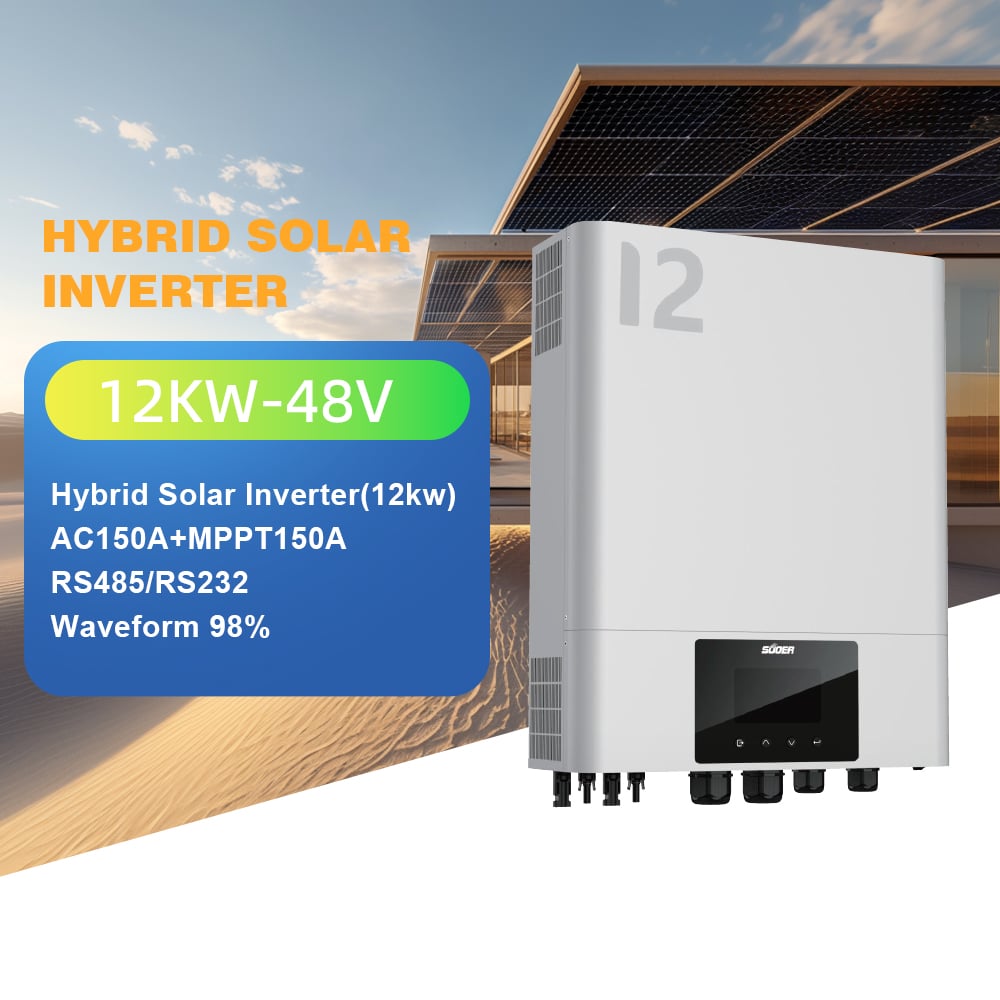
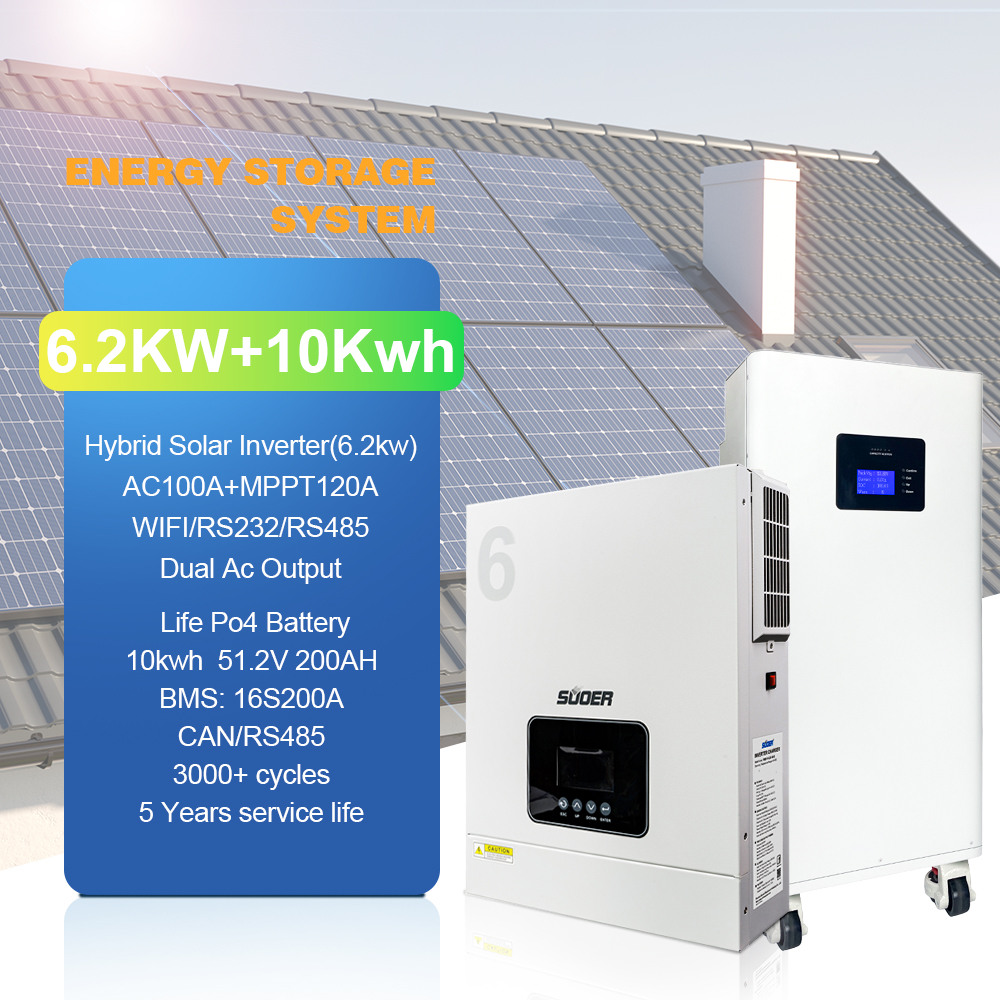
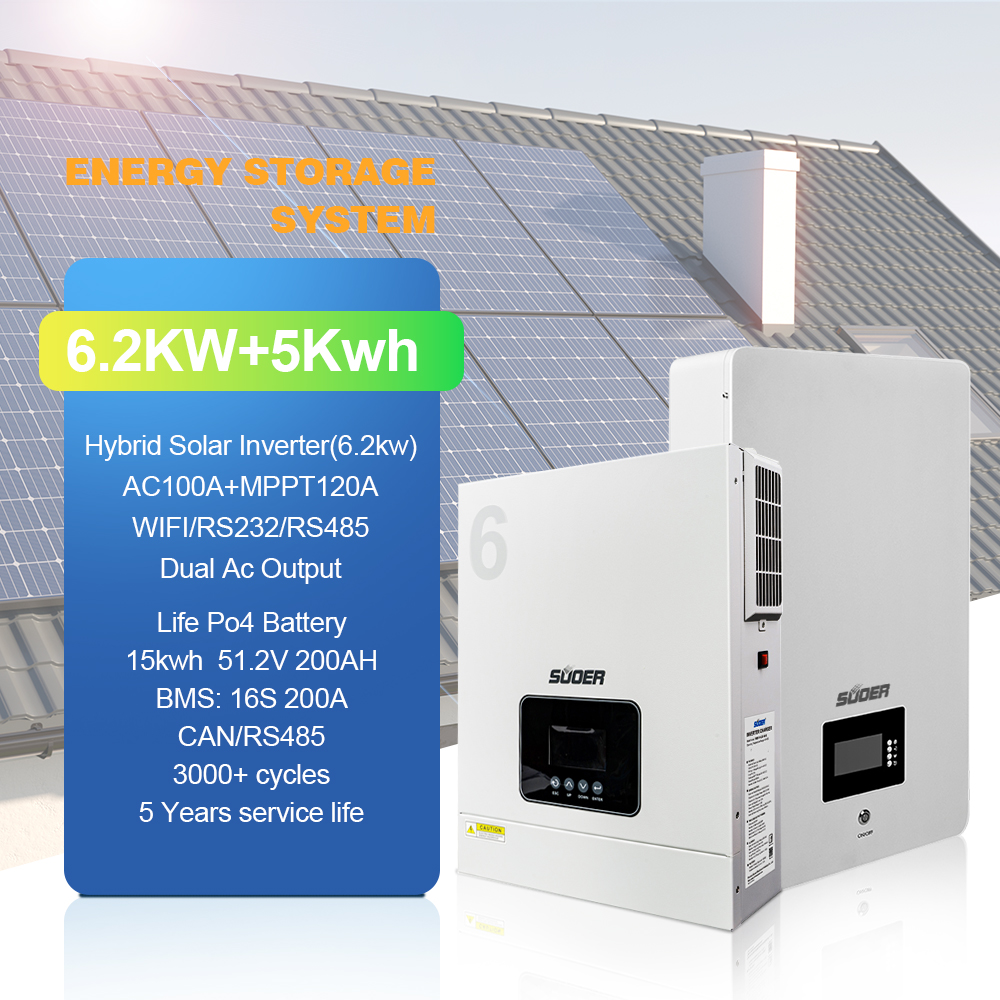
Hybrid solar inverters play a crucial role in optimizing energy usage for on-grid applications by seamlessly integrating solar power with the existing electrical grid. As businesses increasingly seek sustainable energy solutions, understanding the key considerations when selecting a hybrid solar inverter becomes essential. This article addresses the main concerns of B2B buyers, including performance, supplier reliability, cost factors, and application suitability, to help you make informed purchasing decisions.
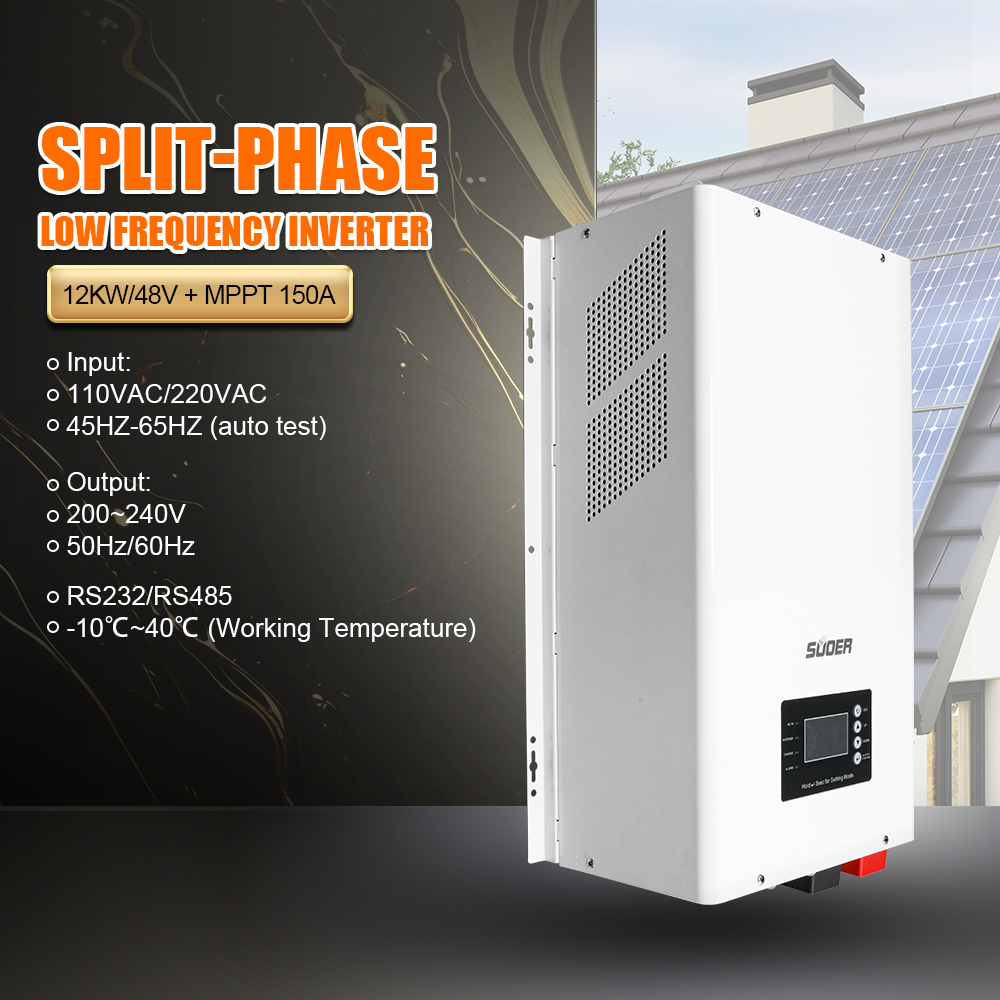
When selecting a hybrid solar inverter for your on-grid application, several critical factors must be considered. First, assess the power output requirements based on your energy consumption. Look for inverters that support your peak load while allowing for future expansion. For instance, you might consider the New 12kw Hybrid Solar Off-Grid Inverter System 15kwh 300ah Lithium Iron Lifepo4 Battery for its robust specifications.
Next, consider compatibility with your existing solar panel system and battery storage, if applicable. Ensure that the inverter can handle the voltage and current specifications of your solar array. Additionally, look for features like grid-tie functionality, which allows for seamless integration with the grid and maximizes the use of solar power.
Efficiency ratings are also vital. A higher efficiency rating indicates that the inverter converts more solar energy into usable electricity, directly impacting your energy savings. Inverters typically come with various certifications, such as ROHS and CE, which reflect their compliance with international safety and quality standards.
Lastly, consider the manufacturer's warranty and support offerings. A reliable warranty can mitigate risks and provide peace of mind, especially if the inverter is essential for your operations.
Identifying trustworthy suppliers for hybrid solar inverters is crucial for ensuring product quality and timely delivery. Start by researching manufacturers with a solid reputation in the renewable energy sector. Look for companies that specialize in solar technologies, as they are more likely to understand the nuances of hybrid inverter systems.
Requesting references or case studies from potential suppliers can also provide insight into their reliability and customer satisfaction. Additionally, consider suppliers that offer transparent communication and support throughout the purchasing process.
Another essential aspect is evaluating the supplier’s production capabilities. A manufacturer with automated production processes and a strong R&D team is more likely to deliver high-quality products. Be sure to inquire about their certifications, such as ISO9001, as these indicate adherence to quality management standards.
Finally, assess the supplier's flexibility in customization. Depending on your specific application, you may need tailored solutions that can only be provided by a manufacturer willing to accommodate unique requirements.
When evaluating the cost of bulk orders for hybrid solar inverters, several factors come into play. First, consider the unit price, which often decreases with larger order quantities. This is a crucial aspect for budget-conscious buyers looking to maximize their investment.
Next, assess the total landed cost, which includes shipping, taxes, and import duties. Understanding these additional costs is necessary to accurately compare suppliers and avoid unexpected expenses. Additionally, suppliers like VMS-12kw energy system sales 12kw smart hybrid solar Inverter offer competitive pricing structures that can benefit bulk buyers.
Warranty and after-sales service costs should also be factored into the total cost of ownership. A higher upfront cost for a more reliable inverter can lead to lower maintenance and replacement costs over time.
Lastly, inquire about lead times for bulk orders. Suppliers with efficient production and logistics can fulfill orders more quickly, minimizing downtime and allowing your operations to benefit from renewable energy sooner.
Hybrid solar inverters have diverse applications across multiple industries, thanks to their ability to integrate solar energy with existing power systems. In the commercial sector, businesses are increasingly adopting hybrid inverters to reduce energy costs and enhance sustainability. Retailers, warehouses, and office buildings can significantly lower their electricity bills while contributing to their corporate social responsibility goals.
In the industrial sector, hybrid solar inverters support operations in manufacturing plants, where energy reliability is crucial. They ensure a steady power supply, reducing dependency on traditional energy sources and enhancing operational efficiency.
The telecommunications industry also benefits from hybrid inverters, providing a reliable power backup for remote towers and data centers. This ensures uninterrupted service, even in areas with inconsistent grid power.
Moreover, transportation sectors such as rail transit leverage hybrid solar inverters to power electric vehicles and charging stations. By utilizing renewable energy, these applications not only reduce carbon footprints but also enhance energy independence.
Performance is a critical consideration when selecting hybrid solar inverters. Buyers should evaluate the inverter's efficiency ratings, which indicate how effectively it converts DC power from solar panels into AC power for use in the grid. Higher efficiency ratings mean more energy savings and faster returns on investment.
Quality is equally essential. Buyers should seek out inverters that pass rigorous testing and quality control processes. In our manufacturing process, we prioritize quality by ensuring that each unit undergoes thorough inspections before leaving the factory. Look for certifications such as CE and ISO9001, which demonstrate commitment to quality standards.
Moreover, consider the reliability of the inverter under varying environmental conditions. Inverters should be able to operate efficiently in extreme temperatures, humidity levels, and potential exposure to dust or moisture. It’s advisable to request performance data under different operating conditions to assess suitability for your specific application.
Lastly, ensure that any hybrid solar inverter you consider comes with robust support and maintenance options. A reliable after-sales service can significantly impact the long-term performance of your investment, ensuring that issues are addressed promptly and effectively.
By understanding these key factors, you can make informed decisions when selecting hybrid solar inverters for your on-grid needs, ensuring that your investment delivers both performance and reliability.

Discover Suoer’s premium range of solar inverters and power inverters designed for reliable renewable energy solutions.Trusted by customers worldwide for exceptional performance and durability.
Suoer Industrial Zone, Ercun Road Section, Yanfeng Avenue, Shishan Town,Foshan city,Guangdong Province,China
Copyright © 2024 Foshan Suoer Electronic Industry Co., Ltd. Privacy Policy - Blog

 EN
 AR
 NL
 FR
 DE
 EL
 IT
 JA
 KO
 PT
 RU
 ES
 VI
 TH
 TR
 BG
 HR
 CS
 NO
 PL
 TL
 ID
 SR
 UK
 SQ
 HU
 MT
 AF
 MS
 IS
 HY
 AZ
 BN
 BS
 GU
 LO
 LA
 MN
 NE
 TA