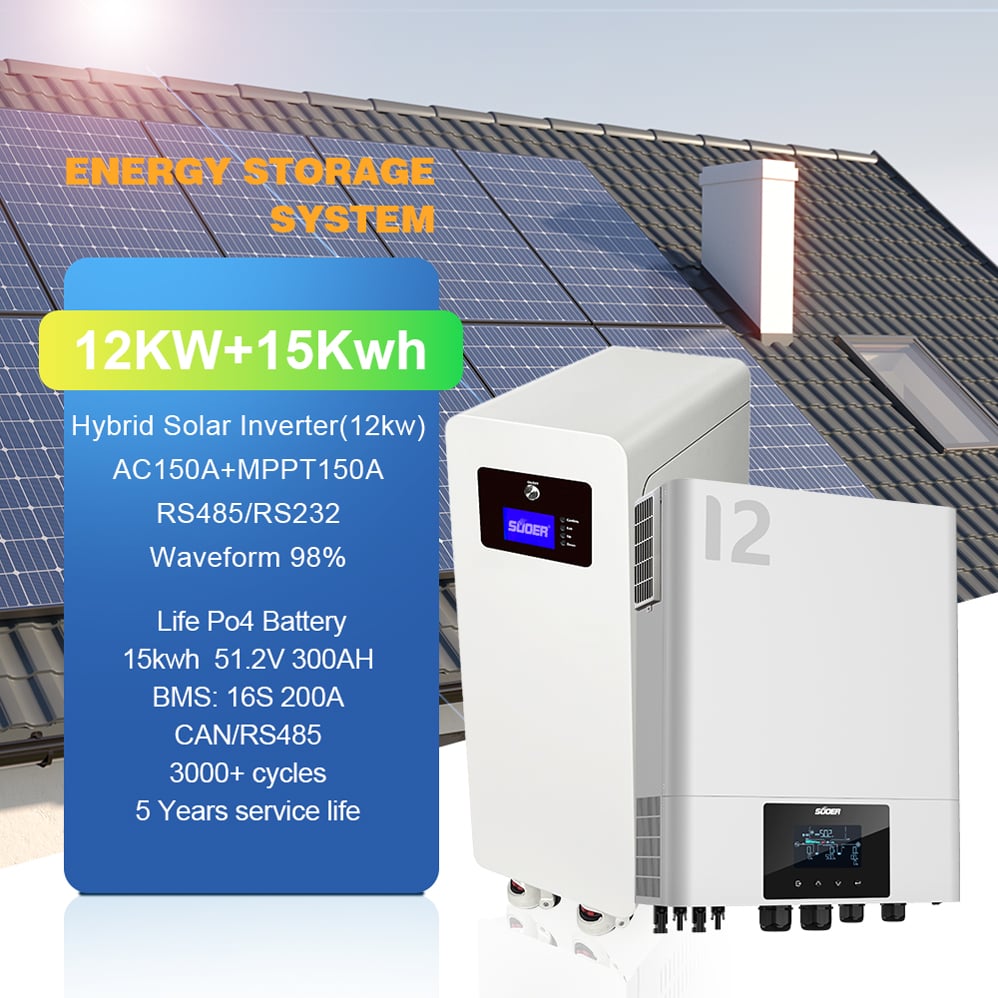
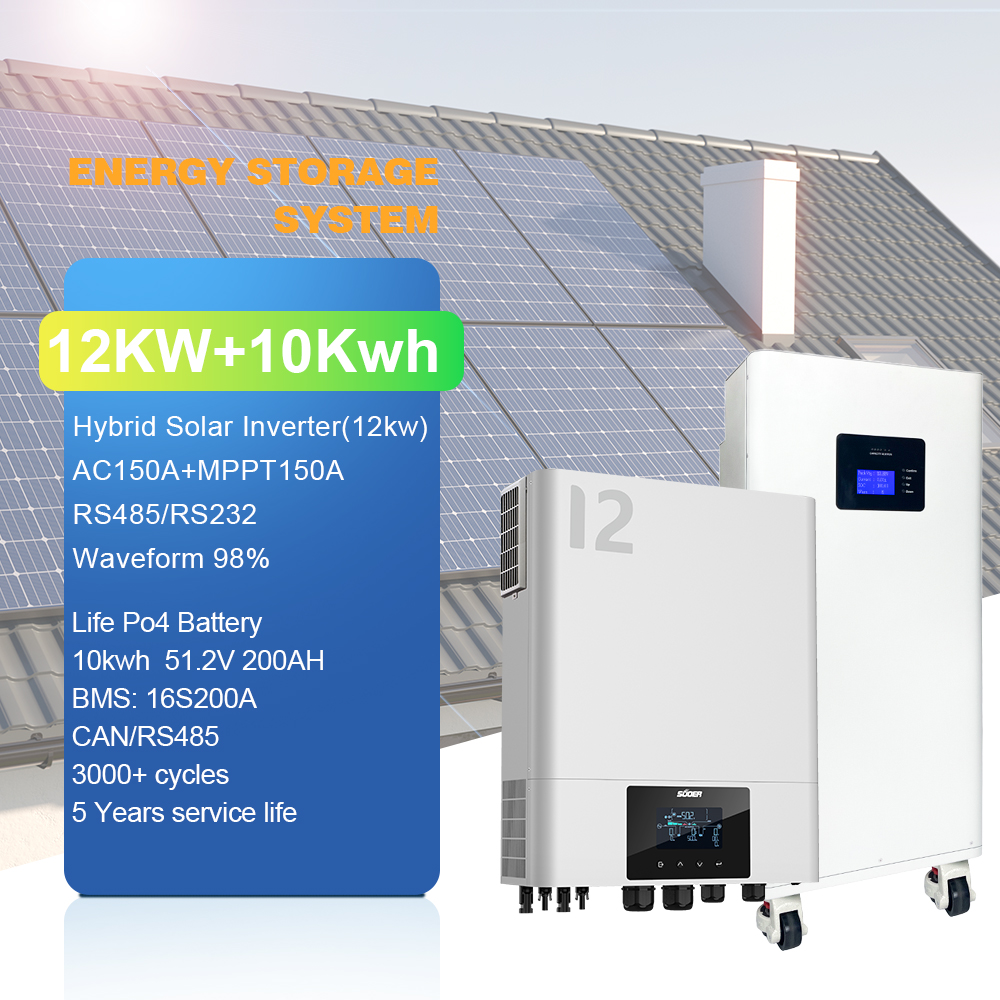
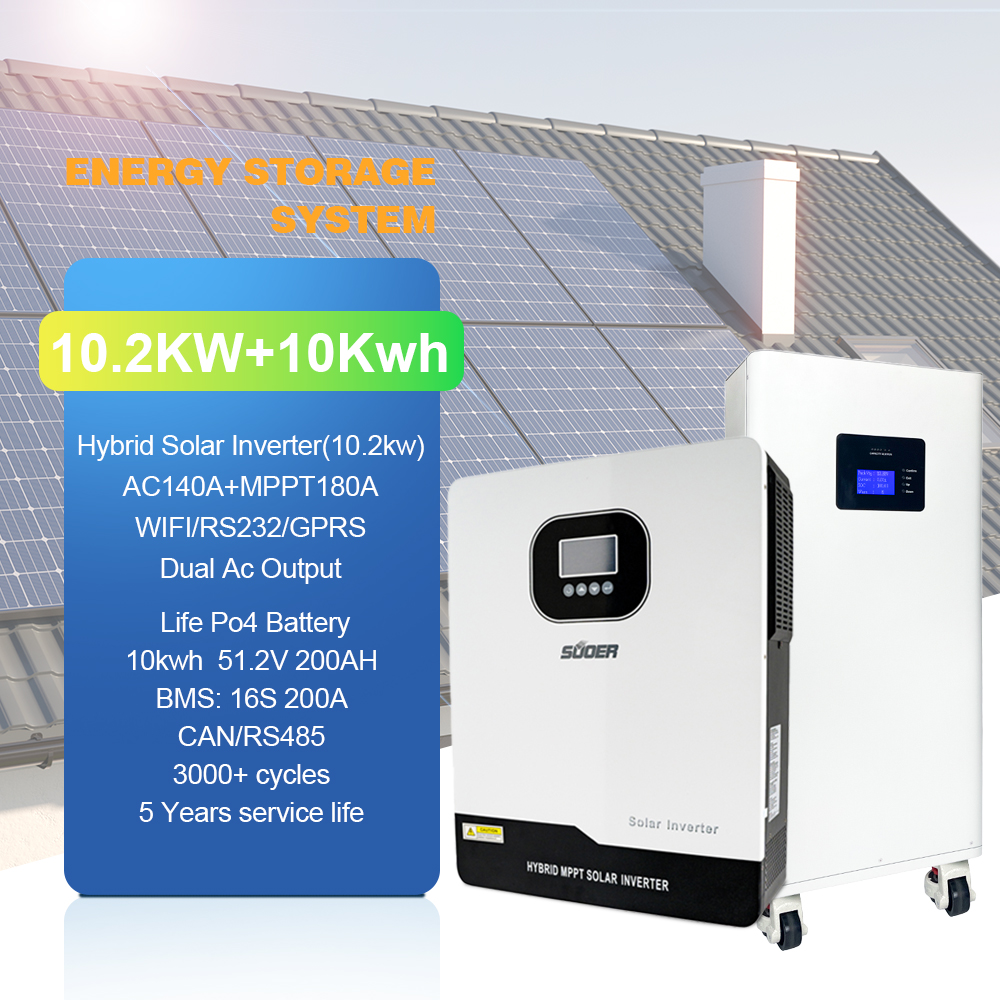
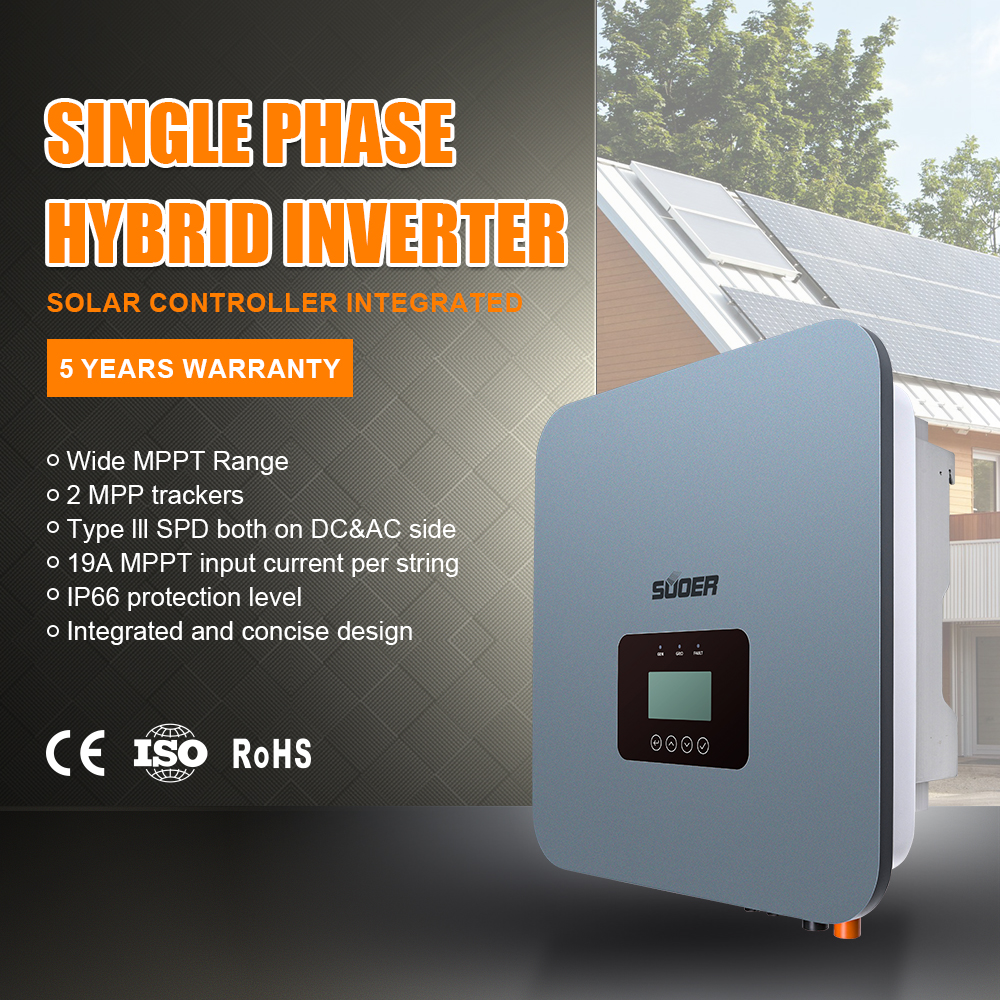
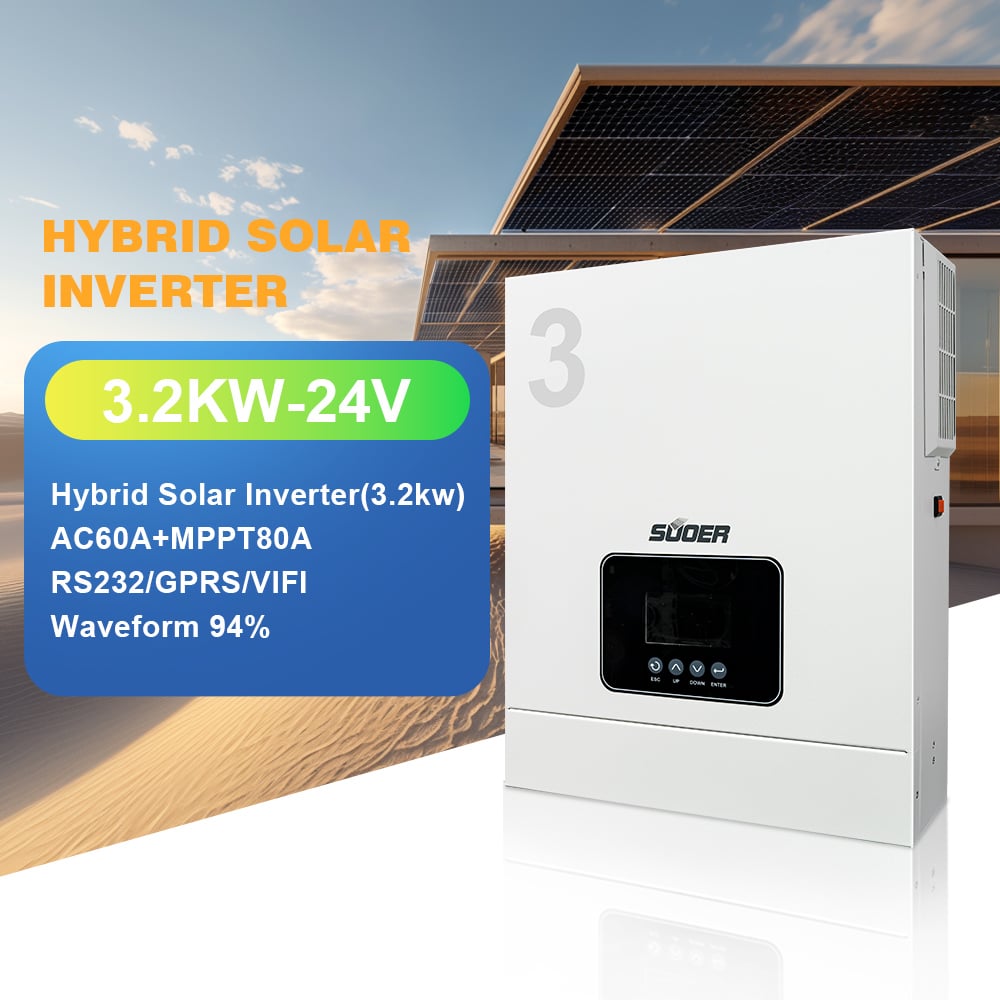
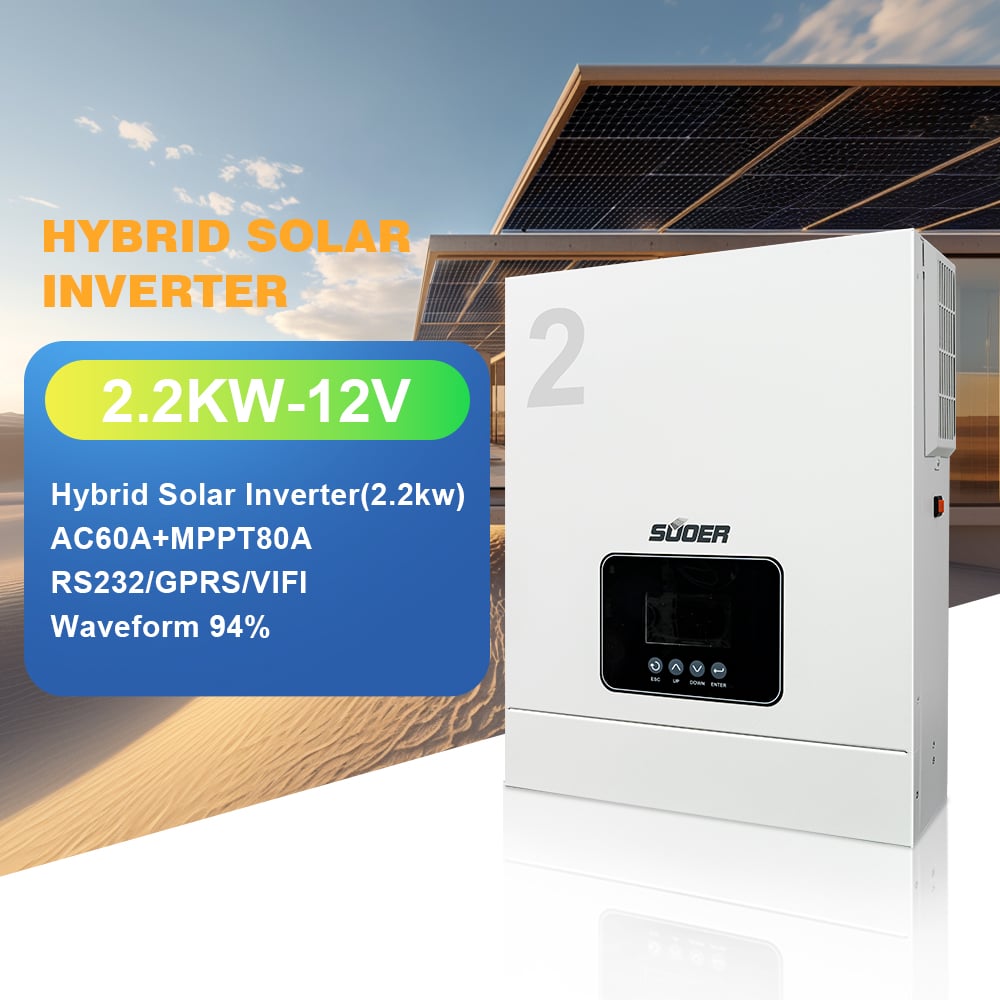
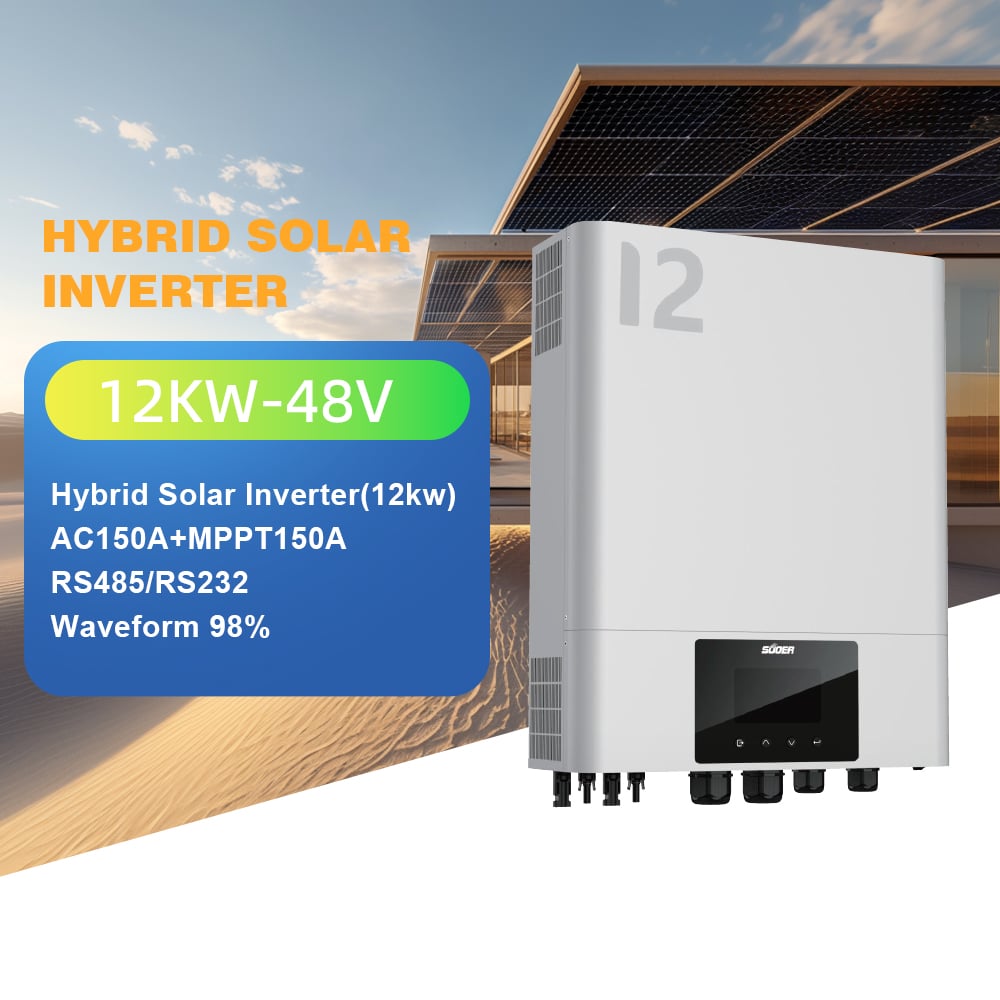
On-grid hybrid solar inverters are crucial components in modern energy systems, combining the benefits of traditional grid power with renewable solar energy. Designed for efficiency and reliability, these inverters enable businesses to reduce energy costs and enhance sustainability. As a B2B buyer, understanding their specifications, sourcing options, cost factors, common issues, and applications across industries is essential for making informed purchasing decisions. This article will provide practical insights into each of these areas, helping you evaluate and select the right on-grid hybrid solar inverter for your needs. For a comprehensive solution, consider exploring our Home Energy Storage options that work seamlessly with these inverters.
When considering on-grid hybrid solar inverters, several key specifications should be evaluated:
Power Rating: Typically measured in kilowatts (kW), this indicates the inverter's output capacity. Select an inverter that can handle the maximum load of your application to ensure efficiency.
Input Voltage Range: This specification defines the range of DC voltages the inverter can accept from solar panels. A wider range allows for better adaptability to varying solar conditions.
Efficiency Rating: This measures how effectively the inverter converts DC electricity generated by solar panels into usable AC electricity. Look for inverters with efficiencies above 95% to maximize energy output.
Grid Compatibility: Ensure the inverter is compatible with your local grid requirements, including voltage and frequency standards. This is critical for seamless integration and optimal performance.
Communication Protocols: Many modern inverters come equipped with advanced communication features, supporting remote monitoring and control via mobile apps or web interfaces. This can enhance operational efficiency and ease of maintenance.
Certifications: Common certifications such as ROHS, CE, and ISO9001 indicate adherence to quality and safety standards. These certifications provide assurance regarding the reliability and safety of the product.
Understanding these specifications will help ensure the selected inverter meets operational requirements and complies with relevant regulations.
Sourcing on-grid hybrid solar inverters in bulk requires careful consideration of suppliers. Here are some key points to keep in mind:
Manufacturer Reputation: Look for manufacturers with a strong reputation in the renewable energy industry. Check their history, customer reviews, and case studies to gauge reliability.
Certifications and Compliance: Ensure the supplier’s products meet necessary certifications such as CE and ISO9001. This indicates that their manufacturing processes adhere to international quality standards.
Production Capacity: Evaluate the supplier's production capabilities to ensure they can meet your order volume within your required lead times. Discuss their ability to scale production if your needs increase.
Customization Options: If your application requires specific modifications, confirm that the supplier can accommodate customization requests. This might include adjustments to power ratings, communication features, or packaging.
After-Sales Support: Reliable suppliers should provide robust after-sales support, including installation guidance, maintenance tips, and warranty coverage. This can significantly impact the overall performance and longevity of the inverters. Additionally, consider suppliers that offer a range of Battery Charger options compatible with your solar systems.
By considering these factors, you can establish a fruitful partnership with a supplier that aligns with your operational needs and ensures a steady supply of high-quality solar inverters.
The cost of on-grid hybrid solar inverters can vary widely based on several factors:
Technology Type: Different inverter technologies (string inverters, microinverters, or central inverters) have varying price points. Choose the type that aligns with your specific application and budget.
Power Rating: Higher power-rated inverters typically come with a higher price tag. Assess your energy needs carefully to select an inverter that balances cost and capacity.
Features and Specifications: Advanced features such as smart monitoring, grid support, and enhanced efficiency can increase costs. Weigh the benefits of these features against your budget constraints.
Order Quantity: Bulk purchases may qualify for discounts, so consider ordering larger quantities if feasible. Discuss pricing tiers with your supplier to minimize costs.
Shipping and Import Duties: Depending on the supplier's location, shipping costs and import duties can significantly affect the overall price. Factor these costs into your budget from the outset.
Being aware of these cost factors can help you make informed decisions and optimize your budget when purchasing on-grid hybrid solar inverters.
Despite their advantages, on-grid hybrid solar inverters can encounter several common issues. Here’s how to address them:
Overheating: Inverters can overheat, especially in high-temperature environments. Ensure proper ventilation during installation and consider using cooling fans if necessary.
Grid Connection Issues: Sometimes, inverters may fail to connect to the grid. Check wiring, ensure all connections are secure, and verify compatibility with grid standards.
Poor Performance: If the inverter underperforms, it could be due to mismatched components or suboptimal installation. Conduct regular performance checks and ensure that the inverter is correctly configured for your specific solar array.
Firmware Bugs: Software glitches may affect performance. Keep the inverter's firmware updated and consult the manufacturer for troubleshooting advice.
Component Failures: Components like capacitors can fail over time. Regular maintenance and monitoring are essential to catch potential issues early and prevent costly downtime.
Understanding these common problems and their solutions will prepare you for effective troubleshooting and maintenance of your on-grid hybrid solar inverters.
On-grid hybrid solar inverters are versatile and find applications across multiple industries, including:
Commercial Buildings: Businesses are increasingly adopting solar solutions to reduce energy costs. On-grid hybrid inverters help manage energy consumption efficiently while enabling excess energy to be fed back into the grid.
Telecommunications: In the telecommunications sector, these inverters provide reliable power to cell towers and communication hubs, ensuring uninterrupted service even during grid outages.
Electric Vehicle Charging Stations: As the demand for electric vehicles grows, charging stations utilize on-grid hybrid solar inverters to harness solar energy, reducing dependency on traditional power sources and lowering operational costs.
Rail Transit: The rail industry benefits from hybrid solar inverters by integrating renewable energy into their operations, improving sustainability, and reducing greenhouse gas emissions.
Industrial Applications: Factories and manufacturing plants use these inverters to optimize energy use, reduce costs, and meet sustainability goals by integrating solar power into their energy mix. For further information on sustainable energy solutions, explore our section on Renewable Energy.
By understanding these applications, you can better assess how on-grid hybrid solar inverters can fit into your operational strategy and contribute to energy efficiency and sustainability goals.

Discover Suoer’s premium range of solar inverters and power inverters designed for reliable renewable energy solutions.Trusted by customers worldwide for exceptional performance and durability.
Suoer Industrial Zone, Ercun Road Section, Yanfeng Avenue, Shishan Town,Foshan city,Guangdong Province,China
Copyright © 2024 Foshan Suoer Electronic Industry Co., Ltd. Privacy Policy - Blog

 EN
 AR
 NL
 FR
 DE
 EL
 IT
 JA
 KO
 PT
 RU
 ES
 VI
 TH
 TR
 BG
 HR
 CS
 NO
 PL
 TL
 ID
 SR
 UK
 SQ
 HU
 MT
 AF
 MS
 IS
 HY
 AZ
 BN
 BS
 GU
 LO
 LA
 MN
 NE
 TA