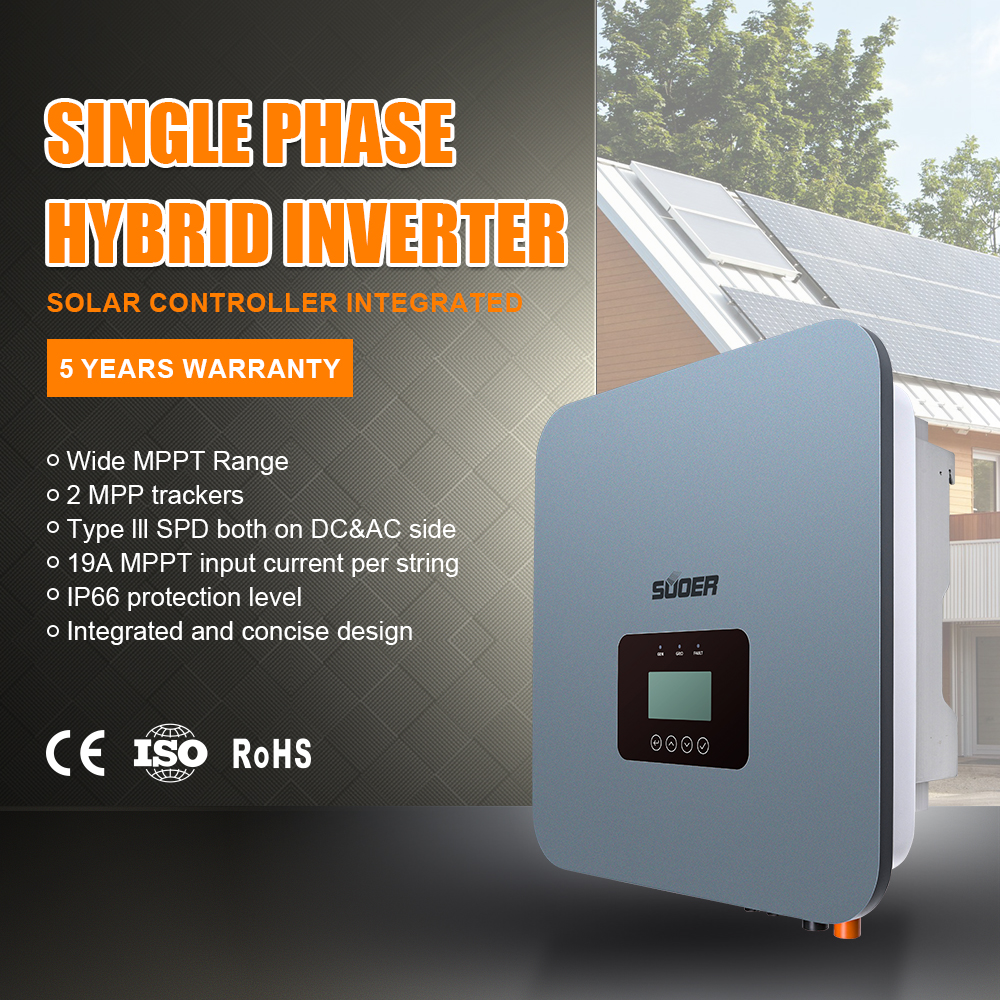
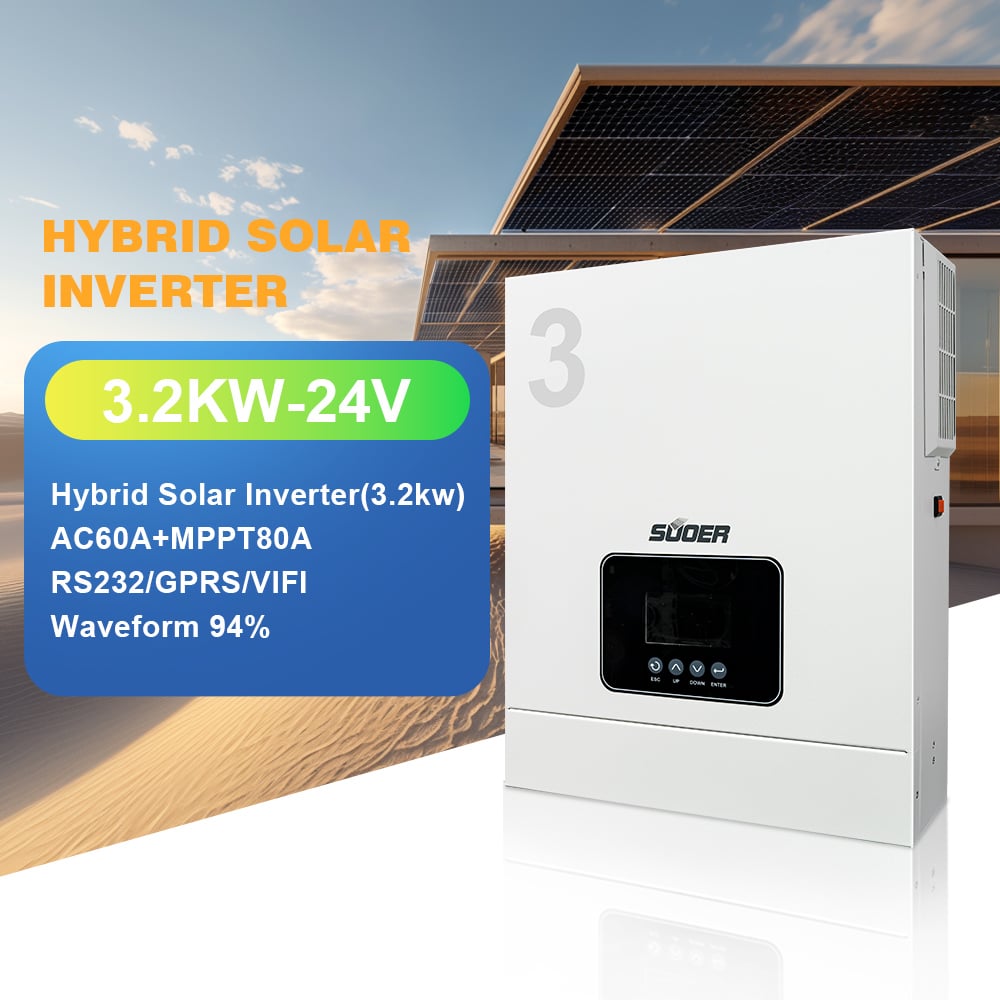
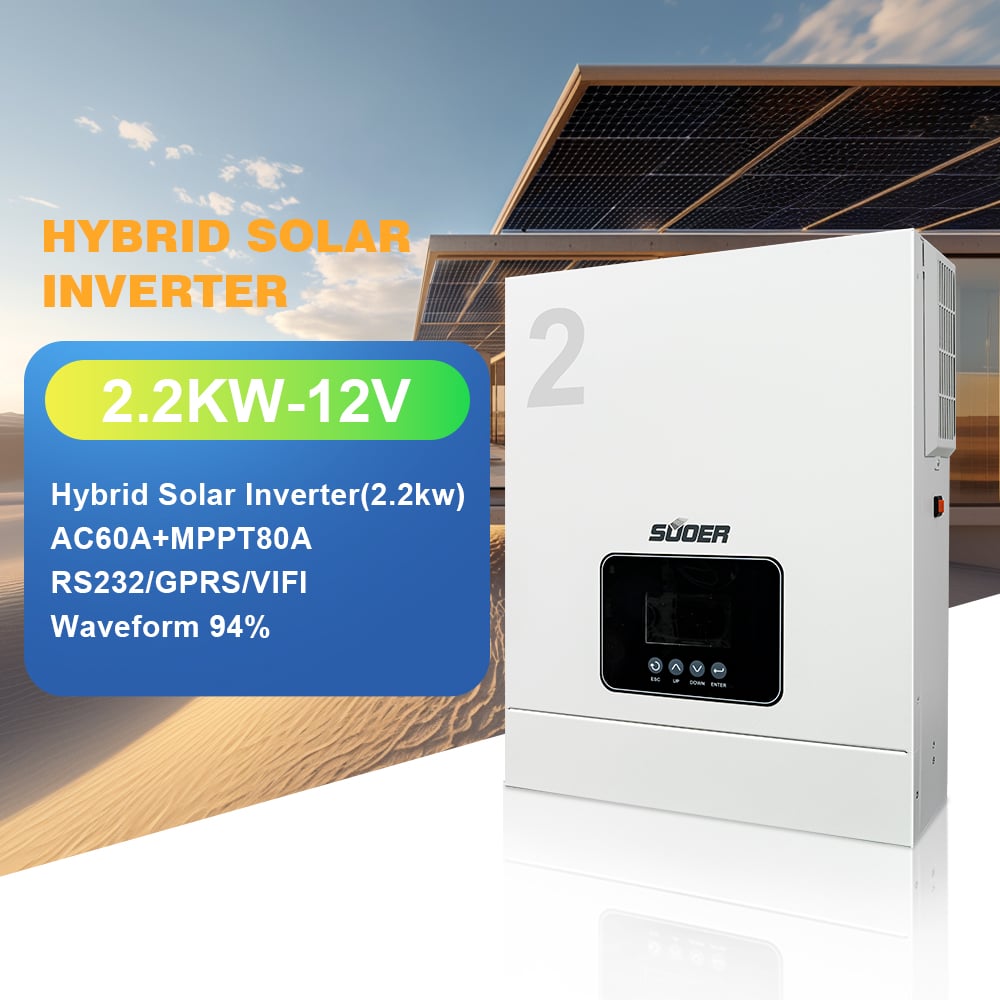
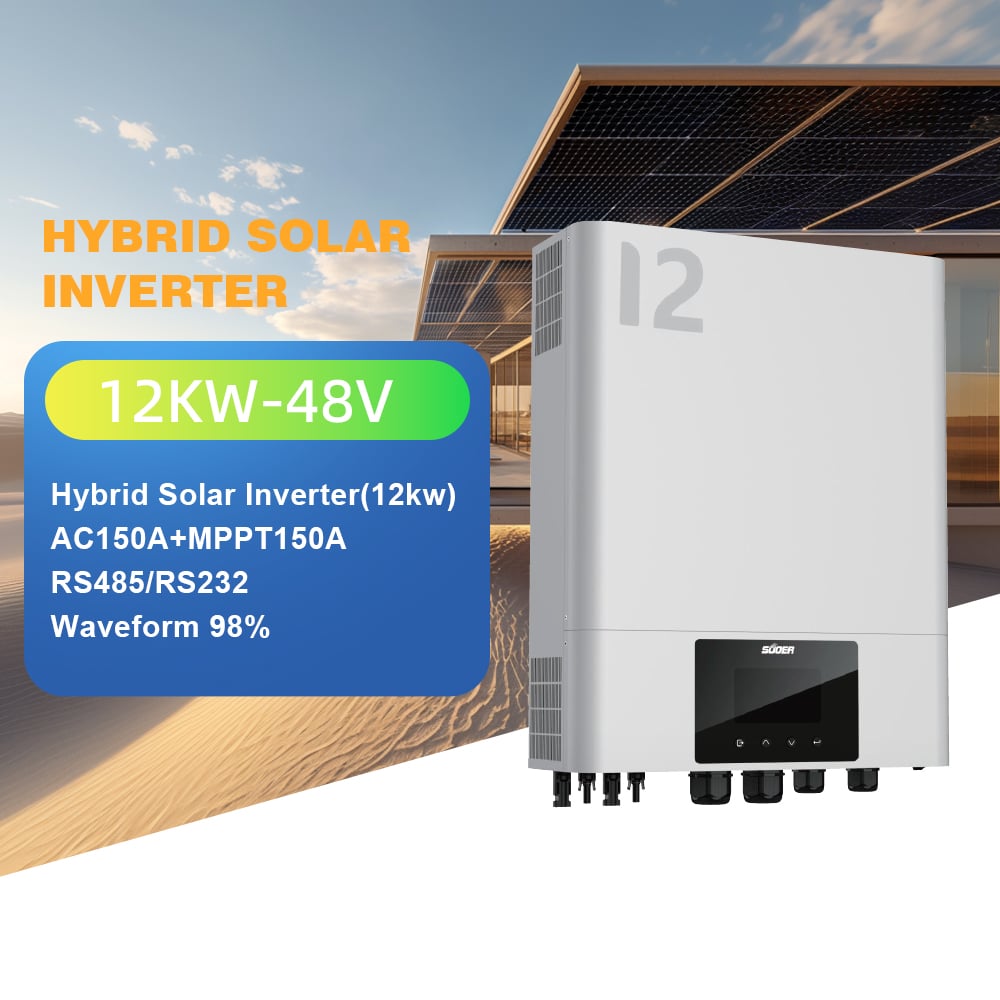
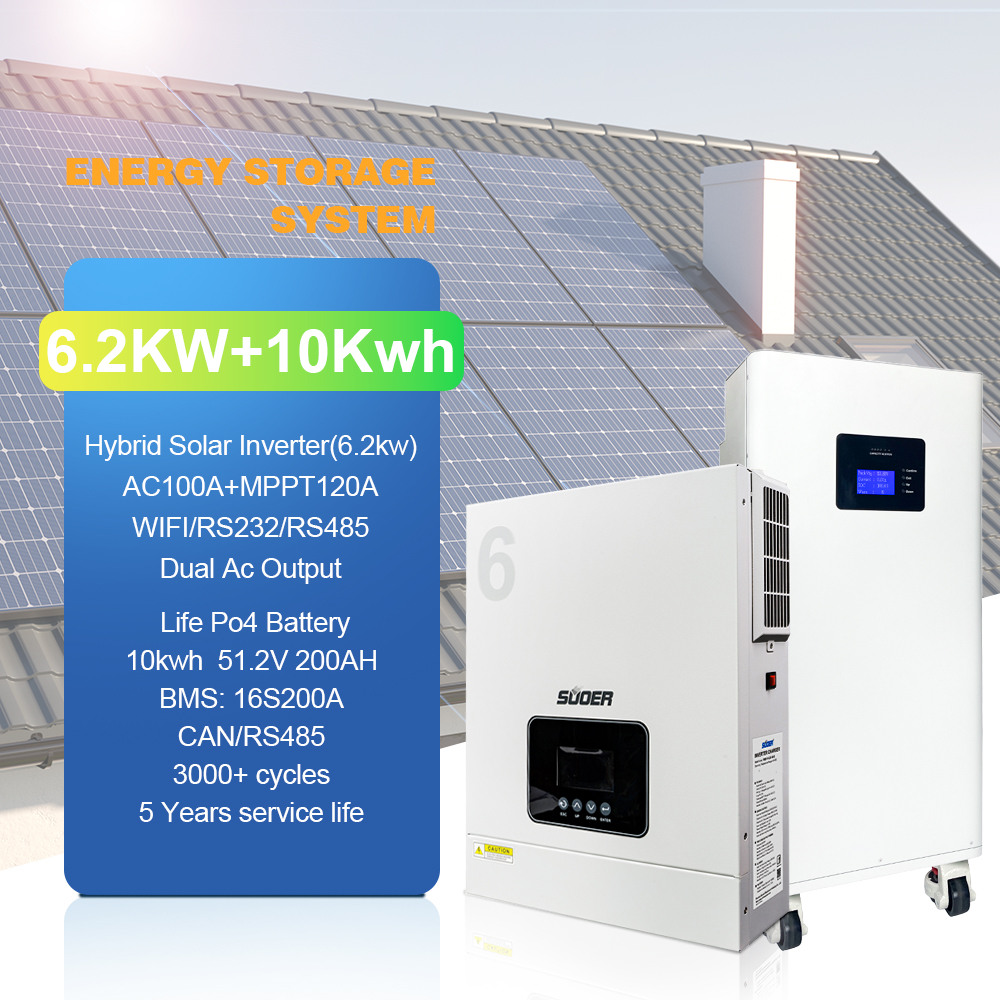
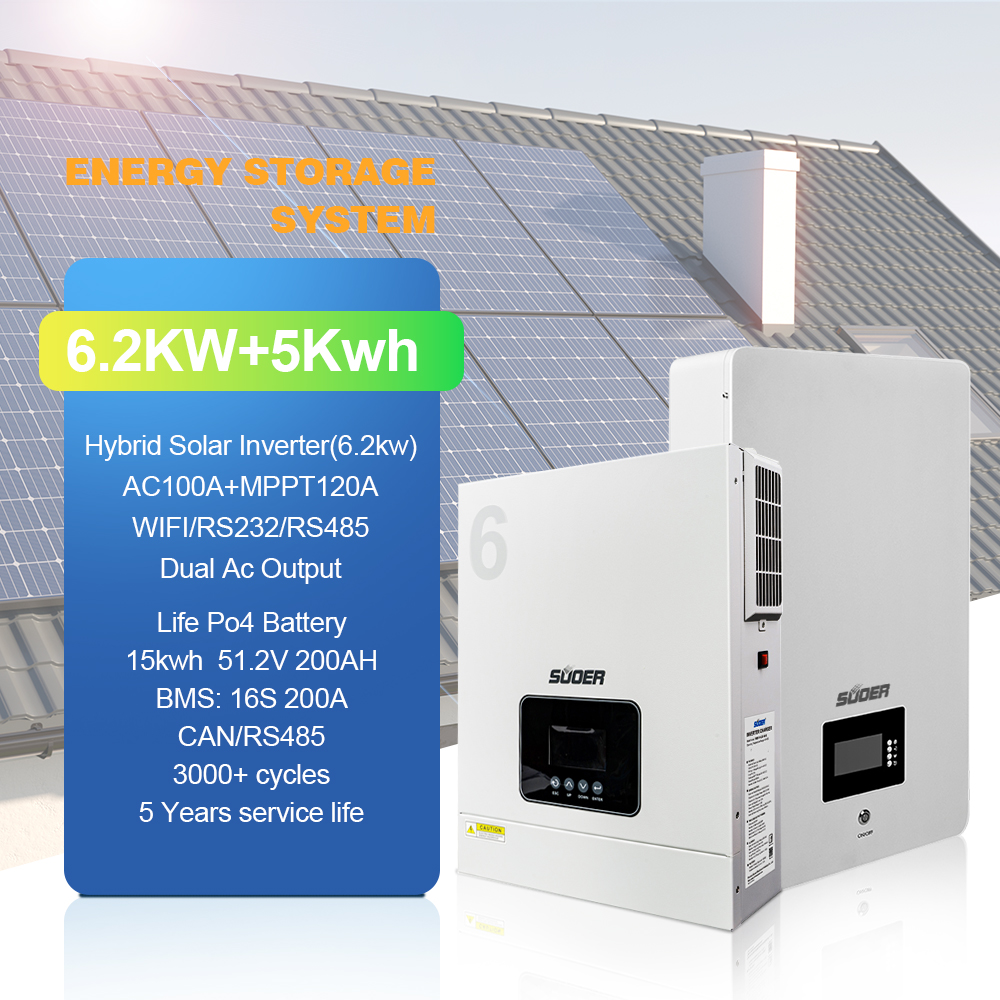
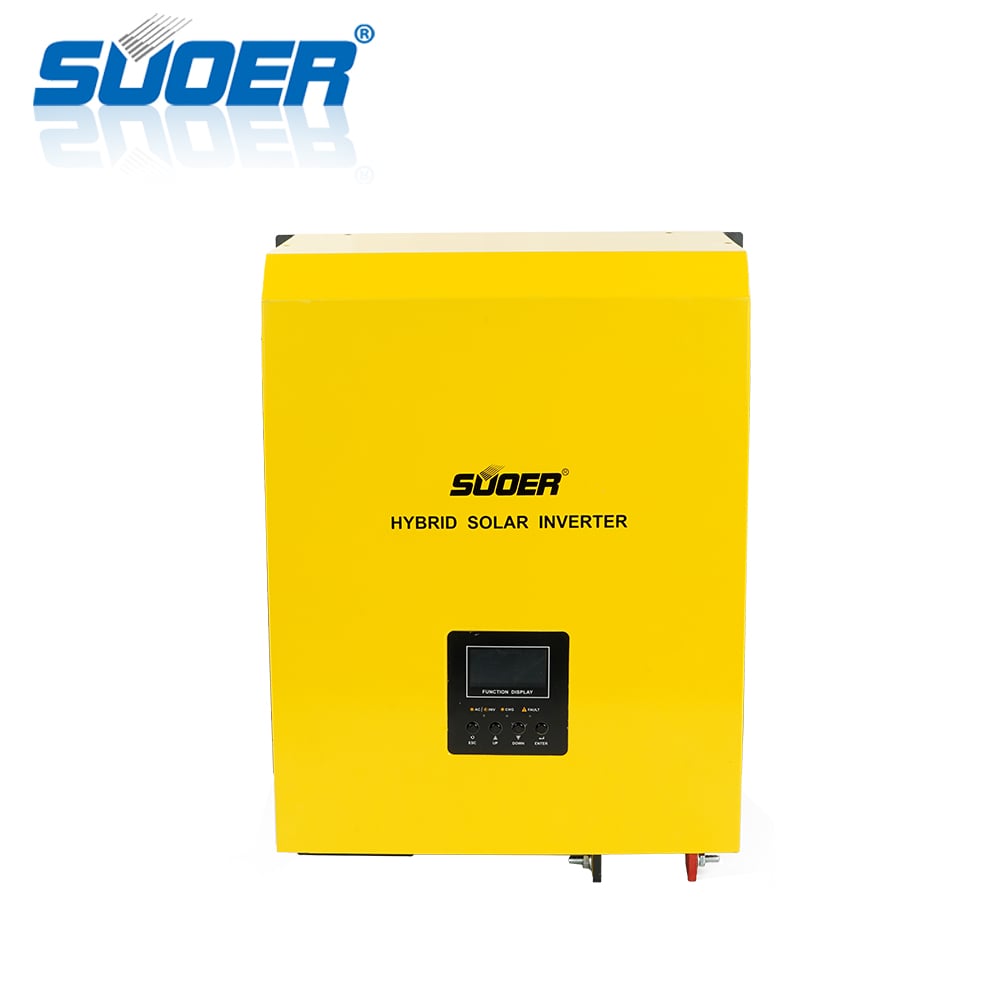
Solar hybrid inverters are essential components in modern photovoltaic systems, combining the functionality of both grid-tied and off-grid inverters. These devices enable efficient energy conversion from solar panels while allowing integration with the utility grid. For B2B buyers, particularly purchasing managers and engineers in sectors such as renewable energy and electric vehicle manufacturing, understanding the specifications, sourcing options, and installation considerations is critical. This article will provide insights into sourcing reliable solar hybrid inverters, key specifications to consider, common installation issues, cost factors, and how to compare various suppliers effectively.
When sourcing solar hybrid inverters in bulk, it’s essential to engage with reputable manufacturers who have a proven track record in the renewable energy sector. Look for companies that specialize in research and development (R&D), production, and sales of power supplies, particularly those with experience in electric vehicles and industrial applications. Establishing relationships with manufacturers that offer automated production capabilities can ensure high-quality outputs, as automation often leads to enhanced consistency and reduced error rates.
Additionally, verify that the suppliers have the necessary certifications such as ROHS, CE, and ISO9001, which indicate compliance with international quality and safety standards. Many buyers also benefit from establishing partnerships with suppliers who can provide customization options based on specific project needs, ensuring that the inverters meet unique technical specifications and application requirements.
When evaluating solar hybrid inverters, several key specifications should be prioritized:
Power Rating: This indicates the maximum output power the inverter can handle, typically measured in kilowatts (kW). Ensure that the power rating aligns with your energy production needs.
Efficiency: Look for inverters with high efficiency ratings, typically above 95%, to maximize energy conversion from solar panels to usable electricity. Higher efficiency translates to lower energy losses.
Input Voltage Range: This specification defines the acceptable voltage levels from the solar panels. Ensure that the inverter can accommodate the voltage output of your solar array.
Grid Compatibility: Check if the inverter complies with local grid codes and regulations, which may dictate specific operational parameters.
Communication Protocols: Many modern inverters are equipped with features that allow for remote monitoring and management via communication protocols like RS485 or Wi-Fi. This can significantly enhance system management.
Understanding these specifications helps buyers make informed decisions that align with their specific applications and regulatory requirements while also ensuring optimal performance and energy savings.
Installation of solar hybrid inverters can present challenges that may affect system performance and longevity. Common issues include:
Improper Sizing: If the inverter is not correctly sized for the solar array, it can lead to inefficiencies or system failures. To mitigate this, conduct a thorough analysis of the expected solar output and choose an inverter that matches or exceeds this capacity.
Inadequate Cooling: Inverters generate heat during operation. Ensure that the installation site allows for adequate ventilation and cooling to prevent overheating, which can shorten the inverter’s lifespan.
Wiring Errors: Incorrect wiring can lead to failures or even safety hazards. Employ qualified technicians to perform installations and conduct thorough checks on wiring diagrams before energizing the system.
Poor Placement: The inverter should be installed in a location that minimizes exposure to extreme weather conditions and provides easy access for maintenance. Evaluate the environmental conditions and choose a sheltered, accessible site.
Addressing these installation issues proactively can enhance operational efficiency and reduce downtime, providing long-term benefits for the user.
The cost of solar hybrid inverters can vary significantly based on several factors:
Specifications and Features: Higher efficiency and advanced features, such as smart monitoring capabilities, typically come at a premium. Evaluate the features that are essential for your application to ensure that you’re not overpaying for unnecessary capabilities.
Volume Discounts: Many manufacturers offer tiered pricing based on order volume. For bulk purchases, negotiating for discounts can lead to significant cost savings.
Customization Requirements: If specific customizations are necessary to meet project specifications, this could increase the overall cost. Be clear about your customization needs when requesting quotes.
Shipping and Logistics: Consider the costs associated with shipping and handling, especially if sourcing from international suppliers. Ensure that shipping terms are clarified upfront to avoid unexpected charges.
Warranty and Support: A comprehensive warranty may increase the initial cost but can provide peace of mind regarding long-term reliability and support. Evaluate the warranty terms and customer service reputation of the manufacturers.
By understanding these cost factors, buyers can make informed purchasing decisions that align with their budget while ensuring quality.
When comparing suppliers of solar hybrid inverters, consider the following criteria:
Reputation and Experience: Research the manufacturer’s background, focusing on their experience in the renewable energy industry. A supplier with a strong reputation and a history of successful projects is more likely to deliver reliable products.
Quality Control Processes: Inquire about the supplier’s quality control measures. Manufacturers that implement stringent quality checks, including testing at various production stages, often produce superior products.
Customization Capabilities: Assess whether the supplier can accommodate specific requirements or modifications. This flexibility can be crucial for projects with unique specifications.
Technical Support and Service: Evaluate the level of customer service and technical support offered. Suppliers that provide comprehensive support can help troubleshoot potential issues and ensure a smoother installation process.
Compliance and Certifications: Confirm that the supplier’s products meet necessary industry standards and certifications. This ensures adherence to safety and performance requirements.
By thoroughly comparing these aspects, buyers can select a supplier that not only meets their immediate needs but also contributes to the long-term success of their projects.

Discover Suoer’s premium range of solar inverters and power inverters designed for reliable renewable energy solutions.Trusted by customers worldwide for exceptional performance and durability.
Suoer Industrial Zone, Ercun Road Section, Yanfeng Avenue, Shishan Town,Foshan city,Guangdong Province,China
Copyright © 2024 Foshan Suoer Electronic Industry Co., Ltd. Privacy Policy - Blog

 EN
 AR
 NL
 FR
 DE
 EL
 IT
 JA
 KO
 PT
 RU
 ES
 VI
 TH
 TR
 BG
 HR
 CS
 NO
 PL
 TL
 ID
 SR
 UK
 SQ
 HU
 MT
 AF
 MS
 IS
 HY
 AZ
 BN
 BS
 GU
 LO
 LA
 MN
 NE
 TA