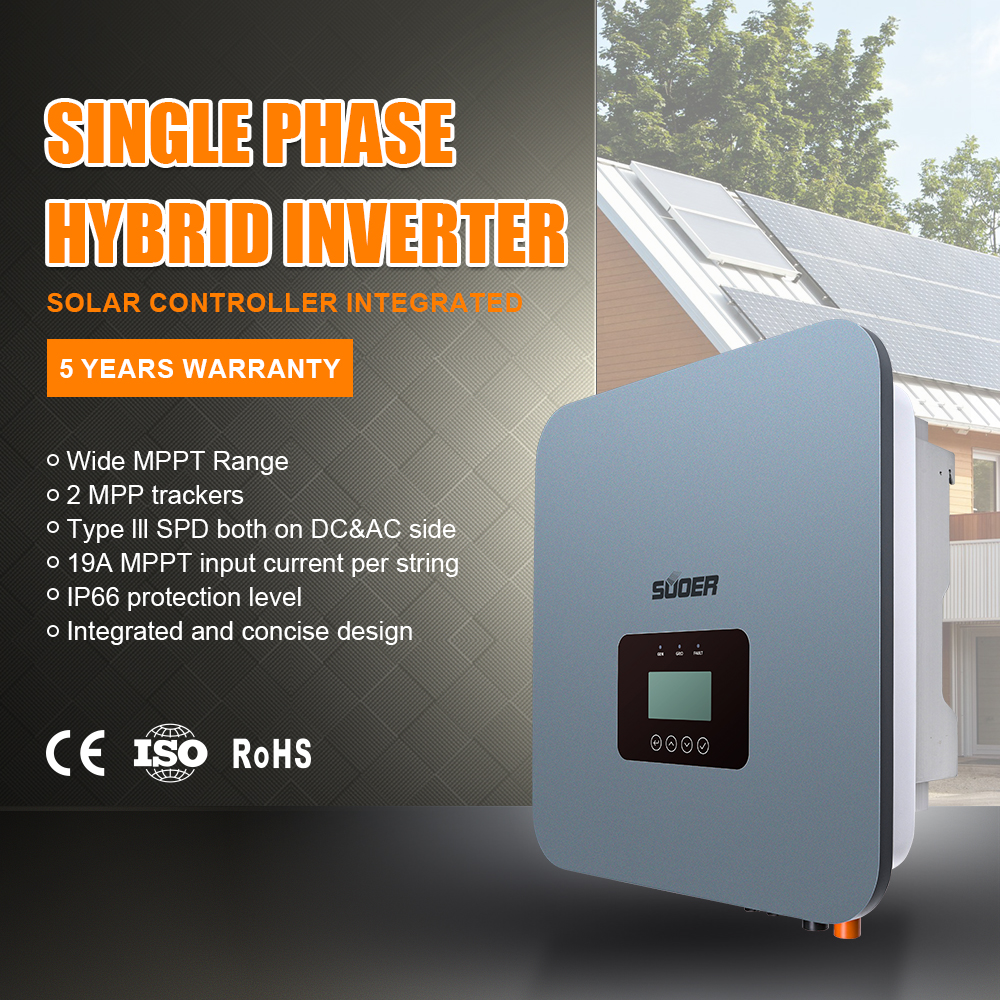
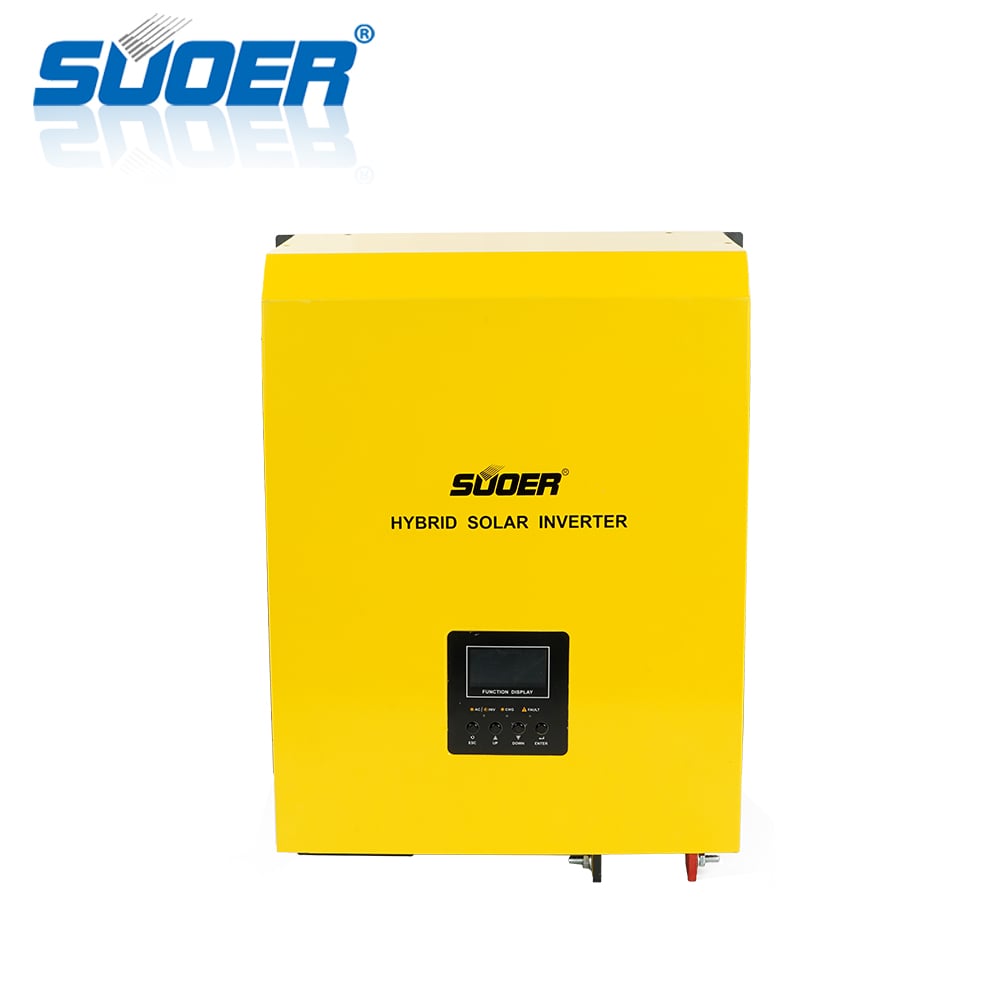
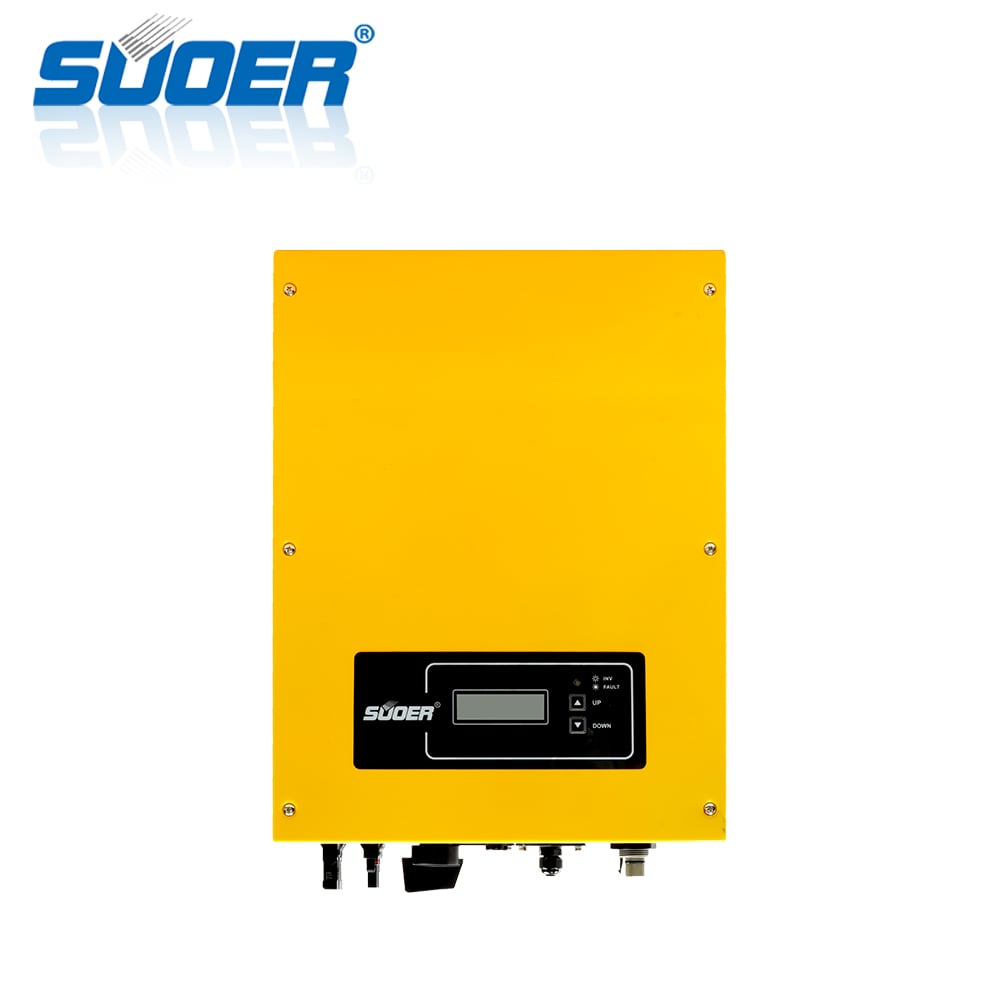
Hybrid inverters on grid systems are crucial components in modern energy solutions, particularly in the new energy sector. These devices convert direct current (DC) from renewable energy sources, such as solar panels, into alternating current (AC) for use in homes and businesses, while also allowing for grid connection. For B2B buyers, concerns often center around reliability, efficiency, and compatibility with existing systems. This article aims to provide insights into evaluating hybrid inverters, ensuring you make informed purchasing decisions.
When considering hybrid inverters for wholesale purchase, quality evaluation should focus on several key factors. Firstly, manufacturers must provide certifications such as ROHS, CE, and ISO9001, which indicate compliance with international safety and quality standards. These certifications assure buyers that the products have undergone rigorous testing and meet industry benchmarks.
Next, consider the materials and components used in the inverter. High-quality inverters typically utilize robust materials that enhance durability and performance. Pay attention to the inverter's efficiency rating; higher efficiency translates to better energy conversion and cost savings over time. Additionally, inspect the manufacturer’s quality control processes. A reputable manufacturer will have stringent quality checks throughout the production cycle, ensuring that each unit meets specified standards.
Finally, it’s advisable to request samples before committing to a bulk purchase. Testing these samples under real-world conditions can reveal insights into their operational performance and longevity. If you are considering different types of inverters, you might also want to look into options like Hybrid Solar Inverter for more versatility in energy solutions.
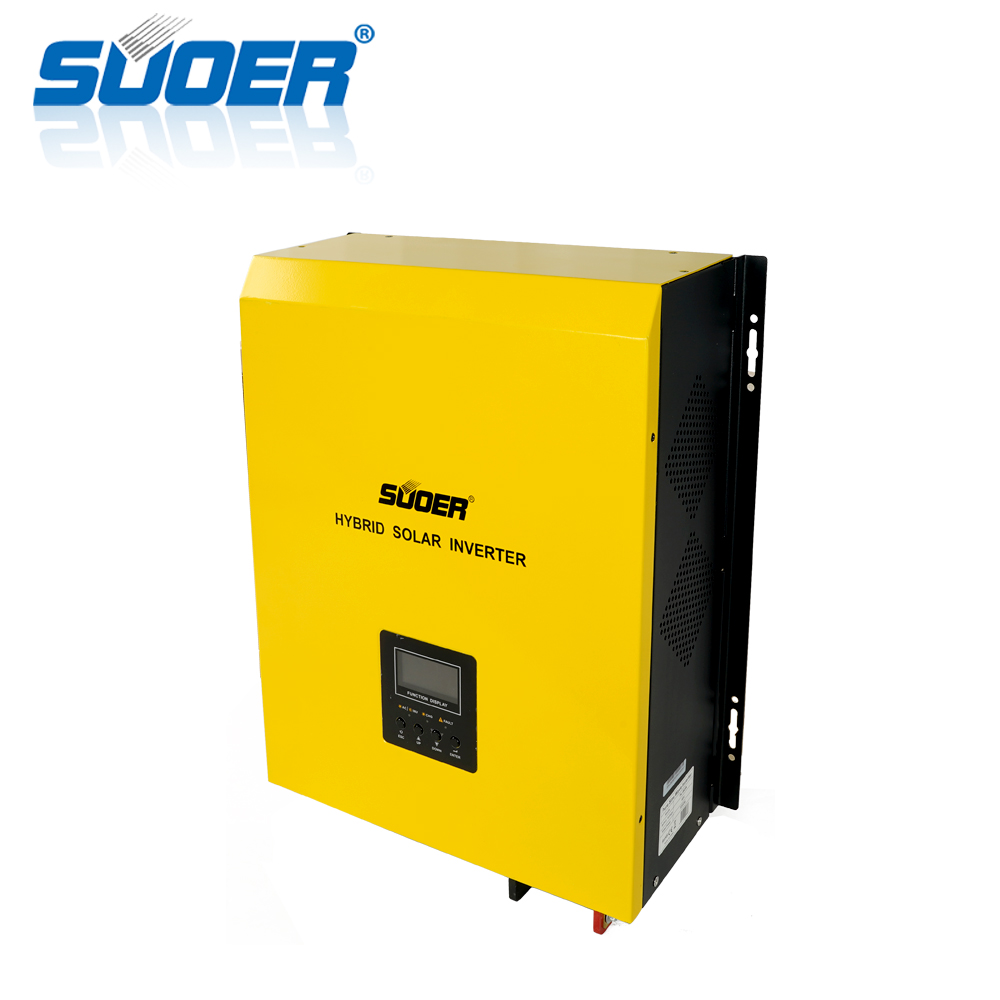
Identifying reliable manufacturers is crucial for any B2B buyer in the hybrid inverter market. Start by researching companies with a solid reputation in the new energy sector. Look for manufacturers that specialize in research and development, production, and sales of power supplies for industrial applications, as these companies often have the expertise to produce high-quality products.
Networking within industry-specific forums and trade shows can help connect you with reputable manufacturers. Additionally, online platforms that cater to B2B transactions can provide reviews and feedback from previous customers, giving you a clearer picture of the manufacturer's reliability.
Inquire about the manufacturer’s production capabilities and experience with hybrid inverters. An established company with advanced automated production processes is likely to maintain consistent product quality and efficiency. Be cautious of manufacturers that lack transparency about their production methods and quality assurance practices.
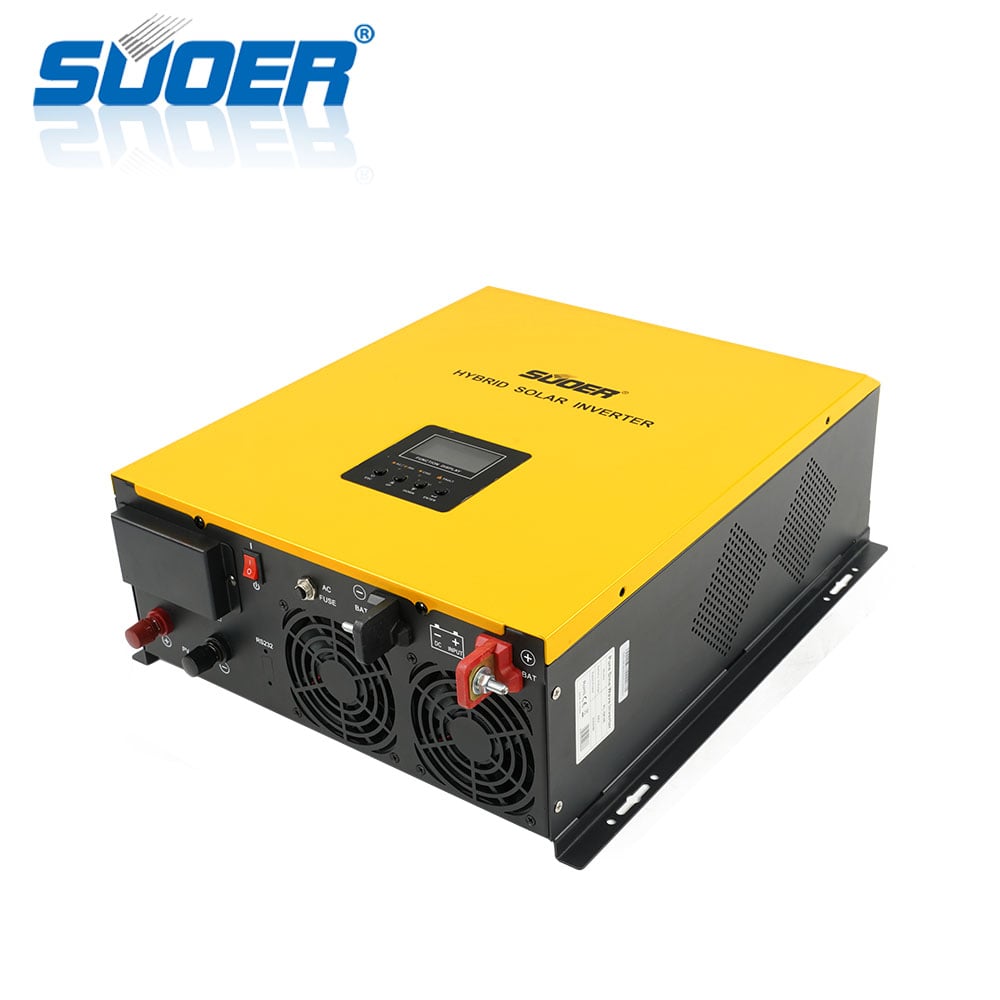
When comparing hybrid inverter models, several specifications are critical to ensuring that the inverter meets your specific needs. Key specifications include:
Power Rating: This indicates the maximum power output the inverter can handle. Ensure that the rating aligns with your energy requirements.
Efficiency: Look for inverters with high efficiency ratings (typically above 90%). This measure indicates how well the inverter converts DC to AC, affecting overall energy performance.
Input Voltage Range: Confirm that the inverter's input voltage range is compatible with your renewable energy source, such as solar panels. A mismatch can lead to inefficiencies or system failures.
Number of MPPTs (Maximum Power Point Trackers): More MPPTs allow for better energy harvesting from solar panels, especially in varied sunlight conditions. This can significantly enhance the overall system performance.
Cooling Methods: Inverters may use air cooling or advanced thermal management systems. The method used can impact longevity and reliability, especially in high-temperature environments.
Grid Compatibility: Ensure the inverter is compatible with local grid regulations and standards. This includes looking into features like anti-islanding protection and grid-tie capabilities.
Evaluating these specifications will help you select a model that meets both performance and regulatory requirements.
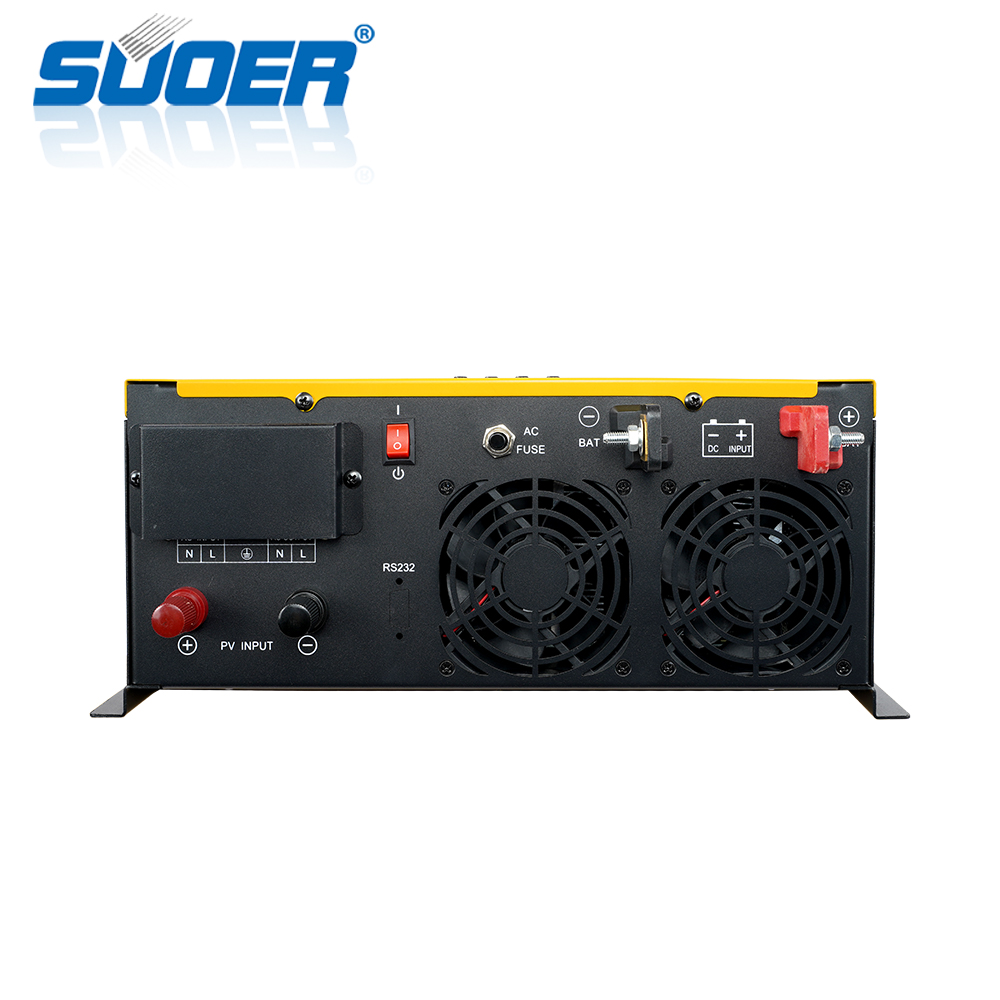
Despite their advantages, hybrid inverters can encounter several common issues. One frequent problem is overheating, which can lead to reduced efficiency and potential damage. To mitigate this, ensure proper ventilation and consider inverters with advanced thermal management features.
Another issue is compatibility with existing energy systems. Incompatibility can arise from differences in voltage or frequency, leading to operational failures. Buyers should verify compatibility with their energy infrastructure before purchasing.
Additionally, software glitches can occur, particularly in models with advanced monitoring capabilities. Regular updates from the manufacturer can help alleviate these issues. It is essential to choose a manufacturer known for providing ongoing support and updates.
Finally, inadequate installation can lead to performance problems. Ensure that installation is performed by qualified professionals, following the manufacturer's guidelines to avoid operational issues.
Finding reliable distributors of hybrid inverters is essential for ensuring access to quality products and support. Start by searching for distributors who specialize in renewable energy solutions and have a proven track record in your region. Industry directories and online marketplaces can be great resources for identifying potential distributors.
Check for distributors who partner with reputable manufacturers in the hybrid inverter space. A distributor’s relationship with manufacturers can provide insights into the product's quality and warranty support.
Attend local trade shows and industry events to meet distributors in person. This can provide opportunities to ask questions about their product offerings, support services, and industry expertise.
Finally, read reviews and testimonials from other B2B buyers. Feedback from peers can help you gauge the distributor's reliability and the quality of their customer service.
By focusing on these aspects, you can effectively navigate the hybrid inverter market and make informed purchasing decisions that meet your business needs.

Discover Suoer’s premium range of solar inverters and power inverters designed for reliable renewable energy solutions.Trusted by customers worldwide for exceptional performance and durability.
Suoer Industrial Zone, Ercun Road Section, Yanfeng Avenue, Shishan Town,Foshan city,Guangdong Province,China
Copyright © 2024 Foshan Suoer Electronic Industry Co., Ltd. Privacy Policy - Blog

 EN
 AR
 NL
 FR
 DE
 EL
 IT
 JA
 KO
 PT
 RU
 ES
 VI
 TH
 TR
 BG
 HR
 CS
 NO
 PL
 TL
 ID
 SR
 UK
 SQ
 HU
 MT
 AF
 MS
 IS
 HY
 AZ
 BN
 BS
 GU
 LO
 LA
 MN
 NE
 TA