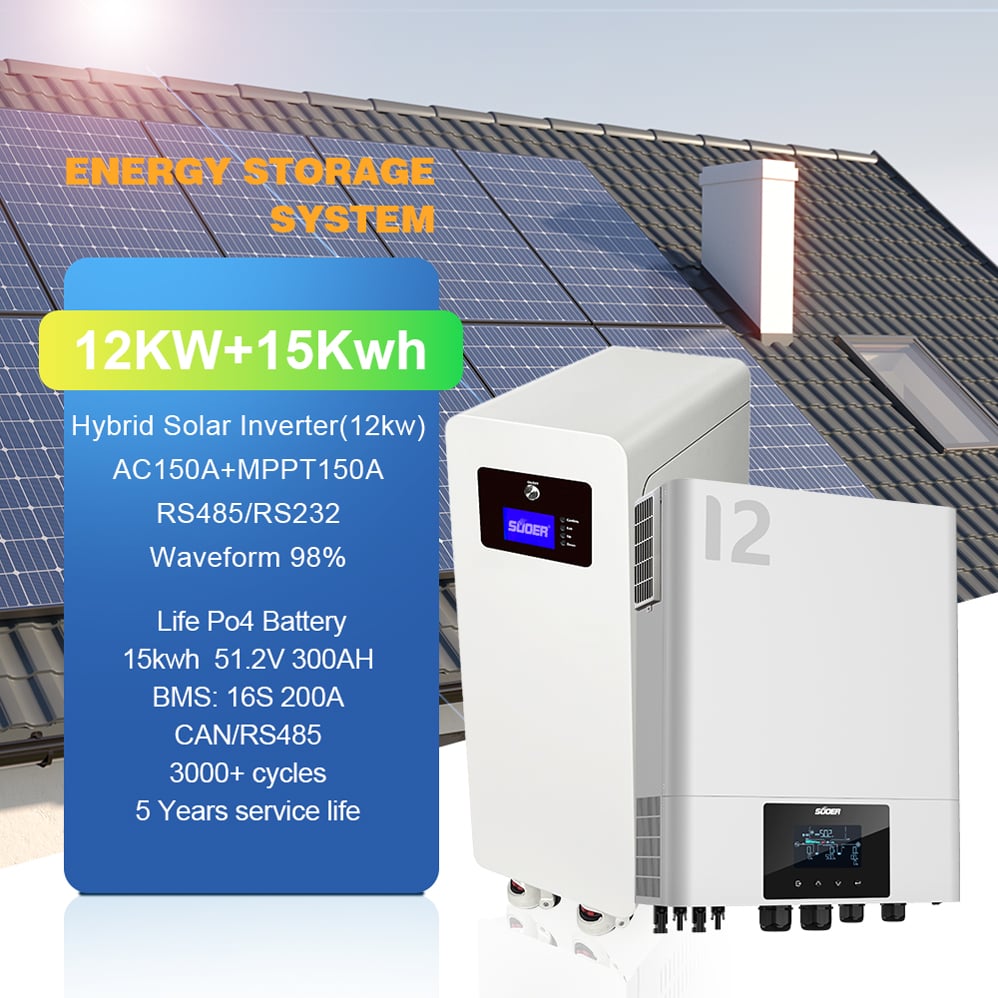
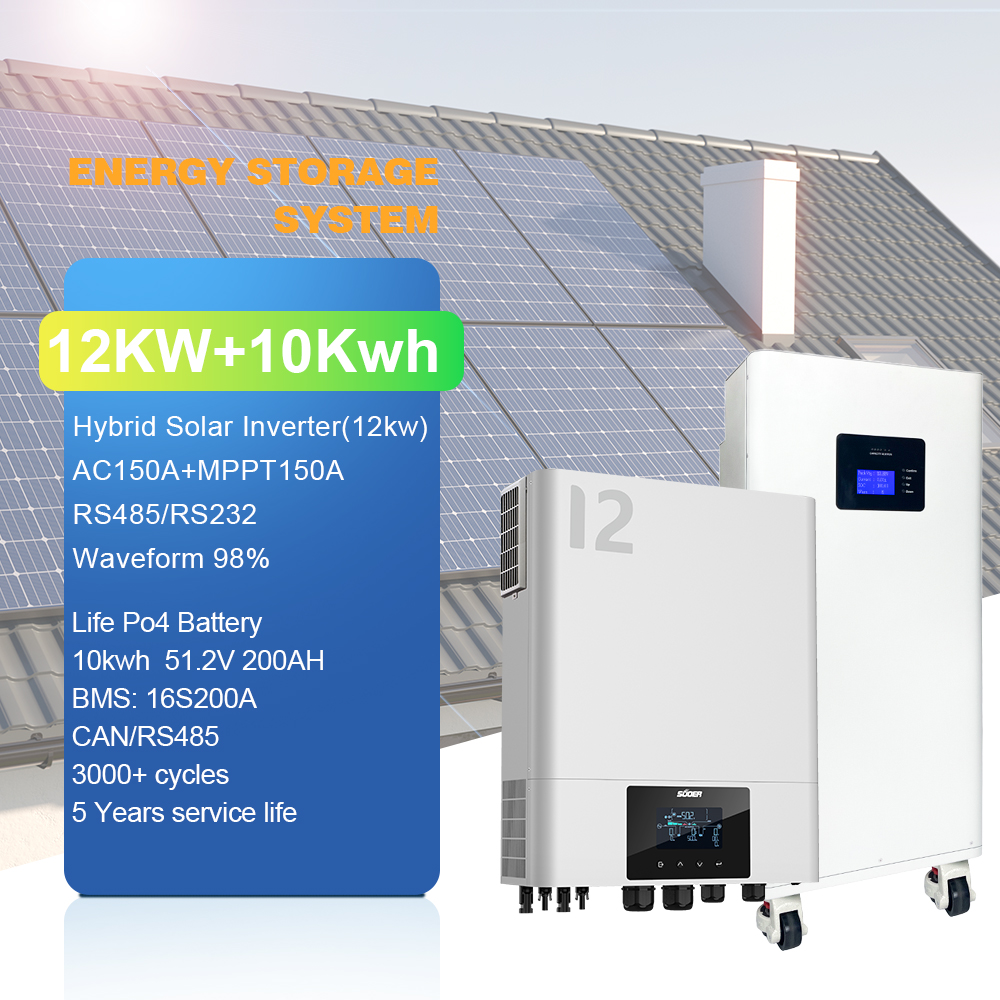
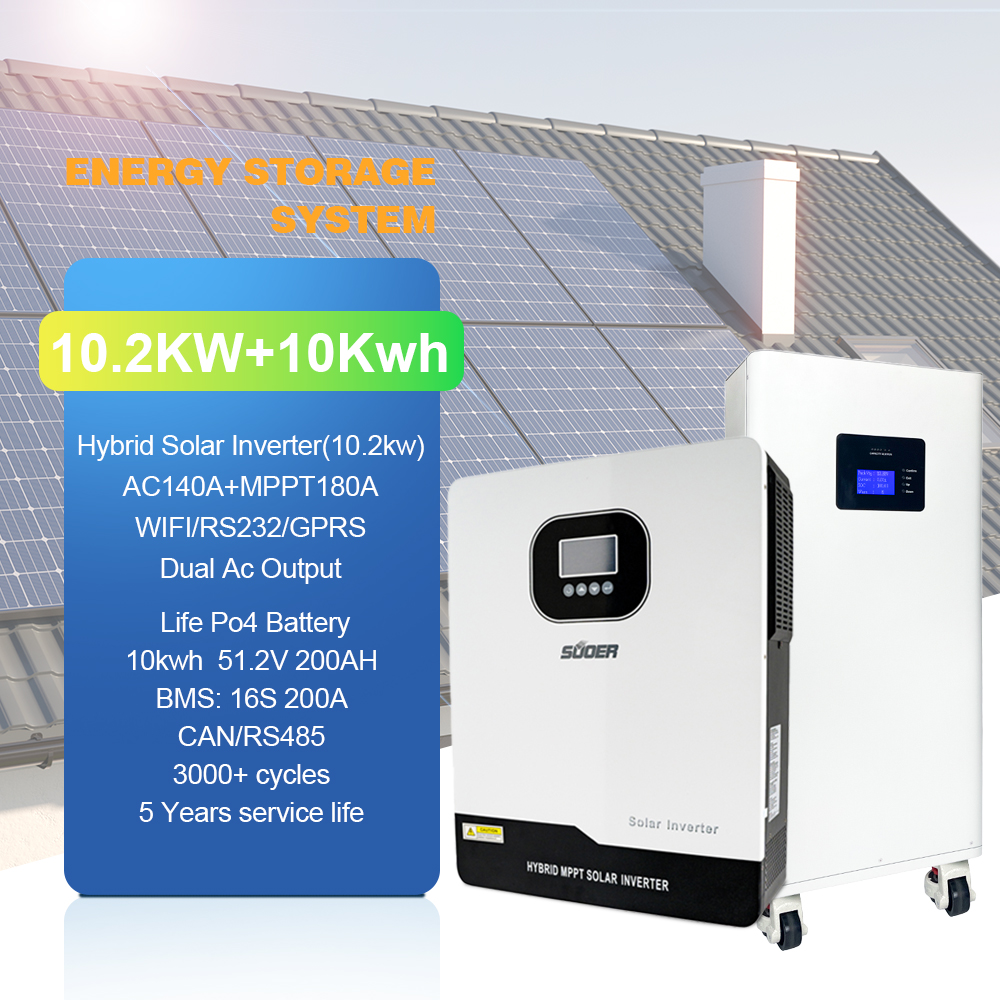
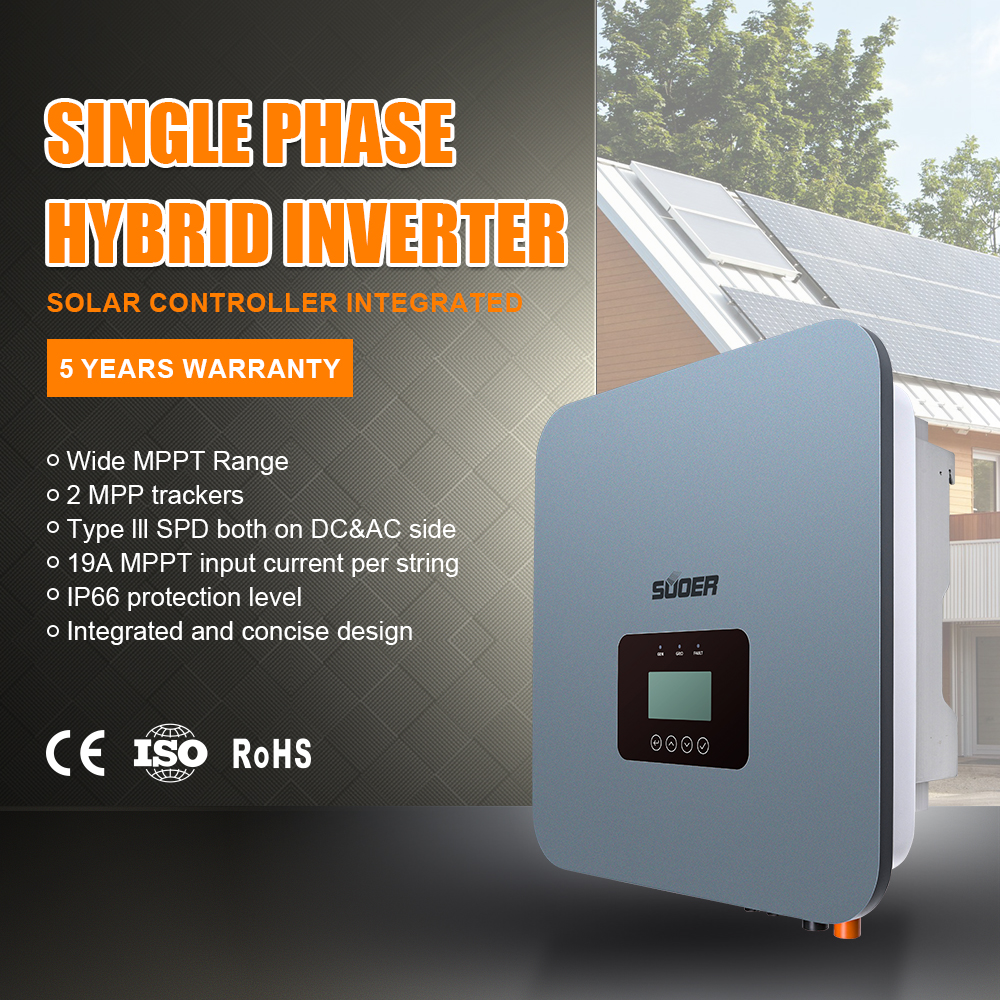
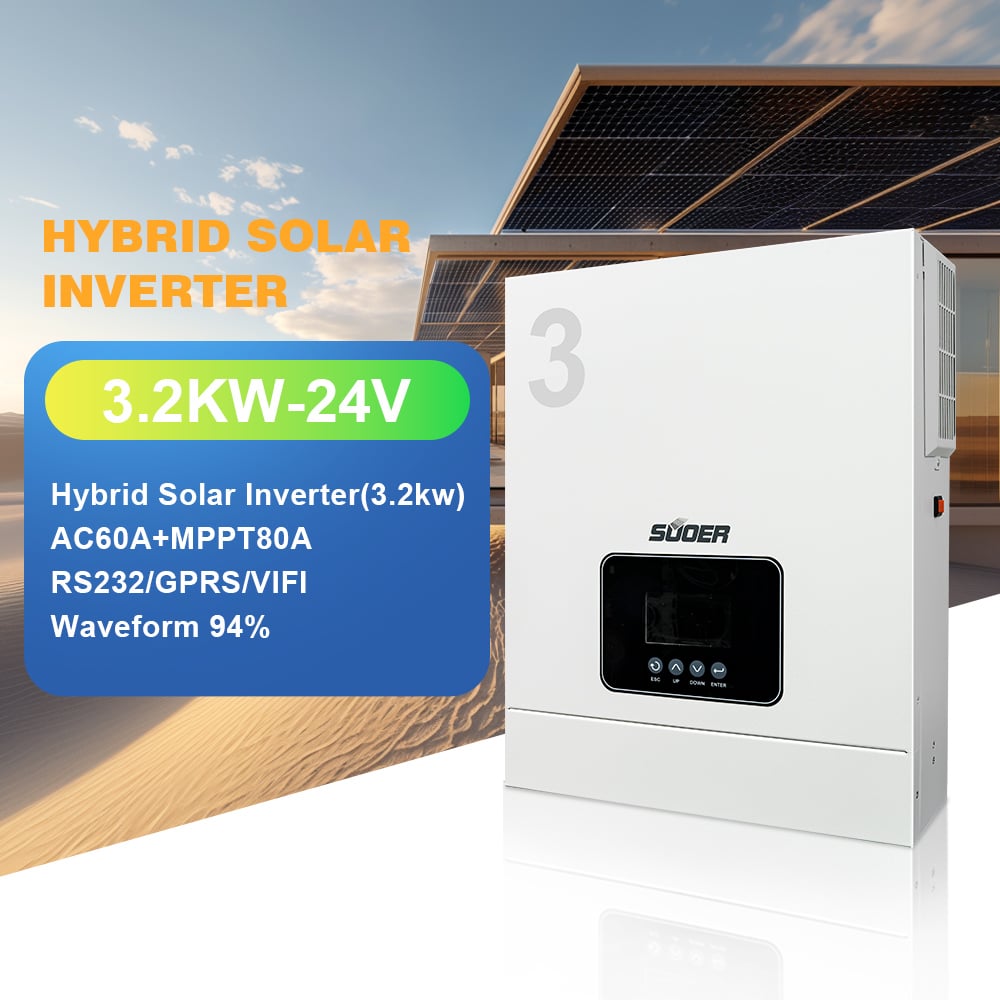
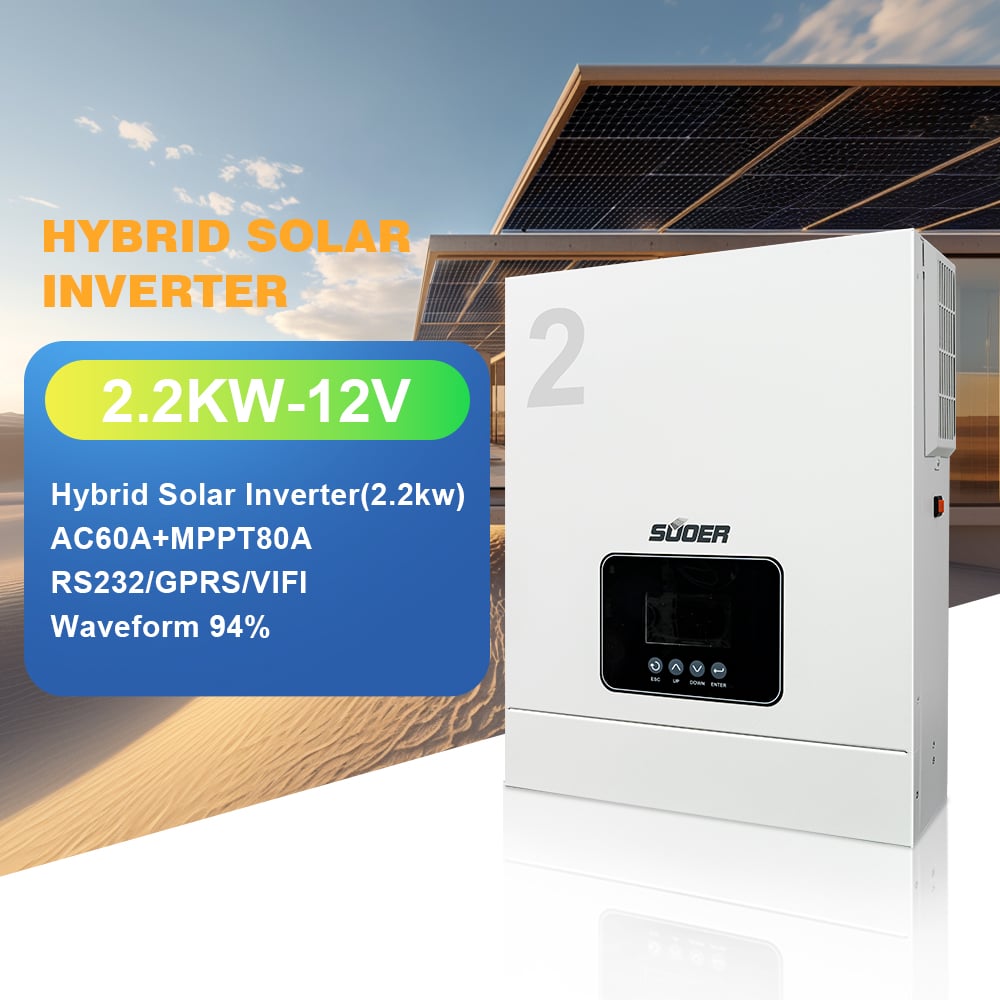
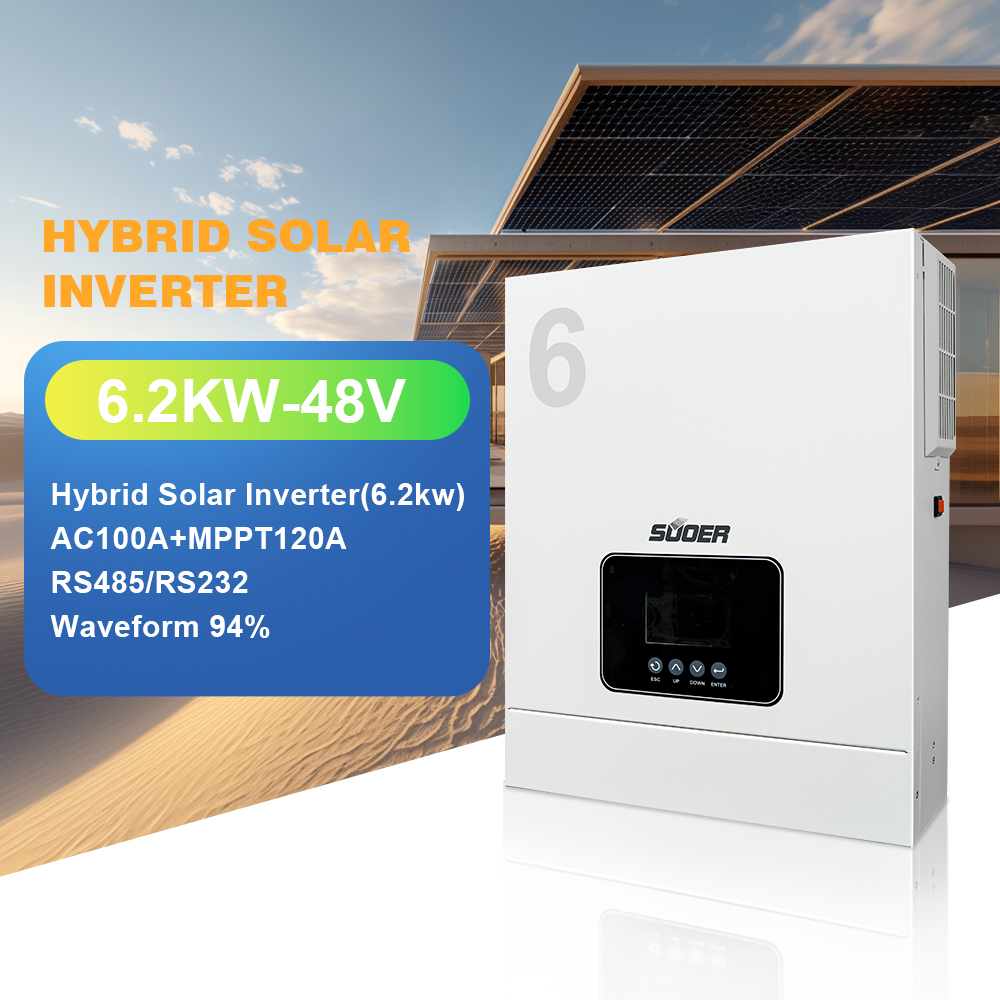
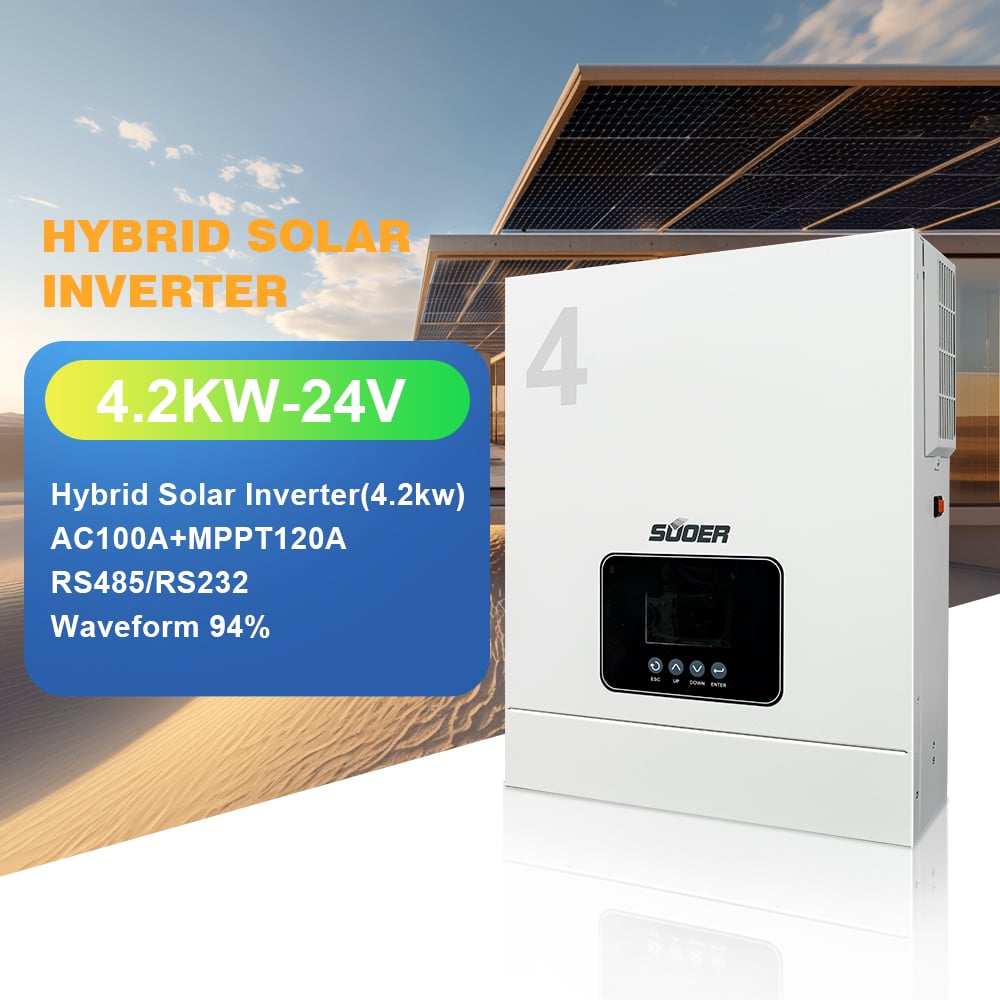
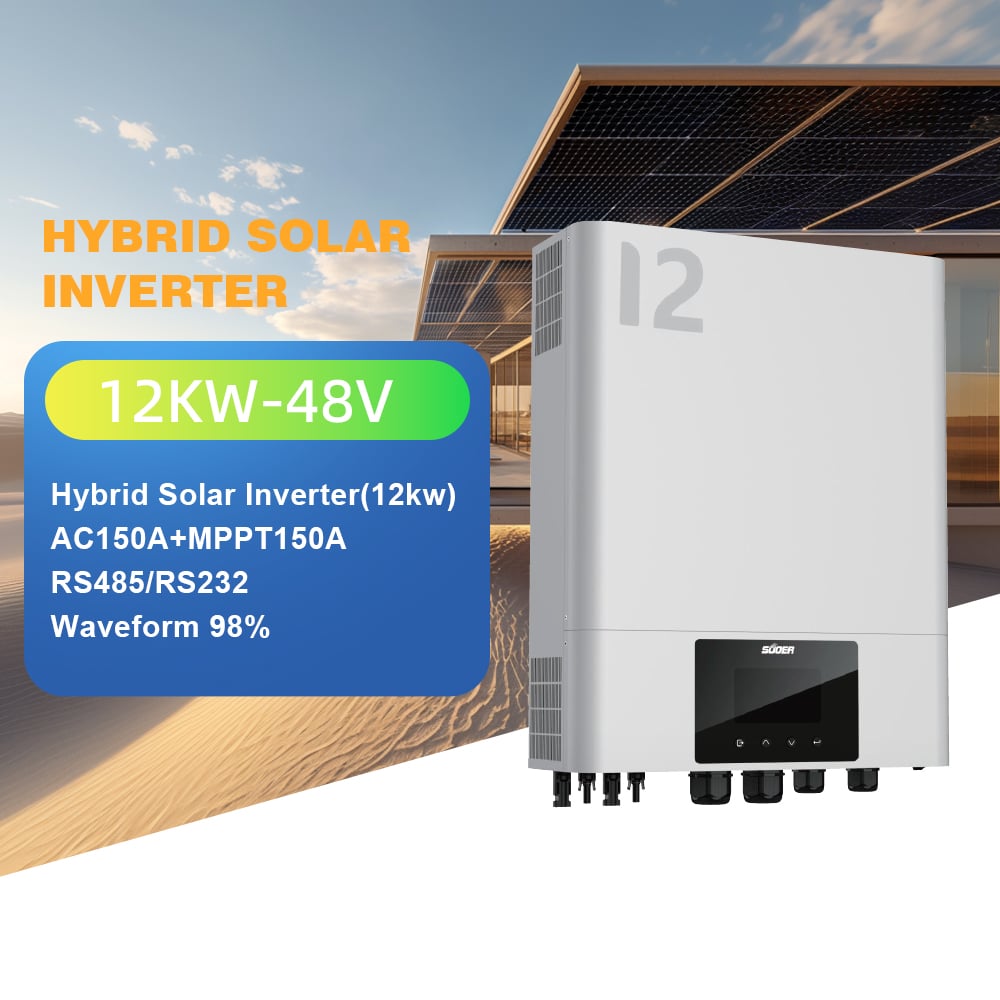
Hybrid on-grid solar inverters are essential components in modern photovoltaic systems, enabling efficient energy conversion and integration with the grid. For B2B buyers in manufacturing, engineering, or procurement roles, understanding the specifications, applications, and installation requirements of these inverters is crucial for making informed purchasing decisions. This article will provide insights into wholesale sourcing strategies, key specifications, cost factors, installation guidance, and various applications of hybrid on-grid solar inverters, ensuring that buyers can navigate their options effectively.
When sourcing hybrid on-grid solar inverters, it is vital to establish relationships with reputable manufacturers. Look for suppliers with a proven track record in the new energy sector, particularly those with certifications such as ROHS, CE, and ISO9001. These certifications indicate adherence to international standards, ensuring product quality and reliability. Additionally, consider suppliers who offer Home Energy Storage solutions, as these can complement your inverter needs.
Consider utilizing online platforms and trade shows to evaluate potential suppliers. Request product samples to assess the quality firsthand and ensure they meet your specific requirements. When engaging with manufacturers, provide detailed information about your project, including expected output, installation environment, and any customization needs. This transparency will facilitate accurate quotations and foster a more productive partnership.
Additionally, assess the supplier's production capabilities and lead times. Suppliers with automated production processes can often provide higher consistency and shorter turnaround times, which can be critical for project timelines.
Understanding the specifications of hybrid on-grid solar inverters is essential for choosing the right product for your application. Key specifications to consider include:
Rated Power Output: This indicates the maximum power the inverter can handle. Ensure that the rated output aligns with your system's energy requirements.
Efficiency Rating: Look for inverters with high efficiency rates (typically above 95%). Higher efficiency means more energy conversion and less wastage, which directly impacts your return on investment.
Voltage Range: The inverter's voltage range should be compatible with your solar panel system and grid requirements. Confirm that the inverter can handle the input voltage from your solar array.
Communication Protocols: Check for compatibility with monitoring systems or smart grid technologies. Inverters with advanced communication capabilities can enhance system management and performance analysis.
Protection Features: Inverters should have built-in safety mechanisms such as over-voltage protection, short circuit protection, and anti-islanding functionality to ensure safe operation.
Warranty and Lifespan: A robust warranty, typically around 5 to 10 years, reflects the manufacturer’s confidence in the product. Consider the expected lifespan of the inverter, as longer lifespans reduce replacement costs over time.
Several cost factors influence the purchase of hybrid on-grid solar inverters. While the upfront price is important, there are other considerations that can impact the total cost of ownership:
Initial Purchase Price: The base cost of the inverter can vary significantly based on brand, specifications, and features. Compare quotes from multiple suppliers to find competitive pricing.
Installation Costs: Factor in the costs associated with installation, including labor and any additional equipment needed for integration. Some inverters may require specific installation practices that could increase overall expenses.
Maintenance Expenses: Evaluate the long-term maintenance costs associated with the inverter. Choose models known for their reliability and low maintenance needs to minimize future expenses.
Energy Savings: Consider the expected energy savings over time. An inverter with a higher efficiency rating may have a higher upfront cost but could lead to significant savings on energy bills in the long run.
Incentives and Rebates: Research available government incentives or rebates for solar installations in your region, as these can offset initial costs and improve ROI. Additionally, look into Renewable Energy programs that may offer further financial benefits.
Proper installation of hybrid on-grid solar inverters is vital for optimal performance and longevity. Follow these guidelines to ensure a successful installation:
Site Assessment: Conduct a thorough assessment of the installation site, including available space, orientation, and shading factors. These elements can significantly impact the inverter's performance.
Electrical Configuration: Ensure that the electrical configuration meets local codes and regulations. Collaborate with certified electricians to guarantee compliance and safety.
Positioning: Install the inverter in a location that is easily accessible for maintenance, away from extreme weather conditions, and within the recommended temperature range to prevent overheating.
Wiring: Use appropriate wiring and connectors as specified by the manufacturer. Improper wiring can lead to inefficiencies and potential safety hazards.
Testing: After installation, conduct thorough testing to verify that the system operates correctly. Check voltage levels, monitor system performance, and ensure that communication protocols are functioning as intended.
Documentation: Keep detailed records of the installation process, including electrical diagrams and warranty information, to facilitate future maintenance or troubleshooting.
Hybrid on-grid solar inverters have diverse applications across several industries, showcasing their versatility and effectiveness. Some key sectors include:
Commercial Buildings: In commercial settings, these inverters can significantly reduce energy costs by harnessing solar energy while maintaining grid connectivity for reliability.
Industrial Facilities: Industries with high energy demands can benefit from integrating hybrid systems that allow for energy storage and grid interaction, ensuring continuous operations even during outages.
Electric Vehicle Charging Stations: As electric vehicle adoption grows, hybrid on-grid inverters are crucial for charging stations, allowing for efficient energy management and integration with renewable sources.
Telecommunications: In the telecommunications sector, these inverters provide stable power supply solutions, particularly in remote locations where grid access may be limited.
Rail Transit Systems: Hybrid on-grid solar inverters can support powering rail systems, reducing reliance on fossil fuels and enhancing sustainability in public transport.
Understanding the specifics of hybrid on-grid solar inverters is essential for B2B buyers looking to make informed decisions. By considering wholesale sourcing strategies, key specifications, cost factors, installation guidance, and applications, companies can select the right inverters that align with their operational needs and sustainability goals.

Discover Suoer’s premium range of solar inverters and power inverters designed for reliable renewable energy solutions.Trusted by customers worldwide for exceptional performance and durability.
Suoer Industrial Zone, Ercun Road Section, Yanfeng Avenue, Shishan Town,Foshan city,Guangdong Province,China
Copyright © 2024 Foshan Suoer Electronic Industry Co., Ltd. Privacy Policy - Blog

 EN
 AR
 NL
 FR
 DE
 EL
 IT
 JA
 KO
 PT
 RU
 ES
 VI
 TH
 TR
 BG
 HR
 CS
 NO
 PL
 TL
 ID
 SR
 UK
 SQ
 HU
 MT
 AF
 MS
 IS
 HY
 AZ
 BN
 BS
 GU
 LO
 LA
 MN
 NE
 TA