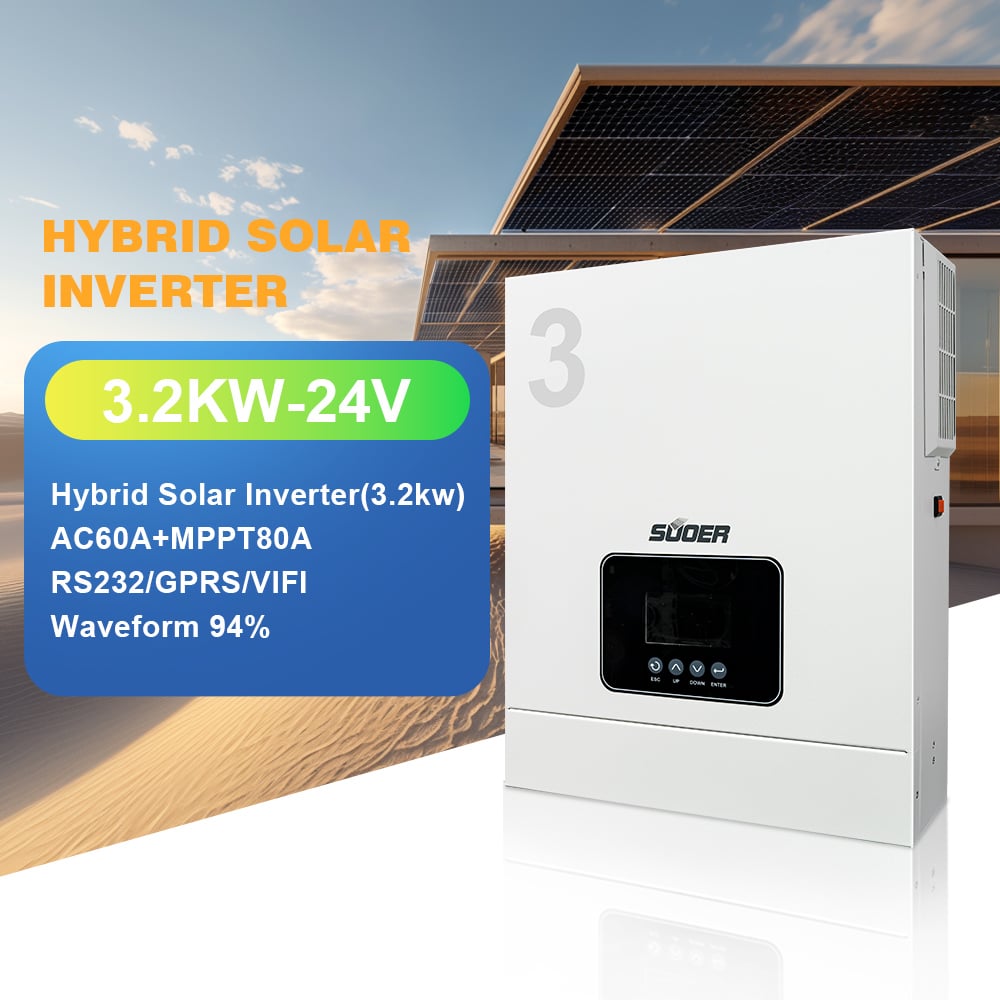
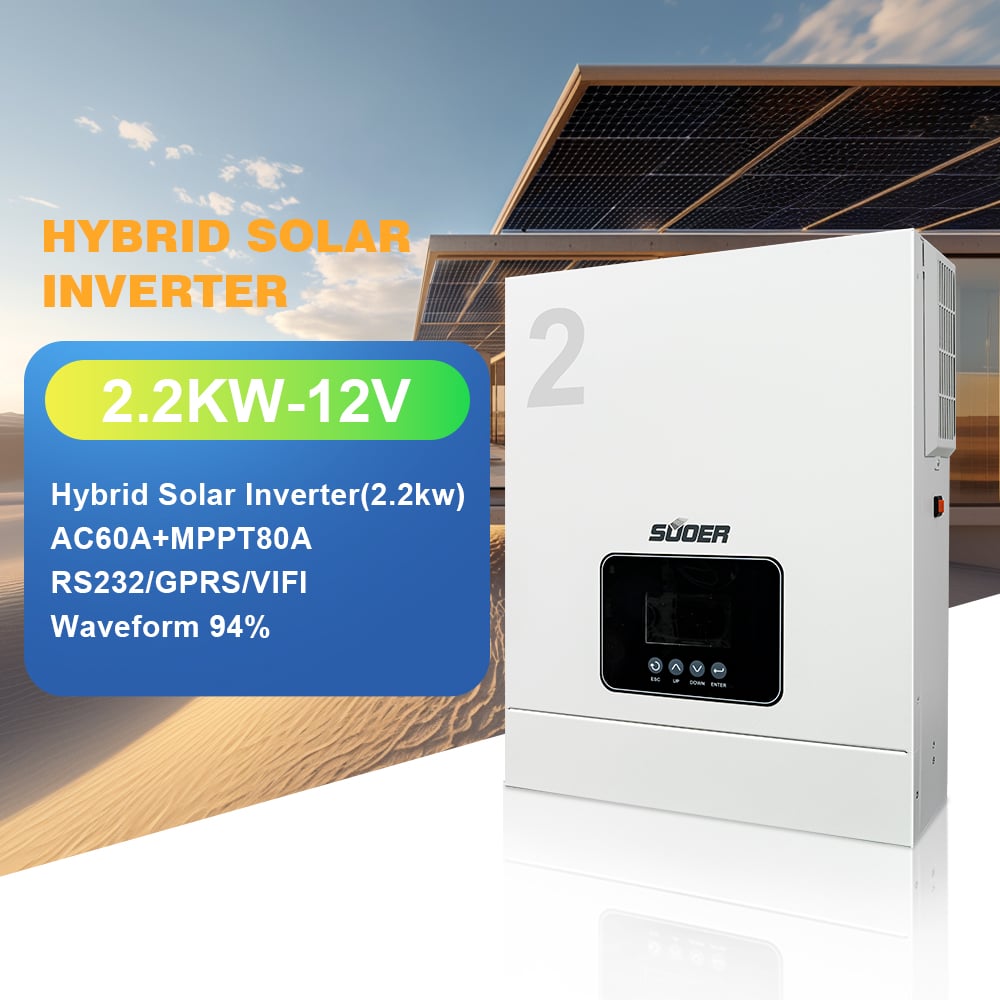
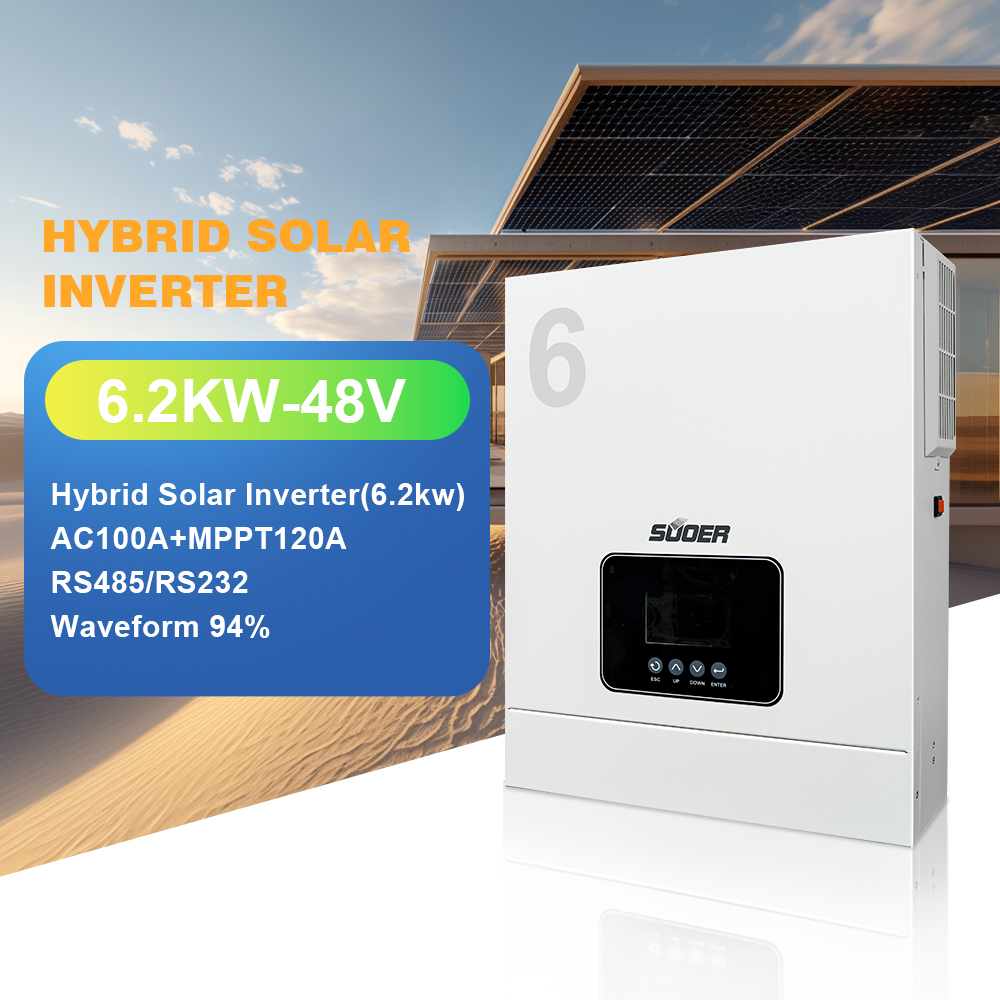
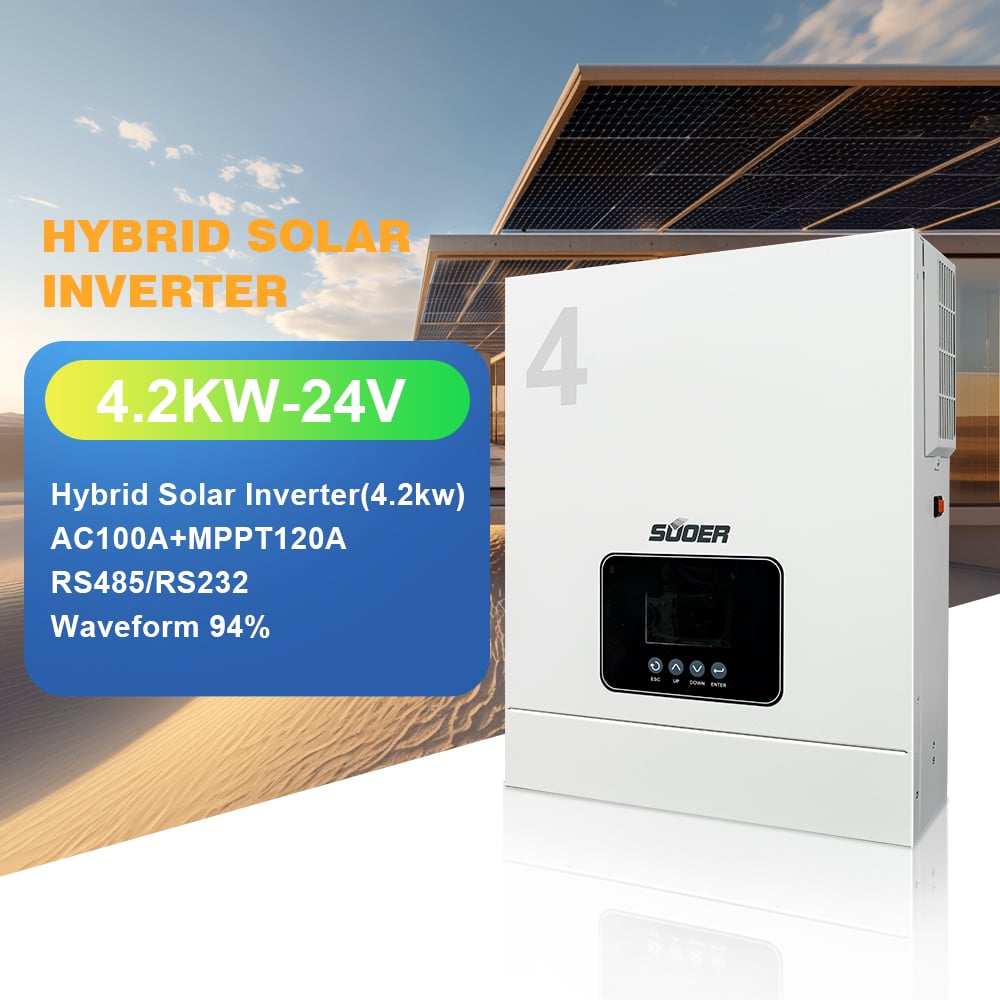
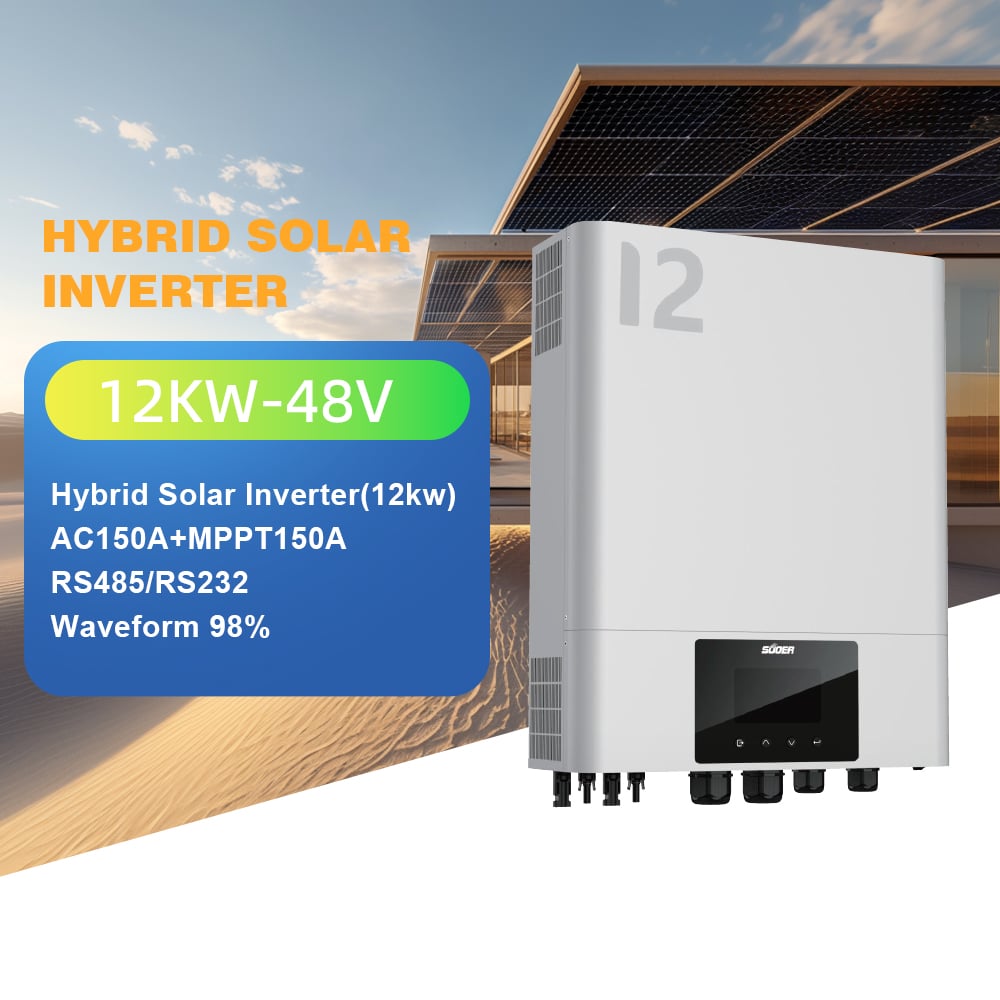
Hybrid solar inverters for homes represent a significant leap in energy efficiency and sustainability. These devices combine solar power generation and energy storage, allowing homeowners to utilize renewable energy while reducing dependency on the grid. For B2B buyers, such as purchasing managers and project engineers, understanding the specifications, installation processes, and potential challenges is crucial for making informed decisions. This article will provide practical insights into hybrid solar inverters, ensuring you can select the best options for your projects.
When evaluating hybrid solar inverters, several key specifications must be prioritized to ensure optimal performance for residential applications:
Inverter Capacity: Measured in kilowatts (kW), the inverter capacity determines how much power it can handle. Buyers should match this capacity with their energy consumption needs, factoring in peak loads.
Efficiency Ratings: The efficiency of a hybrid solar inverter indicates how well it converts solar energy into usable electricity. Look for models with efficiency ratings above 95% to maximize energy output.
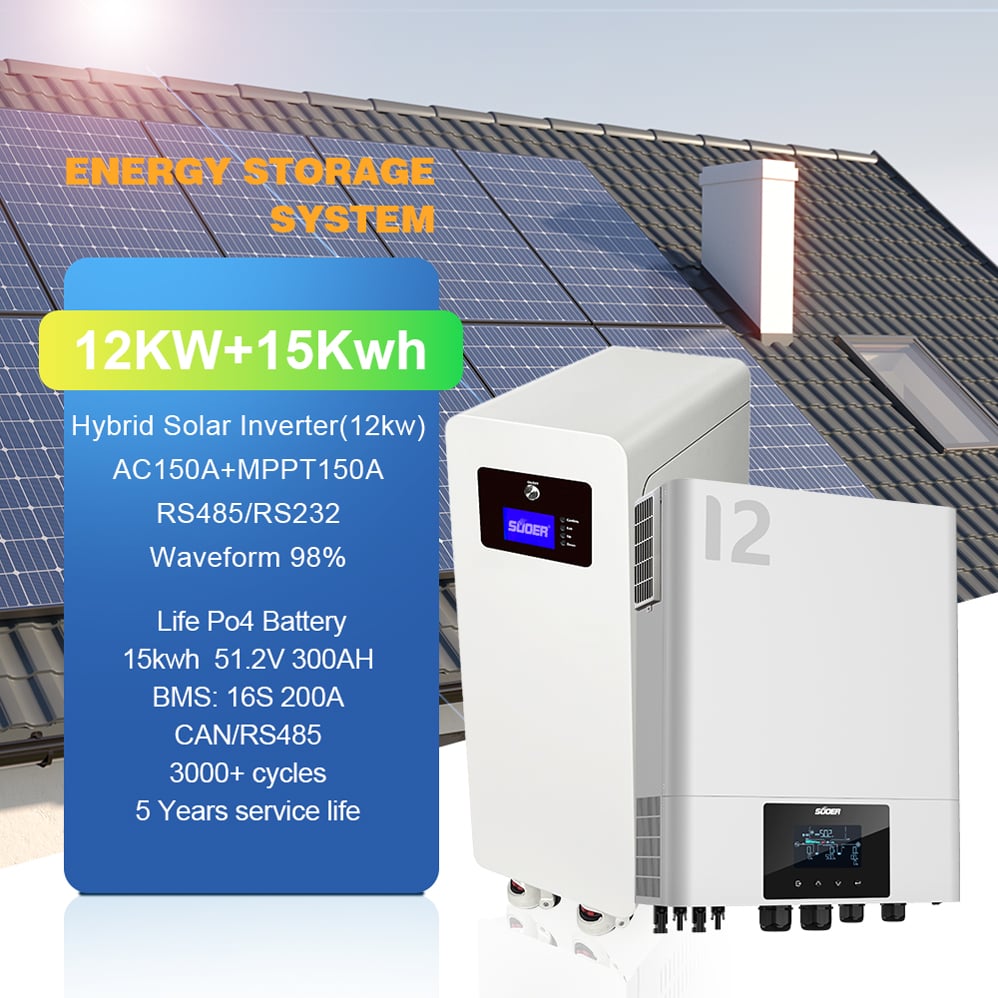
Battery Compatibility: These inverters often support various battery types, including lithium-ion and lead-acid. Confirm the inverter's compatibility with existing or planned battery systems to ensure seamless integration. For instance, the 15KWH 300Ah Lithium Ion Battery Pack Lifepo4 51.2V is a great option for hybrid systems.
Input Voltage Range: This specification indicates the range of solar panel voltages the inverter can accept. A wider range allows for greater flexibility in system design.
Grid Interaction: Depending on regulations and project goals, assess whether the inverter can operate in grid-tied, off-grid, or hybrid modes. This flexibility can enhance energy independence.
By focusing on these specifications, buyers can ensure that the hybrid solar inverter meets their specific energy needs and regulatory requirements.
Choosing the right hybrid solar inverter requires a comprehensive approach, considering both technical specifications and project requirements:
Assess Energy Needs: Start by evaluating the energy consumption patterns of the home. This includes peak usage times and total energy consumption, which will inform the inverter capacity needed.
Determine Application Environment: The installation environment can affect inverter performance. Consider factors like temperature fluctuations, humidity, and potential shading from nearby structures, as these can impact efficiency.
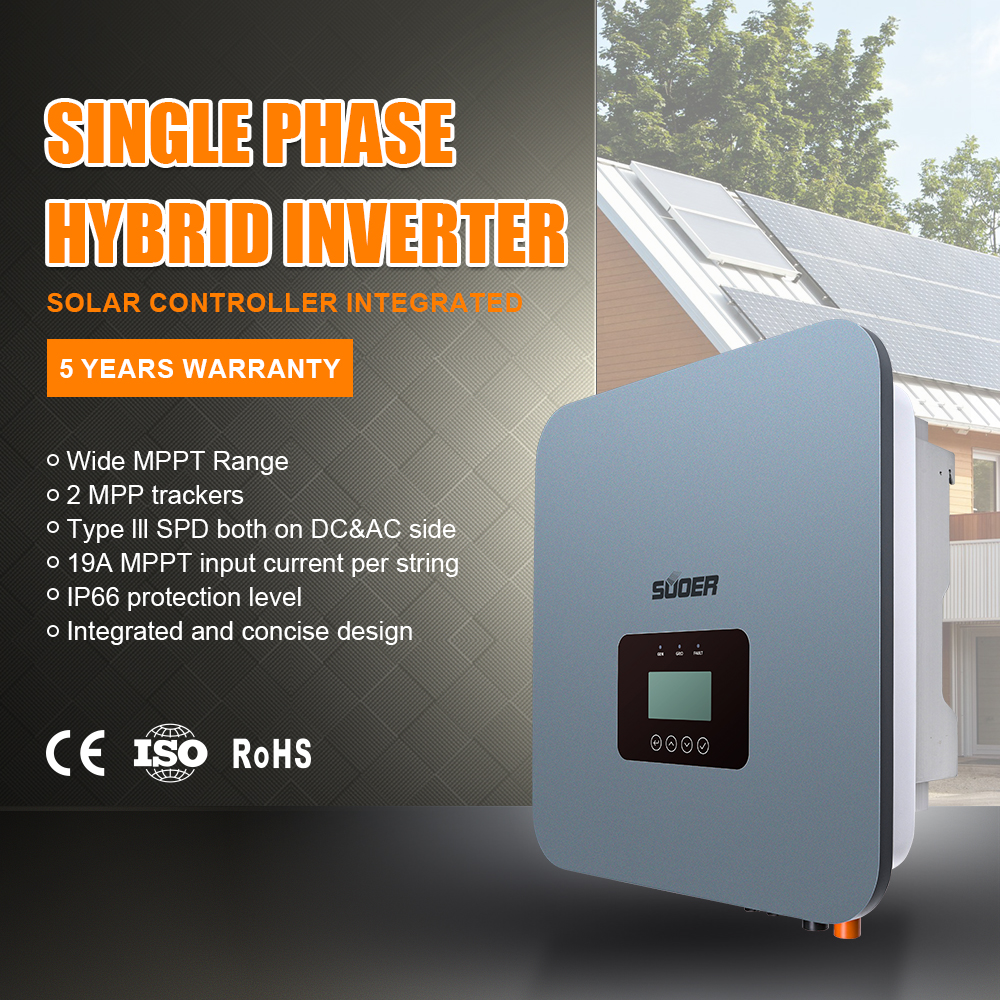
Evaluate Manufacturer Reputation: Research manufacturers known for high-quality products and robust customer support. Certifications like CE and ISO9001 can indicate reliability and adherence to quality standards.
Customization Options: If the project requires specific features, inquire about customization options. Some manufacturers can tailor inverters to meet unique requirements, enhancing overall system performance.
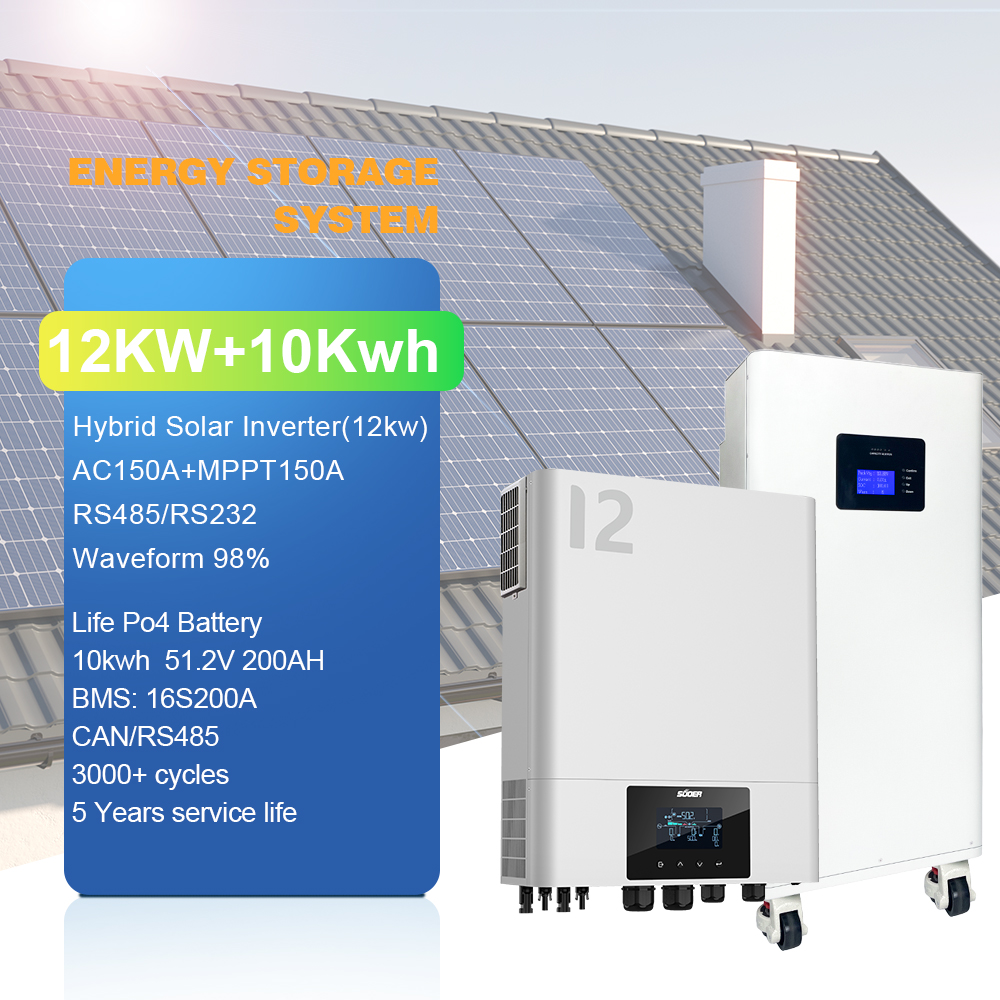
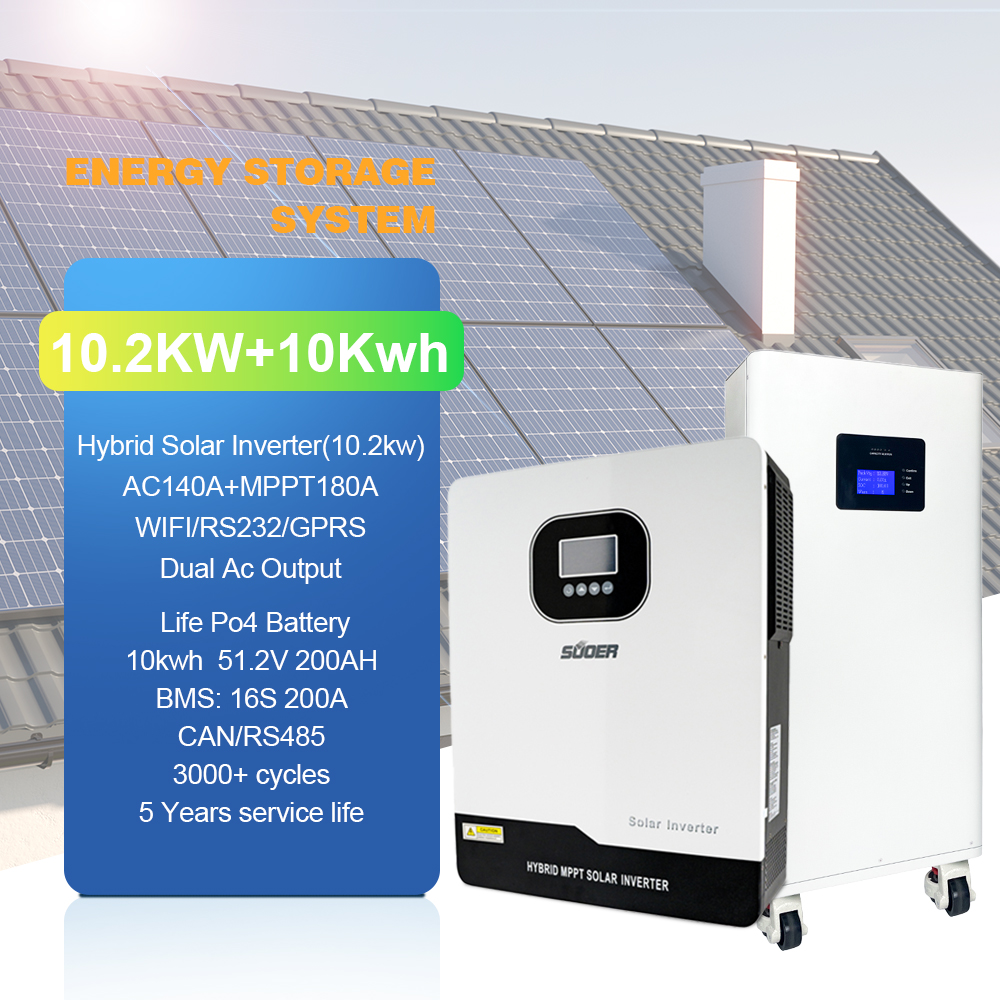
Consider Future Expansion: If there are plans for future upgrades or expansions, choose an inverter that supports modular configurations to accommodate added solar panels or battery storage, such as the VMS-12kw energy system.
By following these steps, buyers can select hybrid solar inverters that align perfectly with their projects, ensuring long-term satisfaction and performance.
Understanding the cost factors associated with hybrid solar inverters is crucial for effective budgeting and procurement:
Initial Purchase Price: The upfront cost of the inverter itself is a significant factor. Prices can vary based on capacity, efficiency, and additional features. Comparing multiple suppliers can help identify competitive pricing.
Installation Costs: Installation can significantly impact the total cost. Buyers should obtain quotes from certified installers, ensuring they consider labor, permits, and any necessary electrical upgrades.
Maintenance Costs: Regular maintenance can prolong the lifespan of the inverter. It's essential to factor in ongoing service costs, including inspections and potential repairs.
Warranty and Support: A robust warranty can offset potential future costs. Evaluate the warranty period and the manufacturer's support services to ensure reliable assistance if issues arise.
Financing Options: Many suppliers offer financing plans or leasing options, allowing for manageable payment structures. Assess these options to find the most financially viable solution.
By carefully analyzing these cost factors, buyers can make informed decisions that align with their budget and long-term financial goals.
Proper installation of hybrid solar inverters is vital to ensure optimal performance and longevity:
Choose the Right Location: Install the inverter in a cool, dry area with adequate airflow. Avoid direct sunlight, as excessive heat can reduce efficiency and lifespan.
Follow Manufacturer Guidelines: Adhere strictly to the installation guidelines provided by the manufacturer. This includes proper wiring practices, grounding, and securing connections to prevent future issues.
Utilize Professional Installers: Engaging certified electricians or installers with experience in hybrid solar systems is essential. Their expertise can prevent common pitfalls and ensure compliance with local regulations.
Conduct Post-Installation Testing: After installation, perform thorough testing to ensure that the inverter operates correctly. This includes checking input and output voltages and confirming that the system integrates well with solar panels and batteries.
Regular Maintenance Checks: Schedule routine maintenance checks to identify potential issues before they escalate. Regular inspections can help maintain system efficiency and extend the inverter's lifespan.
By implementing these installation tips, buyers can enhance the operational efficiency of their hybrid solar inverters, ensuring reliable performance over time.
While hybrid solar inverters are generally reliable, several common issues may arise. Understanding these challenges and their solutions can help buyers mitigate risks:
Overheating: Excessive heat can impact inverter performance. Ensure that the installation site allows for proper ventilation and avoid placing the inverter in direct sunlight. If overheating occurs, consider installing an external cooling fan.
Battery Communication Errors: Incompatibility or communication failures between the inverter and battery can disrupt system performance. Verify that all components are compatible and regularly check software updates from the manufacturer.
Grid Connection Problems: Issues with grid connectivity can arise due to fluctuations in power supply. Ensure that the inverter settings are correctly configured for grid-tied applications, and work with utility providers to resolve persistent issues.
Fault Codes and Alerts: Most hybrid inverters have built-in diagnostics that display fault codes. Familiarize yourself with these codes and consult the user manual for troubleshooting steps. Quick resolution can prevent prolonged downtime.
Inverter Aging: Over time, inverters may lose efficiency. Regularly monitor performance metrics and plan for eventual replacement or upgrades as part of your long-term energy strategy.
By proactively addressing these common issues, buyers can ensure the longevity and efficiency of their hybrid solar inverters, leading to sustained energy savings and performance.

Discover Suoer’s premium range of solar inverters and power inverters designed for reliable renewable energy solutions.Trusted by customers worldwide for exceptional performance and durability.
Suoer Industrial Zone, Ercun Road Section, Yanfeng Avenue, Shishan Town,Foshan city,Guangdong Province,China
Copyright © 2024 Foshan Suoer Electronic Industry Co., Ltd. Privacy Policy - Blog

 EN
 AR
 NL
 FR
 DE
 EL
 IT
 JA
 KO
 PT
 RU
 ES
 VI
 TH
 TR
 BG
 HR
 CS
 NO
 PL
 TL
 ID
 SR
 UK
 SQ
 HU
 MT
 AF
 MS
 IS
 HY
 AZ
 BN
 BS
 GU
 LO
 LA
 MN
 NE
 TA