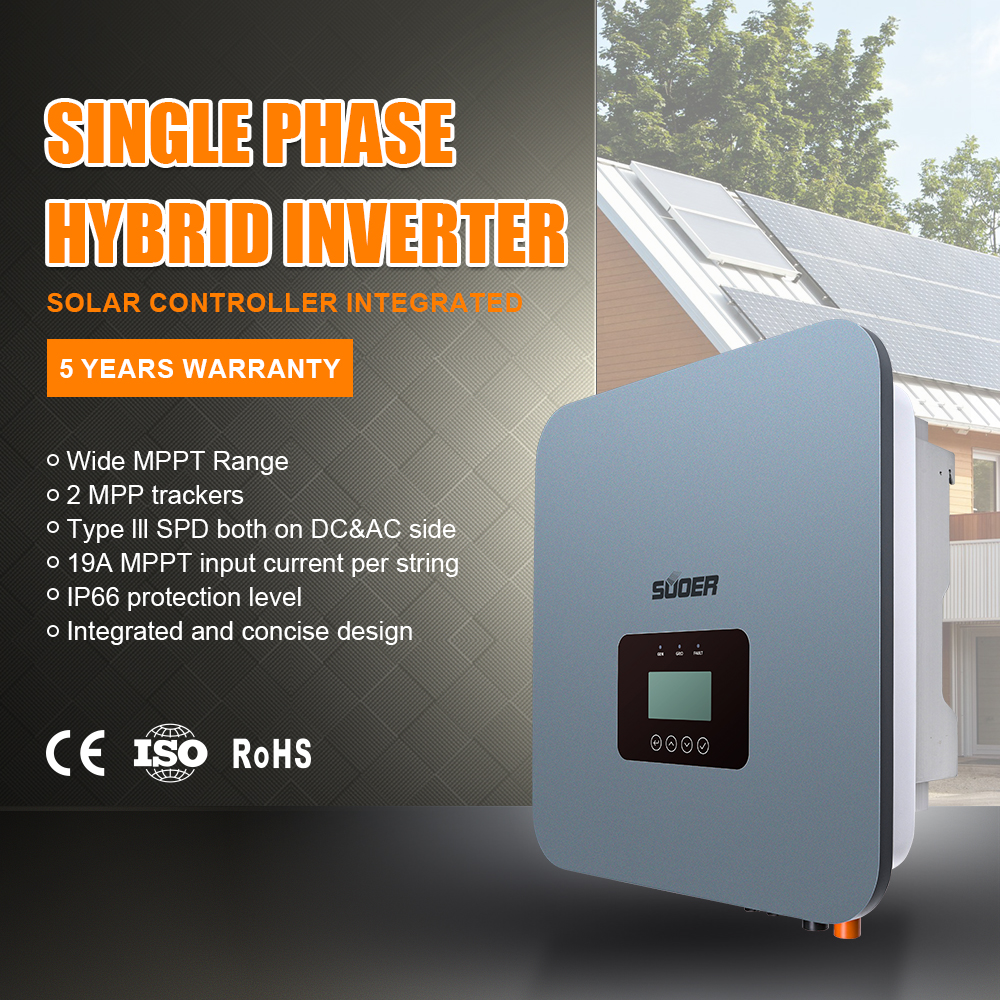
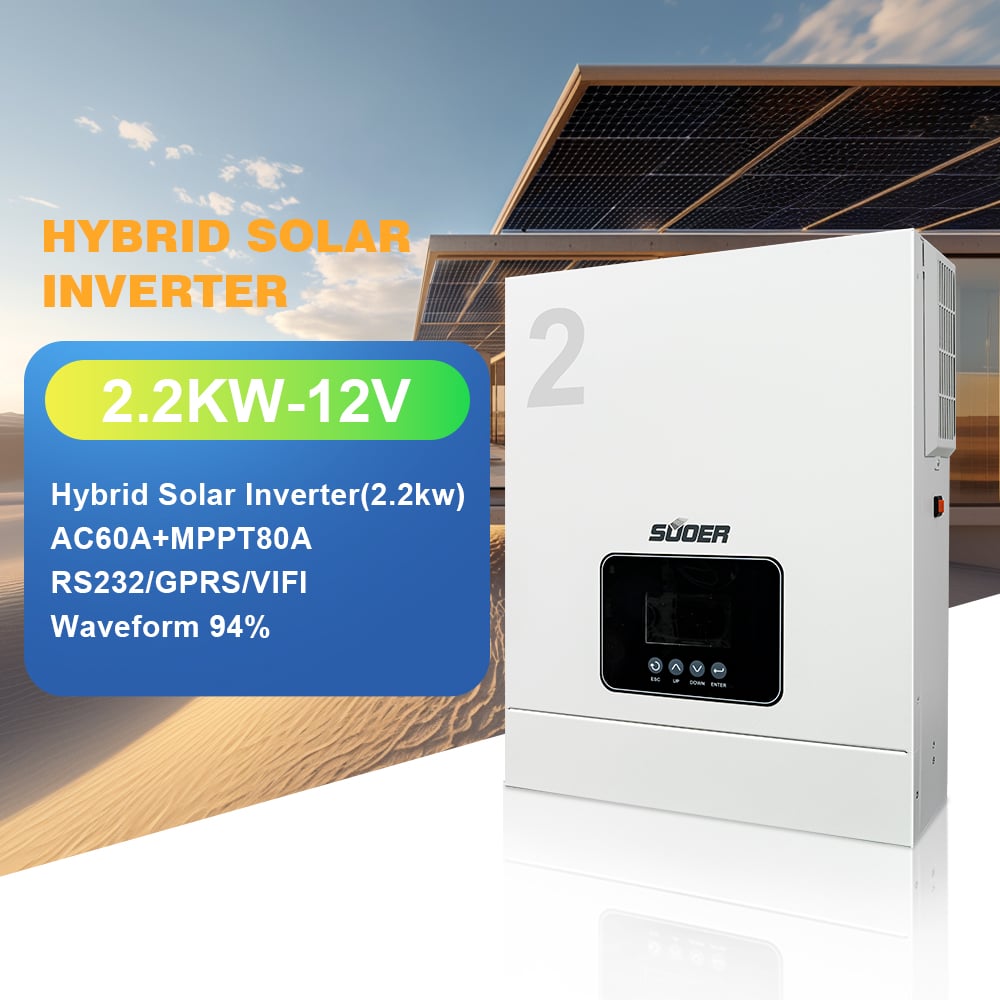
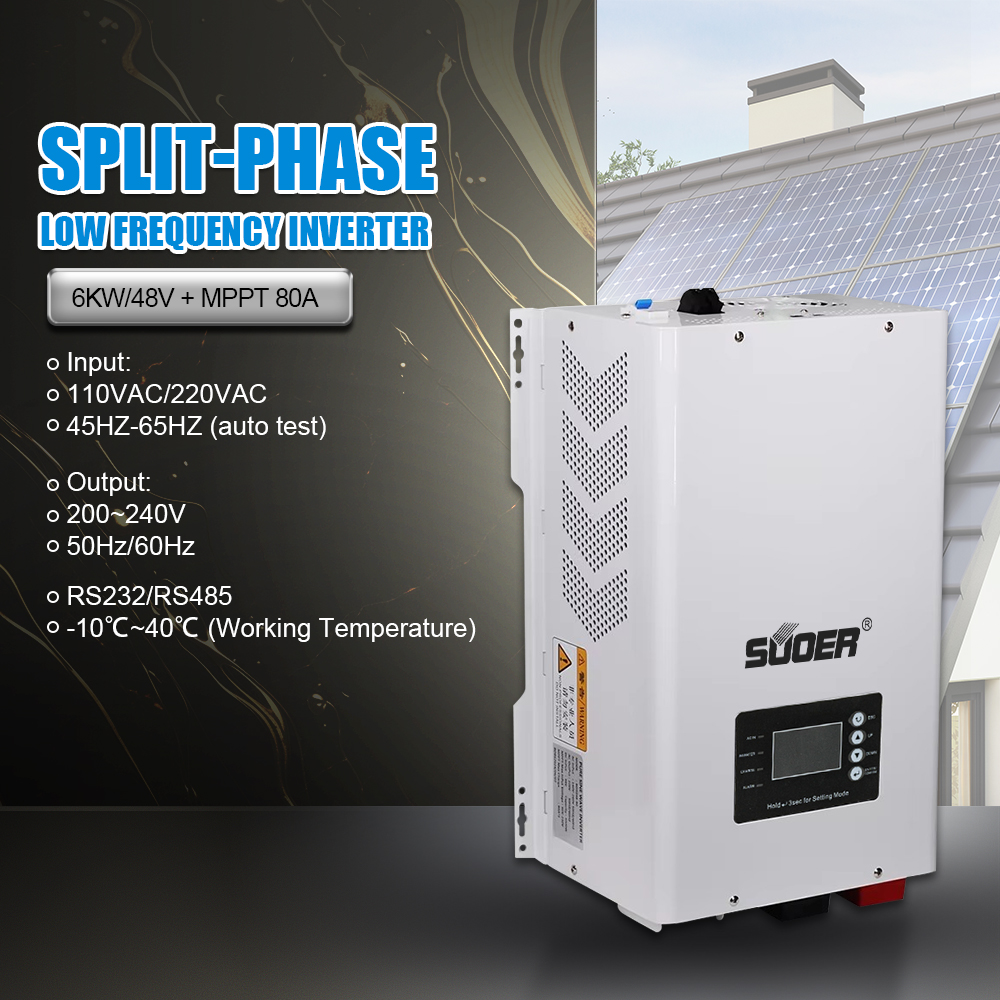
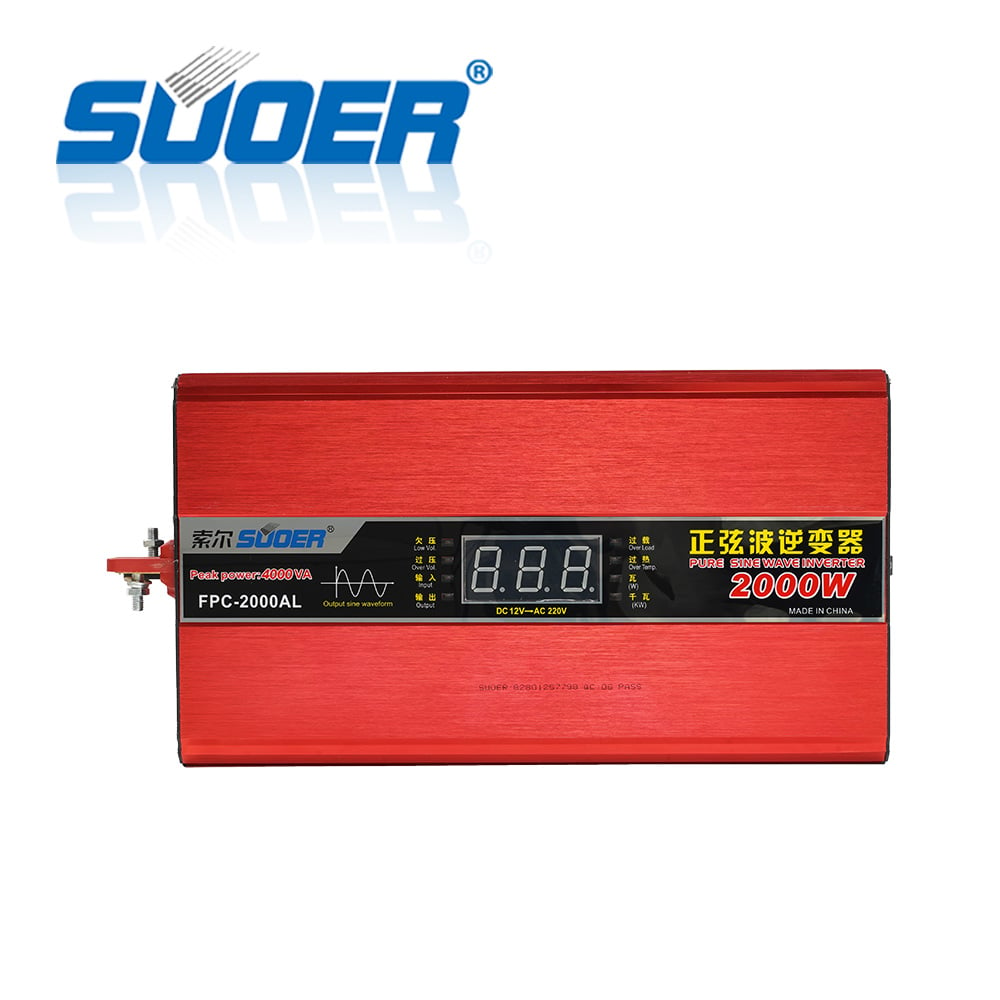
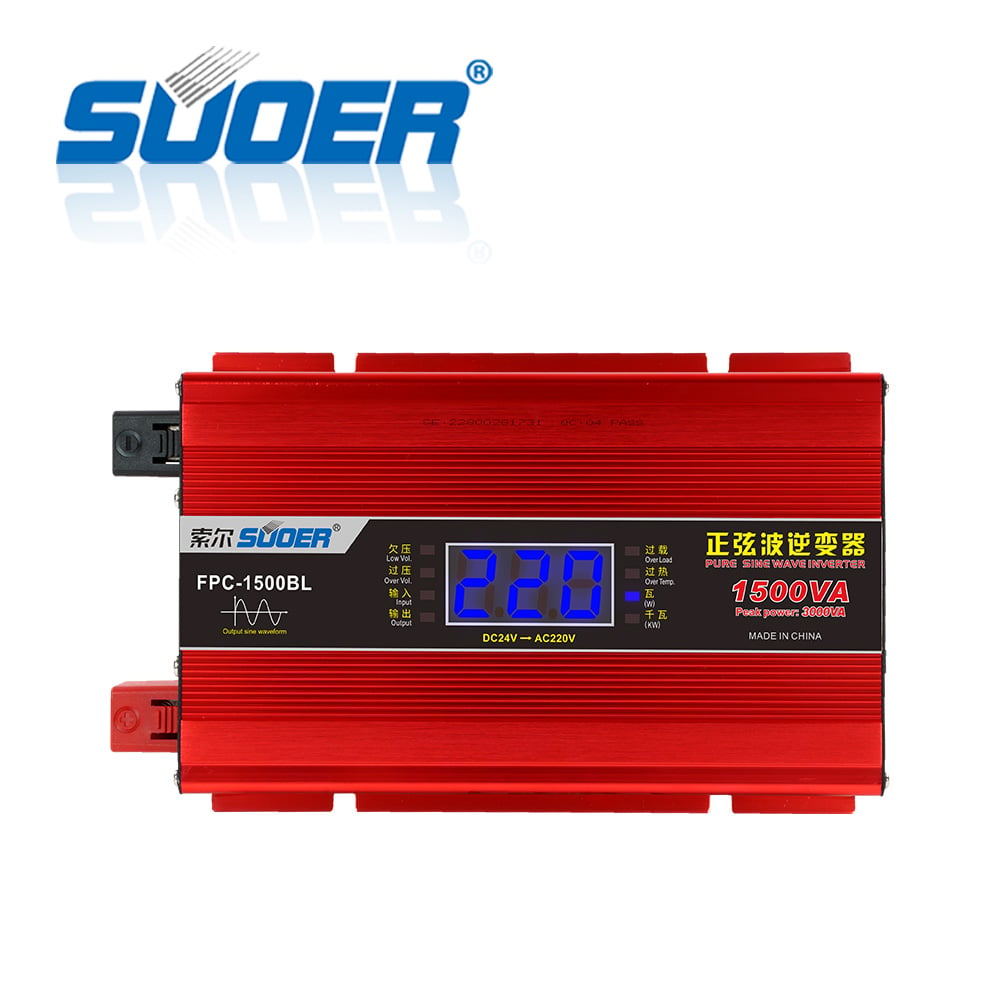
Sine wave inverters for home applications are essential devices that convert direct current (DC) electricity from solar panels or batteries into alternating current (AC) electricity, which is used to power household appliances. For B2B buyers, understanding the nuances of sine wave inverters, including their specifications, reliability, and supplier options, is critical for making informed purchasing decisions. This article will provide insights into finding reliable suppliers, cost considerations, common issues faced, benefits of bulk orders, and installation guidance for residential settings.
When searching for reliable suppliers of sine wave inverters, B2B buyers should consider several channels. Industry trade shows and exhibitions provide an excellent opportunity to meet manufacturers and evaluate their products firsthand. Online marketplaces and industry-specific directories can also offer a range of suppliers, but it's crucial to vet these companies thoroughly.
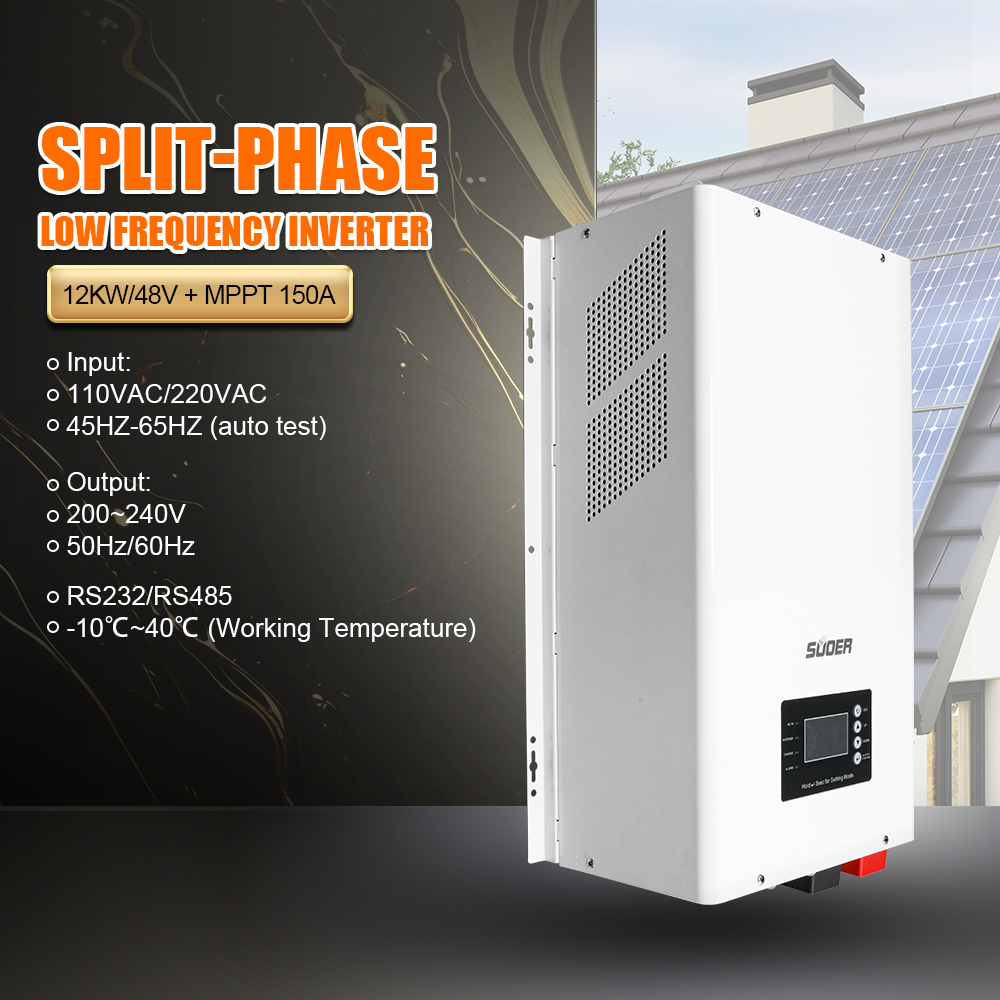
Buyers should look for manufacturers with a strong track record in the new energy sector, particularly those that specialize in power supplies for electric vehicles and residential applications. Certifications such as ROHS, CE, and ISO9001 are indicators of quality and compliance. Additionally, engaging with suppliers who have a dedicated research and development (R&D) team can ensure access to advanced technology and customized solutions tailored to specific needs. For instance, options like the New 12kw Hybrid Solar Off-Grid Inverter System 15kwh 300ah Lithium Iron Lifepo4 Battery can be an excellent choice for various applications.
It's advisable to request samples before placing bulk orders. This allows buyers to evaluate the product’s performance, durability, and compatibility with existing systems. Engaging in discussions about production capabilities and lead times will also help buyers assess whether a supplier can meet their demands.
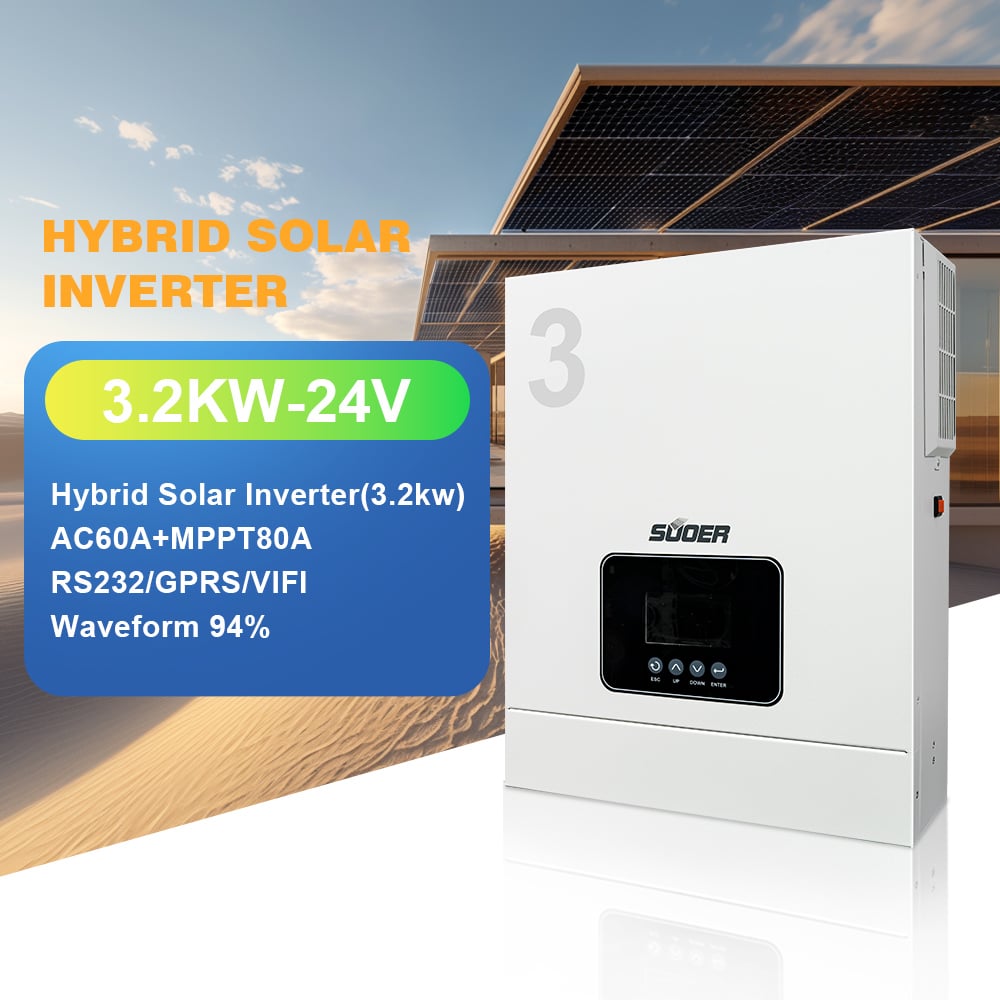
The cost of sine wave inverters can vary significantly based on several factors, including power output, efficiency, and additional features such as monitoring capabilities or integrated battery management systems. Buyers should determine their specific needs based on the total load requirements of the home and potential future expansions. Products like the VMS-V-3.2k-24V 3.2kw Single Output MPPT Hybrid Solar Inverter are worth considering for their efficiency and performance.
Materials used in manufacturing also play a crucial role in pricing. High-quality components may lead to higher initial costs but can result in lower long-term operational expenses due to enhanced reliability and efficiency. It's important for buyers to balance upfront costs with expected performance and longevity.
When evaluating quotes from suppliers, consider not just the purchase price but also shipping costs, warranties, and available technical support. Understanding the total cost of ownership will aid in making a more informed decision.
Despite their advantages, sine wave inverters can present some common issues. One frequent problem is overheating, which can result from inadequate ventilation or overloading. Buyers should ensure that the installation location allows for proper airflow and that the inverter is rated properly for the expected load.
Another issue is compatibility with certain appliances. Some older devices may not work properly with sine wave inverters due to their sensitivity to power quality. It’s advisable to check the specifications of household appliances against the inverter’s output characteristics.
Buyers should also be aware of potential efficiency losses due to improper installation or configuration. Ensuring that the inverter is installed by qualified professionals who understand electrical systems will help mitigate these issues. Regular maintenance checks can also enhance performance and prolong the lifespan of the inverter.
Purchasing sine wave inverters in bulk can provide significant cost advantages for businesses looking to supply residential customers. Bulk orders often come with discounted pricing, which can enhance profit margins for distributors and resellers. Additionally, suppliers may offer improved terms, such as extended warranties or enhanced customer support, when larger quantities are ordered.
Another benefit is the ability to standardize inventory. For companies supplying multiple residential projects, having a consistent model can simplify installation and maintenance. This can also facilitate training for technicians, as they can become familiar with the same product specifications across different sites.
Moreover, bulk purchasing enables businesses to plan for demand fluctuations more effectively, ensuring that they have adequate stock on hand to meet customer needs without significant delays.
Installing a sine wave inverter in a residential setting requires careful planning and execution. First, buyers should ensure that the inverter is compatible with the existing electrical system, including the breaker panel and any solar or battery systems in place. Consulting with a licensed electrician can provide clarity on compatibility and installation procedures.
Buyers should also consider the physical location of the inverter. It should be installed in a dry, ventilated area to prevent overheating and ensure optimal performance. Many manufacturers provide specific installation guidelines that should be followed closely to avoid voiding warranties.
During installation, it’s critical to check all connections and settings. After installation, testing the system under load conditions can help ensure everything functions as intended. Regular inspections and adherence to the manufacturer's maintenance recommendations will enhance the longevity and reliability of the inverter.
By understanding these aspects, B2B buyers can make informed decisions regarding sine wave inverters for home applications, ensuring they select products that meet their needs while also considering the implications of their choices in terms of cost, reliability, and operational efficiency.

Discover Suoer’s premium range of solar inverters and power inverters designed for reliable renewable energy solutions.Trusted by customers worldwide for exceptional performance and durability.
Suoer Industrial Zone, Ercun Road Section, Yanfeng Avenue, Shishan Town,Foshan city,Guangdong Province,China
Copyright © 2024 Foshan Suoer Electronic Industry Co., Ltd. Privacy Policy - Blog

 EN
 AR
 NL
 FR
 DE
 EL
 IT
 JA
 KO
 PT
 RU
 ES
 VI
 TH
 TR
 BG
 HR
 CS
 NO
 PL
 TL
 ID
 SR
 UK
 SQ
 HU
 MT
 AF
 MS
 IS
 HY
 AZ
 BN
 BS
 GU
 LO
 LA
 MN
 NE
 TA