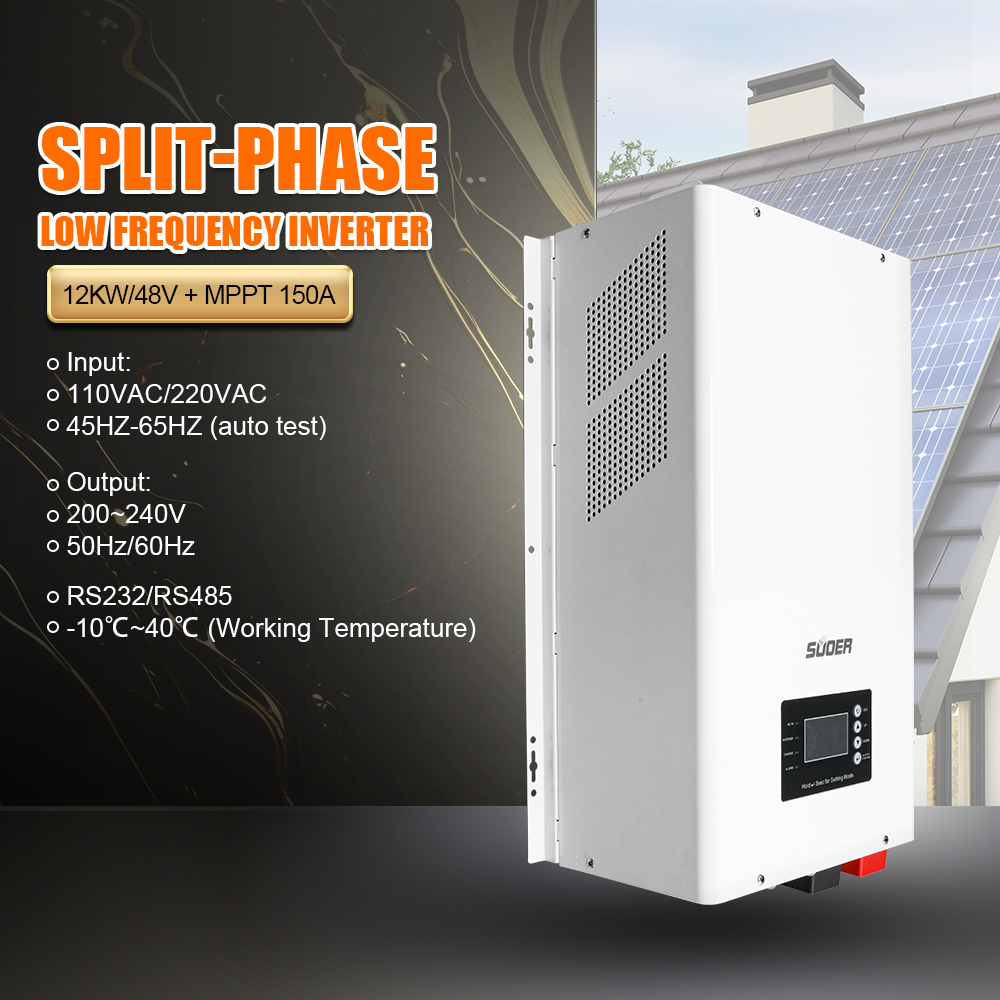
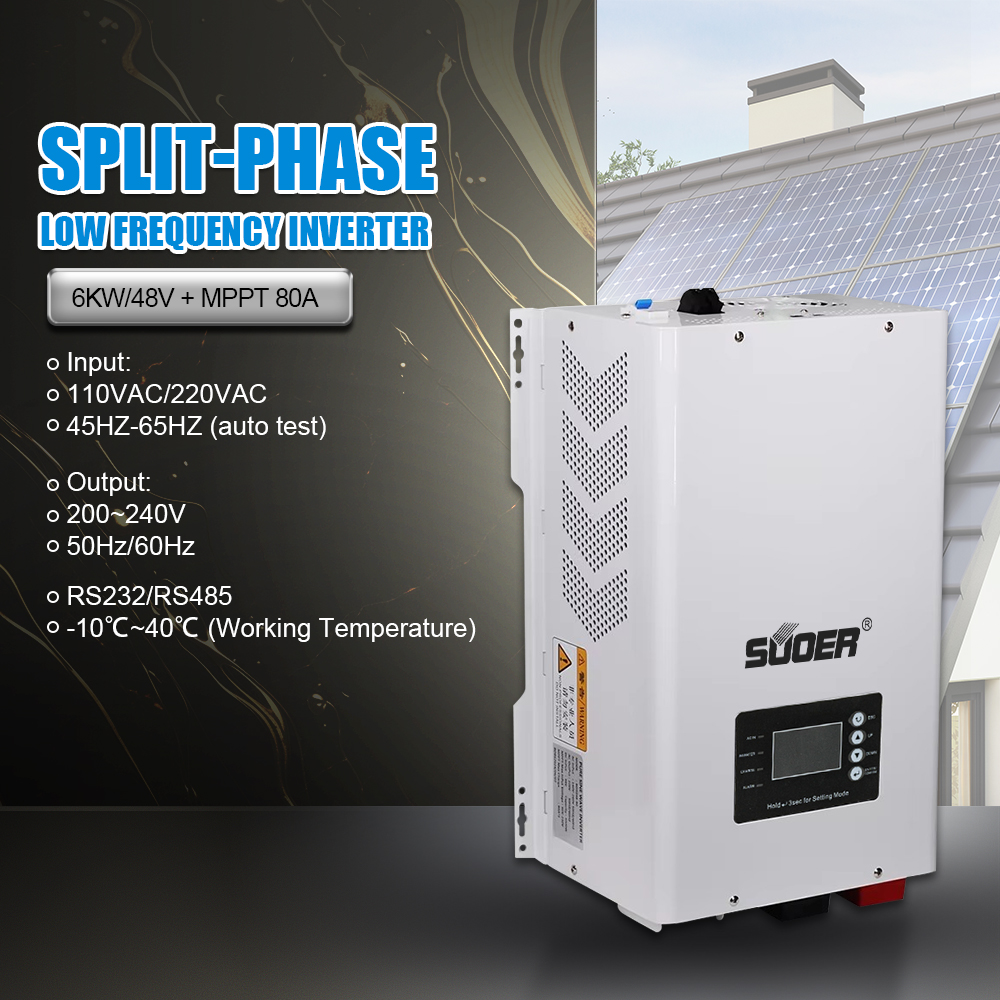
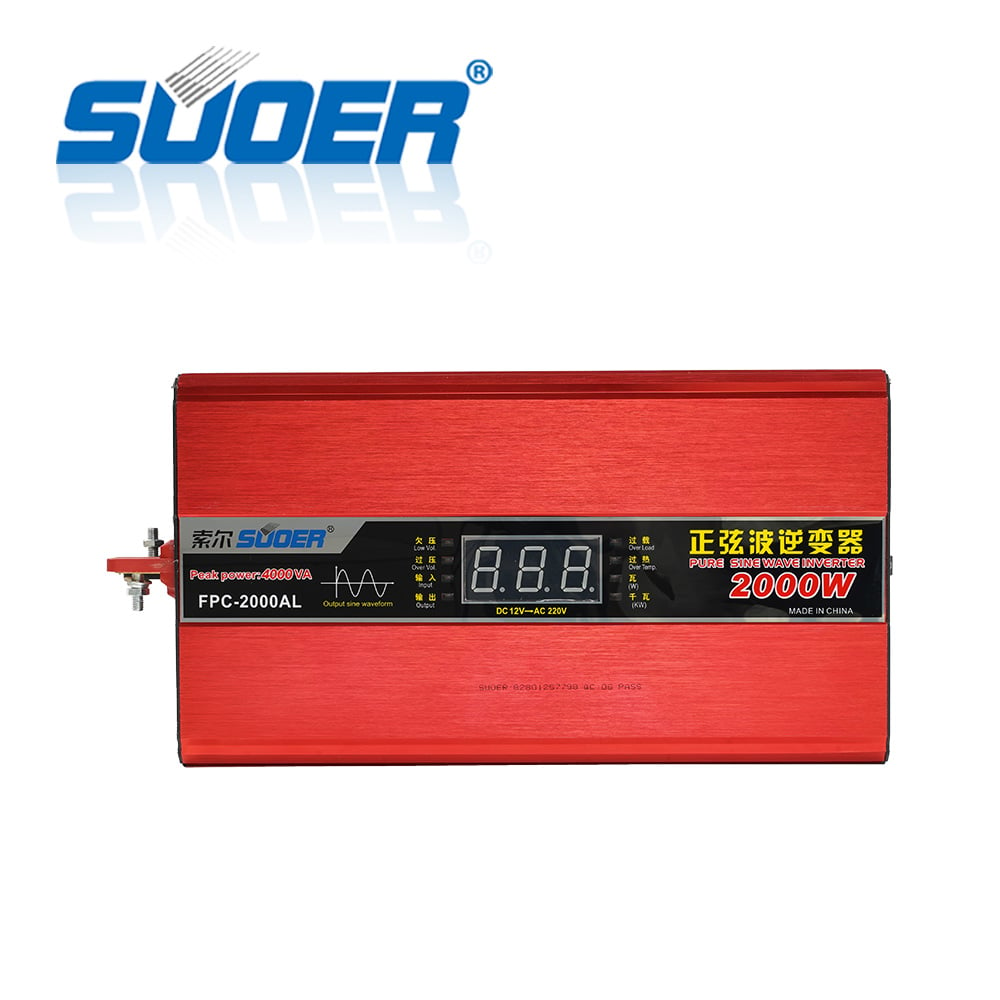
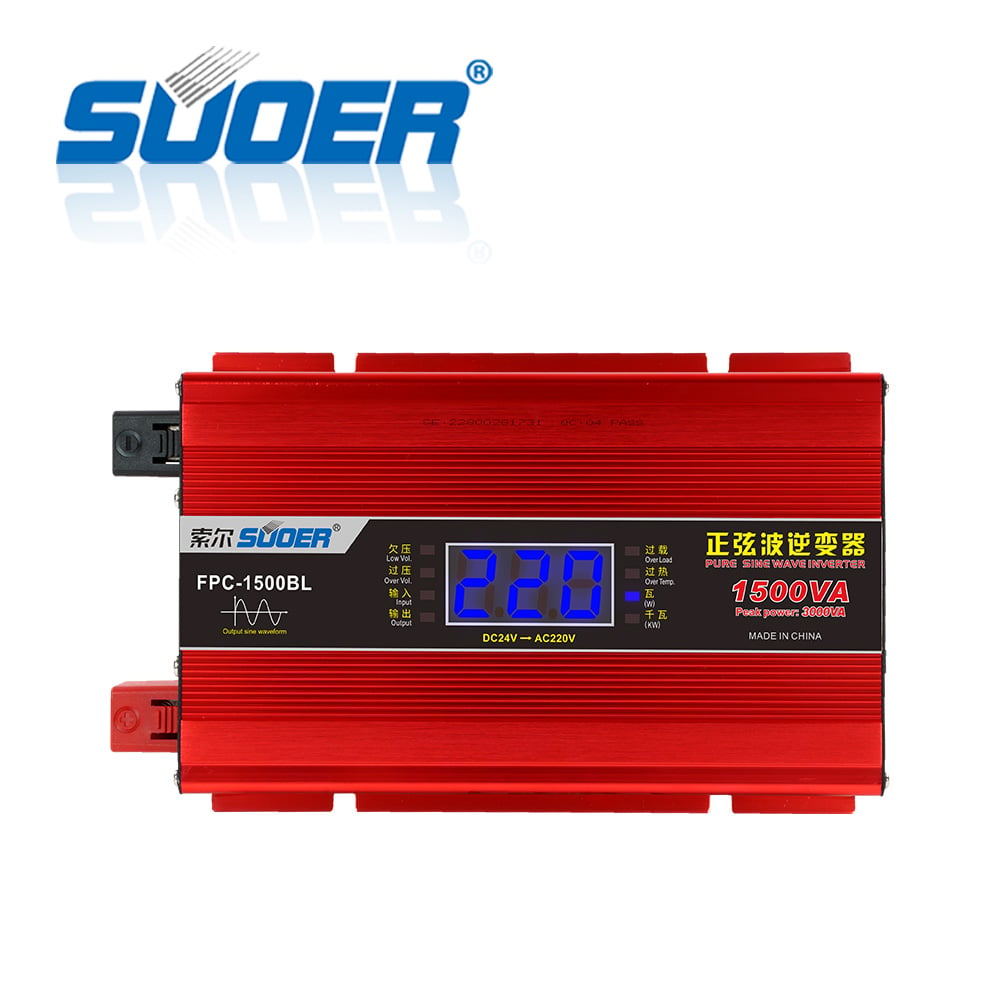
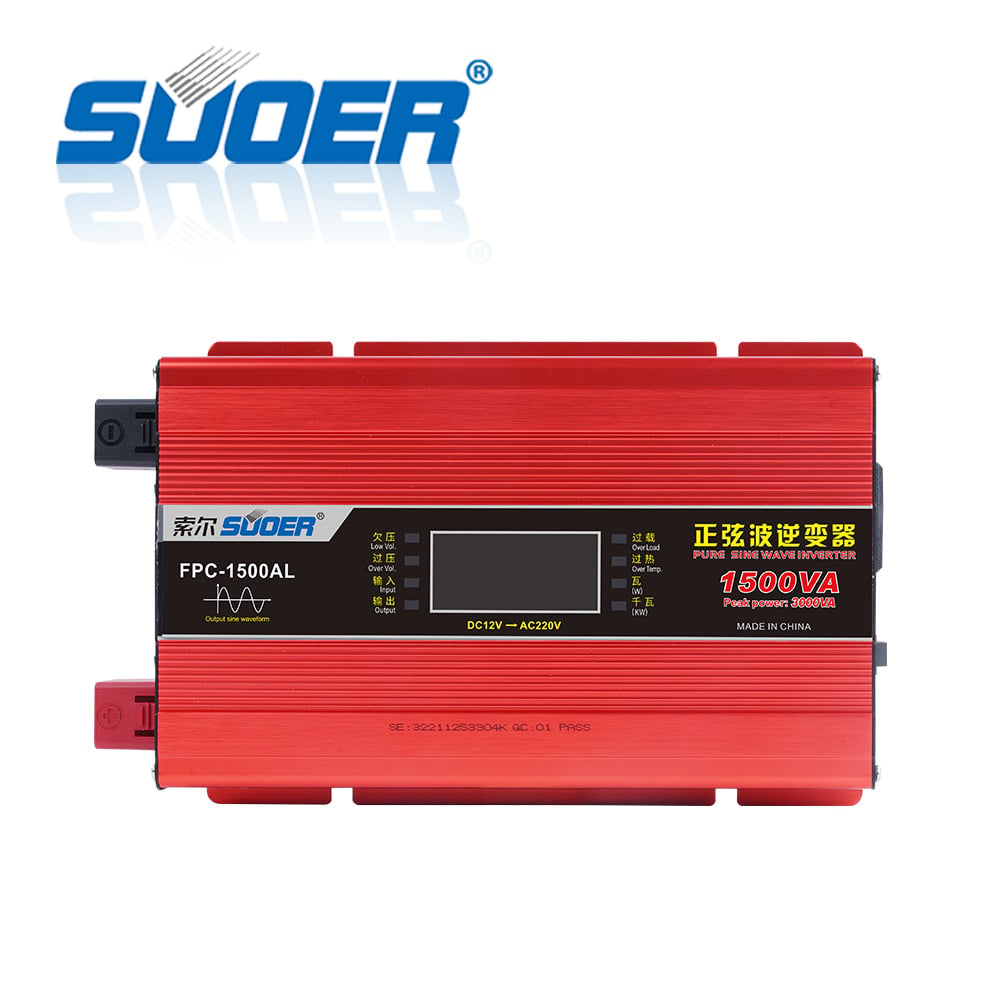
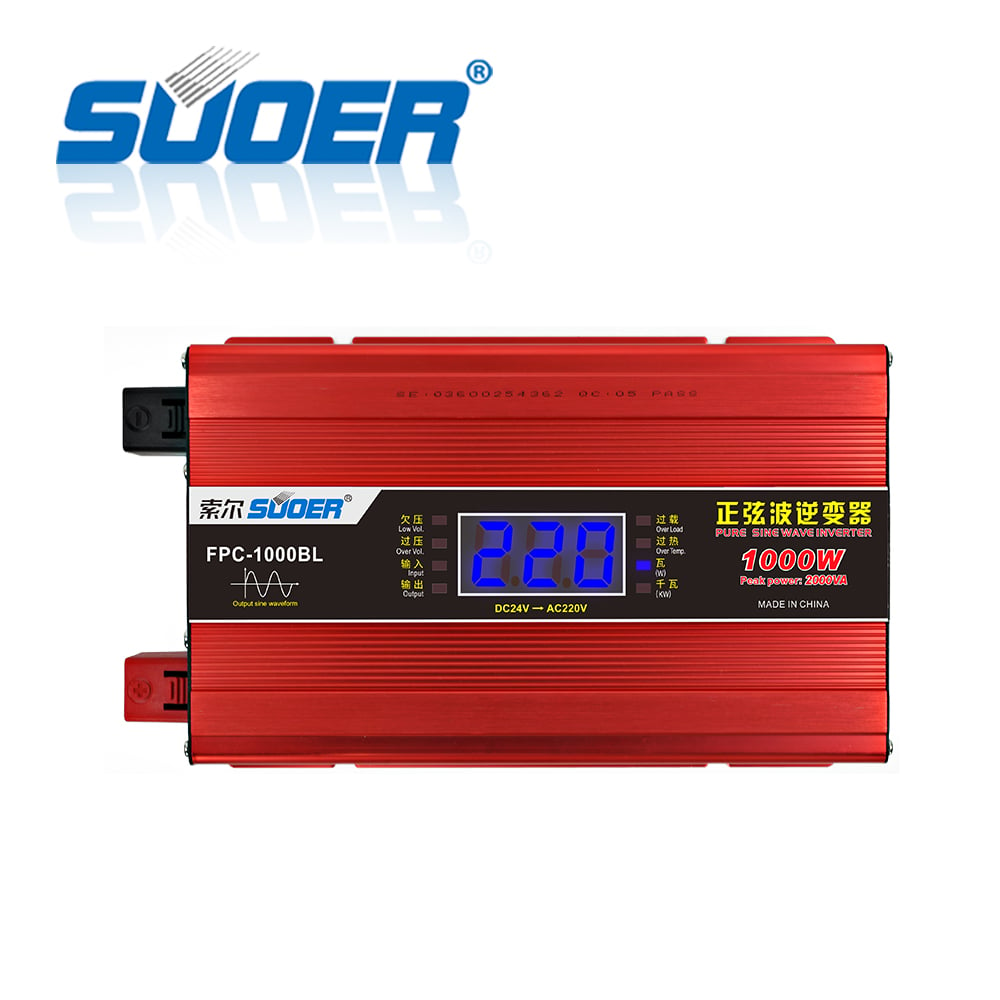
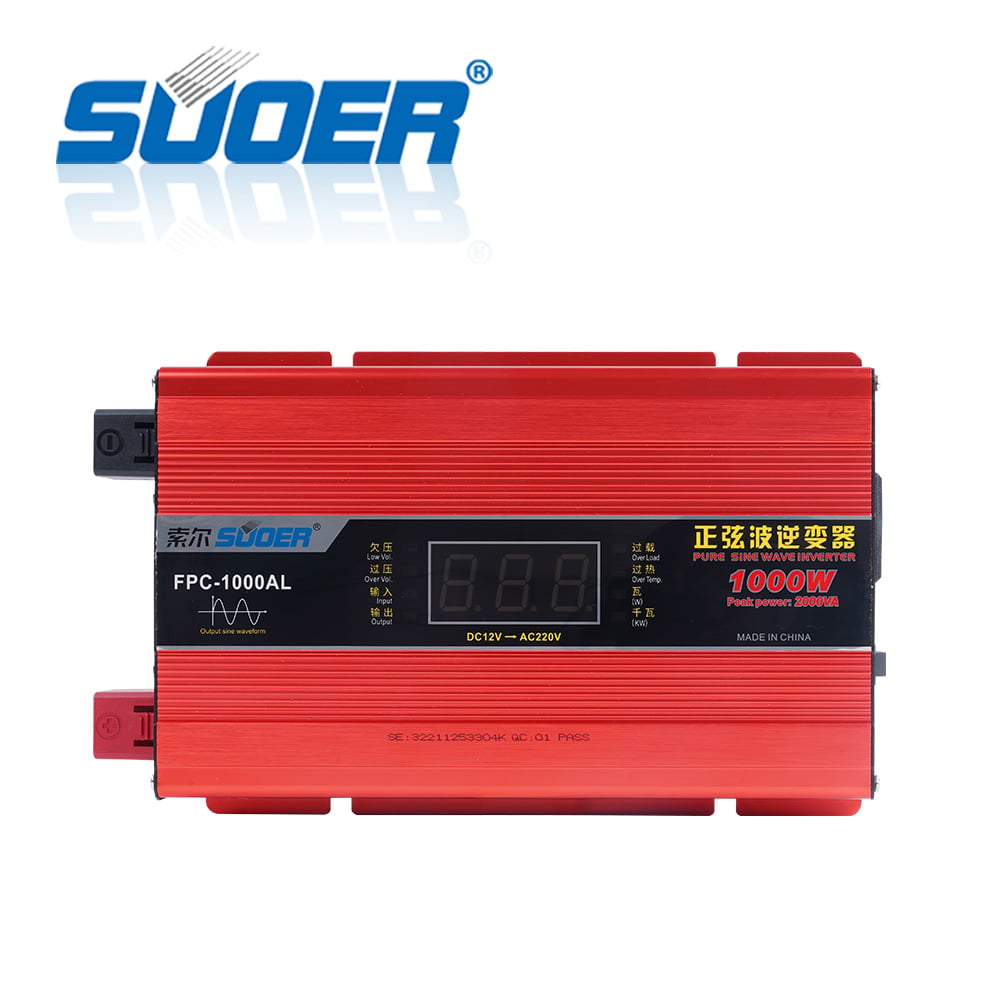
Sine wave inverters for solar applications convert direct current (DC) from solar panels into alternating current (AC), making them essential for integrating solar energy into existing electrical systems. Buyers often seek details on product quality, installation challenges, and technical specifications to ensure they select the most suitable inverter for their needs. This article will provide insights into evaluating sine wave inverter solar solutions, sourcing options, common installation issues, manufacturing processes, and the advantages of using these inverters in renewable energy projects.
When assessing sine wave inverter solar solutions, buyers should focus on several key quality indicators. First, look for certifications such as ROHS, CE, and ISO9001, which signal adherence to international safety and quality standards. These certifications indicate that the product has undergone rigorous testing and meets specific performance metrics.
Next, consider the inverter's efficiency rating, typically expressed as a percentage. A higher efficiency rating means less energy loss during conversion, which directly impacts the overall energy yield of your solar system. In addition, examine the inverter's durability and operating temperature range. Quality inverters are designed to withstand various environmental conditions, which is crucial for outdoor installations.
Lastly, review the manufacturer's reputation and customer reviews. Feedback from other buyers can provide insights into the product's reliability and performance in real-world applications. A manufacturer with a proven track record in the industry is more likely to produce high-quality sine wave inverters that meet your specific needs, including those that utilize home energy storage solutions.
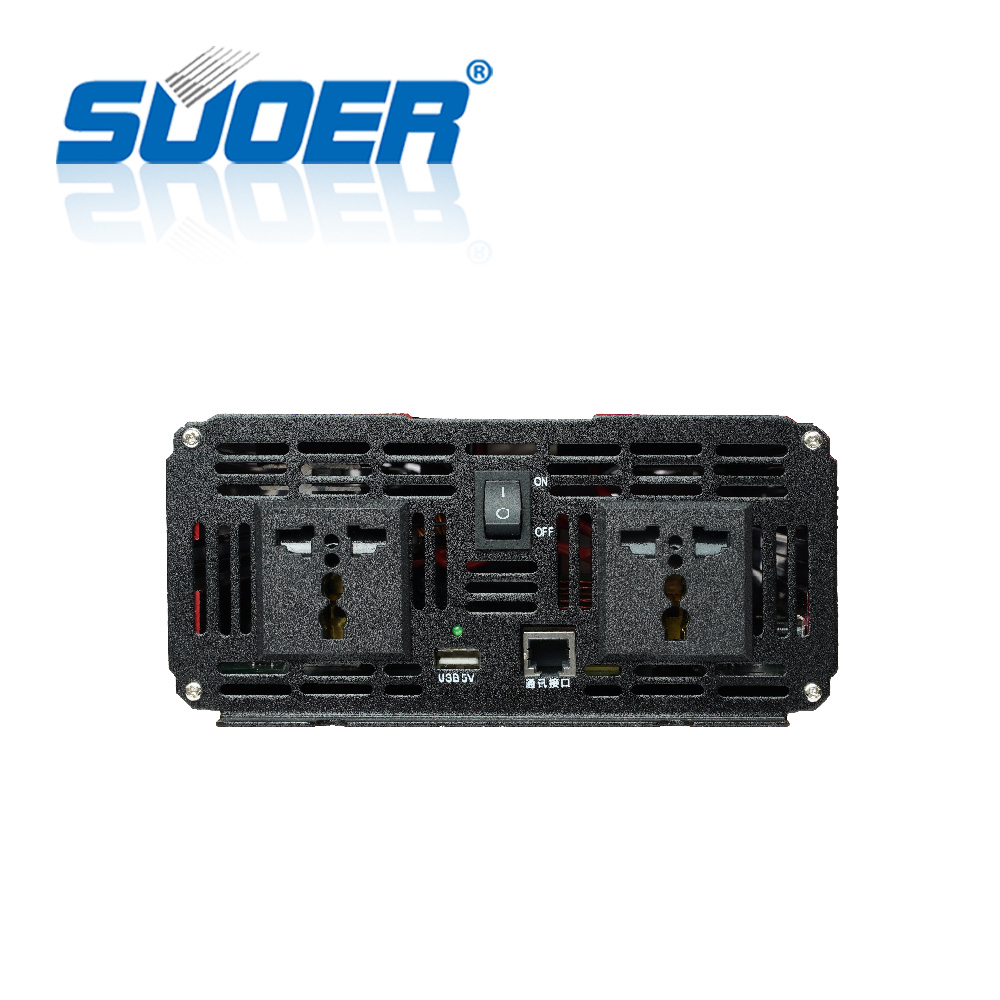
Sourcing reliable sine wave inverters for wholesale purchasing involves identifying reputable manufacturers and suppliers. Start by researching companies that specialize in renewable energy products, particularly those with a focus on photovoltaic systems. Trade shows and industry exhibitions can also be valuable opportunities to connect with potential suppliers and assess their product offerings firsthand.
When evaluating suppliers, consider their production capabilities, including automated manufacturing processes and quality control measures. A factory that employs advanced technology can often produce more consistent and reliable products. Inquire about minimum order quantities (MOQs) and lead times, as these factors can significantly impact your purchasing decisions.
Additionally, it is prudent to request samples before committing to larger orders. Testing samples under actual operating conditions can help ensure that the inverter meets your performance expectations and application requirements. Establishing a direct line of communication with the supplier can also facilitate better negotiations and clarify any customization options you may need.
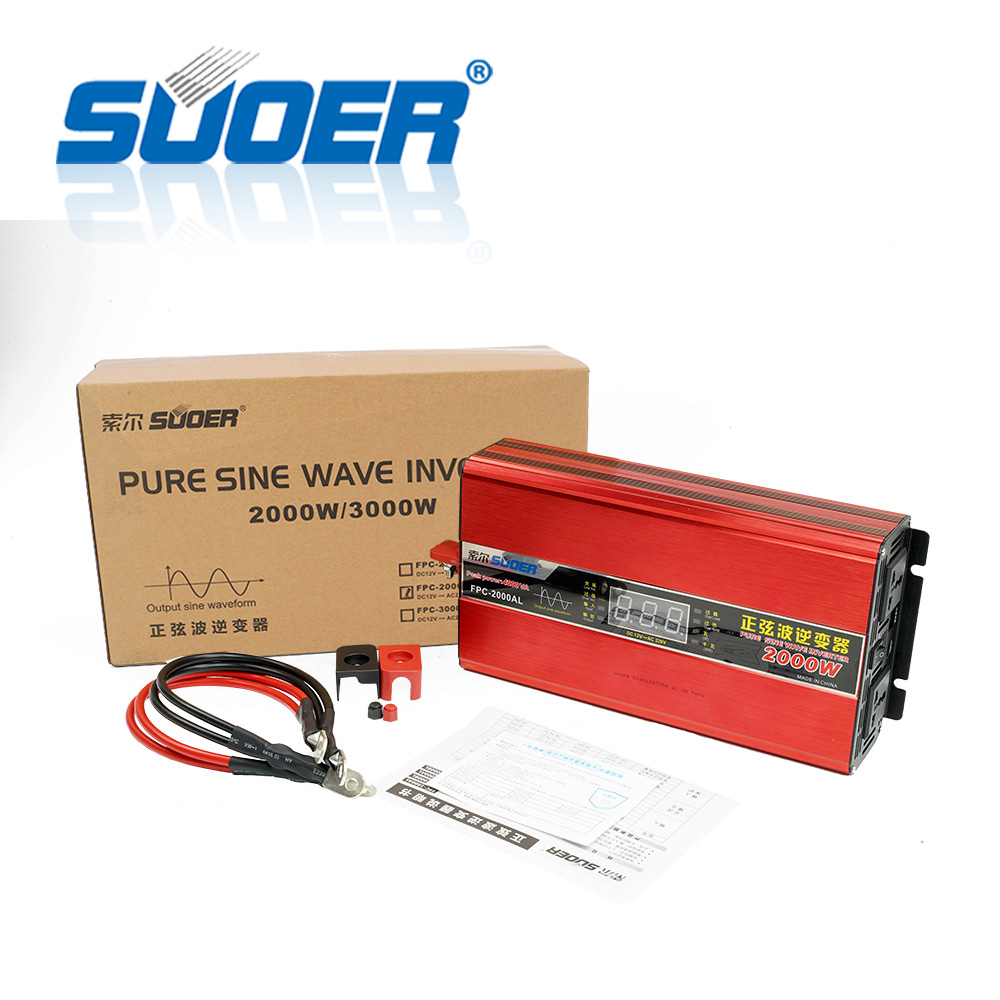
Installing sine wave inverters can present several challenges, often stemming from compatibility issues or improper installation practices. One common problem is insufficient grounding, which can lead to system malfunctions or hazards. Ensure that the inverter is properly grounded according to the manufacturer’s guidelines to avoid electrical faults.
Another issue may arise from incorrect wiring configurations. It is crucial to follow the wiring diagrams provided by the manufacturer carefully. Miswiring can not only damage the inverter but also compromise safety. Before installation, double-check all connections and ensure that the inverter is compatible with the existing electrical system.
In addition, watch for overheating, which can occur if the inverter is placed in an area with inadequate ventilation. Proper airflow is essential for maintaining optimal operating temperatures. If overheating is a concern, consider relocating the inverter or adding ventilation solutions to the installation area.
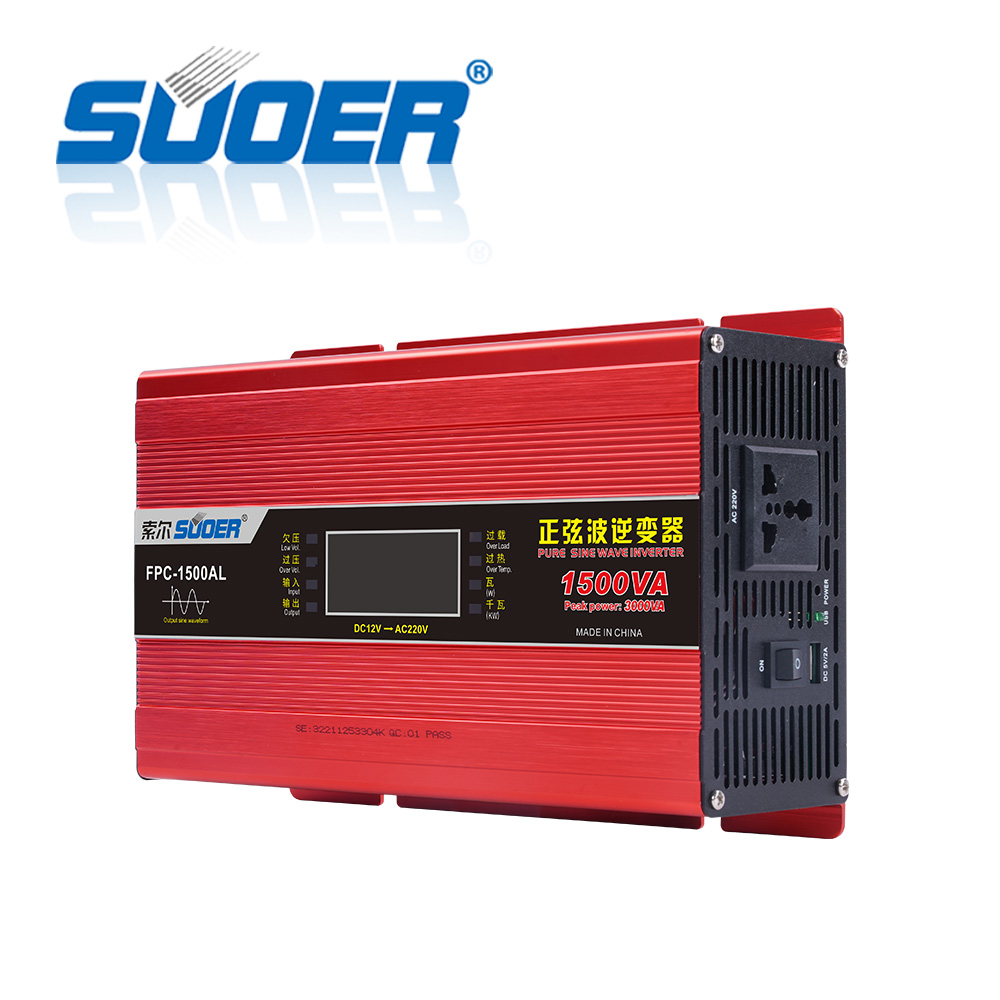
The manufacturing process of sine wave inverters involves several critical steps that ensure product quality and performance. First, a high-level research and development (R&D) team typically designs the inverter, focusing on efficiency, durability, and safety features. Prototypes are then created and rigorously tested to evaluate their performance under various conditions.
Once the design is finalized, automated production techniques are employed to enhance precision and reduce human error. This includes the use of advanced machinery for assembly and testing, ensuring that each unit meets stringent quality standards. Quality control processes are crucial at every stage, from component selection to final product testing, to identify any defects and maintain consistency.
Furthermore, manufacturers often utilize feedback from existing customers to refine their products continually. This iterative approach helps address common issues and adapt to evolving market demands, ensuring that the sine wave inverters produced remain competitive and reliable.
Sine wave inverters offer several advantages for renewable energy projects, particularly in solar applications. One of the primary benefits is their ability to produce clean, high-quality AC power that is compatible with most electrical devices. Unlike modified sine wave inverters, which may cause inefficiencies or damage sensitive electronics, sine wave inverters ensure optimal performance across a range of applications.
Additionally, sine wave inverters typically exhibit higher efficiency levels, translating to better energy conversion rates. This efficiency is especially important in solar applications, where maximizing the energy harvested from solar panels can significantly impact overall system performance and return on investment.
Furthermore, sine wave inverters often come equipped with advanced features, such as integrated monitoring systems that provide real-time data on energy production and usage. This capability allows users to optimize their energy consumption and manage their solar systems more effectively.
In summary, when considering sine wave inverters for solar applications, it is essential to evaluate product quality, sourcing options, installation challenges, and manufacturing expertise. By addressing these key areas, buyers can make informed decisions that enhance the success and efficiency of their renewable energy projects.

Discover Suoer’s premium range of solar inverters and power inverters designed for reliable renewable energy solutions.Trusted by customers worldwide for exceptional performance and durability.
Suoer Industrial Zone, Ercun Road Section, Yanfeng Avenue, Shishan Town,Foshan city,Guangdong Province,China
Copyright © 2024 Foshan Suoer Electronic Industry Co., Ltd. Privacy Policy - Blog

 EN
 AR
 NL
 FR
 DE
 EL
 IT
 JA
 KO
 PT
 RU
 ES
 VI
 TH
 TR
 BG
 HR
 CS
 NO
 PL
 TL
 ID
 SR
 UK
 SQ
 HU
 MT
 AF
 MS
 IS
 HY
 AZ
 BN
 BS
 GU
 LO
 LA
 MN
 NE
 TA