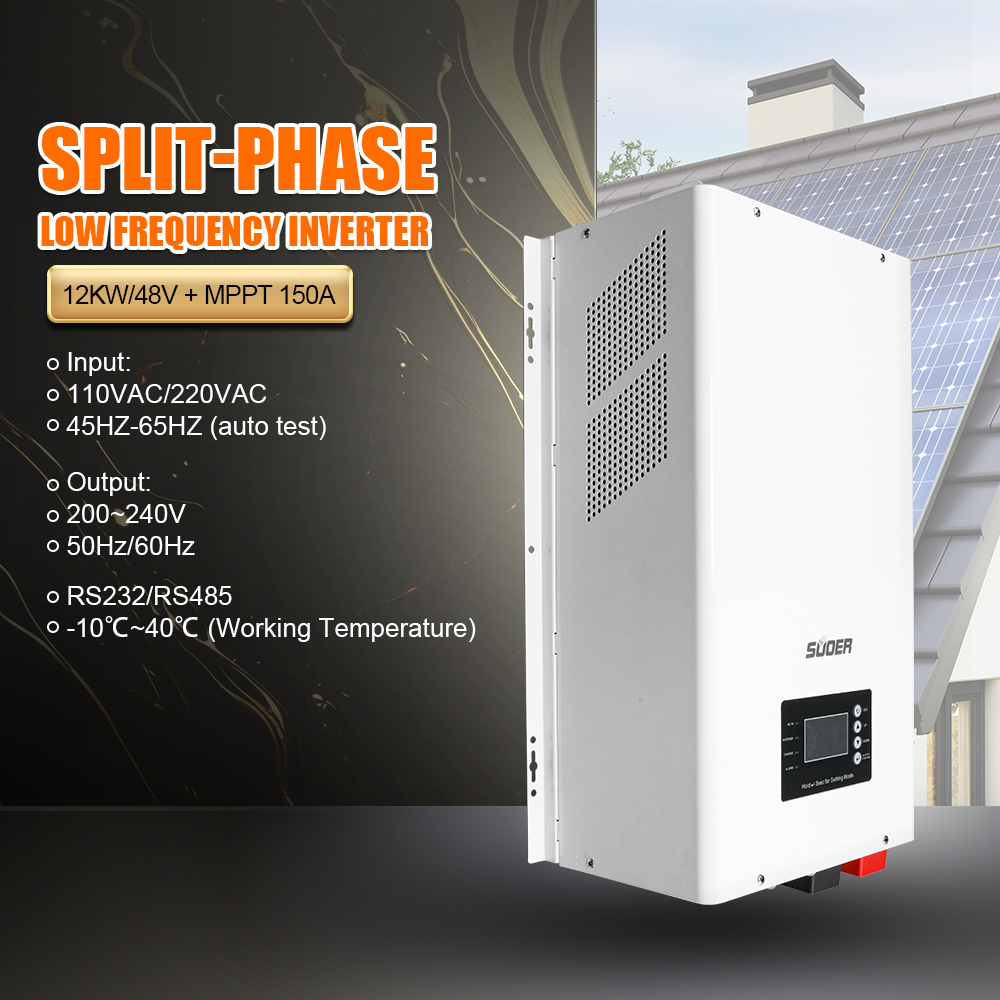
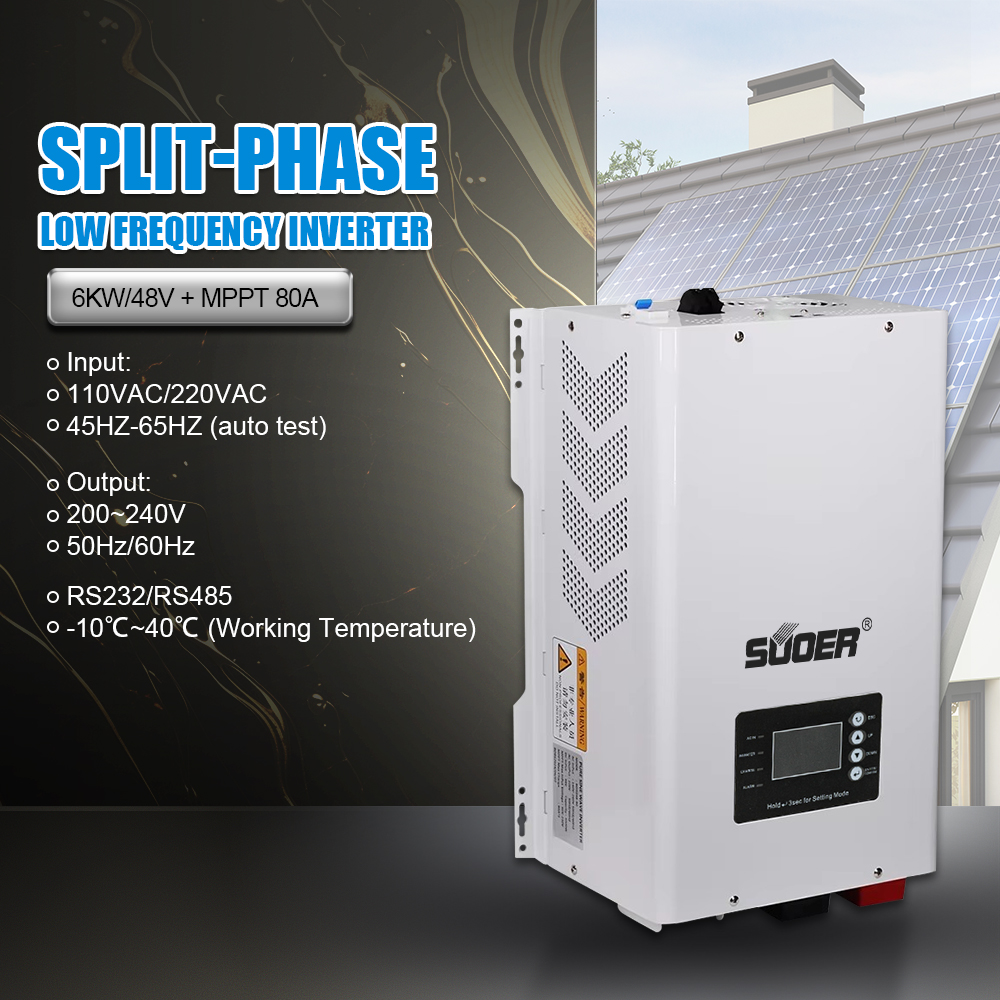
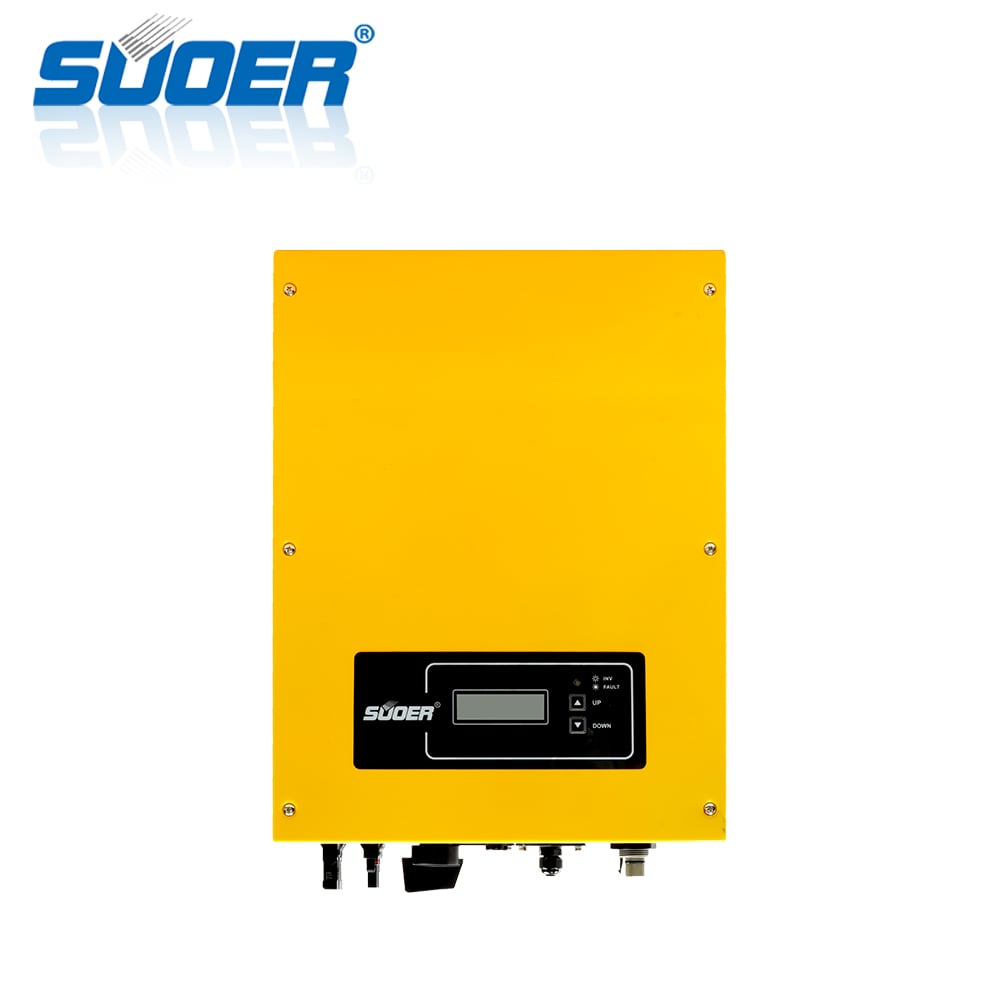
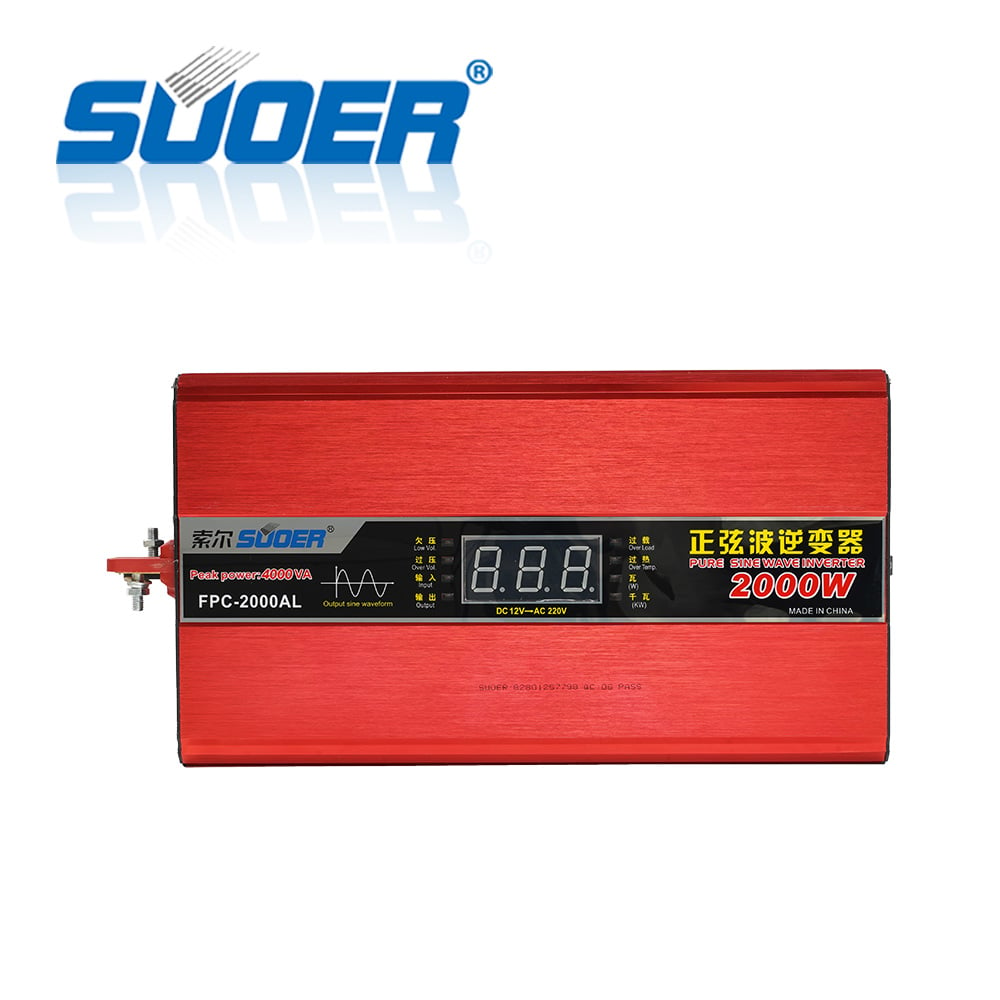
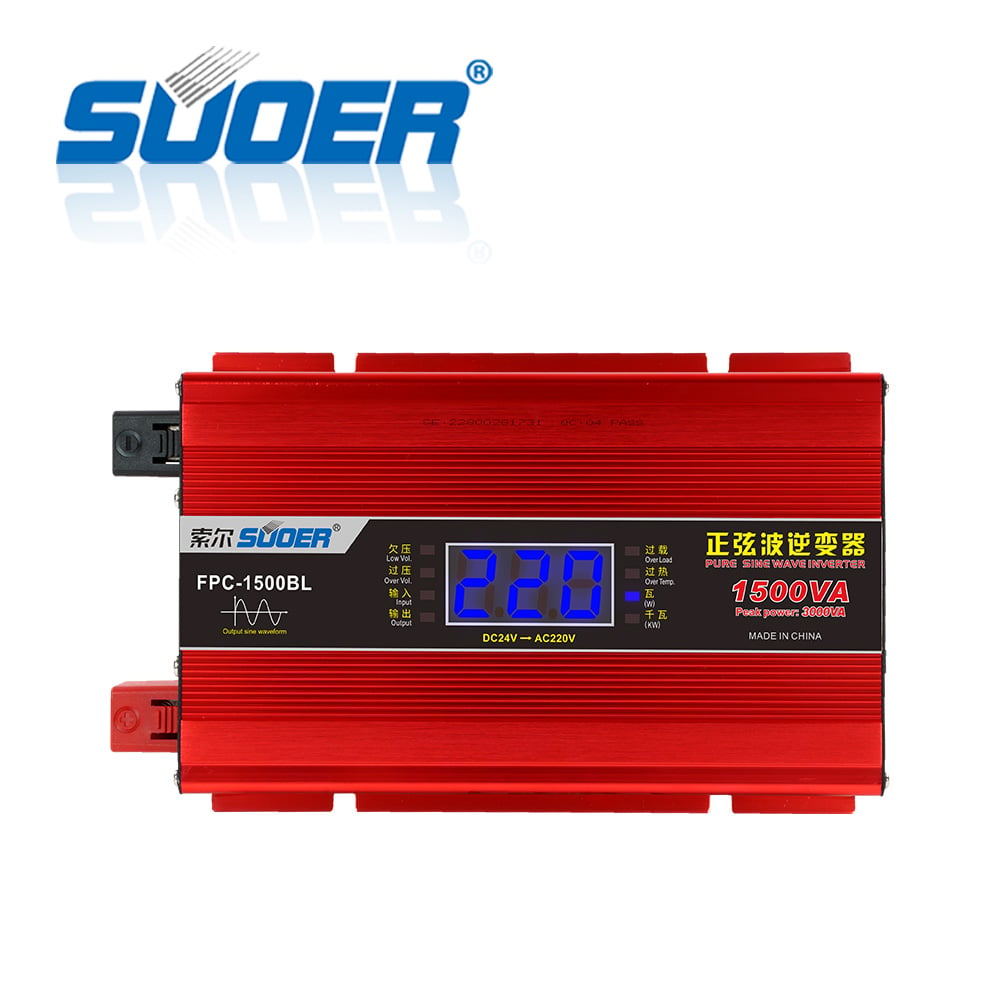
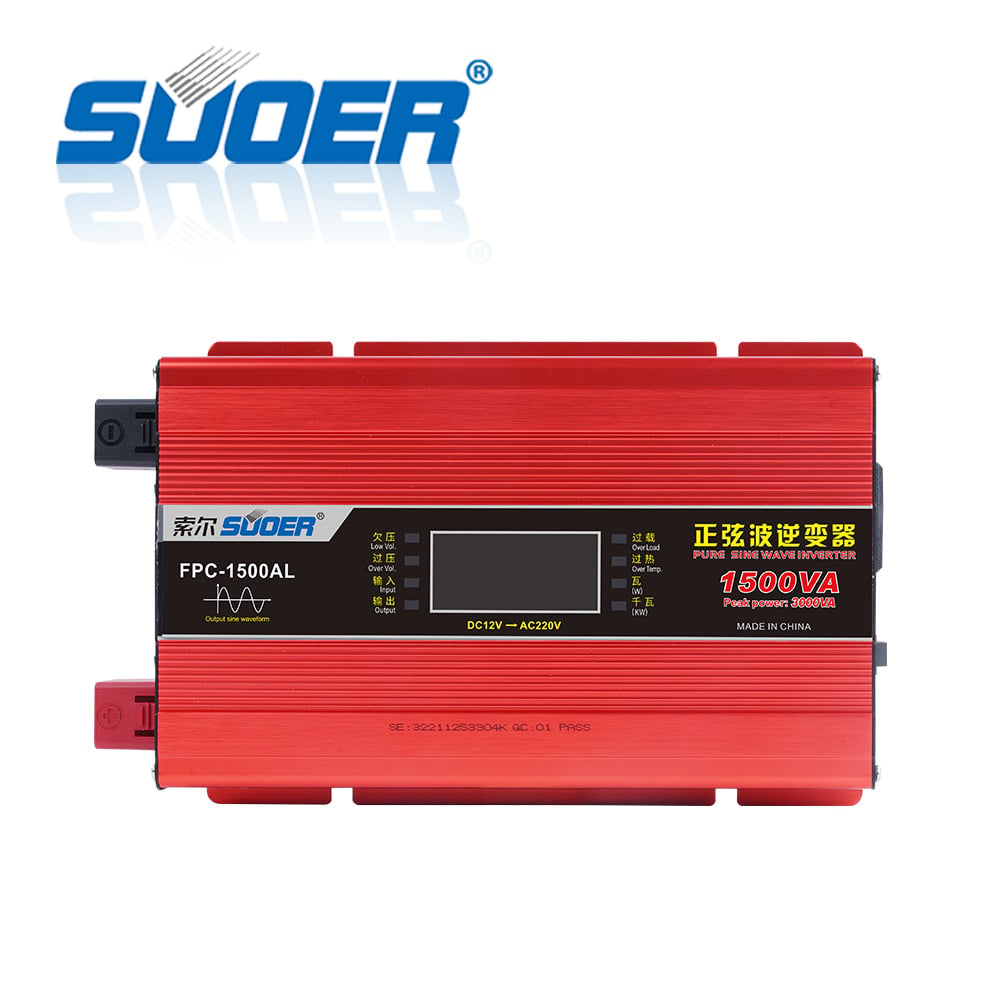
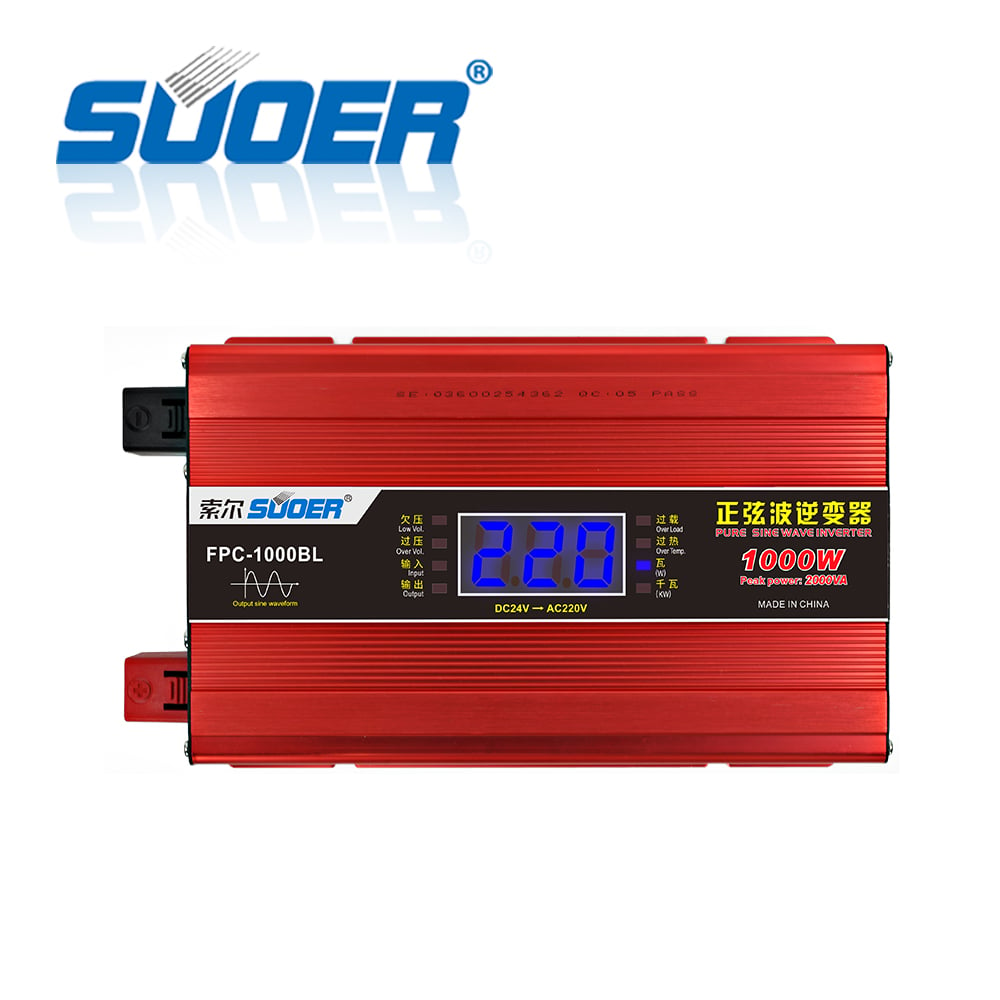
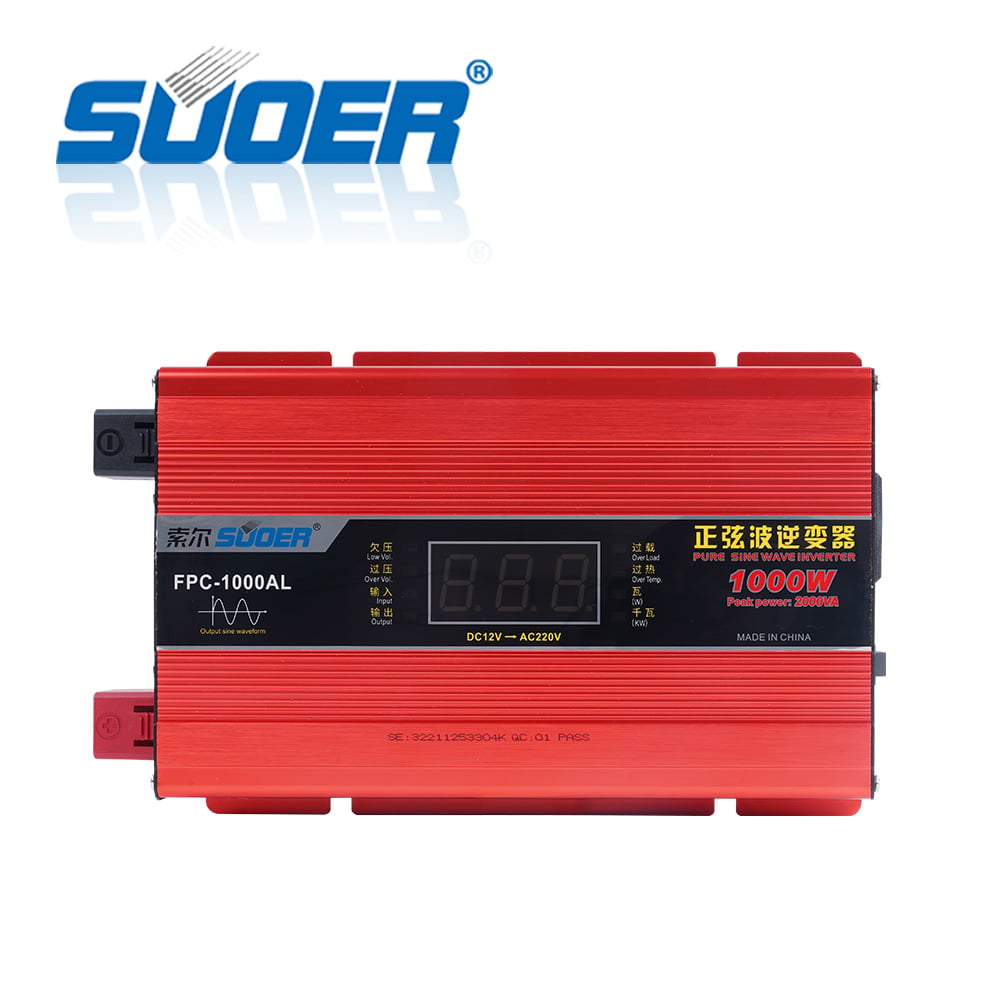
Solar sine wave inverters are essential components in photovoltaic systems, converting direct current (DC) generated by solar panels into alternating current (AC) suitable for household and industrial use. When sourcing these inverters, B2B buyers often have specific concerns, such as quality, compatibility, and performance. This article will provide insights into key specifications, purchasing options, reliable suppliers, installation challenges, and diverse applications of solar sine wave inverters, equipping purchasing managers and engineers with the necessary information for informed decision-making.
When evaluating solar sine wave inverters, several key specifications should be prioritized.
Output Power Rating: Measured in watts, this rating indicates the maximum power the inverter can deliver. Ensure that the output rating aligns with your application's energy requirements to prevent overloading or underperformance.
Input Voltage Range: This specification determines the range of input voltage from the solar panels that the inverter can effectively convert. It’s crucial to select an inverter with a compatible voltage range to ensure efficient operation.
Efficiency Rating: The efficiency rating, often expressed as a percentage, indicates how much of the input energy is converted into usable output energy. Higher efficiency results in less energy loss; thus, an inverter with an efficiency rating above 90% is typically desirable.
Waveform Output: Solar sine wave inverters produce a pure sine wave output, which is essential for sensitive electronics and appliances. Ensure the inverter specifies pure sine wave to avoid compatibility issues with your equipment.
Cooling Mechanism: Inverters can be air-cooled or liquid-cooled. An efficient cooling mechanism is vital for maintaining performance and longevity, especially in high-temperature environments.
Certifications: Look for certifications such as CE, ROHS, and ISO9001. These certifications reflect adherence to international safety and quality standards, offering reassurance regarding the inverter’s reliability and performance.
Understanding these specifications ensures that the selected inverter meets your operational requirements and complies with industry standards.
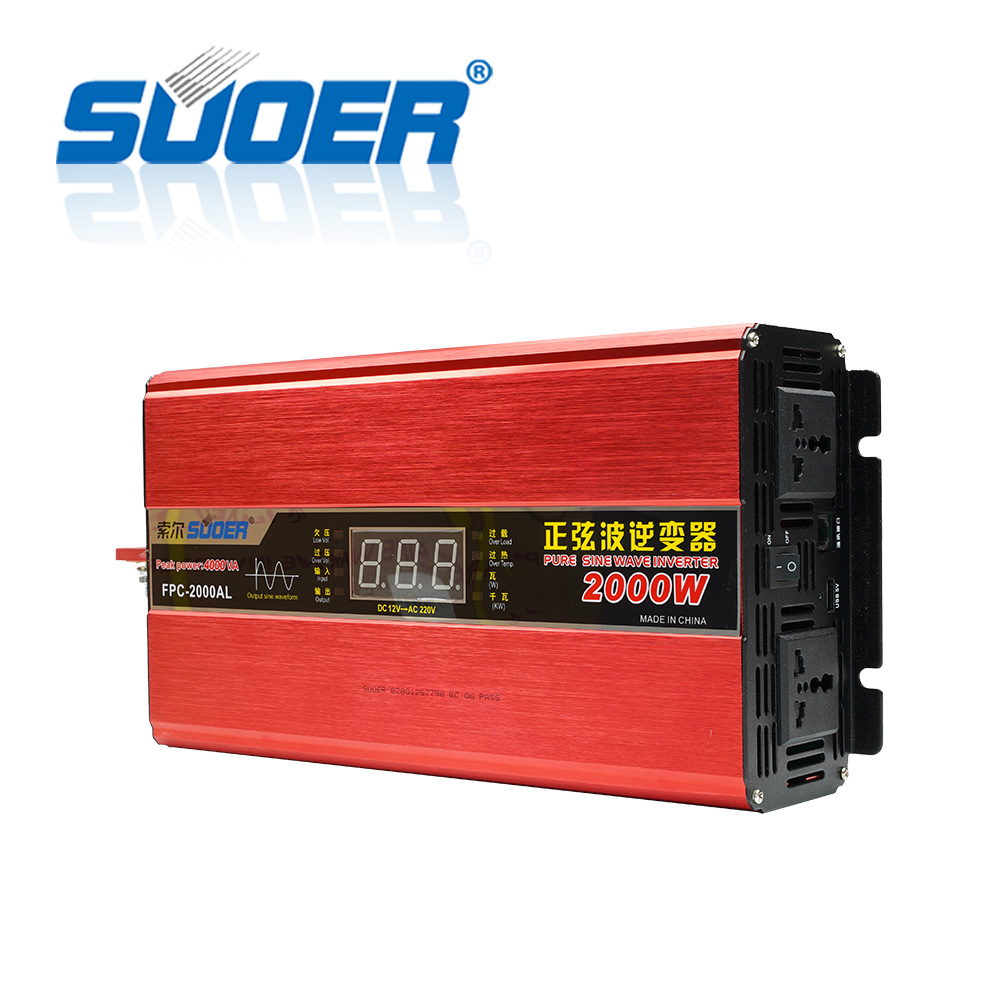
When considering wholesale purchasing options for solar sine wave inverters, buyers should evaluate several factors to secure high-quality products.
Bulk Discounts: Many suppliers offer pricing incentives for bulk orders. Obtaining quotes from multiple manufacturers can help you compare prices and negotiate better terms.
Minimum Order Quantity (MOQ): Different suppliers have varying MOQs. Understanding these requirements will help you plan your procurement strategy effectively and avoid excess inventory.
Customization Options: Some suppliers provide customization capabilities, allowing you to tailor inverters to specific performance criteria or branding requirements. Discussing customization during the procurement process may yield better-suited products for your application.
Lead Times: Establish lead times associated with placing wholesale orders. Ensure that the supplier can meet your project timelines to avoid delays in implementation.
Payment Terms: Clarify payment terms and conditions upfront. Flexible payment options may provide financial relief, especially for large orders.
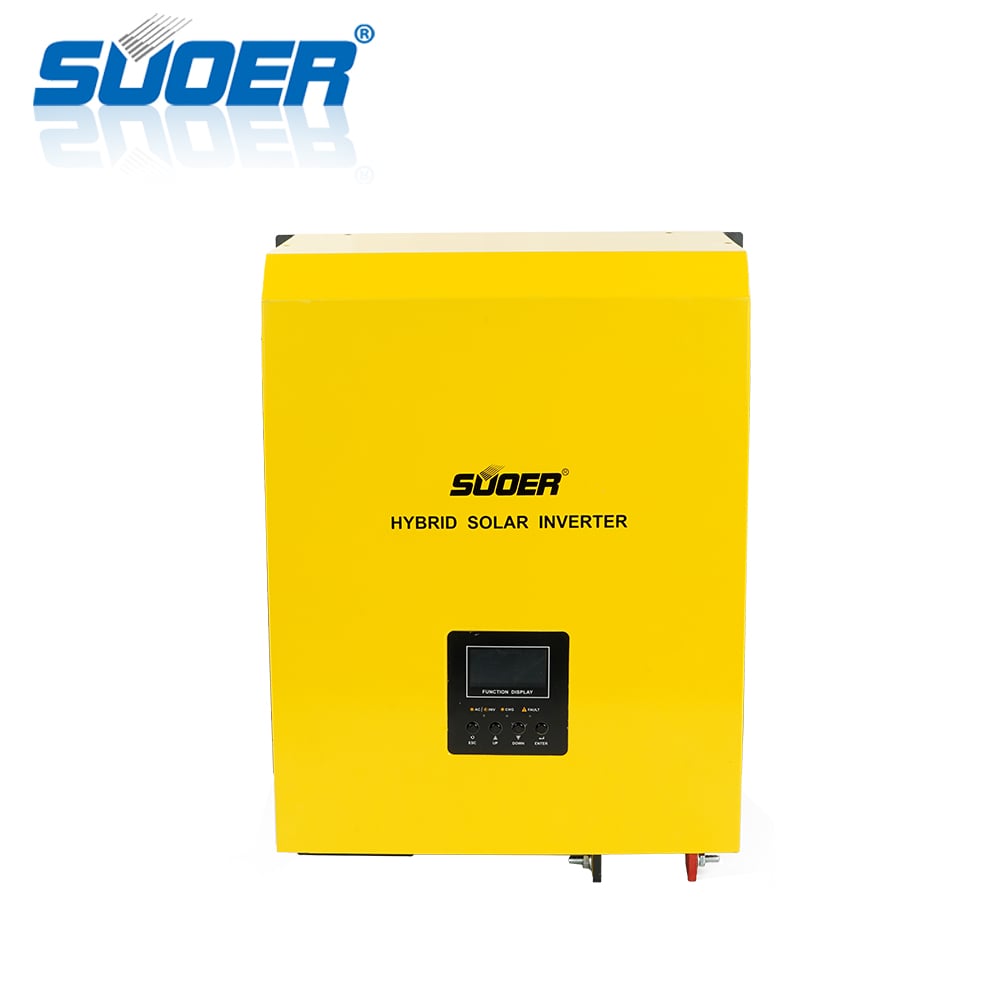
By considering these factors, buyers can streamline their purchasing processes and secure high-quality solar sine wave inverters at competitive prices, including options like Hybrid Solar Inverter models for enhanced performance.
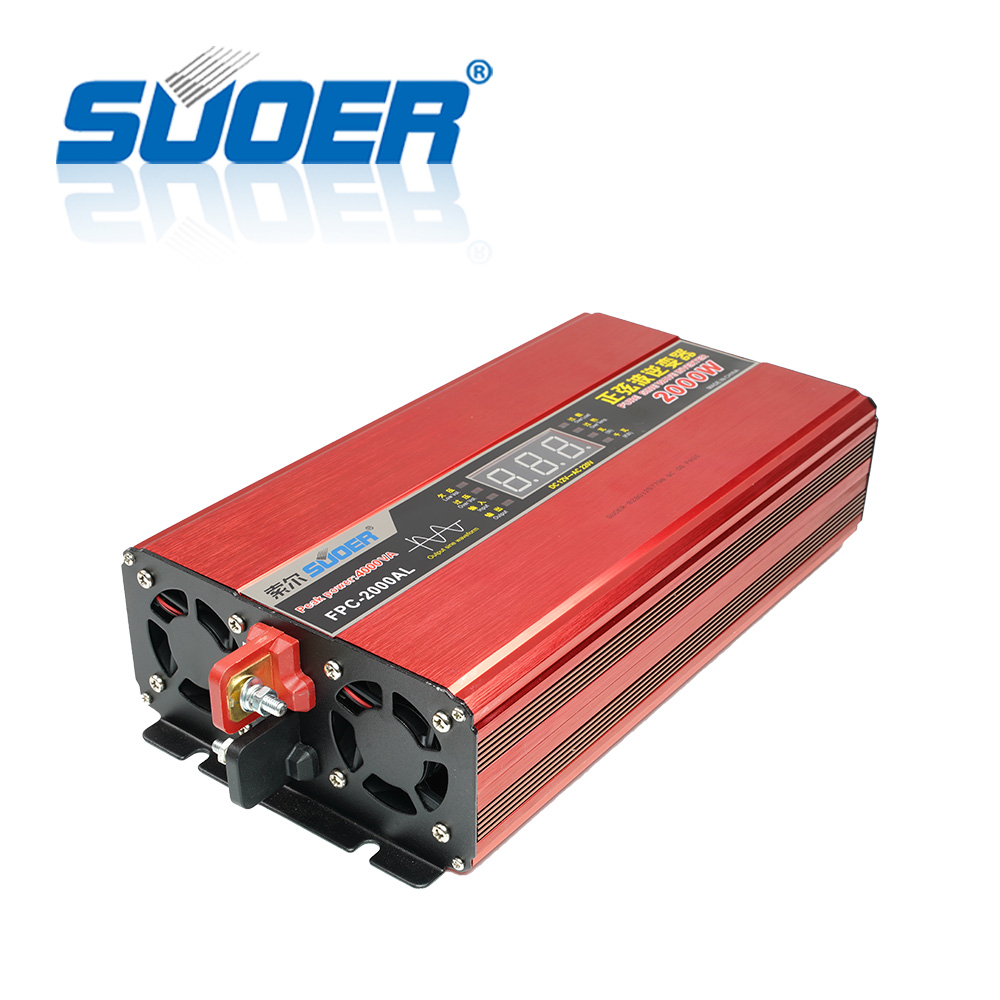
Identifying reliable suppliers for bulk orders of solar sine wave inverters is crucial for ensuring product quality and service reliability.
Industry Reputation: Research suppliers' reputations within the industry. Established companies with a solid track record often provide greater assurance regarding product quality and after-sales support.
Factory Visits and Certifications: If feasible, visiting the manufacturing facility can provide firsthand insights into production practices and quality control measures. Ensure that the supplier holds relevant certifications that validate their compliance with industry standards.
Customer Testimonials and Reviews: Seek feedback from previous customers regarding their experiences with the supplier. Positive testimonials can be a strong indicator of reliability.
Technical Support and Warranty: Ensure the supplier offers robust technical support and warranty options. This is critical for addressing potential issues post-purchase and maintaining operational efficiency.
Sample Orders: Before committing to a large order, consider requesting sample units. Testing these samples will allow you to evaluate performance, quality, and compatibility with your existing systems.
Selecting a reliable supplier can mitigate risks associated with bulk purchasing and enhance the overall procurement experience.
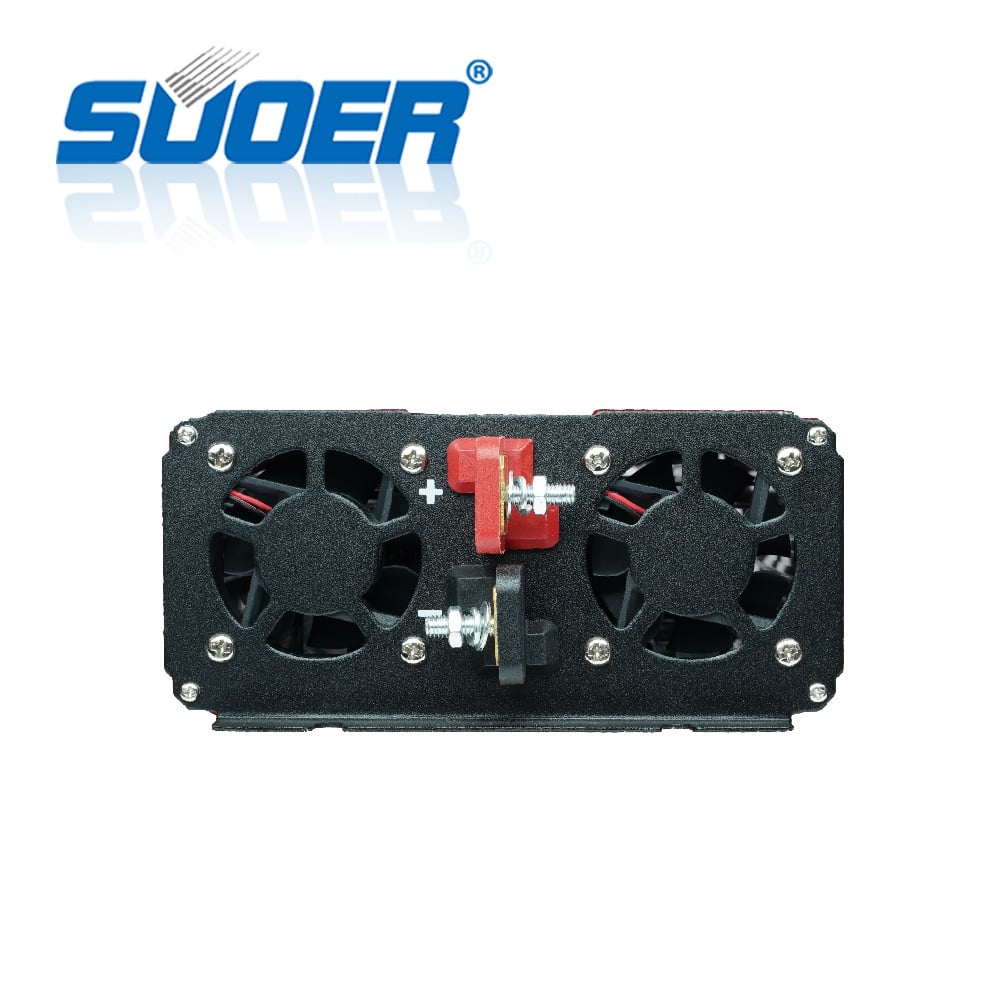
Installation of solar sine wave inverters can present various challenges. Here are some common issues and their solutions:
Incompatibility with Existing Systems: Ensure that the inverter is compatible with existing electrical systems. Misalignment in voltage or phase can lead to operational issues. Conducting a thorough compatibility assessment prior to installation can prevent such problems.
Improper Mounting: Incorrect mounting can lead to overheating or damage. It’s essential to follow manufacturer guidelines for installation, including proper ventilation and orientation.
Cable Sizing: Using undersized cables can result in energy loss and overheating. Refer to the inverter's specifications for recommended cable sizes based on the expected load and distance from the power source.
Grounding Issues: Inadequate grounding can lead to safety hazards and equipment malfunction. Ensure that grounding practices comply with local electrical codes and regulations.
Software Configuration: Some inverters require specific software settings for optimal performance. Familiarize yourself with the inverter's configuration software during installation to ensure proper setup.
By anticipating these issues and implementing corresponding solutions, you can facilitate a smoother installation process, enhancing the reliability and efficiency of your solar energy system.
Solar sine wave inverters serve a multitude of applications across diverse industries, highlighting their versatility and importance.
Electric Vehicles (EVs): In the EV sector, these inverters convert stored solar energy into usable power, ensuring efficient operation. They support charging stations and on-board systems, contributing to sustainable transportation.
Telecommunications: The telecommunications industry relies on solar sine wave inverters to power remote sites and base stations. Their ability to provide reliable, clean energy is essential for maintaining communication networks, especially in off-grid locations.
Industrial Applications: Many industrial facilities utilize solar inverters to offset energy costs. These inverters support machinery and equipment, enhancing operational sustainability and reducing reliance on fossil fuels.
Rail Transit Systems: Solar sine wave inverters are increasingly integrated into rail transit systems, providing energy for signaling and power systems. Their reliability is crucial for maintaining the safety and efficiency of transit operations.
Residential Use: Homeowners use solar sine wave inverters to harness solar energy for daily power needs. Their efficiency and compatibility with household appliances make them a popular choice for residential solar installations, often paired with Home Energy Storage systems for better energy management.
These applications demonstrate the critical role solar sine wave inverters play in facilitating renewable energy solutions across various sectors, helping organizations meet sustainability goals while optimizing energy usage.

Discover Suoer’s premium range of solar inverters and power inverters designed for reliable renewable energy solutions.Trusted by customers worldwide for exceptional performance and durability.
Suoer Industrial Zone, Ercun Road Section, Yanfeng Avenue, Shishan Town,Foshan city,Guangdong Province,China
Copyright © 2024 Foshan Suoer Electronic Industry Co., Ltd. Privacy Policy - Blog

 EN
 AR
 NL
 FR
 DE
 EL
 IT
 JA
 KO
 PT
 RU
 ES
 VI
 TH
 TR
 BG
 HR
 CS
 NO
 PL
 TL
 ID
 SR
 UK
 SQ
 HU
 MT
 AF
 MS
 IS
 HY
 AZ
 BN
 BS
 GU
 LO
 LA
 MN
 NE
 TA