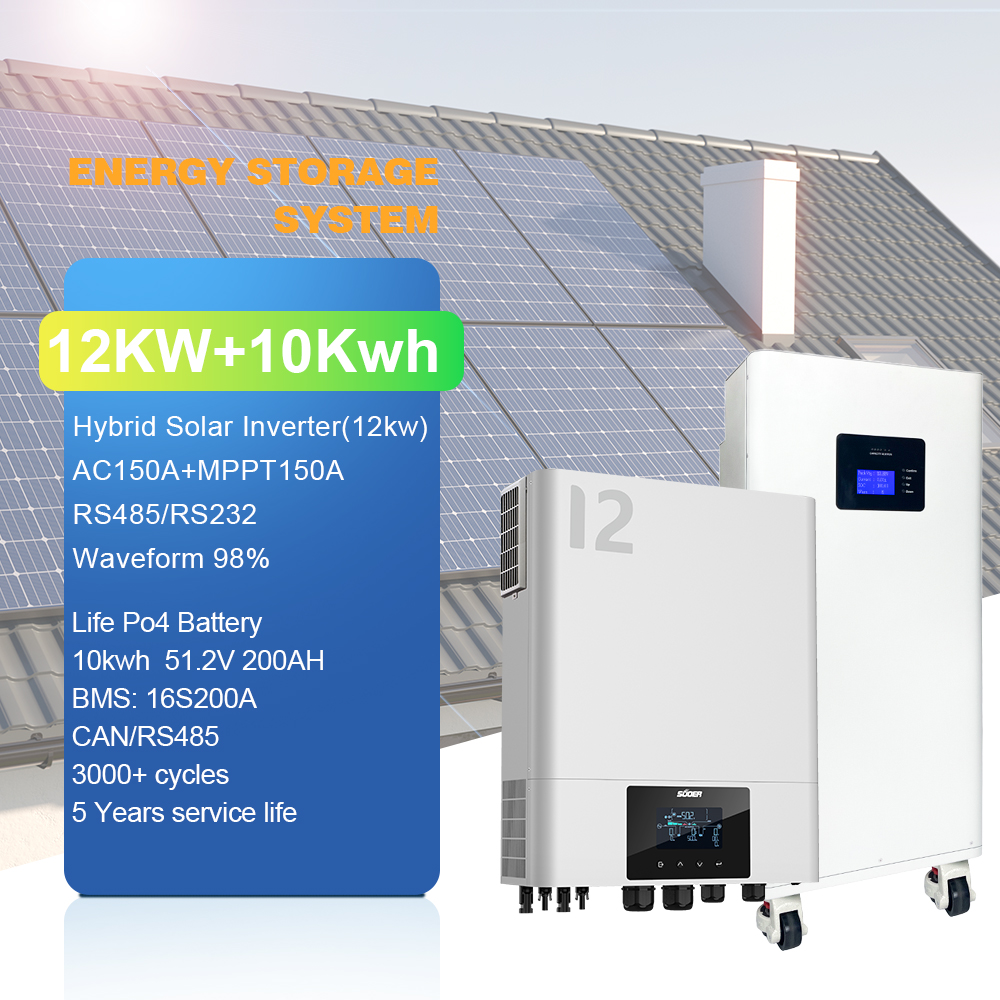
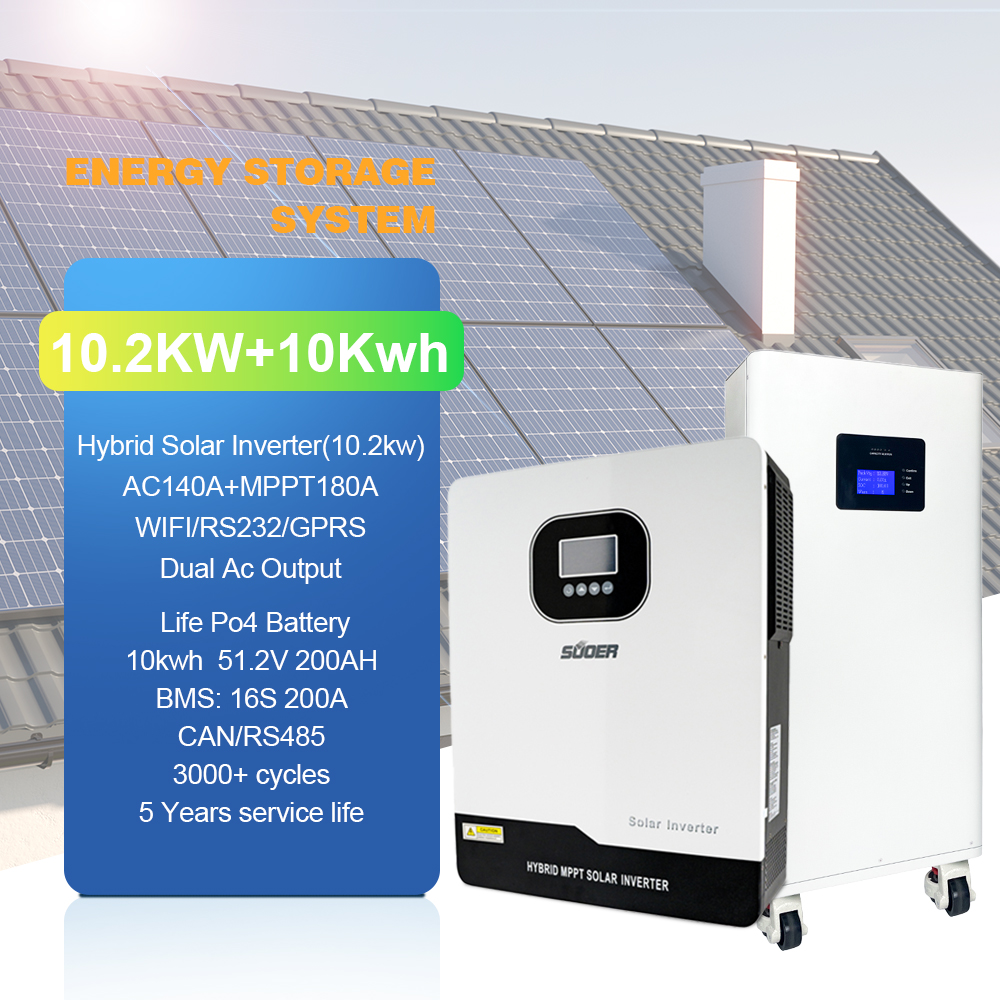
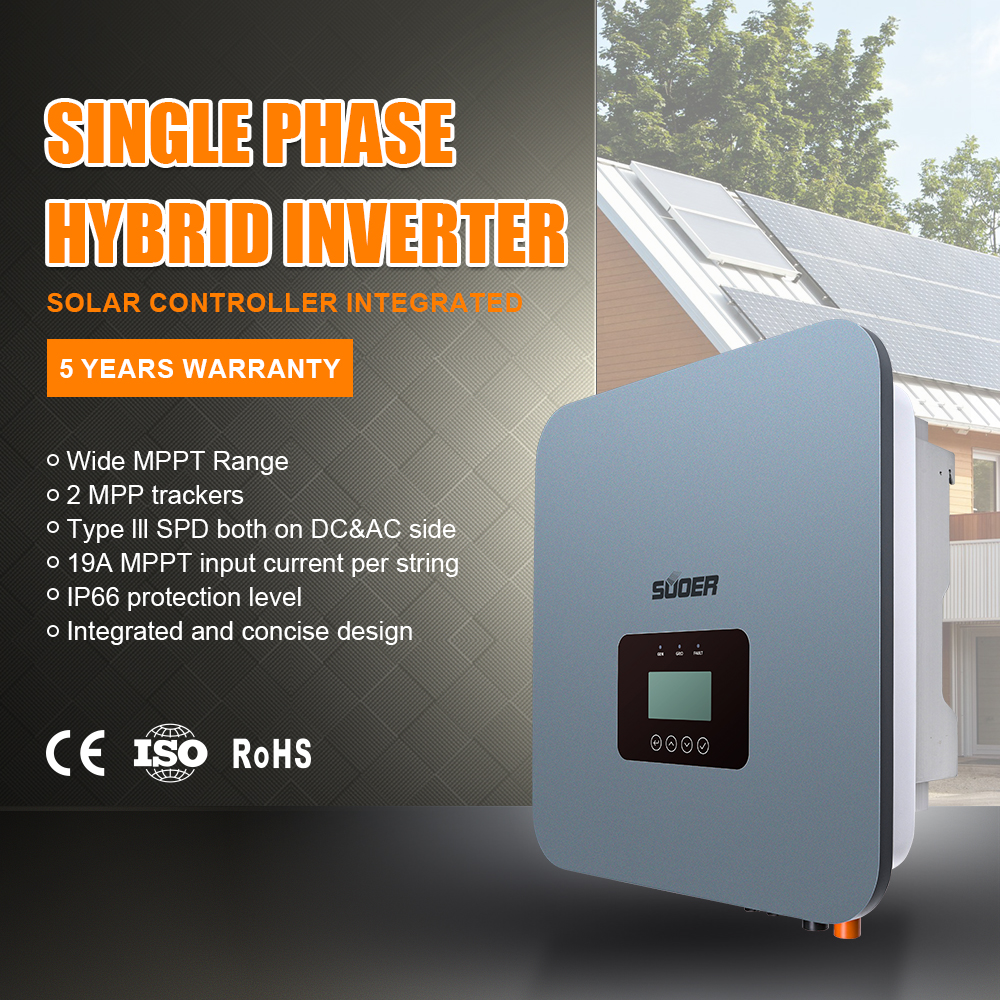
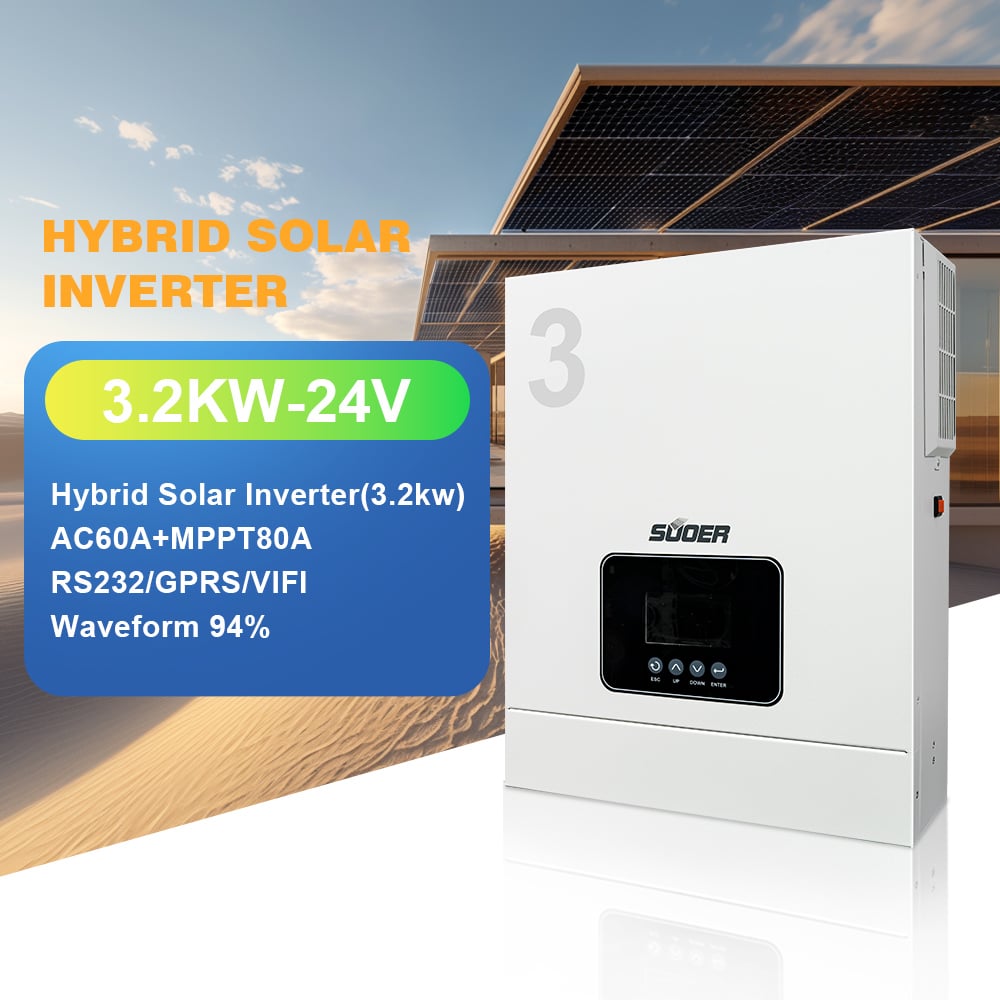
In the rapidly evolving realm of renewable energy, solar PV inverters play a crucial role in converting the direct current (DC) generated by solar panels into alternating current (AC), which can be used by electrical grids and appliances. For B2B buyers, particularly purchasing managers and engineers in sectors such as manufacturing and telecommunications, it is essential to understand the specifications, common issues, and installation challenges associated with high-quality solar PV inverters. This article will provide insights into these aspects, helping you make informed purchasing decisions that align with your project's requirements.
When ordering solar PV inverters, several key specifications must be evaluated to ensure optimal performance and compatibility with your systems. These include:
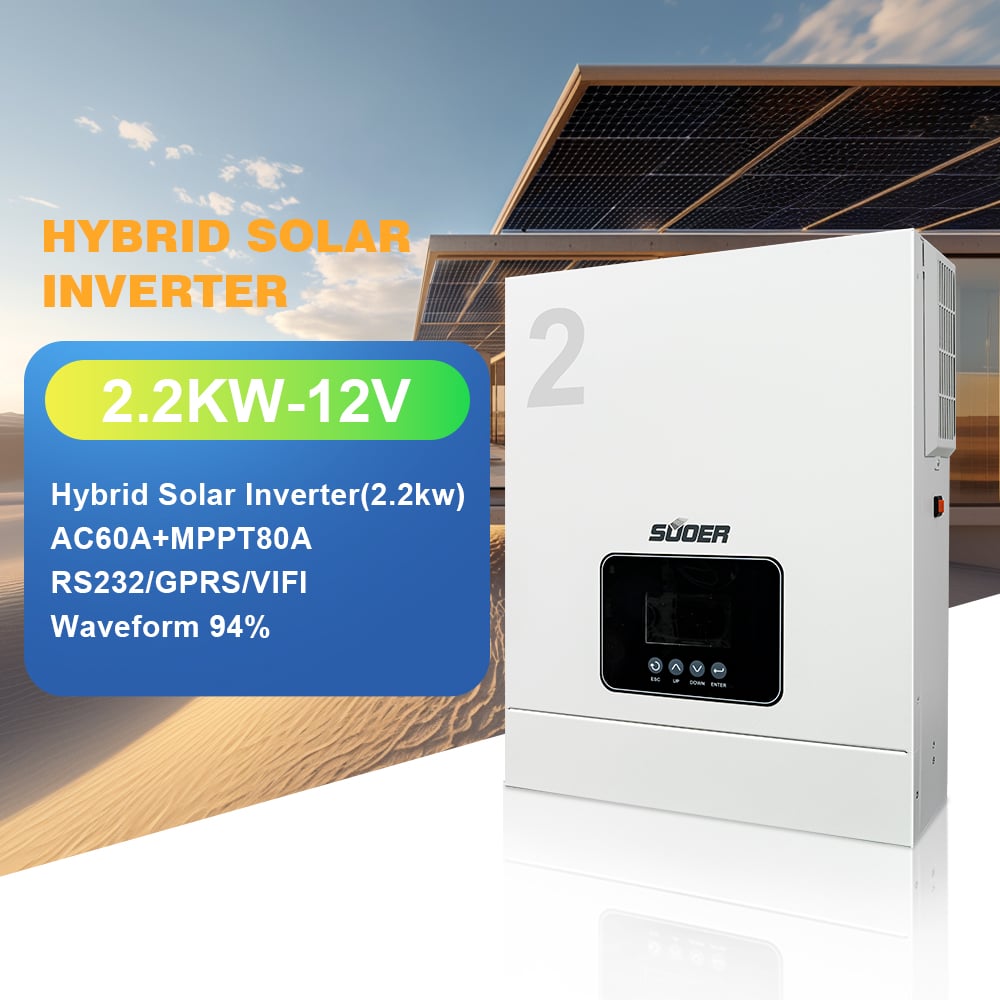
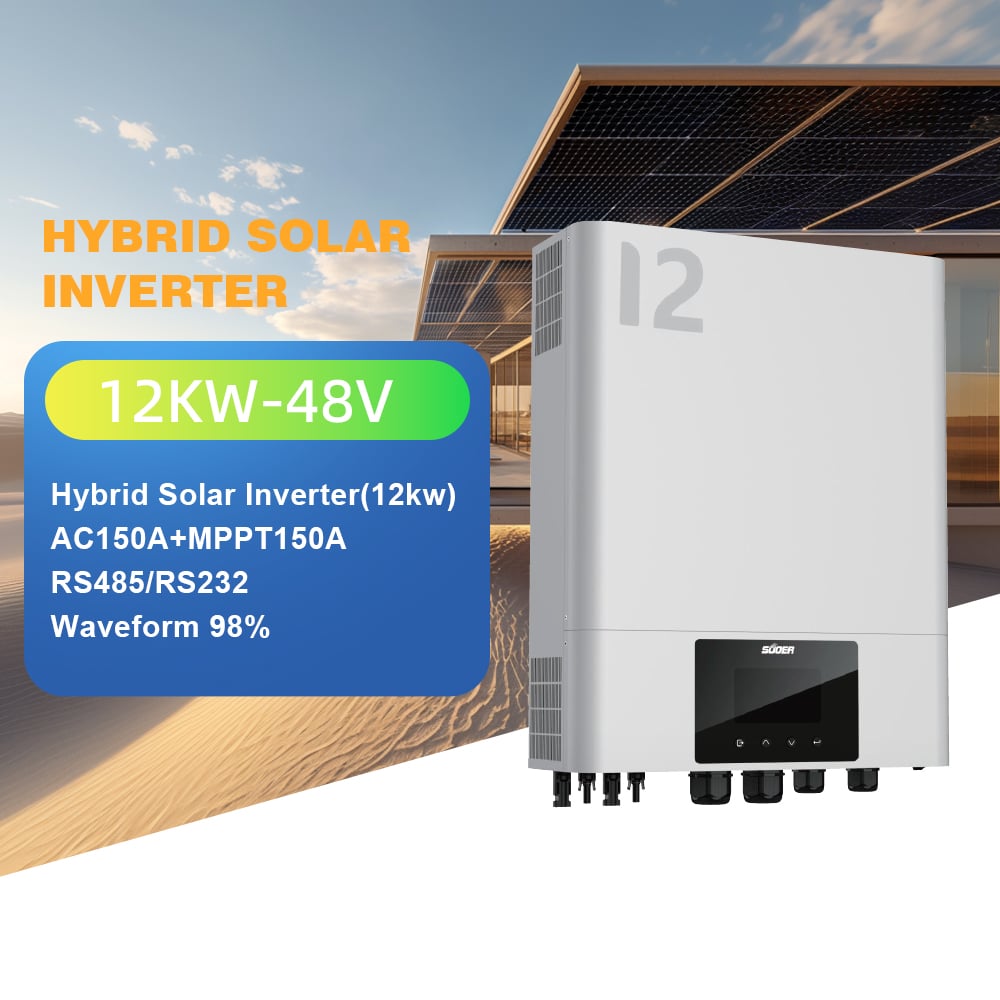
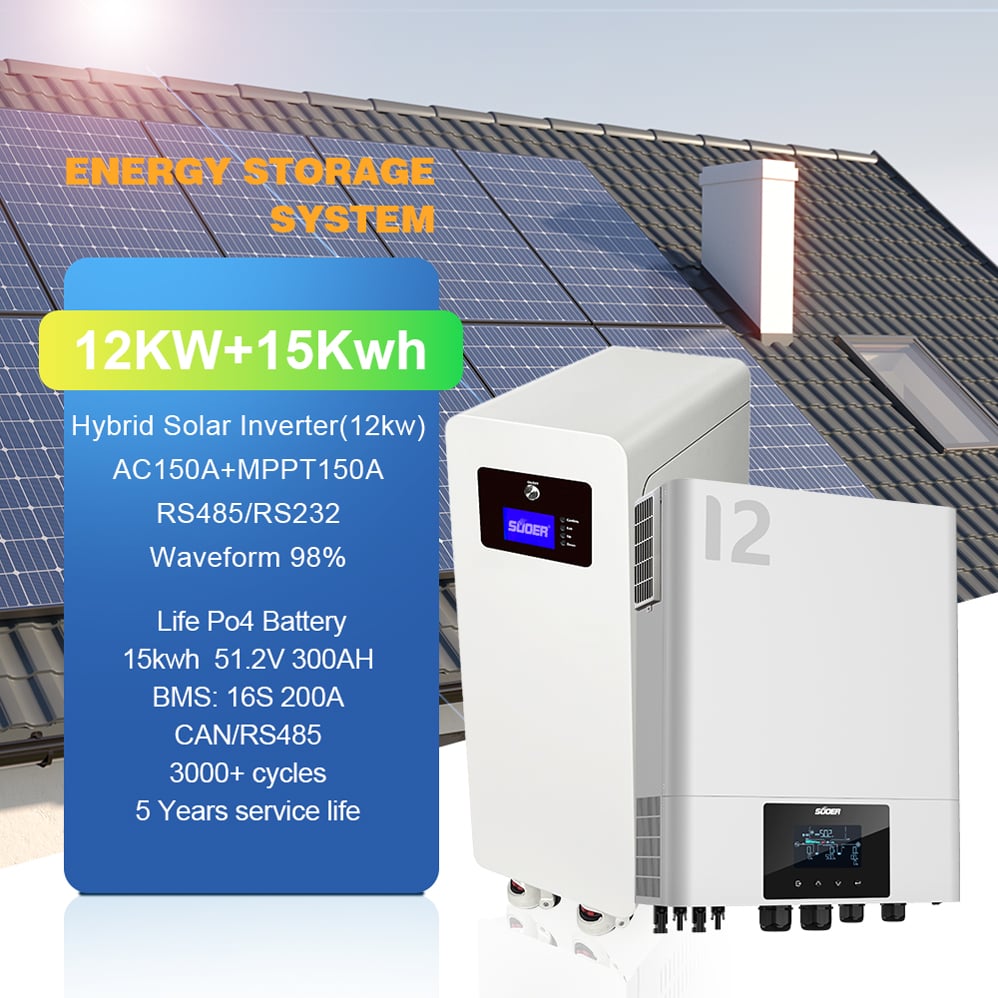
Power Rating: Measured in kilowatts (kW), the inverter's power rating should match or exceed the total output of the solar panel array. Underestimating this can lead to inefficiencies and system failures. Efficiency: Look for inverters with high efficiency ratings (typically above 95%). Higher efficiency means more of the generated energy is converted into usable power, reducing energy losses. Input Voltage Range: Ensure the inverter's input voltage range is compatible with your solar panels. This is critical for preventing system overloads and ensuring optimal performance. Grid Compliance: Check for compliance with local grid codes and standards (such as CE, ROHS). This ensures that the inverter can safely connect to the power grid without causing disturbances. Cooling Mechanisms: Inverters with advanced cooling technologies can operate reliably at higher temperatures, extending their lifespan and maintaining efficiency.Understanding these specifications helps in evaluating different models and ensuring they meet the operational demands of your applications. Additionally, considering options like Home Energy Storage can further enhance system performance and reliability.
Buyers often encounter several common issues with solar PV inverters, which can impact performance and reliability. Recognizing these problems and their solutions is vital for maintaining system integrity:
Overheating: Inverters can overheat due to poor ventilation or excessive load. Regular maintenance and ensuring proper airflow can mitigate this issue. Installing inverters in shaded or cooler locations can also help. Communication Failures: Many inverters include monitoring systems that can fail due to software bugs or connectivity issues. Regularly updating firmware and utilizing reliable communication channels can enhance performance. Inverter Failure: This can occur due to manufacturing defects or improper installation. Selecting a reputable manufacturer with quality certifications (like ISO9001) and conducting thorough quality inspections can reduce the risk of failure. Reduced Efficiency Over Time: Inverters may degrade in efficiency as they age. Implementing routine performance checks and replacing aging inverters can help maintain optimal energy conversion rates.By anticipating these issues, buyers can develop a proactive maintenance strategy that minimizes downtime and maximizes energy output. Furthermore, integrating systems with Lead acid battery solutions can also enhance overall energy management.
The materials used in solar PV inverter manufacturing significantly affect durability, efficiency, and operational reliability. Key materials include:
Aluminum Housing: Commonly used for inverter casings, aluminum is lightweight, corrosion-resistant, and provides excellent thermal management, which is essential for maintaining performance. High-Quality Capacitors: Utilizing capacitors with longer lifespans improves reliability and reduces maintenance needs. Look for products that specify their capacitor types and expected operational lifetimes. Advanced Semiconductors: The choice of semiconductors can influence the inverter's efficiency. Silicon carbide (SiC) semiconductors, for example, can handle higher voltages and temperatures, improving efficiency and longevity. Circuit Boards: Durable circuit boards are essential for long-term performance. Boards made with high-quality materials can withstand environmental stressors, reducing the risk of failure over time.Choosing inverters constructed with these materials ensures a better return on investment through enhanced durability and performance.
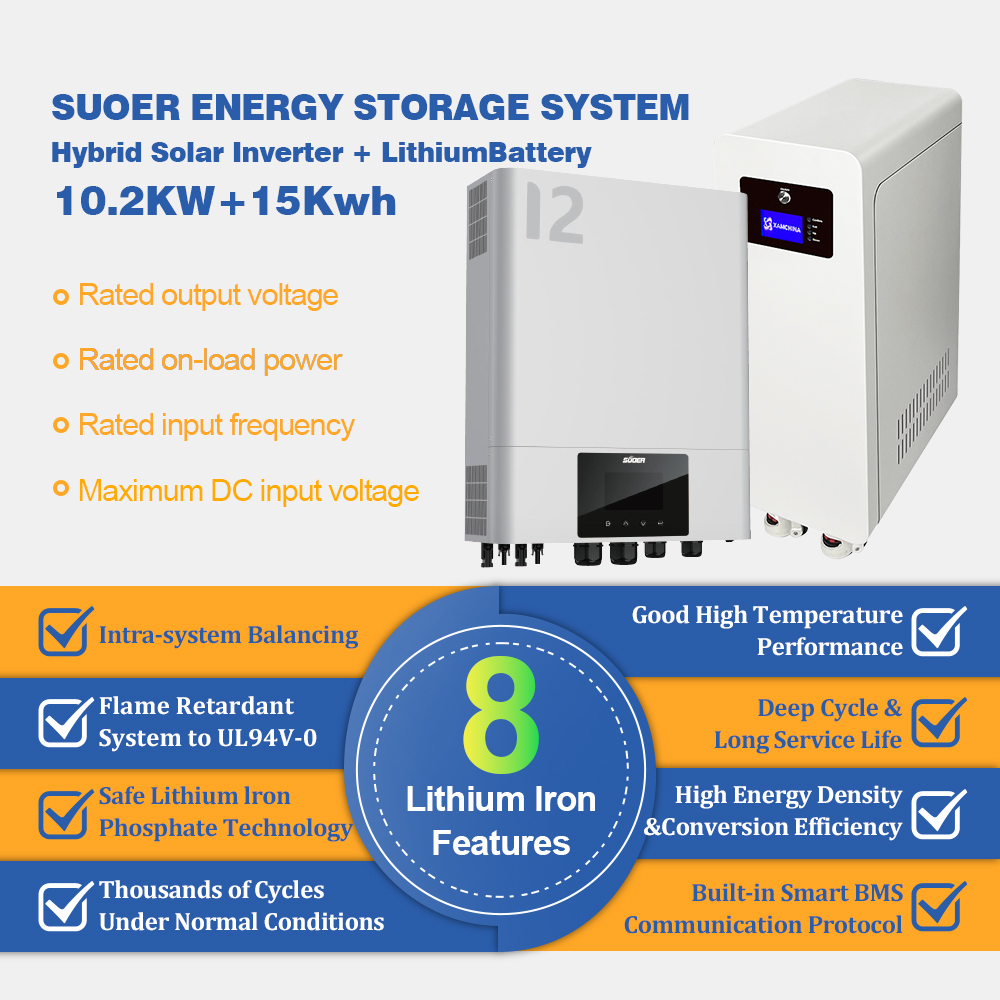
Proper installation is crucial to ensure the efficient operation of solar PV inverters. Here are some essential guidelines:
Site Assessment: Conduct a thorough site assessment to determine the best location for inverter installation, considering factors such as shade, ventilation, and proximity to the solar array. Electrical Connections: Ensure all electrical connections comply with local regulations and standards. Use appropriate connectors and wiring to prevent energy losses and ensure safety. Ventilation: Install inverters in well-ventilated areas to prevent overheating. Consider using external cooling systems if the installation environment is prone to high temperatures. Grounding: Proper grounding of the inverter is essential for safety and performance. Follow manufacturer guidelines for grounding practices to prevent electrical faults.By adhering to these installation practices, buyers can enhance the reliability and efficiency of their solar PV systems.
To optimize the performance of solar PV inverters, buyers should possess a fundamental understanding of several technical aspects:
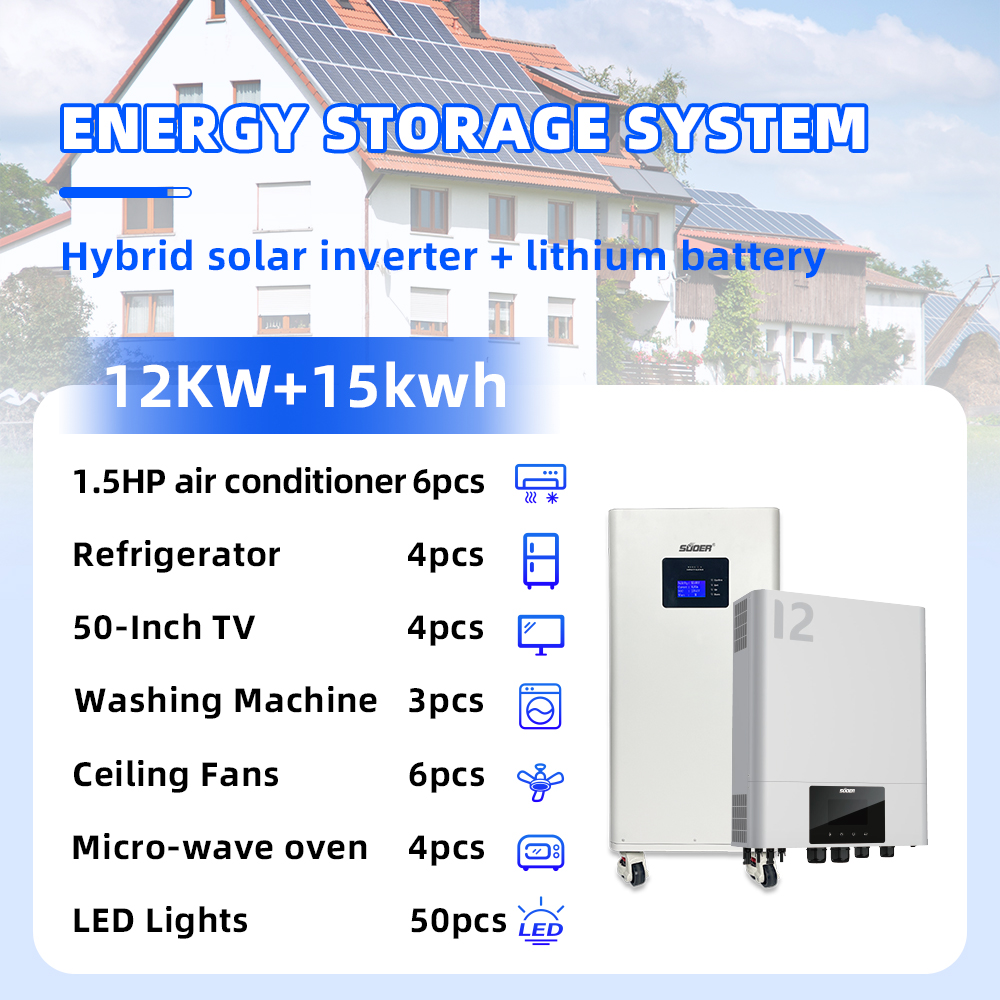
Understanding System Design: Knowledge of how solar arrays, inverters, and batteries interact within the system is crucial. Buyers should be familiar with the implications of system design choices on overall performance. Monitoring and Maintenance: Implementing effective monitoring systems enables quick identification of performance issues. Buyers should ensure that monitoring tools are compatible with the inverter's communication protocols. Electrical Safety Standards: Familiarity with local electrical safety standards and regulations is essential for ensuring compliance and safe operation. This knowledge helps in making informed decisions regarding installation and operation.Investing in training or consultation with knowledgeable suppliers can bolster this technical understanding, leading to better long-term performance and reliability of solar PV systems.
Understanding the intricacies of solar PV inverters—from specifications and common issues to materials and installation—empowers B2B buyers to make informed decisions. By prioritizing quality and performance, organizations can leverage the full potential of solar energy in their operations.

Discover Suoer’s premium range of solar inverters and power inverters designed for reliable renewable energy solutions.Trusted by customers worldwide for exceptional performance and durability.
Suoer Industrial Zone, Ercun Road Section, Yanfeng Avenue, Shishan Town,Foshan city,Guangdong Province,China
Copyright © 2024 Foshan Suoer Electronic Industry Co., Ltd. Privacy Policy - Blog

 EN
 AR
 NL
 FR
 DE
 EL
 IT
 JA
 KO
 PT
 RU
 ES
 VI
 TH
 TR
 BG
 HR
 CS
 NO
 PL
 TL
 ID
 SR
 UK
 SQ
 HU
 MT
 AF
 MS
 IS
 HY
 AZ
 BN
 BS
 GU
 LO
 LA
 MN
 NE
 TA