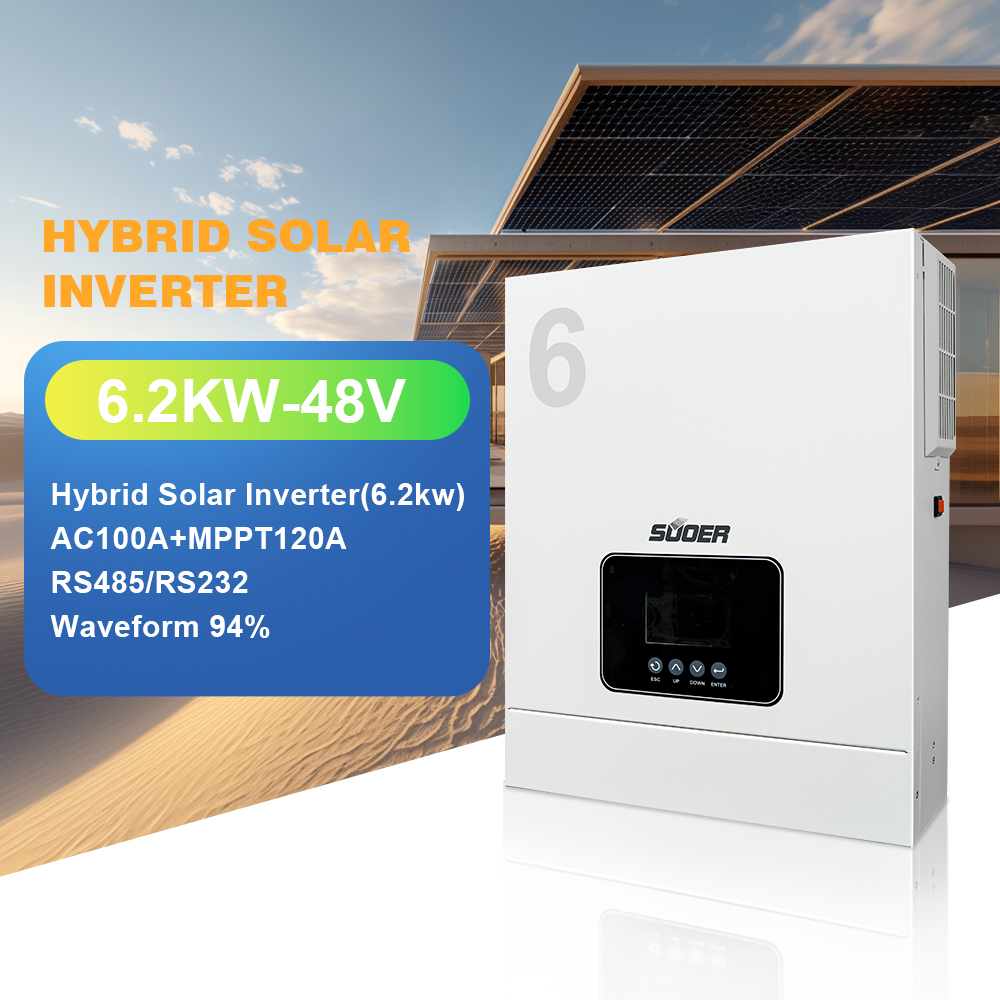
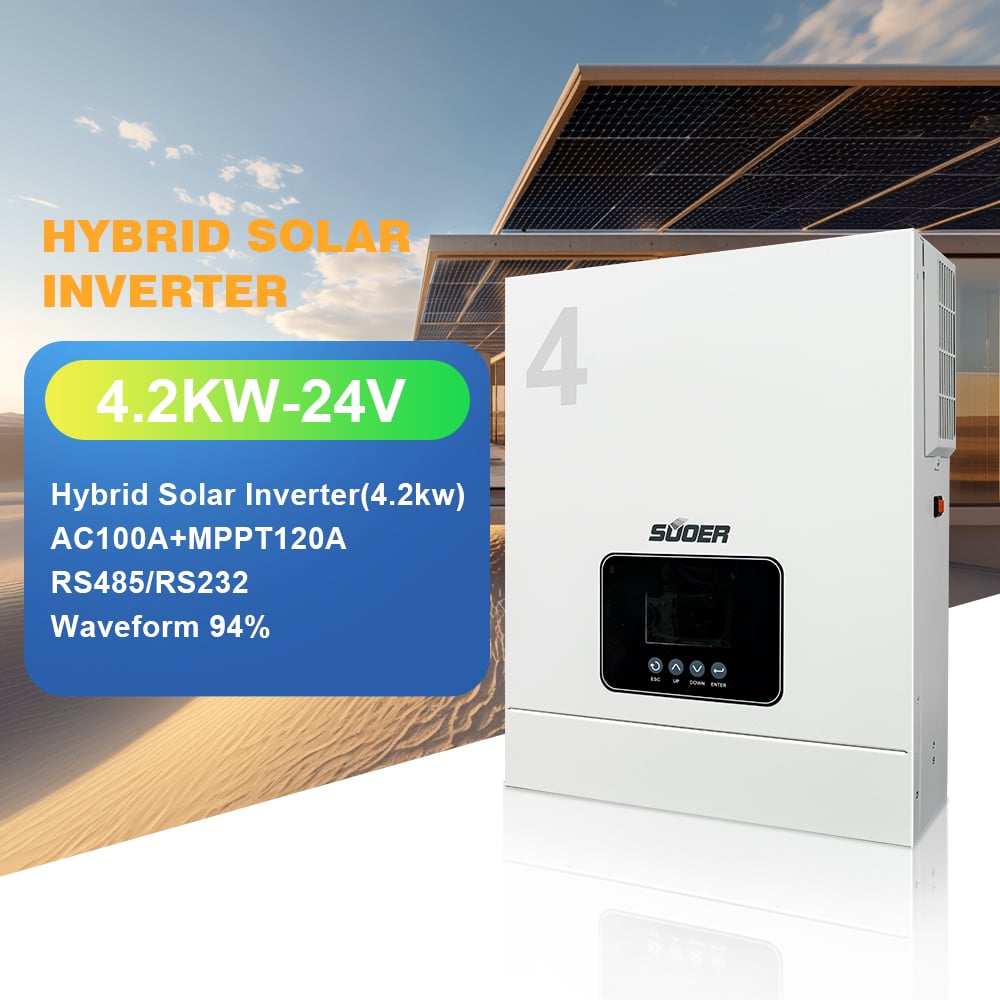
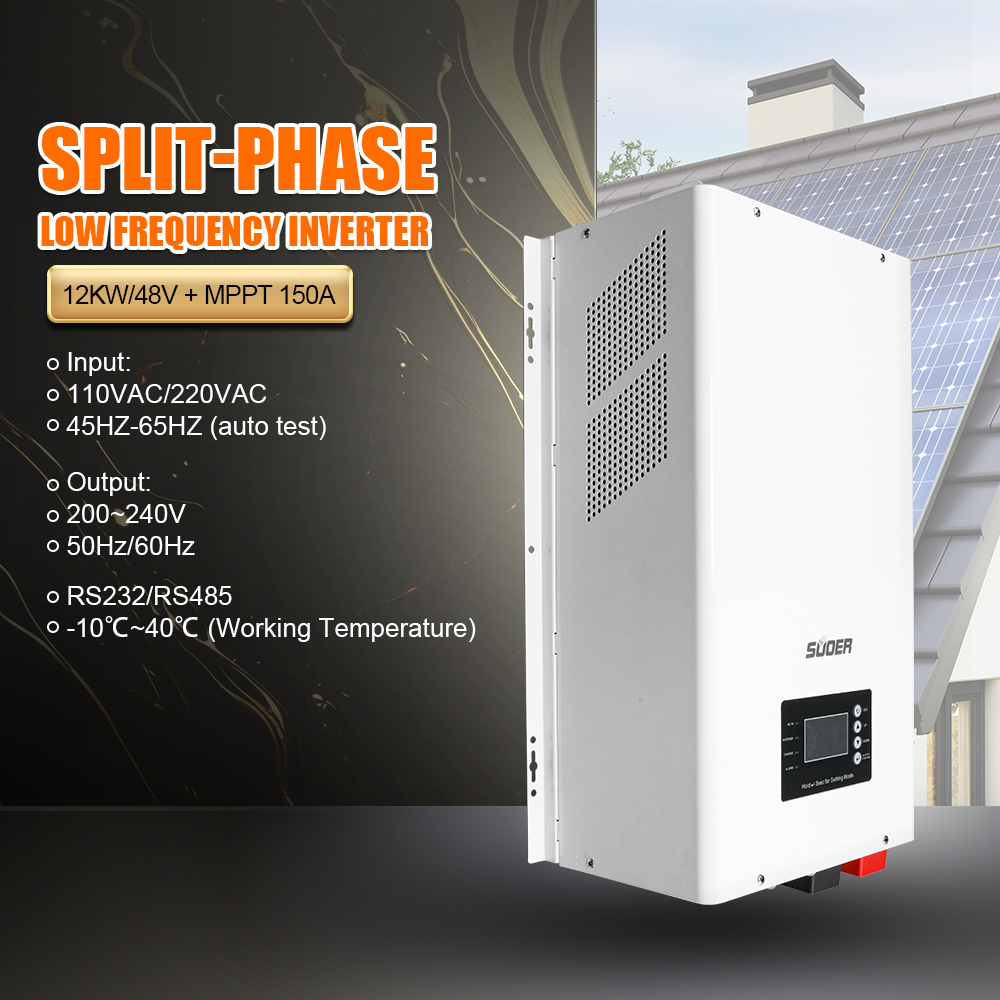
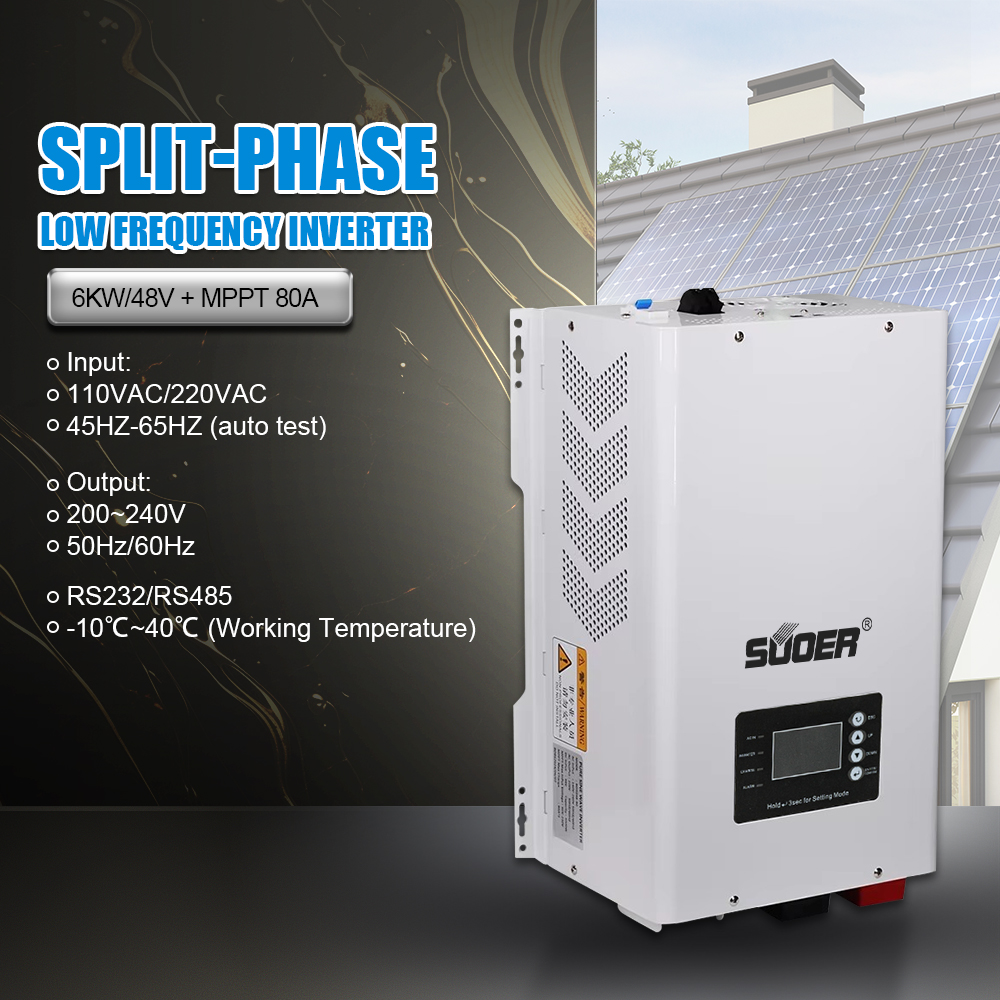
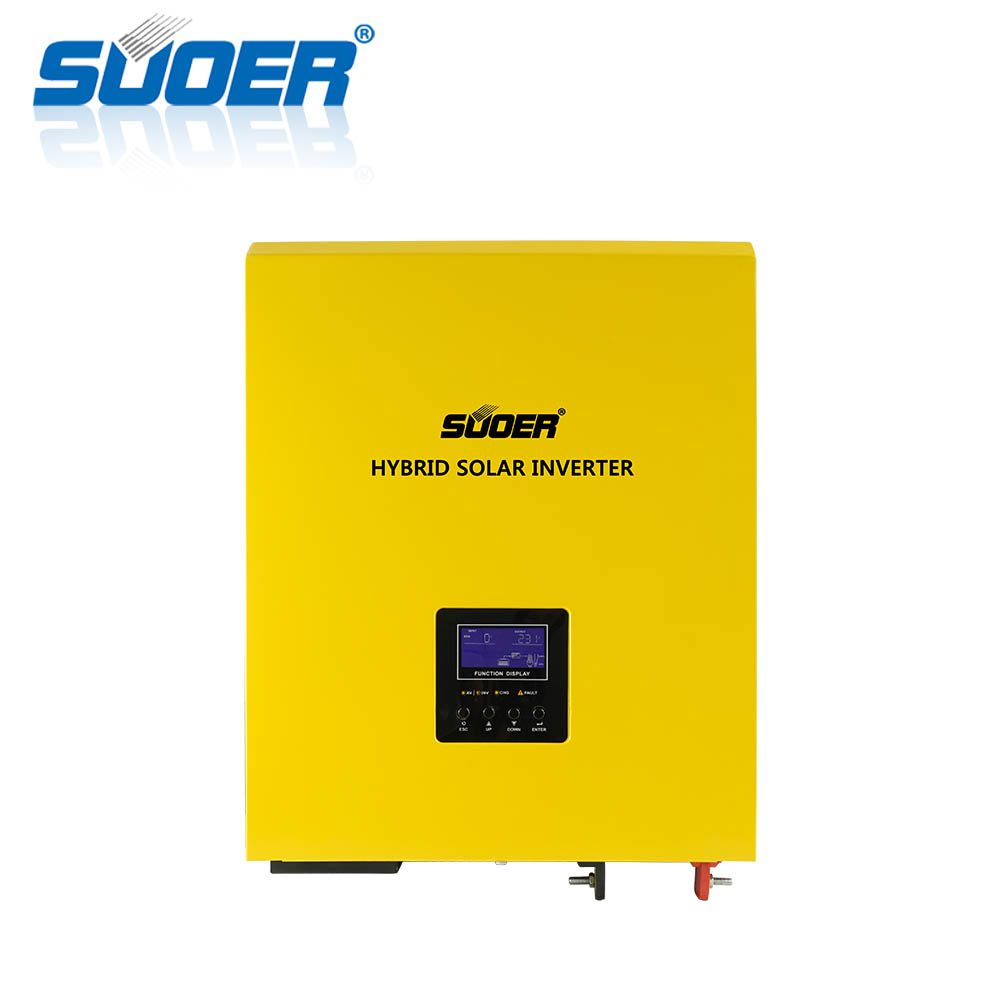
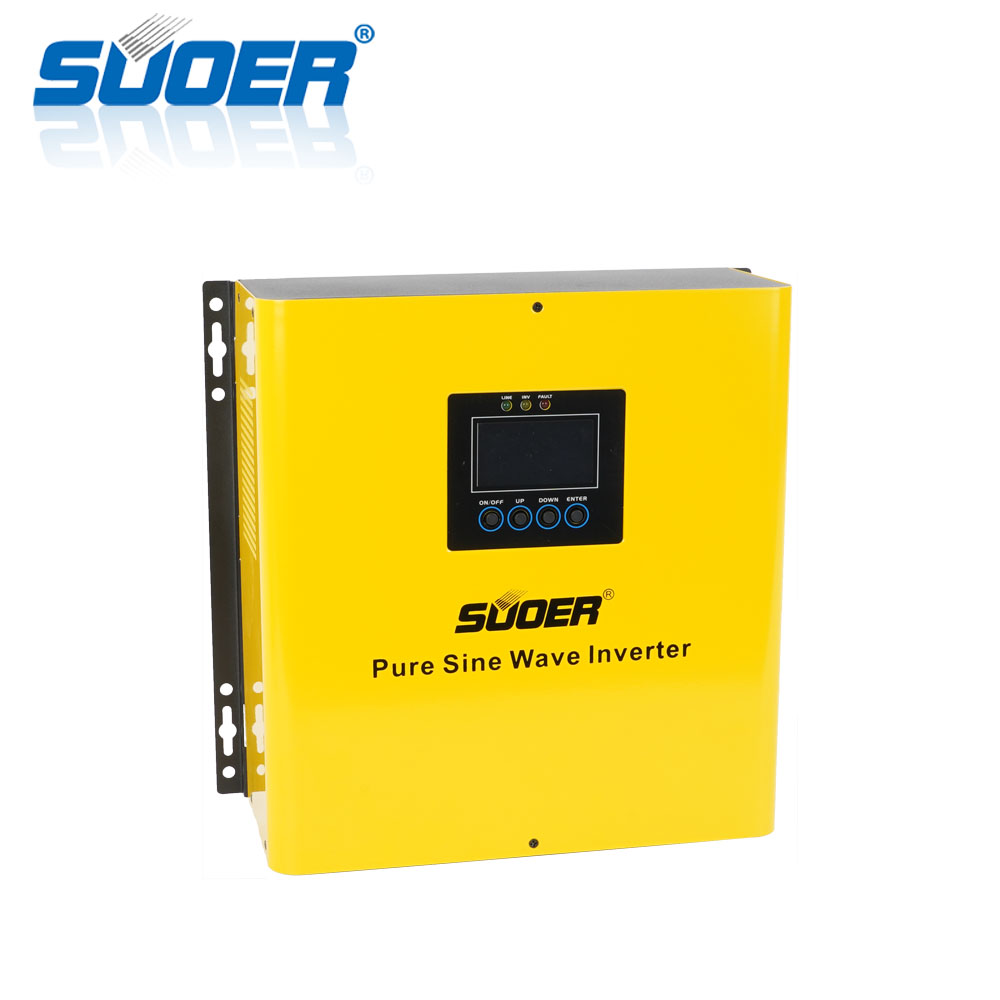
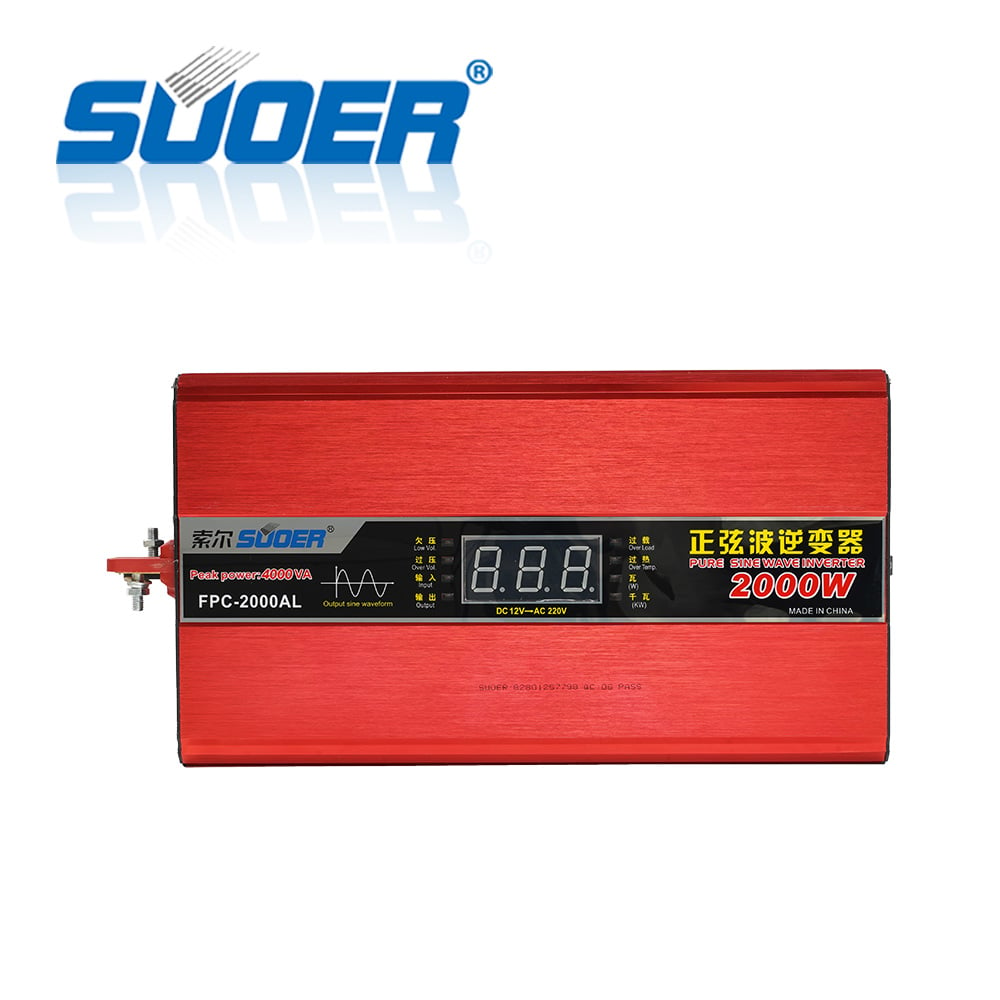
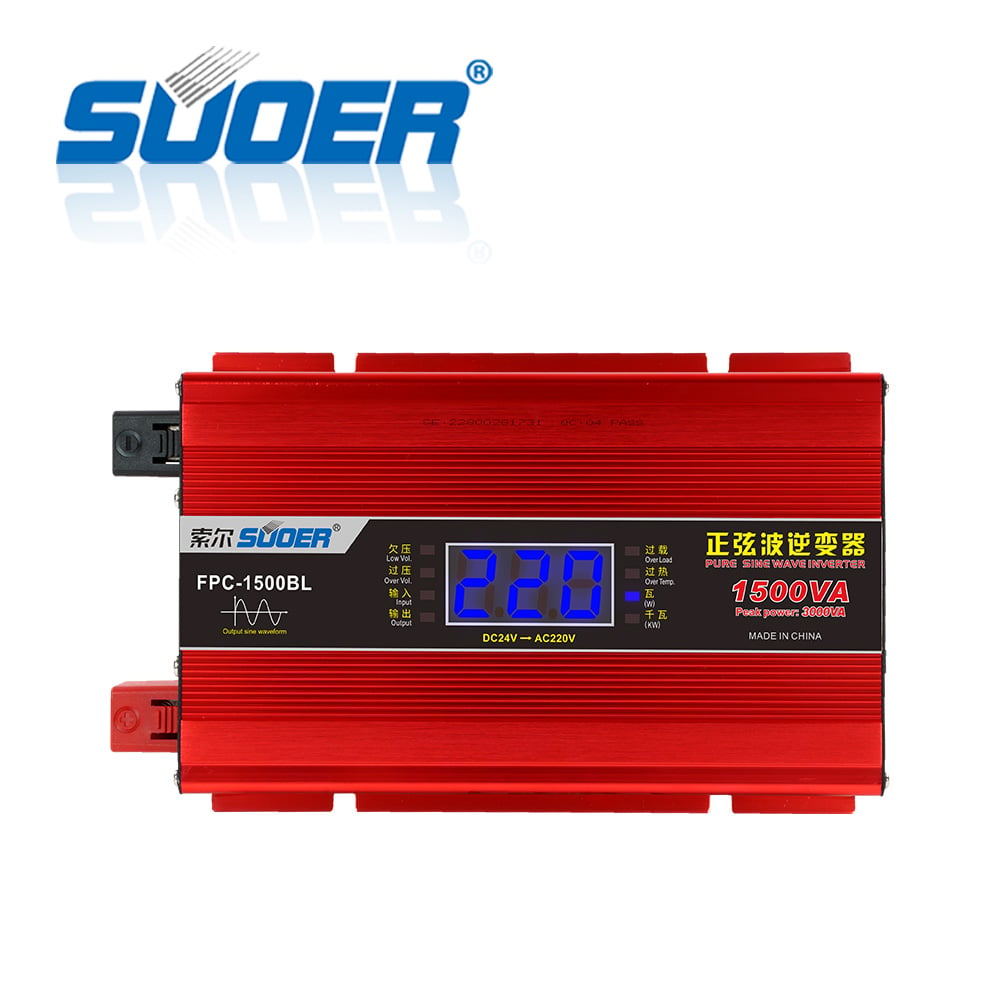
Pure sine wave solar inverters are essential components in photovoltaic systems, providing reliable power conversion for various applications, including electric vehicles and industrial settings. B2B buyers, such as purchasing managers and engineers, often seek high-quality inverters that meet specific performance criteria. This article will guide you through the key aspects of sourcing, evaluating, and installing pure sine wave solar inverters, helping you make informed purchasing decisions.
When sourcing pure sine wave solar inverters wholesale, it’s crucial to focus on suppliers with a proven track record in the new energy sector. Look for manufacturers that specialize in photovoltaic systems and have experience working with major vehicle OEMs and industries such as telecommunications and rail transit. Reliable suppliers will often have certifications like ROHS, CE, and ISO9001, which indicate adherence to quality standards. Consider suppliers who offer Home Energy Storage solutions as part of their product range.
Engage with suppliers who can demonstrate their manufacturing capabilities, including automated production processes and a high-level R&D team. This ensures that their products undergo rigorous quality control and testing. Additionally, consider the supplier’s ability to provide customization options to meet specific project requirements, as well as their capacity for timely delivery and competitive pricing.
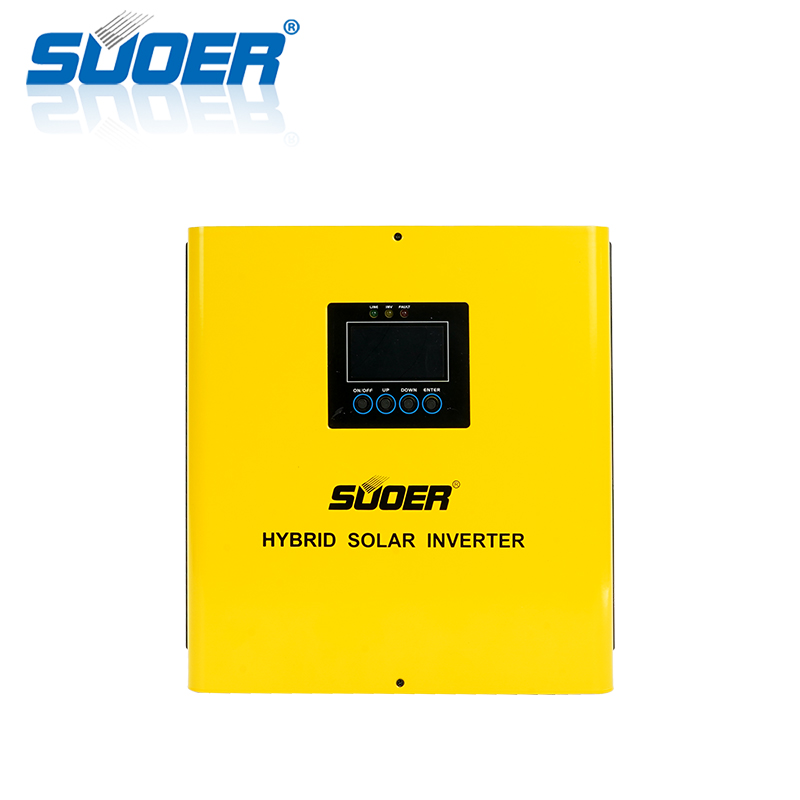
When evaluating pure sine wave solar inverters, certain specifications are critical to ensure optimal performance for your application. Key factors to consider include:
Output Waveform: Pure sine wave output ensures compatibility with sensitive electronic devices, reducing the risk of damage and enhancing efficiency.
Power Rating: Assess the inverter's wattage capacity to ensure it meets your energy demands. Consider peak power ratings, which indicate the maximum power the inverter can handle during start-up or surge conditions.
Input Voltage Range: Check the inverter’s input voltage specifications to ensure compatibility with your solar panel system. This is crucial for efficient operation and to avoid damage to the inverter.
Efficiency Rating: Look for inverters with high efficiency ratings (typically above 90%). Higher efficiency translates to less energy loss during conversion, improving overall system performance.
Cooling Mechanism: Effective cooling systems (fan-cooled or passive) can prevent overheating and enhance the longevity of the inverter. Consider the operating environment when evaluating this feature.
Understanding these specifications will help you choose an inverter that not only fits your energy needs but also ensures reliability and efficiency. Moreover, consider integrating a Battery Charger to enhance the overall energy management system.
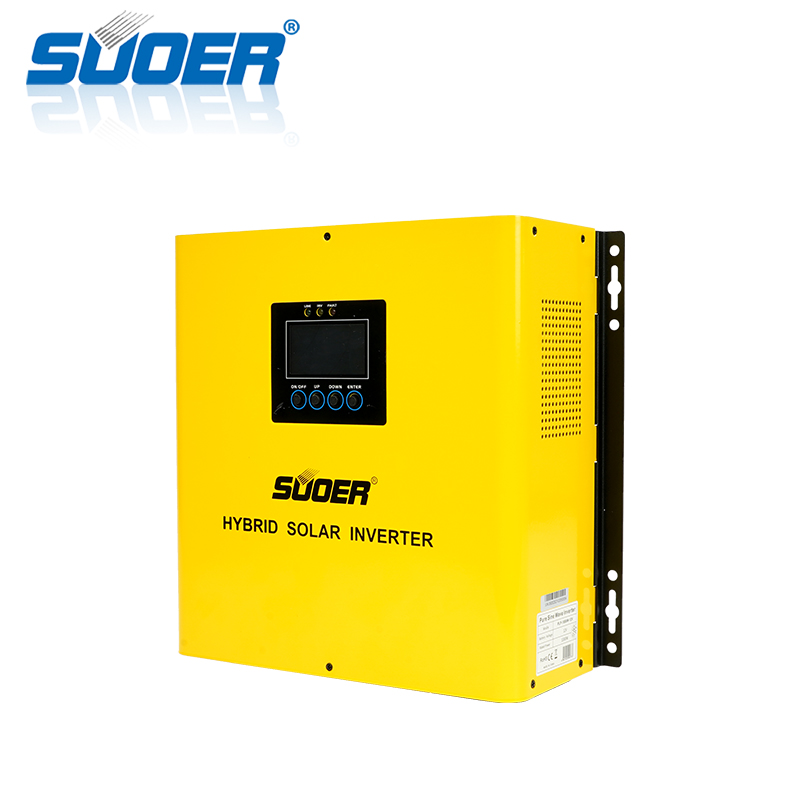
The cost of pure sine wave solar inverters can vary significantly based on several factors. Understanding these can help you budget effectively for your projects:
Brand Reputation: Established manufacturers with proven quality and reliability may charge a premium, but this often translates to lower long-term operational costs due to fewer repairs and replacements.
Technology and Features: Inverters with advanced technology, such as integrated monitoring systems, advanced cooling, or dual-mode capabilities, tend to cost more, but they may offer enhanced performance and efficiency.
Production Volume: Bulk purchasing can lead to lower unit costs. Discuss minimum order quantities (MOQs) with suppliers to find optimal pricing for your project scale.
Shipping and Import Costs: Consider logistics and potential tariffs if sourcing internationally. These costs can significantly impact your total expenditure.
Warranty and Support Services: A more extended warranty may increase initial costs but can provide peace of mind and cost savings over time if issues arise.
By evaluating these factors, you can make a more informed decision that balances upfront costs with long-term value.
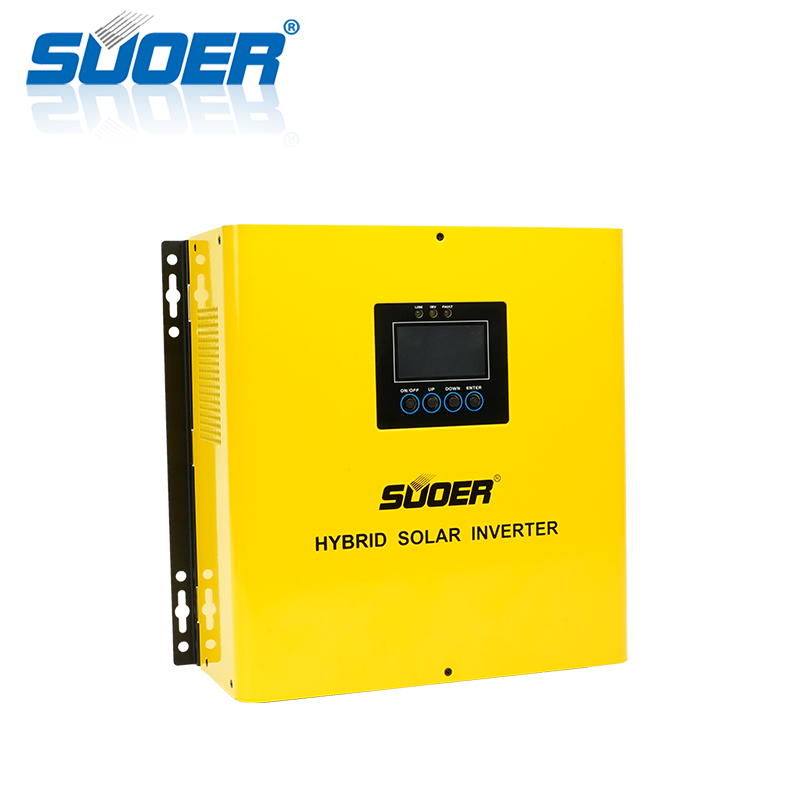
Proper installation of pure sine wave solar inverters is essential for optimal performance and longevity. Here are key steps and considerations for a successful installation:
Site Assessment: Before installation, assess the site for optimal sunlight exposure and space for solar panels. Ensure that the inverter is installed in a well-ventilated area to prevent overheating.
Electrical Compatibility: Verify that the inverter's input voltage matches the solar panel system's output. Ensure all electrical connections comply with local regulations and standards.
Mounting: Use appropriate mounting hardware to secure the inverter. It should be mounted vertically in a location that is easy to access for maintenance but away from potential environmental threats (like water or excessive dust).
Wiring: Follow the manufacturer's wiring diagram carefully. Pay special attention to polarity and ensure that all connections are tight to prevent electrical faults.
Testing: After installation, conduct a thorough test of the system. Check the input and output voltage, and monitor the inverter’s performance through its display or monitoring app (if equipped).
Proper installation is critical to ensuring the inverter operates efficiently and safely throughout its service life.
Despite their reliability, pure sine wave solar inverters can encounter issues. Here are some common problems and their solutions:
Overheating: If the inverter overheats, it may shut down to protect itself. Ensure that the installation site has adequate ventilation and consider using an inverter with a built-in cooling system.
Input Voltage Fluctuations: Variations in input voltage can affect performance. Implement a voltage regulation system or check connections to ensure stable input from the solar panels.
Poor Performance: If the inverter is underperforming, check for loose connections or faulty components. Regular maintenance and inspection can help identify issues before they escalate.
Error Codes: Many inverters display error codes for troubleshooting. Refer to the manufacturer’s manual for specific error codes and recommended actions.
By understanding these common issues, you can take proactive steps to maintain the inverter's performance and minimize downtime. Regular inspections and adherence to installation guidelines will significantly reduce the likelihood of problems. By focusing on these critical aspects, you can ensure that your pure sine wave solar inverter meets your operational needs while providing a reliable and efficient power source for your applications.
Discover Suoer’s premium range of solar inverters and power inverters designed for reliable renewable energy solutions.Trusted by customers worldwide for exceptional performance and durability.
Suoer Industrial Zone, Ercun Road Section, Yanfeng Avenue, Shishan Town,Foshan city,Guangdong Province,China
Copyright © 2024 Foshan Suoer Electronic Industry Co., Ltd. Privacy Policy - Blog
 EN
 AR
 NL
 FR
 DE
 EL
 IT
 JA
 KO
 PT
 RU
 ES
 VI
 TH
 TR
 BG
 HR
 CS
 NO
 PL
 TL
 ID
 SR
 UK
 SQ
 HU
 MT
 AF
 MS
 IS
 HY
 AZ
 BN
 BS
 GU
 LO
 LA
 MN
 NE
 TA