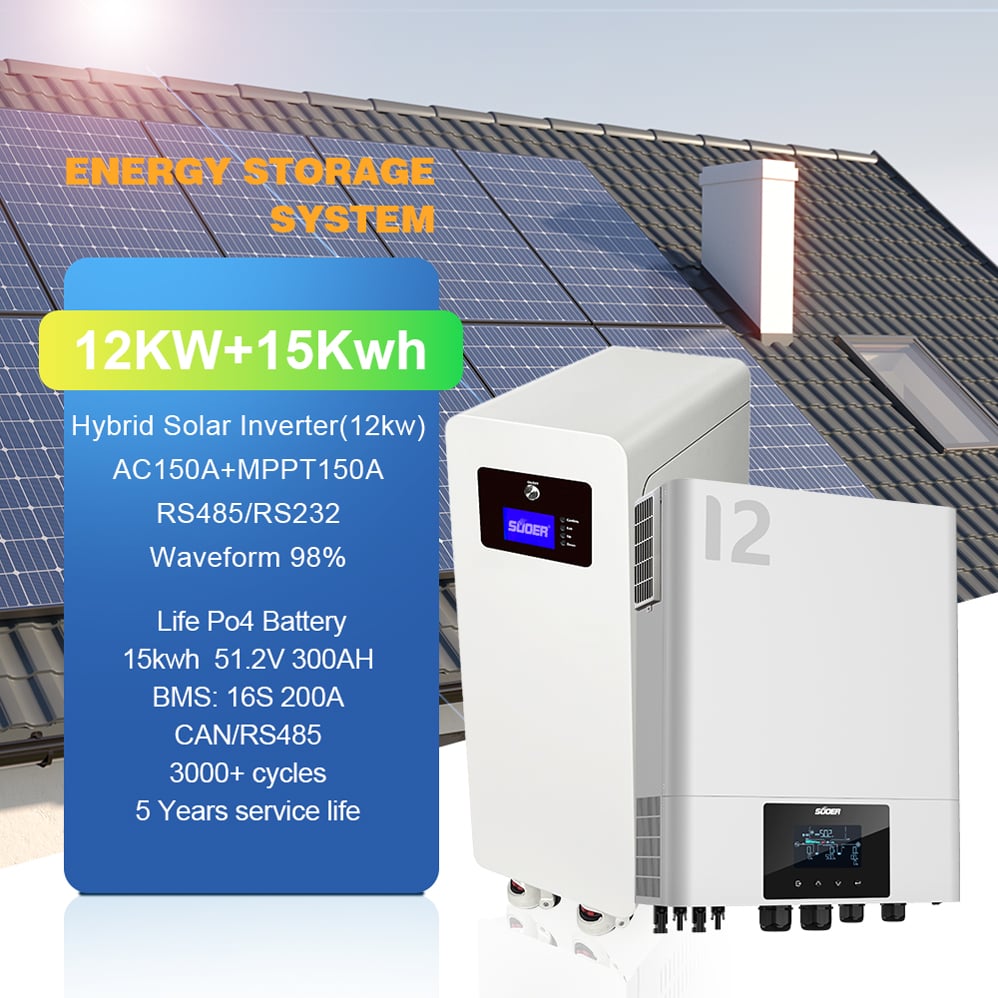
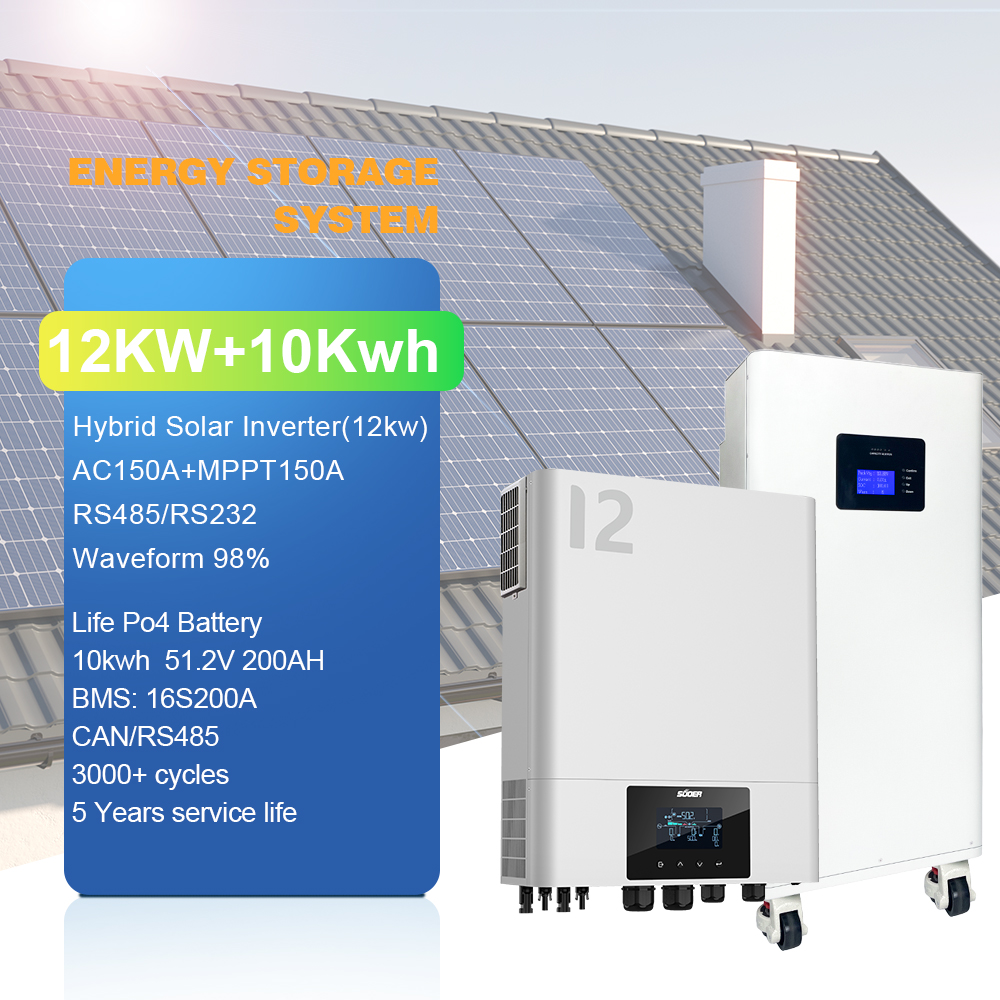
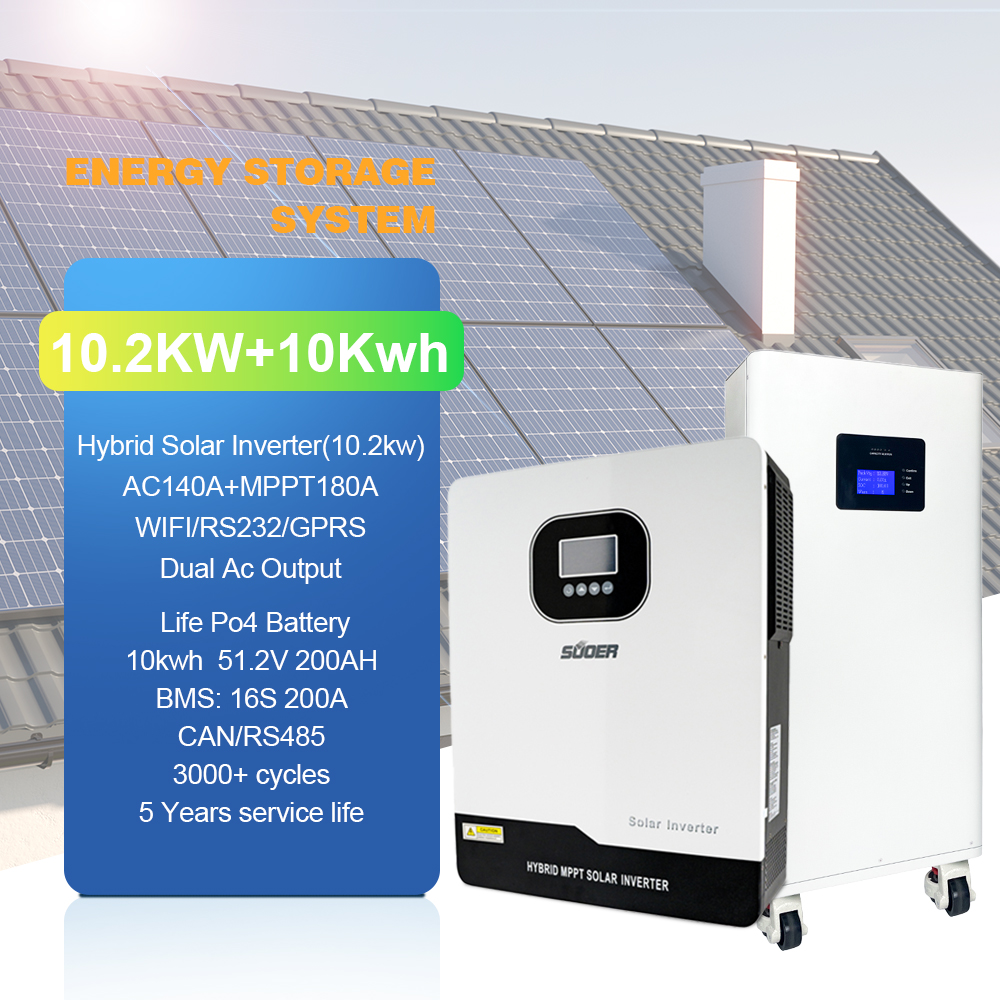
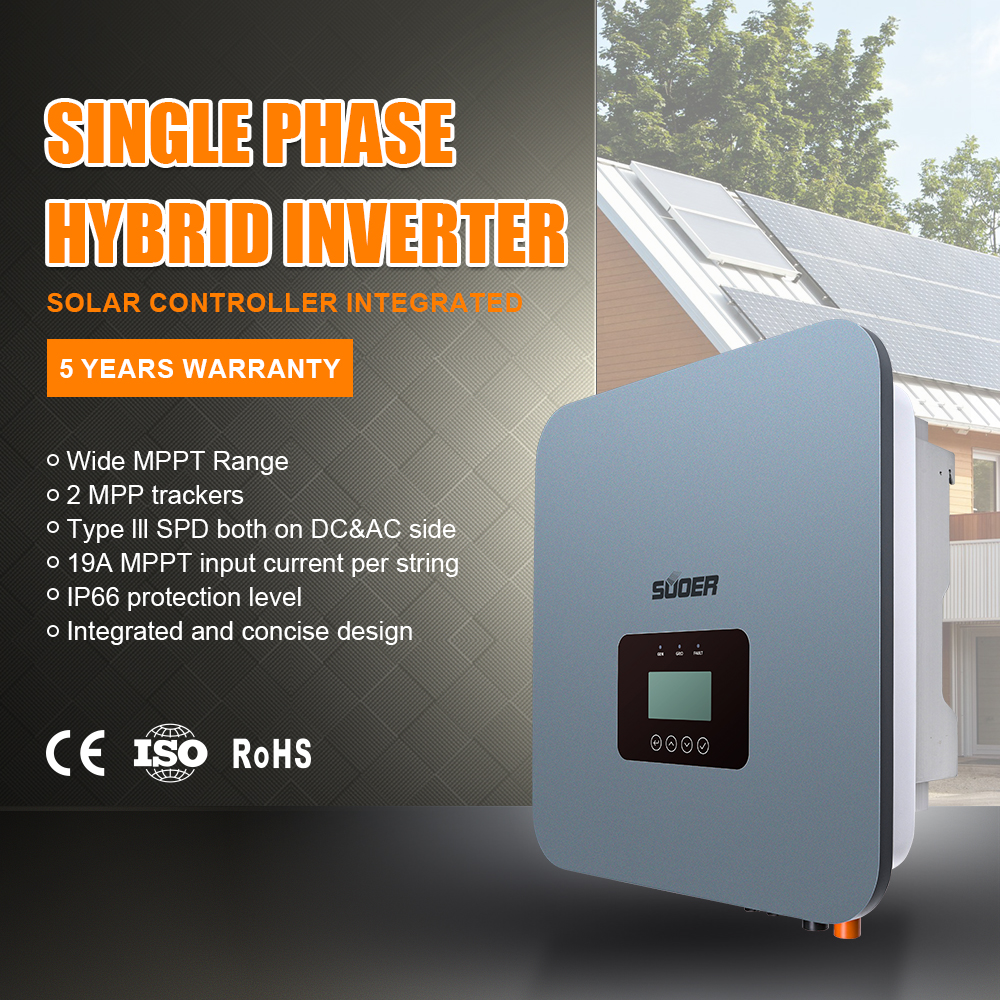
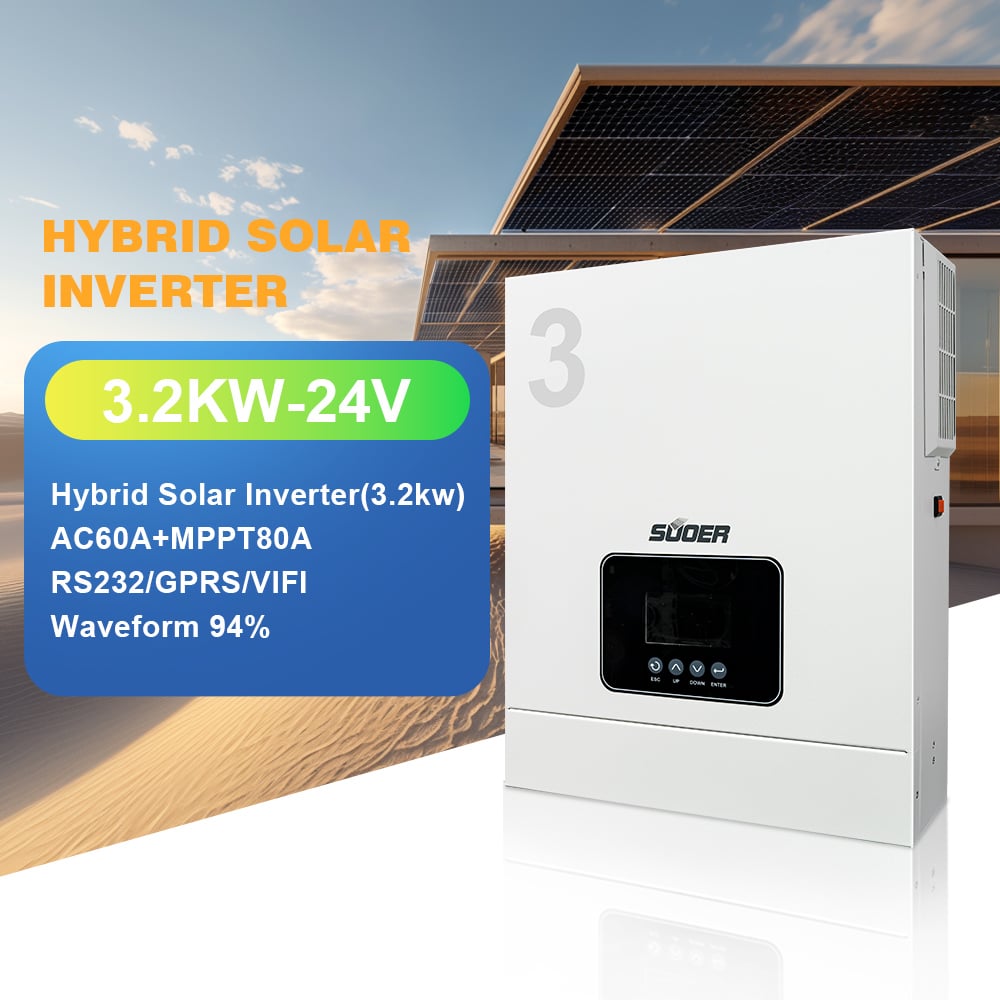
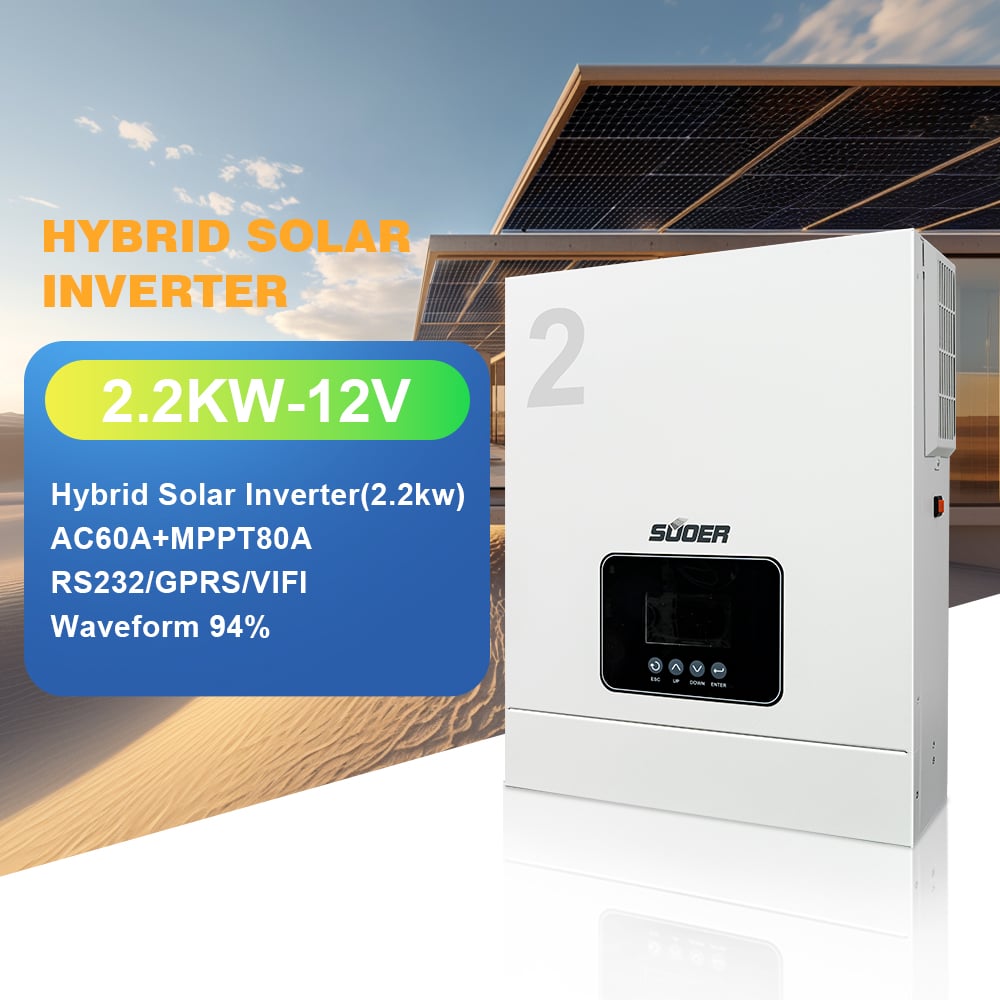
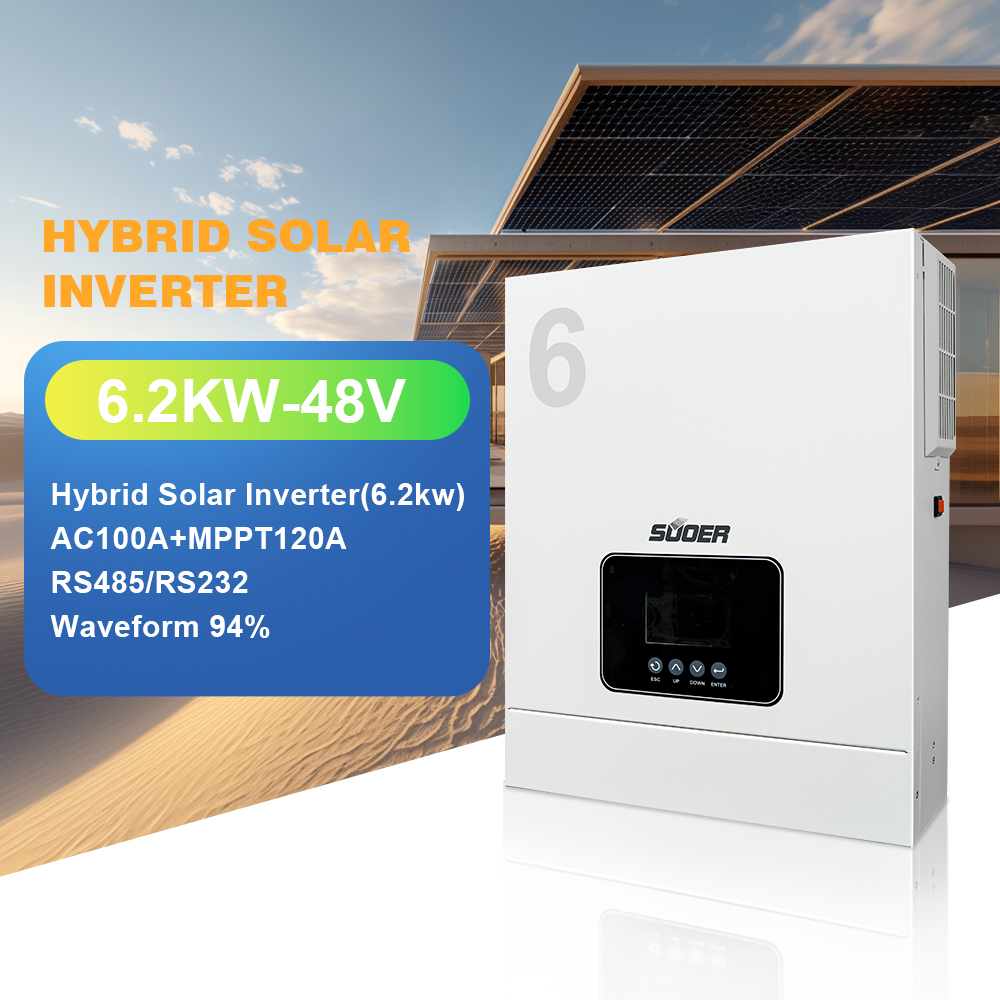
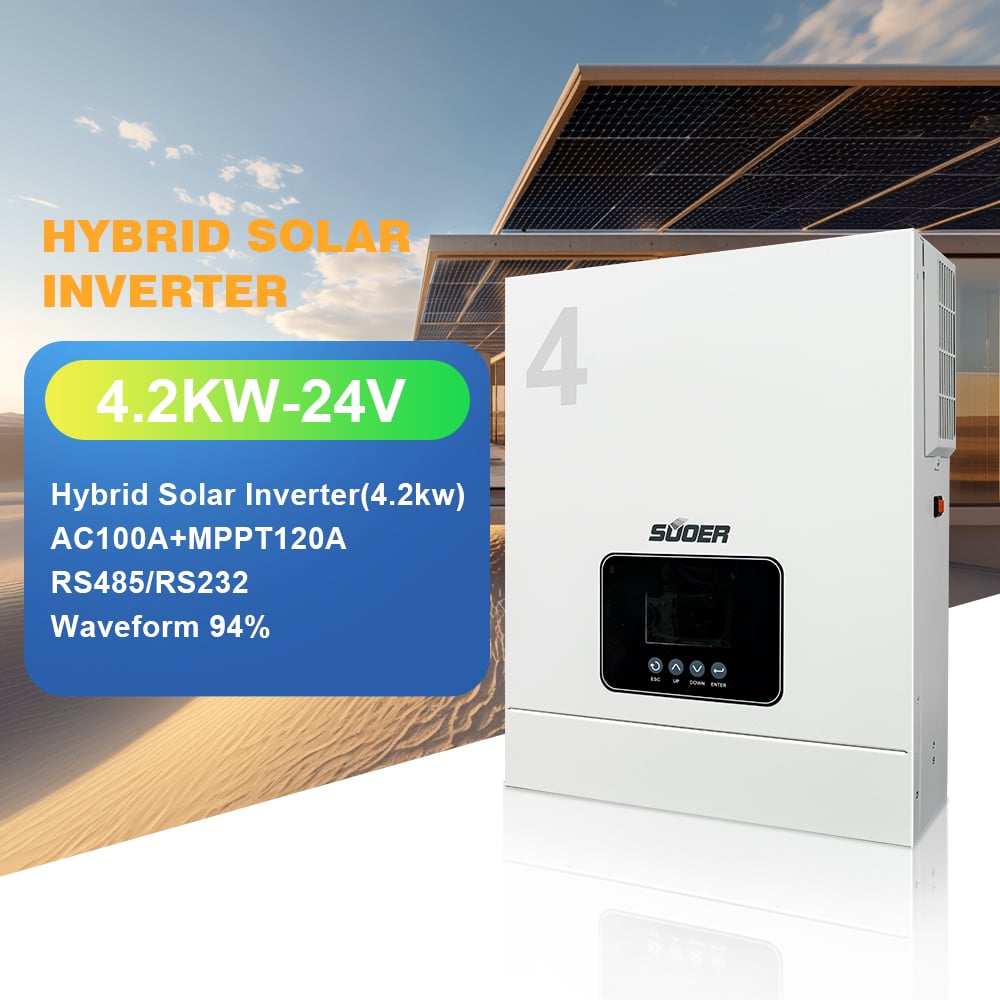
In the realm of Suoer renewable energy solutions, a Pure Sine Wave inverter for home use stands out as an essential component for converting DC power into clean, usable AC power. Designed to provide a stable and reliable electrical output, these inverters are especially critical for residential applications where the quality of power is paramount. For B2B buyers, understanding the specifications, quality control, and sourcing options for pure sine wave inverters is crucial to ensure optimal performance and reliability. This article will delve into key specifications, features, quality control processes, sourcing strategies, and common challenges associated with pure sine wave inverters
When considering a pure Suoer-made Modified Sine Wave inverter for home applications, several key specifications must be evaluated. These include:
Output Waveform: The inverter must produce a pure sine wave, which is essential for running sensitive electronics without distortion or interference. This is particularly important for devices like computers, televisions, and medical equipment
Power Rating: Measured in watts (W), this determines the maximum load the inverter can handle. Buyers should assess their power needs to select an inverter that can support their specific applications
Input Voltage Range: Inverters typically operate within a specified range of DC input voltages. Buyers must ensure that the inverter is compatible with the power source, such as batteries or solar panels
Efficiency Rating: The efficiency of an inverter indicates how much of the input power is converted to usable output power. Higher efficiency ratings result in less energy loss, which can lead to cost savings over time
Surge Capacity: This specification indicates the inverter's ability to handle short bursts of higher power, which is essential for starting motors or other inductive loads
Understanding these specifications will enable buyers to select the right pure sine wave inverter that meets their home energy needs while ensuring compatibility with existing systems.
Pure Suoer-made 1kw inverter come equipped with a range of features that enhance their usability and performance:
Advanced Protection Mechanisms: Many inverters include built-in protections against overload, short circuits, and overheating, which can prolong the lifespan of both the inverter and connected devices
User-Friendly Interfaces: Features such as LED indicators, digital displays, and remote monitoring capabilities allow users to easily track performance, battery status, and other vital information
Compact Design: Modern inverters are designed to be space-efficient, which is a significant advantage for residential applications where space may be limited
Quiet Operation: Unlike some other inverter types, pure sine wave inverters typically operate quietly, making them suitable for residential settings
The benefits of these features ensure not only reliability and efficiency but also ease of use, making pure sine wave inverters an attractive option for home energy solutions.
Quality control is a critical aspect of pure Suoer-provided sine wave inverter manufacturing. A robust quality assurance process ensures that every unit produced meets strict performance and safety standards. Key elements of quality control include:
Material Selection: High-quality materials must be used in the construction of inverters to ensure durability and performance. This includes the selection of components like capacitors, transformers, and circuit boards
Testing Procedures: Rigorous testing should be conducted at various stages of production, including functional testing, safety testing, and environmental testing. This helps to identify and rectify any issues before the products reach the market
Certification Compliance: Adherence to international standards and certifications such as ROHS, CE, and ISO9001 demonstrates a commitment to quality and safety. Buyers should verify that their chosen suppliers maintain these certifications
Sample Approval: Before mass production, it is advisable for buyers to approve a finished sample. This ensures that the final product meets specifications in terms of performance, dimensions, and overall quality
By prioritizing quality control, manufacturers can significantly reduce the risk of product failures and enhance customer satisfaction.
Sourcing pure sine wave inverters in bulk requires a strategic approach. Here are some key considerations for buyers:
Established Manufacturers: Partnering with established manufacturers who have a proven track record in the industry can ensure reliability and quality. Look for companies that specialize in power solutions and have experience in the renewable energy sector
Direct Relationships: Building direct relationships with manufacturers can facilitate better pricing, customization options, and support. This includes discussing minimum order quantities (MOQ) and delivery timelines
Industry Trade Shows: Attending trade shows related to renewable energy or electrical equipment can provide opportunities to meet manufacturers, explore product offerings, and establish connections
Online Platforms: Utilizing reputable B2B platforms can help buyers identify potential suppliers. However, due diligence is essential to assess the credibility and capabilities of these suppliers
By taking a proactive approach to sourcing, buyers can secure the best quality inverters while optimizing their procurement process.
While pure sine wave inverters are generally reliable, buyers may encounter some common issues. Understanding these challenges and their solutions can help mitigate risks:
Overheating: Inverters can overheat if they are overloaded or poorly ventilated. To address this, ensure that the inverter's power rating matches the load and provide adequate airflow around the unit
Battery Compatibility: Not all inverters are compatible with every battery type. Buyers should verify that the inverter is suited for the specific battery chemistry in use, whether it be lead-acid or lithium-ion
Voltage Fluctuations: Sudden changes in input voltage can affect inverter performance. Implementing voltage regulation systems can help stabilize input conditions, ensuring consistent output
Noise Issues: While pure sine wave inverters are generally quieter than modified sine wave inverters, some models may still produce noise under load. Selecting inverters with noise-reduction features can help alleviate this concern
By being aware of these common problems and their solutions, buyers can make informed purchasing decisions and ensure the longevity and reliability of their pure sine wave inverters.

Discover Suoer’s premium range of solar inverters and power inverters designed for reliable renewable energy solutions.Trusted by customers worldwide for exceptional performance and durability.
Suoer Industrial Zone, Ercun Road Section, Yanfeng Avenue, Shishan Town,Foshan city,Guangdong Province,China
Copyright © 2024 Foshan Suoer Electronic Industry Co., Ltd. Privacy Policy - Blog

 EN
 AR
 NL
 FR
 DE
 EL
 IT
 JA
 KO
 PT
 RU
 ES
 VI
 TH
 TR
 BG
 HR
 CS
 NO
 PL
 TL
 ID
 SR
 UK
 SQ
 HU
 MT
 AF
 MS
 IS
 HY
 AZ
 BN
 BS
 GU
 LO
 LA
 MN
 NE
 TA