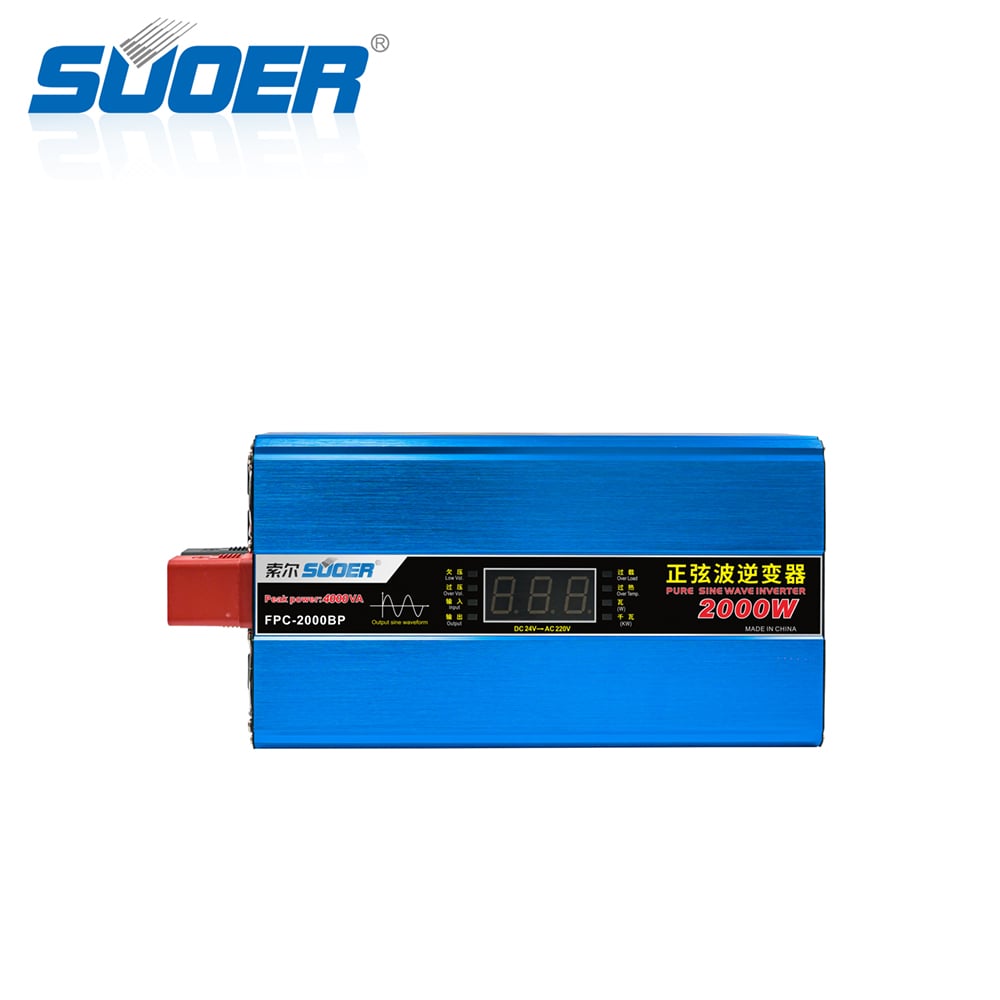
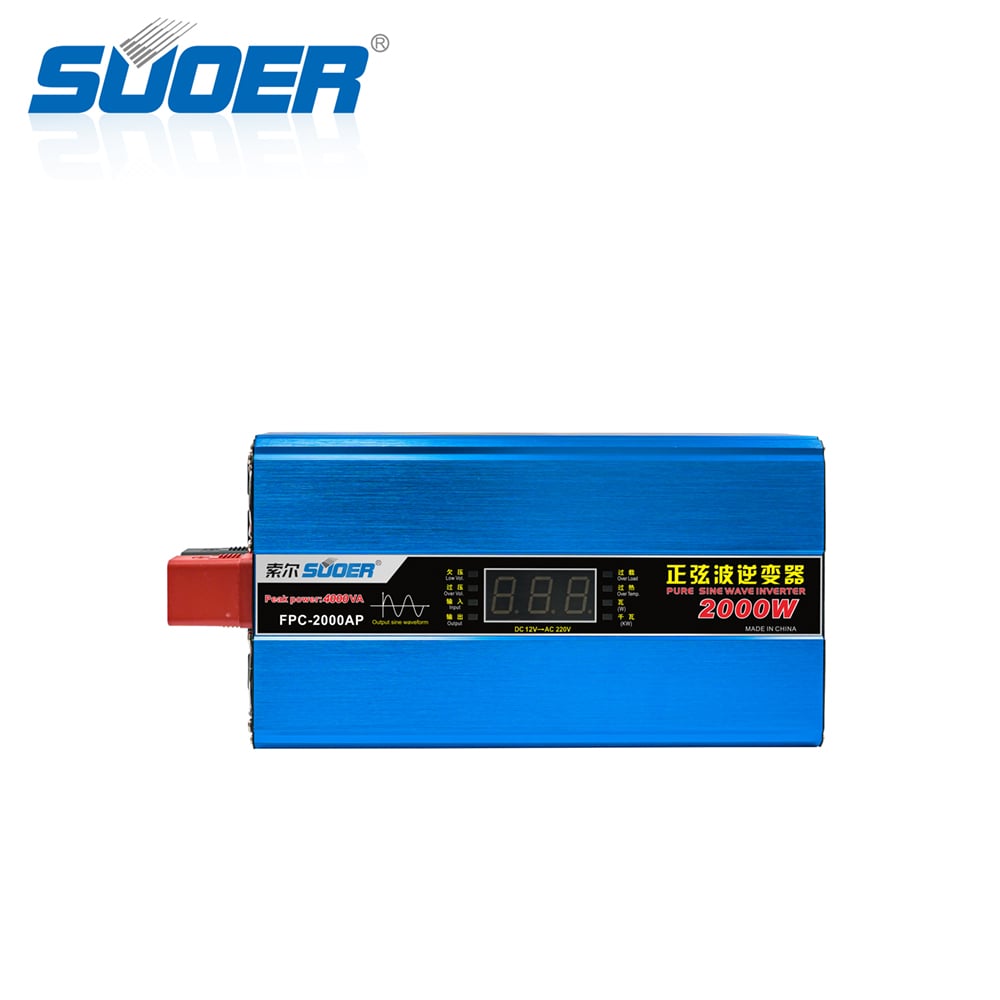
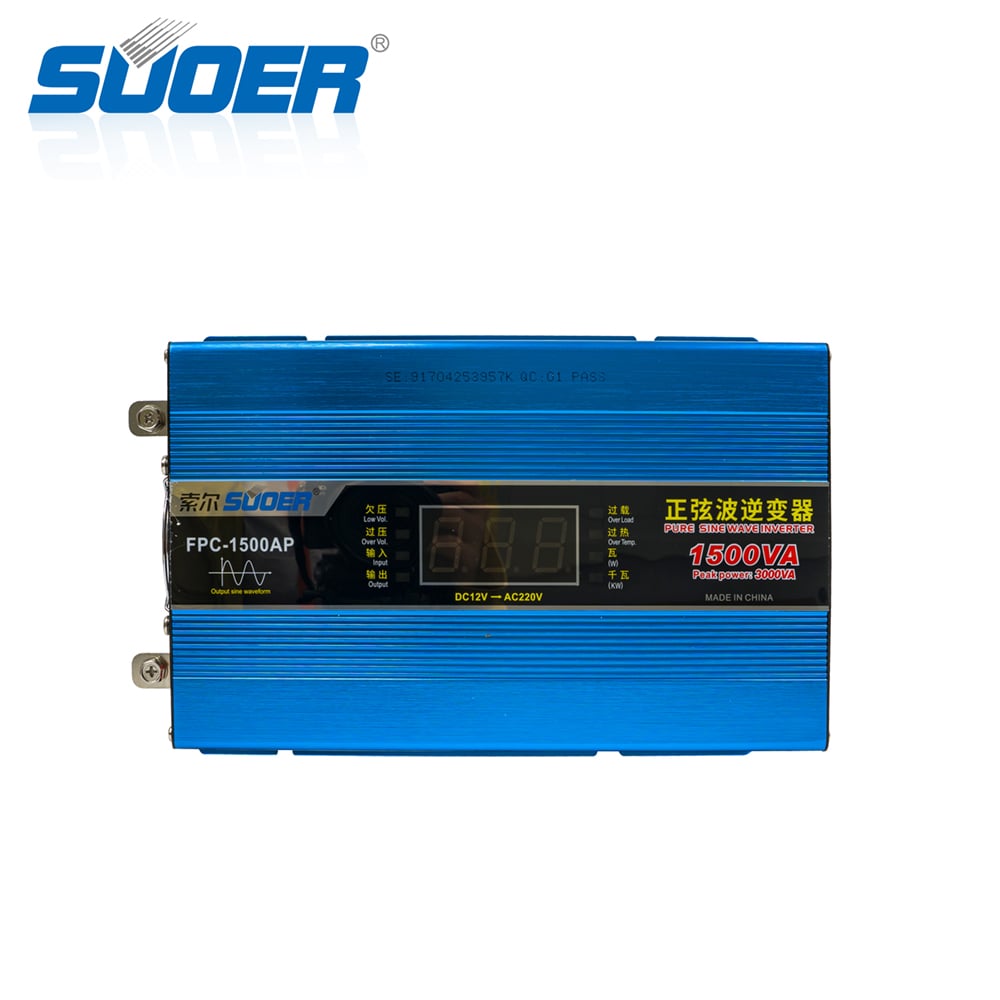
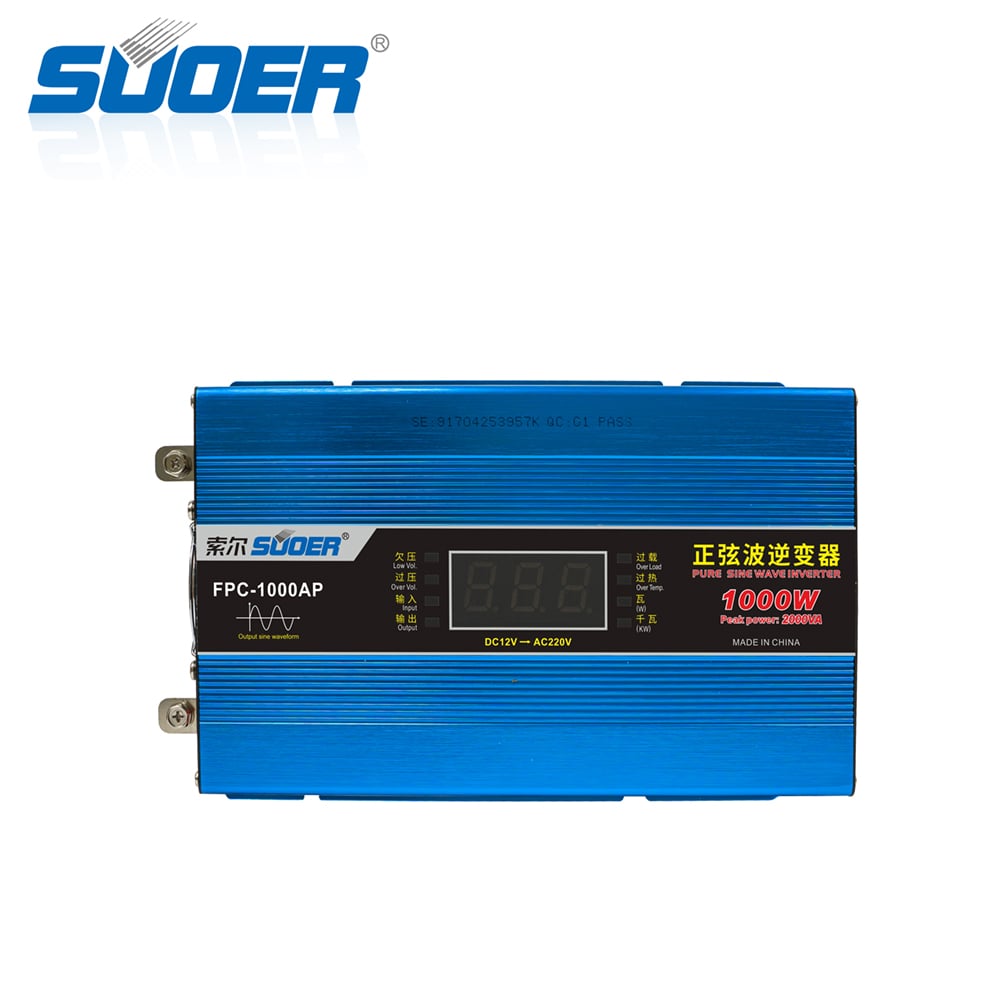
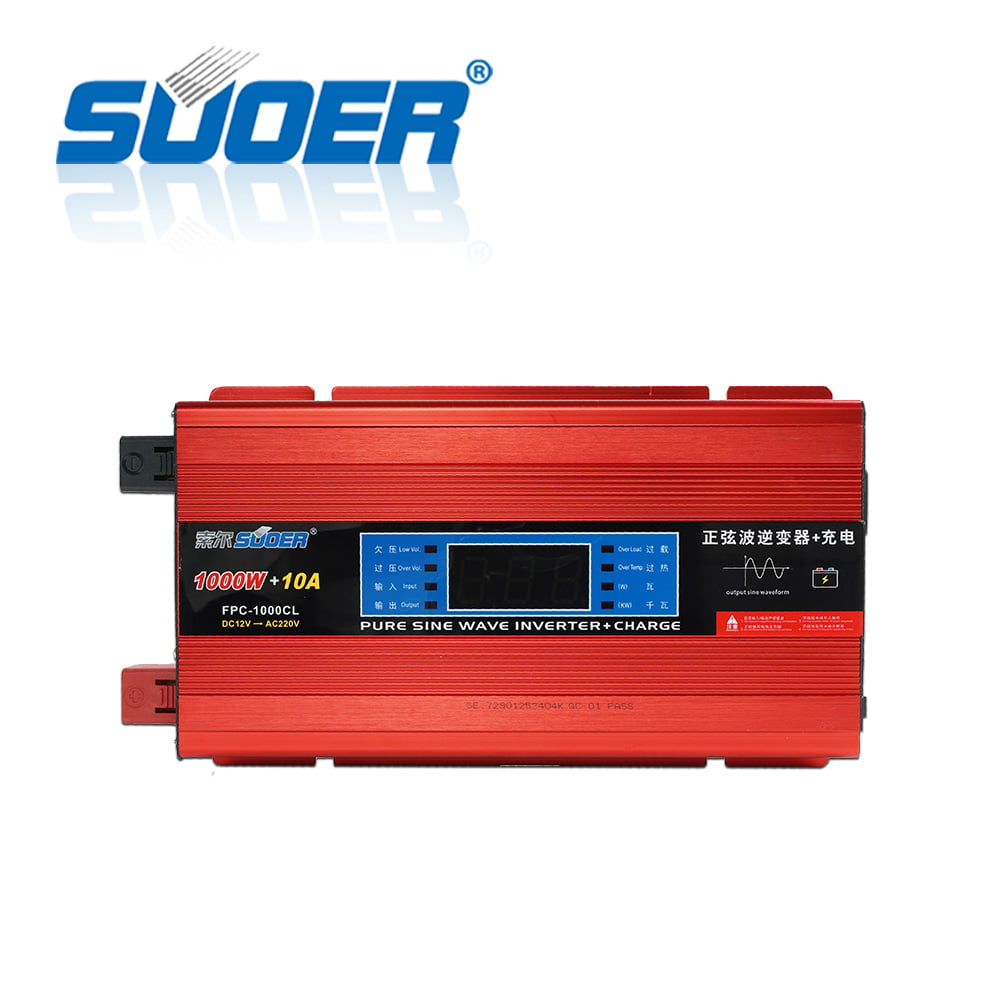
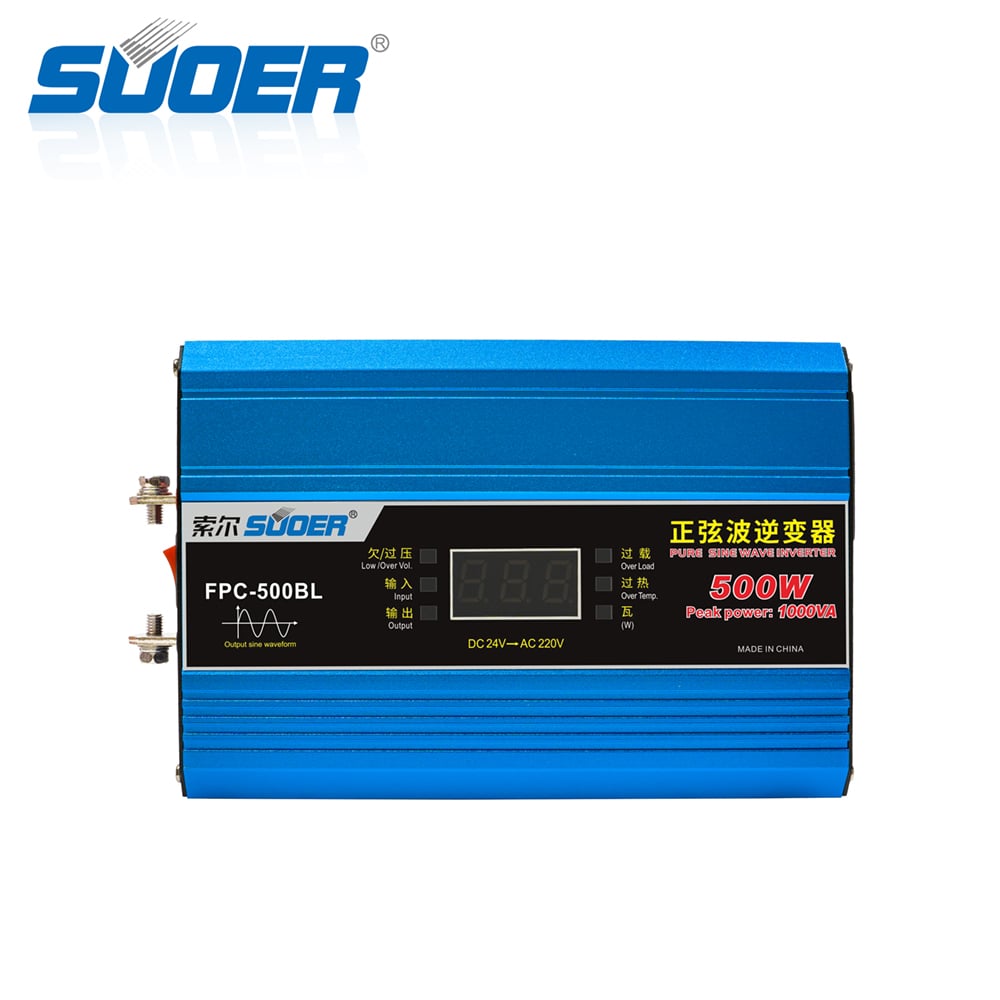
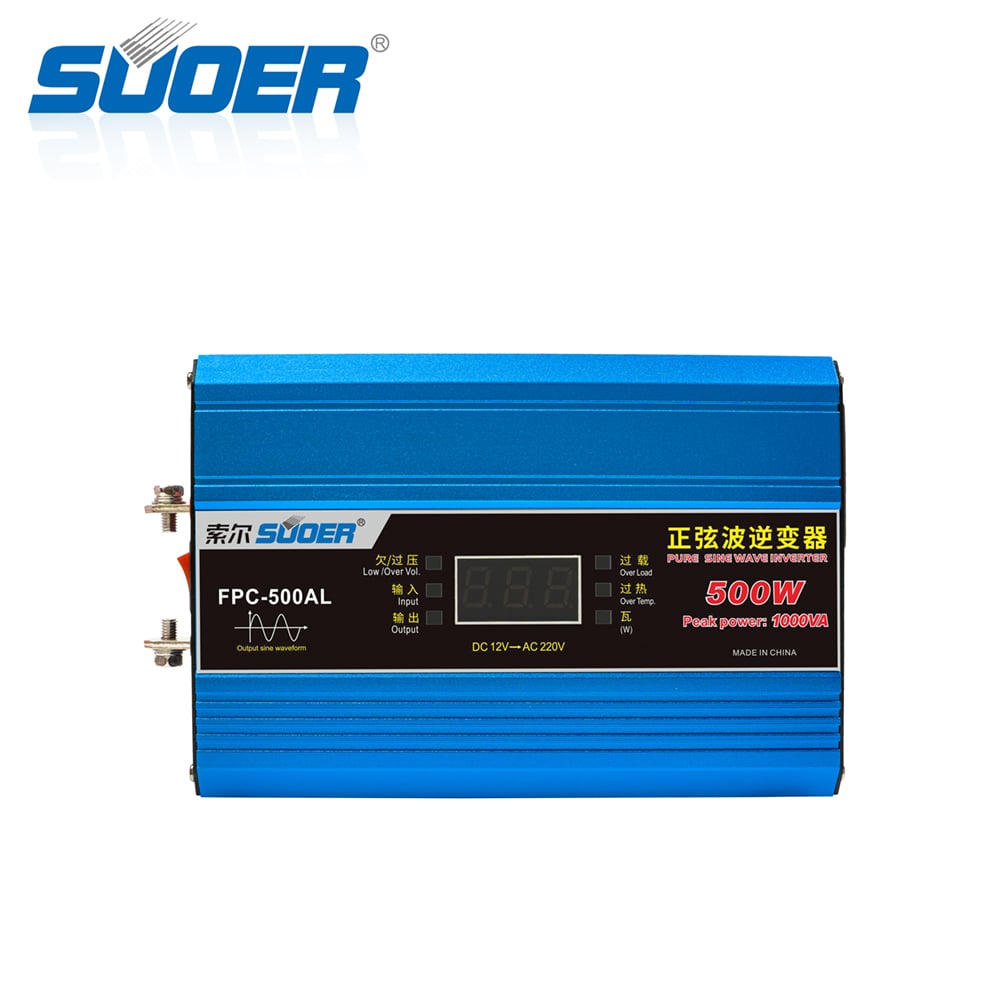
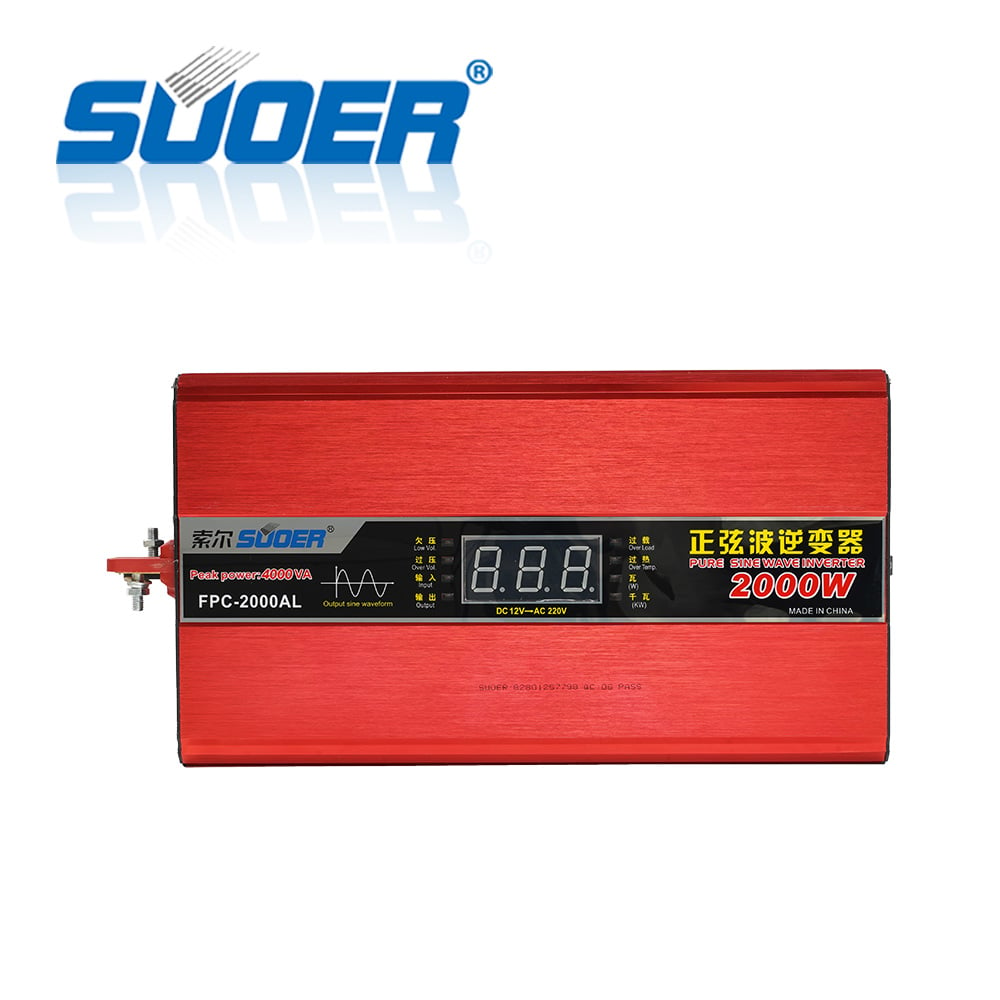
Understanding the nuances of a pure sine wave power inverter for cars is essential for companies involved in purchasing or manufacturing electric vehicle components. These inverters convert DC power from the vehicle's battery into AC power, enabling the operation of various devices and appliances. Buyers often prioritize reliability, efficiency, and compatibility with vehicle systems, making it crucial to understand what specifications to look for and how to evaluate potential suppliers. This article will guide you through essential considerations for selecting a pure sine wave power inverter for cars, ensuring you make informed purchasing decisions.
When selecting a pure sine wave power inverter for vehicles, key factors to consider include the inverter's power rating, efficiency, compatibility with vehicle systems, and intended applications. The power rating, typically measured in watts, should match or exceed the total wattage of the devices you’ll be powering. Efficiency is also critical, as a higher efficiency rating means less energy is wasted as heat, which can impact both performance and battery life.
Compatibility with the vehicle's electrical system is another significant consideration. Ensure that the inverter can operate with the vehicle's battery voltage, typically 12V or 24V for cars. Many modern vehicles have sensitive electronic systems, so choosing an inverter with built-in protections against overload, short circuits, and overheating is advisable. Finally, consider the intended applications, whether for powering small electronics, tools, or larger appliances, as this will influence the inverter's specifications. For instance, using a home energy storage system can provide additional support for household applications.
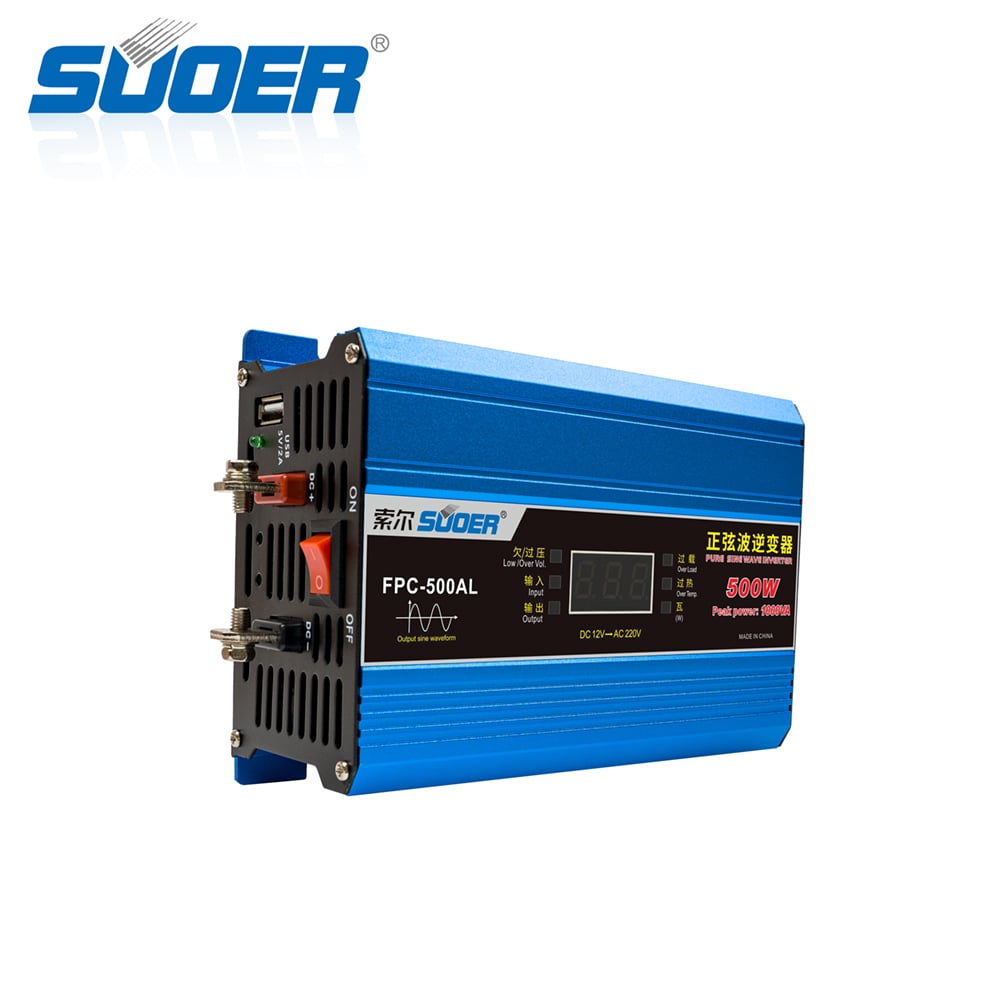
The key specifications of a pure sine wave power inverter include power output, input voltage range, efficiency rating, and total harmonic distortion (THD).
Power Output: This is the maximum wattage that the inverter can deliver. For automotive applications, commonly needed outputs range from 300W to 3000W, depending on the devices being powered.
Input Voltage Range: Most car inverters are designed to work with standard automotive battery voltages. Confirm that the inverter's input voltage range aligns with the vehicle's system, typically 12V for most cars.
Efficiency Rating: Higher efficiency ratings (typically 85% and above) indicate that the inverter converts a larger portion of the DC power into usable AC power. This is crucial for optimizing battery life and performance.
Total Harmonic Distortion (THD): A lower THD percentage indicates a cleaner waveform, which is essential for sensitive electronics. Aim for a THD of less than 3% for optimal performance.
Understanding these specifications helps ensure that the selected inverter meets the operational demands of the vehicle while providing stable and efficient power.
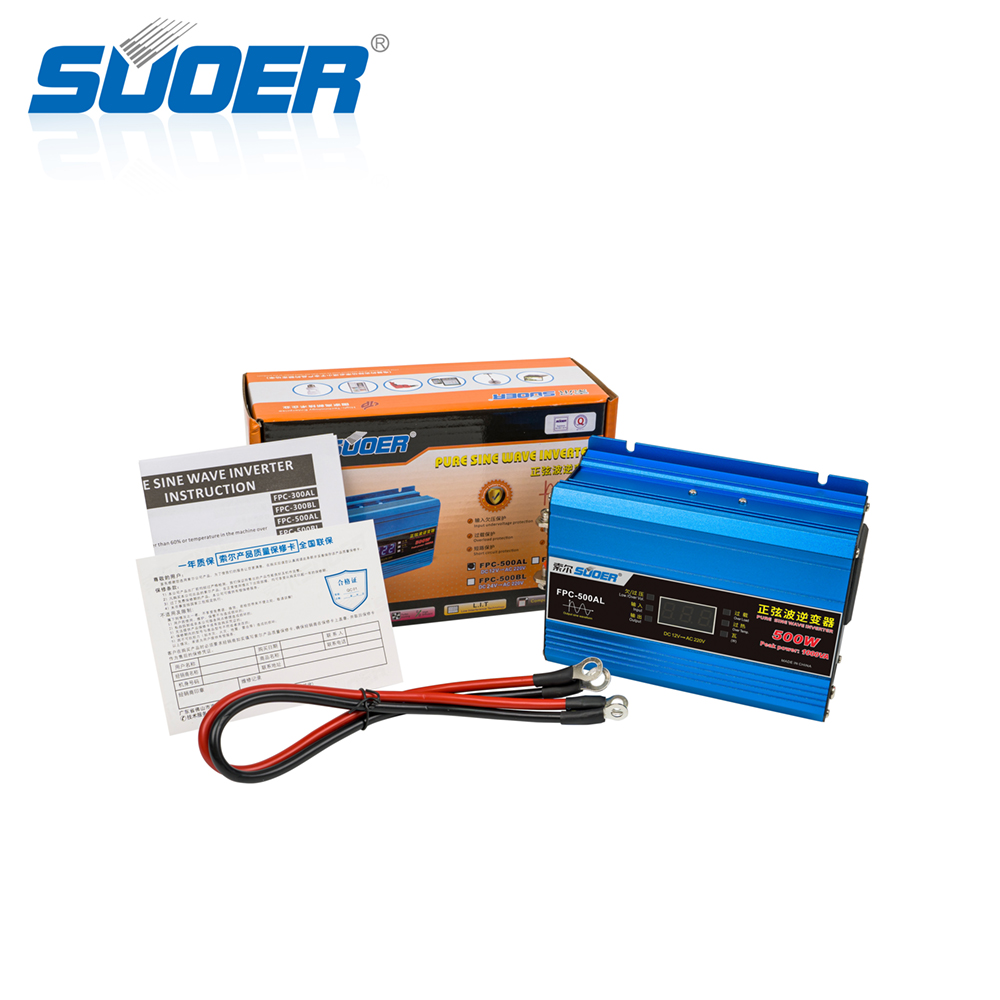
Evaluating the quality of car power inverters, especially when considering bulk orders, involves a systematic approach that includes reviewing certifications, analyzing production processes, and requesting samples for testing.
Certifications: Look for inverters that pass essential quality certifications such as ROHS, CE, and ISO9001. These certifications indicate compliance with international safety and quality standards.
Production Processes: Understanding the manufacturer's production capabilities and quality control processes is vital. Automated production lines and rigorous testing protocols can significantly enhance product reliability.
Sample Testing: Prior to bulk ordering, it is advisable to request samples. Conduct tests to evaluate the inverter's performance, including efficiency, load capacity, and operational stability under various conditions. This step helps identify any potential issues before committing to a large order.
Supplier Evaluation: Assess the supplier's reputation, customer feedback, and service capabilities. A supplier with a proven track record in the industry is more likely to provide reliable products and support.
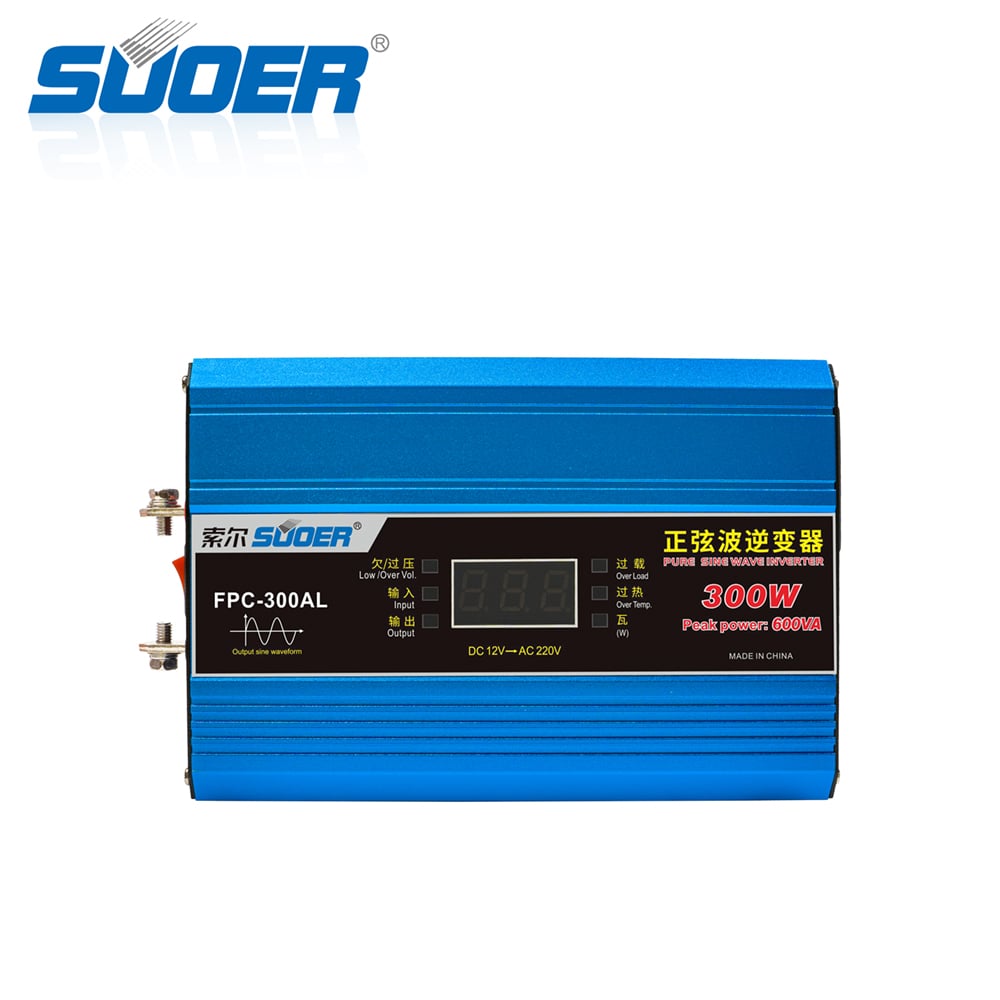
Common issues encountered with car power inverters include overheating, failure to start, and noise interference. Each of these problems may stem from specific causes, but solutions are often straightforward.
Overheating: This is frequently caused by overloading the inverter or inadequate ventilation. To mitigate this, ensure the inverter's power rating matches the load requirements and provide sufficient airflow around the unit.
Failure to Start: If the inverter does not power on, check the input voltage and connections. Ensure the vehicle's battery is adequately charged and the inverter is correctly connected.
Noise Interference: Some inverters may generate noise that affects sensitive electronics. Utilizing an inverter with a low THD can help reduce interference. Additionally, proper grounding and connection techniques can minimize noise issues.
By being proactive about these common problems, buyers can enhance the performance and longevity of their power inverters, especially when considering options like battery chargers.
Finding reliable suppliers for pure sine wave power inverters involves exploring multiple avenues, including industry trade shows, online marketplaces, and direct manufacturer inquiries.
Trade Shows: Attending industry-specific trade shows provides opportunities to connect directly with manufacturers and suppliers. These events often showcase the latest technologies and products, allowing for firsthand evaluations.
Online Marketplaces: Websites that specialize in B2B transactions can be valuable resources. Look for platforms that offer detailed supplier profiles, customer reviews, and product comparisons to assess quality and reliability.
Direct Manufacturer Contact: Engaging with manufacturers in the new energy industry, especially those with experience in electric vehicle applications, can lead to fruitful partnerships. Evaluate their production capabilities, certifications, and customization options to ensure they meet your specific needs.
Industry Associations: Many regions have industry associations or groups that can provide recommendations for reputable suppliers. These organizations often have established networks and can aid in vetting potential partners.
By leveraging these resources, companies can find trustworthy suppliers that meet their quality and performance requirements for pure sine wave power inverters, ultimately supporting their operational goals.

Discover Suoer’s premium range of solar inverters and power inverters designed for reliable renewable energy solutions.Trusted by customers worldwide for exceptional performance and durability.
Suoer Industrial Zone, Ercun Road Section, Yanfeng Avenue, Shishan Town,Foshan city,Guangdong Province,China
Copyright © 2024 Foshan Suoer Electronic Industry Co., Ltd. Privacy Policy - Blog

 EN
 AR
 NL
 FR
 DE
 EL
 IT
 JA
 KO
 PT
 RU
 ES
 VI
 TH
 TR
 BG
 HR
 CS
 NO
 PL
 TL
 ID
 SR
 UK
 SQ
 HU
 MT
 AF
 MS
 IS
 HY
 AZ
 BN
 BS
 GU
 LO
 LA
 MN
 NE
 TA