Pure sine wave power inverters are essential devices that convert direct current (DC) into clean, alternating current (AC), which is crucial for running sensitive electronic equipment. As a B2B buyer, understanding the specifications, applications, and potential challenges associated with pure sine wave power inverters can significantly impact your purchasing decisions. This 1kw inverter article will provide insights into wholesale options, installation guidance, feature comparisons, cost factors, and common problems associated with these inverters, helping you make informed choices for your business needs.
When considering bulk orders of pure sine wave power inverters, it's essential to assess both pricing and availability. Many manufacturers offer wholesale pricing structures that can significantly reduce costs per unit, especially when ordering large quantities. Factors affecting pricing can include the inverter's specifications, such as power output, efficiency ratings, and any custom features you may require.
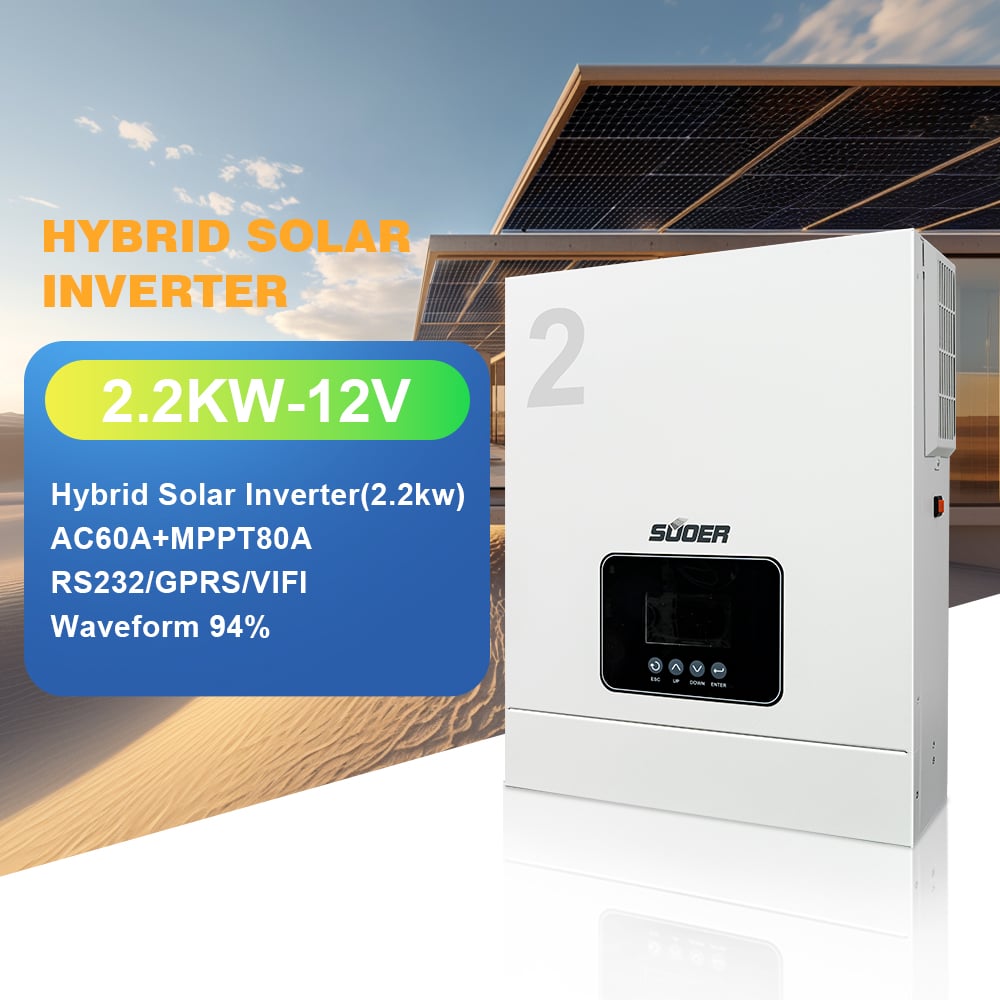
It's also important to discuss minimum order quantities (MOQ) with your supplier. Our company, specializing in advanced power supply solutions, can accommodate various MOQs depending on the specific product and customization needs. Additionally, 2000w inverter 12v 220v inquire about lead times for bulk orders, as production schedules may vary based on demand and available inventory.
Custom packaging options can also be beneficial for bulk orders, especially if you plan to resell the inverters. Request samples of packaging materials to ensure they meet your branding and durability requirements. Establishing a strong relationship with your supplier can facilitate better pricing negotiations and ensure timely deliveries.
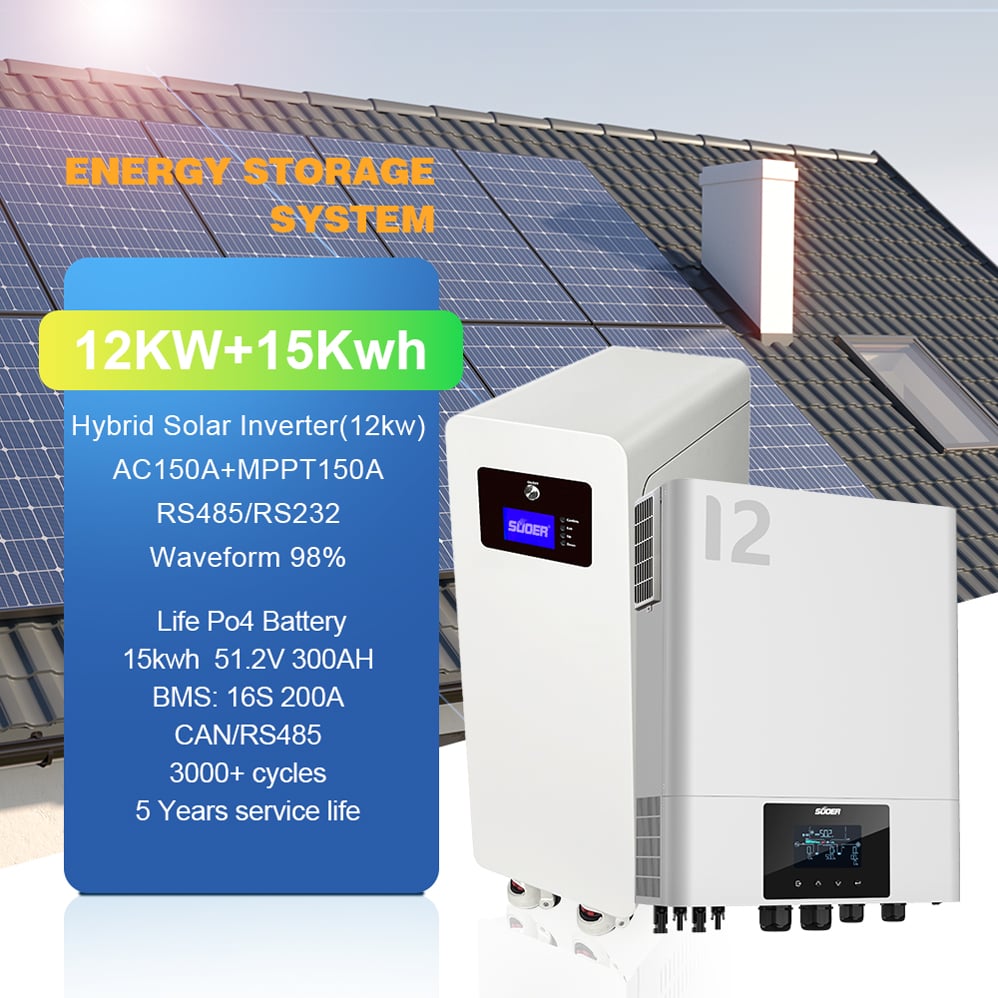
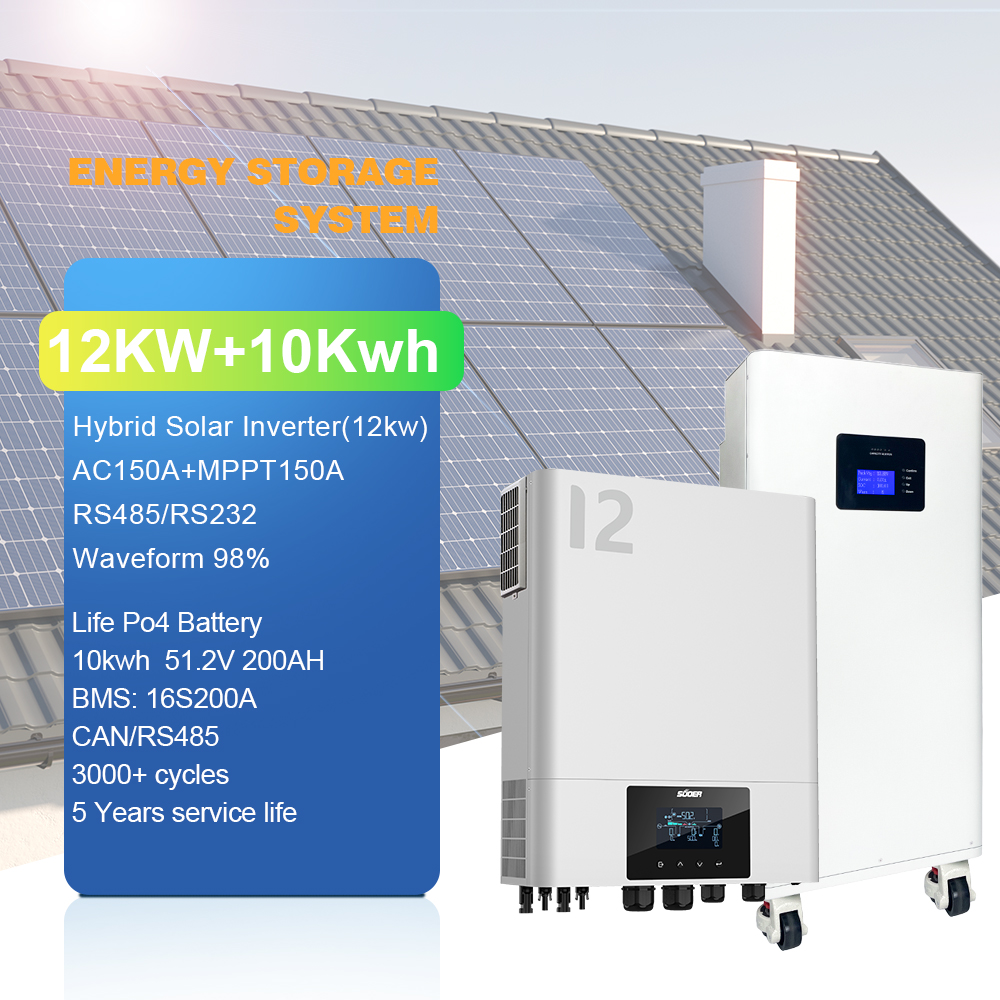
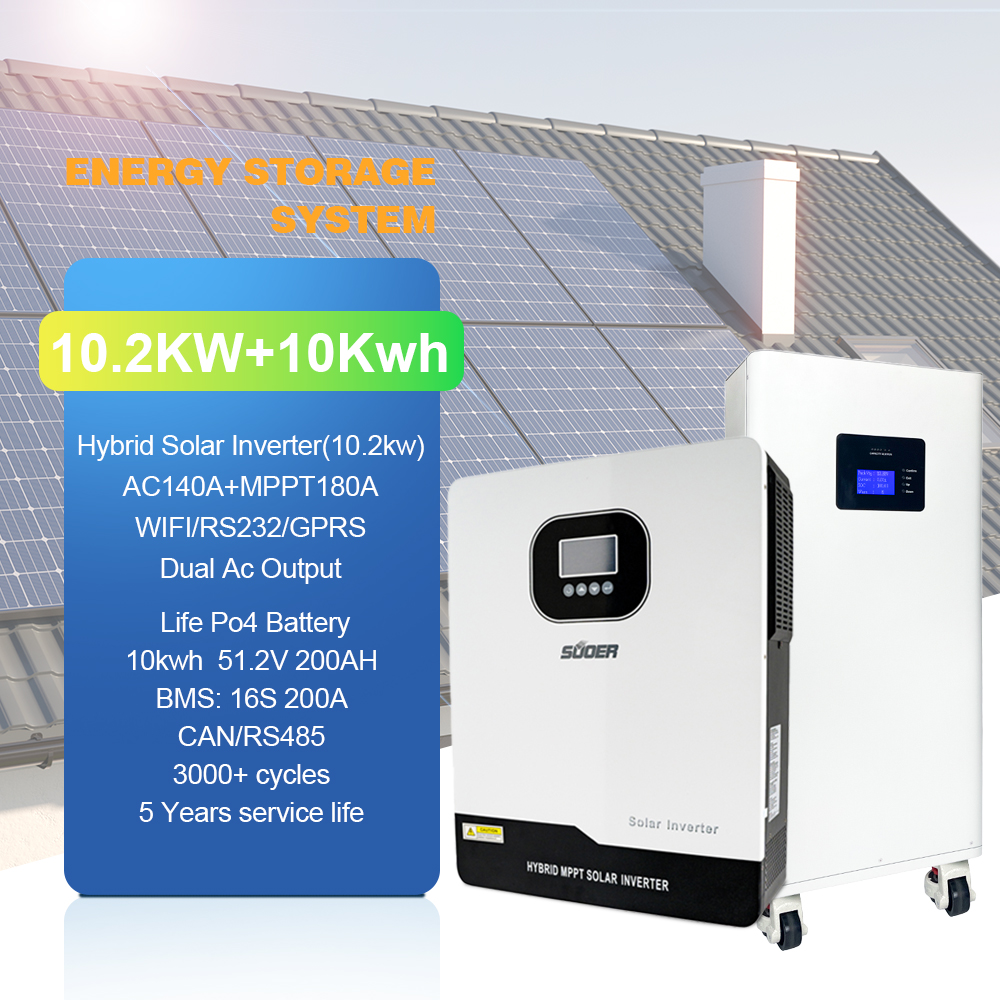
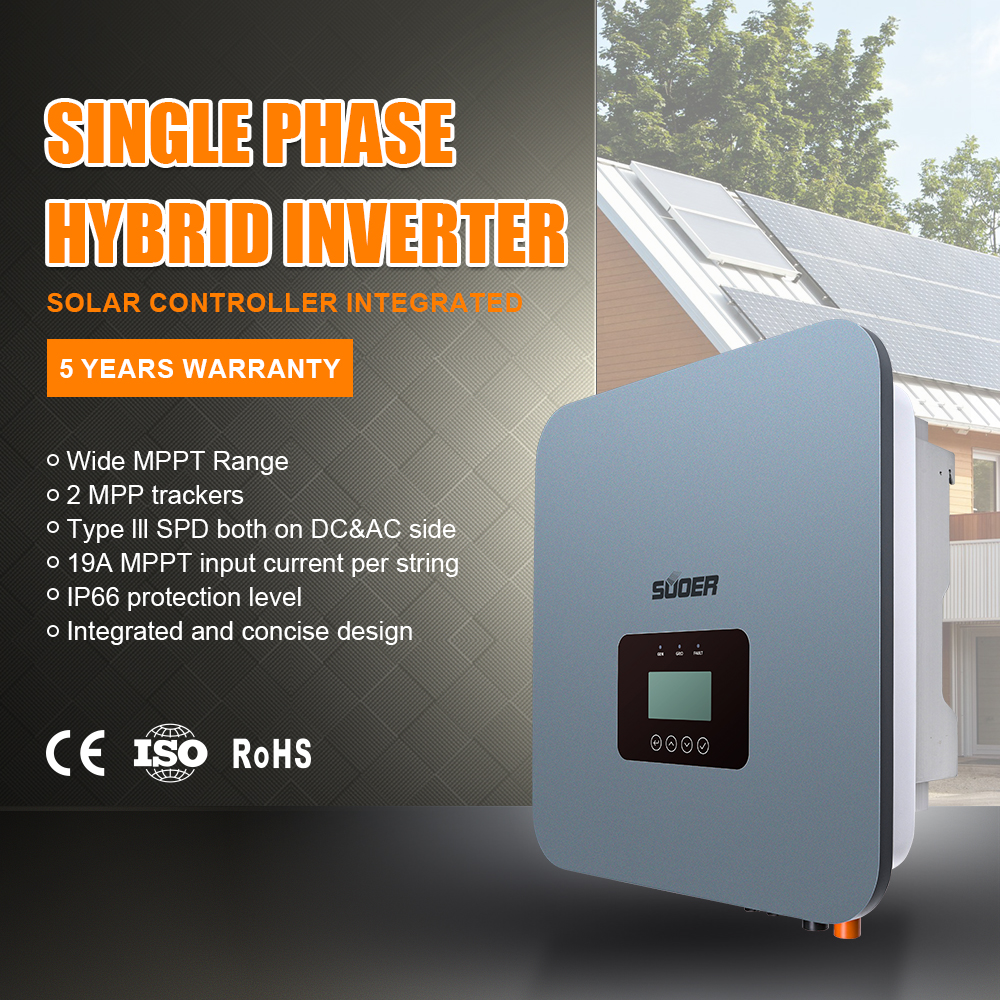
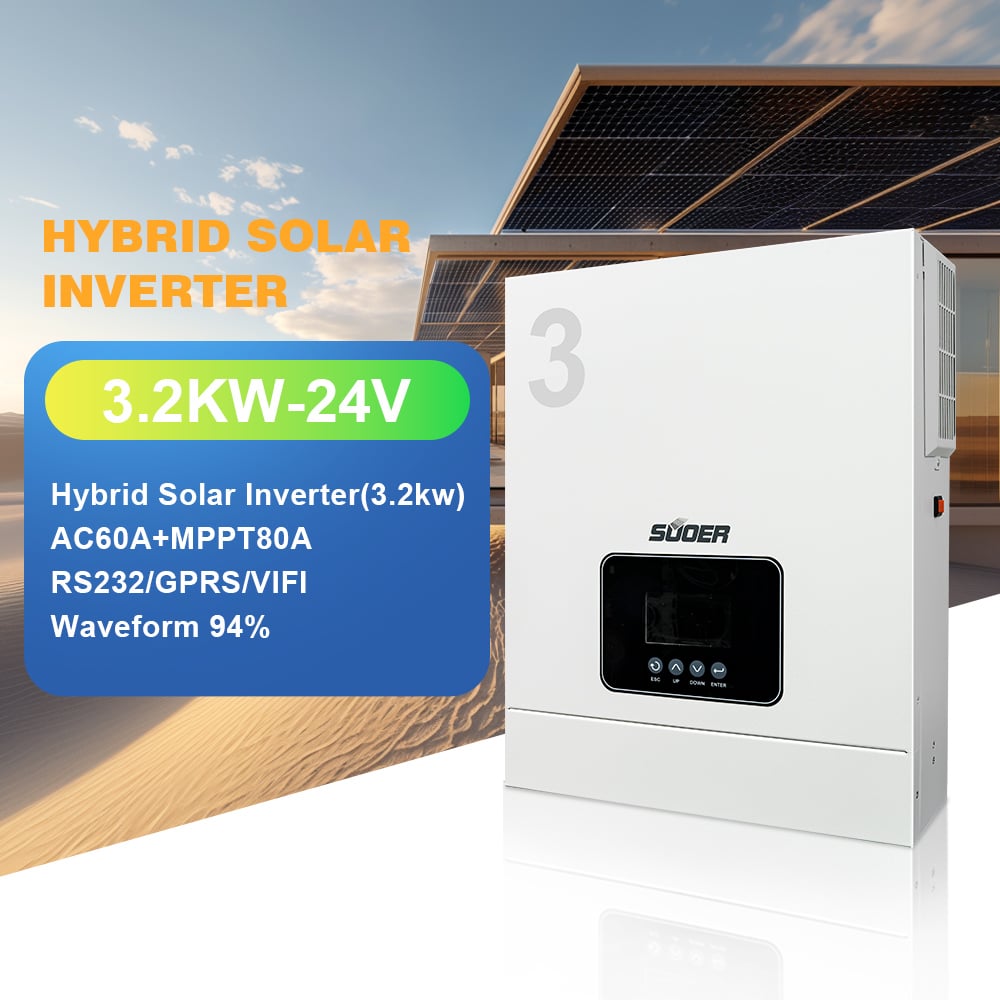
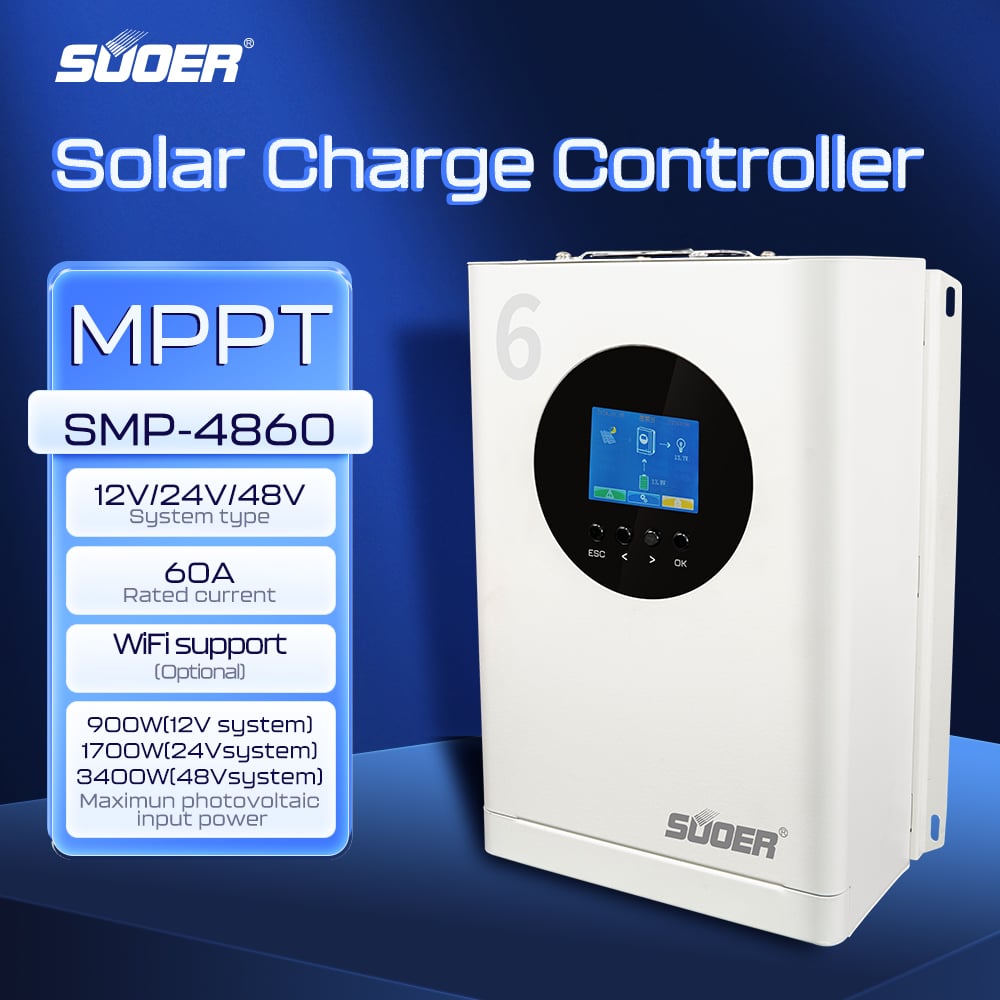
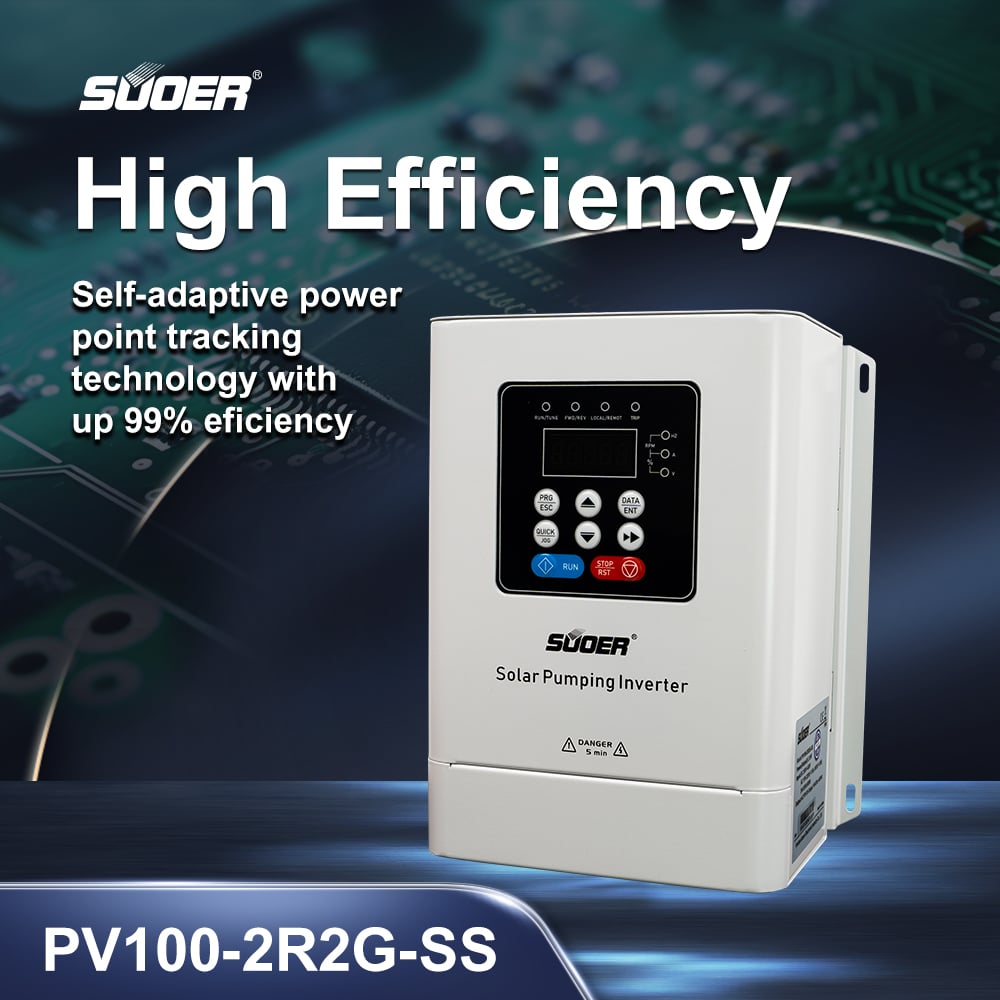
Proper installation of pure sine wave power inverters is crucial for optimal performance. These 24v solar inverter can be used in a wide range of applications, from electric vehicles and industrial equipment to telecommunications and photovoltaic systems. Each application may require specific installation considerations.
For electric vehicle applications, ensure that the inverter is compatible with the vehicle's battery management system. Pay attention to the inverter's input voltage range to avoid damage and inefficiencies. In industrial settings, consider the load requirements and ensure the inverter can handle peak loads without overheating.
It's also essential to follow local electrical codes and standards during installation. Familiarize yourself with grounding requirements and ensure proper ventilation to prevent overheating. For complex systems, consulting with an experienced technician or engineer can help mitigate potential installation issues.
When evaluating pure sine wave power inverters, comparing features is crucial to finding the right product for your needs. Some key specifications to consider include:
Power Output: Determine the wattage required for your application. Inverters come in various sizes, so consider your energy consumption patterns. Efficiency Ratings: Look for inverters with high efficiency ratings, typically above 90%. This ensures minimal energy loss during conversion. Waveform Quality: Pure sine wave inverters produce cleaner power, which is vital for sensitive electronics. Compare the Total Harmonic Distortion (THD) levels; lower THD indicates better quality. Cooling Mechanisms: Evaluate the cooling systems in place, such as fans or heat sinks. Effective cooling is essential for maintaining performance during extended use.Safety Features: Ensure your chosen inverter includes built-in protections against overload, short circuits, and overheating.
By comparing these features among different manufacturers, you can identify the inverter that best meets your application requirements.
Several cost factors come into play when purchasing pure sine wave power inverters. The initial purchase price is only one aspect; consider the total cost of ownership, which includes installation, maintenance, and operational efficiency.
Initial Cost: This includes the base price of the inverter and any additional features you may require, such as remote monitoring capabilities or enhanced connectivity options. Installation Costs: Depending on your application, installation may require specialized labor or additional electrical components, leading to higher upfront costs. Operational Efficiency: Inverters with higher efficiency ratings tend to have lower operating costs over time due to reduced energy loss. Consider this when evaluating long-term savings. Warranty and Support: A robust warranty and good customer support can save costs related to repairs or replacements in the event of failure. Customization Options: If your application requires specific features, customization may increase the initial cost. However, tailored solutions can lead to better performance and efficiency.
Understanding these factors can help you budget effectively and make a more informed purchasing decision.
While pure sine wave power inverters are reliable, they can encounter common issues that buyers should be aware of. Understanding these problems and their solutions can help you maintain optimal operation.
Overheating: This can occur due to inadequate ventilation or excessive load. Ensure your inverter has sufficient airflow and monitor its load to prevent overheating. Installing a fan or heat sink can also help manage temperatures.
Voltage Fluctuations: These can affect performance and cause damage. Regularly check input voltage levels and ensure compatibility with your power source. Using voltage regulators can mitigate this issue.
Battery Compatibility: If you're using the inverter in an electric vehicle or off-grid system, ensure the inverter is compatible with the battery type and management system. Mismatches can lead to inefficiencies or system failures.
Noise Issues: Some inverters may produce audible noise during operation. Consider models with quieter operation features if this is a concern for your application.
Poor Waveform Quality: If you notice issues with connected devices, check the inverter's THD specification. If the THD is too high, consider upgrading to a higher-quality inverter.
By proactively addressing these issues, you can enhance the reliability and longevity of your pure sine wave power inverters, ensuring they meet your operational needs.
Understanding pure sine wave power inverters is essential for B2B buyers looking to make informed decisions. From evaluating wholesale options and installation guidance to comparing features and understanding cost factors, this article equips you with the knowledge necessary to navigate the purchasing process effectively.

Discover Suoer’s premium range of solar inverters and power inverters designed for reliable renewable energy solutions.Trusted by customers worldwide for exceptional performance and durability.
Suoer Industrial Zone, Ercun Road Section, Yanfeng Avenue, Shishan Town,Foshan city,Guangdong Province,China
Copyright © 2024 Foshan Suoer Electronic Industry Co., Ltd. Privacy Policy - Blog

 EN
 AR
 NL
 FR
 DE
 EL
 IT
 JA
 KO
 PT
 RU
 ES
 VI
 TH
 TR
 BG
 HR
 CS
 NO
 PL
 TL
 ID
 SR
 UK
 SQ
 HU
 MT
 AF
 MS
 IS
 HY
 AZ
 BN
 BS
 GU
 LO
 LA
 MN
 NE
 TA