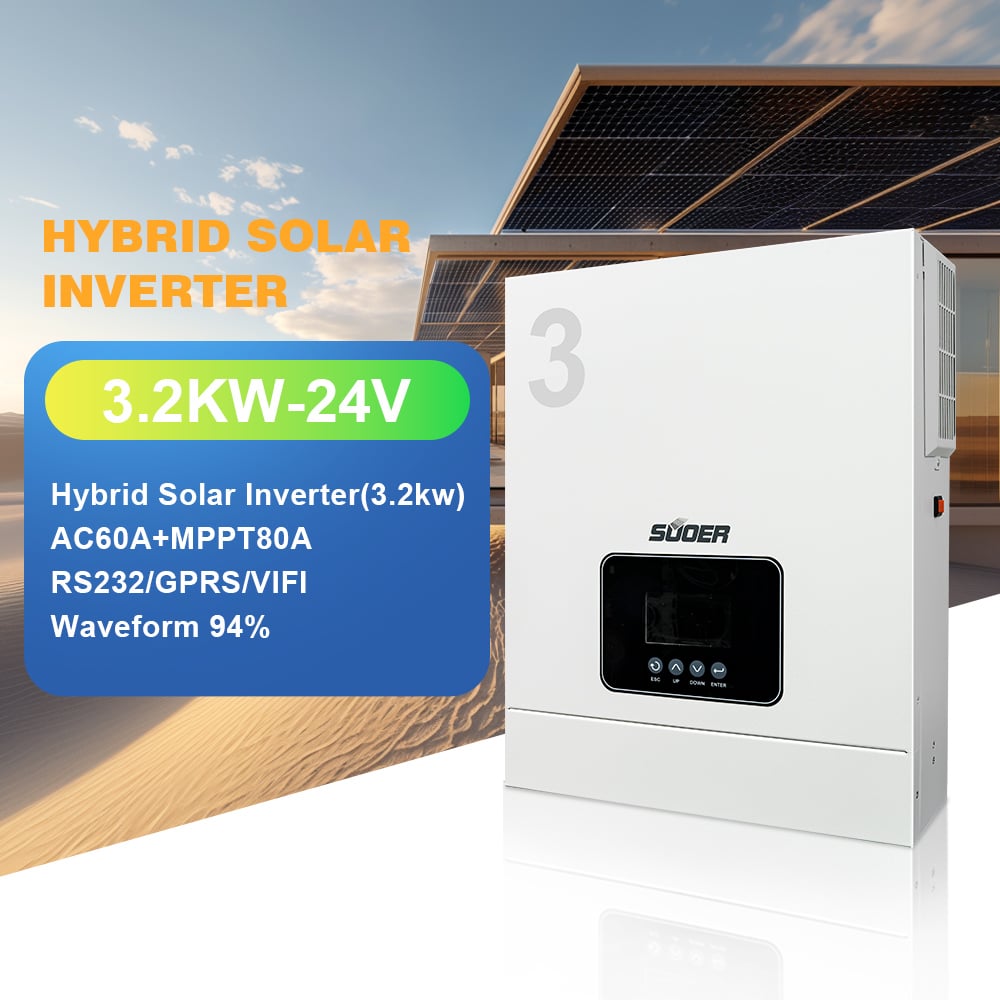
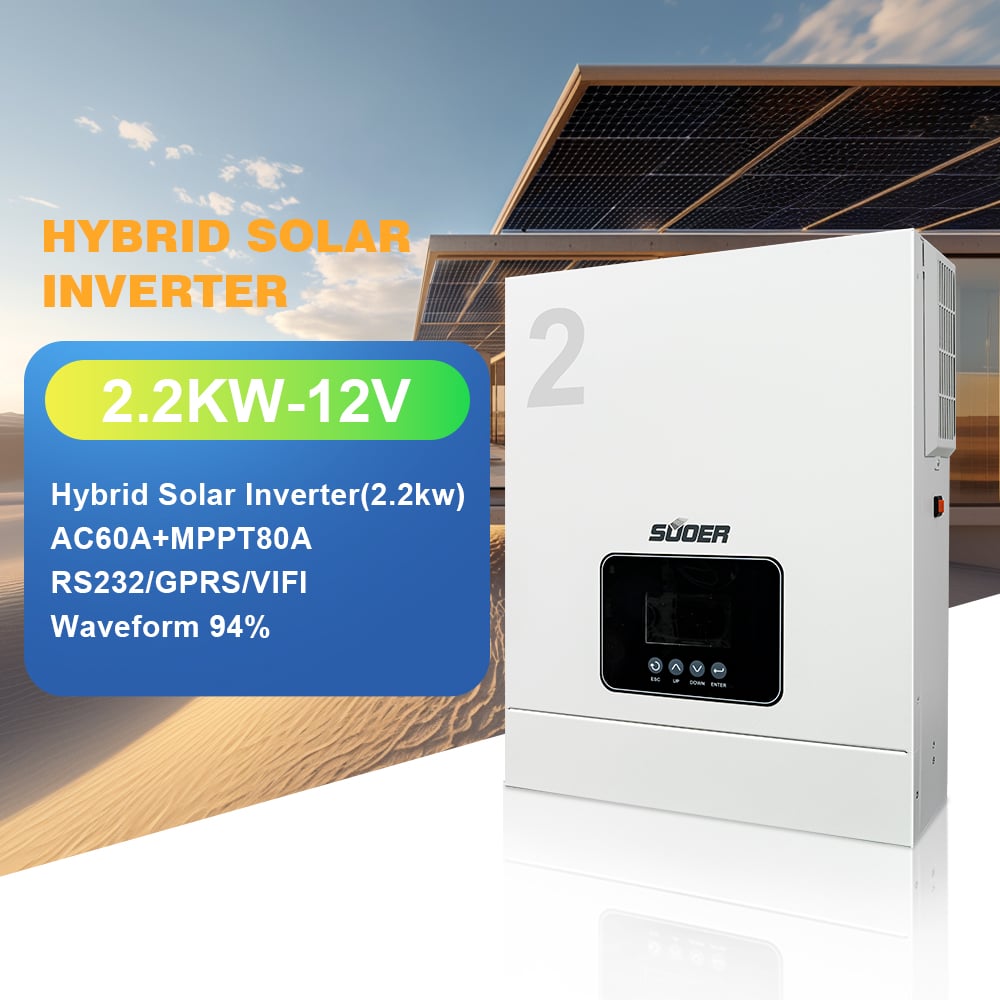
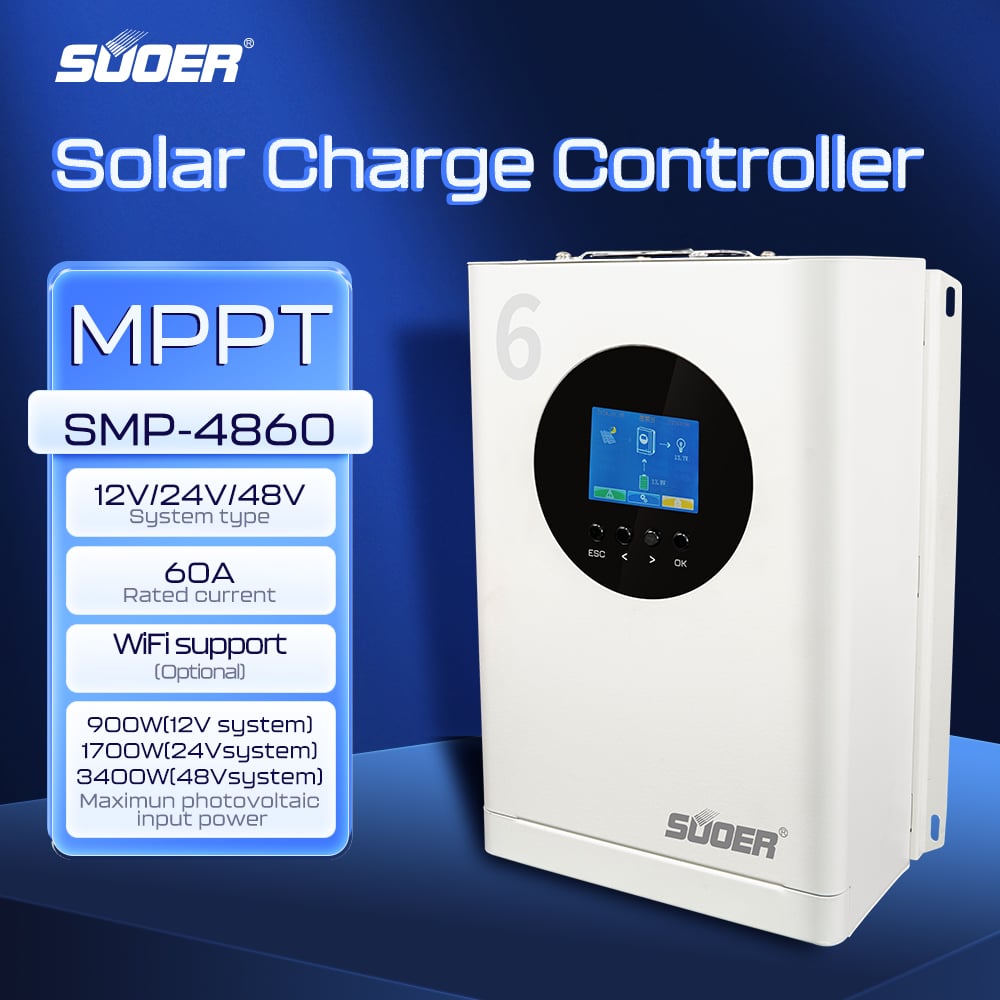
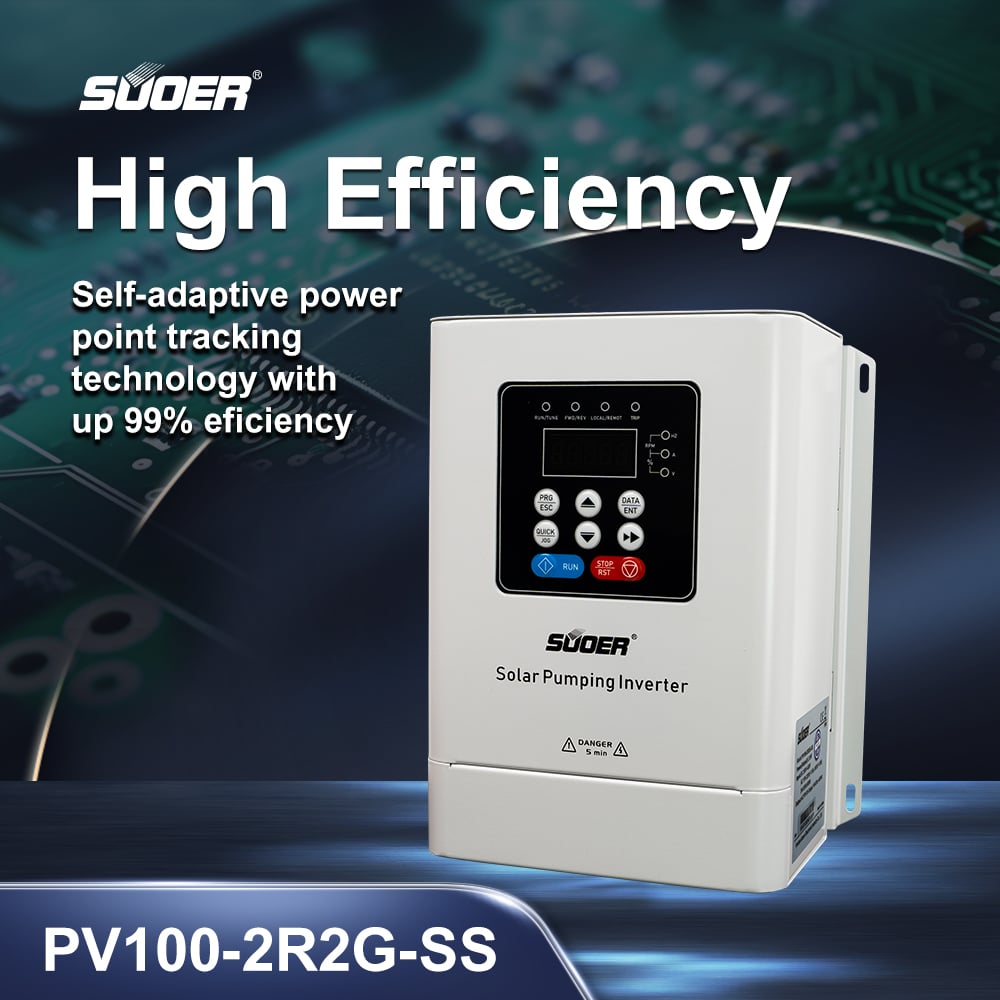
Pure sine car inverters are essential devices for converting DC power from a vehicle's battery into clean AC power, suitable for running sensitive electronic devices. For B2B buyers, particularly those in the manufacturing or wholesale sectors, understanding the nuances of pure sine inverters is crucial for making informed purchasing decisions. This article will guide you through the key considerations when selecting pure sine car inverters for wholesale, ensuring you choose reliable products that meet your operational needs.
When selecting a pure sine car inverter for wholesale, several factors should be considered to ensure the product meets your specific requirements. First and foremost, assess the inverter's power output capacity, which is measured in watts. This capacity must align with the power needs of the equipment you plan to operate. Common capacities range from 300W to 3000W or more, depending on the application.
Next, consider the inverter's efficiency rating. Higher efficiency means less energy waste and more reliable performance under load. Look for inverters with efficiencies above 90% to ensure optimal performance. Additionally, evaluate the inverter's surge capacity, which is the maximum power it can provide for a short duration. This is particularly important for starting appliances with high initial power demands.
Lastly, ensure the inverter includes essential safety features such as overload protection, short circuit protection, and thermal shutdown. These features are critical for preventing damage to both the inverter and the solar inverters devices it powers, making them a non-negotiable consideration for wholesale buyers.
When placing bulk orders for pure sine inverters, certain specifications become even more critical. Firstly, confirm the inverter's input voltage range to ensure compatibility with your vehicle's electrical system, typically ranging from 12V to 24V. Additionally, the inverter's output waveform should be a pure sine wave, which is crucial for safely powering sensitive electronics without causing interference or damage.
Another important specification is the inverter's total harmonic distortion (THD), which should ideally be less than 3%. Low THD ensures that the power delivered is clean and stable, reducing the risk of malfunction in sensitive equipment.
It's also wise to inquire about the inverter's operating temperature range and cooling mechanisms. Inverters that operate effectively under various environmental conditions will offer better reliability in diverse applications, from automotive to industrial settings.
To assess the quality of pure sine car inverters, buyers should conduct a thorough evaluation process. Start by requesting samples of the inverter models you are considering. Testing these samples under actual operating conditions will provide insights into performance, reliability, and efficiency.
Additionally, review the manufacturer's certifications, such as ROHS, CE, and ISO9001, which indicate adherence to quality and safety standards. A reputable manufacturer will provide documentation confirming these certifications, reinforcing their commitment to quality control.
Finally, consider the manufacturer's track record and industry reputation. Engaging with existing customers for feedback can yield valuable insights into the inverter's long-term performance and reliability. This step is particularly important for B2B buyers who require assurances of product quality for their projects.
Finding reliable suppliers for wholesale pure sine inverters involves a strategic approach. Start by researching manufacturers known for their expertise in power supply solutions, particularly those with a focus on the new energy sector. Evaluate their production capabilities, ensuring they can meet your volume requirements and customization needs.
Trade shows and industry conferences are excellent venues for establishing connections with potential suppliers. These events allow you to engage directly with manufacturers, assess their products, and discuss your specific requirements in detail.
Online platforms and industry-specific directories can also be useful resources. Look for solar inverters supplier with positive reviews and a history of successful collaborations with major OEMs in the automotive and industrial sectors. Always conduct due diligence by asking for references and verifying their track record before making any commitments.
While pure sine inverters are designed for reliability, buyers should be aware of common issues that can arise. One frequent problem is overheating, which can occur if the inverter is overloaded or lacks adequate ventilation. To mitigate this, ensure that the inverter is appropriately rated for its load and has sufficient airflow during operation.
Another issue is voltage fluctuation, which can affect the performance of connected devices. This can often be resolved by using inverters with built-in voltage regulation features. If voltage regulation is not available, consider using external voltage stabilizers to protect sensitive equipment.
Lastly, ensure that all connections are secure and that the inverter is installed according to the solar inverters manufacturers guidelines. Poor connections can lead to performance issues and potential damage to both the inverter and the devices it powers.
By understanding these common problems and their solutions, B2B buyers can make more informed decisions and reduce the likelihood of issues arising during operation.
Selecting the right pure sine car inverter for wholesale requires careful consideration of specifications, quality evaluation, and supplier reliability. By following the guidelines outlined, you can ensure that your purchasing decisions lead to successful project outcomes and satisfied customers.

Discover Suoer’s premium range of solar inverters and power inverters designed for reliable renewable energy solutions.Trusted by customers worldwide for exceptional performance and durability.
Suoer Industrial Zone, Ercun Road Section, Yanfeng Avenue, Shishan Town,Foshan city,Guangdong Province,China
Copyright © 2024 Foshan Suoer Electronic Industry Co., Ltd. Privacy Policy - Blog

 EN
 AR
 NL
 FR
 DE
 EL
 IT
 JA
 KO
 PT
 RU
 ES
 VI
 TH
 TR
 BG
 HR
 CS
 NO
 PL
 TL
 ID
 SR
 UK
 SQ
 HU
 MT
 AF
 MS
 IS
 HY
 AZ
 BN
 BS
 GU
 LO
 LA
 MN
 NE
 TA