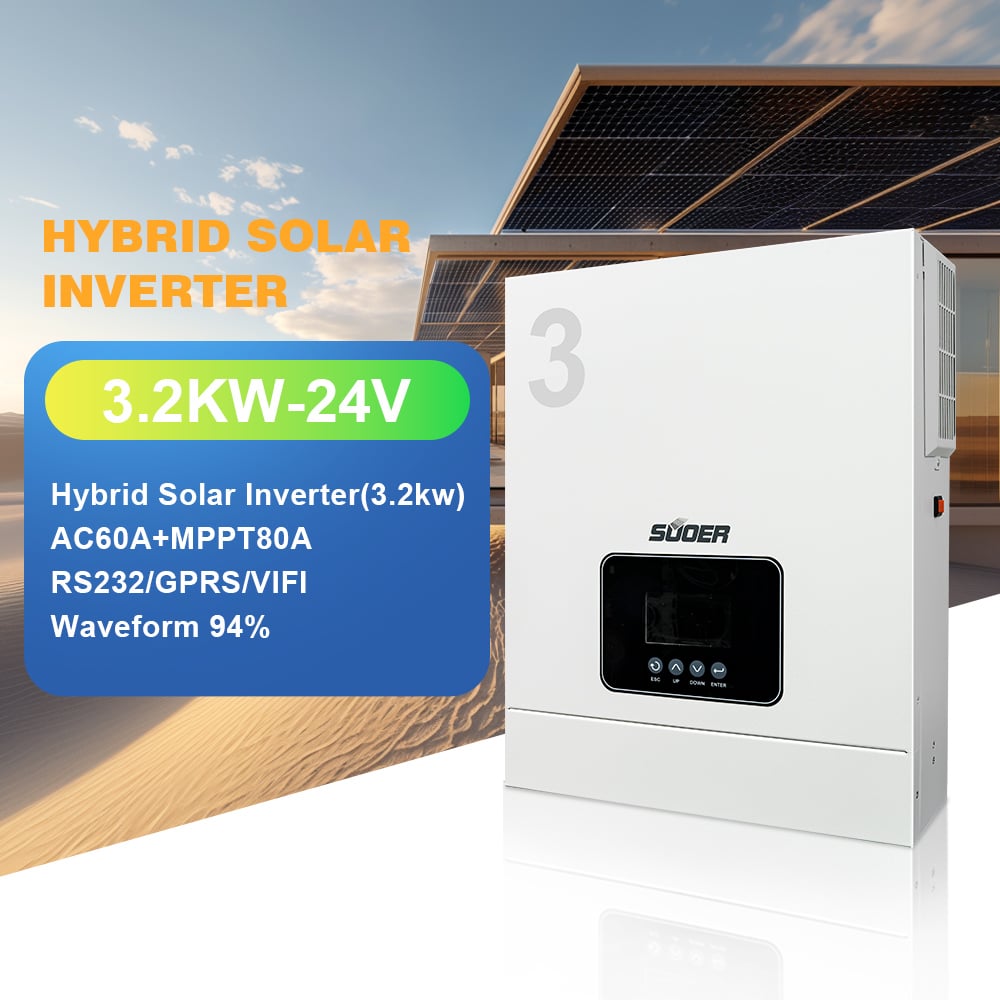
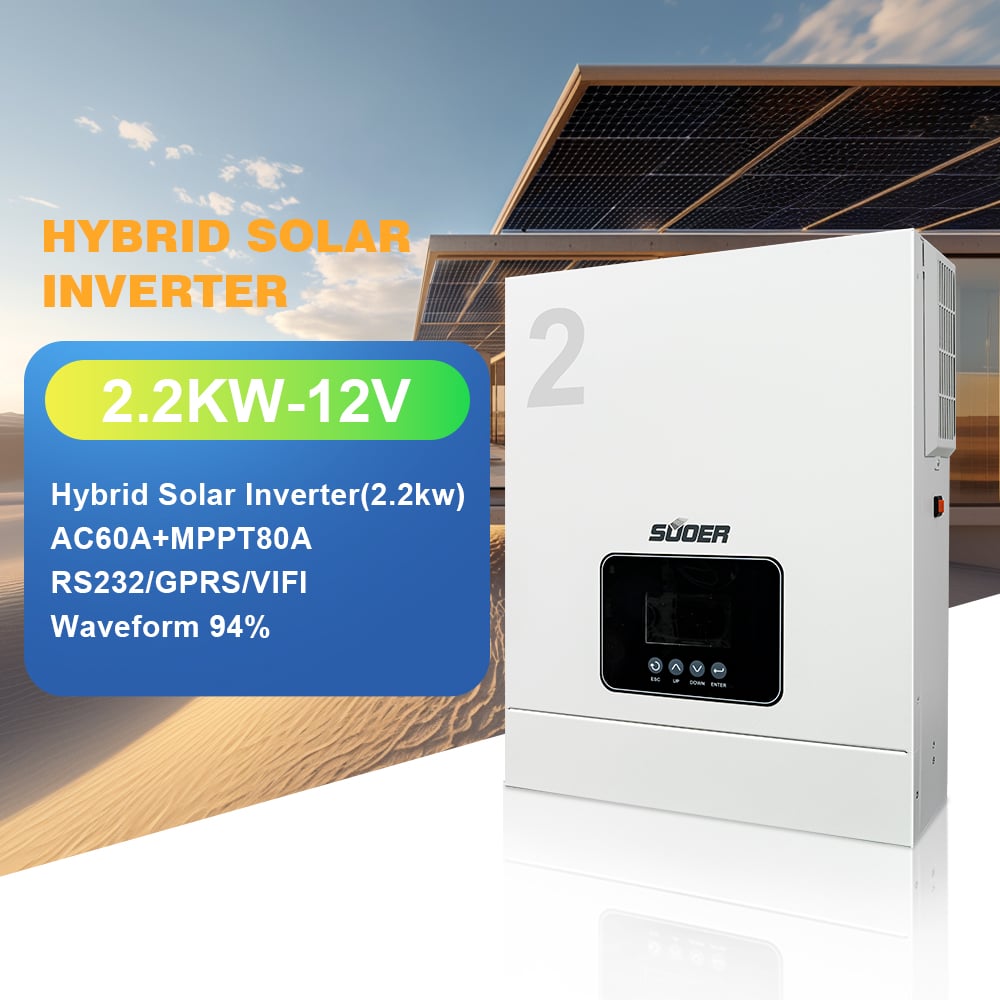
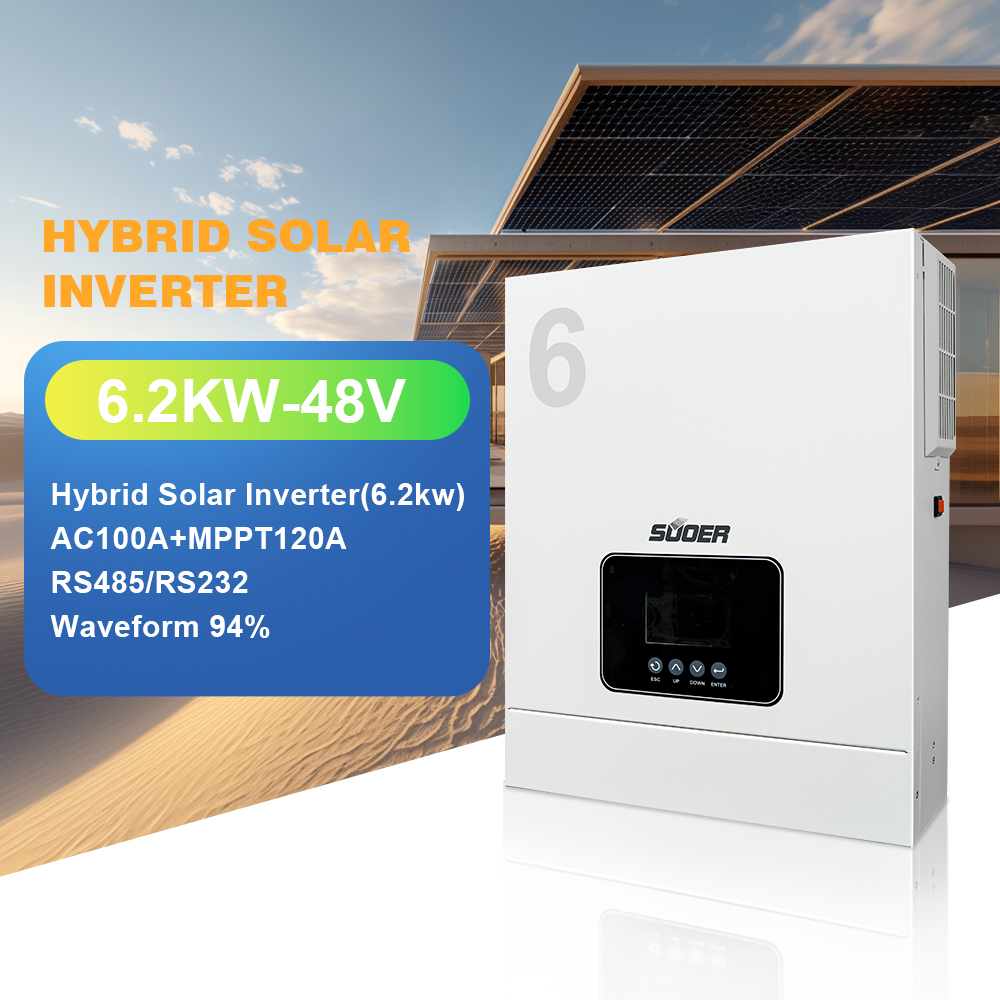
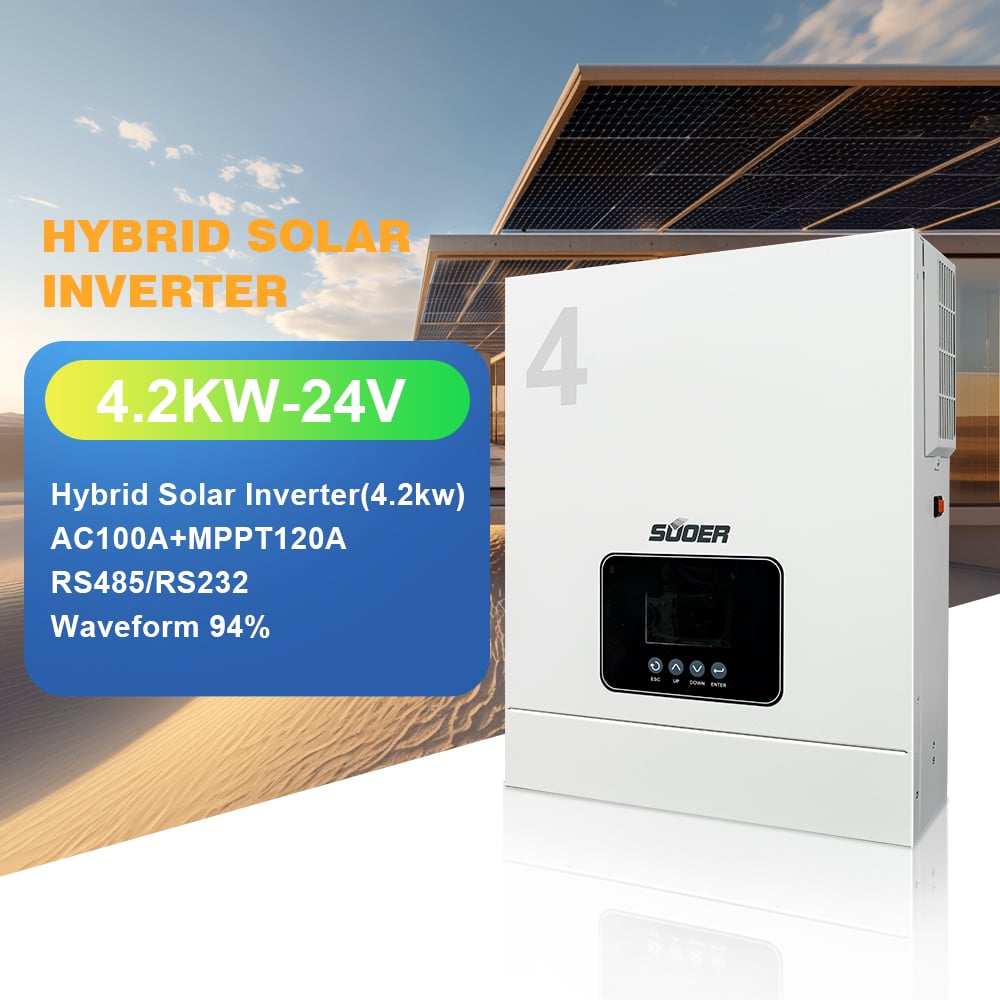
A 2000W pure sine wave power inverter is an essential device for converting direct current (DC) from sources like batteries into alternating current (AC) that can power various electrical devices. For B2B buyers, particularly those in the manufacturing, telecommunications, and electric vehicle sectors, selecting the right inverter involves understanding its specifications, ensuring quality control, and addressing installation challenges. This article will guide you through the critical factors to consider when choosing and evaluating a 2000W pure sine wave power inverter, helping you make an informed purchasing decision.
When selecting a 2000W pure sine wave power inverter, start by assessing your specific application requirements. Consider the devices you intend to power; they may require precise voltage and frequency specifications. Look for inverters that provide a continuous output of 2000W, with a surge capacity to handle inrush currents of appliances, typically 3000W or higher. Next, evaluate the 1500 watt power inverter efficiency rating, which should ideally exceed 90%. Higher efficiency translates to less energy loss during conversion, which is particularly important in commercial applications where energy costs are a concern. Also, consider the inverter's waveform quality; pure sine wave inverters produce a smooth output, ensuring compatibility with sensitive electronics, unlike modified sine wave inverters that may cause equipment malfunctions. Lastly, check for features like built-in protections against overheating, overload, and short circuits, as these can enhance reliability and longevity, minimizing downtime and maintenance costs.
Understanding the specifications of a 2000W pure sine wave inverter is critical for ensuring it meets your operational needs. Here are some key specifications to consider:
Output Voltage: Typically, inverters provide a standard output of 110V or 220V AC, depending on your equipment requirements.
Efficiency: Rated efficiency is a key indicator of performance. Our inverters are designed to achieve efficiencies of over 90%, which is critical for reducing operating costs.
Surge Capacity: This is the maximum power the dc power inverter can supply for short periods. For instance, a 2000W inverter might have a surge capacity of 3000W, allowing it to power devices with high inrush currents, such as motors.
Dimensions and Weight: These factors affect installation and portability. A compact design helps in space-constrained environments, while a lightweight model is easier to transport.
Operating Temperature: Many inverters operate within a temperature range of -10°C to 60°C. Ensure that your selected inverter can function effectively within the environmental conditions of your installation site.
Cooling Mechanisms: Look for models with effective cooling systems, such as fans or heat sinks, to prevent thermal overload during extended use.
Quality control is paramount when selecting a 2000W pure sine wave power inverter. Ensure that the manufacturer adheres to recognized standards, such as ISO 9001, which indicates a commitment to quality management systems.
A reliable manufacturer will conduct rigorous testing on their products, including:
Performance Testing: Verify that the inverter performs as specified under various load conditions. This includes testing maximum output and efficiency.
Safety Testing: Look for certifications such as ROHS and CE, which indicate compliance with safety and environmental standards.
Endurance Testing: High-quality off grid power inverter undergo prolonged operational tests to ensure they can handle extended use without failure.
Component Quality: Assess the materials used in construction. High-quality capacitors, transistors, and circuit boards significantly impact reliability.
Inquire about the manufacturer's quality assurance processes, including whether they perform inspections at various stages of production, from raw materials to final assembly.
Installing a 2000W pure sine wave power inverter can present challenges that may affect performance. Here are common issues and how to address them:
Incorrect Wiring: Ensure that all connections are secure and correctly configured to prevent short circuits or equipment damage. Review the inverter’s manual for detailed wiring instructions.
Inadequate Ventilation: Poor airflow can lead to overheating. Make sure to install the inverter in a well-ventilated area and consider adding external cooling solutions if necessary.
Load Compatibility: Before connecting devices, confirm that their total power consumption does not exceed the inverter's capacity, factoring in both continuous and surge power requirements.
Grounding Issues: Proper grounding is essential for safety and performance. Ensure that the inverter is grounded according to electrical codes and manufacturer guidelines.
Battery Size and Type: Choose batteries that match the inverter’s specifications. The inverter’s performance can be adversely affected if the battery is undersized or incompatible.
By identifying potential installation issues upfront, you can mitigate risks and ensure optimal performance from your inverter.
Finding a trustworthy supplier for 2000W pure sine wave power inverters is crucial for ensuring product quality and reliability. Start by researching manufacturers with established reputations in the new energy sector. Look for those that specialize in power supply solutions for electric vehicles and industrial applications, as they are likely to have relevant expertise.
You can evaluate suppliers based on:
Certifications: Verify that the supplier holds relevant quality and safety certifications, such as ISO 9001, ROHS, and CE.
Customer Reviews: Seek testimonials or case studies from previous clients to gauge product performance and customer service.
Technical Support: Assess the level of support provided post-purchase, including installation guidance, troubleshooting assistance, and warranty terms.
Customization Options: Many suppliers offer customization to meet specific application needs. Inquire about their capabilities in modifying inverter specifications to suit your requirements.
Industry Presence: Suppliers engaged with major vehicle OEMs and industries like telecommunications and rail transit often have robust quality assurance processes and a commitment to innovation.
By thoroughly vetting suppliers, you can source a reliable 2000W pure sine wave power inverter that meets your operational needs and quality expectations.

Discover Suoer’s premium range of solar inverters and power inverters designed for reliable renewable energy solutions.Trusted by customers worldwide for exceptional performance and durability.
Suoer Industrial Zone, Ercun Road Section, Yanfeng Avenue, Shishan Town,Foshan city,Guangdong Province,China
Copyright © 2024 Foshan Suoer Electronic Industry Co., Ltd. Privacy Policy - Blog

 EN
 AR
 NL
 FR
 DE
 EL
 IT
 JA
 KO
 PT
 RU
 ES
 VI
 TH
 TR
 BG
 HR
 CS
 NO
 PL
 TL
 ID
 SR
 UK
 SQ
 HU
 MT
 AF
 MS
 IS
 HY
 AZ
 BN
 BS
 GU
 LO
 LA
 MN
 NE
 TA