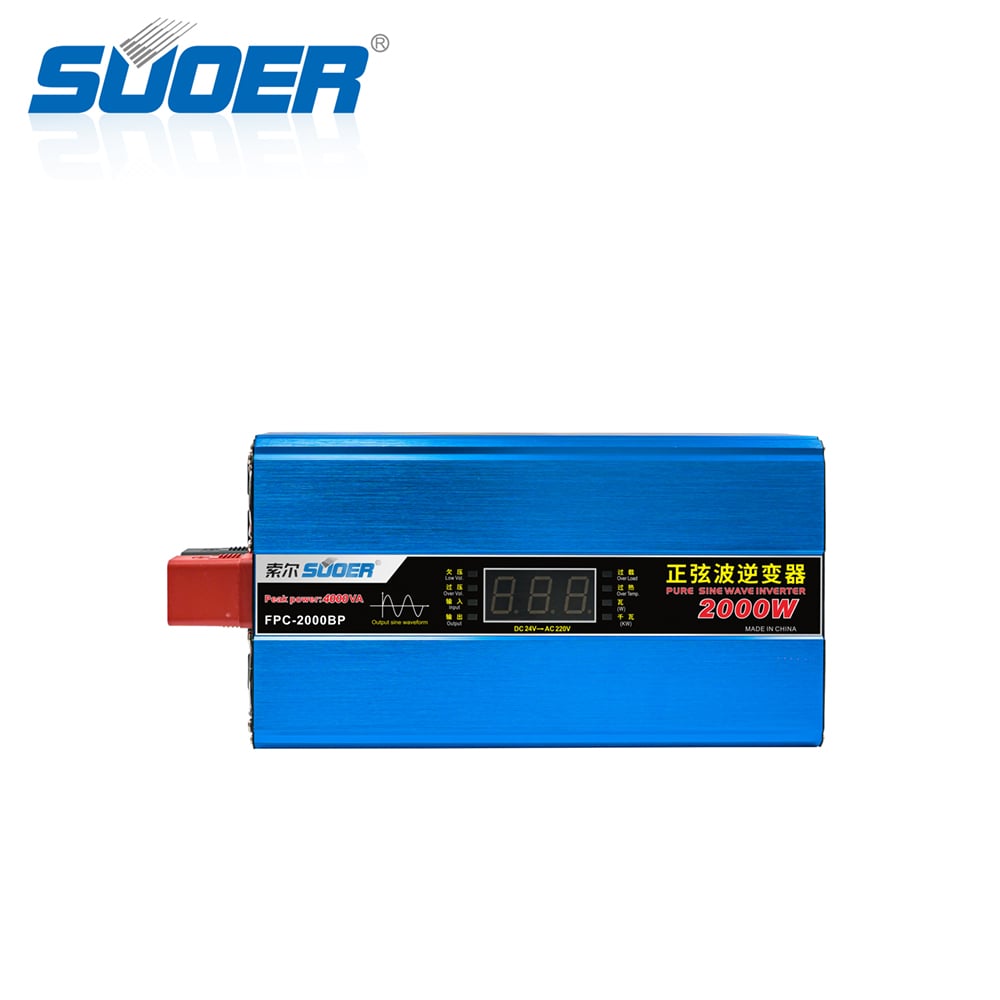
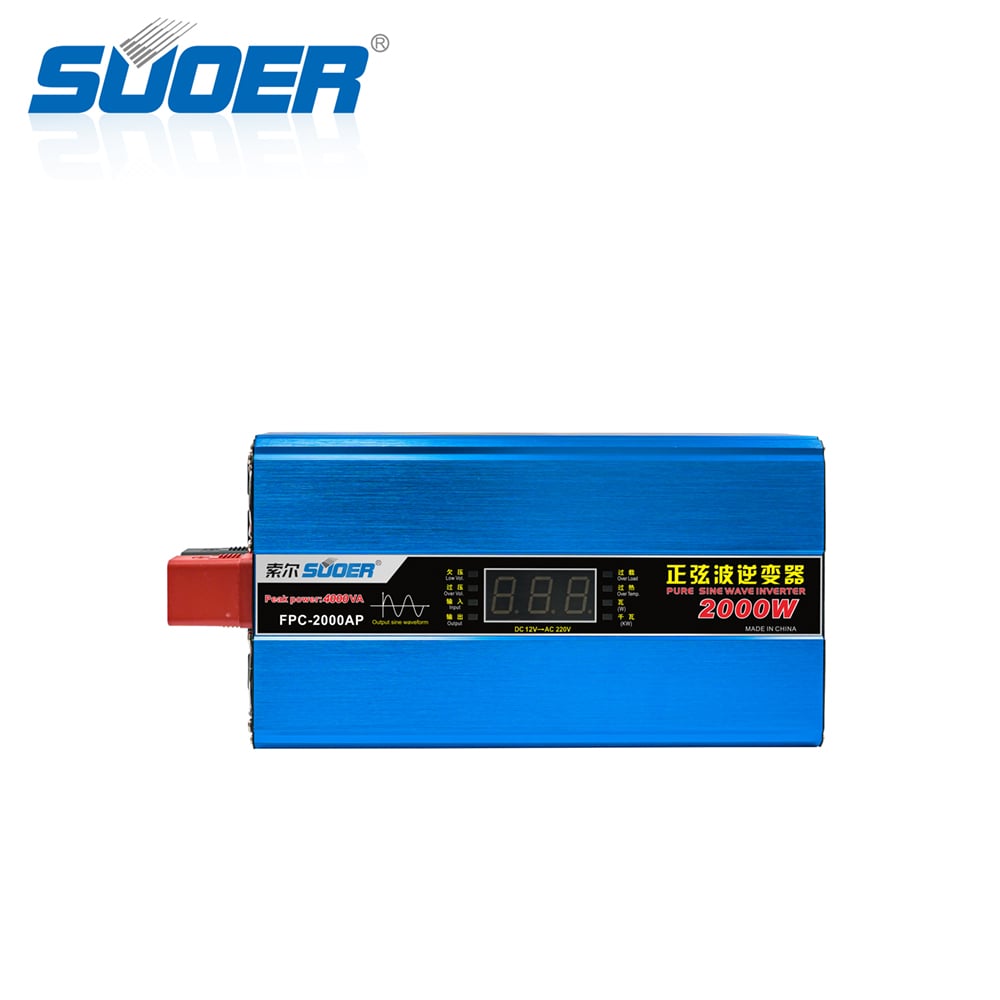
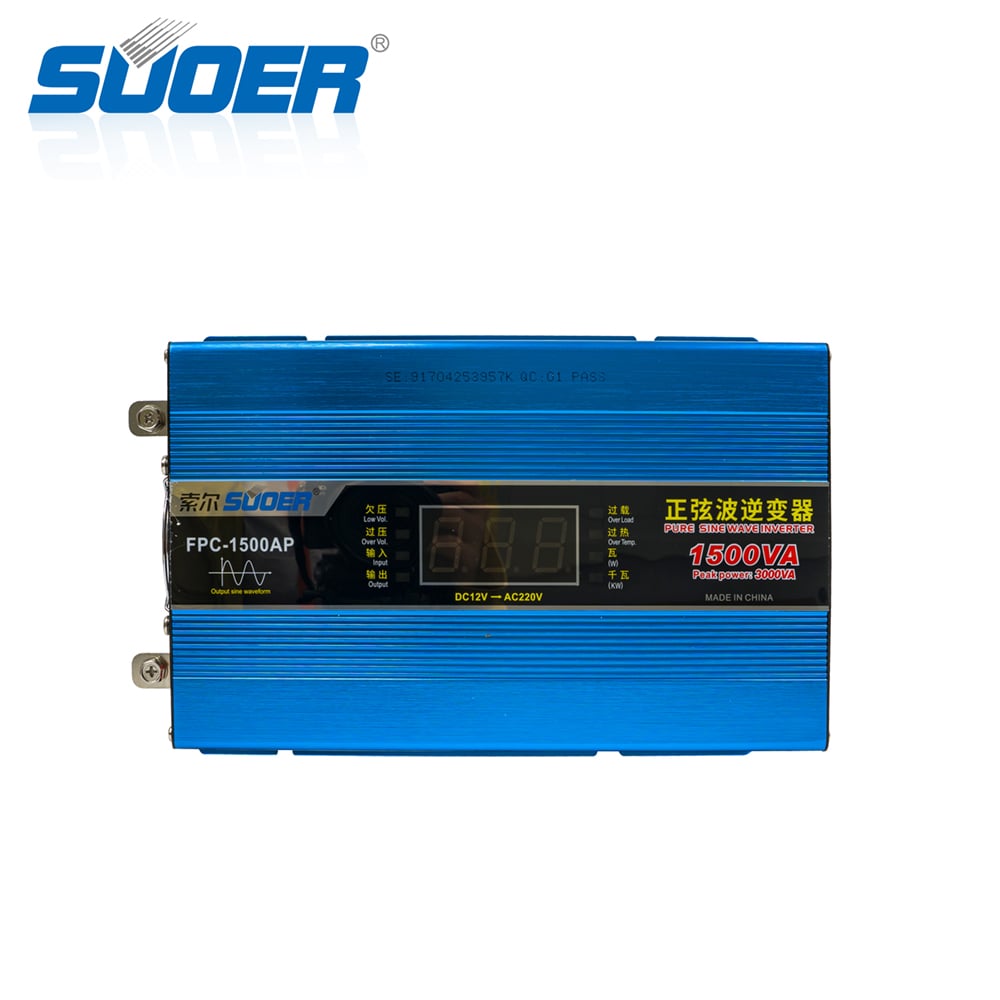
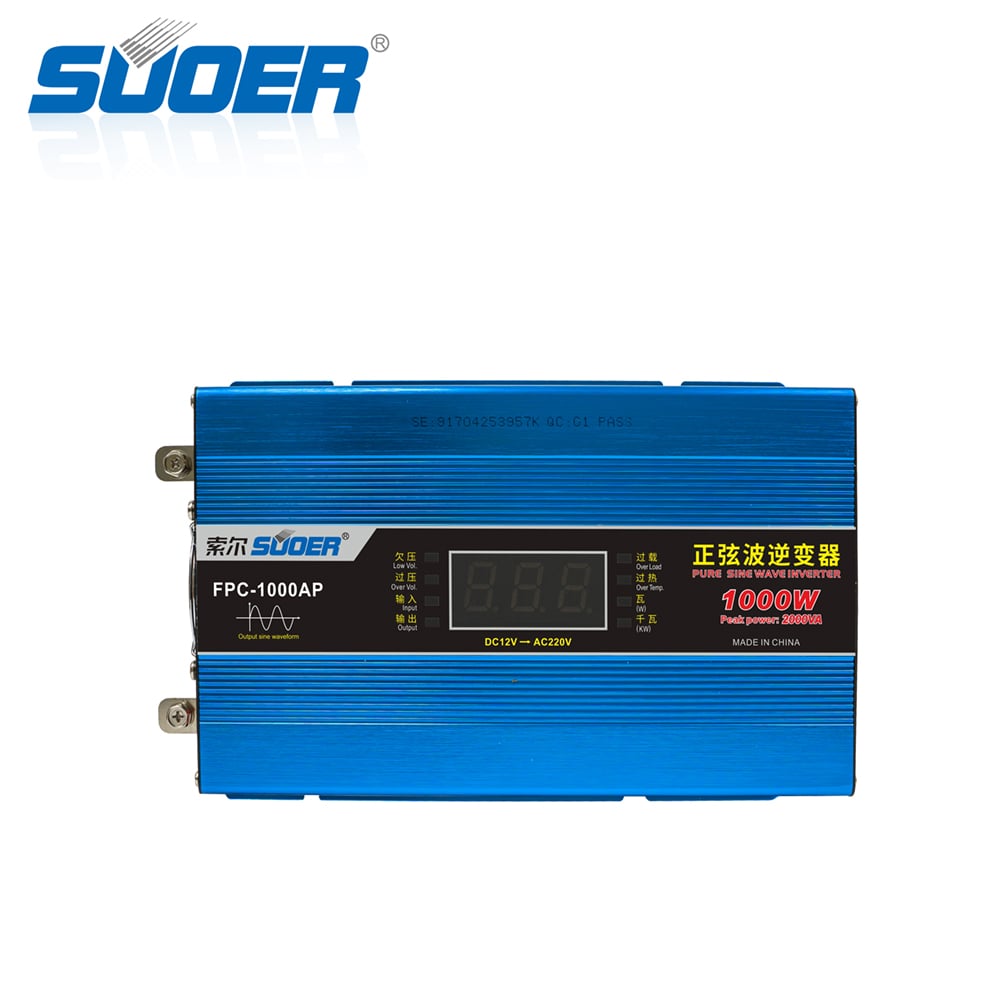
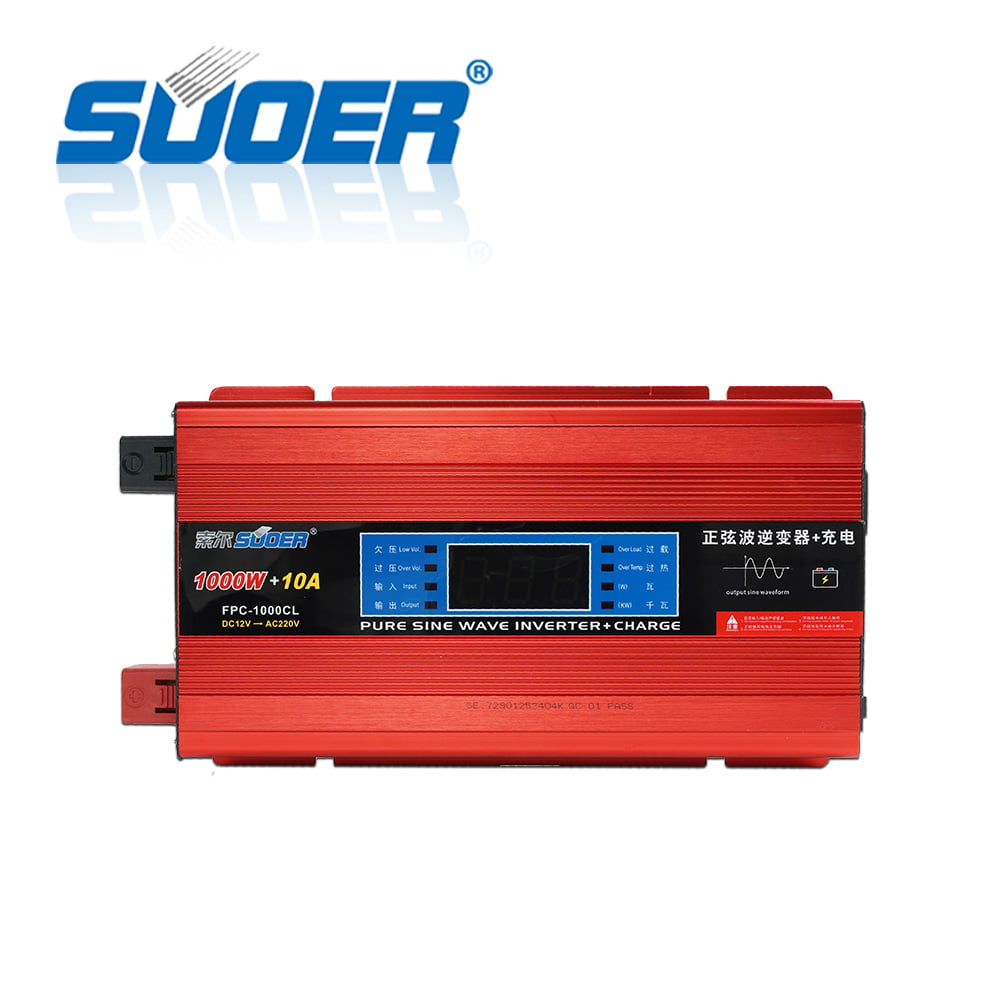
Pure sine wave car power inverters are essential devices for converting DC power from a vehicle's battery into AC power, allowing you to operate various electronic appliances and tools. When selecting the right inverter for your needs, B2B buyers often prioritize factors such as reliability, efficiency, and compatibility with their equipment. This article will explore key considerations for choosing a pure sine wave car power inverter, sourcing options, cost factors for bulk orders, industry applications, and why these aspects are critical in the purchasing process.
When selecting a pure sine wave car power inverter, several specifications and features should be assessed:
Power Rating: The inverter's wattage should match or exceed the total power consumption of the devices you intend to use. This ensures that the inverter can handle the load without overheating or failing.
Input Voltage: Most car power inverters operate on a 12V DC input, which is standard for most vehicles. Ensuring compatibility with your vehicle's electrical system is crucial.
Output Voltage and Frequency: A pure sine wave inverter provides a stable 120V AC output at 60Hz, similar to grid power. This quality is essential for sensitive electronics that require clean power for optimal performance.
Efficiency: Look for inverters with high efficiency ratings (typically above 90%). Higher efficiency translates to less wasted energy and longer battery life.
Protection Features: Inverters should have built-in safety mechanisms like overload protection, overheat protection, and short-circuit protection to prevent damage to both the inverter and connected devices.
Size and Portability: Consider the physical dimensions and weight of the inverter, especially if it needs to be transported frequently or installed in tight spaces.
Understanding these specifications helps buyers select an inverter that not only meets their immediate needs but also aligns with their operational requirements. For example, the New 12kw Hybrid Solar Off-Grid Inverter System 15kwh 300ah Lithium Iron Lifepo4 Battery offers features tailored for high-efficiency applications.
Sourcing high-quality pure sine wave car power inverters can be done through various channels:
Direct Manufacturers: Partnering with manufacturers specializing in power supplies for electric vehicles can ensure you receive high-quality products with direct access to technical support and customization options. As a company in the new energy industry, we provide certified inverters that comply with industry standards.
Wholesale Distributors: Established distributors often carry a range of products from various manufacturers, allowing you to compare different models and pricing in one place. Ensure they have a solid reputation and good customer service.
Online Marketplaces: Platforms like Alibaba or Global Sources can provide access to numerous suppliers. However, it is vital to check the seller's ratings, reviews, and certifications to avoid substandard products.
Trade Shows and Expos: Attending industry-specific events can connect you with manufacturers and distributors, allowing for face-to-face discussions about products, pricing, and customization options.
When sourcing inverters, emphasize quality assurance protocols, including certifications like ROHS, CE, and ISO9001, to ensure compliance and reliability.
Understanding the cost structure for bulk orders of pure sine wave car power inverters can help buyers make informed purchasing decisions. Key factors include:
Volume Discounts: Purchasing in larger quantities often qualifies for discounts. It's essential to discuss pricing tiers with your supplier to maximize savings.
Customization: Custom features or specifications may increase the cost. While customization can enhance product suitability for specific applications, it’s essential to evaluate whether these modifications justify the additional expense.
Shipping and Handling: Consider the cost of shipping, which can vary significantly based on the order size, destination, and method of transportation. Bulk orders may qualify for better shipping rates.
Lead Times: Customized or high-volume orders may require longer lead times, affecting overall project timelines. Discussing expected delivery dates upfront can help in planning and avoiding delays.
Quality Assurance Costs: Ensure that the supplier has robust quality control processes in place, as investing in quality assurance upfront can prevent costly returns or damages later on.
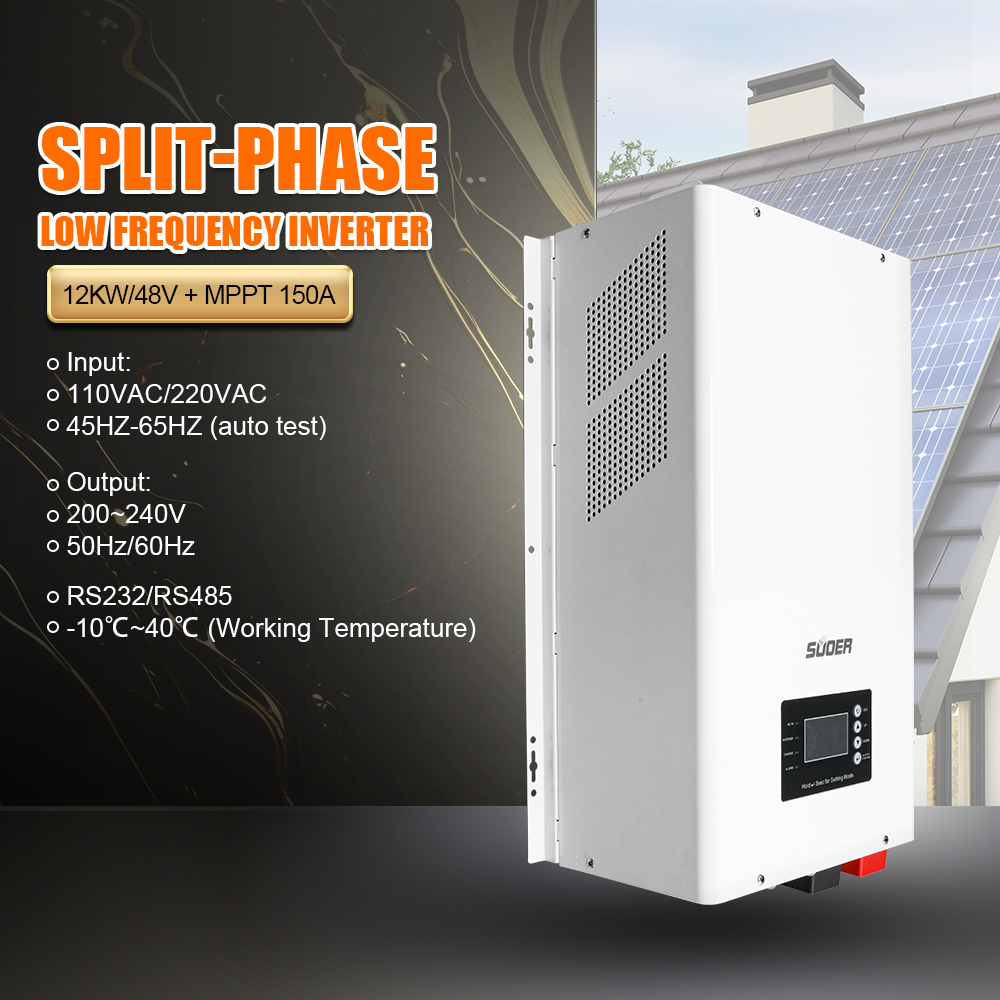
Understanding these cost factors prepares buyers for negotiations and helps assess the total cost of ownership for their inverter needs. For instance, the VMS-12kw energy system sales 12kw smart hybrid solar Inverter with MPPT solar charger can be a valuable investment considering its efficiency and long-term performance.
Pure sine wave car power inverters find applications across various sectors due to their ability to provide clean, efficient power. Notable applications include:
Electric Vehicles (EVs): Inverters play a crucial role in EV charging systems, converting stored energy into usable AC power for vehicle operations and external applications.
Telecommunications: In the telecommunications sector, reliable power is necessary for communication equipment. Inverters ensure that devices function correctly, even during power outages.
Rail Transit: Inverters are used in rail systems to power onboard systems, ensuring safety and operational integrity.
Renewable Energy Systems: In photovoltaic systems, these inverters convert DC power generated by solar panels into AC power for home or industrial use.
Mobile Workstations: For industries requiring mobile workstations, pure sine wave inverters allow for the safe operation of sensitive electronic tools and equipment in remote locations.
By understanding these applications, buyers can better align their purchase decisions with industry needs and operational requirements.
Purchasing the correct pure sine wave car power inverter is crucial for multiple reasons:
Operational Reliability: A high-quality inverter ensures that sensitive electronics operate correctly, reducing the risk of damage caused by unstable power supply.
Cost Efficiency: Investing in efficient inverters can lead to lower energy consumption and reduced operational costs over time.
Regulatory Compliance: Many industries have strict regulations regarding power supply quality. Choosing certified products helps ensure compliance and avoid potential legal issues.
Long-term Performance: High-quality inverters are designed for durability and reliability, reducing the frequency of replacements and associated costs.
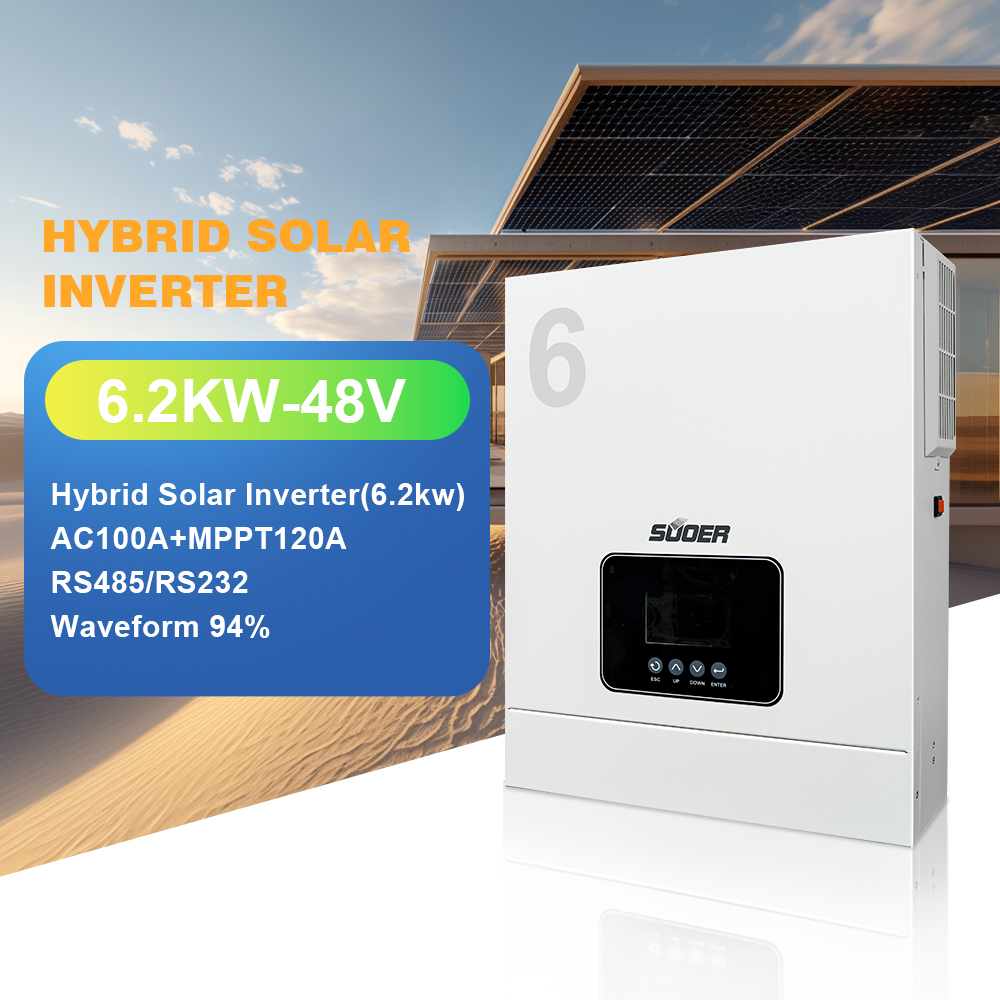
Supplier Relationships: Establishing a relationship with a reputable supplier can lead to better support, service, and potential future collaboration on custom projects. For example, considering options like the 6200W Hybrid Solar Off-Grid Inverter System 10kwh Lithium Iron Lifepo4 Battery can enhance operational capabilities.
In summary, understanding the implications of power inverter purchases empowers B2B buyers to make informed decisions that align with their operational goals and industry standards.

Discover Suoer’s premium range of solar inverters and power inverters designed for reliable renewable energy solutions.Trusted by customers worldwide for exceptional performance and durability.
Suoer Industrial Zone, Ercun Road Section, Yanfeng Avenue, Shishan Town,Foshan city,Guangdong Province,China
Copyright © 2024 Foshan Suoer Electronic Industry Co., Ltd. Privacy Policy - Blog

 EN
 AR
 NL
 FR
 DE
 EL
 IT
 JA
 KO
 PT
 RU
 ES
 VI
 TH
 TR
 BG
 HR
 CS
 NO
 PL
 TL
 ID
 SR
 UK
 SQ
 HU
 MT
 AF
 MS
 IS
 HY
 AZ
 BN
 BS
 GU
 LO
 LA
 MN
 NE
 TA