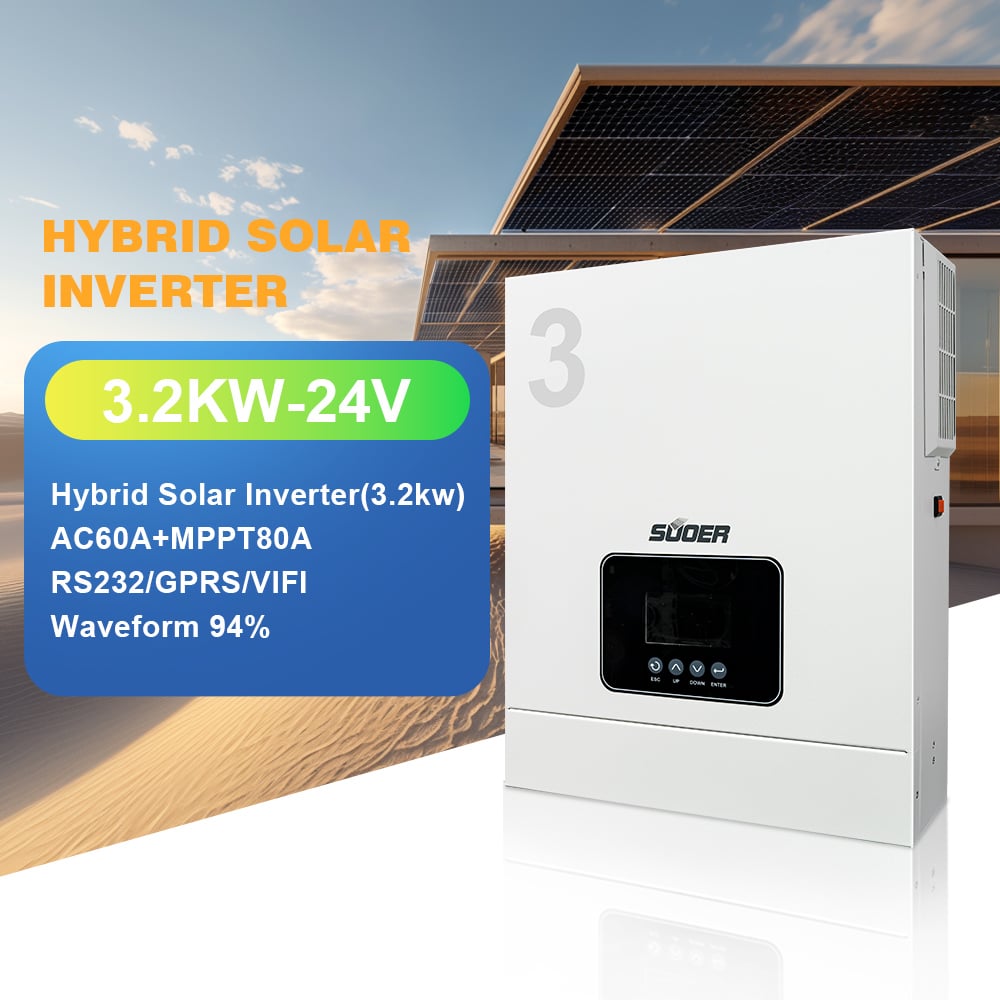
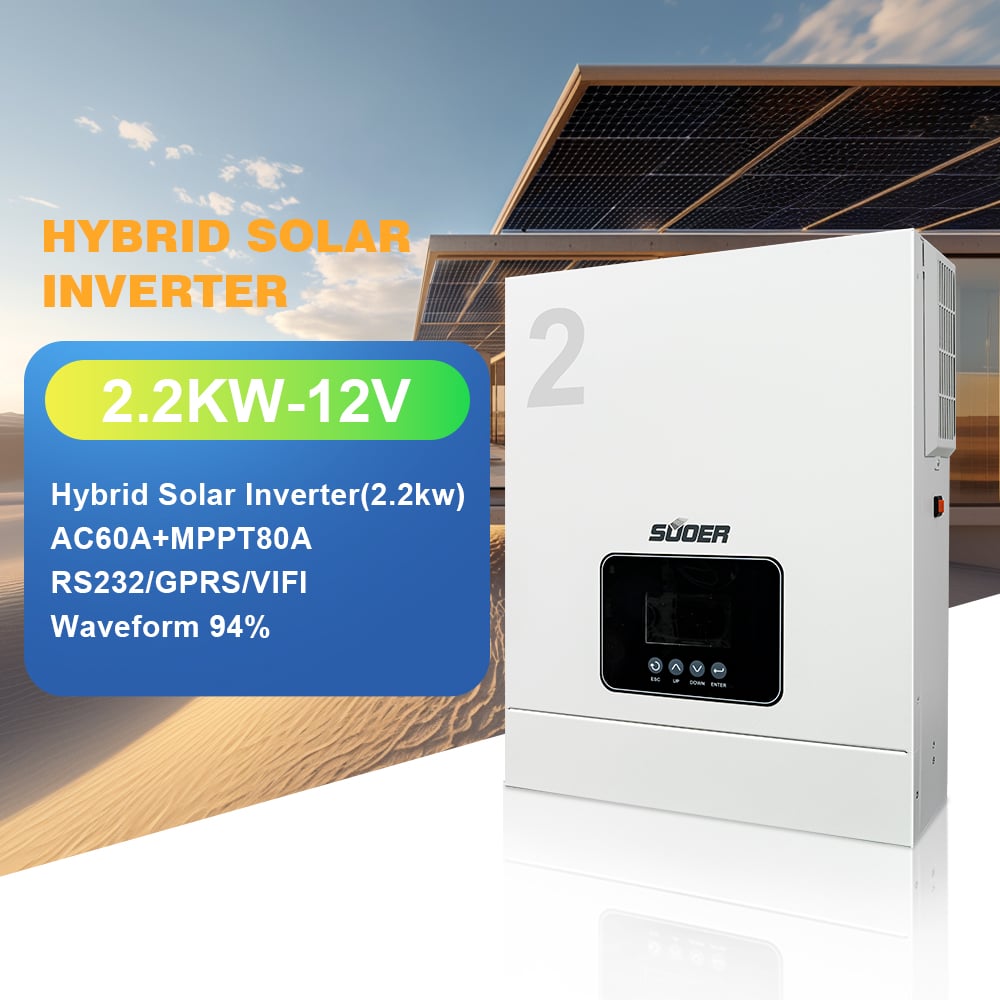
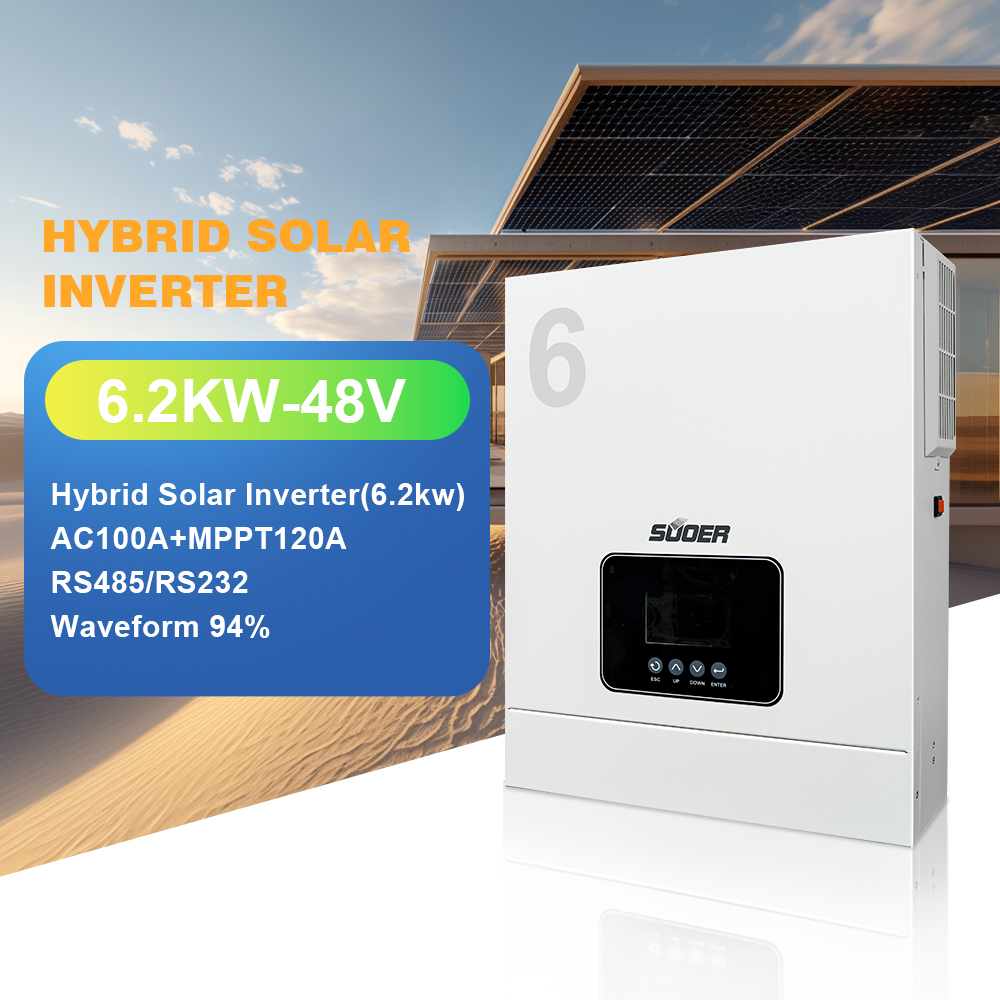
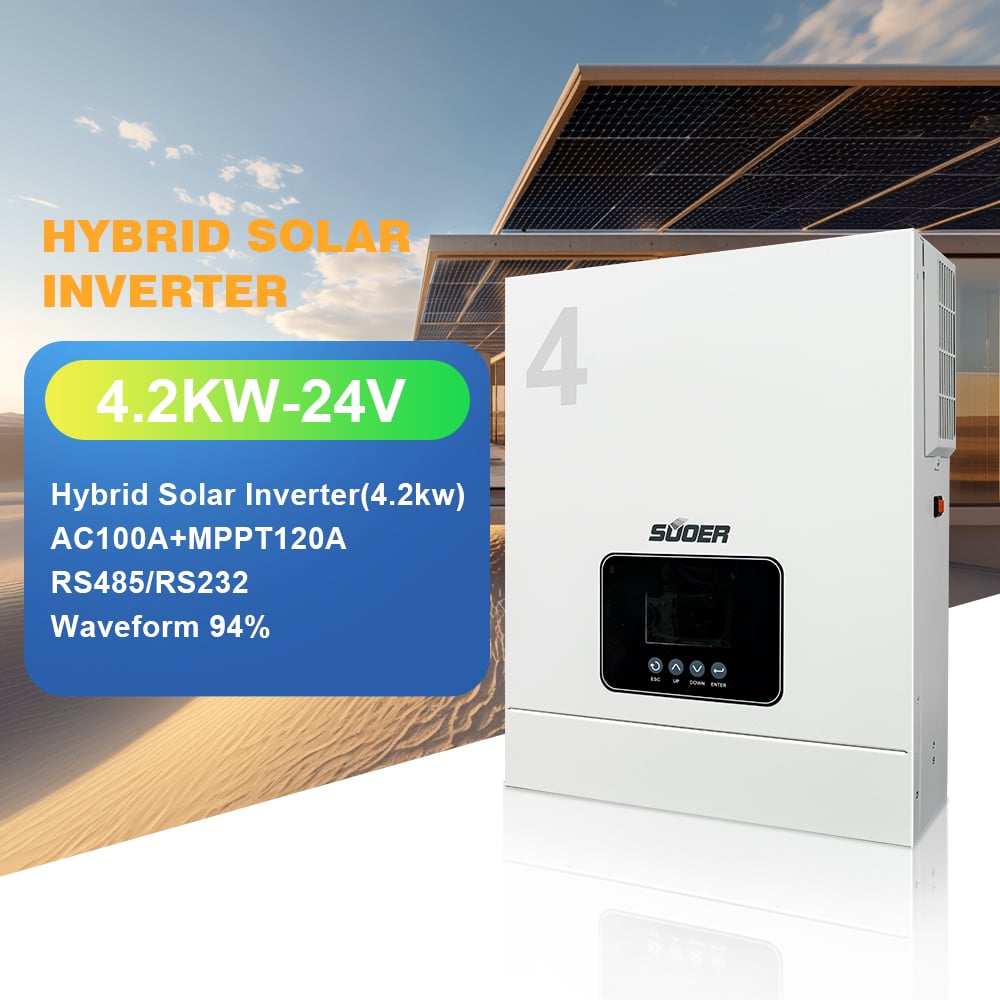
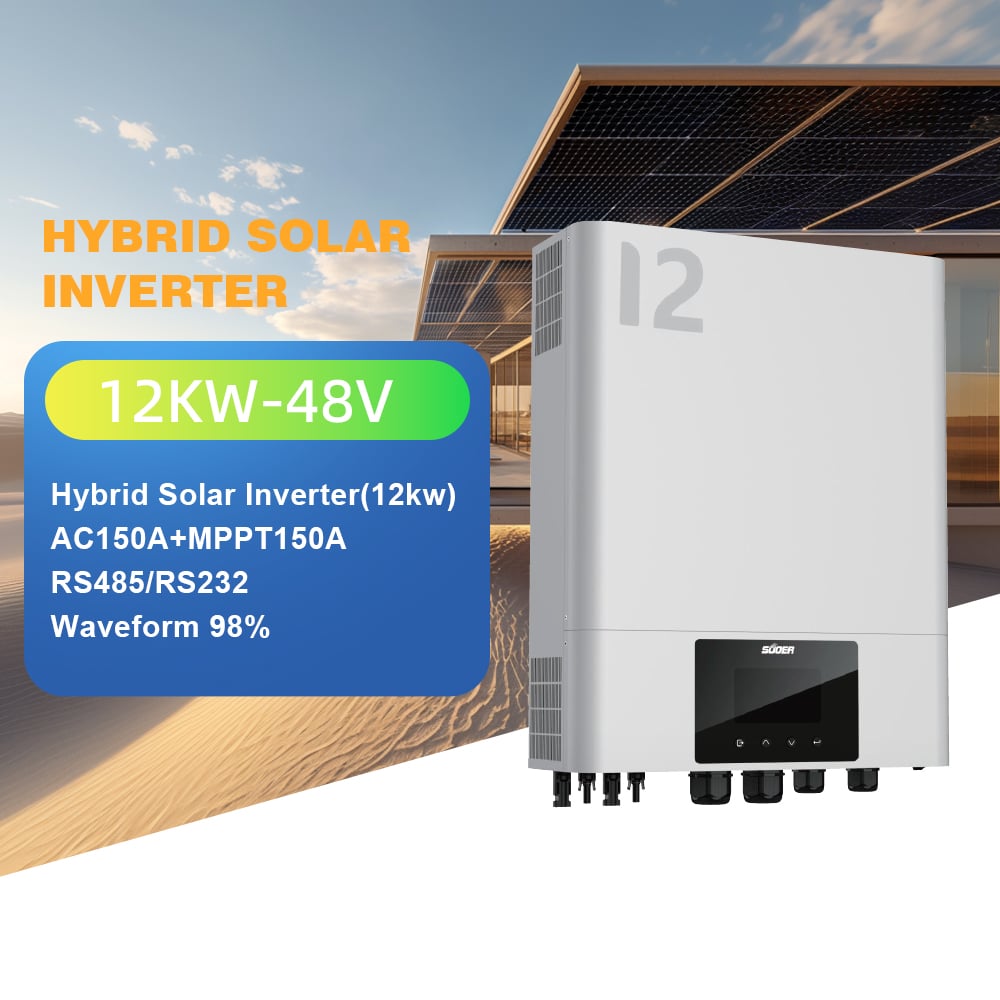
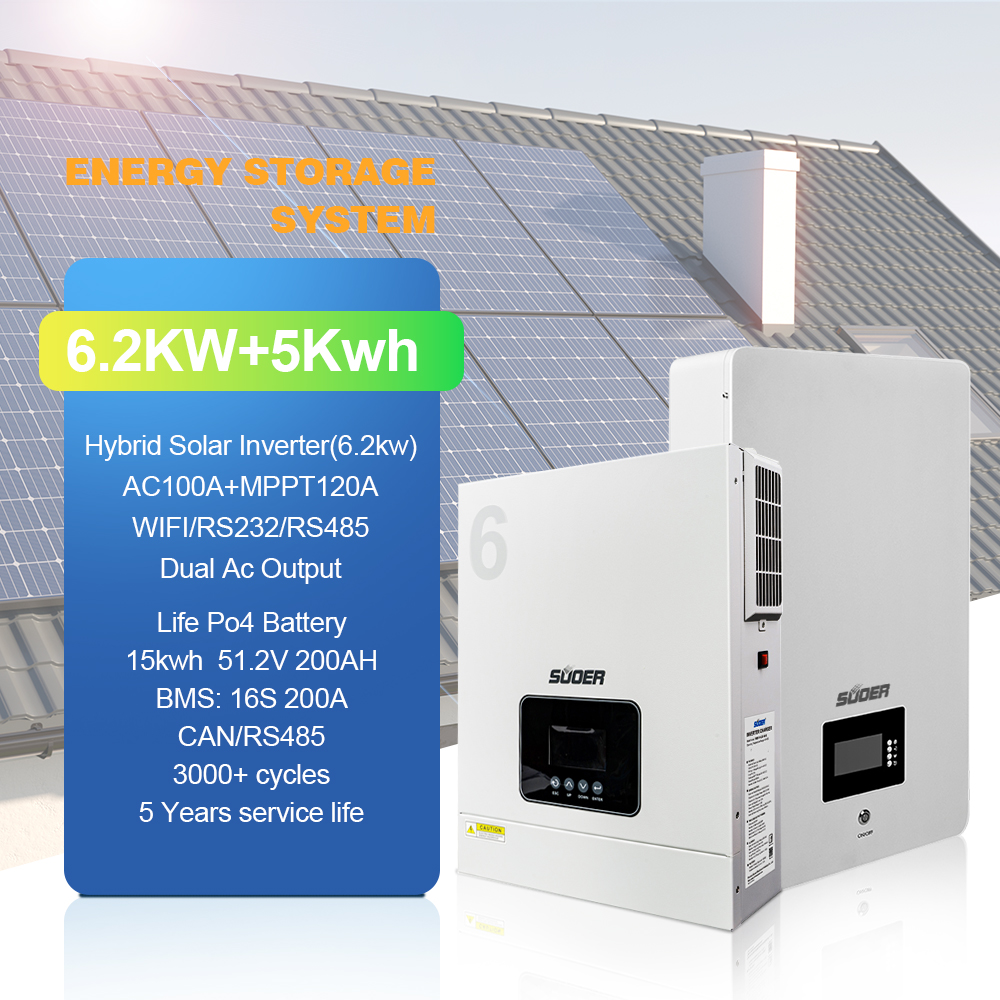
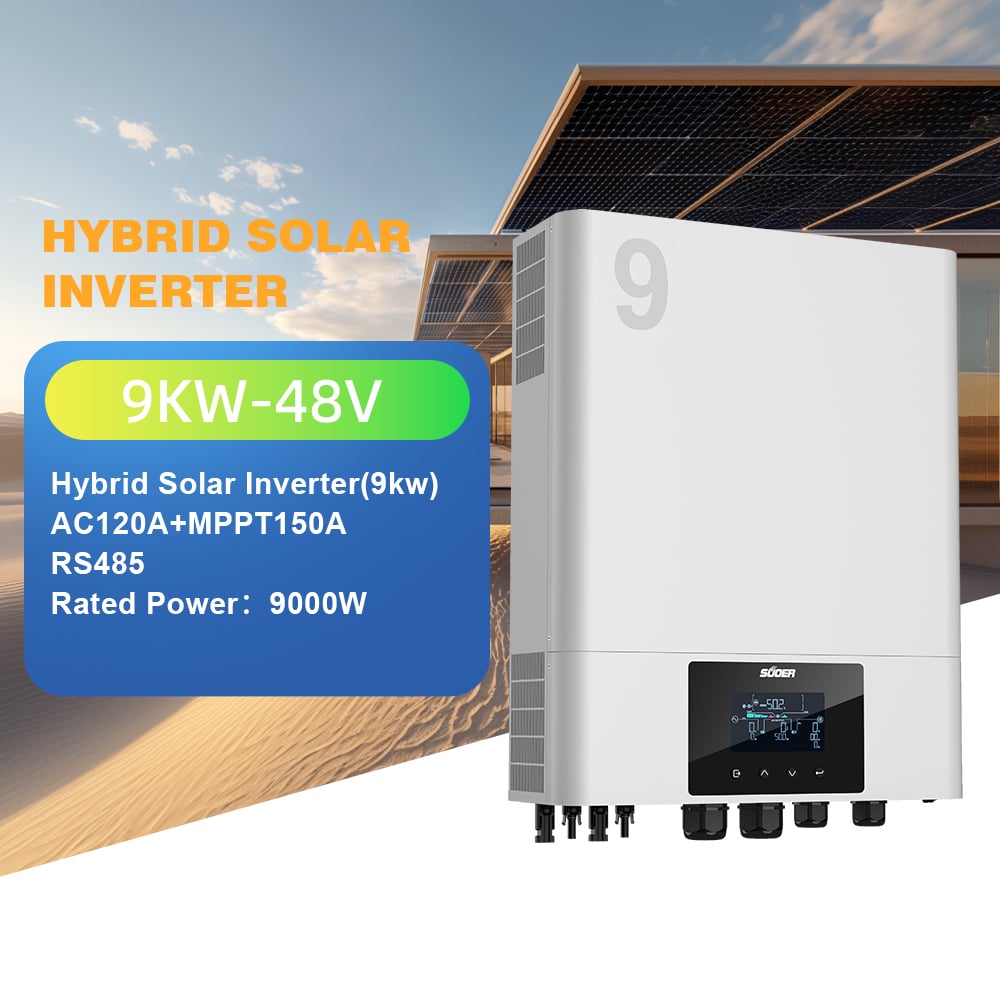
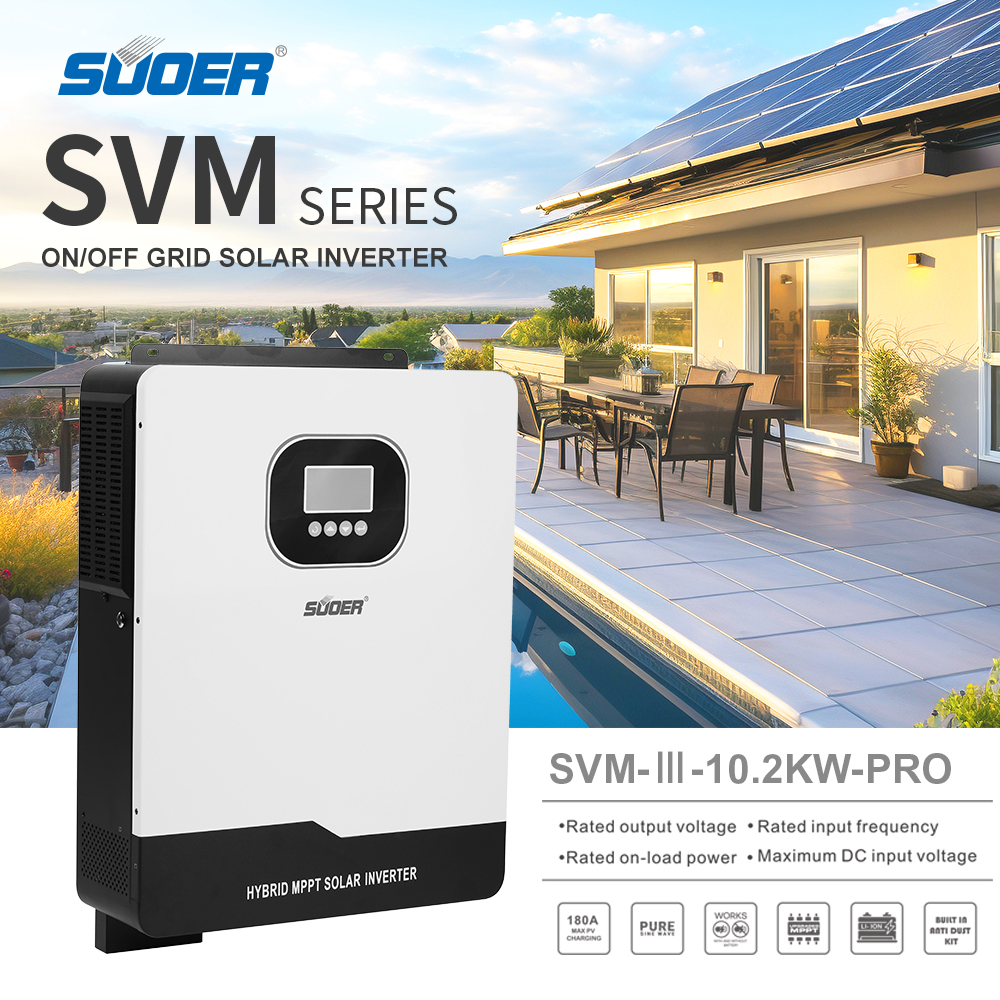
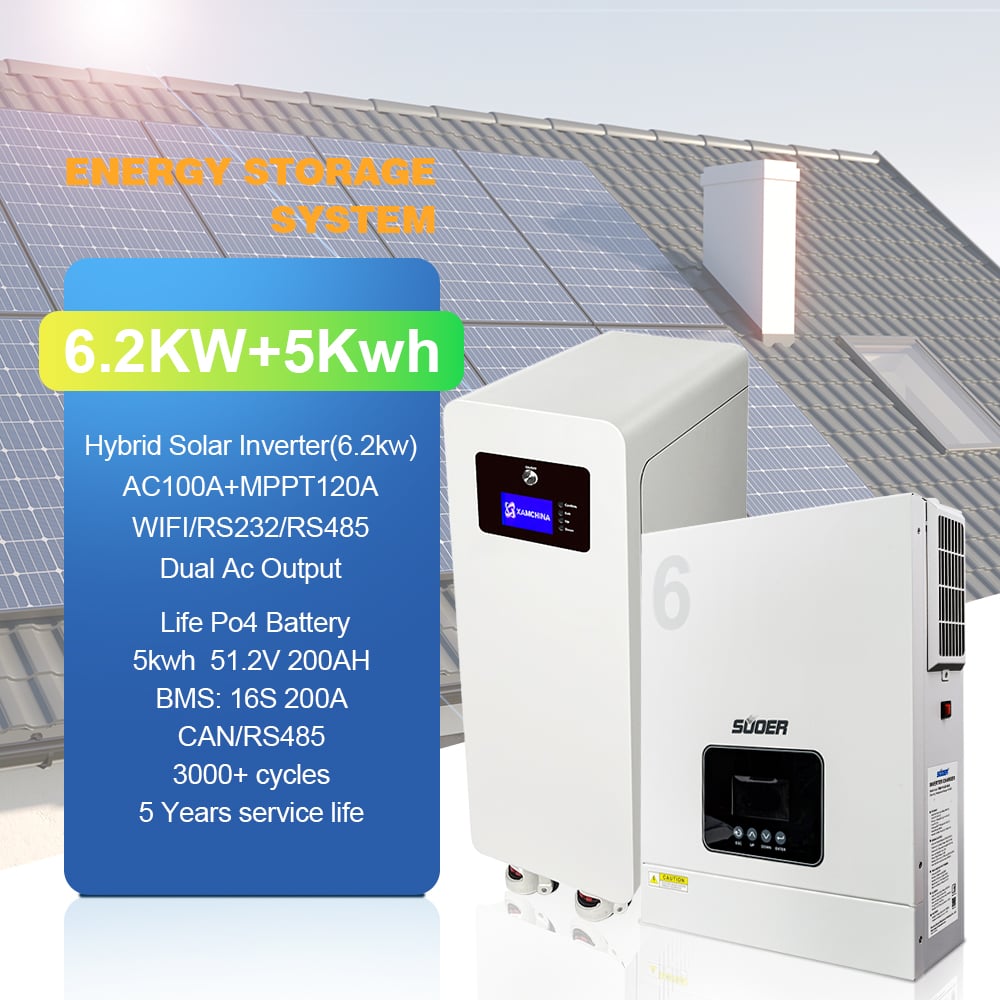
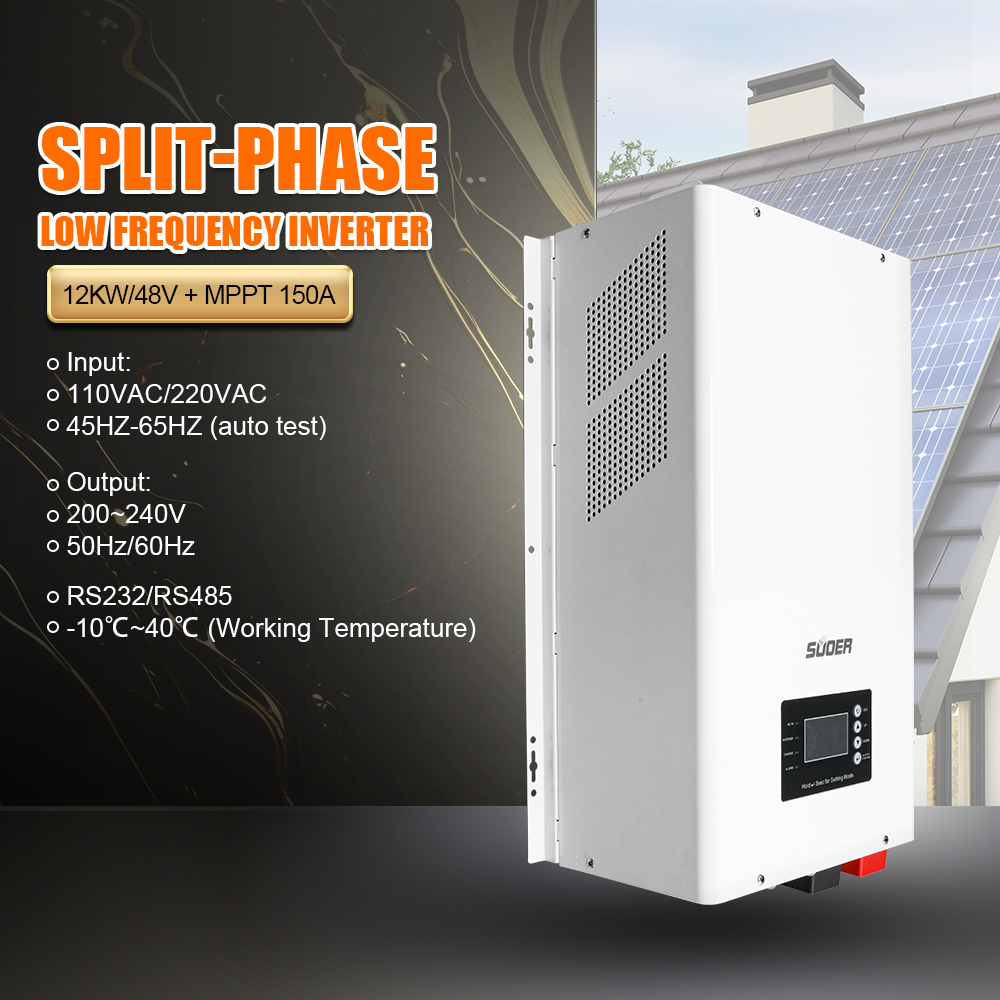
A 3kW hybrid solar inverter is a crucial component in renewable energy systems, blending solar power generation with battery storage to optimize energy usage. As industries increasingly shift towards sustainable solutions, understanding the specifications, selection criteria, and quality control measures of these inverters is vital for purchasing managers and engineers. This article will guide you through the essential aspects of Suoer off grid hybrid solar inverter, helping you make informed decisions for your projects.
When evaluating a 3kW hybrid solar inverter, key specifications include its input voltage range, efficiency ratings, and surge capacity. The input voltage range indicates the compatibility with various solar panel setups. An inverter with a broader range can accommodate different configurations, making it more versatile for various installations.
Efficiency ratings are critical; they reflect how effectively the inverter converts DC power from solar panels into usable AC power. A higher efficiency rating minimizes energy losses and maximizes the solar energy harvested. Generally, an efficiency above 95% is considered optimal for commercial applications.
Surge capacity is essential for systems with high start-up loads, such as motors and pumps. Ensure the hybrid solar inverter can handle peak loads without tripping, especially in applications where machinery requires substantial initial power.
Additionally, consider integrated features such as Bluetooth connectivity for monitoring and control, which enhances usability and helps in troubleshooting.
Selecting the right Suoer 3kW hybrid solar inverter involves assessing several factors. First, evaluate your energy requirements based on the expected load and usage patterns. For instance, if your application involves high energy consumption during peak hours, opt for an inverter with higher surge capacity and efficiency.
Next, consider the inverter's compatibility with solar panels and battery systems. Some inverters are optimized for specific battery types, such as lithium-ion or lead-acid, which can impact performance and longevity.
Another important factor is the inverter's physical size and installation requirements. Ensure that the inverter can fit within your designated installation space while also adhering to local building codes and regulations. Additionally, check for warranties and after-sales support, as these can greatly affect long-term satisfaction with the product.
Lastly, consult with your supplier about customization options. Depending on your project's specific requirements, customization can enhance performance and ensure seamless integration into your system.
Quality control is a critical aspect of manufacturing 3kW hybrid solar inverters. Look for suppliers that adhere to rigorous quality standards. Certifications such as ISO 9001 can indicate a commitment to quality management systems and continuous improvement processes.
During production, effective measures include thorough testing at various stages, from component sourcing to final assembly. Pay attention to whether the inverter undergoes stress testing, which simulates extreme operating conditions to ensure reliability.
Moreover, inquire about the supplier's traceability processes for components. Knowing that each part can be traced back to its origin can give you confidence in the durability and performance of the final product.
Finally, consider post-manufacturing inspection protocols. A reliable supplier will perform a final quality check before shipping, ensuring that the inverters meet the specified performance criteria and are free from defects.
Sourcing reliable suppliers for 3kW hybrid solar inverters can significantly impact your project's success. Start by researching manufacturers with a proven track record in the renewable energy sector. Look for companies that specialize in hybrid inverters, as they are more likely to have the necessary expertise.
Online platforms and industry trade shows can provide valuable insights into potential suppliers. Engaging with existing customers through reviews and case studies will help gauge the supplier's reputation and product performance.
Additionally, consider suppliers that are certified by recognized bodies and have a transparent manufacturing process. Direct communication with potential suppliers is crucial—ask about their production capabilities, lead times, and quality assurance practices. A reliable supplier should be willing to provide documentation of their certifications and quality control measures.
Finally, if possible, request samples before placing a bulk order. Testing a sample can help you assess the inverter's performance and compatibility with your systems, ensuring that your investment meets your requirements.
When procuring a Suoer 3kW hybrid solar inverter, several considerations can affect your decision-making process. First, determine your project's specific energy needs and application environments. Different industrial applications may have varying demands, and understanding these requirements will guide your selection.
Next, evaluate the total cost of ownership, which includes not only the initial purchase price but also installation, maintenance, and potential energy savings. A lower upfront cost might be tempting, but it could lead to higher long-term expenses if the inverter is less efficient or requires frequent maintenance.
Additionally, consider the supplier's support services, including warranty offerings and technical assistance. A strong support framework can ease the installation process and provide peace of mind throughout the inverter's lifecycle.
Lastly, stay informed about market trends and technological advancements in solar inverter technology. New features, such as smart energy management systems and advanced monitoring capabilities, could significantly enhance the performance and reliability of your solar energy systems.
By considering these factors, you can ensure that you choose the right grid tie hybrid solar inverter to meet your specific needs and achieve efficient energy management.

Discover Suoer’s premium range of solar inverters and power inverters designed for reliable renewable energy solutions.Trusted by customers worldwide for exceptional performance and durability.
Suoer Industrial Zone, Ercun Road Section, Yanfeng Avenue, Shishan Town,Foshan city,Guangdong Province,China
Copyright © 2024 Foshan Suoer Electronic Industry Co., Ltd. Privacy Policy - Blog

 EN
 AR
 NL
 FR
 DE
 EL
 IT
 JA
 KO
 PT
 RU
 ES
 VI
 TH
 TR
 BG
 HR
 CS
 NO
 PL
 TL
 ID
 SR
 UK
 SQ
 HU
 MT
 AF
 MS
 IS
 HY
 AZ
 BN
 BS
 GU
 LO
 LA
 MN
 NE
 TA