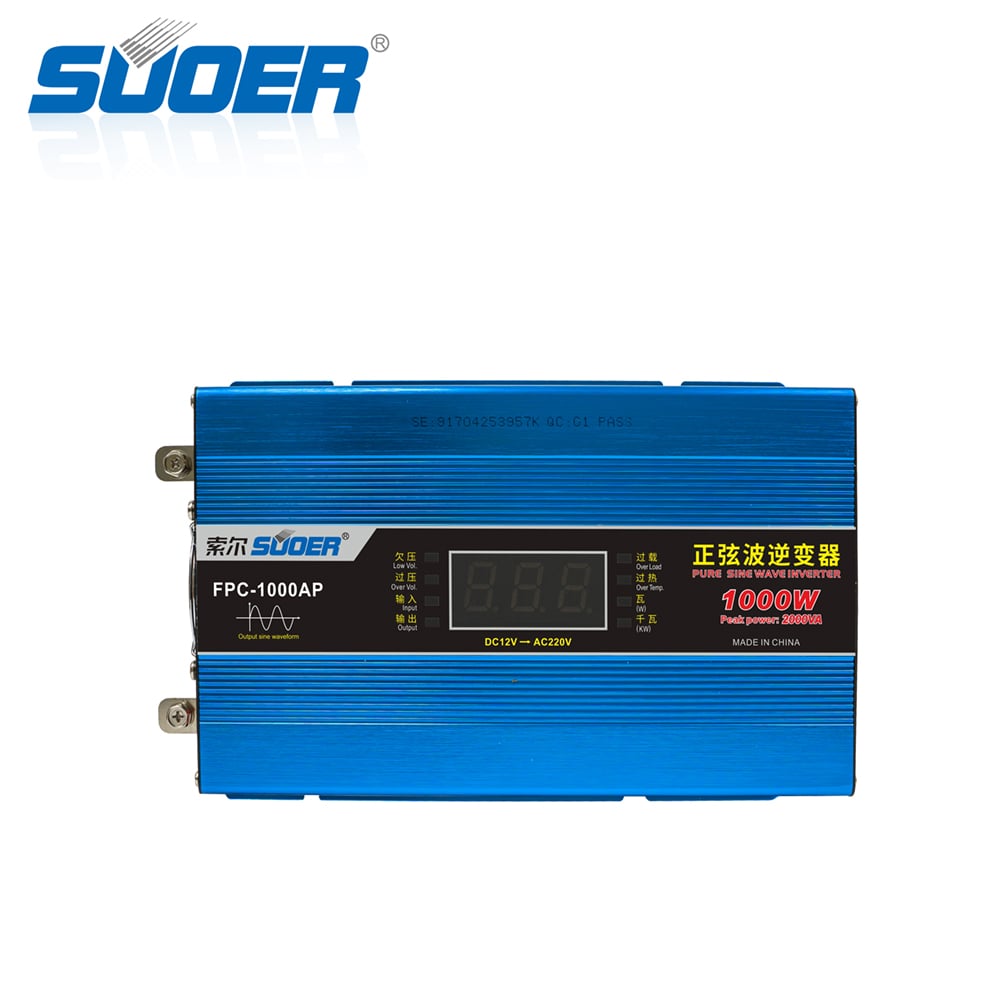
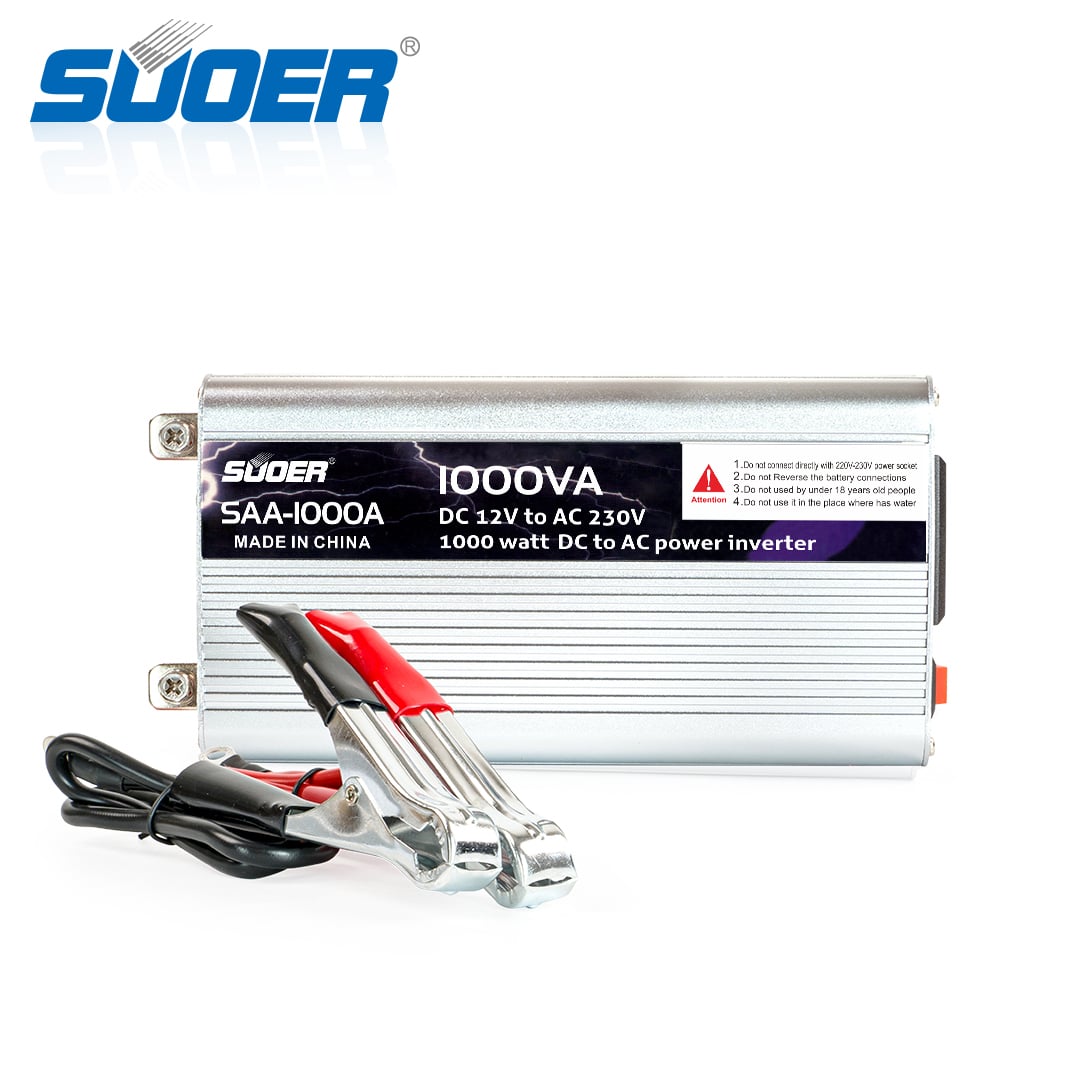
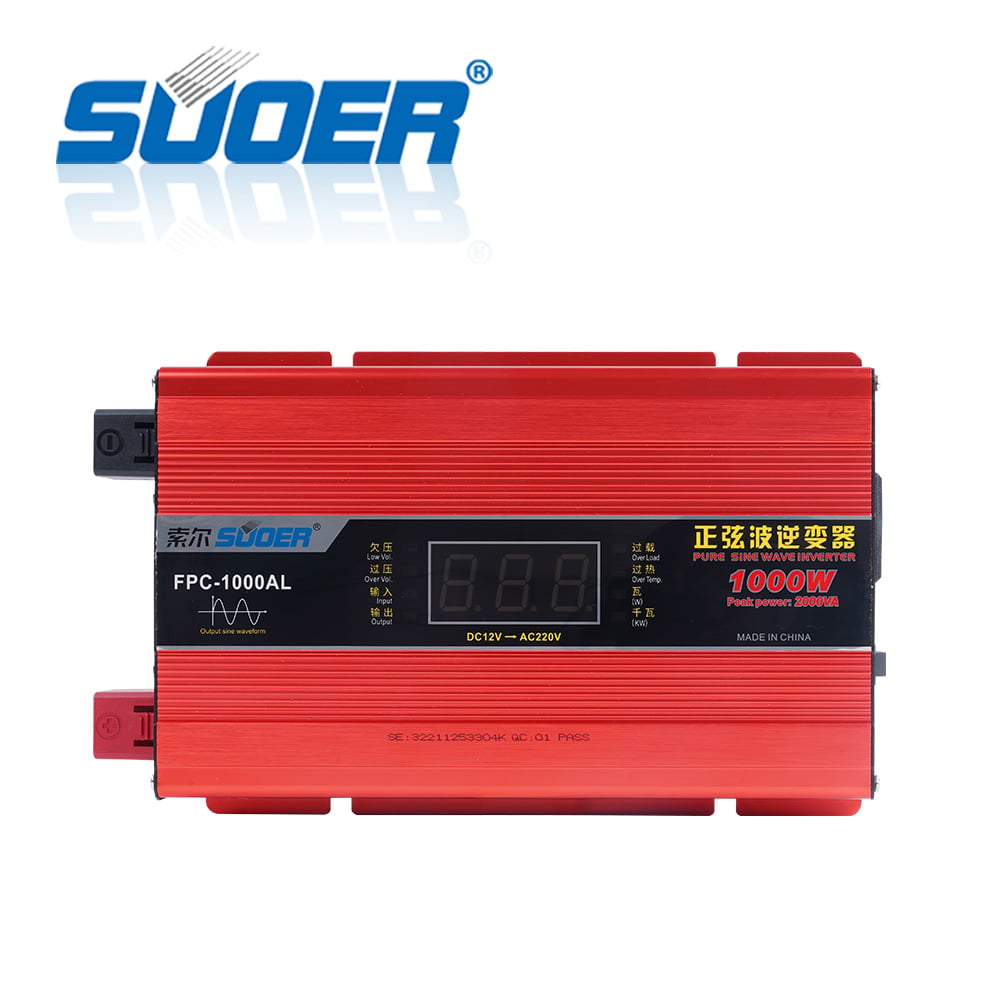
A 1000 watt pure sine wave power inverter is a critical component in various applications, providing reliable and efficient power conversion for sensitive electronics and devices. For B2B buyers, understanding the specifications, quality standards, and supplier evaluation is essential to ensure the right product choice. This article aims to guide purchasing managers, engineers, and product managers in making informed decisions about selecting a 1000 watt pure sine wave inverter, covering key considerations from specifications to installation tips.
When selecting a 1000 watt pure sine wave power inverter, several specifications and features are crucial. First, the inverter's efficiency rating should be evaluated; a higher efficiency translates to less energy loss during conversion, which is particularly important for applications requiring prolonged use. Look for models offering 90% efficiency or higher.
Next, consider the inverter's output waveform. A pure sine wave output is essential for powering sensitive electronics such as laptops, medical equipment, and audio devices, as it ensures compatibility and reduces the 1000 watt sine wave inverter risk of damage. Additionally, check the inverter’s surge capacity, which indicates its ability to handle brief spikes in power demand, crucial for starting motors or other inductive loads.
The input voltage range is another important aspect; ensure compatibility with your power source, whether it be 12V, 24V, or higher. Other specifications to pay attention to include the inverter's size and weight for installation considerations, as well as the cooling method, which can affect performance in high-temperature environments.
Selecting the right supplier for 1000 watt pure sine wave inverters involves assessing several factors. Begin by verifying the supplier's industry experience and reputation. A supplier with a solid background in the new energy sector and certifications such as ROHS, CE, and ISO9001 can provide assurance of product quality and compliance with international standards.
Evaluate the supplier's manufacturing capabilities, including their production processes and technology. Automated production lines often indicate higher consistency and reliability in product output. It is also beneficial to inquire about their quality control measures, such as testing protocols for efficiency and performance.
Finally, consider the supplier's customer service and support options. A supplier that provides robust pre-sales consultation and post-sales support, including warranty services and technical assistance, can significantly enhance your purchasing experience. Requesting references or testimonials from previous clients can also provide insight into the supplier's reliability and service quality.
Quality standards are paramount when assessing 1000 watt pure sine wave inverters. Look for compliance with international certifications like CE and ROHS, which indicate adherence to safety and environmental regulations. Additionally, inquire about the manufacturing processes and materials used. High-quality inverters often utilize durable components that can withstand varying environmental conditions.
It is also essential to confirm that the inverter has undergone rigorous testing for performance and reliability. Request documentation regarding the inverter’s efficiency ratings, surge capacity, and thermal performance. Understanding the quality control processes the manufacturer employs can provide further assurance; for instance, knowing whether they perform batch testing or have a dedicated quality assurance team can reflect their commitment to product integrity.
Lastly, consider the warranty offered. A longer warranty period typically indicates confidence in the product's longevity and performance. This can also serve as a critical point of negotiation in your purchasing discussions.
1000 watt pure sine wave inverters are versatile and find applications across various industries. In the residential sector, they are commonly used for backup power solutions, providing reliable electricity for essential appliances during outages. In commercial settings, these inverters are ideal for powering sensitive equipment, such as computers and medical devices, where a stable power supply is critical.
In the automotive industry, particularly for electric vehicles, inverter 1000watt can be used to convert battery power to run onboard electronics. They are also prevalent in renewable energy systems, such as photovoltaic installations, where they convert the direct current (DC) from solar panels into alternating current (AC) for home or grid use.
Additionally, these inverters are suitable for mobile applications, including recreational vehicles (RVs) and boats, where converting battery power to AC is needed for various onboard appliances. Understanding the specific application will help buyers choose the right inverter features and specifications.
Proper installation of a 1000 watt pure sine wave power inverter is critical for optimal performance. Before installation, ensure that the inverter is mounted in a well-ventilated area to prevent overheating, which can affect efficiency and lifespan. It is advisable to follow the manufacturer’s guidelines regarding the installation location, as certain environments may not be suitable.
When connecting the inverter to the power source and the load, use appropriately sized cables to minimize voltage drop and ensure safe operation. The cable gauge should match the current rating of the inverter, and it’s essential to use high-quality connectors to avoid electrical resistance.
Additionally, ensure that all safety features, such as fuses or circuit breakers, are properly installed to protect against overload and short circuits. Finally, after installation, conduct a thorough test of the system to verify functionality and monitor for any irregularities during operation.
By considering these elements, buyers can ensure that their 1000 watt pure sine wave power inverter operates efficiently and reliably, fulfilling their power requirements effectively.

Discover Suoer’s premium range of solar inverters and power inverters designed for reliable renewable energy solutions.Trusted by customers worldwide for exceptional performance and durability.
Suoer Industrial Zone, Ercun Road Section, Yanfeng Avenue, Shishan Town,Foshan city,Guangdong Province,China
Copyright © 2024 Foshan Suoer Electronic Industry Co., Ltd. Privacy Policy - Blog

 EN
 AR
 NL
 FR
 DE
 EL
 IT
 JA
 KO
 PT
 RU
 ES
 VI
 TH
 TR
 BG
 HR
 CS
 NO
 PL
 TL
 ID
 SR
 UK
 SQ
 HU
 MT
 AF
 MS
 IS
 HY
 AZ
 BN
 BS
 GU
 LO
 LA
 MN
 NE
 TA