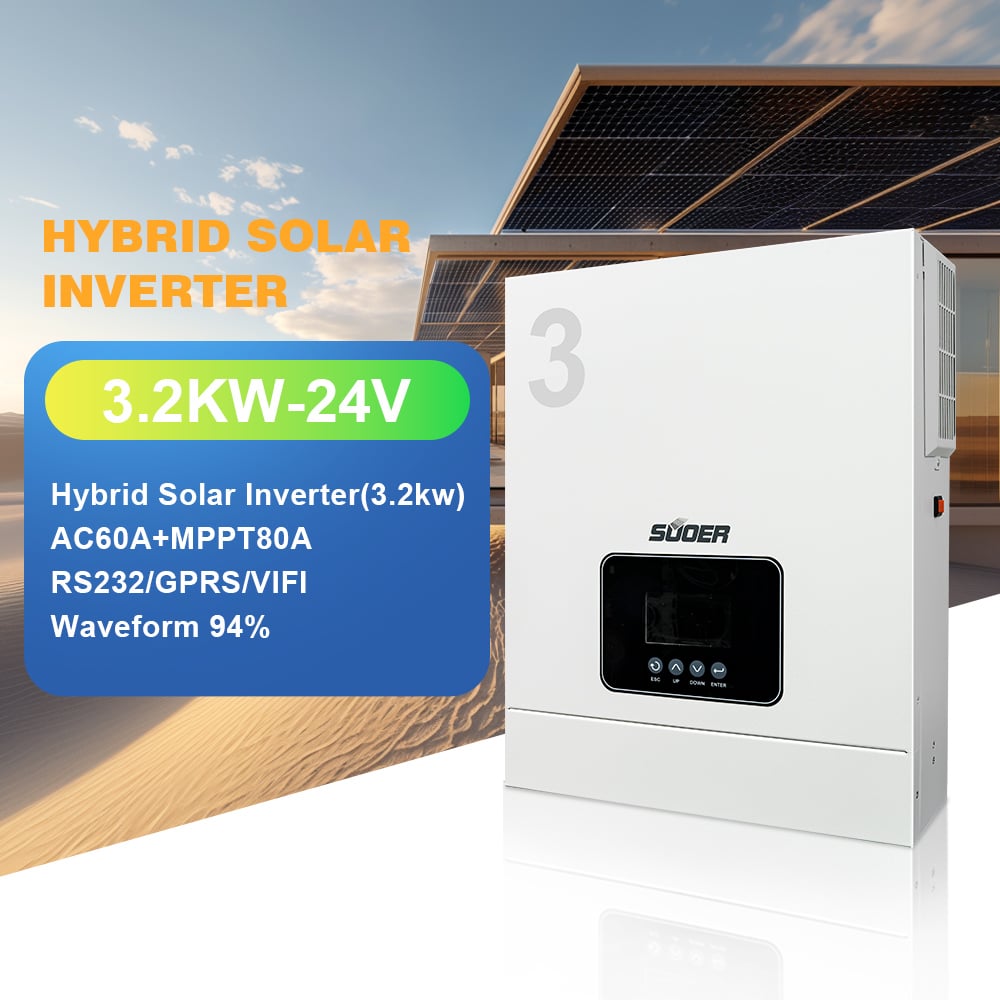
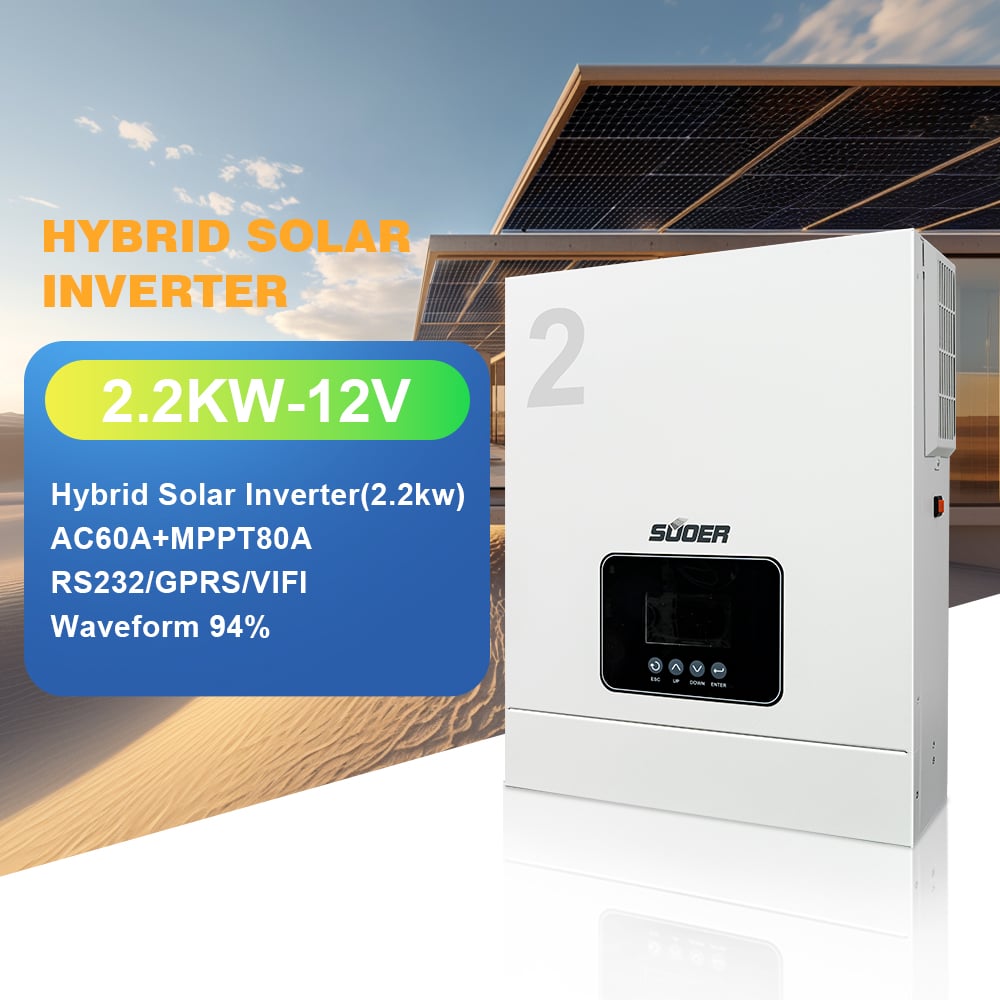
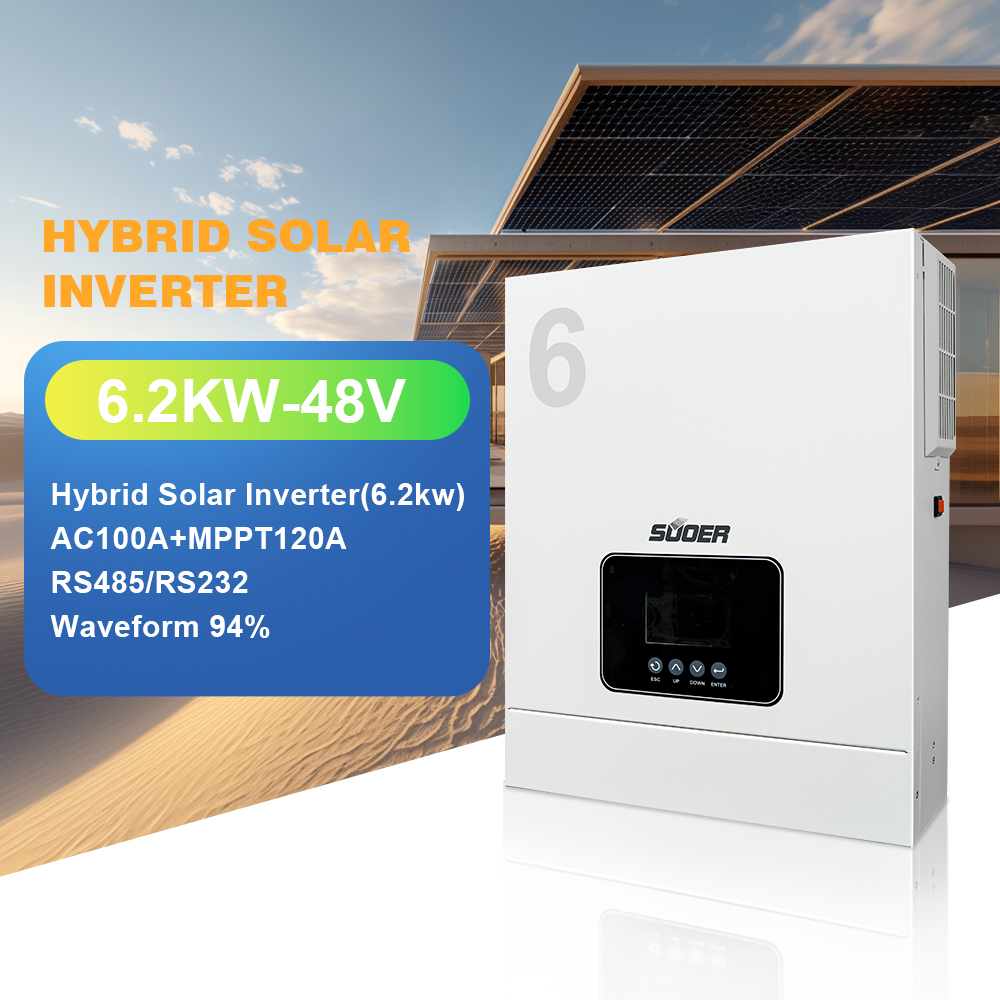
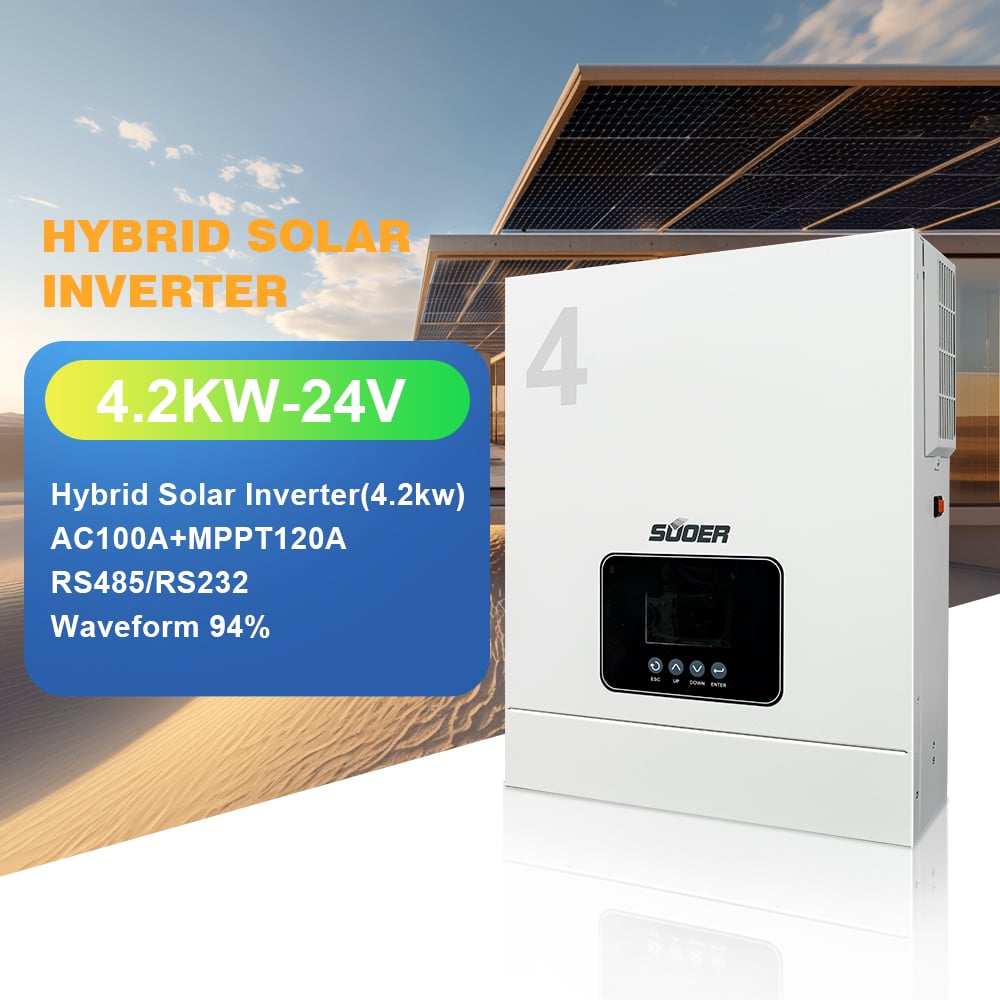
A 1000 watt sine wave inverter is a critical component for various applications, providing reliable power conversion from DC to AC. These inverters are essential for industries utilizing electric vehicles, industrial equipment, and renewable energy systems. As purchasing managers and engineers evaluate options, they often focus on compatibility, efficiency, and reliability. This article aims to guide you through the key considerations for selecting a Suoer modified sine wave inverter, ensuring your investment meets operational needs and quality standards.
When selecting a 1000 watt sine wave inverter, it's essential to assess several critical factors. First, consider the inverter's output waveform. Pure sine wave inverters produce a smooth, continuous waveform, making them ideal for sensitive electronic devices. This is particularly relevant for applications in telecommunications, power supplies for electric vehicles, and industrial equipment.
Next, evaluate the inverter's efficiency rating. A higher efficiency means less energy loss during conversion, which can significantly impact operational costs over time. Look for inverters with efficiency ratings above 90%, as they will provide better performance and lower heat generation.
Input and output voltage compatibility are also crucial. Ensure the inverter matches the voltage requirements of your application. For instance, if you're using it with a 12V battery system, confirm that the inverter can handle that input.
Finally, consider the inverter's build quality and certifications. An inverter with certifications such as ROHS, CE, and ISO9001 indicates compliance with international safety and quality standards, which can reassure you of its reliability.
Understanding the key specifications of a 1000 watt sine wave inverter will help you make an informed purchasing decision. Key specifications include:
Rated Power Output: This is the maximum continuous power the inverter can deliver. Ensure that the pure sine wave inverter can handle not only the total load but also any peak load conditions.
Surge Capacity: This specification refers to the inverter's ability to handle short bursts of power, which is particularly important for starting devices with high inrush currents, like motors and compressors.
Efficiency Rating: As mentioned previously, efficiency is a measure of how much power is lost during conversion. Look for specifications that detail both peak and average efficiency.
Input Voltage Range: This refers to the allowable voltage range for input power. A wider range provides flexibility in applications, especially if the input voltage may fluctuate.
Output Waveform: Confirm that the inverter produces a pure sine wave, which is essential for sensitive electronics to operate correctly.
Cooling Mechanism: Inverters generate heat during operation. Look for units with built-in cooling fans or heat sinks to prevent overheating and ensure longevity.
Physical Dimensions and Weight: Depending on your installation space, consider the size and weight of the inverter. Ensure it can be easily mounted or integrated into your existing systems.
Sourcing a reliable Suoer 1000 watt sine wave inverter involves identifying reputable manufacturers and distributors. Look for suppliers with a strong presence in the new energy sector, particularly those specializing in power supplies for electric vehicles and industrial applications.
Consider manufacturers that offer clear information about their quality control processes and certifications, such as ROHS and CE. This reflects their commitment to quality and safety standards, which is essential when dealing with high-stakes applications.
You may also want to engage with suppliers that have established relationships with OEMs and other industry players. This can provide additional assurance regarding product reliability and performance.
Online platforms and industry trade shows can also be valuable resources for discovering potential suppliers. Always request samples and verify product specifications before placing bulk orders to ensure they meet your requirements.
Installation of a 1000 watt sine wave inverter can present several challenges. One common issue is ensuring proper ventilation. Inverters generate heat during operation, and inadequate airflow can lead to overheating, causing performance degradation or failure. It’s advisable to install the inverter in a well-ventilated area or equip it with additional cooling solutions.
Another challenge is integrating the inverter with existing electrical systems. Ensure that the wiring and connections are compatible with the inverter's specifications. Improper connections can result in power loss or even damage to the inverter or connected devices.
Furthermore, buyers should also be aware of potential issues with grounding. Proper grounding is essential for safe operation and to protect against electrical surges. Ensure that installation follows local electrical codes and standards.
Lastly, consider the physical location of the inverter. It should be positioned to minimize the length of wiring runs to reduce voltage drops and ensure efficient power delivery.
Addressing common problems with Suoer 1000 watt sine wave inverters often requires both preventive measures and troubleshooting strategies.
Overheating: If the inverter overheats, first check the ventilation. Ensure that it’s not obstructed and that cooling mechanisms are functioning. If overheating persists, reduce the load or consider a higher-capacity inverter.
Power Fluctuations: If you experience inconsistent power output, check the input voltage and ensure it is within the specified range. Additionally, inspect the connections for any signs of corrosion or looseness, which can affect performance.
Inverter Not Turning On: This may be due to low battery voltage or a blown fuse. Ensure that the battery is adequately charged and all fuses are intact.
Noise Issues: Some inverters may produce audible noise due to the internal fan or the inverter's operation. If noise is excessive, check if the inverter is mounted securely and not vibrating against other surfaces.
Compatibility Issues: If the inverter isn't functioning with specific devices, verify that those devices are compatible with a pure sine wave output. Some older equipment may require modifications or alternative solutions.
understanding the technical specifications, challenges, and sourcing options for a pure sine wave inverter for home is essential for making informed purchasing decisions. By considering these factors, buyers can ensure they select a reliable product that meets their operational needs.

Discover Suoer’s premium range of solar inverters and power inverters designed for reliable renewable energy solutions.Trusted by customers worldwide for exceptional performance and durability.
Suoer Industrial Zone, Ercun Road Section, Yanfeng Avenue, Shishan Town,Foshan city,Guangdong Province,China
Copyright © 2024 Foshan Suoer Electronic Industry Co., Ltd. Privacy Policy - Blog

 EN
 AR
 NL
 FR
 DE
 EL
 IT
 JA
 KO
 PT
 RU
 ES
 VI
 TH
 TR
 BG
 HR
 CS
 NO
 PL
 TL
 ID
 SR
 UK
 SQ
 HU
 MT
 AF
 MS
 IS
 HY
 AZ
 BN
 BS
 GU
 LO
 LA
 MN
 NE
 TA