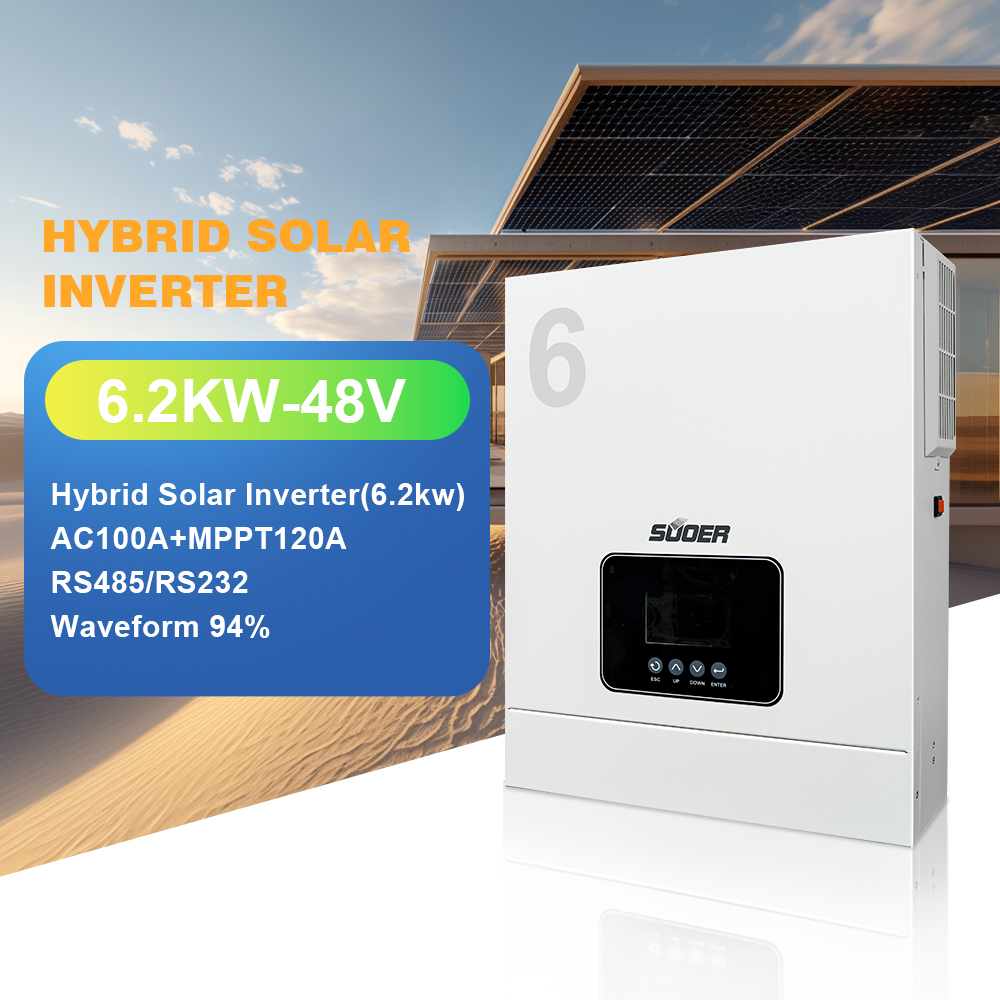
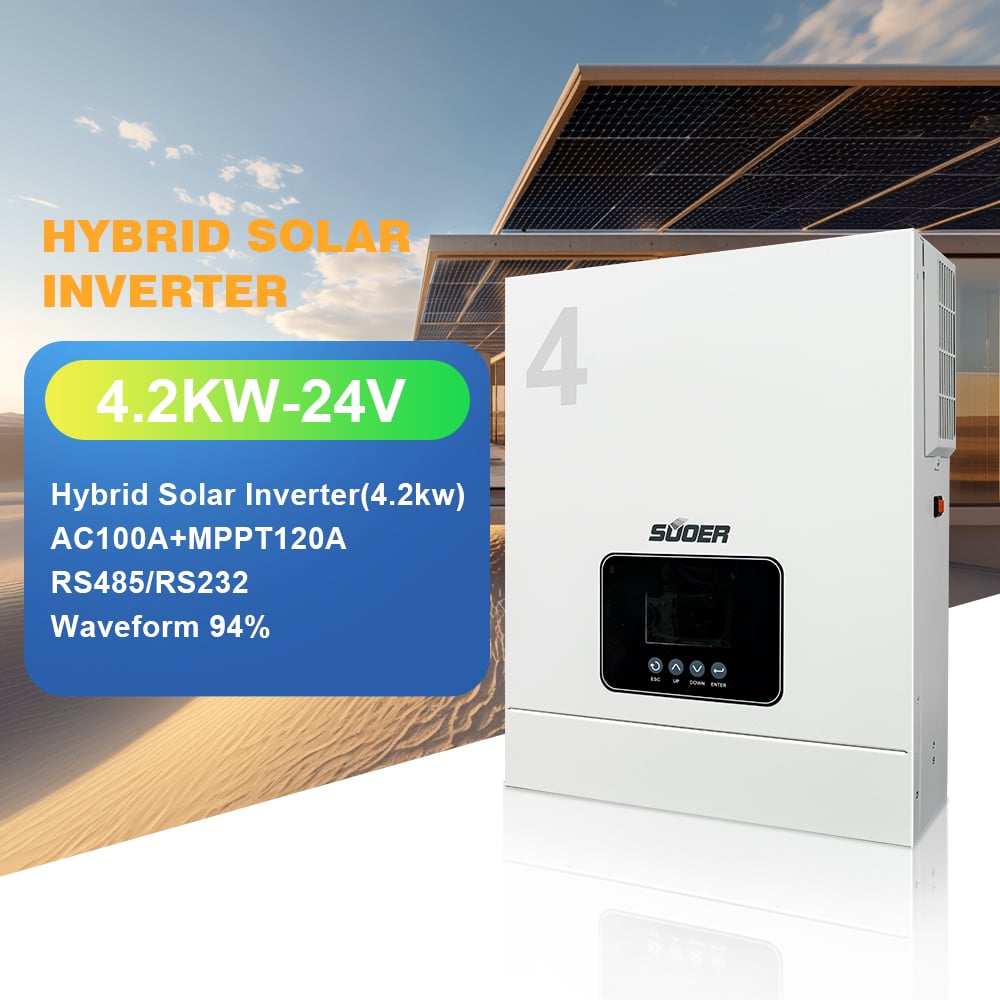
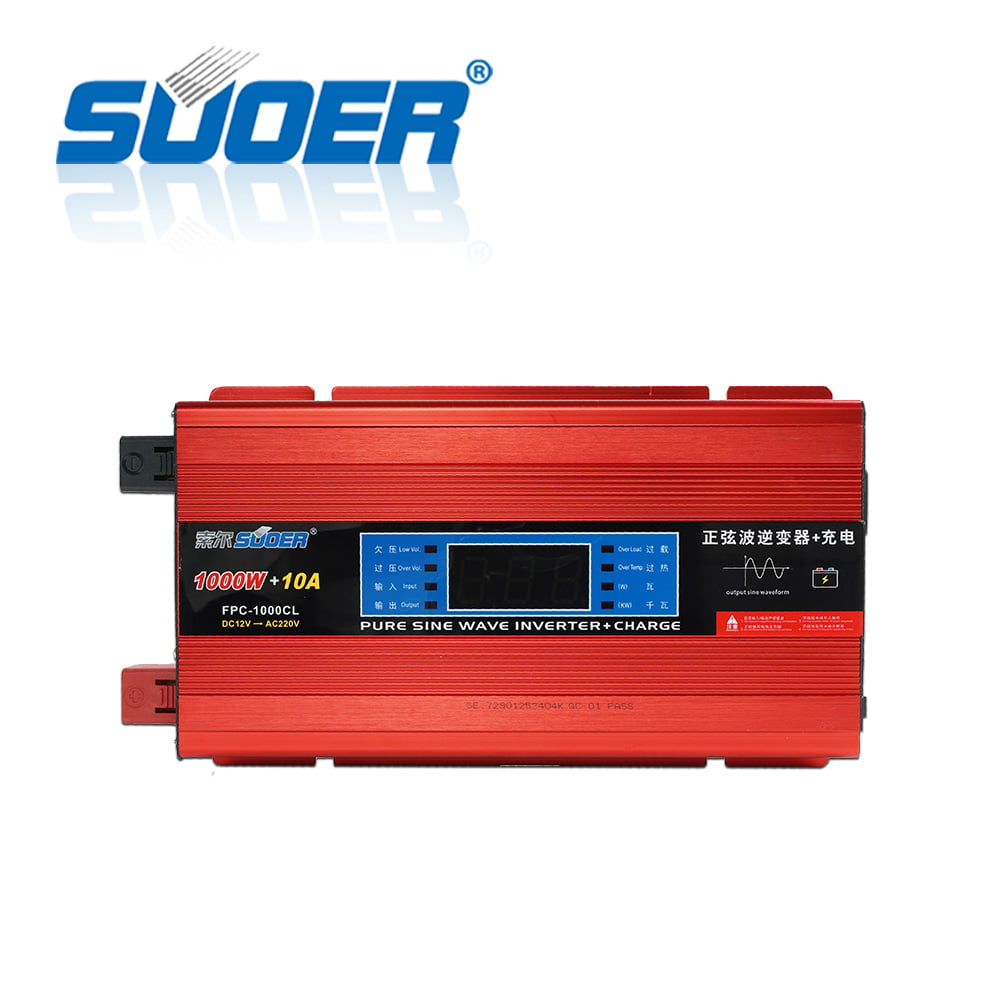
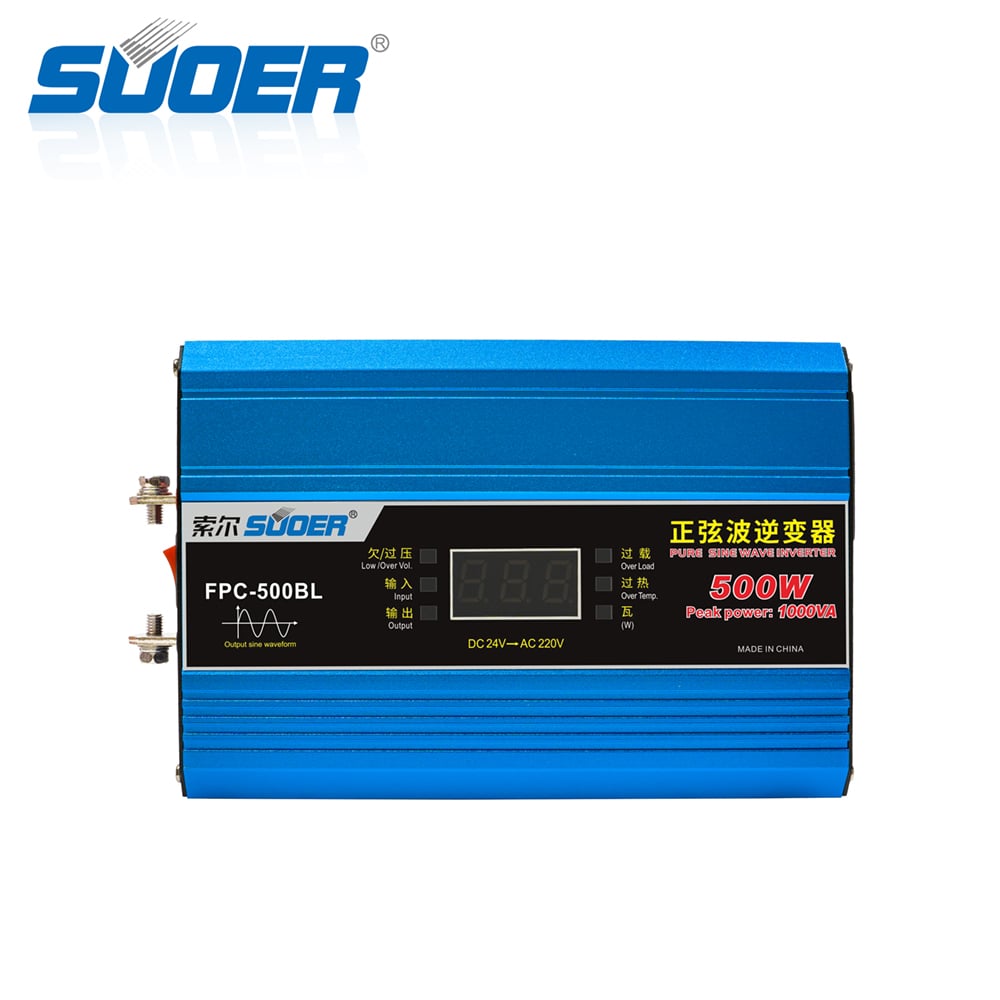
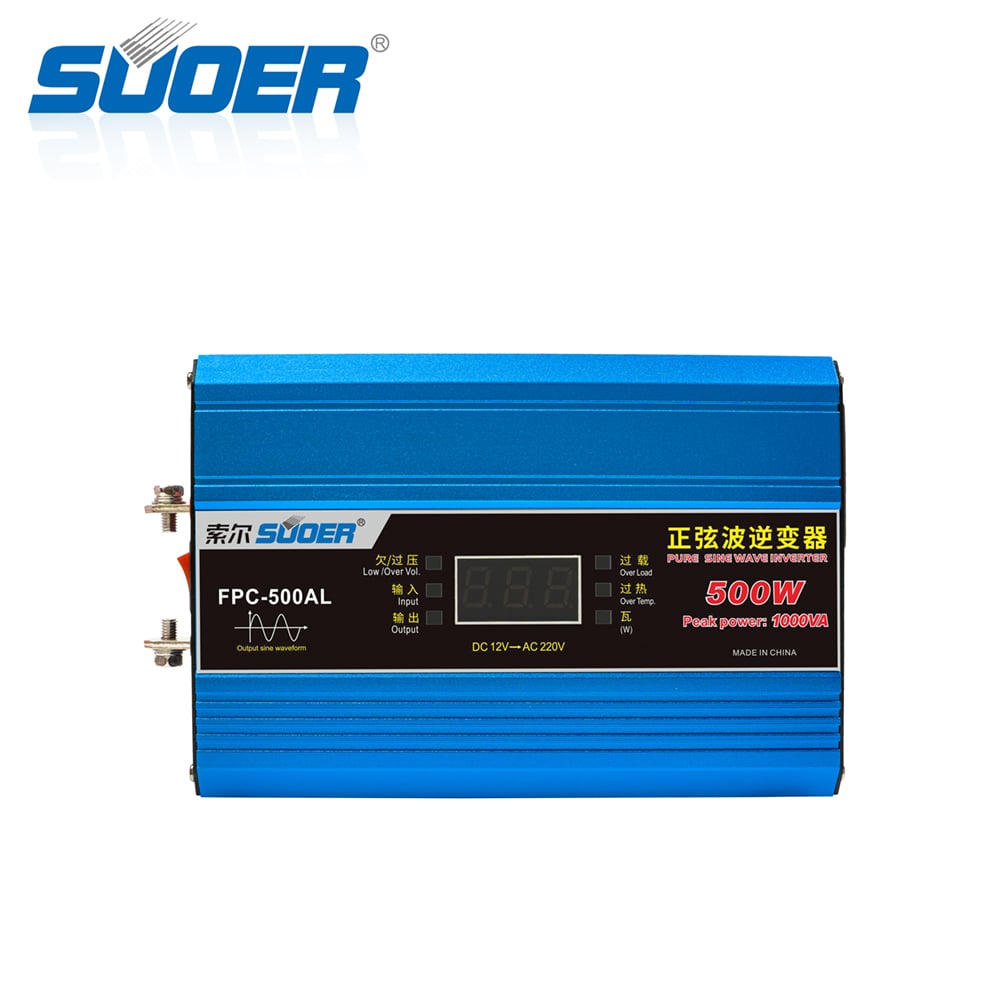
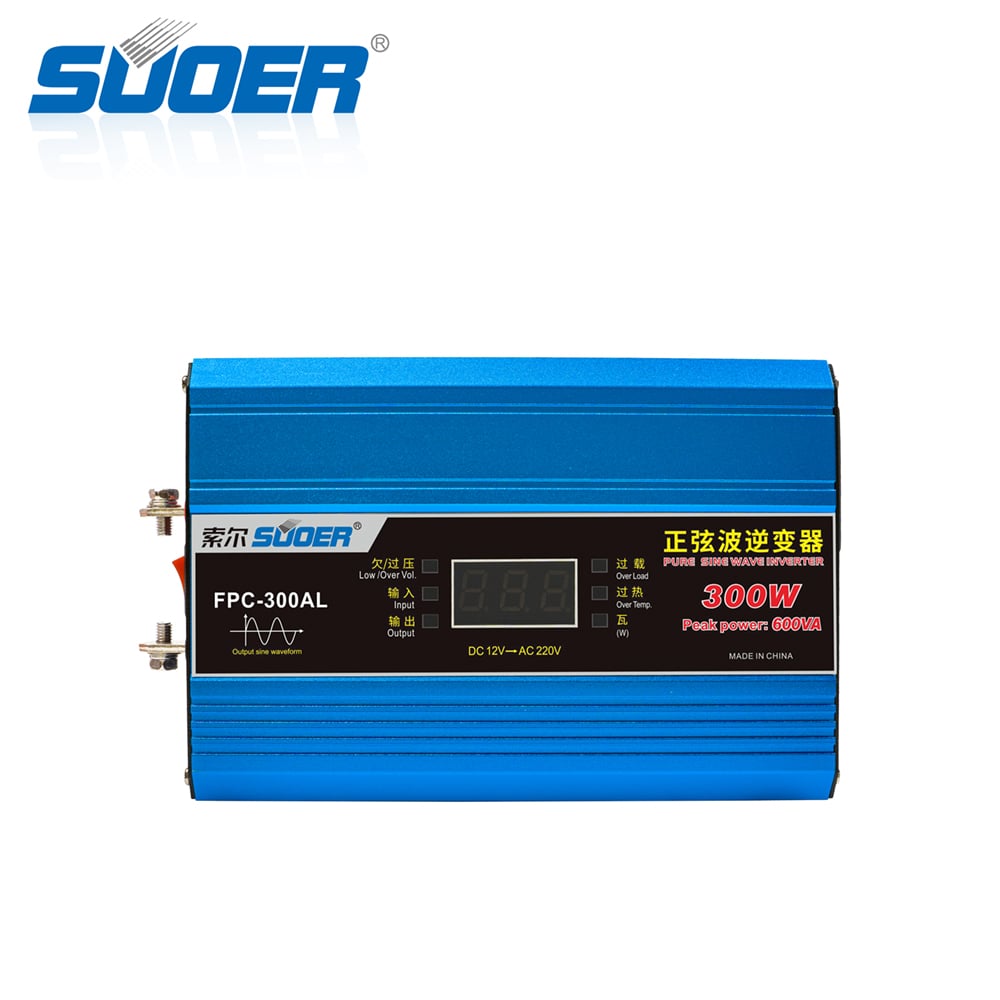
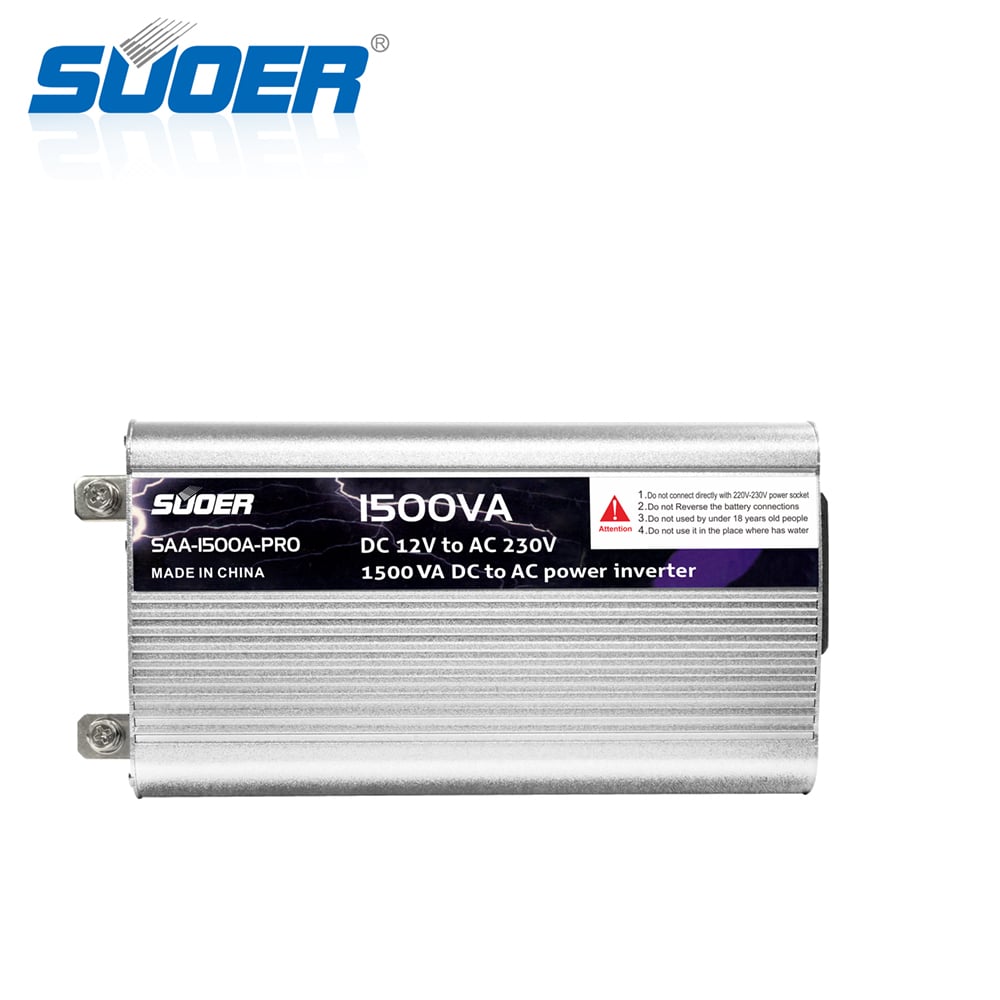
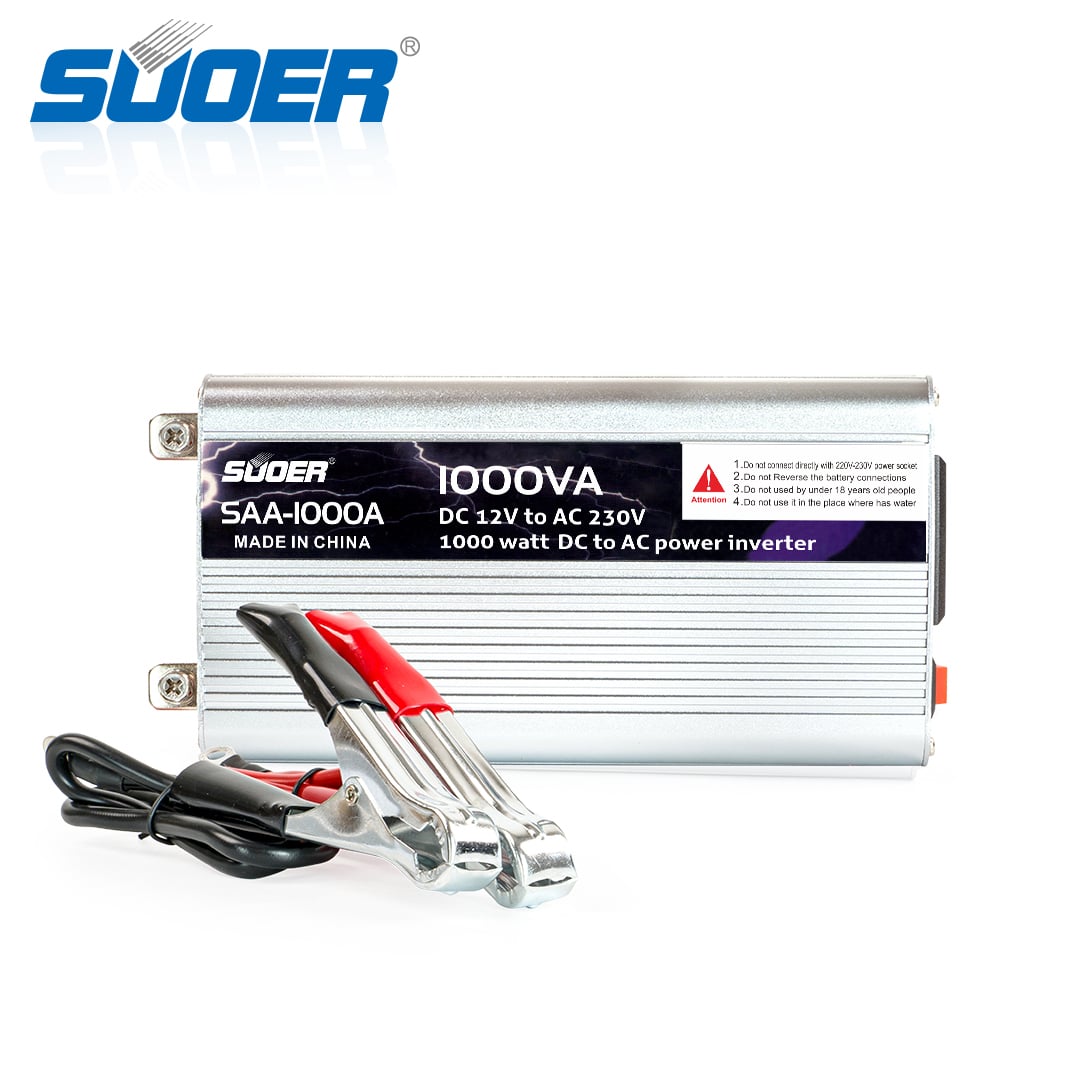
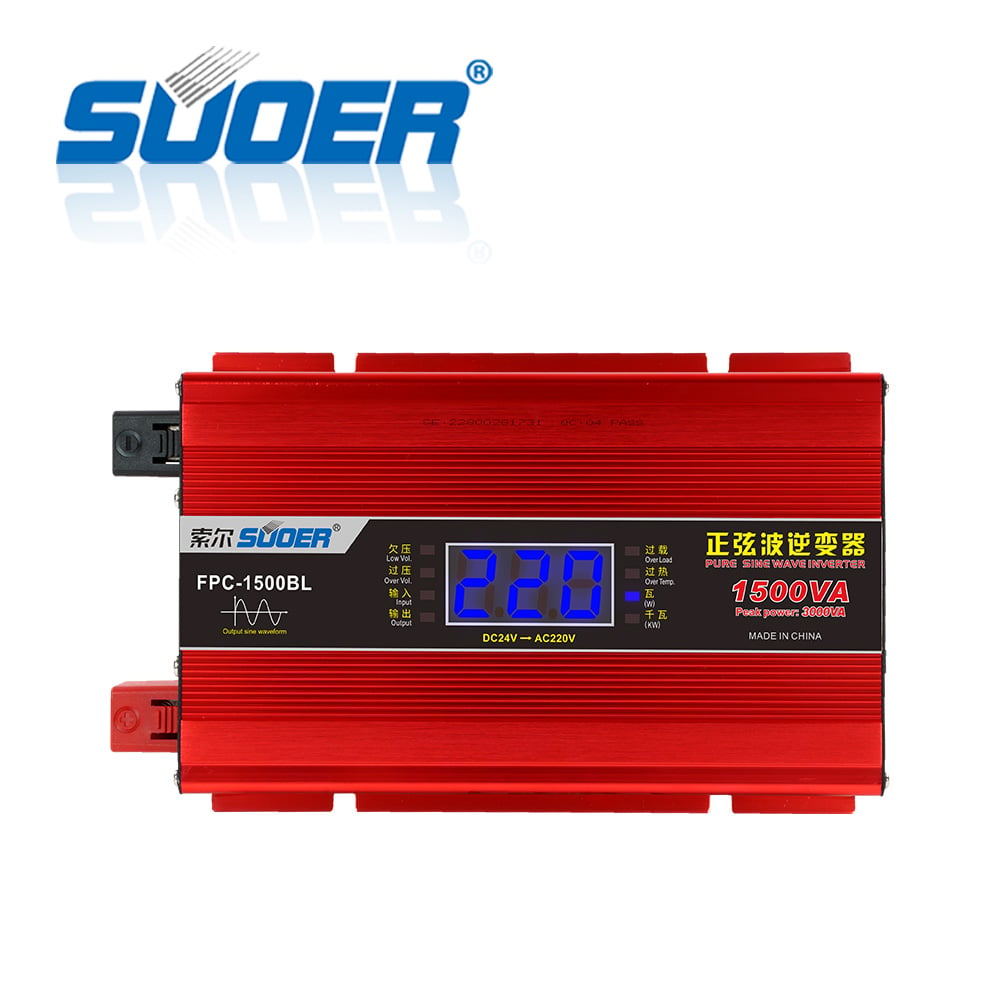
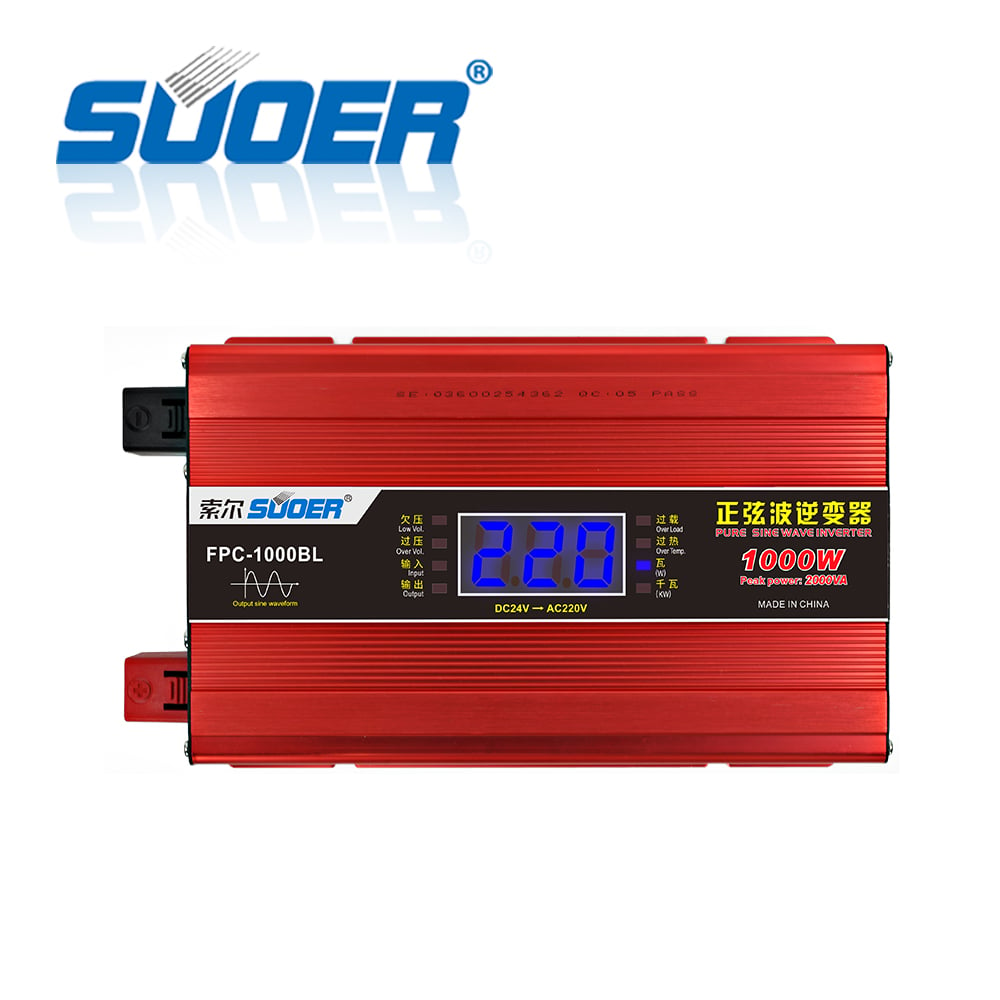
A 300W pure sine wave inverter is an essential device for converting DC power from sources like batteries or solar panels into high-quality AC power suitable for sensitive electronic devices. As B2B buyers, purchasing managers, and engineers evaluate options, they often focus on quality, efficiency, and application suitability. This article will help you understand how to choose the right 1000 watt pure sine wave inverter, evaluate quality standards, source reliable suppliers, and assess the technical specifications critical for your business needs.
When selecting a Suoer 300W pure sine wave inverter, consider your specific application requirements. These inverters are ideal for powering sensitive electronics, including medical equipment, computers, and communication devices, where high-quality power is crucial.
Power Requirements: Calculate the total wattage of devices you intend to power simultaneously. Ensure the inverter can handle continuous loads and has a peak power rating sufficient for startup surges.
Input Voltage: Ensure compatibility with your power source, whether it’s a 12V or 24V battery system. Mismatched voltages can lead to performance issues or equipment damage.
Efficiency Rating: Look for inverters with high efficiency (typically above 90%). This reduces energy loss during the conversion process and can lower long-term operational costs.
Features: Consider additional features like built-in protection against overload, short circuits, and overheating. Some models may also offer USB ports for charging mobile devices, which could benefit your operations.
By aligning these factors with your operational needs, you'll ensure that the inverter you choose performs reliably in your specific environment.
Quality assurance in manufacturing is critical for ensuring the longevity and reliability of 300W pure sine wave inverters. When evaluating potential suppliers, focus on the following standards:
Certifications: Ensure that the inverter complies with relevant international standards such as ROHS, CE, and ISO9001. These certifications indicate adherence to safety and quality benchmarks.
Material Quality: Investigate the materials used in the pure sine wave inverter construction. High-quality components, such as capacitors and transformers, directly impact performance and durability.
Testing Procedures: Confirm that the manufacturer conducts rigorous testing on their products, including stress tests for thermal performance and electrical safety. Understanding their quality control processes can prevent future operational issues.
Warranty and Support: A solid warranty reflects the manufacturer’s confidence in their product. Ensure that comprehensive customer support is available for troubleshooting and maintenance.
By prioritizing these quality standards, you can mitigate risks associated with product failure and ensure a reliable performance over time.
Finding reliable suppliers for Suoer 300W pure sine wave inverters requires thorough research and evaluation. Here are effective strategies:
Industry Networks: Utilize industry contacts and networks to get recommendations on reputable suppliers known for quality and reliability.
Trade Shows: Attend trade shows and exhibitions focused on renewable energy or electrical equipment. Interacting with manufacturers allows you to assess product quality firsthand and discuss technical specifications.
Online Marketplaces: Research online platforms that specialize in B2B transactions. Look for suppliers with strong customer reviews and verified credentials.
Quality Audits: When considering suppliers, ask for audits or site visits. Assess their manufacturing capabilities, quality control processes, and certifications in person to ensure they meet your standards.
By leveraging these sourcing strategies, you can establish partnerships with suppliers that align with your business's quality and reliability expectations.
For distributors, understanding the market demand for 300W pure sine wave inverters is crucial. Here are key considerations to optimize your offerings:
Market Trends: Stay informed about trends in renewable energy and electric vehicle markets, as these sectors increasingly rely on high-quality inverters.
Diverse Product Range: Offer a variety of models with different features and capacities to cater to different customer needs. This inclusivity can attract a broader customer base.
Packaging and Logistics: Ensure that products are packaged securely to prevent damage during transit. Consider providing customizable packaging options that reflect your brand.
Minimum Order Quantity (MOQ): Understand the MOQ set by manufacturers and how it aligns with your inventory management strategy. Balancing MOQ with demand forecasts can optimize your supply chain efficiency.
By focusing on these areas, distributors can effectively position themselves in the market and meet customer demands with reliability.
Understanding the technical specifications of Suoer 300W pure sine wave inverters is essential for evaluating performance and suitability. Here are key specifications to consider:
Output Waveform: Pure sine wave output is crucial for sensitive devices as it ensures a consistent waveform, reducing the risk of interference and damage.
Total Harmonic Distortion (THD): A lower THD percentage (ideally below 5%) indicates cleaner power. High THD can lead to the malfunction of sensitive electronics.
Efficiency: As mentioned previously, a higher efficiency rating minimizes energy loss. This is particularly important for applications that operate continuously.
Cooling Mechanism: Look for 1500w pure sine wave inverter with adequate cooling systems, such as fans or heat sinks, to prevent overheating during prolonged use, which can affect performance and longevity.
Dimensions and Weight: These factors can impact installation and portability, especially in applications where space is limited or mobility is necessary.
Protection Features: Important features include over-voltage protection, under-voltage protection, and thermal shutdown. These safeguards enhance operational safety and reliability.
By thoroughly understanding these specifications, you can make informed decisions that enhance operational efficiency and equipment compatibility.
Choosing the right 300W pure sine wave inverter is a significant decision that can impact your operational success. By considering the factors outlined , you can navigate your purchasing process with clarity and confidence, ensuring that you meet your power supply needs effectively.

Discover Suoer’s premium range of solar inverters and power inverters designed for reliable renewable energy solutions.Trusted by customers worldwide for exceptional performance and durability.
Suoer Industrial Zone, Ercun Road Section, Yanfeng Avenue, Shishan Town,Foshan city,Guangdong Province,China
Copyright © 2024 Foshan Suoer Electronic Industry Co., Ltd. Privacy Policy - Blog

 EN
 AR
 NL
 FR
 DE
 EL
 IT
 JA
 KO
 PT
 RU
 ES
 VI
 TH
 TR
 BG
 HR
 CS
 NO
 PL
 TL
 ID
 SR
 UK
 SQ
 HU
 MT
 AF
 MS
 IS
 HY
 AZ
 BN
 BS
 GU
 LO
 LA
 MN
 NE
 TA