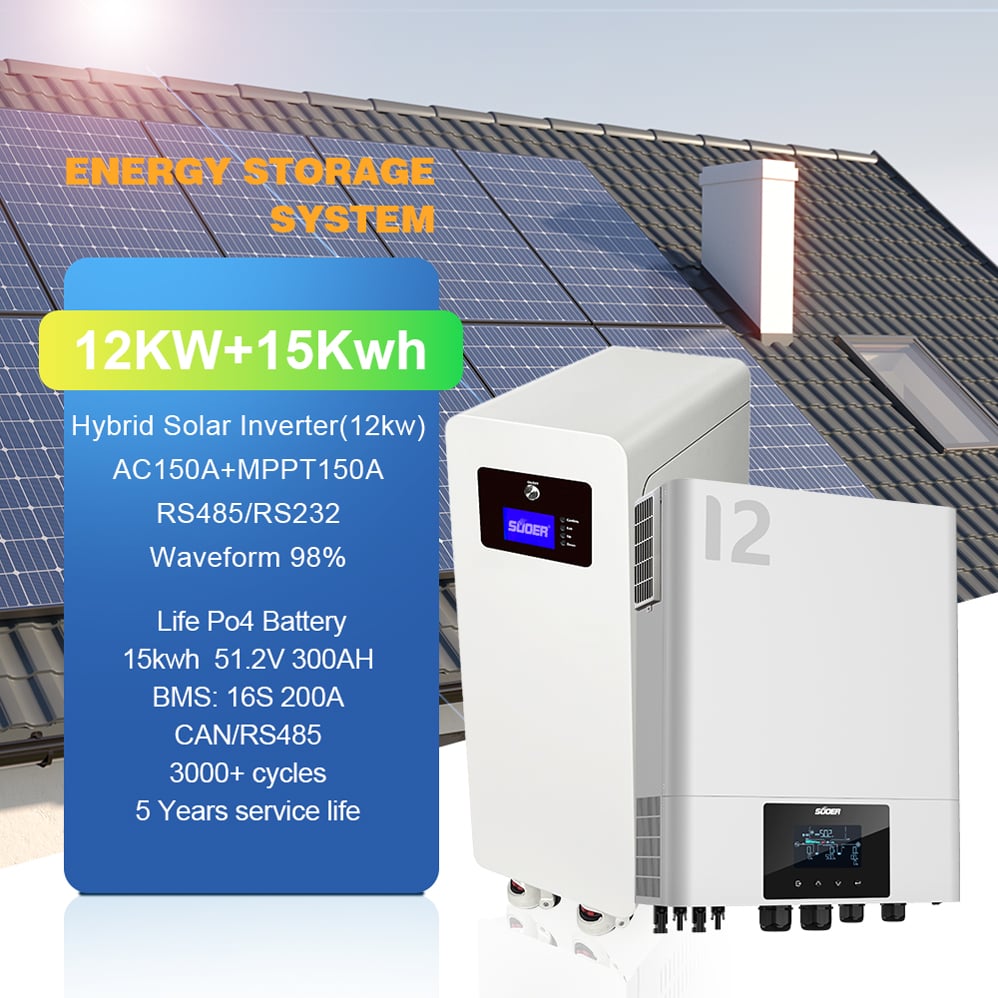
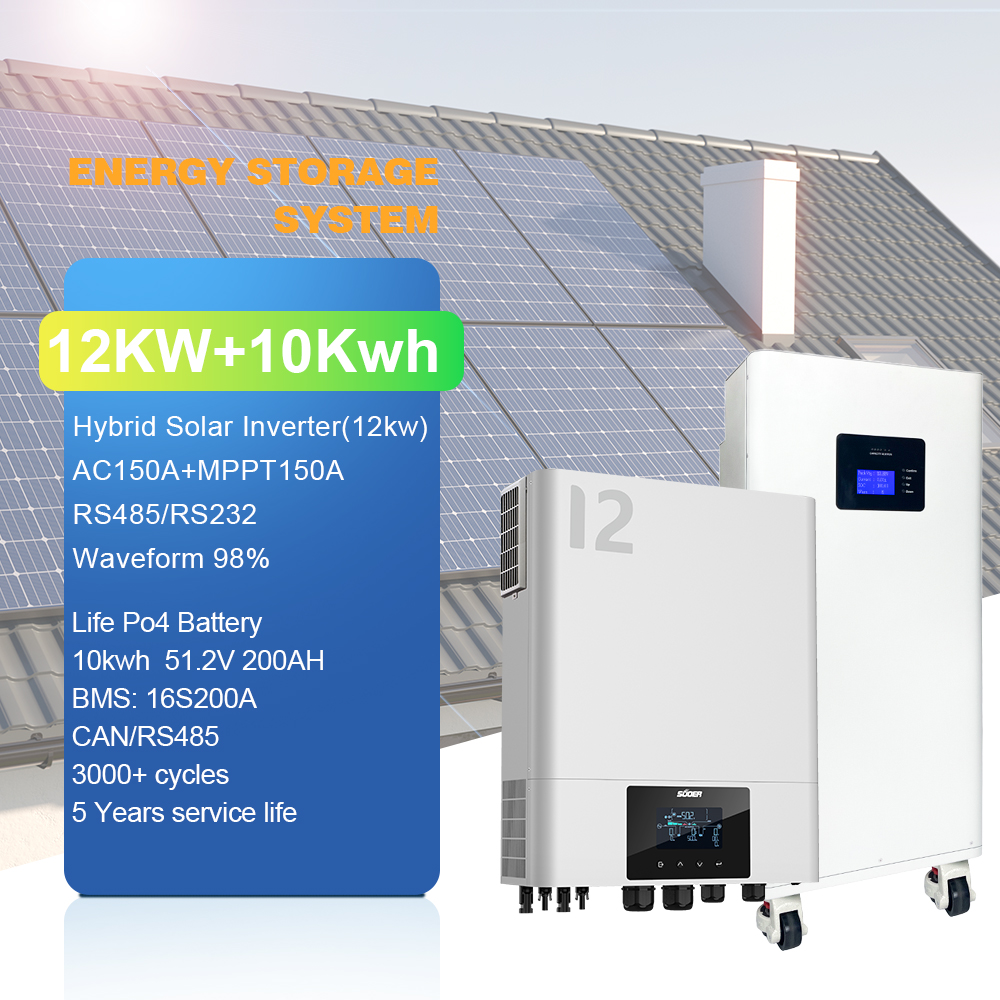
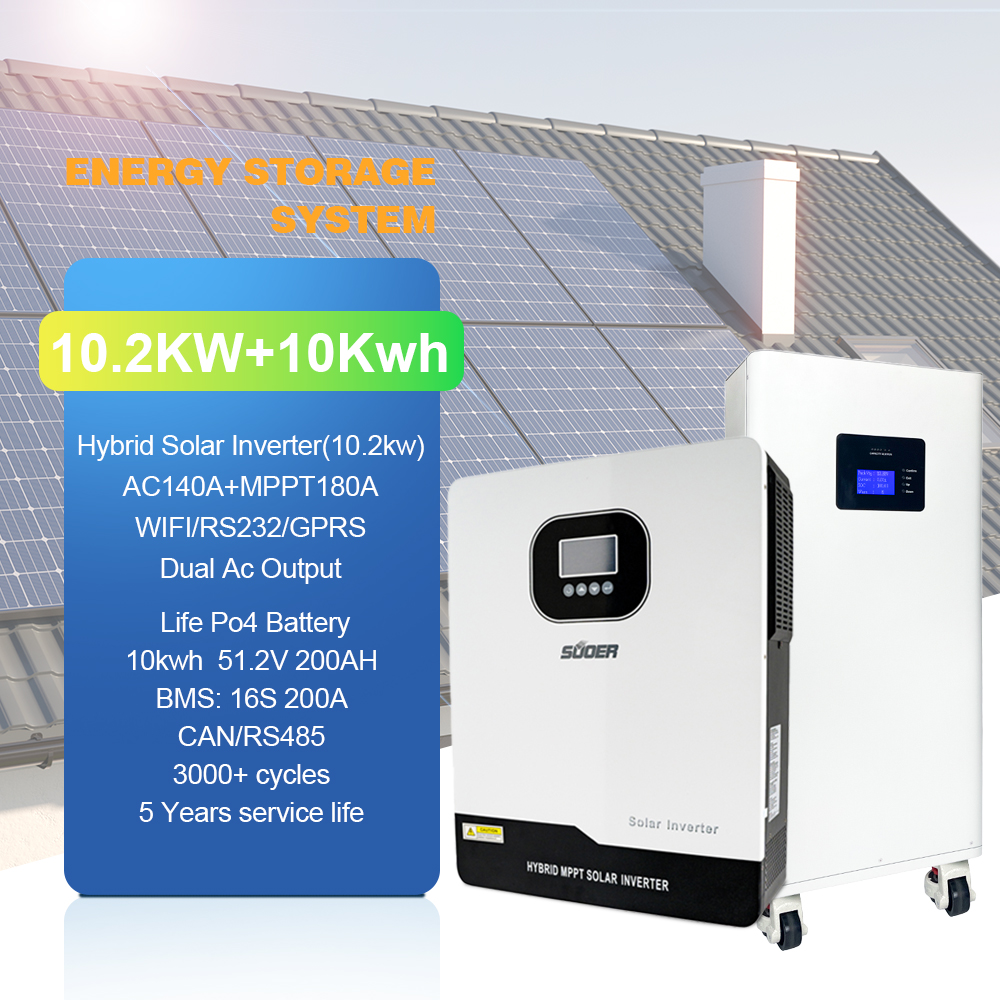
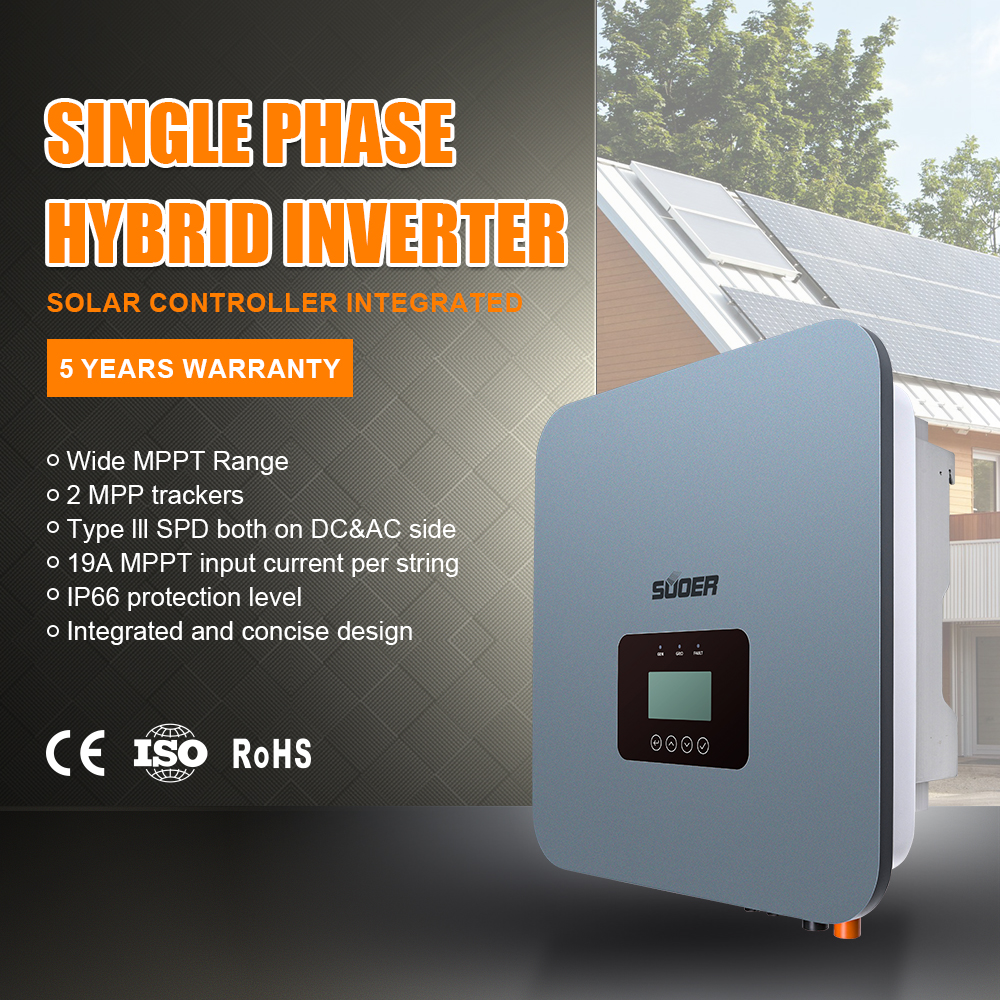
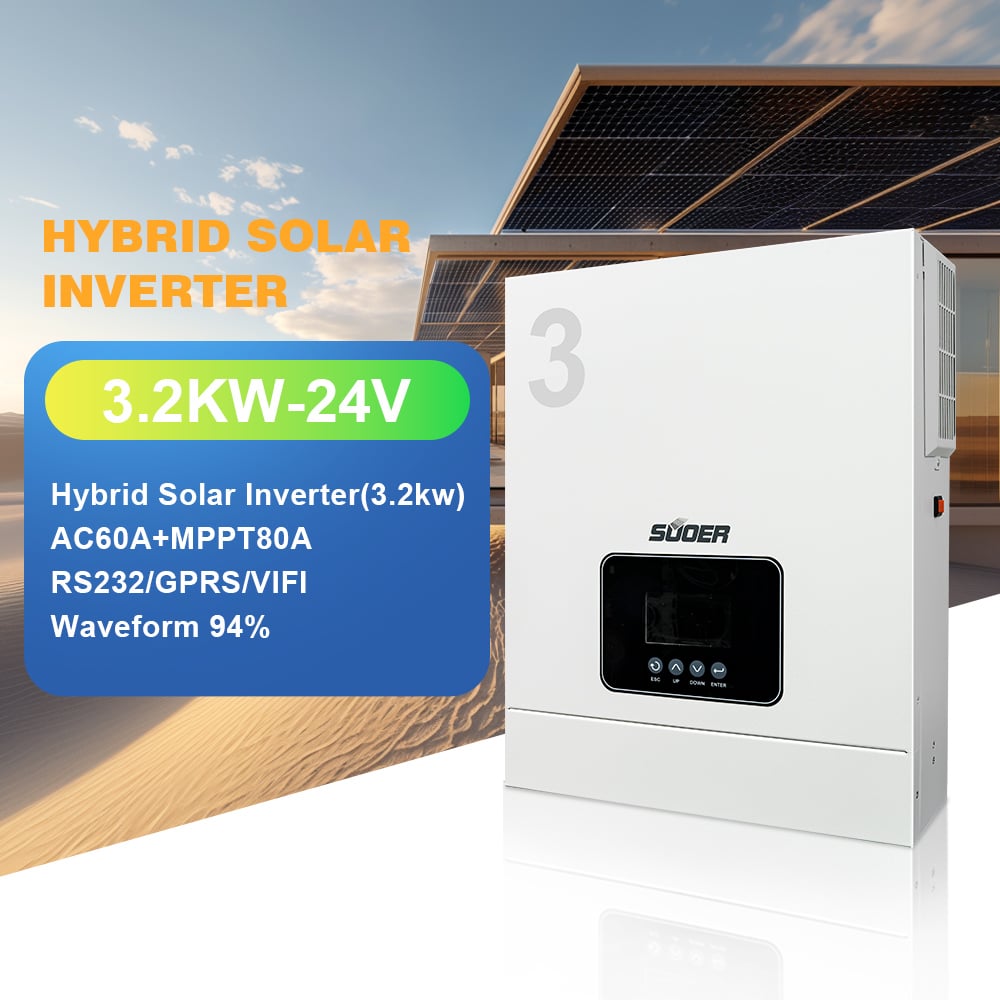
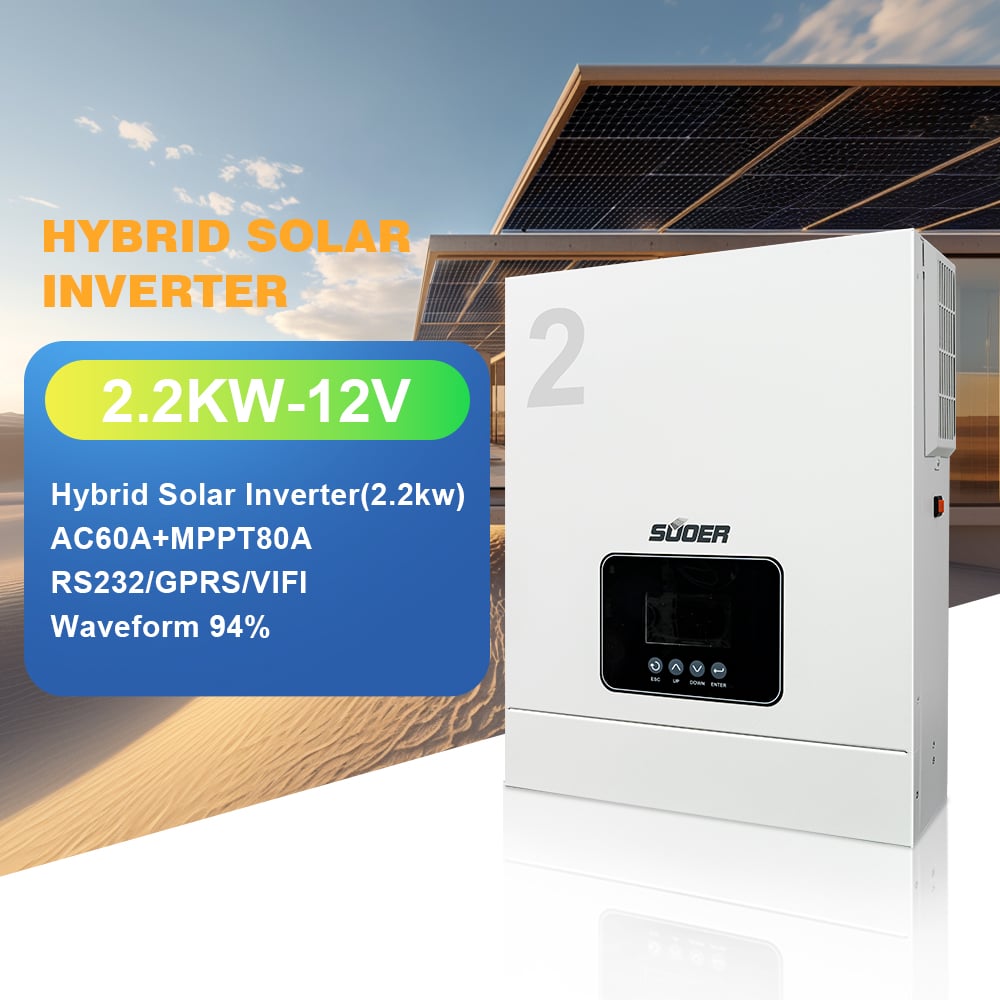
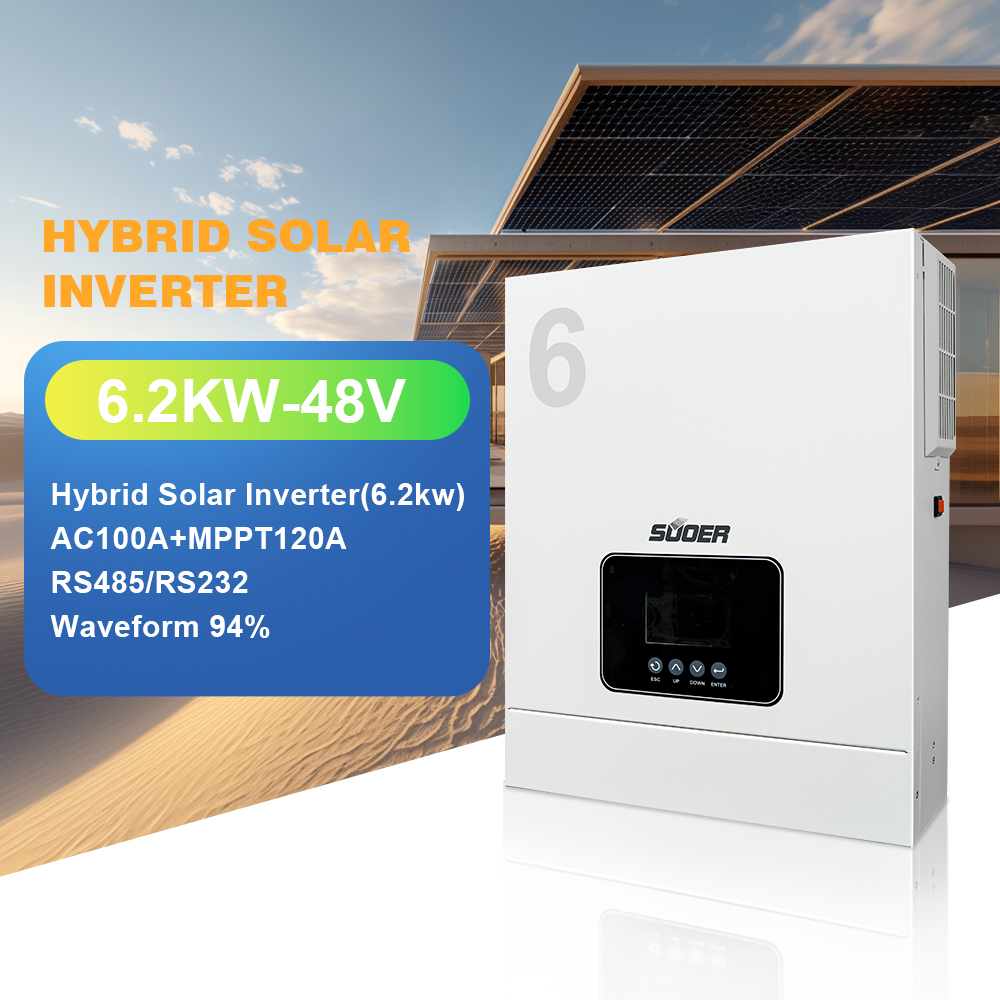
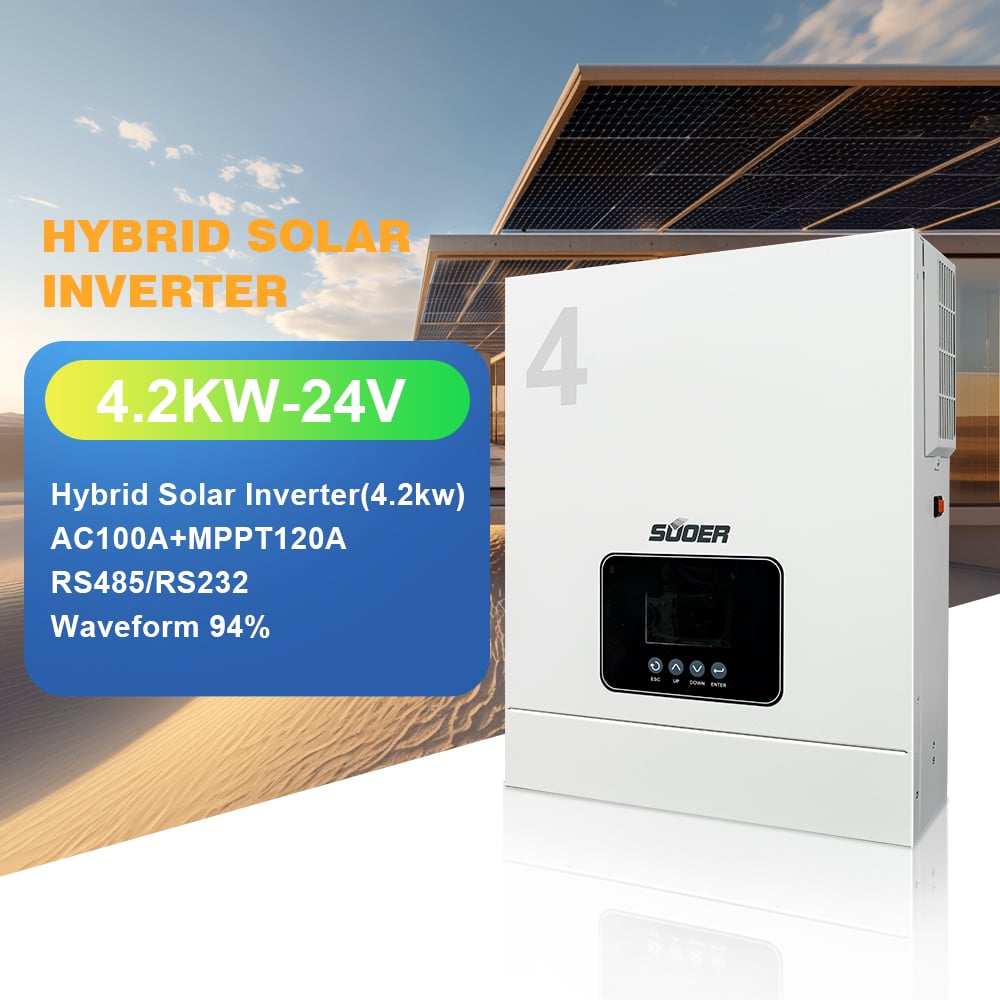
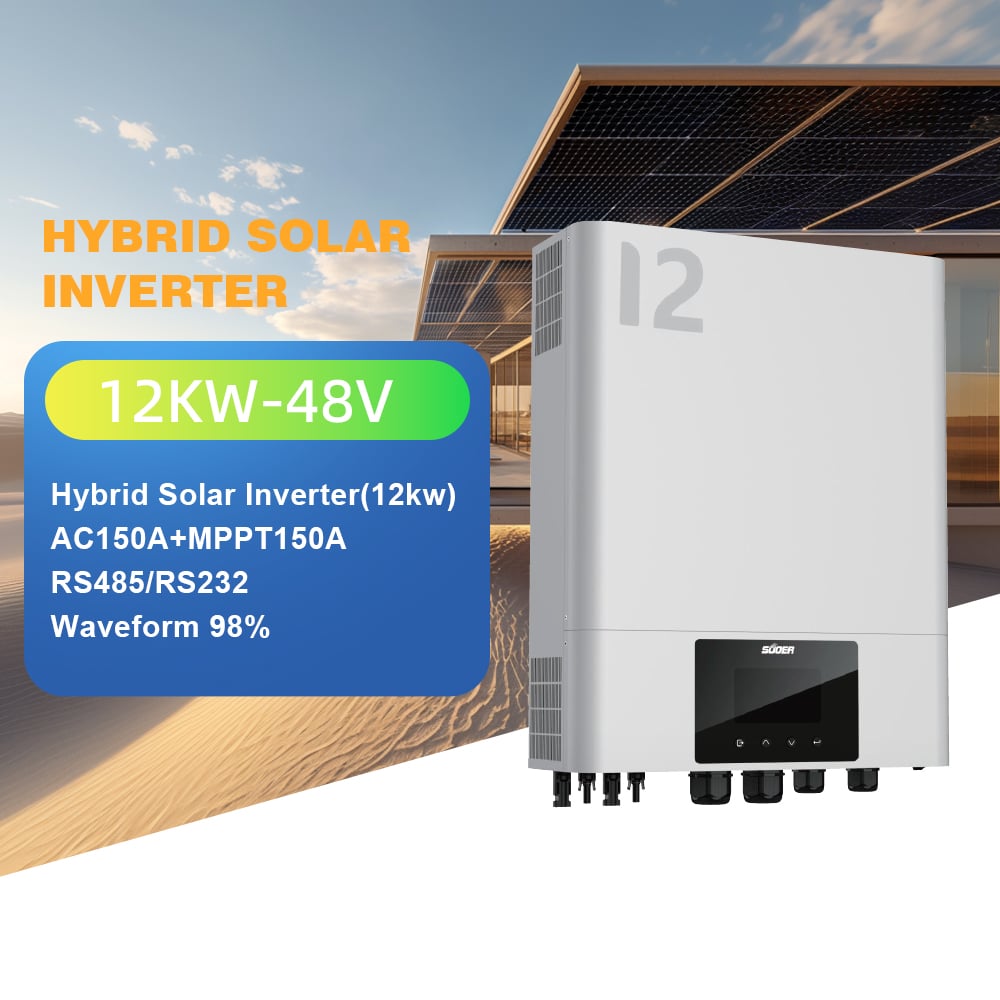
A 1500W pure sine wave inverter is a critical component for various applications, providing reliable power conversion for electric vehicles, industrial uses, and renewable energy systems. When procuring this essential equipment, buyers often have concerns about performance, compatibility, and quality assurance. This article will guide you through key considerations when selecting a Suoer 10kw hybrid inverter, ensuring you make informed decisions that meet your operational needs.
Selecting the appropriate 1500W pure sine wave inverter begins with understanding your specific application requirements. Consider the devices you plan to power; for example, sensitive electronics like computers and audio equipment require pure sine wave inverters for optimal performance. Ensure that the inverter's output voltage and frequency match your devices’ specifications.
Additionally, evaluate the inverter's input voltage range and surge capacity, which can impact its ability to handle temporary power spikes. For instance, if you intend to run equipment with high starting currents, choose an inverter with a higher surge capacity than your continuous load to prevent tripping.
Consider also the inverter's efficiency rating; look for models that offer a high conversion efficiency to minimize energy loss. This is particularly vital for applications involving battery systems, where efficiency directly influences runtime and overall performance.
When assessing 1500W pure sine wave inverters, several specifications warrant careful consideration:
Output Waveform: Ensure the inverter produces a pure sine wave, as it is essential for running sensitive electronic devices without distortion.
Efficiency Rating: Look for inverters with efficiency ratings above 90%. High efficiency contributes to lower energy costs and extends the operational life of the connected devices.
Input Voltage Range: Confirm that the inverter's input voltage range aligns with your power source, such as a battery bank, to ensure compatibility and performance.
Surge Power Rating: Evaluate the inverter's surge power capabilities, as it should be able to handle the initial power draw of devices with high starting currents.
Size and Weight: Consider the physical dimensions and weight of the hybrid 10kw inverter, particularly for mobile or space-constrained applications.
Cooling Method: Check if the inverter has adequate cooling mechanisms (e. g., fans or heatsinks) to prevent overheating, which can affect performance and longevity.
Quality assurance is paramount when ordering Suoer 1500W pure sine wave inverters, especially in bulk. Here are several steps to evaluate quality before making a purchase:
Certifications: Verify that the inverters carry relevant certifications such as ROHS, CE, and ISO9001, which indicate compliance with international safety and quality standards.
Manufacturer Reputation: Research the manufacturer's reputation in the industry. Look for reviews and testimonials from previous clients, particularly those in similar sectors, to gauge reliability and performance.
Quality Control Processes: Inquire about the manufacturer’s quality control procedures. A rigorous quality assurance process, including testing at various stages of production, ensures that each unit meets specified standards.
Sample Approval: Before finalizing a bulk order, request a sample unit. This allows you to evaluate performance under your specific operational conditions, confirming that it meets your requirements.
Warranty and Support: Ensure the manufacturer offers a comprehensive warranty and responsive support. This is crucial for addressing any issues that may arise post-purchase.
Installation of 1500W pure sine wave inverters can present challenges. Here are common issues and suggested solutions:
Incorrect Wiring: Ensure that the inverter is wired correctly according to the manufacturer's specifications. Miswiring can lead to system failures or even damage to connected devices. Always follow the wiring diagrams provided in the user manual.
Inadequate Ventilation: A common issue is insufficient airflow around the inverter, leading to overheating. To prevent this, install the inverter in a well-ventilated area and consider adding external cooling fans if necessary.
Overloading: Running equipment that exceeds the inverter’s rated capacity can cause shutdowns or damage. Always verify the total load before connecting devices, and consider using a load management system if multiple devices are powered.
Poor Grounding: Ensure that the inverter is properly grounded to prevent electrical hazards and ensure optimal performance. Follow the grounding guidelines outlined in the installation manual.
The cost of Suoer 1500W pure sine wave inverters can vary significantly based on several factors:
Quality and Brand: Higher quality inverters from reputable brands typically come at a premium but offer greater reliability and performance. Investing in a well-established brand can reduce long-term operational risks.
Purchase Volume: Bulk orders often lead to discounts. Establish your expected order volume upfront, as this can significantly impact pricing negotiations.
Custom Features: If you require customized features such as specific input/output configurations or additional monitoring capabilities, be prepared for potential increases in costs.
Shipping and Handling: Factor in shipping costs, especially for international orders. Consider the lead time and any potential customs fees, which can affect overall expenses.
Warranty and Support: The cost of extended warranties or premium support services should also be included in your budget considerations, as they can offer peace of mind and protection against unforeseen issues.
In summary, a well-informed approach to selecting and purchasing a 3kw hybrid solar inverter involves understanding your specific needs, evaluating key specifications, ensuring quality, addressing installation challenges, and considering all cost factors. By following these guidelines, you can make decisions that enhance your operational efficiency and reliability in power management.

Discover Suoer’s premium range of solar inverters and power inverters designed for reliable renewable energy solutions.Trusted by customers worldwide for exceptional performance and durability.
Suoer Industrial Zone, Ercun Road Section, Yanfeng Avenue, Shishan Town,Foshan city,Guangdong Province,China
Copyright © 2024 Foshan Suoer Electronic Industry Co., Ltd. Privacy Policy - Blog

 EN
 AR
 NL
 FR
 DE
 EL
 IT
 JA
 KO
 PT
 RU
 ES
 VI
 TH
 TR
 BG
 HR
 CS
 NO
 PL
 TL
 ID
 SR
 UK
 SQ
 HU
 MT
 AF
 MS
 IS
 HY
 AZ
 BN
 BS
 GU
 LO
 LA
 MN
 NE
 TA