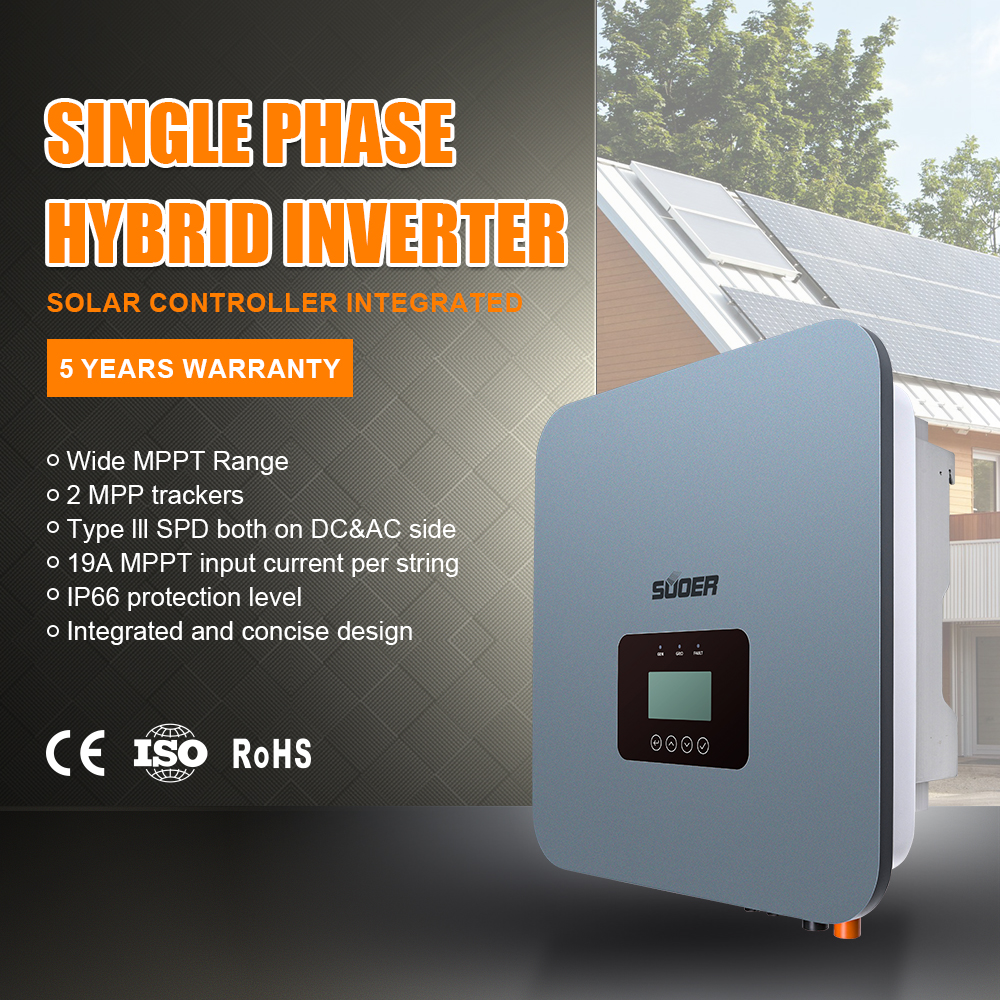
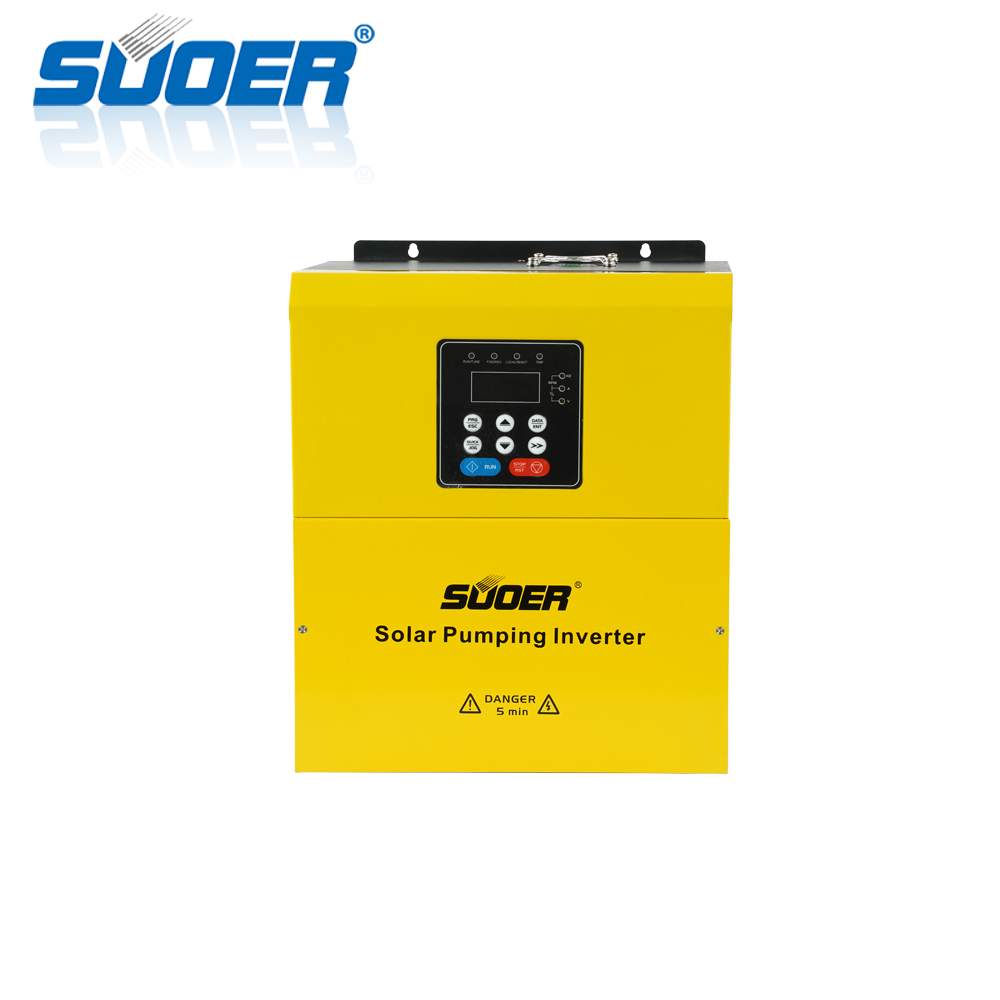
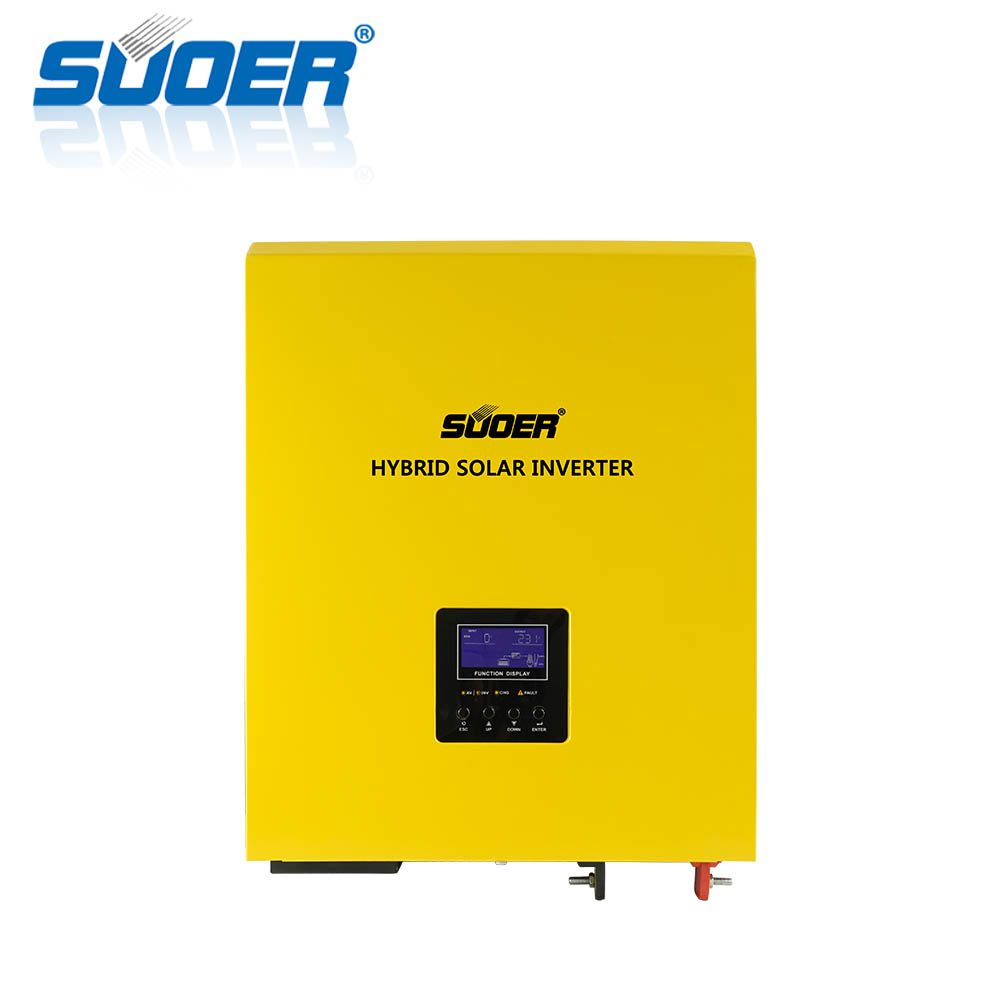
The 3kW hybrid inverter is a vital component in modern renewable energy systems, particularly for applications involving electric vehicles, industrial processes, and photovoltaic systems. B2B buyers, including purchasing managers, distributors, and engineers, often seek reliable inverters that meet stringent performance standards. This article delves into key specifications, performance assessments, applications, sourcing options, and feature comparisons of 3kW hybrid inverter, equipping you with essential knowledge to make informed purchasing decisions.
When evaluating 3kW hybrid inverters, several key specifications are crucial for importers and distributors. Firstly, consider the inverter's efficiency rating, which typically ranges from 90% to 95%. Higher efficiency means less energy loss during the conversion process, which is critical for maximizing the overall energy output of a system.
Next, look at the input voltage range. A 6.2 kw hybrid inverter should accommodate a range of input voltages to ensure compatibility with various power sources. The typical range is between 48V to 60V for battery systems, but this can vary based on specific applications.
Another important specification is the total harmonic distortion (THD), which should ideally be below 5%. Lower THD indicates a cleaner power output, reducing the risk of damage to connected devices and improving overall system performance.
Finally, consider the inverter's operating temperature range and protection features, such as over-voltage, under-voltage, and short-circuit protection. These features enhance durability and reliability, essential aspects for long-term operation in demanding environments.
Assessing the performance of a 3kW hybrid inverter involves several practical steps. Start by reviewing its efficiency under different load conditions. A reputable inverter should maintain high efficiency across a range of operational loads. Request performance curves from suppliers to see how efficiency varies with load, which can help predict real-world performance.
Conducting a temperature rise test is also advisable. During prolonged operation, mppt solar hybrid inverter can heat up, affecting performance and reliability. Monitoring the inverter's temperature during testing can reveal its thermal management capabilities.
Lastly, consider the inverter's response to grid interruptions and its ability to switch between grid and battery power seamlessly. This is particularly important for applications that require uninterrupted power, such as critical industrial processes or emergency backup systems. Testing these features in real-world scenarios can provide insights into the inverter's reliability and performance consistency.
3kW hybrid inverters play a pivotal role in various renewable energy projects, particularly in solar photovoltaic (PV) systems and electric vehicle (EV) charging stations. In residential solar installations, these inverters manage power flow from solar panels to batteries and the grid, optimizing energy use and reducing electricity costs.
In EV charging applications, 3kW hybrid inverters cater to home charging stations, ensuring efficient power conversion from solar energy or the grid to charge electric vehicles. Their ability to support bidirectional power flow is essential for vehicle-to-grid (V2G) applications, where energy can be fed back into the grid.
Moreover, in industrial settings, these inverters are utilized to stabilize power supply and enhance energy efficiency. They support various loads, ensuring that industrial operations can run smoothly without interruptions due to power fluctuations. Their versatility makes them suitable for a wide range of applications, from small-scale residential setups to large industrial projects.
Sourcing reliable 3kW hybrid inverters for bulk orders requires careful consideration of several factors. Start by identifying manufacturers with proven track records in the renewable energy sector. Look for companies that have robust research and development capabilities and automated production processes, as these are indicators of quality and reliability.
Certifications such as ROHS, CE, and ISO9001 are essential for ensuring that the products meet international safety and quality standards. Suppliers with these certifications demonstrate a commitment to maintaining high manufacturing standards.
Engaging with industry trade shows or online platforms dedicated to renewable energy can also provide valuable insights and connections to credible suppliers. It is advisable to request product samples and performance data before placing bulk orders to ensure they meet your specific requirements.
Finally, consider the supplier's ability to offer customization options and support services, such as technical assistance and warranty provisions. These factors can significantly impact the long-term success of your procurement strategy.
When comparing 3kW hybrid inverters, focus on key features that align with your project requirements. Start by evaluating the inverter's connectivity options, such as Wi-Fi or Ethernet capabilities, which can facilitate remote monitoring and management. This feature is particularly valuable for large installations where real-time data can inform operational decisions.
Next, assess the inverter's battery compatibility. Ensure it can work with the specific battery types you plan to use, whether lithium-ion, lead-acid, or others. Compatibility will impact overall system efficiency and performance.
Another critical feature is the inverter's control mechanisms, such as MPPT (Maximum Power Point Tracking) technology. This technology optimizes energy harvest from solar panels by adjusting the electrical operating point, significantly enhancing overall efficiency.
Lastly, review the manufacturer's warranty and service offerings. A comprehensive warranty can provide peace of mind and protect your investment, while responsive customer support can assist with any operational challenges that arise after installation.
By focusing on these aspects during your comparison, you can select a 3kW hybrid inverter that best meets the demands of your specific projects.

Discover Suoer’s premium range of solar inverters and power inverters designed for reliable renewable energy solutions.Trusted by customers worldwide for exceptional performance and durability.
Suoer Industrial Zone, Ercun Road Section, Yanfeng Avenue, Shishan Town,Foshan city,Guangdong Province,China
Copyright © 2024 Foshan Suoer Electronic Industry Co., Ltd. Privacy Policy - Blog

 EN
 AR
 NL
 FR
 DE
 EL
 IT
 JA
 KO
 PT
 RU
 ES
 VI
 TH
 TR
 BG
 HR
 CS
 NO
 PL
 TL
 ID
 SR
 UK
 SQ
 HU
 MT
 AF
 MS
 IS
 HY
 AZ
 BN
 BS
 GU
 LO
 LA
 MN
 NE
 TA